How to Stop Lawn Fungus Before It Spreads Across the Yard
Lawn fungus thrives on grass that stays wet at night. Change when you water and how you mow, then treat active patches with a broad-spectrum fungicide.
By Jamilur Rahman Updated November 5, 2026 · 6 min read
- Time
- 1 hour
- Cost
- $20-$50
- Difficulty
- Easy
In this guide
Quick answer
How to stop lawn fungus: water early in the morning so the grass dries fast, mow high with a sharp blade, bag clippings from infected spots and go easy on nitrogen in hot weather. If patches keep spreading after a week or two, a broad-spectrum lawn fungicide stops the active fungus while the grass recovers.
Free fix vs. permanent fix
Change the watering and mowing
- Water deeply, early in the morning
- Mow at the tall end of your grass's range with a sharp blade
- Bag clippings from infected patches
- Thin shade and clear leaves for airflow
How long it lasts: Stops new infections and often mild ones. Active fungus can keep spreading in wet weather.
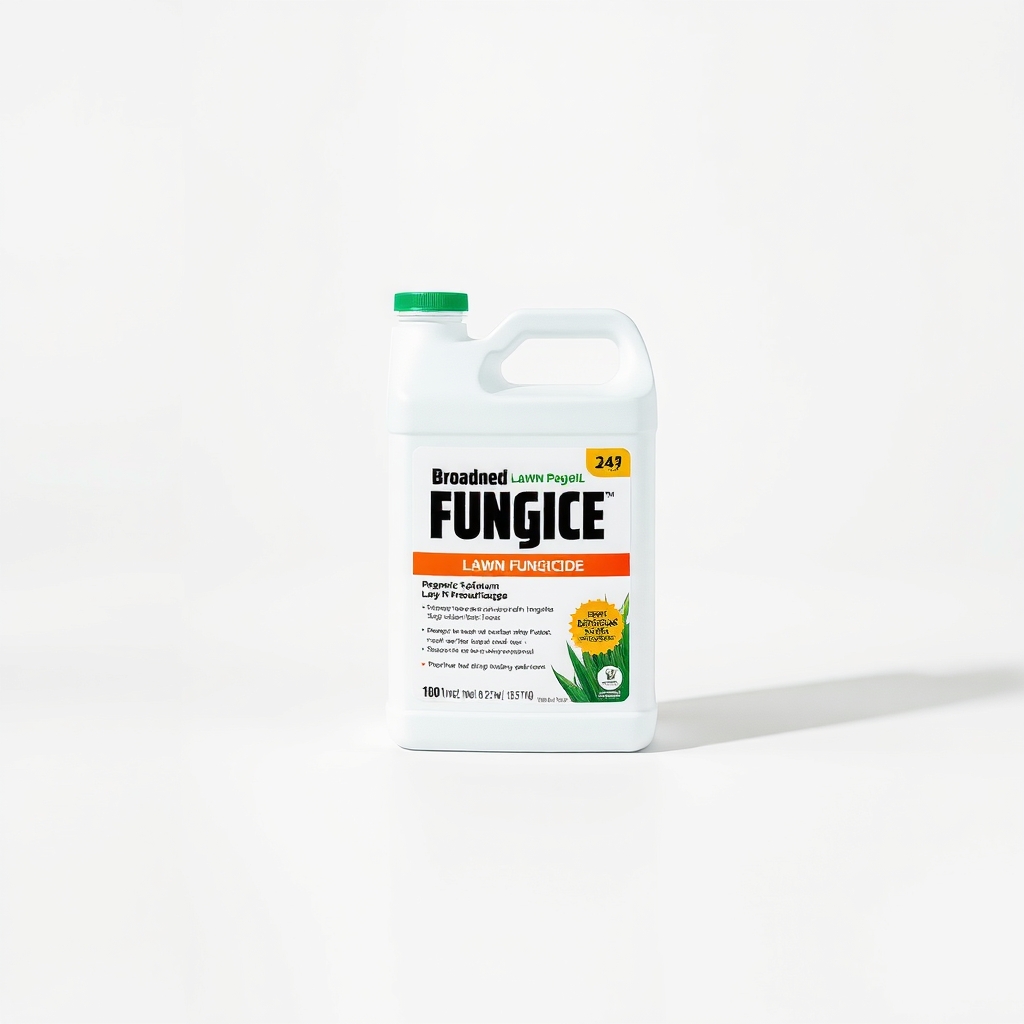
A broad-spectrum lawn fungicide
Fungus spreads fast on wet grass, and watering and mowing changes work slowly. A fungicide stops the fungus in its tracks while you fix the conditions. It does not cure poor watering, so use both.
What to get: Broad-spectrum lawn fungicide
How long it lasts: Per the label, often a few weeks of protection per application. Repeat if the weather stays wet.
As an Amazon Associate I earn from qualifying purchases.
What you'll need
-
Rain gauge or empty tuna can
Measures the 1 inch a week your lawn needs
You have it -
Mower with a sharp blade
A dull blade shreds grass tips and gives fungus a way in
You have it -
Lawn bags
For clippings from infected patches
You have it - Our pick Illustration
Broad-spectrum lawn fungicide
Check that it lists the disease you have
- Illustration
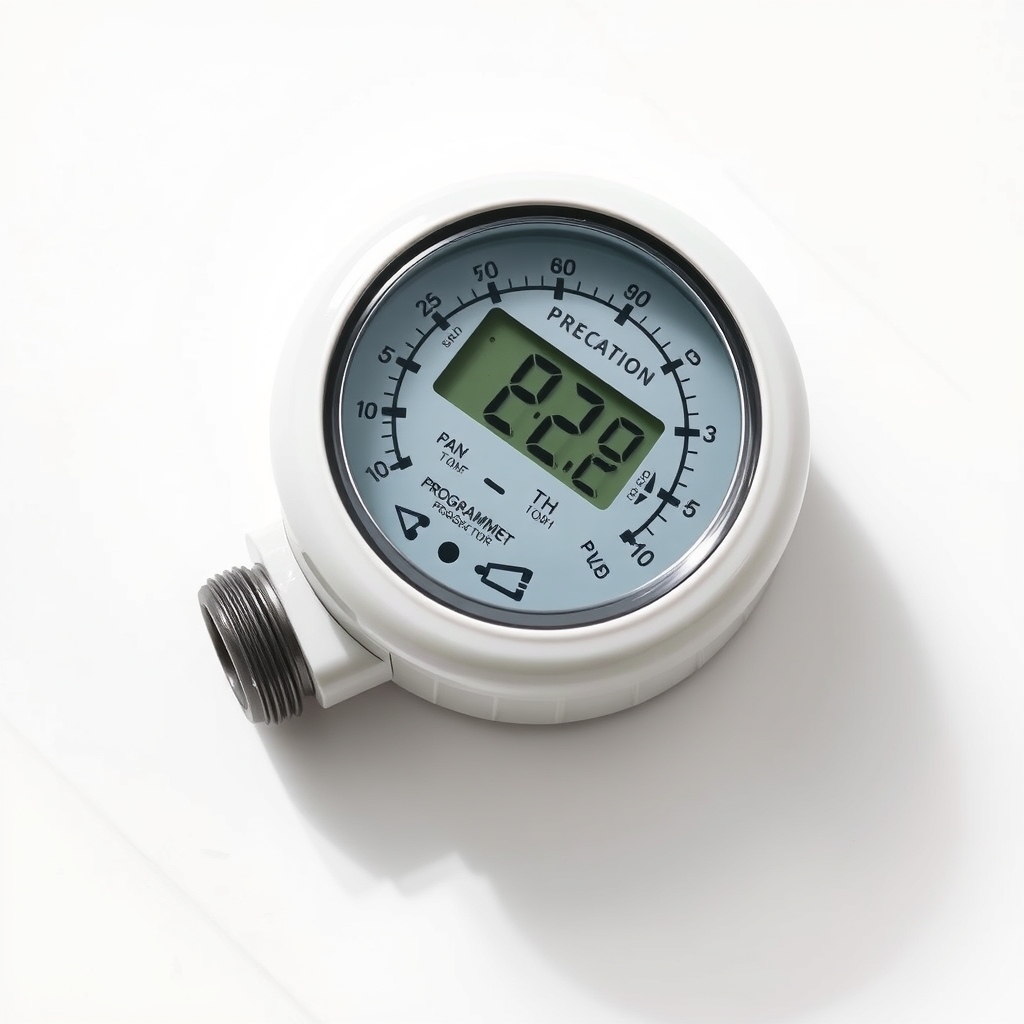
Programmable hose timer
Waters before sunrise, even when you forget
Why it happens
Watering at night or little and often
Grass that stays wet overnight is a perfect home for fungus. Short daily sprinkles keep the surface damp without feeding the roots.
Humid heat
Brown patch and dollar spot spread in warm, muggy weather. Disease can seem to appear overnight after a hot, wet spell.
Too much nitrogen at the wrong time
A heavy summer feed makes soft, fast leaf growth that fungus likes. Lawn rust is the opposite case. See the section below.
Thatch, shade and poor airflow
A thick thatch layer, dense shade and overgrown shrubs hold moisture at the soil line.
Dull blades and low mowing
A dull blade shreds grass tips, which gives fungus an easy entry. Scalping stresses the grass too.
Try this first (free)
Do these in order, starting with the simplest.
-
Water early, deep and less often
Tool used: Rain gauge or empty tuna canWater in the early morning so the grass dries by midday. Aim for about 1 inch a week in one or two deep soaks. Set a tuna can on the lawn: when it holds an inch, stop.
-
Mow high and keep the blade sharp
Tool used: Mower with a sharp bladeFollow the mowing height range for your grass type, and use the taller end in summer. Never cut more than a third of the blade at once. Sharpen the mower blade each season.
-
Bag clippings from infected patches
Tool used: Lawn bagsMow the healthy lawn first and the sick patches last. Bag and throw away those clippings, then rinse the mower deck so it does not carry spores to healthy grass.
-
Open up airflow
Trim back low branches and shrubs, rake leaves, and dethatch if the thatch is thicker than about half an inch.
-
Treat active patches with fungicide
Tool used: Broad-spectrum lawn fungicideIf a patch is still spreading after a week or two, apply a broad-spectrum lawn fungicide. Wear gloves, follow the label on rate and timing, and keep pets and kids off until it dries or as the label says.
IllustrationCheck price on AmazonTool for this step
Broad-spectrum lawn fungicide · Check that it lists the disease you have
When free fixes aren't enough
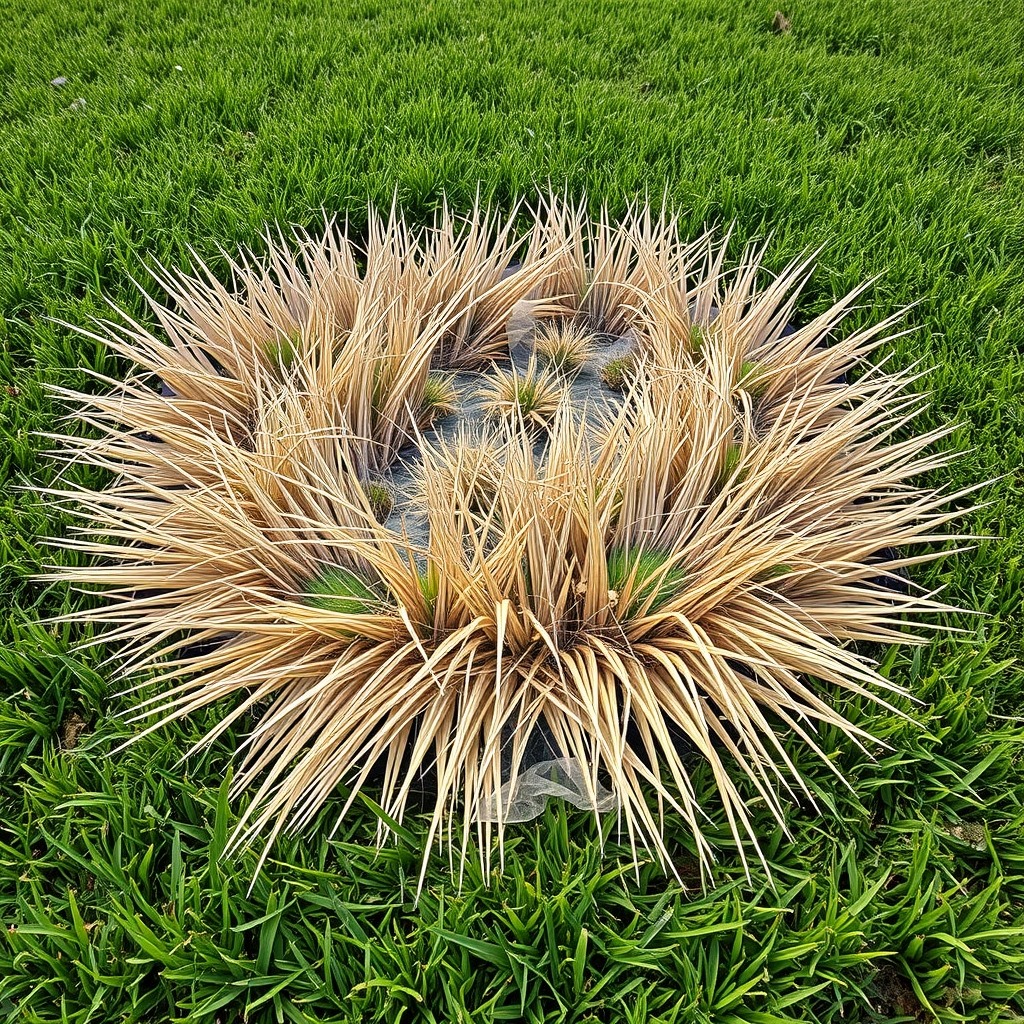
If patches grow day by day in warm, wet weather, or you see a white cobweb film in the morning, tan rings or orange powder, watering changes alone are too slow. A broad-spectrum fungicide is the product that stops active spread. It does not bring dead grass back, so rake and reseed bare spots afterward. If brown patches show no film or spots on the blades, it may not be fungus: pet urine, grubs, drought and dull blades look alike. Your local extension office can often help identify the problem from a photo.
Buy the fix
Still stuck after the free fixes? These are the products we would look at.
| Pick | Product | Fixes | Who it's for | Buy |
|---|---|---|---|---|
| Best pick | Broad-spectrum lawn fungicide | active fungus spreading across the grass | Anyone with spreading patches, rings or a film on the blades that watering changes have not stopped. | Check price |
| Upgrade pick | Programmable hose timer | night watering and forgotten sprinklers that keep the grass wet | Anyone who waters with a hose-end sprinkler and forgets to turn it off. | Check price |
Broad-spectrum lawn fungicide
Fixes: active fungus spreading across the grass
Look for: The label lists the lawn diseases it treats, such as brown patch and dollar spot; A named active ingredient, for example azoxystrobin, propiconazole or myclobutanil; Granular or hose-end spray, whichever suits your lawn size; Coverage that matches the size of your lawn.
- Who it's for
- Anyone with spreading patches, rings or a film on the blades that watering changes have not stopped.
- Honest downside
- The damage comes from pet urine, grubs or drought. Fungicide does nothing for those, so check first.
Programmable hose timer
Fixes: night watering and forgotten sprinklers that keep the grass wet
Look for: Start times you can set before sunrise; A set number of minutes per cycle; A weather-sealed battery compartment.
- Who it's for
- Anyone who waters with a hose-end sprinkler and forgets to turn it off.
- Honest downside
- You have an in-ground sprinkler system with its own controller.
As an Amazon Associate I earn from qualifying purchases. We don't show prices because they change, so use the button to see today's price.
How we picked: How we picked: this page is based on university extension turf disease guides, fungicide label directions, and what owners report in reviews of lawn fungicides. We do not test products by hand.
How to stop lawn rust (and how to fix lawn rust)
Lawn rust is orange powder that rubs off on shoes and the mower. It tends to show on slow-growing, hungry, shaded grass in late summer and fall. Unlike other lawn fungus, it likes a lawn that needs food.
- Feed a light dose of nitrogen fertilizer, per the bag, to restart growth.
- Water deeply in the morning.
- Mow often and bag the clippings so spores do not spread.
- Fungicide is a last resort. Most rust clears once the grass grows again.
What to skip
Treating without a diagnosis
A fungicide will not fix brown patches caused by pet urine, grubs, drought or dull blades. Spraying every week without changing the watering just repeats the cycle. Look at the blades and the pattern first.
Frequently asked questions
How to fix lawn fungus once it has killed the grass?
How to stop lawn fungus from spreading across my yard?
Will lawn fungus come back next year?
Is my lawn dying from fungus or something else?
Related problems
 Free fix inside
Outdoor & Garage · Lawn
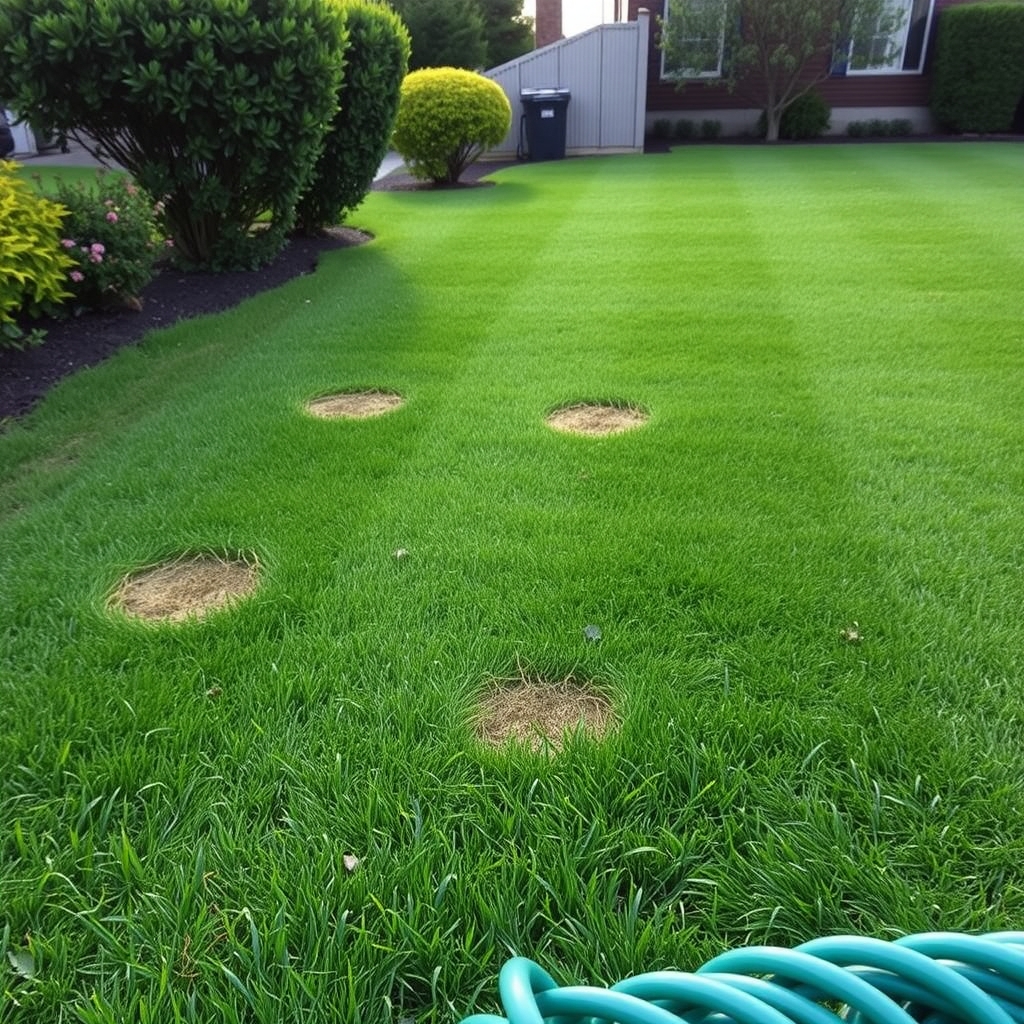
Why Your Lawn Has Brown Patches: Match the Fix to the Pattern
Read the fix Free fix inside
Outdoor & Garage · Lawn
Lawn Turning Yellow? Thirst, Pets or Hunger: How to Tell
Read the fix Free fix inside
Outdoor & Garage · Lawn
Mushrooms in the Lawn? Why They Pop Up and What Clears Them
Read the fix Free fix inside
Outdoor & Garage · Lawn
Lawn Not Absorbing Water? Aerating Opens Up Compacted Soil
Read the fixAs an Amazon Associate I earn from qualifying purchases. Affiliate disclosure