Why Your Lawn Has Brown Patches: Match the Fix to the Pattern
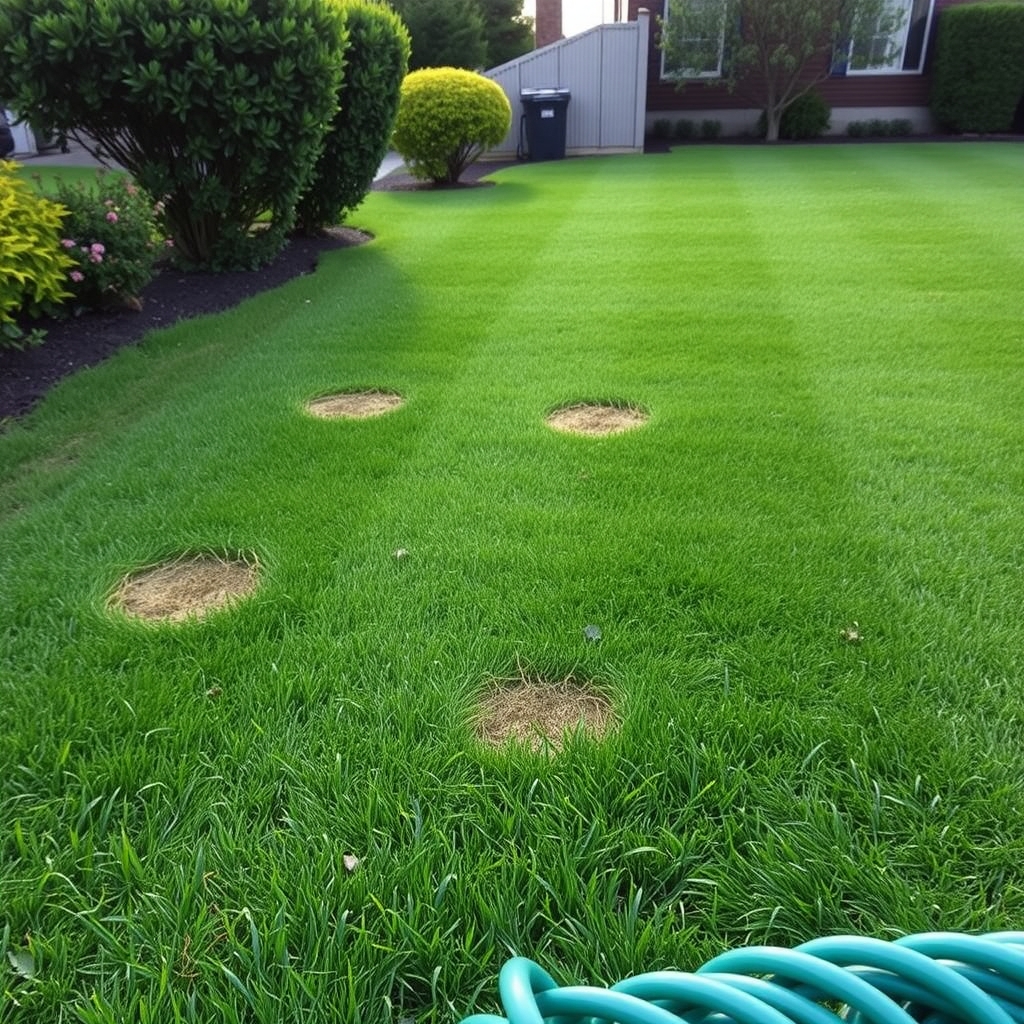
Thirst, grubs, pet urine and fungus each leave a different pattern. Read the pattern, fix the cause, then reseed the dead spots with a patch mix.
By Jamilur Rahman Updated November 5, 2026 · 7 min read
- Time
- 1 hour, then 3 weeks of watering
- Cost
- $20-$50
- Difficulty
- Easy
In this guide
Quick answer
Why does my lawn have brown patches? Usually thirst, grubs, pet urine or a fungus, and each leaves a different pattern. Read the pattern, fix that cause, then rake out the dead spot and reseed it. A patch mix packs seed, mulch and starter fertilizer into one step, which is the part that turns bare spots green again.
Free fix vs. permanent fix
Find the cause and water it right
- Tug test: turf that lifts like carpet points to grubs
- Measure your watering: aim for about 1 inch a week
- Mow high with a sharp blade
- Rake out the dead grass and loosen the top inch of soil
How long it lasts: If thirst or low mowing was the cause, a lawn can green up in 2 to 4 weeks with no seed. If the grass is dead, the spot stays bare until you reseed.
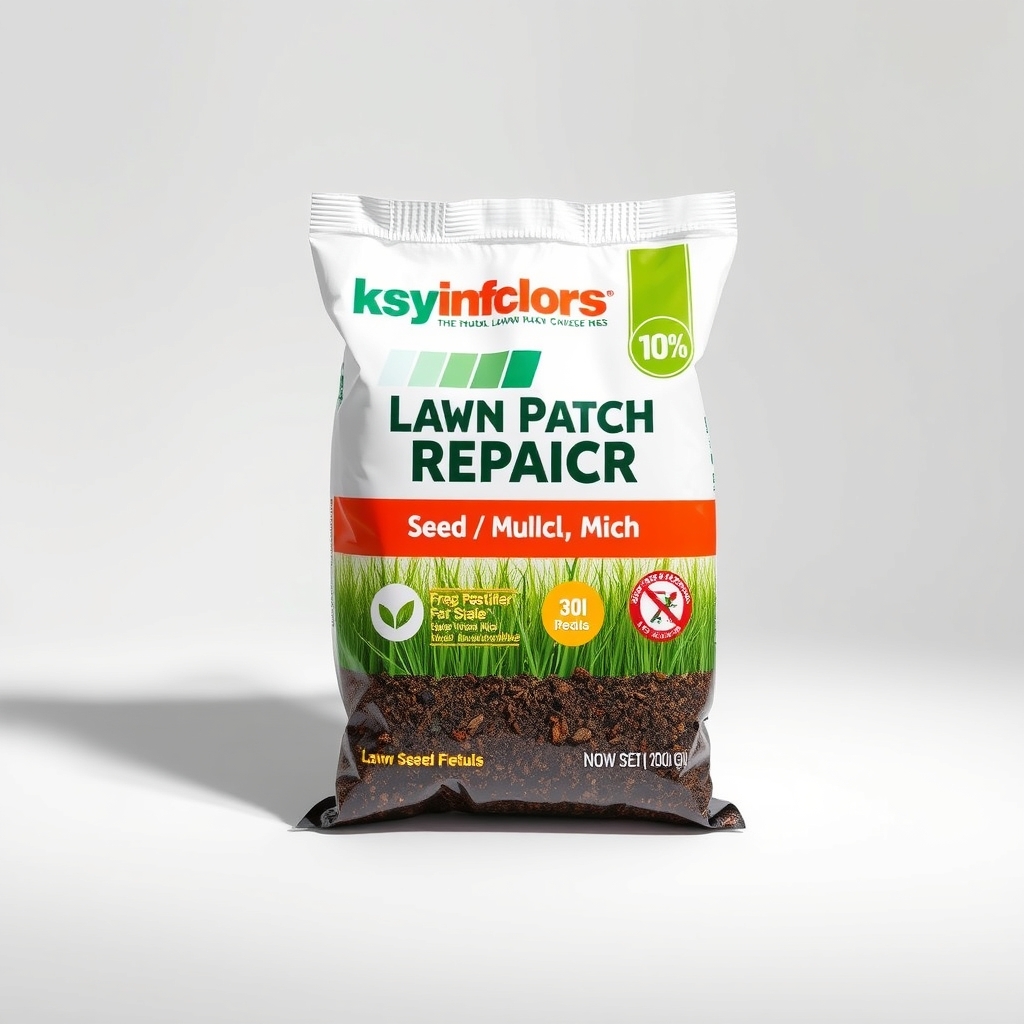
A patch mix that reseeds the dead spot
Dead grass does not come back on its own, and weeds move into bare soil. A patch mix puts seed, mulch and starter fertilizer in one bag, so the seed stays damp and fed while it sprouts. Fix the cause first, or the new patch dies too.
What to get: Lawn patch repair mix with seed, mulch and starter fertilizer
How long it lasts: The new grass thickens over the season, as long as you keep the patch moist while it sprouts and the cause is gone.
As an Amazon Associate I earn from qualifying purchases.
What you'll need
-
Garden rake
To clear dead grass and loosen the soil
You have it -
Hand trowel
To lift a square of turf and check for grubs
You have it -
Empty tuna can
A cheap rain gauge that shows when you have watered an inch
Free - Our pick Illustration
Lawn patch repair mix
Seed, mulch and starter fertilizer in one bag
- Illustration
Soil test kit
Shows soil pH if the patches keep returning
Why it happens
Thirst or heat stress
Sunny strips and whole lawns turn straw-brown in a dry spell. The grass is often dormant, not dead, and green growth returns with water.
Grubs eating the roots
Irregular patches that peel up like a rug mean the roots are gone. Birds, skunks or raccoons digging at the lawn are another clue.
Pet urine
Round dead spots, often with a darker green ring around the edge, appear where a dog goes often.
Fungal disease
Circular patches, sometimes with a gray ring at dawn, show up in warm, humid weather. Evening watering and heavy fertilizer make it worse.
Dull blade or low mowing
A dull blade shreds grass tips and leaves a tan cast across a wide area. Cutting too short stresses the grass in the same way.
Try this first (free)
Do these in order, starting with the simplest.
-
Do the tug test
Tool used: Hand trowelPull on the brown grass. If it lifts with no roots, cut a one-foot square of turf on three sides, peel it back and count the white C-shaped grubs. Extension offices often treat at about 5 to 10 per square foot.
-
Measure your watering
Tool used: Empty tuna canSet an empty tuna can on the lawn and run the sprinkler. Time how long it takes to fill about an inch. Lawns need roughly 1 inch a week, rain included, in one or two deep soakings, ideally early in the morning.
-
Fix the mowing
Raise the mower to 3 to 4 inches for cool-season grass, and check the right height for your grass type. Sharpen the blade once a season and never cut more than a third of the height at once.
-
Rake out the dead patch
Tool used: Garden rakePull out the dead grass and thatch, then loosen the top inch of soil so new seed touches dirt.
-
Reseed with a patch mix
Tool used: Lawn patch repair mixSpread the mix over the spot following the bag, press it down and keep it damp with light watering once or twice a day until it sprouts, usually 7 to 21 days. Seed cool-season grass in early fall and warm-season grass in late spring.
IllustrationCheck price on AmazonTool for this step
Lawn patch repair mix · Seed, mulch and starter fertilizer in one bag
When free fixes aren't enough
If the lawn has been watered and mown properly for 2 to 3 weeks and a patch is still brown, the grass is dead, not dormant, and only new seed will fill it. Loose seed often blows away or dries out, which is why bare spots stay bare. A patch mix keeps the seed damp and in place. Patches that return in the same spot point to grubs, disease, heavy shade or poor soil, so fix that cause first. If large areas die fast, or you see rings of mushrooms, ask your local extension office or a lawn pro.
Buy the fix
Still stuck after the free fixes? These are the products we would look at.
| Pick | Product | Fixes | Who it's for | Buy |
|---|---|---|---|---|
| Best pick | Lawn patch repair mix with seed, mulch and starter fertilizer | dead bare spots that will not regrow on their own | Anyone with a few dead patches who has already fixed the cause. | Check price |
| Budget pick |  Grass seed matched to your lawn | bare spots at the lowest cost per square foot | Anyone patching a small spot who will cover the seed with straw or peat moss. | Check price |
Lawn patch repair mix with seed, mulch and starter fertilizer
Fixes: dead bare spots that will not regrow on their own
Look for: Seed that matches your grass and sun: sun, shade or mixed; Mulch that holds moisture and keeps the seed in place; Starter fertilizer in the mix; Coverage in square feet, so you buy enough.
- Who it's for
- Anyone with a few dead patches who has already fixed the cause.
- Honest downside
- The cause is still there, such as grubs, pet urine or no water. The seed will die again. Also skip it if the lawn is only dormant.
Grass seed matched to your lawn
Fixes: bare spots at the lowest cost per square foot
Look for: A blend named for your region and grass type; Fresh seed with a recent test date; Coverage listed for overseeding or bare spots.
- Who it's for
- Anyone patching a small spot who will cover the seed with straw or peat moss.
- Honest downside
- The yard is windy or sloped. Loose seed washes away without a mulch cover.
As an Amazon Associate I earn from qualifying purchases. We don't show prices because they change, so use the button to see today's price.
How we picked: How we picked: this page is based on lawn care guides from university extension offices, product instructions from seed and patch mix makers, and the problems and fixes owners report in reviews. We do not test products by hand.
Read the pattern before you buy anything
- Whole lawn straw-brown: drought dormancy. Water deeply.
- Turf peels up like carpet: grubs. Check the count, then treat if needed.
- Round dead spots with a green ring: pet urine. Water the spot well right after, then reseed.
- Circles with a gray ring at dawn: fungus. Water in the morning and mow with a sharp blade.
- Tan, ragged tips across a big area: dull mower blade.
Dormant or dead? Check before you reseed
Water the patch deeply for two weeks. Dormant grass greens up from the base. Dead grass stays brown and pulls out with no resistance. Only reseed what stays dead.
What to skip
Extra fertilizer and weed killer on the patch
More fertilizer will not revive dead grass, and on dormant or stressed grass it can burn it. Weed killers can also harm new seedlings. Hold off on both until the new grass has been mowed a few times, or as the label says.
Frequently asked questions
Why is my lawn turning brown?
Lawn not growing in patches: why won't new grass take?
Why does my lawn keep dying?
How to fix lawn patches fast?
Related problems
 Free fix inside
Outdoor & Garage · Lawn
Lawn Turning Yellow? Thirst, Pets or Hunger: How to Tell
Read the fix Free fix inside
Outdoor & Garage · Lawn
Lawn Smells Like Dog Pee? Neutralize It, Don't Mask It
Read the fix Free fix inside
Outdoor & Garage · Lawn Disease
How to Stop Lawn Fungus Before It Spreads Across the Yard
Read the fix Free fix inside
Outdoor & Garage · Lawn
Lawn Not Absorbing Water? Aerating Opens Up Compacted Soil
Read the fixAs an Amazon Associate I earn from qualifying purchases. Affiliate disclosure