Lawn Not Absorbing Water? Aerating Opens Up Compacted Soil
Water that puddles or runs off usually means packed soil. Test with a screwdriver, water in short cycles, then aerate to open the ground.
By Jamilur Rahman Updated November 5, 2026 · 6 min read
- Time
- 1 to 2 hours
- Cost
- $20-$50
- Difficulty
- Medium
In this guide
Quick answer
Lawn not absorbing water usually means compacted soil, a thick layer of thatch, or dry soil that repels water. Push a screwdriver into the ground to check: if it is hard to push in, the soil is packed. Water in short cycles for now, then pull plugs with a manual core aerator, which opens channels so water, air and roots can get through.
Free fix vs. permanent fix
Test it, then water in cycles
- Push a screwdriver into the soil the day after watering
- Water for 5 to 10 minutes, wait 30 to 60 minutes, then repeat
- Mow at the taller end of your grass type's range
- Stay off the lawn when it is wet
How long it lasts: It stops runoff today. It does not loosen packed soil, so the problem returns after rain or heavy foot traffic.
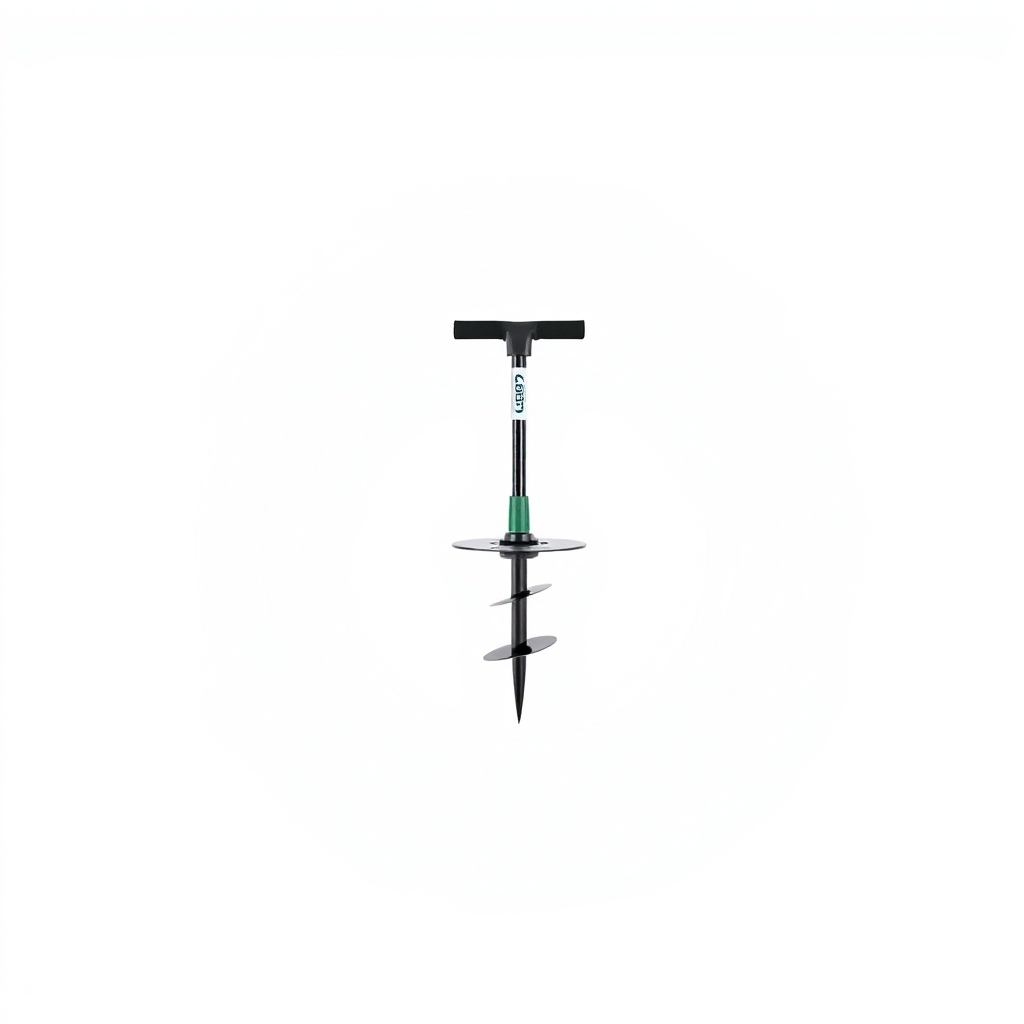
A manual core lawn aerator
Compaction squeezes out the air gaps water moves through. A hollow-tine core aerator pulls small plugs of soil out and leaves open channels. Water soaks in, and roots go deeper. A manual tool is enough for small and medium lawns.
What to get: Manual core lawn aerator
How long it lasts: The tool lasts for years. Most lawns need aerating about once a year, and heavy-clay or high-traffic lawns can benefit from more.
As an Amazon Associate I earn from qualifying purchases.
What you'll need
-
Long screwdriver
The simplest compaction test
You have it -
Hose and sprinkler
For the cycle-and-soak watering
You have it - Our pick Illustration
Manual core lawn aerator
Hollow tines that pull soil plugs, not solid spikes
- Illustration
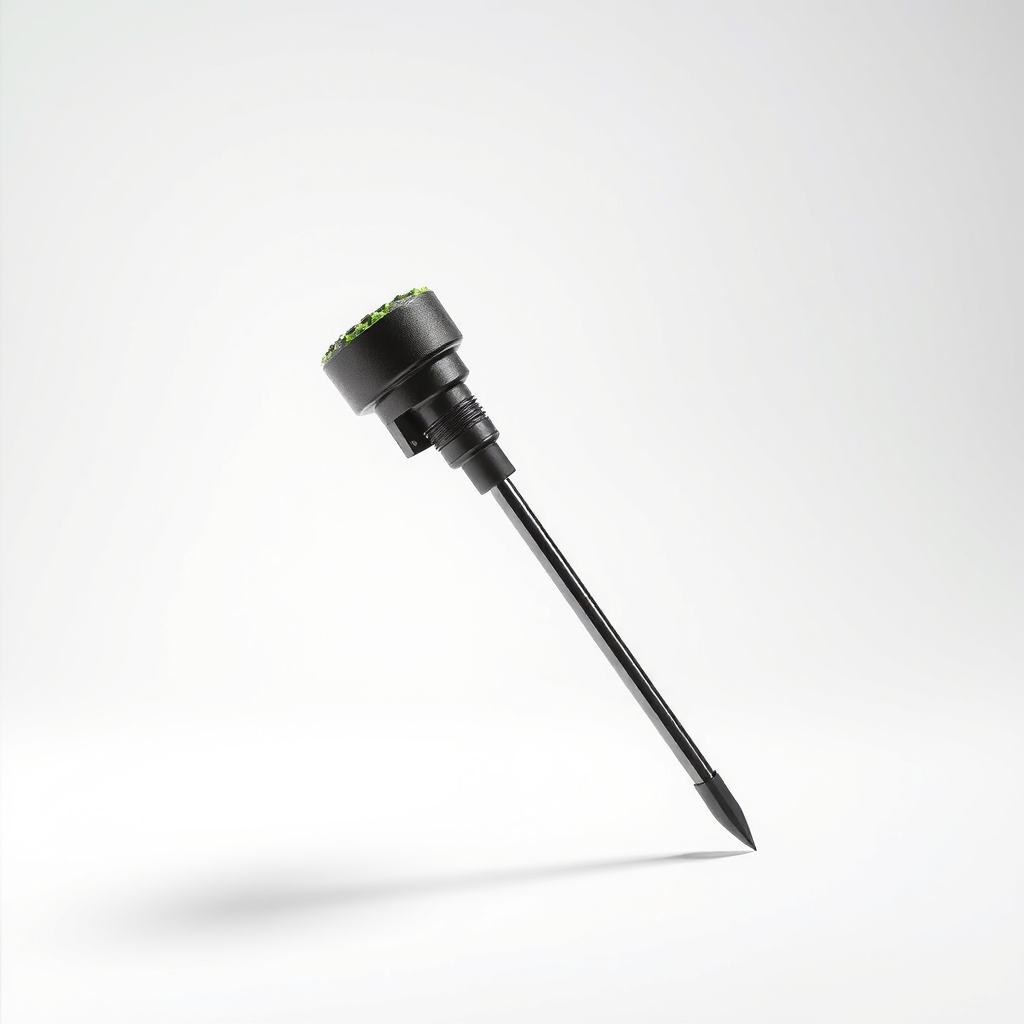
Hand-held core aerator
For small patches and dog paths
- Illustration
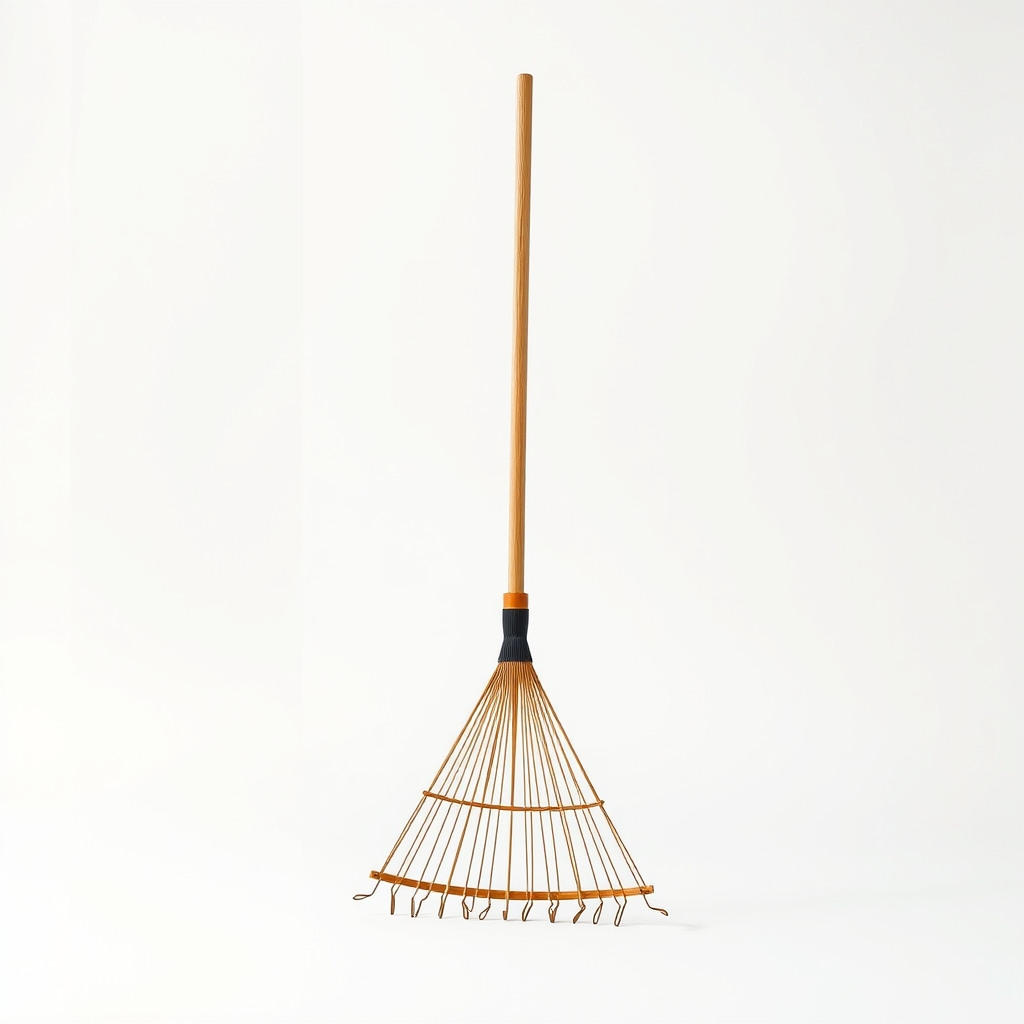
Thatch rake
Only if your thatch layer is thicker than about half an inch
- Illustration
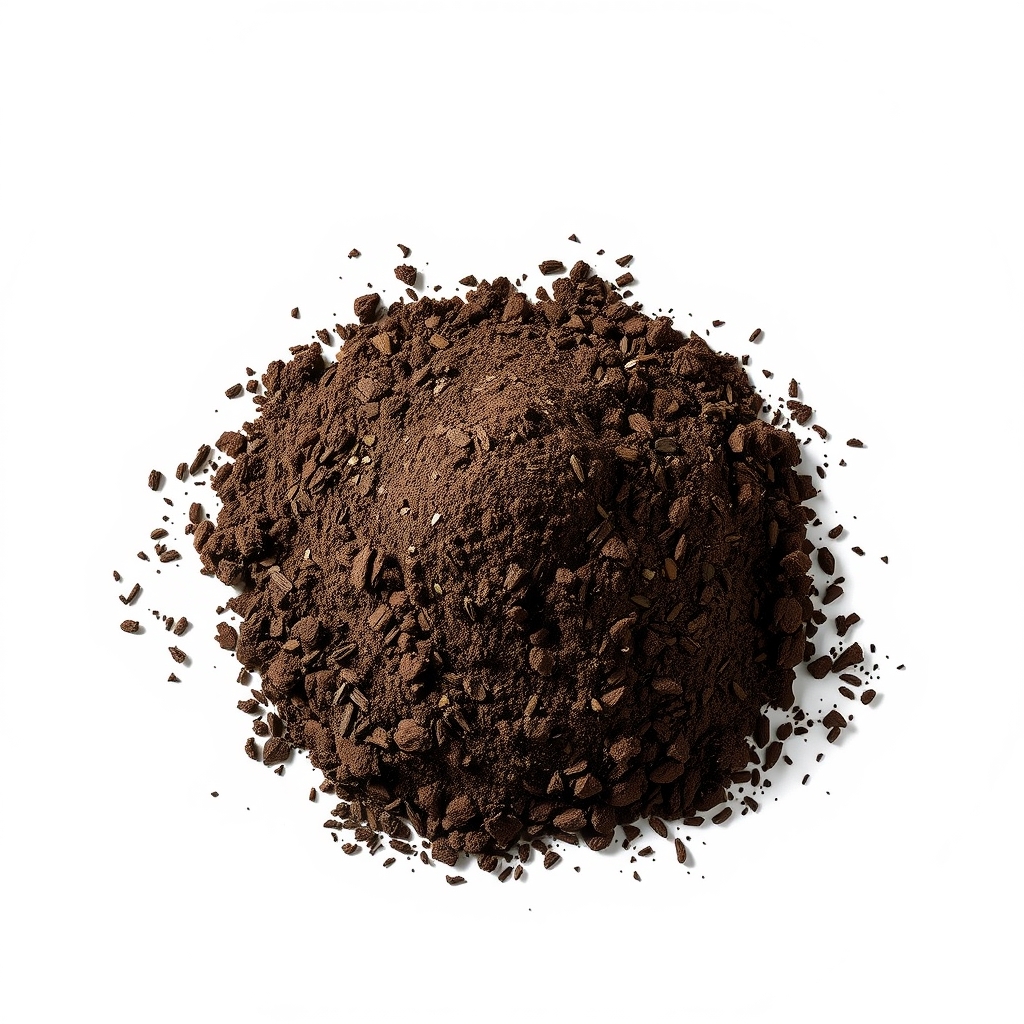
Lawn compost
A thin layer spread after aerating
Why it happens
Compacted soil
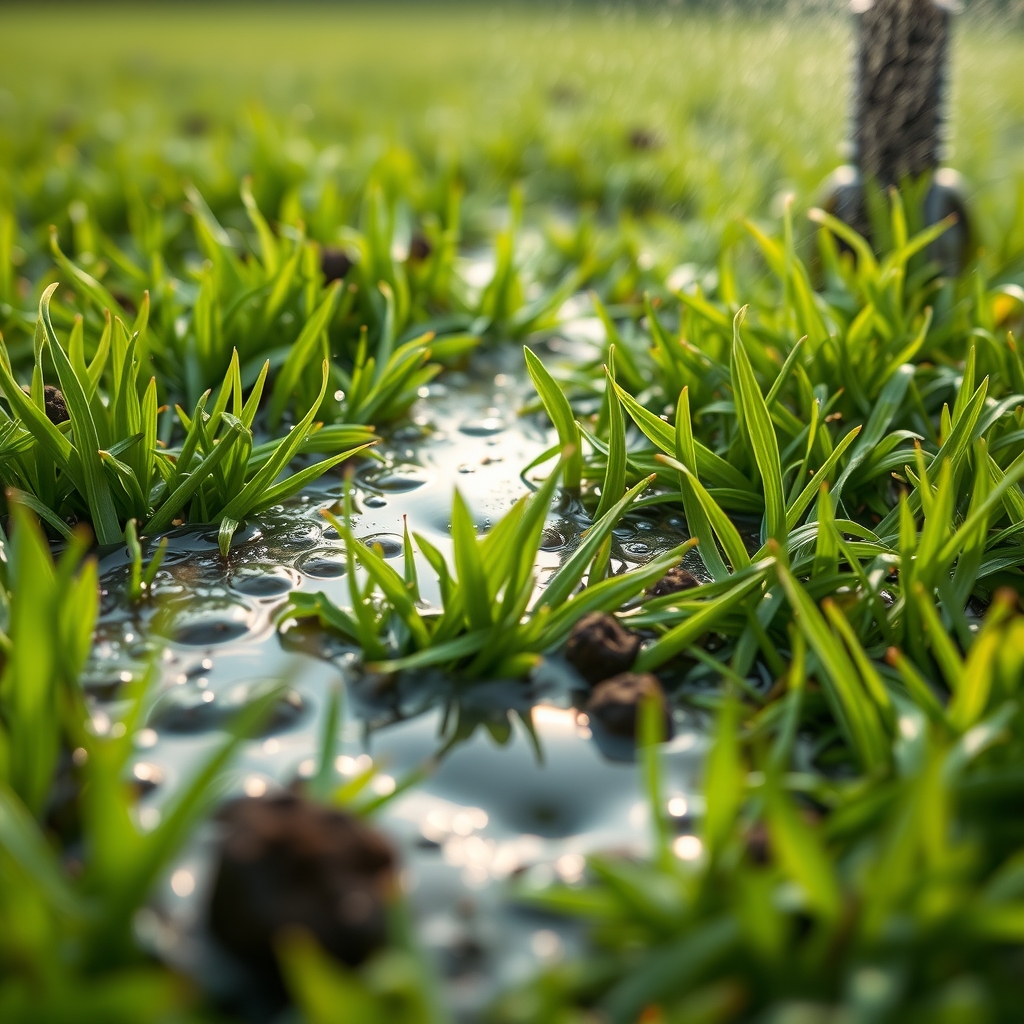
Foot traffic, kids, pets, mowing on wet soil and heavy clay press the soil particles together. Water cannot move through, so it puddles or runs off.
Thick thatch
A layer of dead grass stems and roots more than about half an inch thick acts like a mat that sheds water.
Dry, water-repelling soil
After a long dry spell, some soils turn hydrophobic. Water beads up and runs off instead of soaking in. Short soak cycles help it rewet.
A slope or heavy clay
Water runs off a slope before it can soak in, and clay takes in water slowly.
Try this first (free)
Do these in order, starting with the simplest.
-
Do the screwdriver test
Tool used: Long screwdriverWater the lawn deeply the day before, then push a long screwdriver straight down. If it only goes in an inch or two with force, the soil is compacted. If it slides in easily, look at thatch or slope instead.
-
Water in short cycles
Tool used: Hose and sprinklerRun the sprinkler 5 to 10 minutes until you see the first shine on the surface, stop for 30 to 60 minutes, then repeat once or twice. The pause lets water sink in instead of running off.
-
Check the thatch
Cut a small wedge of turf and measure the brown, spongy layer above the soil. More than about half an inch should be raked out.
-
Mow higher and stay off wet grass
Taller grass grows deeper roots, and walking or mowing on wet soil packs it down.
-
Aerate when the soil is moist
Tool used: Manual core lawn aeratorAerate the day after rain or deep watering, when the tines can push in. Make passes in two directions, leave the soil plugs to break down, and then overseed any thin patches.
IllustrationCheck price on AmazonTool for this step
Manual core lawn aerator · Hollow tines that pull soil plugs, not solid spikes
When free fixes aren't enough
Cycle-and-soak buys you time, but it cannot unpack soil. If the screwdriver test says compacted, or water sits after every rain, you need to open the soil, and a core aerator is the tool for that. If water pools only in one low spot, it is a drainage problem, not compaction. For a large lawn, renting a powered core aerator saves your legs.
Buy the fix
Still stuck after the free fixes? These are the products we would look at.
| Pick | Product | Fixes | Who it's for | Buy |
|---|---|---|---|---|
| Best pick | Manual core lawn aerator | compacted soil that sheds water | Small to mid-size lawns, especially with clay soil or lots of foot traffic. | Check price |
| Budget pick | Hand-held core aerator | small compacted patches, such as paths and dog runs | Tiny lawns and trouble spots only. | Check price |
Manual core lawn aerator
Fixes: compacted soil that sheds water
Look for: Hollow tines that pull out soil plugs, not solid spikes; A foot bar or step plate so you can push down with your body weight; Steel tines and a long handle you can use standing up.
- Who it's for
- Small to mid-size lawns, especially with clay soil or lots of foot traffic.
- Honest downside
- You have a large lawn. Hand work would take days, so rent a powered aerator.
Hand-held core aerator
Fixes: small compacted patches, such as paths and dog runs
Look for: Hollow tines that pull plugs; A comfortable grip; A size that reaches tight spots and edges.
- Who it's for
- Tiny lawns and trouble spots only.
- Honest downside
- You have a full lawn to cover. It will take far too long.
As an Amazon Associate I earn from qualifying purchases. We don't show prices because they change, so use the button to see today's price.
How we picked: How we picked: this page is based on university extension lawn-care guides on compaction, thatch and aeration, tool makers' instructions, and what homeowners report about hand aerators. We do not test products by hand.
Aerate, overseed, then topdress: the order that works
- Water deeply the day before so the soil is moist.
- Aerate in two directions, with the tines about 2 to 3 inches deep.
- Overseed thin spots while the holes are open.
- Spread a thin layer of compost and rake it into the holes.
- Water lightly for the next few weeks so the seed stays damp.
What to skip
Spike aerators and spike shoes
Solid spikes poke holes but can press the soil tighter around each one. Most lawn guides recommend pulling plugs with hollow tines instead. Skip spikes on hard or clay soil.
Frequently asked questions
Lawn not draining water after rain: compaction or drainage?
When is the best time to aerate?
Do I need to remove the soil plugs?
Is a manual aerator enough?
Should I fertilize after aerating?
Related problems
 Free fix inside
Outdoor & Garage · Garden Soil
Garden Soil Getting Hard? What to Mix In to Loosen It
Read the fix Free fix inside
Outdoor & Garage · Lawn
Mushrooms in the Lawn? Why They Pop Up and What Clears Them
Read the fix Free fix inside
Outdoor & Garage · Lawn
Lawn Turning Yellow? Thirst, Pets or Hunger: How to Tell
Read the fix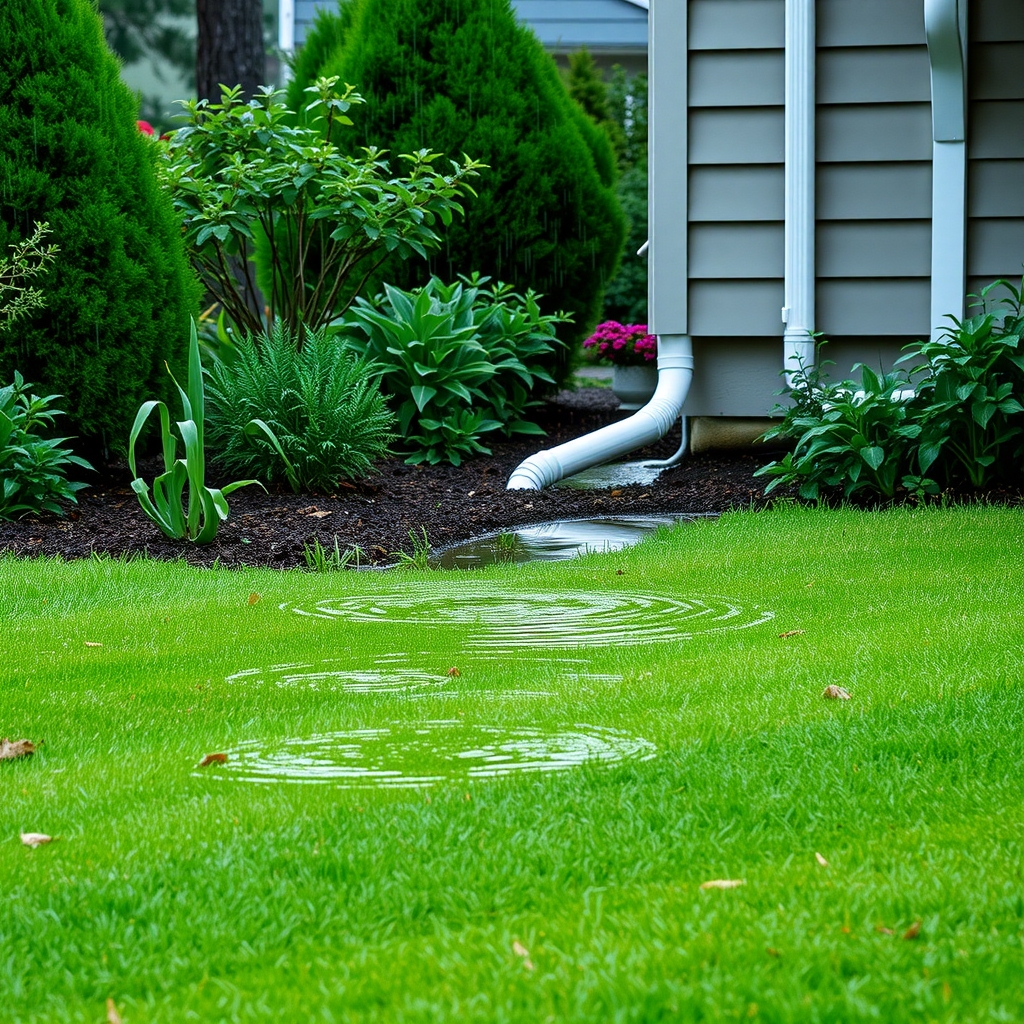 Free fix inside
Outdoor & Garage · Yard Drainage
Garden Flooding After Every Rain? Drainage Fixes That Work
Read the fixAs an Amazon Associate I earn from qualifying purchases. Affiliate disclosure