Garden Soil Getting Hard? What to Mix In to Loosen It
Hard soil is packed soil with too little organic matter. Loosen it, mix in compost or a soil conditioner, and mulch the top so it stays open.
By Jamilur Rahman Updated November 5, 2026 · 7 min read
- Time
- 1 to 2 hours
- Cost
- $20-$50
- Difficulty
- Medium
In this guide
Quick answer
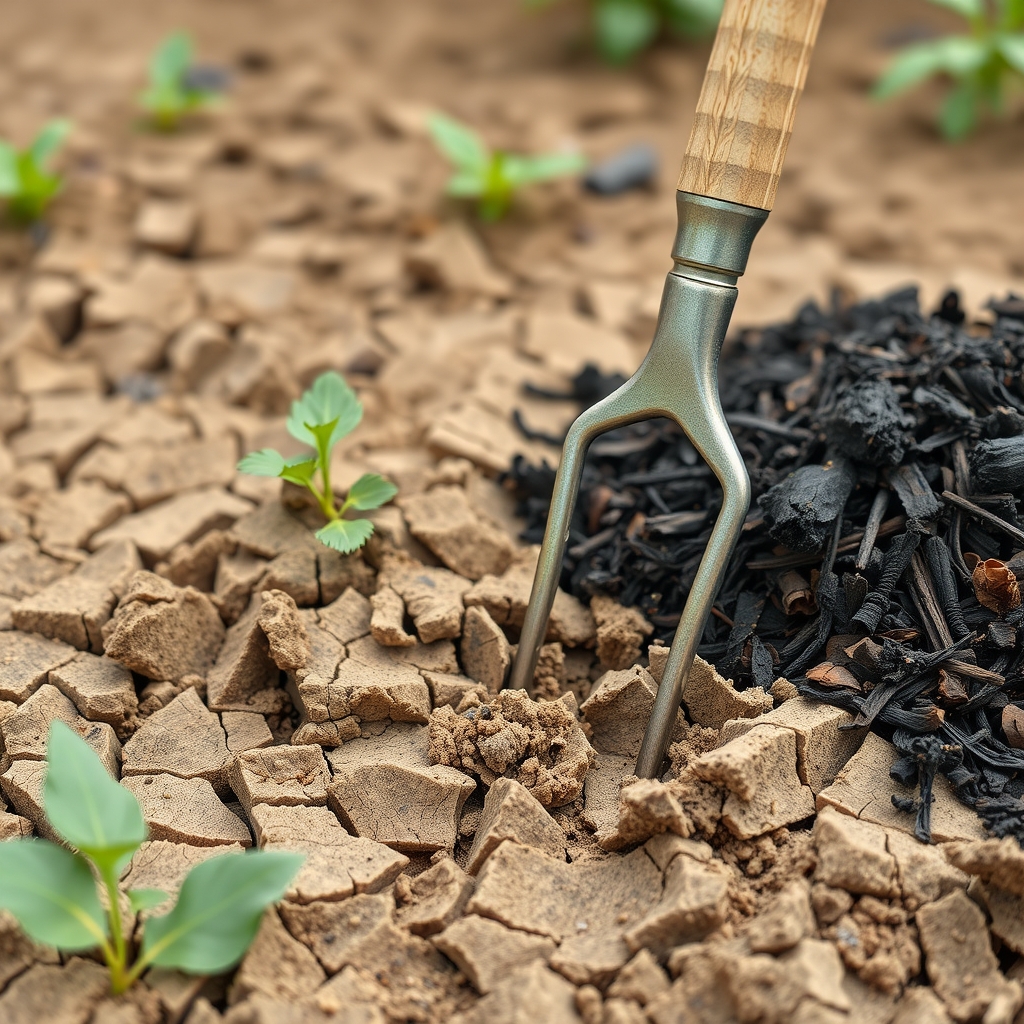
Why does garden soil get hard? Clay particles, foot traffic, heavy rain and too little organic matter squeeze out the air spaces, so the surface bakes and cracks. Loosen the soil with a garden fork, mix in 2 to 3 inches of compost or a bagged soil conditioner, and cover it with mulch. Compost works free if you have it. A conditioner is the easy way to do it in one go.
Free fix vs. permanent fix
Fork it loose and mix in compost
- Loosen the soil with a fork when it is slightly damp, not wet
- Spread 2 to 3 inches of compost or leaf mold over the bed
- Mix it into the top 6 to 8 inches
- Cover with 2 inches of mulch
How long it lasts: A season or two. Compost keeps breaking down, so you top it up every year.
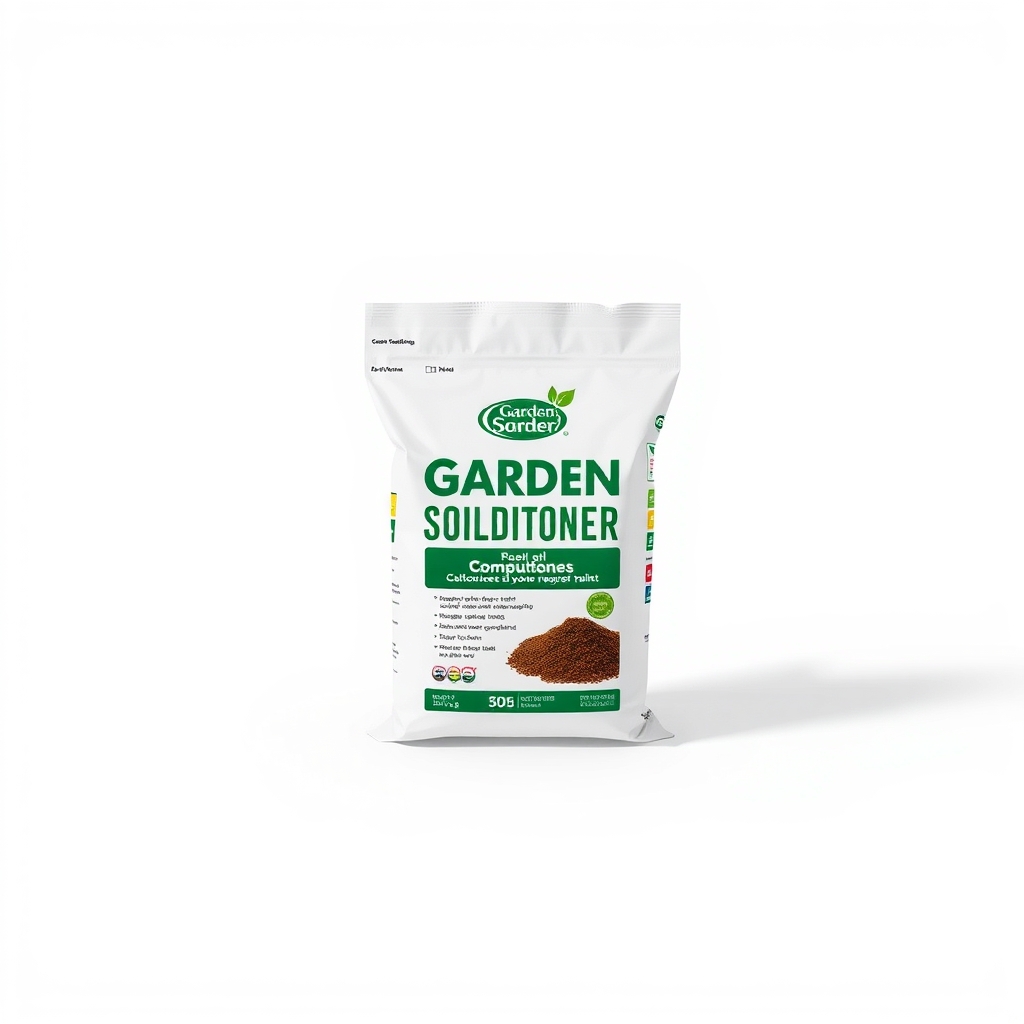
A bagged soil conditioner
Soil conditioner is a ready-to-use mix of composted material and fibers that opens up packed soil. If you have no compost, or need to fix several beds, one bag type goes further and saves you hauling and sourcing.
What to get: Garden soil conditioner
How long it lasts: Improves soil for a few seasons, and builds up with each year's top-up.
As an Amazon Associate I earn from qualifying purchases.
What you'll need
-
Garden fork or spade
A fork breaks up packed soil with less damage than a rototiller
You have it -
Compost or leaf mold
Home compost, shredded leaves or a municipal giveaway
Free -
Garden gloves
Hard soil is rough on hands
You have it - Our pick Illustration
Garden soil conditioner
Choose a compost or bark-based blend
- Illustration
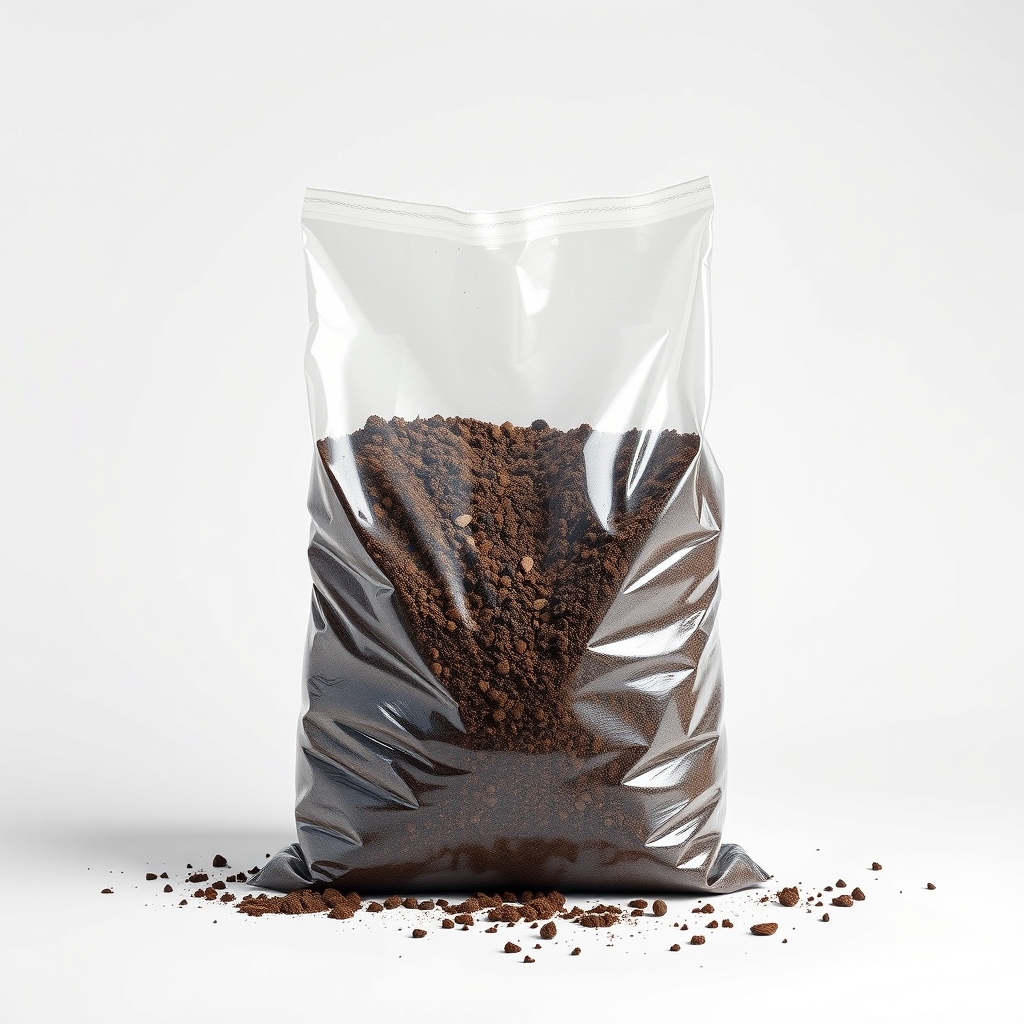
Bagged compost
A cheaper way to add organic matter
- Illustration
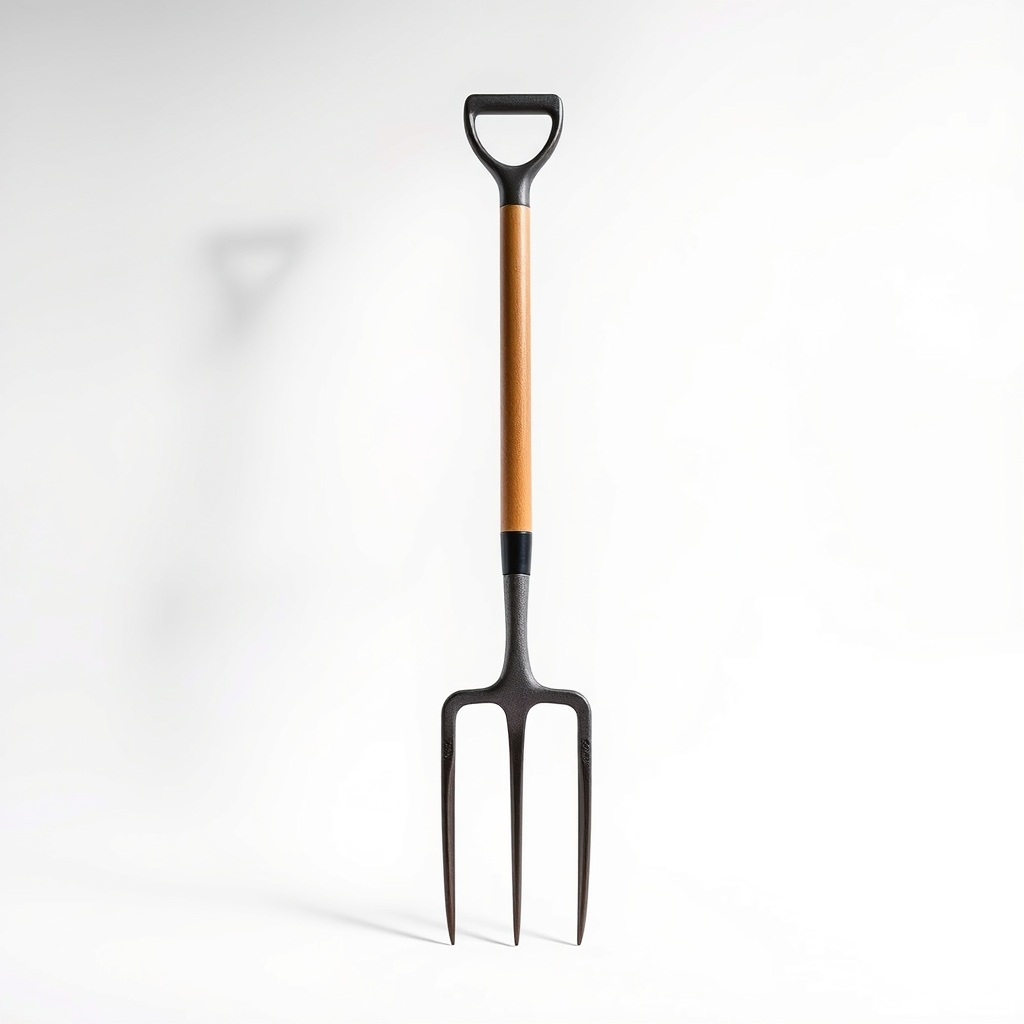
Digging fork
Only if you do not own a sturdy fork
Why it happens
Clay soil
Clay particles are tiny and pack tightly. When clay dries it sets like brick, and when it is wet it turns sticky. It needs organic matter to hold open spaces.
Compaction
Walking on beds, wheelbarrows, heavy rain and digging while wet squash the air out of the soil. Roots and water cannot get through packed soil.
Too little organic matter
Compost, leaves and roots feed worms and microbes that glue soil into crumbs. Without them, soil collapses into a dense mass and crusts over.
Overworking or shallow watering
Digging a bed over and over breaks the crumb structure. Light daily sprinkling wets only the surface, which crusts and sheds water.
Try this first (free)
Do these in order, starting with the simplest.
-
1. Check that the soil is the right wetness
Squeeze a handful. If it forms a sticky ball that will not crumble, it is too wet, so wait. If it is dusty and rock hard, water deeply the day before. Slightly damp is best for working.
-
2. Loosen it without turning it upside down
Tool used: Garden fork or spadePush a fork in the full depth of the tines, rock it back and forth and move along every 8 inches. This opens air channels without breaking up the soil structure.
-
3. Spread 2 to 3 inches of compost over the top
Tool used: Compost or leaf moldUse finished compost, leaf mold or aged manure. Add a conditioner if you do not have enough compost.
-
4. Mix it into the top 6 to 8 inches
Tool used: Garden soil conditionerFork or spade it in. If you are short on compost, a bagged soil conditioner goes on and mixes in the same way. Do not go deeper in one go, since the top layer is where roots do most of their work.
IllustrationCheck price on AmazonTool for this step
Garden soil conditioner · Choose a compost or bark-based blend
-
5. Cover the bed with mulch
Spread 2 inches of shredded leaves, bark or straw. It shields the soil from rain and sun, so it does not bake and crust.
-
6. Stay off the bed and water deeply
Use paths or stepping stones. Water slowly and deeply once or twice a week instead of a daily sprinkle.
When free fixes aren't enough
Compost is the cheapest fix, and it works if you have enough of it. A big bed needs a lot of material, and a home pile rarely produces that much. A bagged conditioner is the easy way to add the same kind of material in one trip. Neither is a one-time cure. Heavy clay needs a top-up every year for a few years. If water still sits on top for hours after you have loosened and amended the bed, or the problem covers a large area, there may be a drainage problem or a hardpan layer underneath. See the related page on garden drainage, or ask your local extension office about a soil test.
Buy the fix
Still stuck after the free fixes? These are the products we would look at.
| Pick | Product | Fixes | Who it's for | Buy |
|---|---|---|---|---|
| Best pick | Garden soil conditioner | dense, hard-baked soil that needs organic matter to open up | Anyone who has hard or clay soil and does not have a good supply of compost. | Check price |
| Budget pick | Bagged compost | low organic matter, the root cause of hard soil | Anyone on a budget who needs a simple organic amendment. | Check price |
| Upgrade pick | Garden digging fork | a flimsy tool that cannot break up packed soil | Anyone who plans to loosen several beds each year. | Check price |
Garden soil conditioner
Fixes: dense, hard-baked soil that needs organic matter to open up
Look for: An ingredient list with composted bark, compost or coir, not just sand or topsoil; Labeled for in-ground beds, not only for pots; A bag size that covers your bed at 2 to 3 inches deep; No added chemical fertilizer, unless that is what you want.
- Who it's for
- Anyone who has hard or clay soil and does not have a good supply of compost.
- Honest downside
- You make plenty of compost. Use it instead, and spend nothing.
Bagged compost
Fixes: low organic matter, the root cause of hard soil
Look for: Fully finished, crumbly and earthy, with no sour smell; Listed for use in vegetable and flower beds; A bag size that suits the area.
- Who it's for
- Anyone on a budget who needs a simple organic amendment.
- Honest downside
- Your soil is very sandy. It may need a different approach.
Garden digging fork
Fixes: a flimsy tool that cannot break up packed soil
Look for: Forged steel tines that will not bend in hard soil; A handle you can grip with gloves; A step on top of each tine for your boot.
- Who it's for
- Anyone who plans to loosen several beds each year.
- Honest downside
- You already own a sturdy fork or spade.
As an Amazon Associate I earn from qualifying purchases. We don't show prices because they change, so use the button to see today's price.
How we picked: How we picked: this page is based on soil and gardening advice from university extension services, product labels from soil amendment makers, and what gardeners report in reviews. We do not test products by hand.
How to fix garden soil: a simple order of work
- Look at the problem: hard on top, dense all the way down, or water that will not drain.
- Loosen the soil with a fork when it is slightly damp.
- Add organic matter: compost, leaf mold or a soil conditioner.
- Mulch the surface and stay off the bed.
- Re-check next season and top it up.
What to skip
Adding sand and gypsum to clay
Mixing a little sand into clay can make soil that sets like concrete. It only works with huge amounts. Gypsum helps only certain salty soils, so it rarely loosens ordinary garden clay. Organic matter does the real work.
Frequently asked questions
How do I fix garden soil that is hard?
Should I add sand to clay soil?
How often should I add compost?
Can I fix hard soil without digging?
Related problems
 Free fix inside
Outdoor & Garage · Garden Soil
Garden Soil Washing Away? Edging and Blankets That Hold It
Read the fix Free fix inside
Outdoor & Garage · Lawn
Lawn Not Absorbing Water? Aerating Opens Up Compacted Soil
Read the fix Free fix inside
Outdoor & Garage · Garden Weeds
Garden Weeds Back Every Week? Weed Barrier Fabric Basics
Read the fix Free fix inside
Outdoor & Garage · Gardenia
Gardenia Leaves Turning Yellow? It's Often Soil pH
Read the fixAs an Amazon Associate I earn from qualifying purchases. Affiliate disclosure