Gardenia Leaves Turning Yellow? It's Often Soil pH
Gardenias need acidic soil. When the pH drifts up, iron locks out and leaves turn yellow. Test the soil, fix the watering, then add chelated iron.
By Jamilur Rahman Updated November 5, 2026 · 7 min read
- Time
- 30 min
- Cost
- Under $20
- Difficulty
- Easy
In this guide
Quick answer
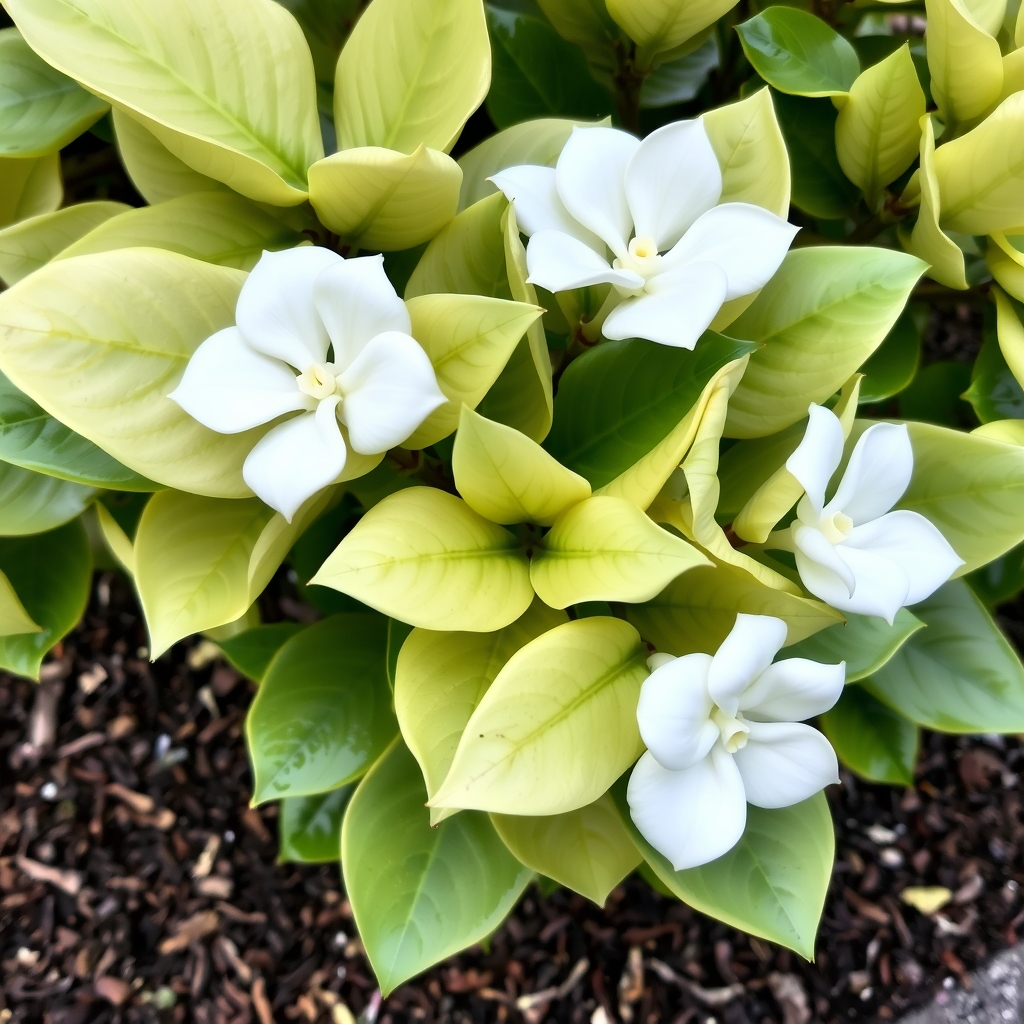
Why does my gardenia have yellow leaves? Often the soil is not acidic enough, which locks up iron and turns new leaves yellow while the veins stay green. Test the soil pH, lower it toward 5.0 to 6.5 with acid-loving plant fertilizer and mulch, and green up new growth faster with a chelated iron supplement. Check watering too, since soggy roots cause yellow leaves as well.
Free fix vs. permanent fix
Test the pH, fix the watering and mulch
- Test the soil with a simple pH kit, or send a sample to your local extension office
- Let the top inch or two dry between waterings, and fix poor drainage
- Mulch with pine bark or pine needles
- Water with rainwater if your tap water is hard
How long it lasts: Fixes watering-related yellowing within weeks. Soil pH changes slowly, so iron-related yellowing can take months to turn around.
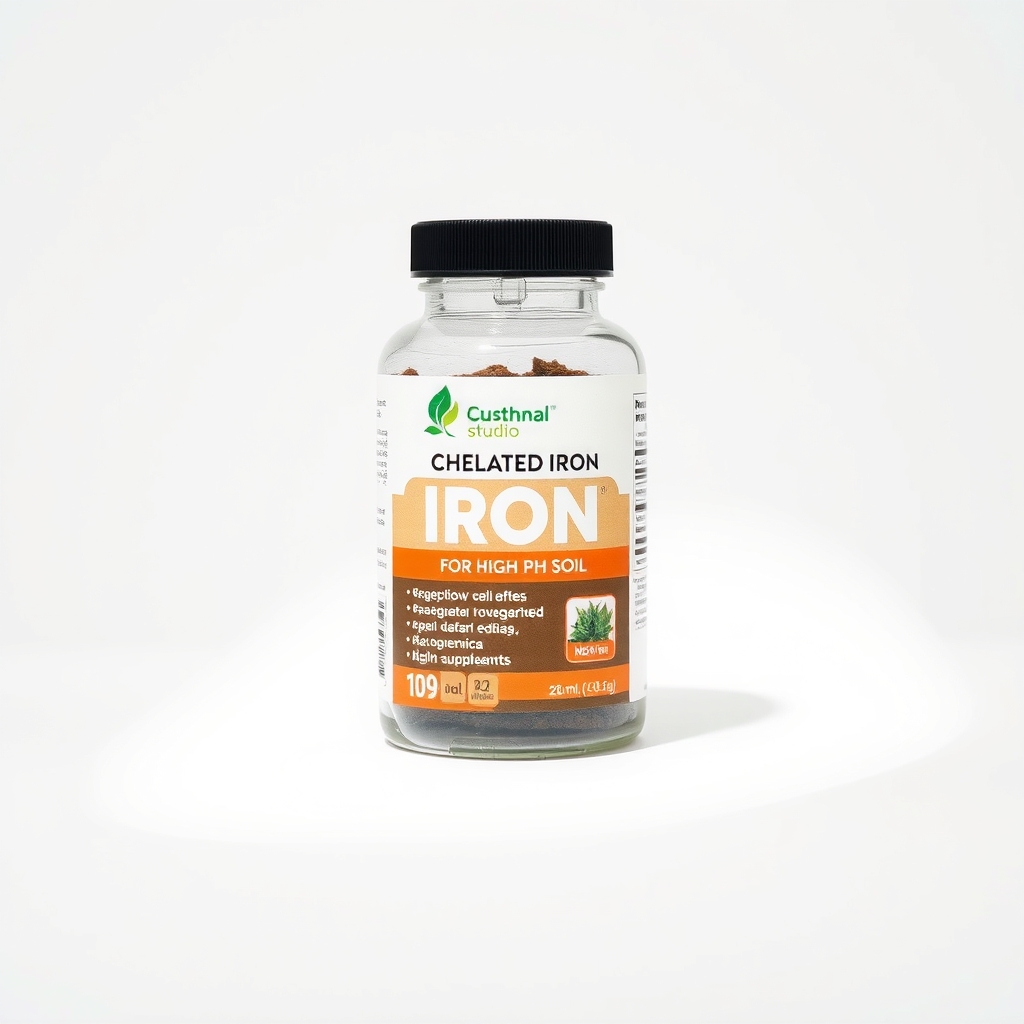
A chelated iron supplement
In alkaline soil the iron is there, but the plant cannot take it up, so new leaves turn yellow with green veins. Chelated iron is a form the plant can absorb even when the pH is high. It greens the new growth now, while slower fixes such as acidifying the soil catch up.
What to get: Chelated iron plant supplement (EDDHA for high-pH soil)
How long it lasts: New growth greens up within a few weeks. Reapply as the label says while the soil pH is being corrected.
As an Amazon Associate I earn from qualifying purchases.
What you'll need
-
Garden gloves
Iron products stain skin, concrete and siding
You have it - Illustration
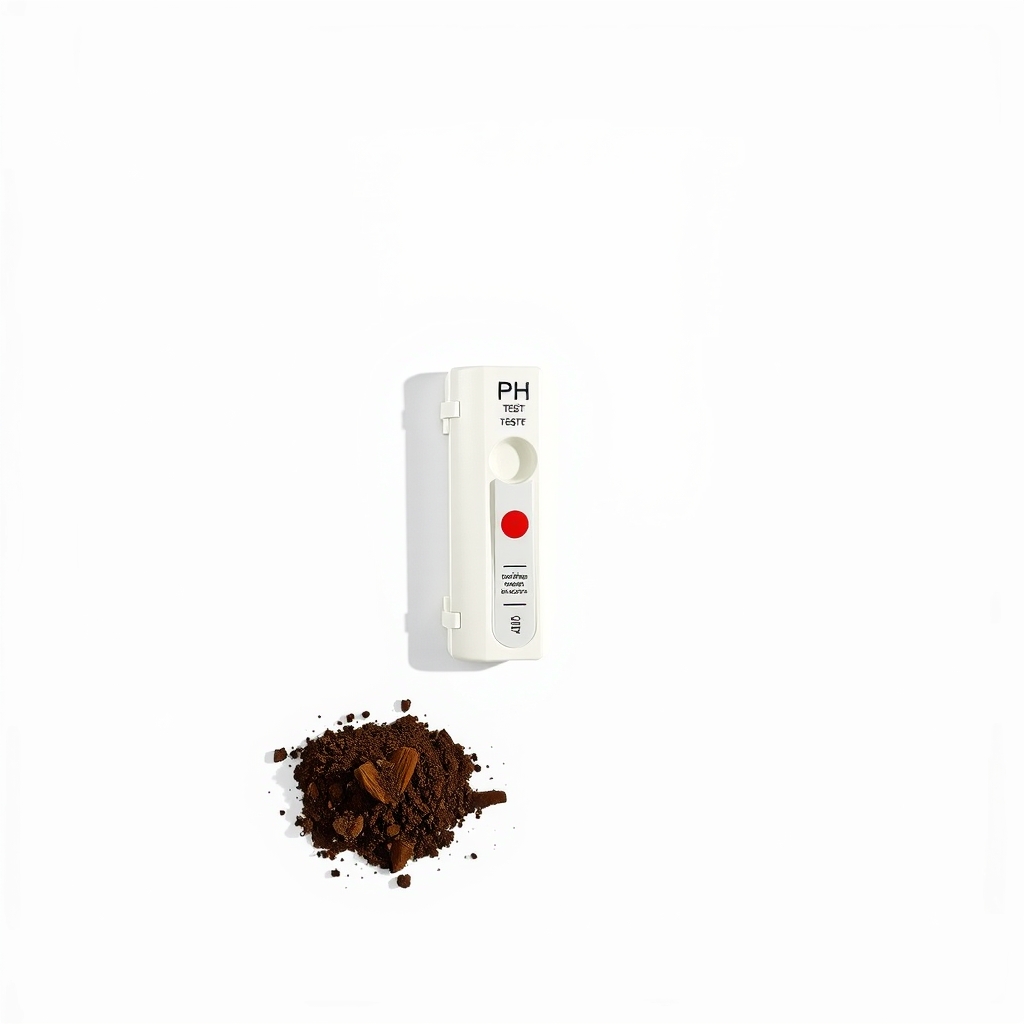
Soil pH test kit
Tells you whether pH is the problem before you treat it
- Our pick Illustration
Chelated iron plant supplement
Choose a type rated for high-pH soil
- Illustration
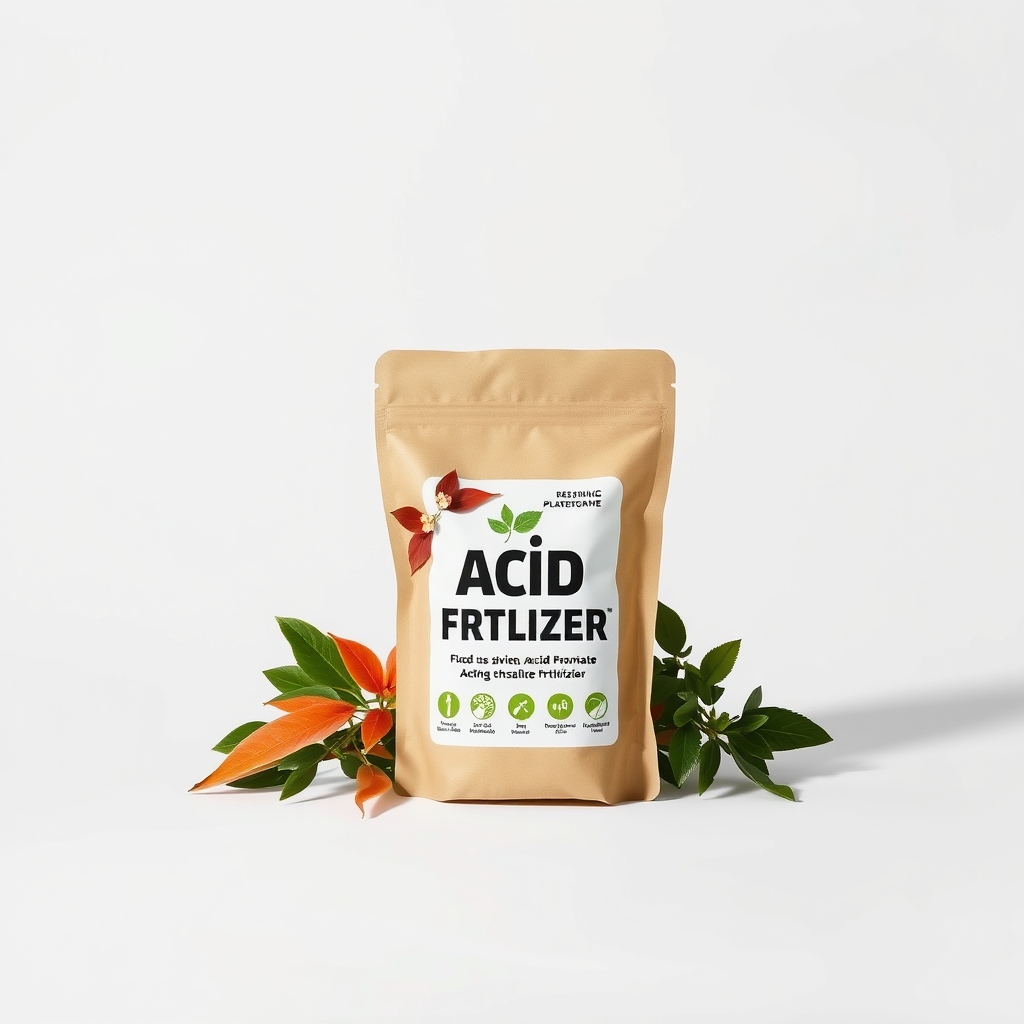
Acid-loving plant fertilizer
A routine feed that keeps the soil acidic
Why it happens
Soil pH that is too high
Gardenias want acidic soil, about pH 5.0 to 6.5. Above that, iron locks up in the soil. New leaves turn yellow between green veins, and the plant slowly weakens.
Hard water or lime nearby
Tap water rich in minerals, a concrete foundation or path leaching lime, and wood ash or lawn lime all push soil pH up over time.
Too much or too little water
Soggy soil starves roots of oxygen. They stop taking up iron, and leaves yellow and drop. Bone-dry soil causes yellow leaves and dropped buds too.
Low nitrogen
Older leaves fading to pale yellow all over, while the plant grows little, often means it is hungry for nitrogen.
Normal leaf drop or cold stress
A few old leaves near the base yellow and drop in spring or fall. Cold snaps, drafts and a move from nursery pot to garden can also trigger yellowing.
Pests
Sticky leaves, a black sooty coating or tiny insects under the leaves point to scale, whiteflies or aphids.
Try this first (free)
Do these in order, starting with the simplest.
-
1. Read the pattern
New leaves yellow with green veins point to iron and pH. Older leaves yellow all over point to hunger or watering. Mushy stems and dropping leaves point to too much water.
-
2. Check the water
Push a finger 2 inches into the soil. If it is wet, hold off. If it is dry, water deeply. A gardenia wants evenly moist soil, never soggy, and potted plants need drainage holes.
-
3. Test the soil pH
Tool used: Soil pH test kitFollow the kit's directions and test a few spots near the roots. Aim for about 5.0 to 6.5. A reading above 6.5 explains the yellow leaves.
IllustrationCheck price on AmazonTool for this step
Soil pH test kit · Tells you whether pH is the problem before you treat it
-
4. Mulch and switch to rainwater
Spread 2 to 3 inches of pine bark or pine needles, keeping them off the stems. Rainwater has none of the minerals that nudge tap water pH up over time.
-
5. Feed with an acid-loving fertilizer
Tool used: Acid-loving plant fertilizerUse one made for gardenias, azaleas or camellias, following the label, in spring and early summer. Do not feed a dry or stressed plant. Water it first.
IllustrationCheck price on AmazonTool for this step
Acid-loving plant fertilizer · A routine feed that keeps the soil acidic
-
6. Green up with chelated iron
Tool used: Chelated iron plant supplementFollow the label, usually a soil drench or a spray for new growth. Wear gloves and keep it off concrete and siding, because iron stains. New leaves should come in green within a few weeks.
IllustrationCheck price on AmazonTool for this step
Chelated iron plant supplement · Choose a type rated for high-pH soil
When free fixes aren't enough
Mulch, rainwater and better watering move soil pH slowly, over months, so a gardenia in alkaline soil can stay yellow through the whole season. Chelated iron skips the wait. It gives the plant iron it can use now, so new leaves turn green while the soil catches up. Look for a type rated for high-pH soil, often labeled EDDHA. The leaves that already turned yellow rarely turn back, so judge the fix by the new growth. If the test shows a pH above 7, or the plant has mushy stems, black roots or a sour smell, it is root rot or a bad site. Check the roots and improve drainage, or move the plant.
Buy the fix
Still stuck after the free fixes? These are the products we would look at.
| Pick | Product | Fixes | Who it's for | Buy |
|---|---|---|---|---|
| Best pick | Chelated iron plant supplement (EDDHA for high-pH soil) | yellow new leaves with green veins from iron lock-out | Gardenia owners whose test shows a pH above 6.5, or whose new leaves are yellow with green veins. | Check price |
| Upgrade pick | Acid-loving plant fertilizer | slow pH drift and hunger in acid-loving shrubs | Anyone with a gardenia in a bed where pH keeps creeping up, who wants a routine feed. | Check price |
Chelated iron plant supplement (EDDHA for high-pH soil)
Fixes: yellow new leaves with green veins from iron lock-out
Look for: A chelated form, ideally EDDHA if your soil pH is above 7; A clear label for shrubs, with soil drench or spray directions; A size that suits the number of plants you have.
- Who it's for
- Gardenia owners whose test shows a pH above 6.5, or whose new leaves are yellow with green veins.
- Honest downside
- Your yellow leaves have another pattern, such as mushy stems and drooping from too much water. Iron will not help soggy roots.
Acid-loving plant fertilizer
Fixes: slow pH drift and hunger in acid-loving shrubs
Look for: Labeled for gardenias, azaleas or camellias; An acidifying nitrogen source, with iron if possible; Slow-release or water-soluble, with shrub directions.
- Who it's for
- Anyone with a gardenia in a bed where pH keeps creeping up, who wants a routine feed.
- Honest downside
- Your soil test is already below pH 5.0, or the plant is dry or stressed. Water first and test again.
As an Amazon Associate I earn from qualifying purchases. We don't show prices because they change, so use the button to see today's price.
How we picked: How we picked: this page is based on gardening guides from university extension services on gardenia care and iron chlorosis, product labels for chelated iron, and what gardeners report in reviews. We do not test products by hand.
Why are my gardenia leaves turning yellow? Read the pattern
- New leaves yellow, veins green: iron lock-out from high pH.
- Older leaves pale all over, slow growth: low nitrogen.
- Yellow with mushy stems or dropping leaves: too much water or poor drainage.
- A few old leaves yellowing at the base: normal leaf drop.
- Yellow with sticky or sooty leaves: scale, whiteflies or aphids.
Use iron safely
Wear gloves, and keep iron products off concrete, pavers and siding, since they leave rust-colored stains. Do not use more than the label says. Store the bottle where pets and children cannot reach it, because iron supplements can be harmful if swallowed.
What to skip
Epsom salt, coffee grounds and vinegar as cures
These are often suggested. Epsom salt adds magnesium, which only helps if the plant is short of it. Used coffee grounds barely change soil pH. Vinegar water acidifies for a few days and a strong mix can harm roots. Test first, then treat.
Frequently asked questions
Why is my gardenia turning yellow?
Why does my gardenia have some yellow leaves?
Will yellow gardenia leaves turn green again?
How do I lower soil pH for a gardenia fast?
Related problems
 Free fix inside
Outdoor & Garage · Lawn
Lawn Turning Yellow? Thirst, Pets or Hunger: How to Tell
Read the fix Free fix inside
Outdoor & Garage · Garden Soil
Garden Soil Washing Away? Edging and Blankets That Hold It
Read the fix Free fix inside
Outdoor & Garage · Garden Soil
Garden Soil Getting Hard? What to Mix In to Loosen It
Read the fix Free fix inside
Outdoor & Garage · Garden Weeds
Garden Weeds Back Every Week? Weed Barrier Fabric Basics
Read the fixAs an Amazon Associate I earn from qualifying purchases. Affiliate disclosure