Garden Weeds Back Every Week? Weed Barrier Fabric Basics
Weeds return when light, seeds and leftover roots stay in your beds. Pull them right, smother the soil, then add fabric where it belongs.
By Jamilur Rahman Updated November 5, 2026 · 6 min read
- Time
- 2 hours
- Cost
- $20-$50
- Difficulty
- Medium
In this guide
Quick answer
How to stop garden weeds: pull them with the roots after rain, smother the bare soil with cardboard and 2 to 3 inches of mulch, and keep at it for a few weeks. In beds you will not dig again, such as shrub borders and paths, woven landscape fabric under the mulch blocks the light that new seedlings need, so the weeds stop coming back every week.
Free fix vs. permanent fix
Weed, cardboard and mulch
- Pull weeds after rain so the roots come out
- Lay flat cardboard over bare soil
- Cover it with 2 to 3 inches of mulch
- Top up thin spots each spring
How long it lasts: One season. Mulch breaks down and thins out, and new seeds blow in on top.
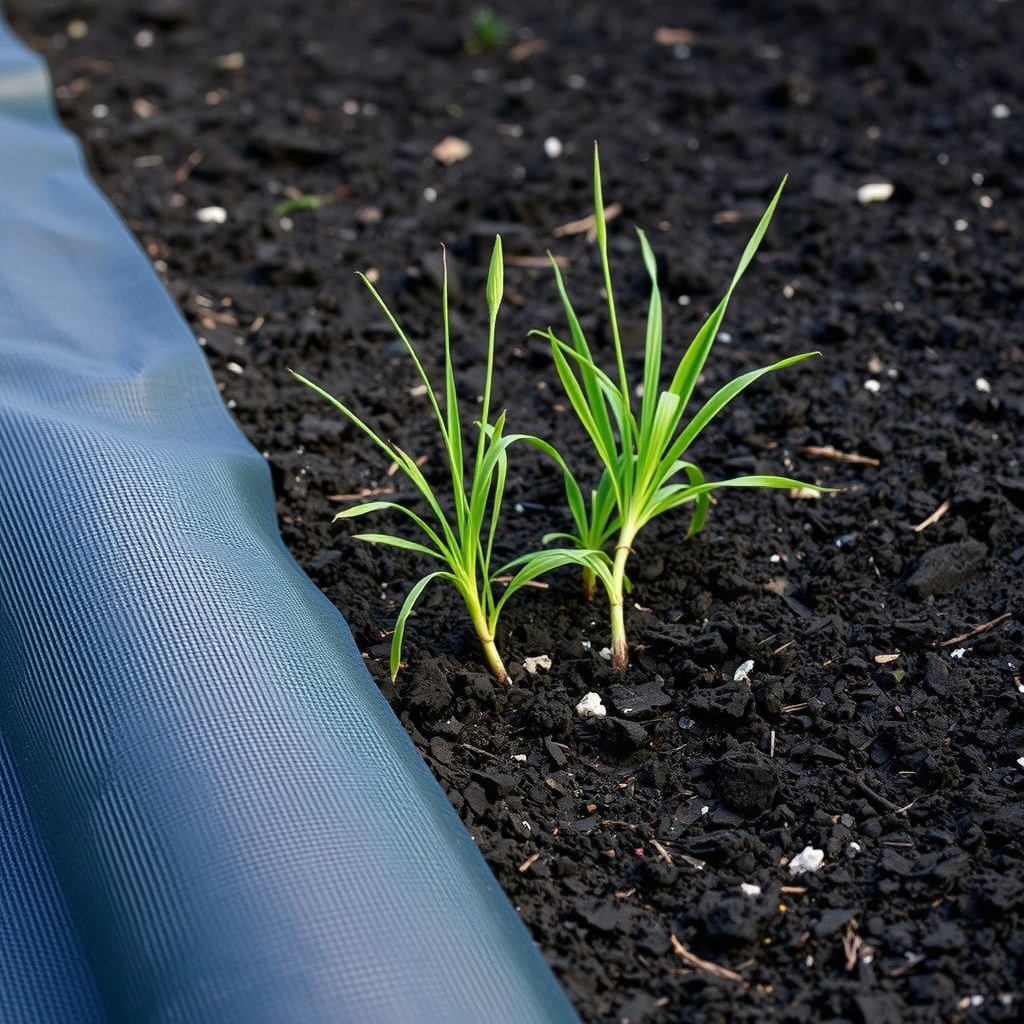
Woven landscape fabric under mulch
Fabric stops the light that buried seeds need and blocks most weeds from pushing up from below. The free steps clear today's weeds, and the fabric stops the next round. It works best in beds you do not dig or replant.
What to get: Woven landscape fabric roll
How long it lasts: Several years in shrub beds and paths, as long as the mulch on top stays 2 to 3 inches deep.
As an Amazon Associate I earn from qualifying purchases.
What you'll need
-
Work gloves
Weeds come out cleaner when you can grip them low
You have it - Illustration
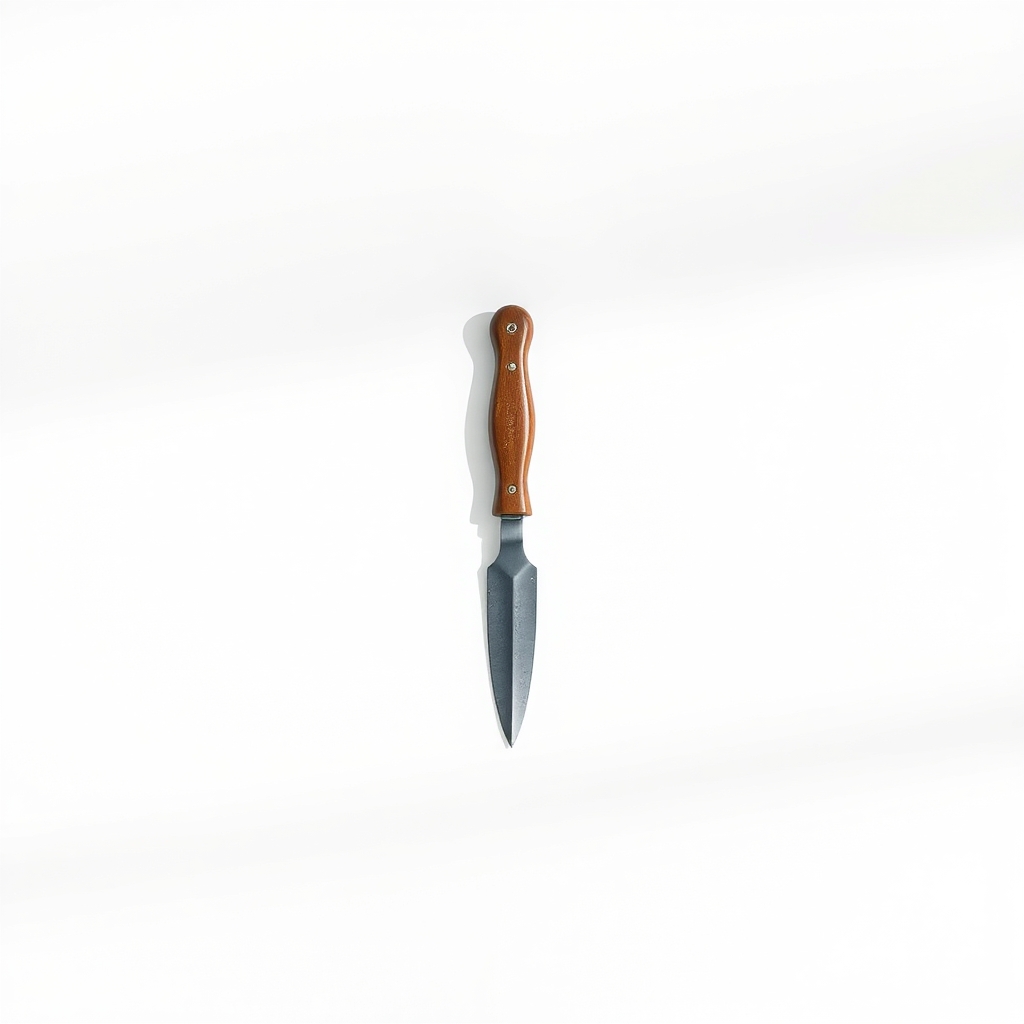
Hand weeder or weeding knife
Gets the whole taproot out of dry or hard soil
-
Plain cardboard
Take off the tape and labels first
Free - Our pick Illustration
Woven landscape fabric
Permeable, so water and air still reach the soil
- Illustration
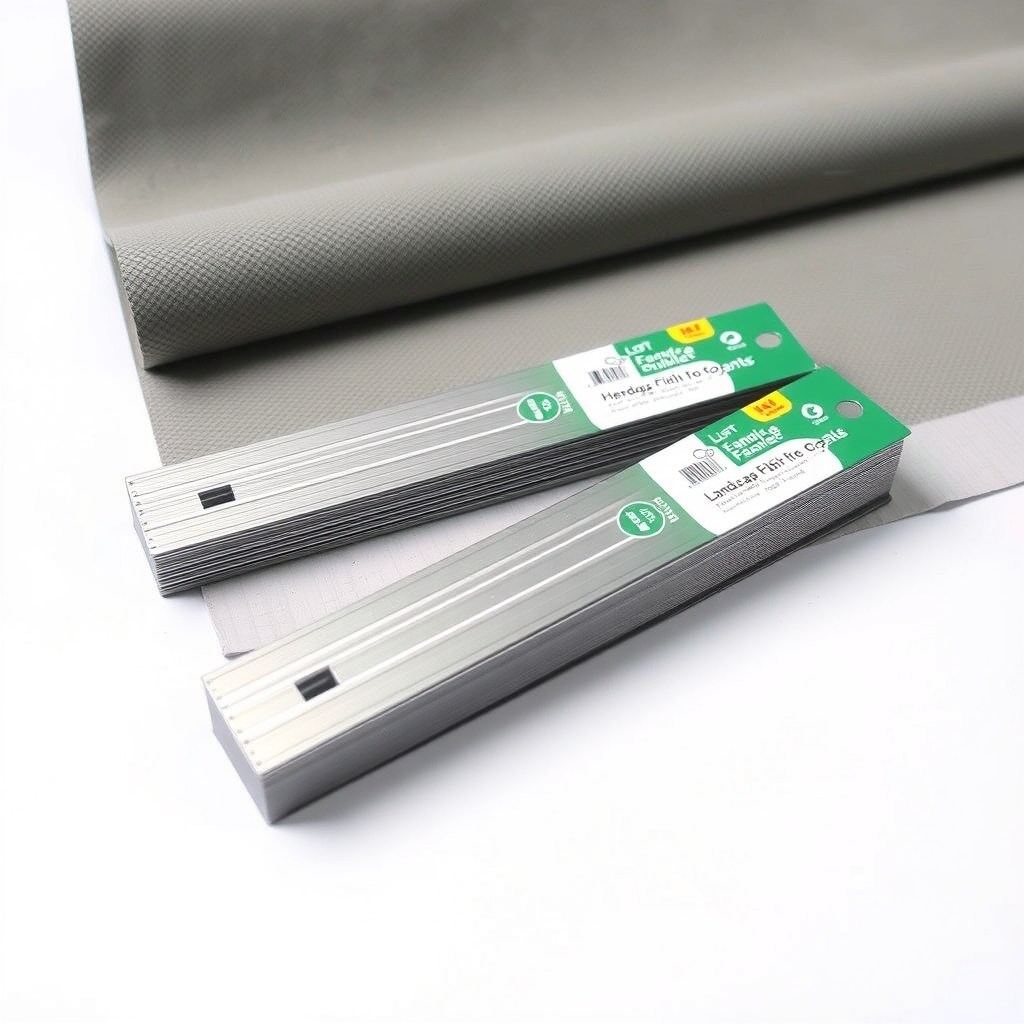
Landscape fabric staples
Pin the edges and seams so wind cannot lift the fabric
Why it happens
Seeds already in the soil
Garden soil holds a bank of dormant weed seeds. Digging or raking brings them up to the light, and they sprout within days.
Roots left behind
Dandelions and dock regrow from a piece of taproot. Bindweed and nutsedge spread from roots and tubers. Snapping off the top only resets the clock.
Bare soil
Open soil gets light and moisture, and wind and birds drop in more seeds. Weeds fill any gap you leave.
Mulch that is too thin
Mulch under about 2 inches lets light through. Over time it also breaks down into soil, and weeds root in that.
Try this first (free)
Do these in order, starting with the simplest.
-
Pull weeds after rain
Tool used: Hand weeder or weeding knifeWet soil lets roots slide out whole. Grip low at the base and pull straight up. Use a weeder for dandelions and other deep roots, and bag any weeds with seed heads instead of composting them.
IllustrationCheck price on AmazonTool for this step
Hand weeder or weeding knife · Gets the whole taproot out of dry or hard soil
-
Stop digging the bed
Do not till or rake the soil afterward. Turning it lifts buried seeds into the light, so leave the surface undisturbed.
-
Smother bare soil with cardboard
Tool used: Plain cardboardLay overlapping sheets of plain cardboard over the cleared soil and wet them down. The cardboard blocks light and rots away over a season.
-
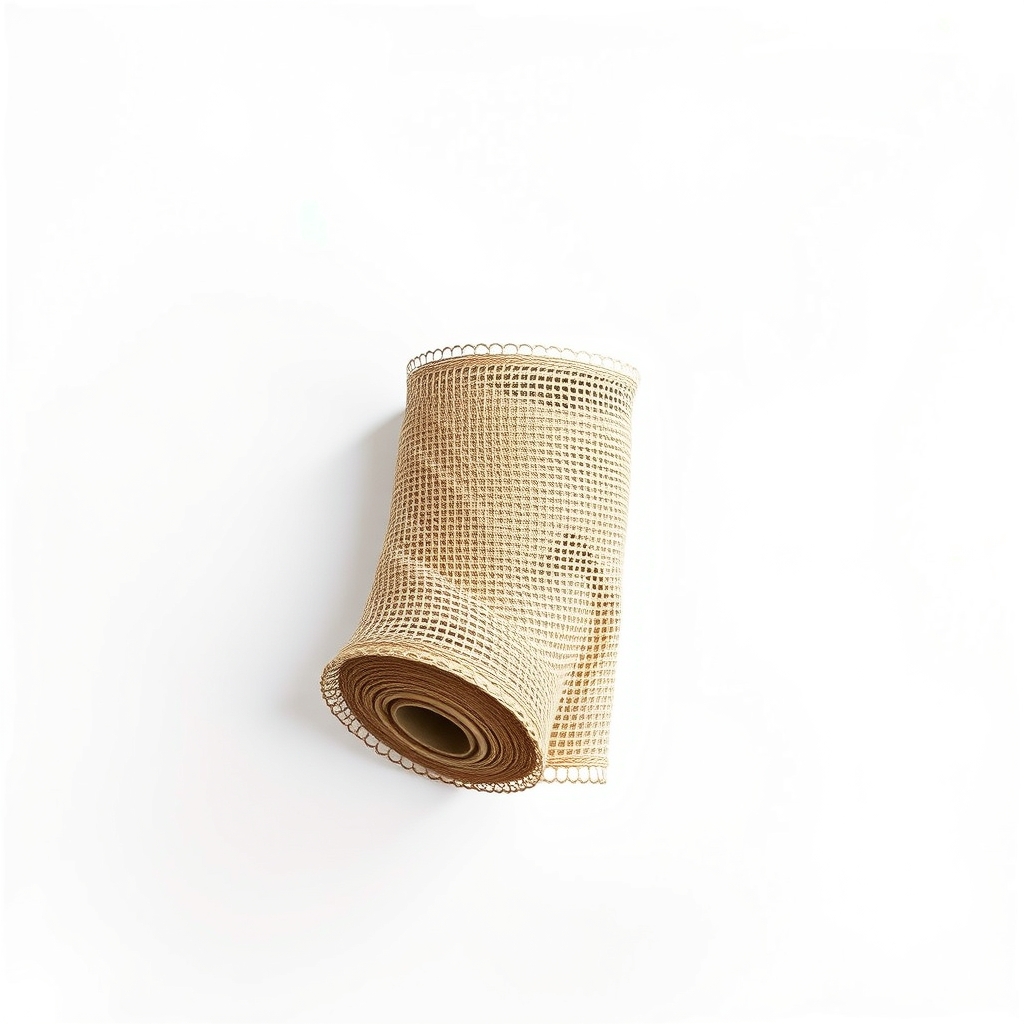
Lay fabric in beds you will not replant
Tool used: Woven landscape fabricRoll woven landscape fabric over cleared shrub beds and paths. Overlap seams by 6 inches, pin the edges and seams about every foot, and cut an X for each plant. Fold the flaps down around the stem.
IllustrationCheck price on AmazonTool for this step
Woven landscape fabric · Permeable, so water and air still reach the soil
-
Cover it with 2 to 3 inches of mulch
Fabric left bare breaks down in the sun. Cover it with bark, wood chips or gravel, and keep mulch off plant stems. Pull any seedling that sprouts in the mulch while it is small.
When free fixes aren't enough
If you pull the same bed every week even with mulch down, the soil is feeding a heavy seed bank or perennial roots keep coming back. Mulch alone thins out, and you end up topping it up every season. Fabric is the fix for beds you plant once and leave: shrubs, hedges, tree rings and gravel paths. It will not stop weeds that root in old mulch on top of it, and it will not stop bindweed or nutsedge, so dig those out first. Skip it in vegetable and flower beds you replant or fill densely.
Buy the fix
Still stuck after the free fixes? These are the products we would look at.
| Pick | Product | Fixes | Who it's for | Buy |
|---|---|---|---|---|
| Best pick | Woven landscape fabric roll | weeds sprouting from seeds in the soil below | Anyone with shrub borders, tree rings or paths they do not want to weed all summer. | Check price |
| Upgrade pick | 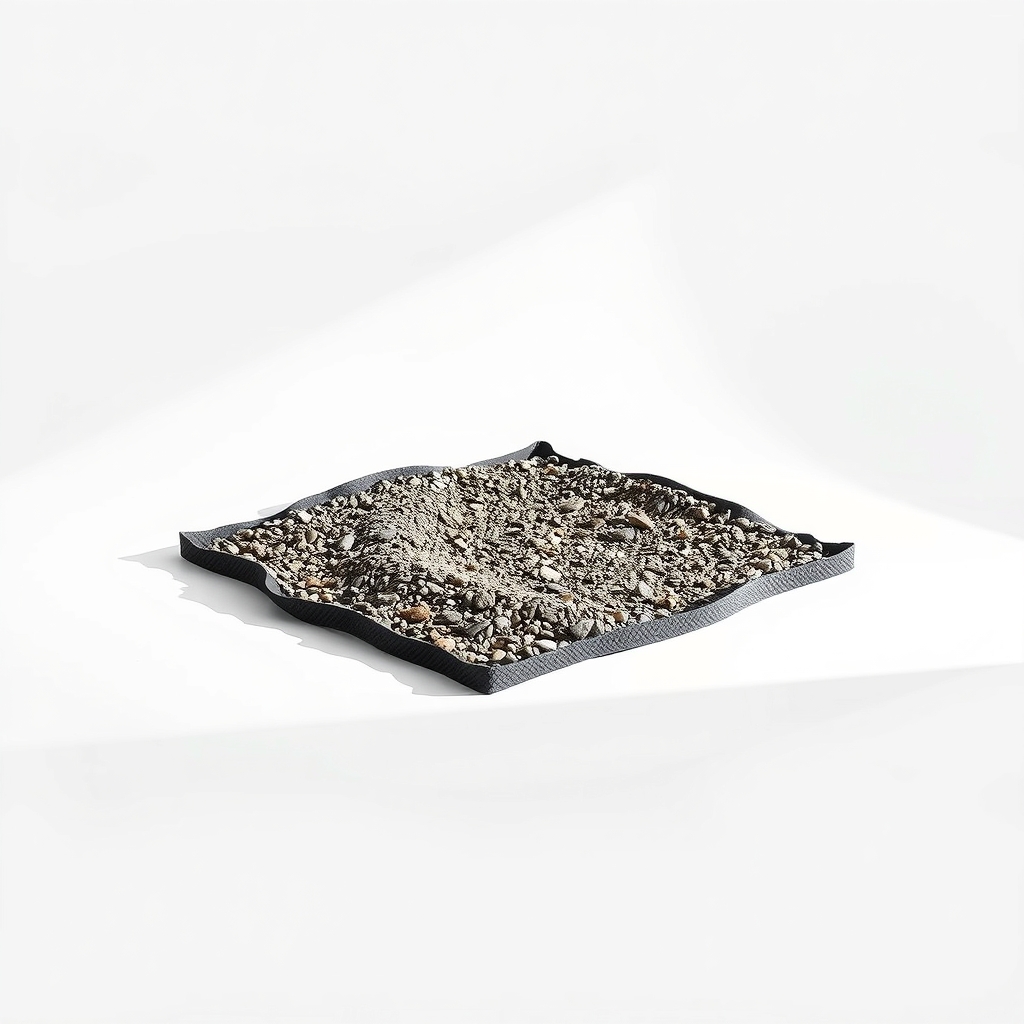 Heavy-duty woven ground cover for gravel paths | weeds pushing up through gravel paths and under stone | People laying a gravel path, a patio base or a bed under heavy stone. | Check price |
Woven landscape fabric roll
Fixes: weeds sprouting from seeds in the soil below
Look for: Woven and permeable, so water and air pass through; UV-stabilized for sun exposure at the edges; A roll wide and long enough for the bed, with room for overlap; Strong enough not to tear when you cut plant holes.
- Who it's for
- Anyone with shrub borders, tree rings or paths they do not want to weed all summer.
- Honest downside
- You replant or dig the bed every year, as in a vegetable garden, or the bed is full of bindweed that you have not dug out.
Heavy-duty woven ground cover for gravel paths
Fixes: weeds pushing up through gravel paths and under stone
Look for: A heavier weight sold for use under gravel or stone; Permeable weave with a UV note on the label; Roll widths that fit a path with minimal seams.
- Who it's for
- People laying a gravel path, a patio base or a bed under heavy stone.
- Honest downside
- Your bed is small and mulched. Standard fabric under mulch is plenty.
As an Amazon Associate I earn from qualifying purchases. We don't show prices because they change, so use the button to see today's price.
How we picked: How we picked: this page is based on university extension advice on mulching and weed control, installation guides from landscape fabric makers, and what owners report in reviews. We do not test products by hand.
How much to buy and how to lay it
- Measure the bed's length and width, then add 6 inches for each seam where sheets overlap.
- Clear the bed first. Pull weeds, remove rocks and rake it smooth, but do not dig deep.
- Pin the edges and seams about every foot.
- Cut an X for each plant, fold the flaps down and mulch right away.
What to skip
Solid black plastic sheeting
Plastic sheeting blocks weeds, but it also blocks water and air. Roots under it stay shallow, and rain runs off to the edges. If you want a barrier, choose a woven, permeable fabric instead.
Frequently asked questions
Does landscape fabric work in a vegetable garden?
Should landscape fabric go under or over mulch?
Why are weeds growing through my landscape fabric?
How long does landscape fabric last?
Related problems
 Free fix inside
Outdoor & Garage · Driveway Upkeep
Weeds in Driveway Cracks? What Kills Them and Keeps Them Gone
Read the fix Free fix inside
Outdoor & Garage · Lawn
Lawn Full of Weeds? The Weed Killer That Spares Your Grass
Read the fix Free fix inside
Outdoor & Garage · Garden Soil
Garden Soil Washing Away? Edging and Blankets That Hold It
Read the fix Free fix inside
Outdoor & Garage · Garden Soil
Garden Soil Getting Hard? What to Mix In to Loosen It
Read the fixAs an Amazon Associate I earn from qualifying purchases. Affiliate disclosure