Lawn Full of Weeds? The Weed Killer That Spares Your Grass
Weeds take over where grass is thin. Pull and mow high to slow them, then use a selective killer that clears the weeds and leaves your lawn alone.
By Jamilur Rahman Updated November 5, 2026 · 6 min read
- Time
- 1 hour
- Cost
- $20-$50
- Difficulty
- Easy
In this guide
Quick answer
To fix a lawn full of weeds, thicken the grass and remove the weeds in the same season. Mowing high and pulling help, but a selective weed killer is what clears broadleaf weeds like dandelion and clover without killing the lawn, as long as the label lists your grass type. Fall overseeding keeps them from coming back.
Free fix vs. permanent fix
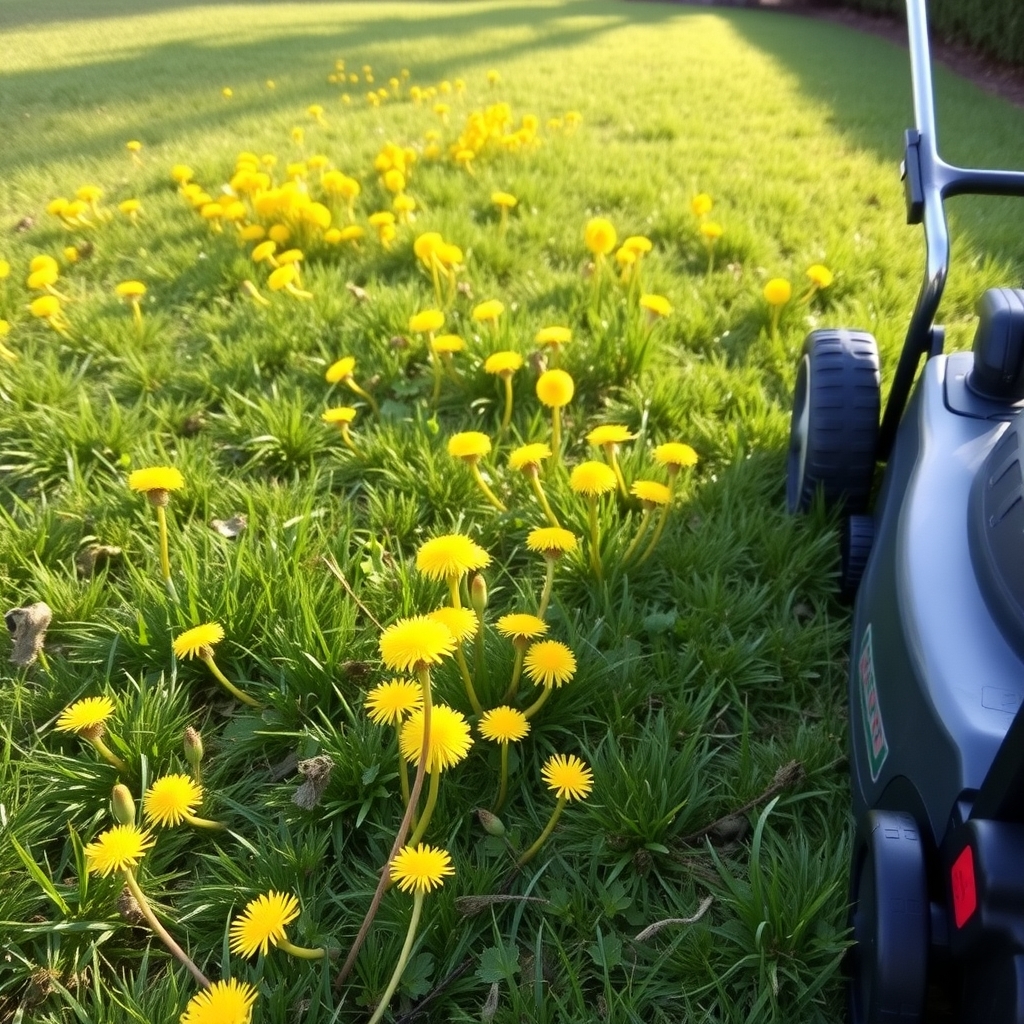
Pull, mow high and water deeply
- Pull dandelions after rain, taproot and all
- Mow at 3 to 4 inches for cool-season grass
- Water deeply once or twice a week, not a little every day
- Leave the clippings on the lawn
How long it lasts: Slows weeds for a season. A thin lawn keeps letting new ones in, and pulled taproots often regrow from leftover root.
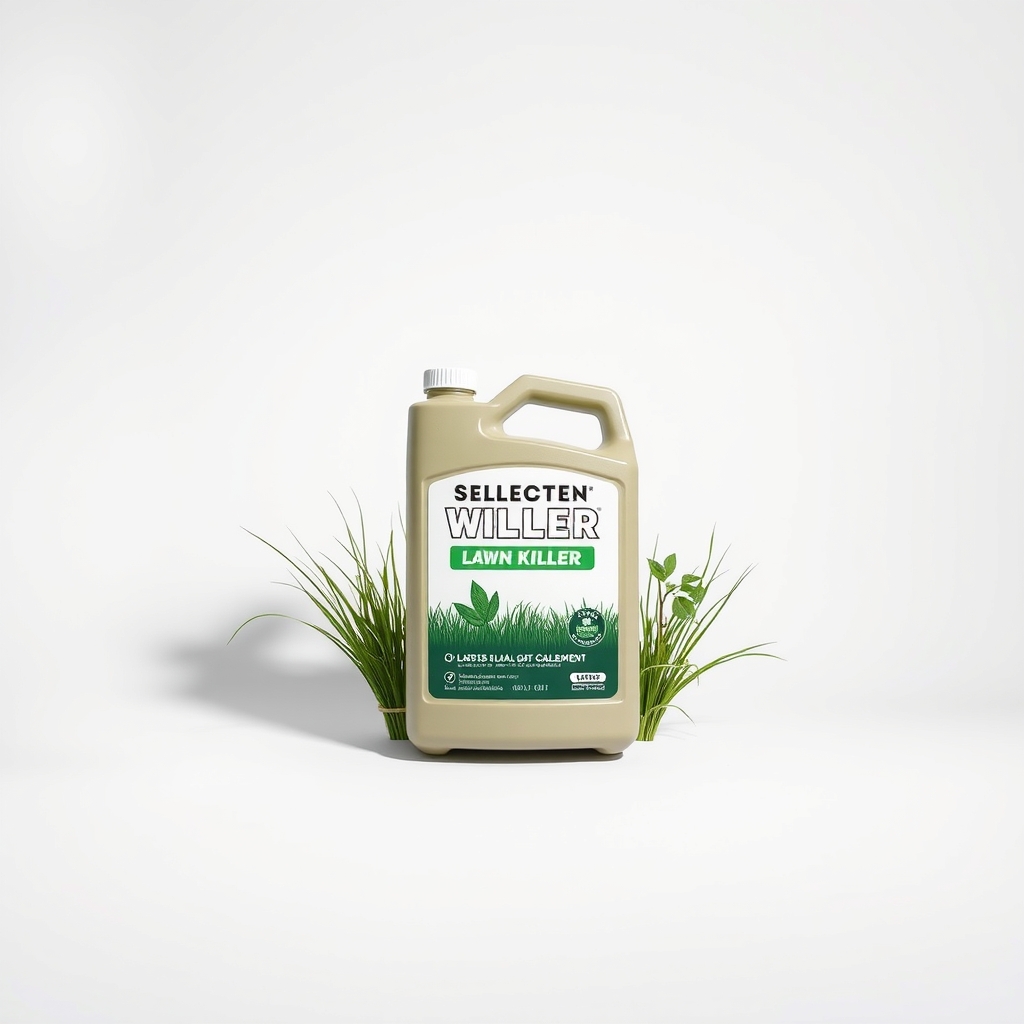
A selective weed killer matched to your grass
Clover and other creeping weeds spread faster than you can pick them. A selective killer targets the weeds and leaves lawn grass alone, so you clear them without a bare yard behind. It does not thicken thin grass, so pair it with high mowing and fall seed.
What to get: Selective lawn weed killer for broadleaf weeds
How long it lasts: Visible results usually within one to two weeks. A thick lawn then keeps new weeds out, and you re-treat only as the label allows.
As an Amazon Associate I earn from qualifying purchases.
What you'll need
- Illustration
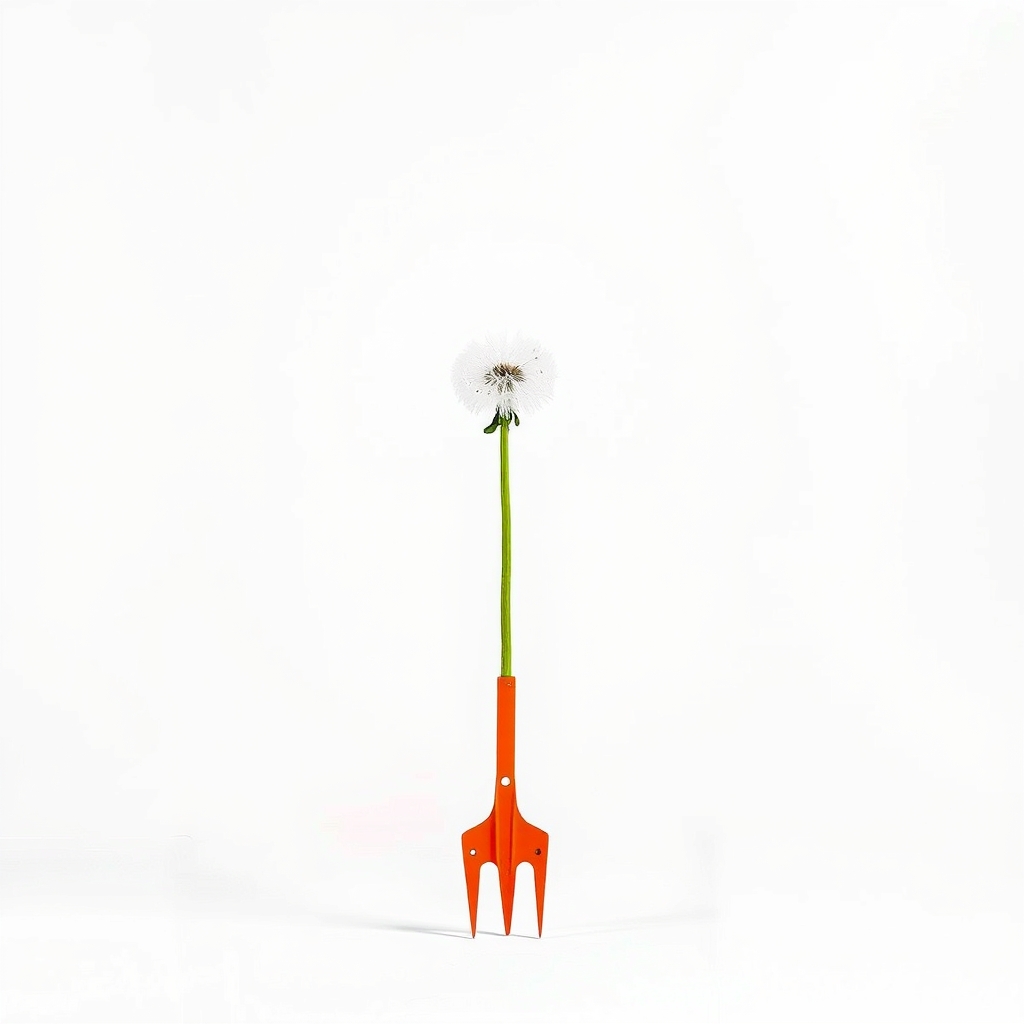
Dandelion weeder
A forked tool that lifts the whole taproot
-
Work gloves
For pulling weeds and handling the spray
You have it -
Lawn mower
Set to the highest height your grass type allows
You have it - Our pick Illustration
Selective lawn weed killer
Check the label for your grass type and the weeds you have
- Illustration
Grass seed for overseeding
Fills thin spots so weeds have no room
Why it happens
Thin, weak grass
Weeds sprout wherever light reaches bare soil. Compacted soil, shade and too little feeding thin a lawn until weeds fill the gaps.
Mowing too short
Cutting grass to 1 or 2 inches lets sunlight hit the soil, so weed seeds sprout. Taller grass shades them out.
Shallow, frequent watering
A short sprinkle every day keeps the surface damp, which suits crabgrass and other shallow-rooted weeds, while the grass roots stay shallow too.
Seeds already in the soil
Weed seed can wait for years. Any gap wakes it up, and crabgrass sprouts once the soil warms to about 55°F in spring.
Try this first (free)
Do these in order, starting with the simplest.
-
Name your weeds
Broadleaf weeds such as dandelion, clover and plantain have wide leaves. Crabgrass looks like grass. Most selective killers target broadleaf weeds, and crabgrass and nutsedge need their own products.
-
Pull the big ones
Tool used: Dandelion weederAfter a rain, push the weeder in beside the plant and lift the whole taproot. Pull dandelions before they turn to white puffballs and spread seed.
IllustrationCheck price on AmazonTool for this step
Dandelion weeder · A forked tool that lifts the whole taproot
-
Raise the mower
Tool used: Lawn mowerMow cool-season grass such as fescue and bluegrass at 3 to 4 inches, and never remove more than a third at once. Warm-season grasses are cut lower, so check your type.
-
Water deeply, less often
Give the lawn about an inch a week, rain included, in one or two soakings early in the morning. Deep roots help grass beat weeds.
-
Treat the rest with a selective killer
Tool used: Selective lawn weed killerSpray when weeds are growing, on a calm day, usually between about 60 and 85°F. Follow the label for rain-free time, mowing before and after, and how long to keep pets and kids off. Keep it off garden plants and trees.
IllustrationCheck price on AmazonTool for this step
Selective lawn weed killer · Check the label for your grass type and the weeds you have
-
Overseed in fall
Tool used: Grass seed for overseedingSpread seed over thin spots after mowing and keep it damp. Check the weed killer label for how many weeks to wait first.
IllustrationCheck price on AmazonTool for this step
Grass seed for overseeding · Fills thin spots so weeds have no room
When free fixes aren't enough
If weeds cover more than a quarter of the lawn, or the same ones keep returning, hand pulling cannot keep up. Creeping weeds like clover and ground ivy spread from runners, and pulling leaves pieces behind. That is when a selective killer saves hours. Read the label for your grass: St. Augustine and centipede lawns, for example, are sensitive to some active ingredients. If the lawn is more weed than grass, ask your extension office whether to renovate it.
Buy the fix
Still stuck after the free fixes? These are the products we would look at.
| Pick | Product | Fixes | Who it's for | Buy |
|---|---|---|---|---|
| Best pick | Selective lawn weed killer for broadleaf weeds | broadleaf weeds you cannot keep up with by hand | Anyone with weeds spread across more than a few spots. | Check price |
| Budget pick | Stand-up dandelion and weed puller | scattered taproot weeds with no chemicals | Lawns with a few dozen weeds, or anyone who prefers no spray. | Check price |
| Upgrade pick | Grass seed for overseeding thin lawns | the thin grass that lets weeds in | Anyone with thin patches who can seed in early fall. | Check price |
Selective lawn weed killer for broadleaf weeds
Fixes: broadleaf weeds you cannot keep up with by hand
Look for: Label lists your grass type as safe; Lists the weeds you have, such as dandelion, clover and plantain; Clear rain-free time and re-treat interval; A hose-end or ready-to-spray bottle sized for your lawn.
- Who it's for
- Anyone with weeds spread across more than a few spots.
- Honest downside
- Your weeds are mostly crabgrass or other grassy weeds, which a broadleaf product will not touch. Also skip it on a lawn seeded in the last few weeks unless the label says it is safe.
Stand-up dandelion and weed puller
Fixes: scattered taproot weeds with no chemicals
Look for: A long handle so you can pull standing; A forked tip that gets under the taproot; A foot plate for leverage.
- Who it's for
- Lawns with a few dozen weeds, or anyone who prefers no spray.
- Honest downside
- Your weeds spread by runners, like clover and creeping Charlie. Pulling leaves pieces that regrow.
Grass seed for overseeding thin lawns
Fixes: the thin grass that lets weeds in
Look for: A blend named for your region and sun level; Fresh seed with a recent test date; Coverage stated for overseeding.
- Who it's for
- Anyone with thin patches who can seed in early fall.
- Honest downside
- You just used a weed killer or crabgrass preventer. Many block new seed, so check the label wait time first.
As an Amazon Associate I earn from qualifying purchases. We don't show prices because they change, so use the button to see today's price.
How we picked: How we picked: this page is based on lawn care guides from university extension offices, selective herbicide labels and the problems and fixes owners report in reviews. We do not test products by hand.
Broadleaf or grassy? Pick the right product
- Dandelion, clover, plantain: a selective broadleaf killer.
- Crabgrass: a preventer in early spring, before soil reaches about 55°F, or a killer labeled for crabgrass in lawns.
- Nutsedge: a product that lists sedge. Regular broadleaf killers will not do it.
What to skip
Vinegar and salt on the lawn
Both burn grass as well as weeds and leave bare patches. Salt also harms the soil, so new grass struggles to grow there. Use a selective product made for lawns instead.
Frequently asked questions
How to fix a lawn?
What is the best time to kill lawn weeds?
Can I seed and use weed killer at the same time?
Is lawn weed killer safe for pets?
Related problems
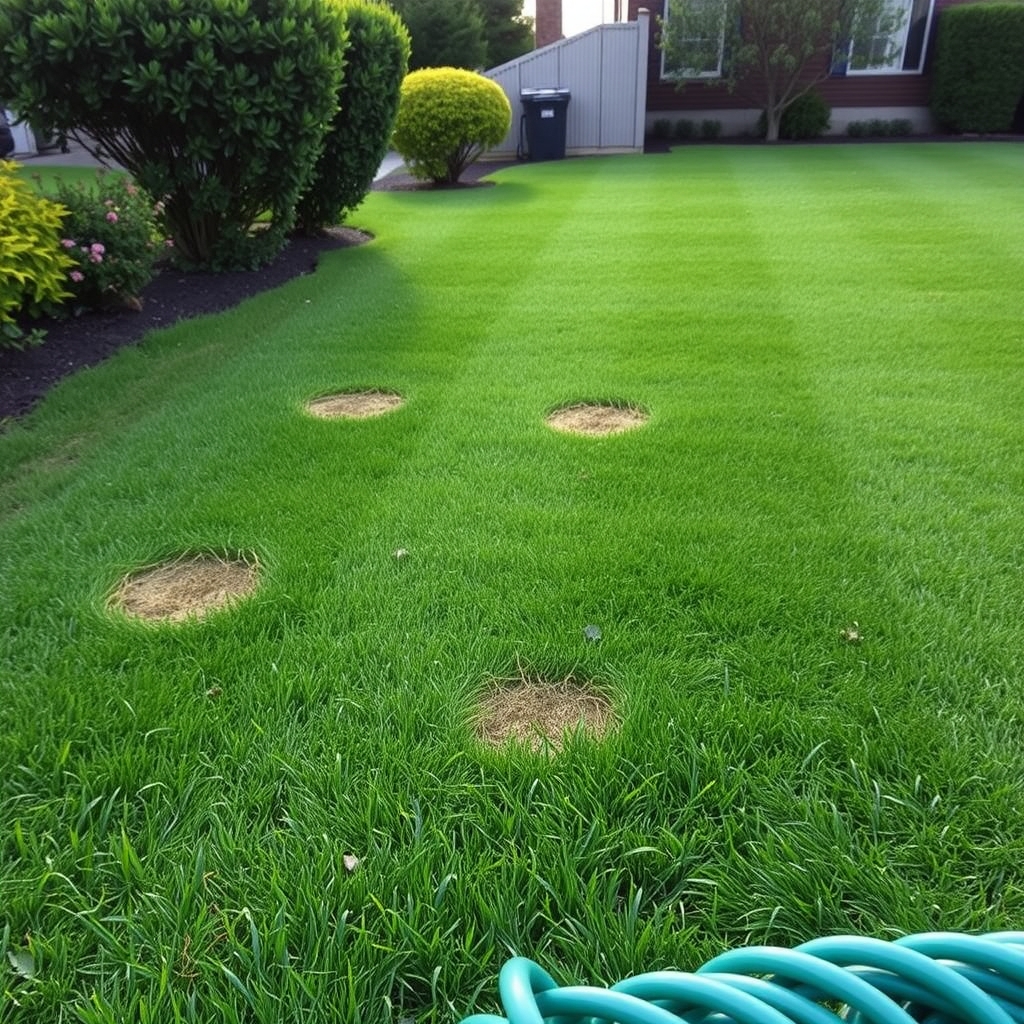 Free fix inside
Outdoor & Garage · Lawn
Why Your Lawn Has Brown Patches: Match the Fix to the Pattern
Read the fix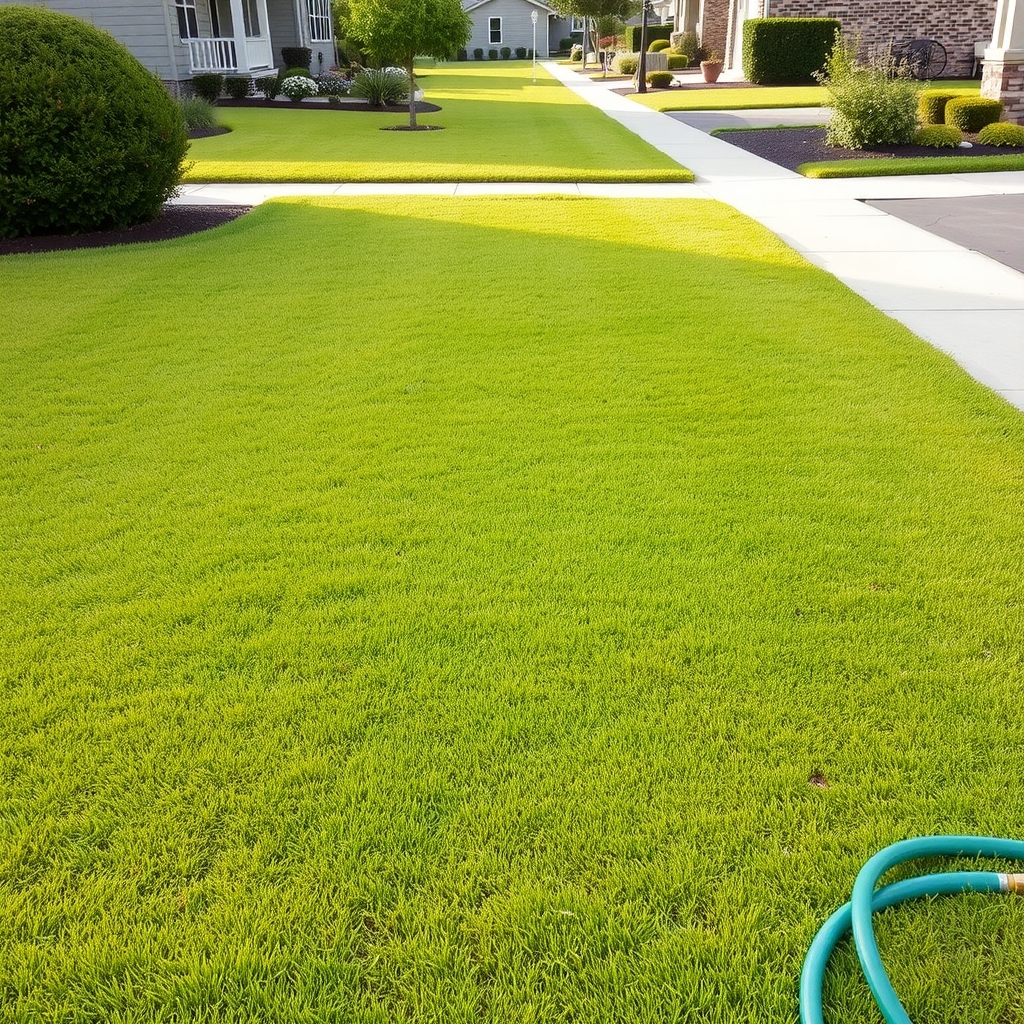 Free fix inside
Outdoor & Garage · Lawn
Lawn Turning Yellow? Thirst, Pets or Hunger: How to Tell
Read the fix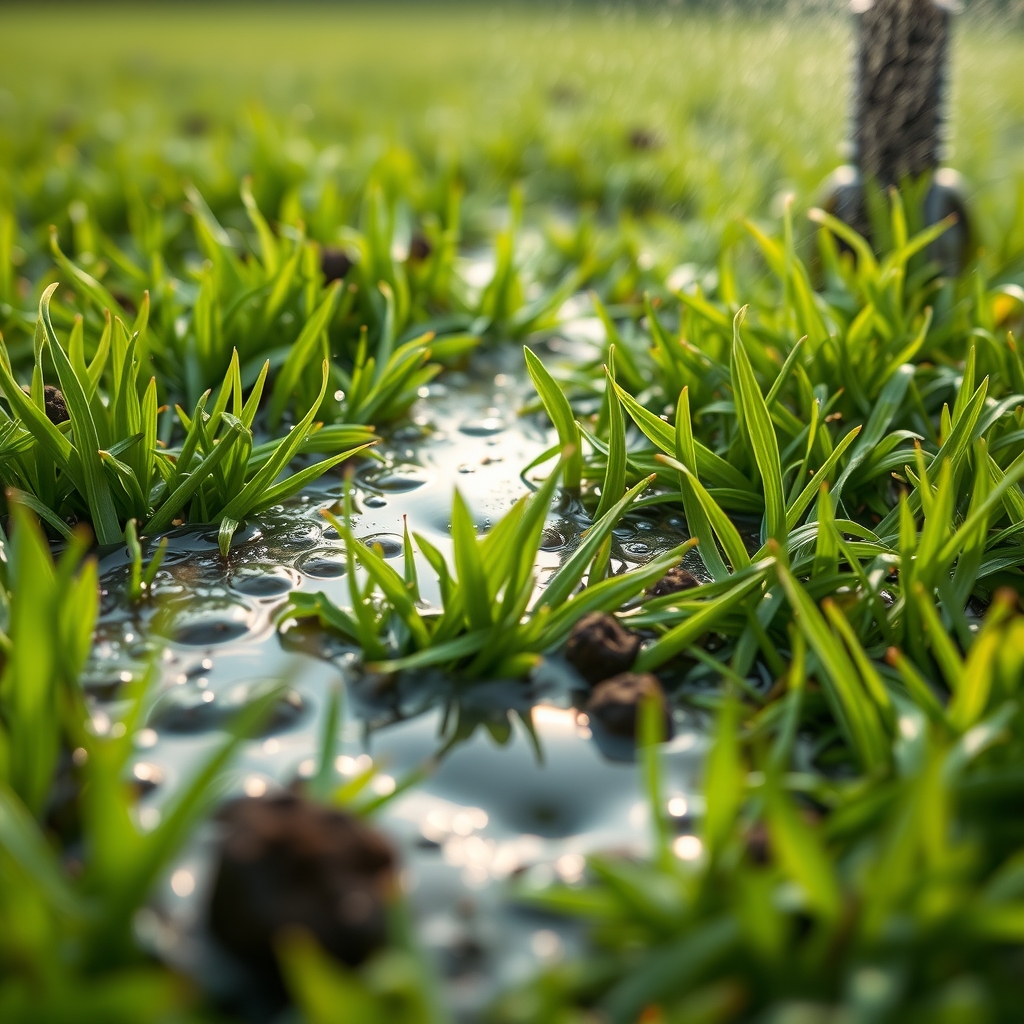 Free fix inside
Outdoor & Garage · Lawn
Lawn Not Absorbing Water? Aerating Opens Up Compacted Soil
Read the fix Free fix inside
Outdoor & Garage · Driveway Upkeep
Weeds in Driveway Cracks? What Kills Them and Keeps Them Gone
Read the fixAs an Amazon Associate I earn from qualifying purchases. Affiliate disclosure