Garden Soil Washing Away? Edging and Blankets That Hold It
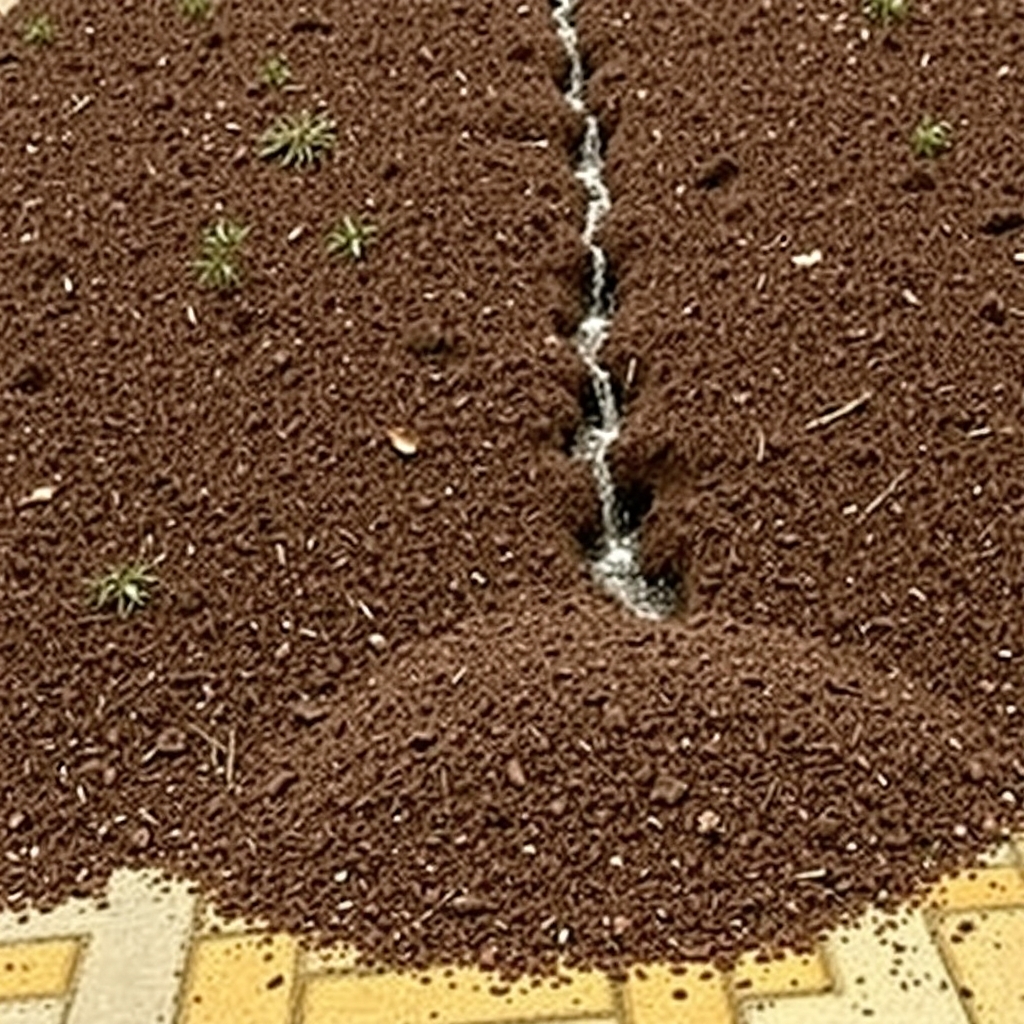
Rain carries bare soil off slopes and out of bed edges. Slow the water, cover the ground and pin an erosion blanket where mulch alone will not hold.
By Jamilur Rahman Updated November 5, 2026 · 6 min read
- Time
- 2 hours
- Cost
- $20-$50
- Difficulty
- Medium
In this guide
Quick answer
To stop garden soil from washing away, slow the water, cover the bare ground and hold the edge. Mulch 2 to 3 inches deep and add plants with strong roots. On a slope, or anywhere heavy rain keeps cutting channels, pin a biodegradable erosion control blanket over the soil so it stays put while roots take over.
Free fix vs. permanent fix
Mulch, roots and a gentler flow of water
- Redirect the downspout or runoff away from the bed
- Spread 2 to 3 inches of mulch over bare soil
- Plant groundcover or grasses to hold the soil with roots
- Water slowly with a soft spray
How long it lasts: A season or two. Mulch can float and slide on a steep slope in a hard rain, and it breaks down.
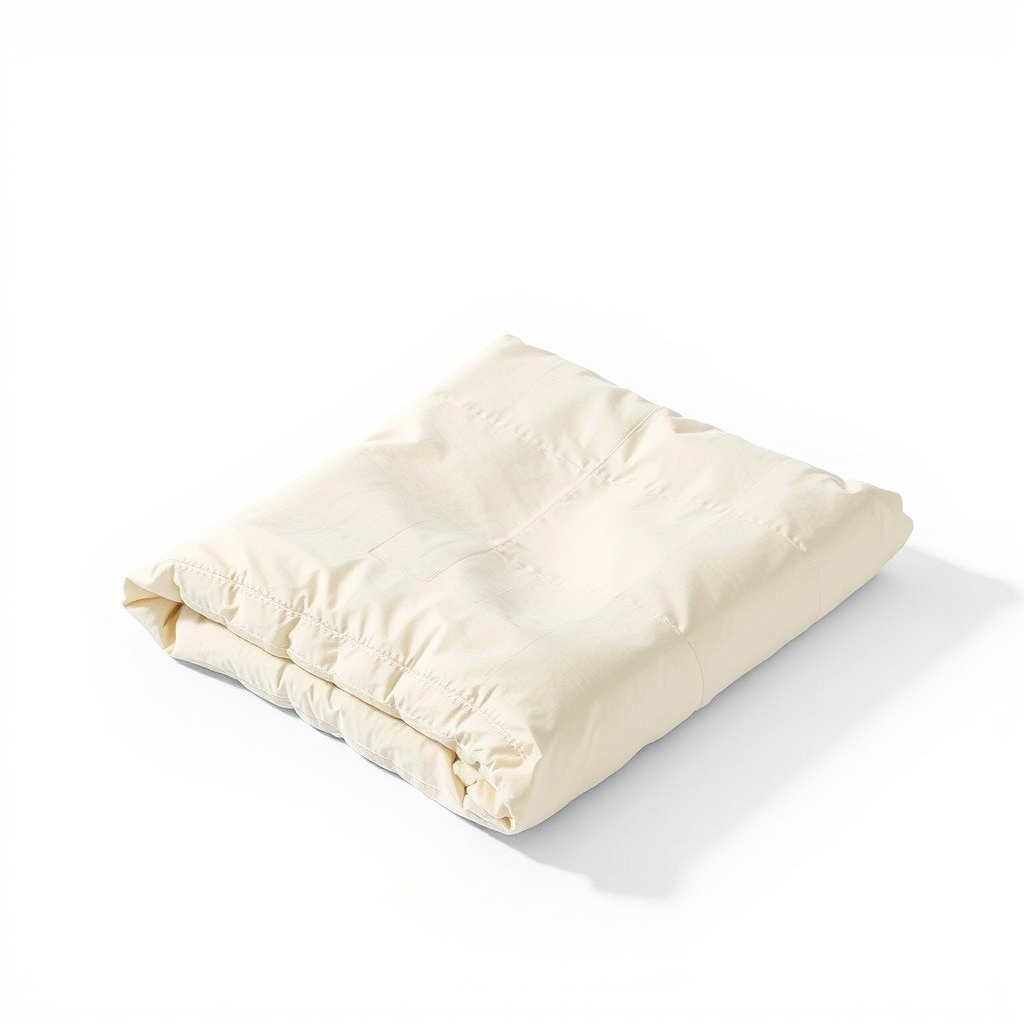
A biodegradable erosion control blanket
A pinned blanket shields the soil from raindrops and slows runoff across the surface, so seeds and plants can establish. It holds the soil on slopes where loose mulch slides off, and it breaks down once the roots are in.
What to get: Biodegradable erosion control blanket
How long it lasts: Months to a few years, depending on the fiber, which is long enough for plant roots to take over.
As an Amazon Associate I earn from qualifying purchases.
What you'll need
-
Rake and shovel
To level, smooth and shape the soil
You have it -
Mulch
Shredded leaves or wood chips from a tree service work, if you have them
Free -
Mallet or hammer
To drive in the pins
You have it - Our pick Illustration
Erosion control blanket
Straw or coconut fiber with natural netting
- Illustration
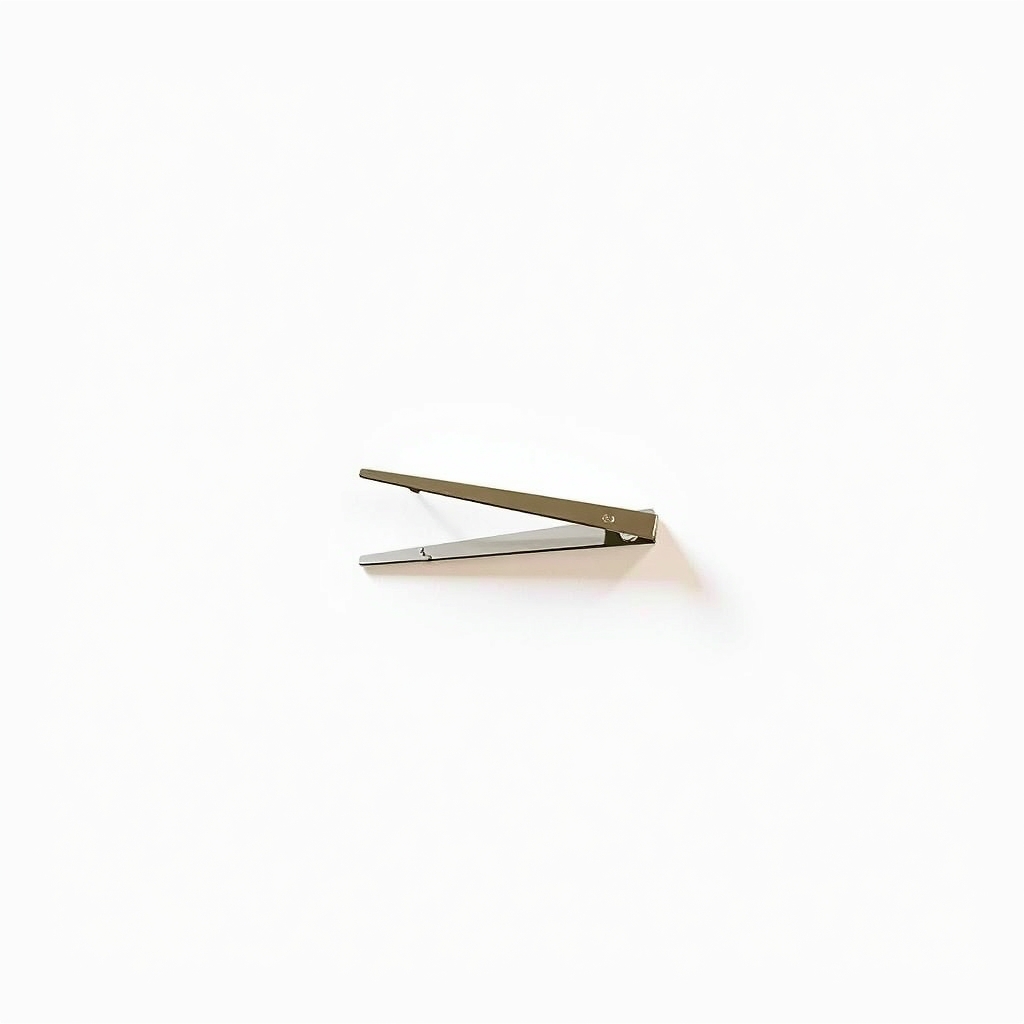
Landscape staples or pins
Hold the blanket flat on the soil
- Illustration
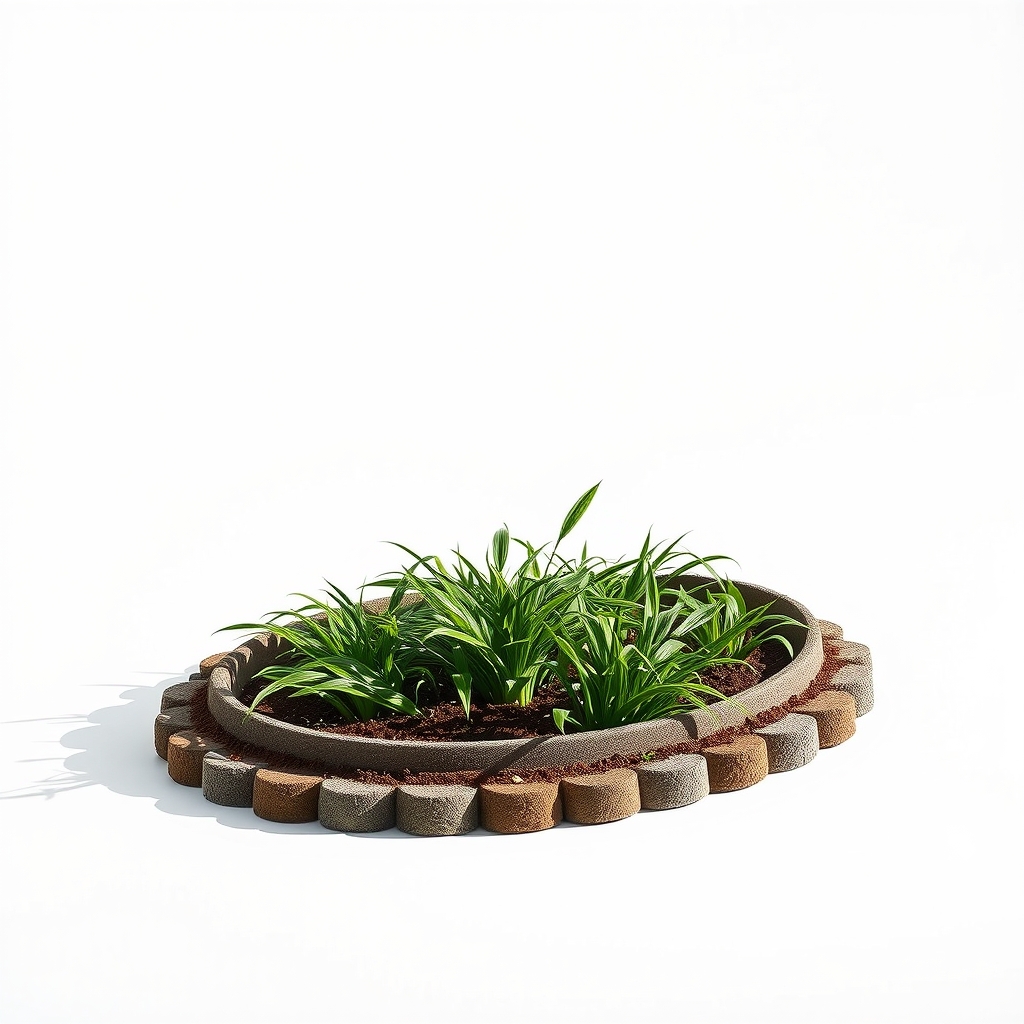
Garden bed edging
Keeps soil from spilling onto lawn and paths
Why it happens
Bare soil
Raindrops hit exposed soil and break it into fine particles that run off with the water. Bare ground has no roots and no cover to hold it.
A slope
Water speeds up as it runs downhill. On a slope it picks up more soil with every foot, and small trails turn into gullies.
Concentrated water
A downspout, a gutter overflow or a path that funnels water sends a strong stream across one patch of garden, and that patch washes out first.
Packed or crusted soil
Hard soil cannot soak up water, so it runs across the surface. If your soil is hard, see the related page on loosening it.
Try this first (free)
Do these in order, starting with the simplest.
-
1. Watch where the water goes
Check the garden during rain. Look at downspouts, slopes and low spots. Extend a downspout away from the bed, or point it at a splash block or a rain barrel.
-
2. Smooth the soil and fill the gullies
Tool used: Rake and shovelRake the washed-out soil back and fill channels. Break up crusts so water can soak in. Shape a shallow dip or a low ridge across a slope to slow runoff.
-
3. Cover it with mulch
Tool used: MulchSpread 2 to 3 inches of shredded bark, chopped leaves or straw over bare soil. Keep it a couple of inches from plant stems. On a gentle slope, mulch alone often does the job.
-
4. Pin a blanket on slopes
Tool used: Erosion control blanketUnroll the blanket down the slope, overlap seams by a few inches and pin it every couple of feet along the edges and across the middle. Cut a small X to plant through it. Tuck the top edge into a shallow trench.
IllustrationCheck price on AmazonTool for this step
Erosion control blanket · Straw or coconut fiber with natural netting
-
5. Drive the pins flush
Tool used: Mallet or hammerPush or tap each pin in until it sits flush with the blanket so it cannot catch a foot or a mower.
-
6. Add roots and water gently
Plant groundcover, grasses or a fast cover crop, and water with a soft spray or a soaker hose. A hard jet of water breaks up the surface.
When free fixes aren't enough
Mulch and plants fix a gentle slope or a flat bed. On a steeper slope, heavy rain lifts loose mulch and washes it down with the soil, and new seedlings wash out before they root. That is when a blanket earns its place. It stays put in rain, protects the soil while seedlings grow and rots away afterwards. A blanket will not solve a bigger drainage problem, so if soil is washing against your foundation, gullies are deeper than a hand's width or the water is coming from a neighbor's land, talk to a landscaper or a drainage pro.
Buy the fix
Still stuck after the free fixes? These are the products we would look at.
| Pick | Product | Fixes | Who it's for | Buy |
|---|---|---|---|---|
| Best pick | Biodegradable erosion control blanket | soil sliding off slopes and bare patches in heavy rain | Anyone with a sloped bed or lawn edge where mulch keeps washing away and seeds will not hold. | Check price |
| Upgrade pick | Garden bed edging | soil spilling out of a bed onto the path, lawn or patio | Anyone whose soil washes over the edge of a bed rather than down a long slope. | Check price |
Biodegradable erosion control blanket
Fixes: soil sliding off slopes and bare patches in heavy rain
Look for: Natural straw or coconut fiber, with biodegradable netting; A roll size that matches the area, with overlap to spare; Pins or staples included, or listed as compatible; Wildlife-friendly natural-fiber netting rather than plastic mesh.
- Who it's for
- Anyone with a sloped bed or lawn edge where mulch keeps washing away and seeds will not hold.
- Honest downside
- The area is flat and mulched. A few inches of mulch is enough, so save the money.
Garden bed edging
Fixes: soil spilling out of a bed onto the path, lawn or patio
Look for: Strong material such as steel, aluminum or heavy recycled plastic; Ground stakes that keep it from heaving; A height of a few inches above soil level; Curves or sections that fit your bed shape.
- Who it's for
- Anyone whose soil washes over the edge of a bed rather than down a long slope.
- Honest downside
- Your problem is a steep slope. Edging alone will not stop soil flowing under it.
As an Amazon Associate I earn from qualifying purchases. We don't show prices because they change, so use the button to see today's price.
How we picked: How we picked: this page is based on erosion control advice from university extension services and conservation groups, and what gardeners report in reviews of erosion blankets and edging. We do not test products by hand.
Match the fix to where the soil is moving
- Bare bed on flat ground: mulch and plants.
- Gentle slope: mulch, deep-rooted groundcover and a small ridge across the slope.
- Steep slope or new seed: a pinned blanket, planted through.
- Soil spilling over the bed edge: edging and a mulch layer.
- One strip washing out under a downspout: move the water first.
What to skip
Black plastic and thin netting on slopes
Plastic sheeting sheds rain and sends it all downhill at once, which makes erosion worse, and it keeps plants from rooting. Plastic mesh netting can also trap snakes and other wildlife, so choose natural-fiber netting.
Frequently asked questions
What is the best way to stop soil erosion on a slope?
Does mulch stop soil washing away?
How do I stop soil washing out of a raised bed?
Do erosion control blankets harm plants?
When should I call a pro?
Related problems
 Free fix inside
Outdoor & Garage · Garden Soil
Garden Soil Getting Hard? What to Mix In to Loosen It
Read the fix Free fix inside
Outdoor & Garage · Yard Drainage
Garden Flooding After Every Rain? Drainage Fixes That Work
Read the fix Free fix inside
Outdoor & Garage · Garden Weeds
Garden Weeds Back Every Week? Weed Barrier Fabric Basics
Read the fix Free fix inside
Outdoor & Garage · Driveway Upkeep
Gravel Driveway Keeps Washing Out? Grids Hold It in Place
Read the fixAs an Amazon Associate I earn from qualifying purchases. Affiliate disclosure