Garden Tools Rusting? A 2-Minute Oil Routine Stops It
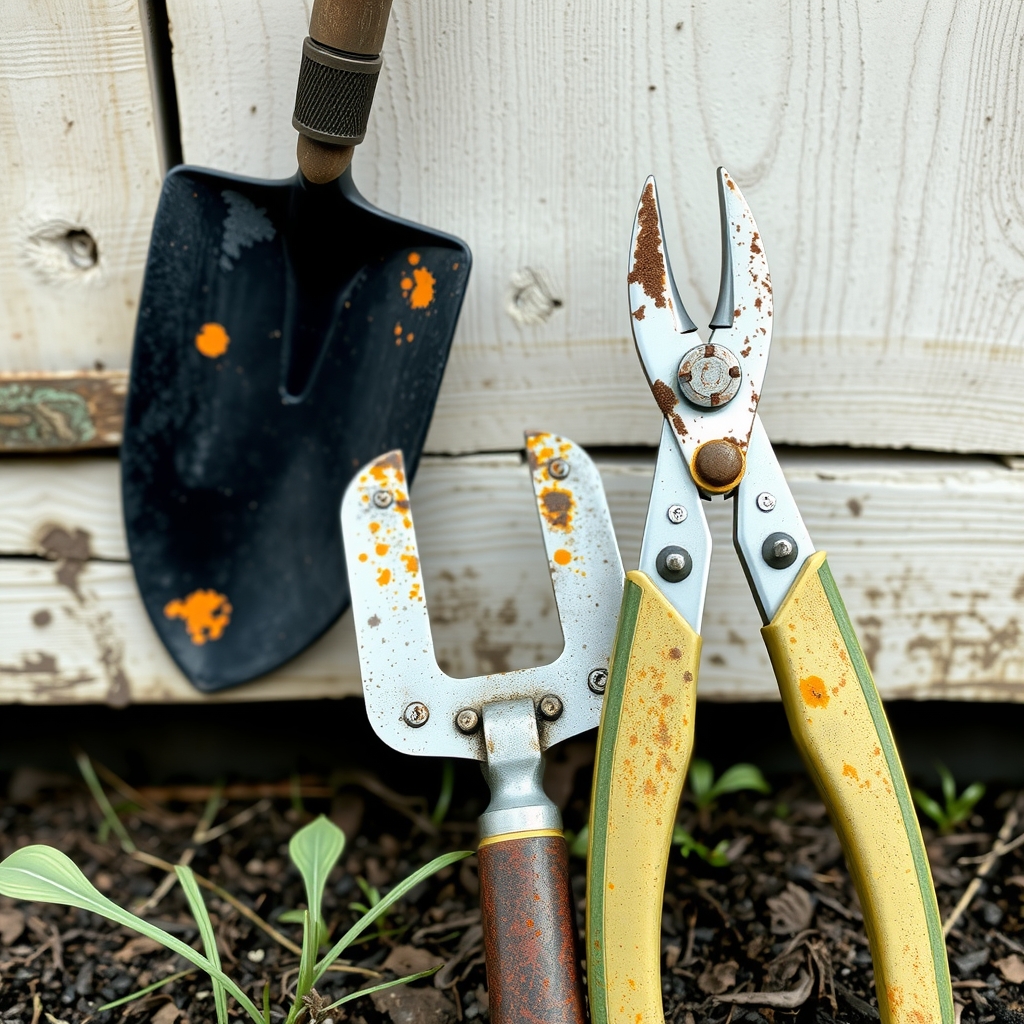
Rust forms when bare steel stays damp. Wipe off the soil, dry the blade and add a thin film of oil after each use, then store the tools off the ground.
By Jamilur Rahman Updated November 5, 2026 · 6 min read
- Time
- 2 min per tool
- Cost
- Under $20
- Difficulty
- Easy
In this guide
Quick answer
How to stop garden tools from rusting: knock off the soil, wipe the steel dry and rub on a thin film of oil after each use. Plain vegetable oil on a rag works for a few tools. A tool rust prevention oil leaves a longer-lasting film, gets into hinges and springs, and does not turn sticky. Rust needs damp, bare steel, so storing tools dry matters just as much.
Free fix vs. permanent fix
Wipe, dry and oil with what you have
- Brush off soil right after use
- Wipe the steel completely dry
- Rub on a thin film of oil with a rag
- Hang the tool off the ground in a dry spot
How long it lasts: A few weeks. Vegetable oil wears off and can turn sticky, so you repeat it often.
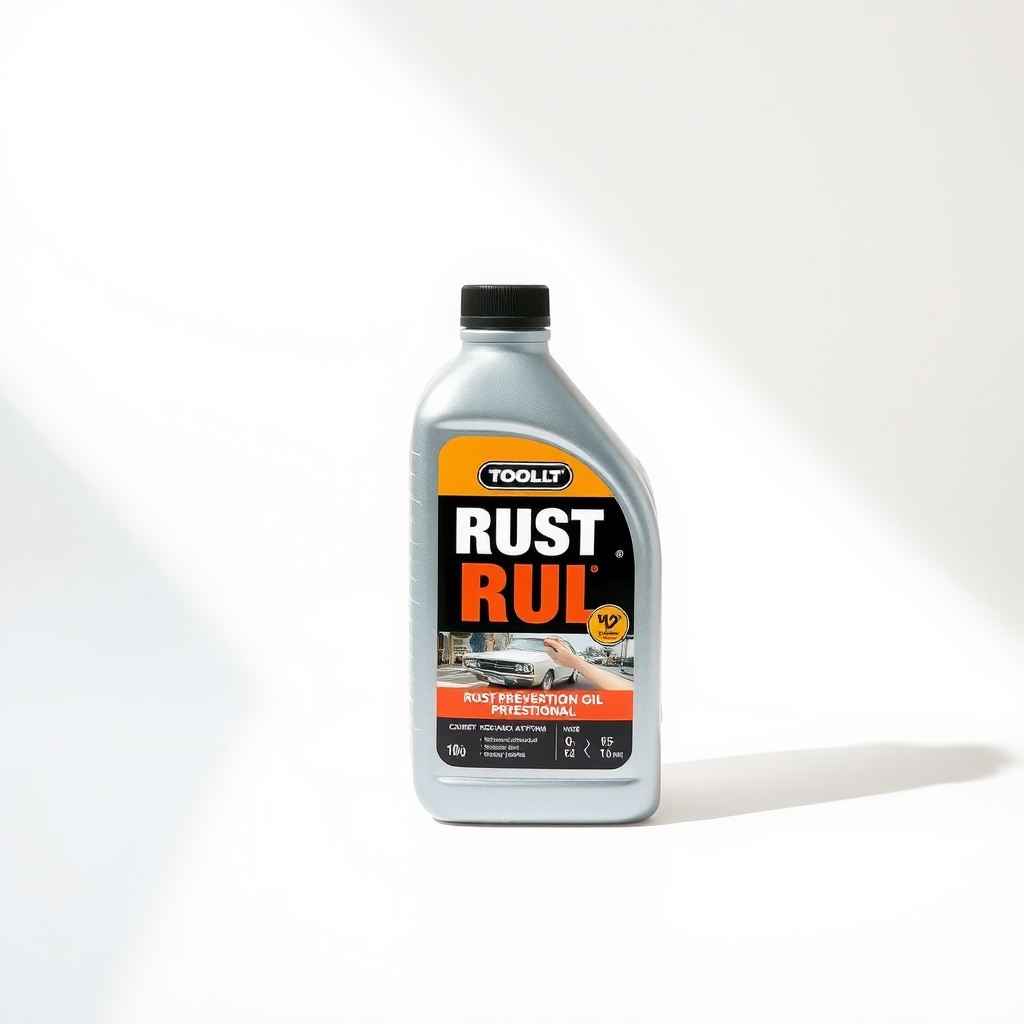
A tool rust prevention oil
These oils are made to leave a protective film on bare steel that resists moisture and does not turn gummy. A spray or a wipe-on format also reaches hinges, springs and pivots that a rag cannot.
What to get: Tool rust prevention oil
How long it lasts: One thin coat protects through the season and winter storage far better than kitchen oil.
As an Amazon Associate I earn from qualifying purchases.
What you'll need
-
Stiff brush
For knocking off dried soil
You have it -
Old rags
One for drying, one for oiling
You have it -
Bucket of sand and oil
Fill a bucket with sand, add a little oil and push spades and hoes in and out
Free - Our pick Illustration
Tool rust prevention oil
Pick a spray or wipe-on oil that leaves a thin film
- Illustration
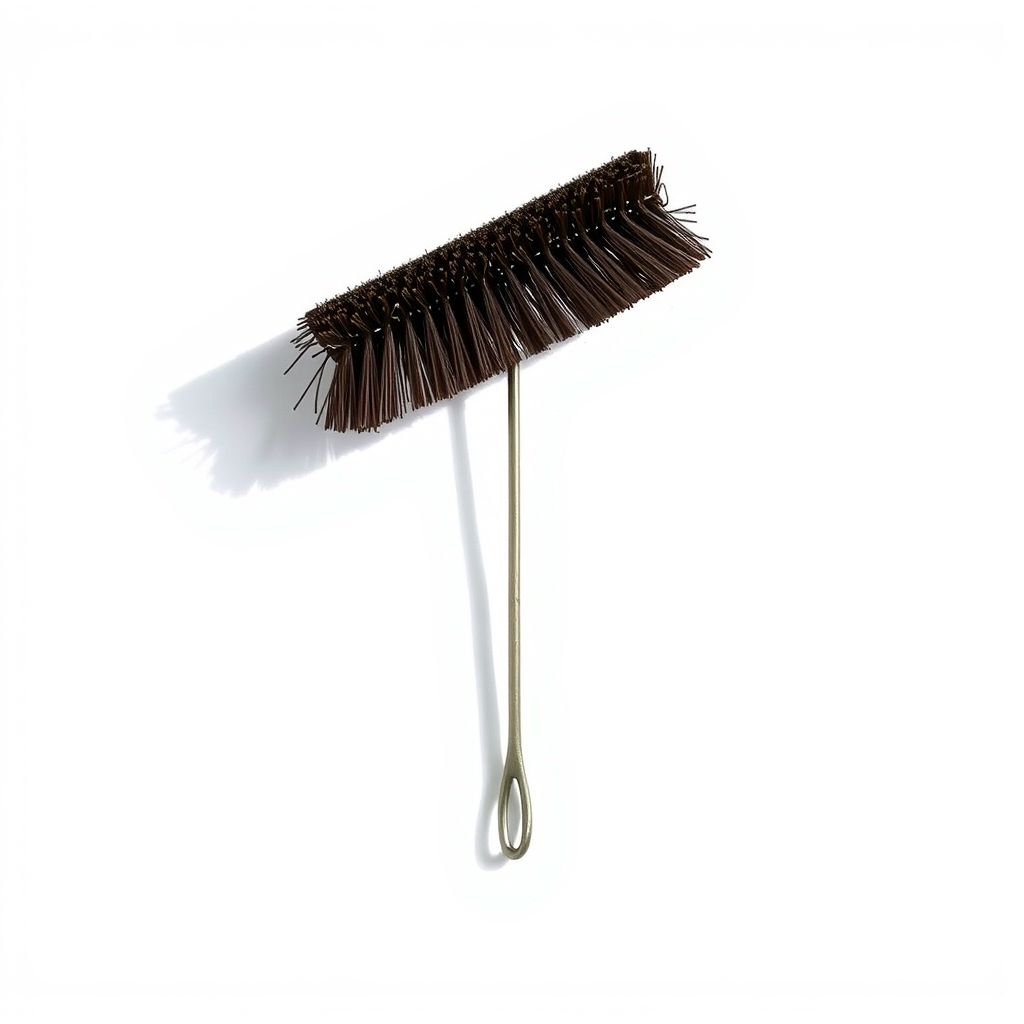
Wire brush or rust-removing pad
Only for rust that is already there
Why it happens
Damp air on bare steel
Steel rusts when it sits in water and air. Dew, rain and humid sheds are enough.
Soil left on the blade
Wet soil stays pressed against the steel for days, holding moisture where rust starts. Dried soil is a sign the tool went into storage dirty.
Scratches and worn paint
Digging, sharpening and rocks wear off any coating and leave bare steel. Rust starts there first.
Storage on the floor or in a damp corner
Tools leaned in a wet corner or left on a concrete floor draw up moisture. Fertilizer and road salt make it faster.
Try this first (free)
Do these in order, starting with the simplest.
-
Brush off the soil
Tool used: Stiff brushAfter each use, scrape or brush the soil off blades and tines. If a tool is very muddy, rinse it and dry it right away.
-
Dry the steel
Tool used: Old ragsWipe the whole tool down with a dry rag, including the socket where the handle meets the blade. Let it air for a few minutes before you oil it.
-
Wipe on a thin film of oil
Tool used: Tool rust prevention oilPut a few drops of oil on a rag and wipe the blade, the hinge and the spring. Wipe off the excess so it does not drip. Use a food-grade oil on pruners that touch edible plants.
IllustrationCheck price on AmazonTool for this step
Tool rust prevention oil · Pick a spray or wipe-on oil that leaves a thin film
-
Use a sand-and-oil bucket for spades and hoes
Tool used: Bucket of sand and oilFill a bucket with sand and add enough oil to dampen it, not soak it. Push the blade in and out a few times at the end of the day, and it cleans and oils in one step.
-
Remove rust that is already there
Tool used: Wire brush or rust-removing padScrub light rust with a wire brush or a rust-removing pad. A white vinegar soak for an hour or two also works. Rinse, dry and oil it right away, since bare steel rusts again fast.
IllustrationCheck price on AmazonTool for this step
Wire brush or rust-removing pad · Only for rust that is already there
When free fixes aren't enough
If rust has eaten pits into the steel, flaking has weakened thin parts such as pruner blades or hinge pins, or the tool bends and sticks, it is time to replace that tool. Tools kept in a damp shed all winter need a proper protective oil rather than a quick wipe, because kitchen oil wears off. Rusty cutting edges also need sharpening, not just oiling. Lay oily rags flat to dry outdoors or keep them in a metal can with water, since oily rags can heat up and catch fire when piled.
Buy the fix
Still stuck after the free fixes? These are the products we would look at.
| Pick | Product | Fixes | Who it's for | Buy |
|---|---|---|---|---|
| Best pick | Tool rust prevention oil | rust that returns because kitchen oil wears off | Anyone with several tools, a damp shed or a winter storage season to get through. | Check price |
| Upgrade pick | Wire brush or rust-removing pad | surface rust that is already on the tool | Anyone starting with rusty tools who wants a clean surface to oil. | Check price |
Tool rust prevention oil
Fixes: rust that returns because kitchen oil wears off
Look for: Leaves a thin protective film, not a spray that dries out; Listed as safe for garden tools, or food-grade for pruners; A spray or wipe-on format that reaches hinges and springs.
- Who it's for
- Anyone with several tools, a damp shed or a winter storage season to get through.
- Honest downside
- You only own one or two tools and use them weekly. Vegetable oil on a rag is enough for now.
Wire brush or rust-removing pad
Fixes: surface rust that is already on the tool
Look for: A stiff brush or pad that shifts rust without gouging steel; A grip you can hold when the tool is wet; Works on curved blades and tight corners.
- Who it's for
- Anyone starting with rusty tools who wants a clean surface to oil.
- Honest downside
- The rust is deep pits that run into the steel. Replace the tool.
As an Amazon Associate I earn from qualifying purchases. We don't show prices because they change, so use the button to see today's price.
How we picked: How we picked: this page is based on garden tool care guides, extension service advice on cleaning and storing tools, and the problems and fixes people report in owner reviews. We do not test products by hand.
Wooden handles and moving parts
Sand rough or splintered handles lightly, then rub in a little food-grade mineral oil to keep the wood from drying out. Put a drop of oil on pruner pivots and spring ends, and work the tool a few times so the oil spreads.
End-of-season checklist
- Scrub off soil and rust.
- Sharpen edges that have gone dull.
- Oil all bare steel and the pivots.
- Hang tools off the floor in a dry spot.
What to skip
Leaving tools out in the rain or spraying them with a thin lubricant
Rain on bare steel starts rust within hours. A thin spray lubricant can wear off fast, so it feels like a fix and fails in a week. Dry the tool and use an oil that leaves a protective film.
Frequently asked questions
Can I use cooking oil on garden tools?
How often should I oil my garden tools?
Does vinegar remove rust from garden tools?
Is a little rust on a garden tool a problem?
Related problems
 Free fix inside
Outdoor & Garage · Garden Tools
Garden Tool Storage: Wall Racks That Free the Shed Floor
Read the fix Free fix inside
Outdoor & Garage · Garden Tools
Garden Tool Sharpener: Bring Dull Pruners Back in Minutes
Read the fix Free fix inside
Outdoor & Garage · Garage Storage
Garage Tool Storage: Get Everything Off the Floor and Bench
Read the fix Free fix inside
Outdoor & Garage · Grill
Grill Grates Rusting? Season and Store Them the Right Way
Read the fixAs an Amazon Associate I earn from qualifying purchases. Affiliate disclosure