Grill Grates Rusting? Season and Store Them the Right Way
Bare metal plus moisture equals rust. Scrub it off, season the grates with oil, and store them dry so the rust does not come back.
By Jamilur Rahman Updated November 5, 2026 · 7 min read
- Time
- 45 min
- Cost
- Under $20
- Difficulty
- Easy
In this guide
Quick answer
To stop grill grates from rusting, keep bare metal covered with a thin layer of baked-on oil and store the grates dry. Scrub off the rust you have, season the clean metal with a high-smoke-point cooking oil, and cover the grill only when it is cool and dry. A food-safe grill seasoning oil makes that coating easier to apply evenly after every cook.
Free fix vs. permanent fix
Scrub, dry and season with cooking oil
- Scrub off rust with a scraper and a vinegar soak
- Rinse and dry the grates completely
- Wipe on a thin coat of high-smoke-point oil
- Heat the grill until the oil stops smoking
How long it lasts: One season if you re-oil and store them dry. The coating wears off, and damp air brings the rust back.
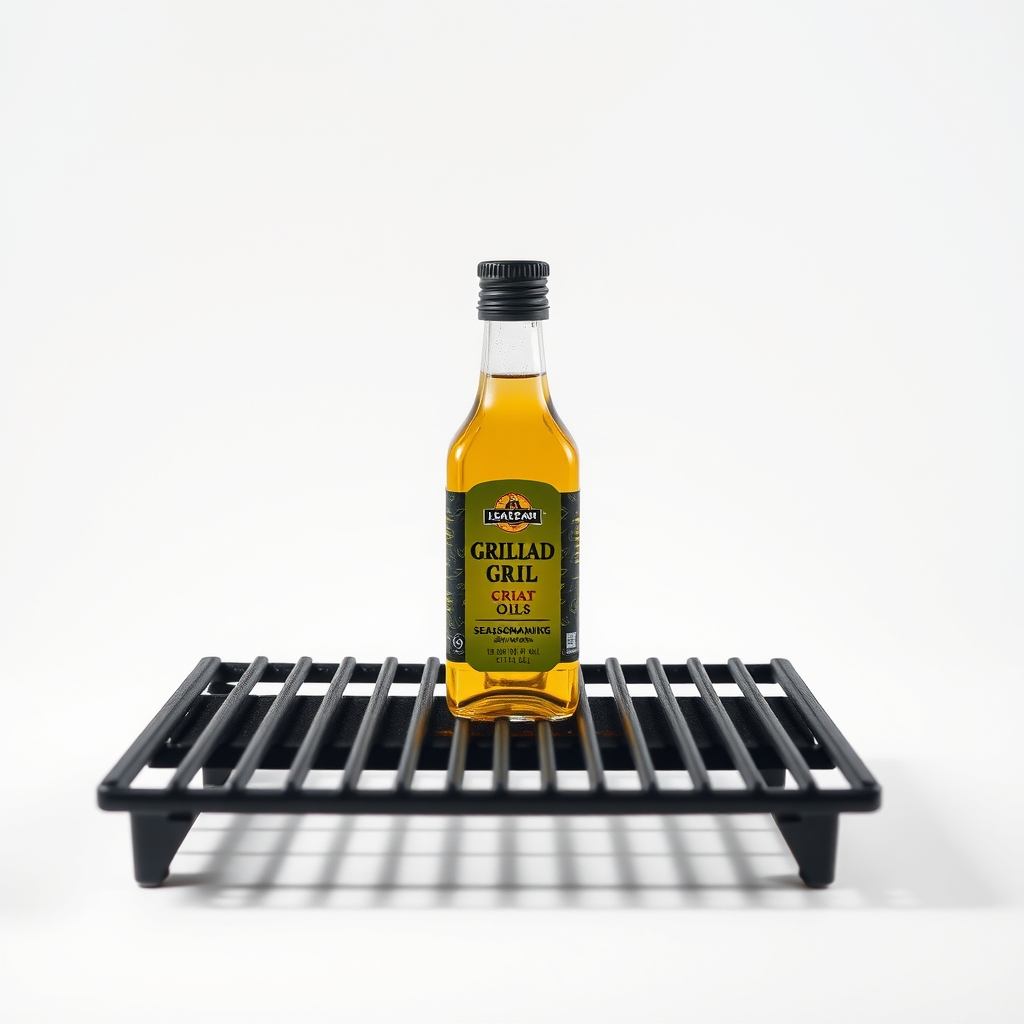
A food-safe grill grate seasoning oil
Rust returns when the oil layer wears thin and moisture reaches bare metal. A seasoning oil made for grill grates is formulated to bake on and resist high heat, and it comes in a form you can spread thinly without mess. The routine then takes a minute, so it gets done.
What to get: Grill grate seasoning oil
How long it lasts: As long as you re-coat the grates after cooking. It makes that habit easy to keep.
As an Amazon Associate I earn from qualifying purchases.
What you'll need
-
Bristle-free grill scraper
Scrapes off rust and cooked-on residue without loose wire bristles
You have it -
White vinegar
A 1:1 mix with water loosens rust
You have it -
Paper towels and tongs
To wipe oil on thinly without burning your fingers
You have it -
High-smoke-point cooking oil
Canola, vegetable or avocado oil from the pantry
You have it - Our pick Illustration
Grill grate seasoning oil
Made to bake on at grill heat and spread evenly
- Illustration
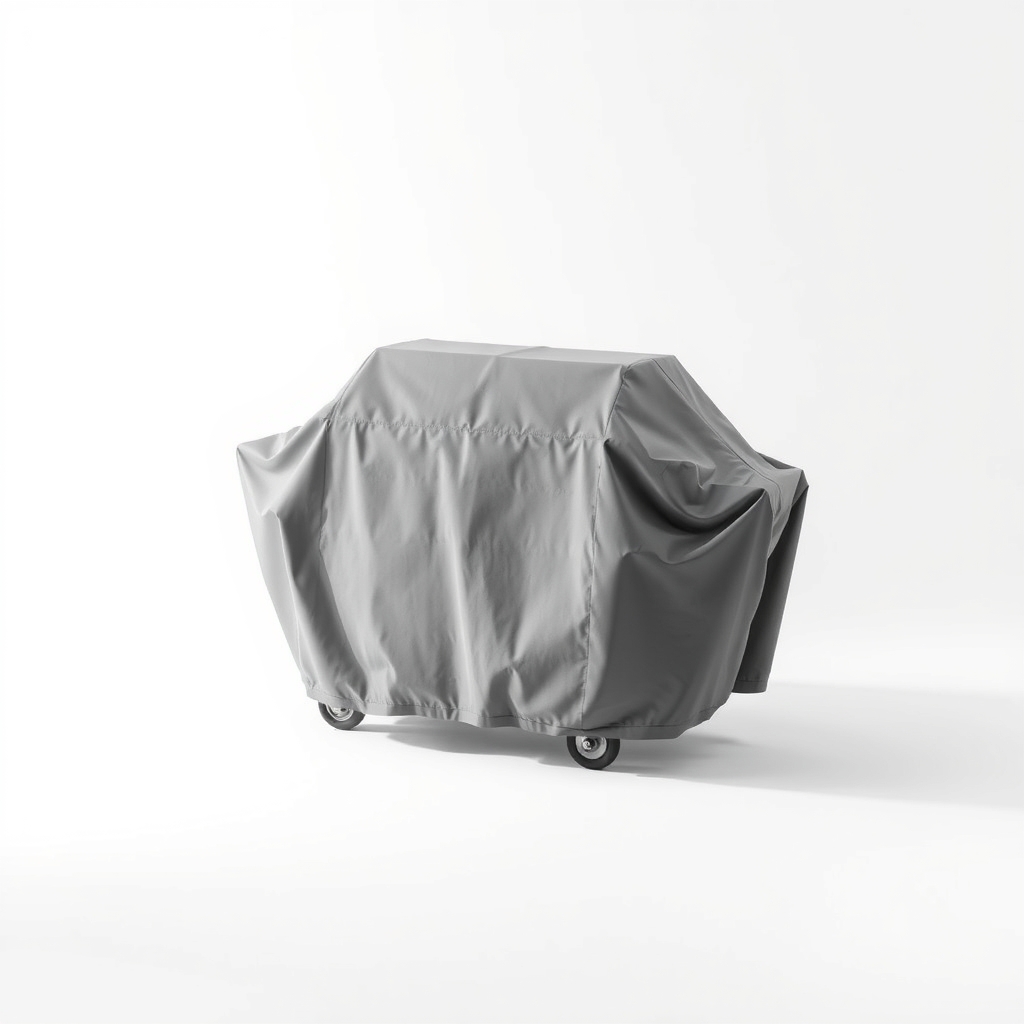
Vented fitted grill cover
For grills that live outside in damp weather
Why it happens
Bare metal with no oil layer
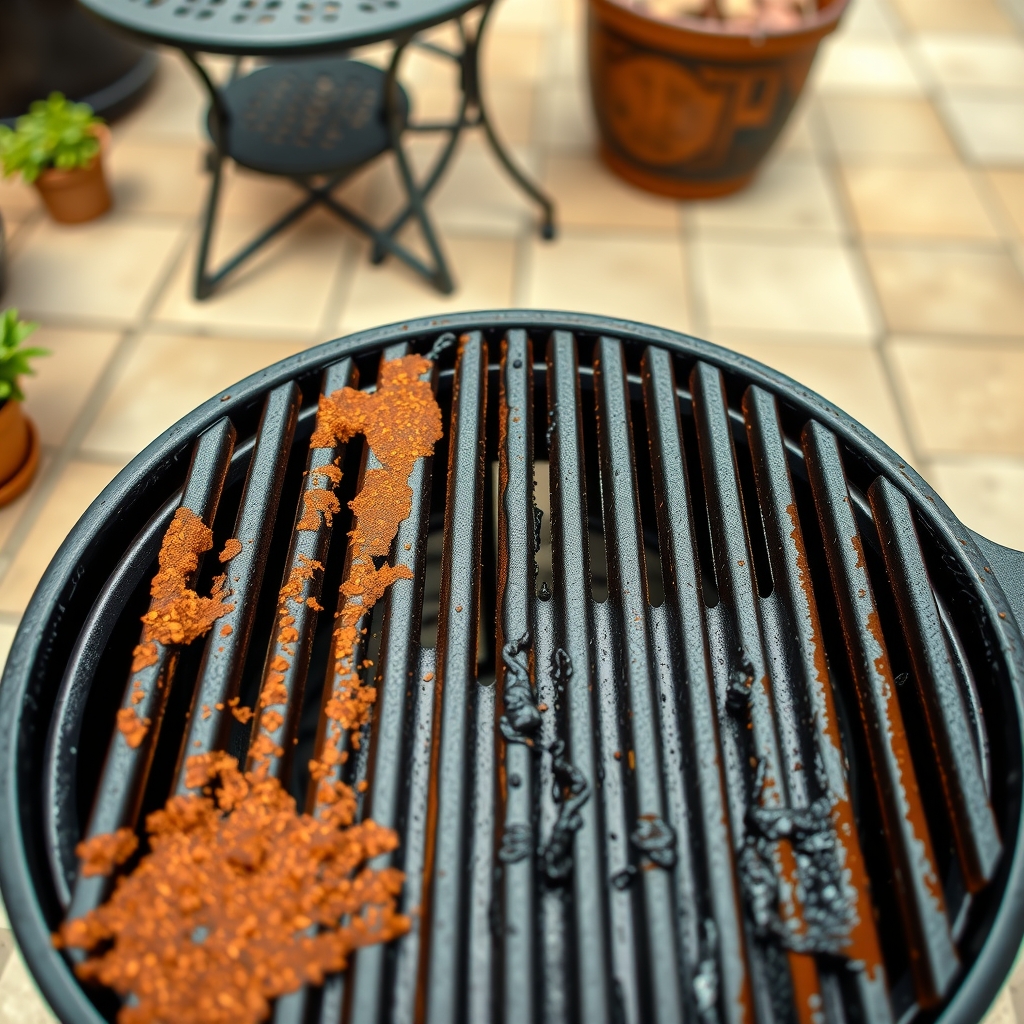
Cast iron and carbon steel grates rust fast once the oil coating wears off. Even a short rain or a humid night can leave orange spots on bare metal.
Putting the grates away wet or dirty
Covering a grill with damp grates, or leaving food residue on them, traps moisture against the metal. Rust starts within a day or two.
A chipped porcelain or enamel coating
Porcelain-coated grates look rust-proof until the coating chips. The cast iron under it rusts, and the rust spreads from the chip.
Damp storage
A grill stored in a humid garage, under a leaky cover or in the open over winter stays damp for weeks. A plain cover can trap that moisture.
Try this first (free)
Do these in order, starting with the simplest.
-
Scrub off loose rust and residue
Tool used: Bristle-free grill scraperWith the grill cold and the gas off, scrape the grates with a bristle-free scraper. Loose wire bristles from old brushes can end up in food, so use a scraper or a nylon brush instead.
-
Soak stubborn rust in vinegar water
Tool used: White vinegarMix equal parts white vinegar and water. Soak the grates for up to 30 minutes, then check. Too long can pit the metal.
-
Wash, rinse and dry them at once
Wash with dish soap and water, rinse, then dry with a towel right away. Set them in the sun or on the warm grill for a few minutes so no water stays in the corners.
-
Wipe on a very thin coat of oil
Tool used: Paper towels and tongsFold a paper towel, hold it with tongs, dab it in oil and wipe a thin layer over the whole grate, top and underside. A thick layer turns sticky, so wipe off the excess.
-
Heat the grill to bake the oil on
Tool used: High-smoke-point cooking oilPut the grates back, close the lid and run the grill at medium-high for 15 to 30 minutes, until the smoke stops. The metal should look darker and slightly glossy.
-
Wipe a thin coat on after each cook
Tool used: Grill grate seasoning oilOnce the grill is cool, brush off residue and wipe the grates with a little oil. Do it before you cover the grill.
IllustrationCheck price on AmazonTool for this step
Grill grate seasoning oil · Made to bake on at grill heat and spread evenly
When free fixes aren't enough
Cooking oil does the job when you apply it thinly and often. It also leaves a pantry bottle to pour on a paper towel, and it is easy to use too much, which leaves a sticky film. A seasoning oil made for grill grates is easier to spread thinly and sold as a food-safe coating that takes grill heat. If the grates are pitted, flaking or the porcelain has chipped through to the metal, seasoning will not save them, so replace the grates. If you leave the grill outside, a vented cover keeps rain off, but the grates must be dry first.
Buy the fix
Still stuck after the free fixes? These are the products we would look at.
| Pick | Product | Fixes | Who it's for | Buy |
|---|---|---|---|---|
| Best pick | Grill grate seasoning oil | bare metal that rusts between cooks | Anyone with cast iron or porcelain-coated cast iron grates who wants a quick, even coat after cooking. | Check price |
| Upgrade pick | Vented fitted grill cover | rain and damp air reaching the grates while the grill is stored outside | Anyone whose grill lives outdoors through rain, snow or humid weather. | Check price |
Grill grate seasoning oil
Fixes: bare metal that rusts between cooks
Look for: Labeled food safe and suitable for cooking surfaces; A high smoke point so it bakes on at grill heat; A form you can spread thinly, such as a wipe-on oil or a conditioner; Works on cast iron grates.
- Who it's for
- Anyone with cast iron or porcelain-coated cast iron grates who wants a quick, even coat after cooking.
- Honest downside
- You already oil the grates with pantry oil and they do not rust. Keep doing that.
Vented fitted grill cover
Fixes: rain and damp air reaching the grates while the grill is stored outside
Look for: Sized to your exact grill model; Vents or breathable fabric so moisture escapes; A tie-down strap or cinch so wind does not lift it.
- Who it's for
- Anyone whose grill lives outdoors through rain, snow or humid weather.
- Honest downside
- The grill is stored in a dry garage. The cover will not add much protection.
As an Amazon Associate I earn from qualifying purchases. We don't show prices because they change, so use the button to see today's price.
How we picked: How we picked: this page is based on grill-maker care guides, cast iron seasoning advice, and the rust and storage problems grill owners report in reviews. We do not test products by hand.
Which grates do you have?
- Cast iron: rusts fastest and benefits most from seasoning. Oil it thin after each cook.
- Porcelain-coated cast iron: rust-resistant while the coating is whole. Do not scrub hard, and season lightly. Rust at a chip means the coating is failing.
- Stainless steel: rarely rusts, so a light oil coat is mostly for food release.
How to store grates so rust does not return
Let the grill cool, then brush off residue and wipe a thin layer of oil on the grates. Make sure everything is dry before you put the cover on. A vented cover beats a plain plastic tarp. For a long damp winter, take the grates inside, wrap them in an old towel and keep them somewhere dry.
What to skip
Aerosol spray on a hot grill, and WD-40
Do not spray oil onto a lit or hot grill: aerosol oil is flammable and can flare up. WD-40 and other lubricants are not food safe, so keep them off cooking surfaces. Cooking spray cans can also build up a sticky residue over time.
Frequently asked questions
Is it safe to cook on a rusty grill grate?
Can I use vegetable oil to season grill grates?
Do stainless steel grates need seasoning?
Can I leave the grates on the grill over winter?
Related problems
 Free fix inside
Outdoor & Garage · Grill
Grill Keeps Rusting? A Good Cover Is the Cheapest Defense
Read the fix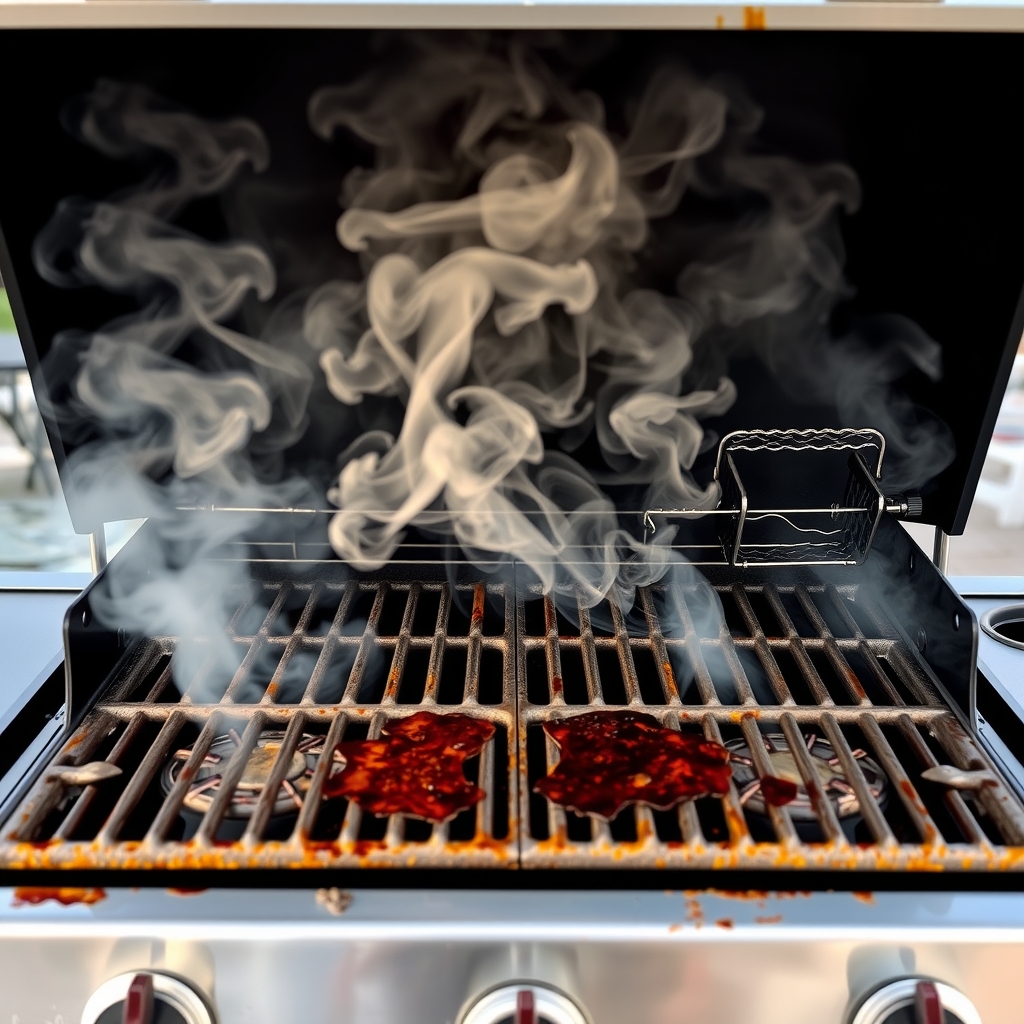 Free fix inside
Outdoor & Garage · Grill
Grill Smoking So Much? Blame Built-Up Grease, Then Clean It
Read the fix Free fix inside
Outdoor & Garage · Grill
Grill Flare-Ups? Clean the Grease, Then Check the Bars
Read the fix Free fix inside
Outdoor & Garage · Garden Tools
Garden Tools Rusting? A 2-Minute Oil Routine Stops It
Read the fixAs an Amazon Associate I earn from qualifying purchases. Affiliate disclosure