Grill Flare-Ups? Clean the Grease, Then Check the Bars
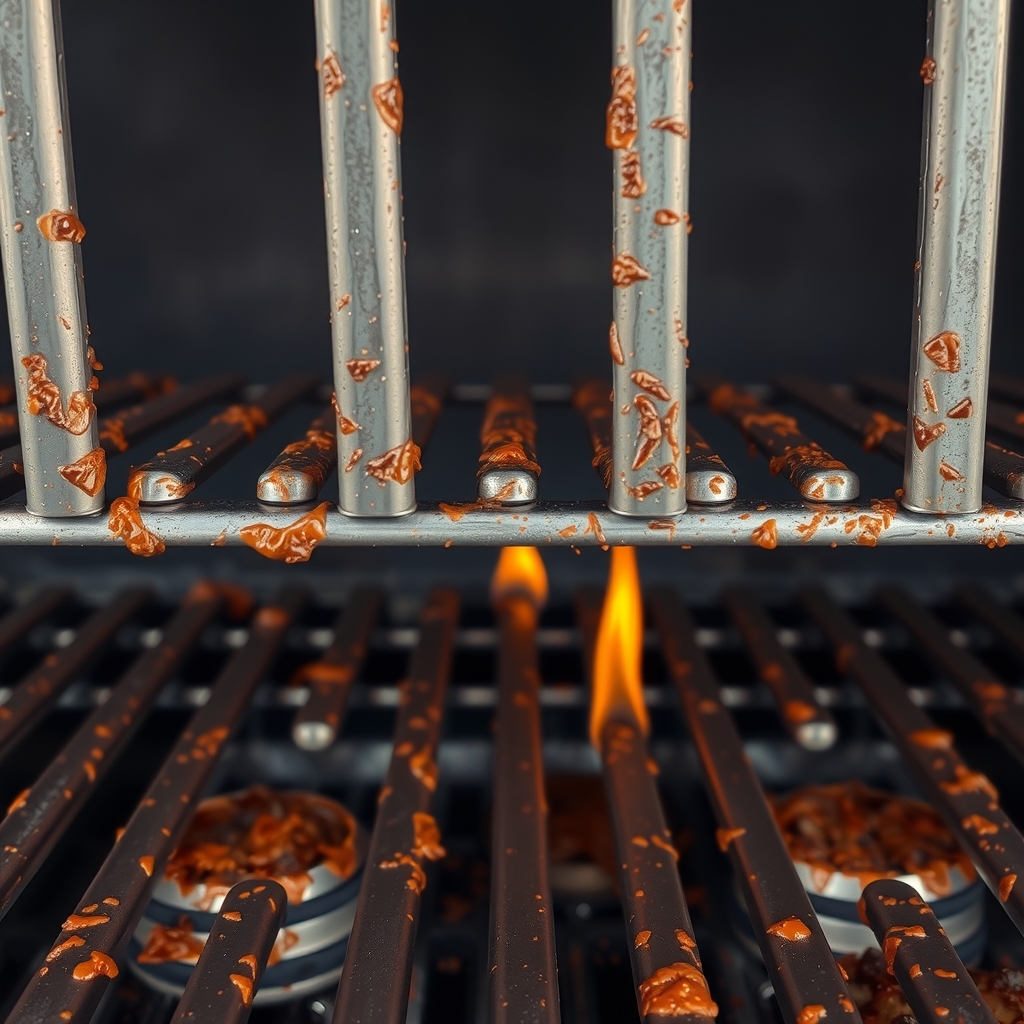
Flare-ups come from grease on the bars, burners and tray. Clean it out, trim the fat, and replace rusted bars so drips stop reaching the flame.
By Jamilur Rahman Updated November 5, 2026 · 6 min read
- Time
- 45 min
- Cost
- $20-$50
- Difficulty
- Easy
In this guide
Quick answer
How to stop grill flare ups: let the grill cool, scrape the grease off the bars, burner box and tray, and trim the fat from meat before it goes on. If the flavorizer bars are rusted through or full of holes, drips fall straight onto the burners, and a new set catches them again.
Free fix vs. permanent fix
Scrape clean and trim the fat
- Let it cool, then scrape the grates, bars and firebox
- Empty and wash the grease tray
- Trim excess fat and pat off wet marinade
- Keep one burner off as a cool zone
How long it lasts: A few cookouts to a few months. Grease builds up again, and worn bars still let drips through.
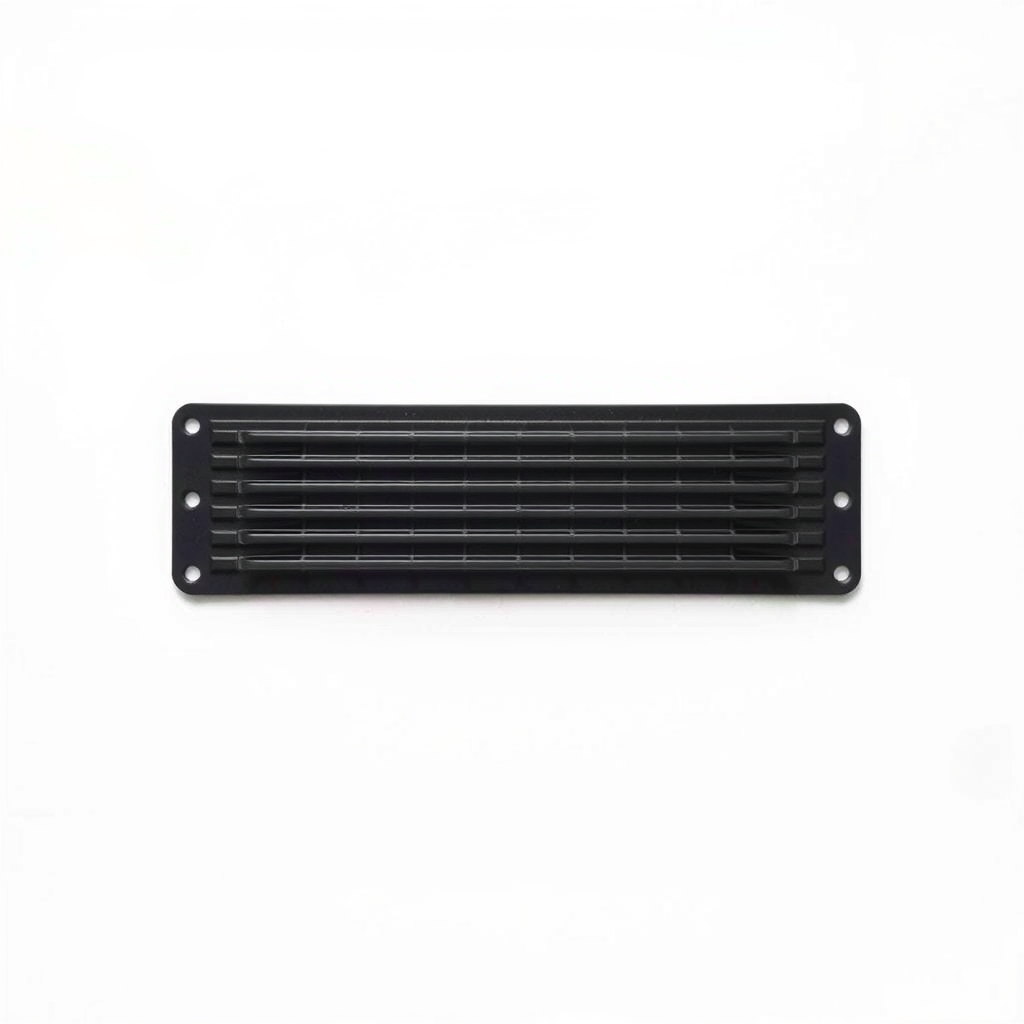
New flavorizer bars (heat tents)
Bars sit above the burners, catch drips and turn them to smoke, so fat stays off the flames. When they rust through, grease drops straight onto the burners and flares up. Cleaning removes the fuel. New bars put the shield back.
What to get: Replacement flavorizer bars (heat tents) for your grill model
How long it lasts: Several seasons. Owners report stainless bars outlast painted steel.
As an Amazon Associate I earn from qualifying purchases.
What you'll need
- Illustration
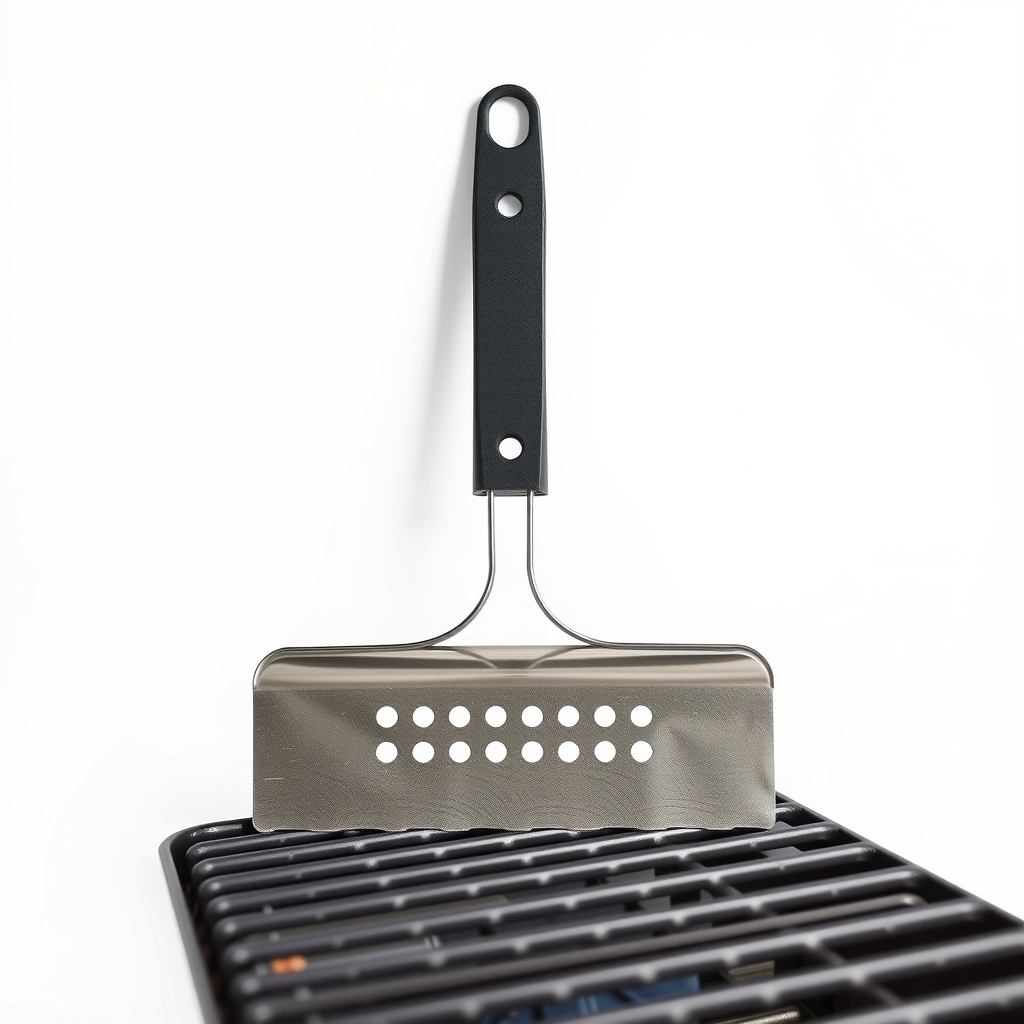
Bristle-free grill scraper
Wire bristles can break off and end up in food
-
Warm soapy water
For washing the grates, bars and tray
You have it - Illustration
Grease tray liners
Make the tray easy to empty and keep the cup clean
- Our pick Illustration
Replacement flavorizer bars
Match them to your grill model and burner count
- Illustration
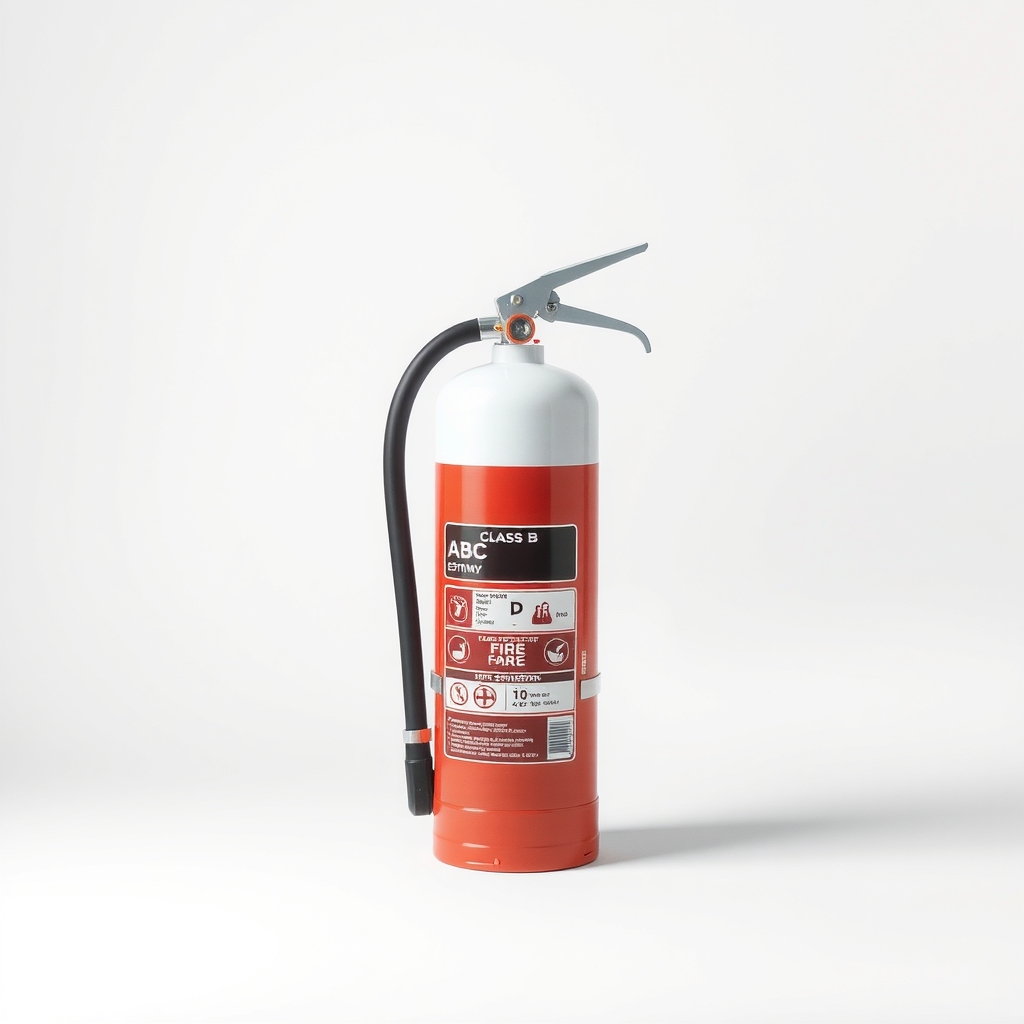
Class B or ABC fire extinguisher
Keep it within reach of the grill. Never use water on grease
Why it happens
Built-up grease
Old grease on the bars, burner box and tray is fuel. One small flame lights it, and it burns hotter and longer than fresh drips.
Fatty meat and sugary marinades
Fat drips, and oily or sugar-heavy sauces ignite fast. Burgers, sausage and chicken thighs are common culprits.
Rusted or missing bars
The bars guard the burners. When they rust, warp or fall apart, drips reach the burners and the flames jump.
Too much heat with the lid open
High heat vaporizes fat fast, and an open lid feeds the flames fresh air.
Try this first (free)
Do these in order, starting with the simplest.
-
Shut off the gas and let the grill cool
Turn off the burners and close the tank valve. Wait until the grill is cool to touch. Skip a burn-off if there is heavy grease, since it can catch fire. Scrape first.
-
Scrape the grates, bars and burner box
Tool used: Bristle-free grill scraperLift out the grates and bars. Scrape loose grease and burnt bits into the tray. Wash the grates and bars in warm soapy water, rinse and dry them. Look at the bars while they are out.
IllustrationCheck price on AmazonTool for this step
Bristle-free grill scraper · Wire bristles can break off and end up in food
-
Empty the grease tray
Tool used: Grease tray linersEmpty and wash the tray and cup, then drop in a liner so the next cleanup is quick.
IllustrationCheck price on AmazonTool for this step
Grease tray liners · Make the tray easy to empty and keep the cup clean
-
Trim fat and pat marinade dry
Cut away thick fat. Pat wet food dry, and brush on sugary sauce near the end of cooking, not at the start.
-
Cook with a cool zone
Leave one burner off. If a flare-up starts, move the food to that side, turn the burners down and close the lid for a moment.
-
Check the bars
Tool used: Replacement flavorizer barsHold each bar up to the light. Rust holes, flaking metal or bars that bend by hand need replacing. Order a set for your exact model and burner count.
IllustrationCheck price on AmazonTool for this step
Replacement flavorizer bars · Match them to your grill model and burner count
When free fixes aren't enough
If you have cleaned the grill and flare-ups still happen, look at the bars. Bars with holes or sagging sections let drips fall onto the burners, and no amount of scraping fixes that. Rust that flakes off or bars so thin they bend by hand mean it is time. If the burners themselves are rusted through, or the gas hose is cracked, stop using the grill and replace those parts. If a fire gets out of control, call 911.
Buy the fix
Still stuck after the free fixes? These are the products we would look at.
| Pick | Product | Fixes | Who it's for | Buy |
|---|---|---|---|---|
| Best pick | Replacement flavorizer bars (heat tents) for your grill model | drips falling straight onto the burners and flaring up | Anyone whose bars have rust holes, sag or flake. | Check price |
| Budget pick | Bristle-free grill scraper and cleaning tool | the baked-on grease that fuels flare-ups | Anyone who wants an easier cleanup after every cookout. | Check price |
Replacement flavorizer bars (heat tents) for your grill model
Fixes: drips falling straight onto the burners and flaring up
Look for: Fits your grill's brand, model and burner count; Stainless steel, which owners report outlasts painted steel; Length and width that match your old bars; The same drop-in or bolted style as your grill.
- Who it's for
- Anyone whose bars have rust holes, sag or flake.
- Honest downside
- Your bars are intact. Cleaning alone is enough then. Check your model number first, since bars are not universal.
Bristle-free grill scraper and cleaning tool
Fixes: the baked-on grease that fuels flare-ups
Look for: No loose metal bristles; A sturdy handle that keeps your hand off hot grates; A scraper edge that reaches the corners of the firebox.
- Who it's for
- Anyone who wants an easier cleanup after every cookout.
- Honest downside
- Your grill has a ceramic or delicate finish. Check the maker's care guide first.
As an Amazon Associate I earn from qualifying purchases. We don't show prices because they change, so use the button to see today's price.
How we picked: How we picked: this page is based on grill care guides and fire-safety advice from grill makers and fire safety groups, plus what owners report in reviews of replacement flavorizer bars. We do not test products by hand.
Why does my grill catch fire? When a grill keeps catching fire
Grease is the usual fuel. It builds up in the firebox and tray, and flame reaches it from below. A grill that keeps catching fire usually has a grease-packed tray, missing or rusted-through bars, or a leaking gas connection. Brush soapy water on the hose and valve joints with the gas on. Bubbles mean a leak. Turn off the gas at the tank and replace the part.
How to stop grill grease fire, and how to stop grill fire fast
- Turn off every burner and, if it is safe, the tank valve.
- Close the lid. That cuts the air to the flame.
- Never throw water on it.
- For a flame that lingers, use a Class B or ABC extinguisher.
- If flames spread past the grill, step back and call 911.
What to skip
Water on a grease fire, and wire-bristle brushes
Water spreads burning grease and sends flames outward. Wire-bristle brushes can shed bristles that end up in your food. Use a bristle-free scraper and keep water away from a grease flame.
Frequently asked questions
Grill keeps flaring up, or grill keeps flaming up, even after cleaning. What else could it be?
How to stop grill from catching fire in the first place?
Should I close the lid or open it when my grill flares up?
How often should I clean a gas grill's bars and tray?
Related problems
 Free fix inside
Outdoor & Garage · Grill
Grill Smoking So Much? Blame Built-Up Grease, Then Clean It
Read the fix Free fix inside
Outdoor & Garage · Grill
Grill Not Getting Hot Enough? Try the Regulator Reset First
Read the fix Free fix inside
Outdoor & Garage · Grill Wind And Heat
Grill Getting Too Hot? Lid Thermometer and Vent Fixes
Read the fix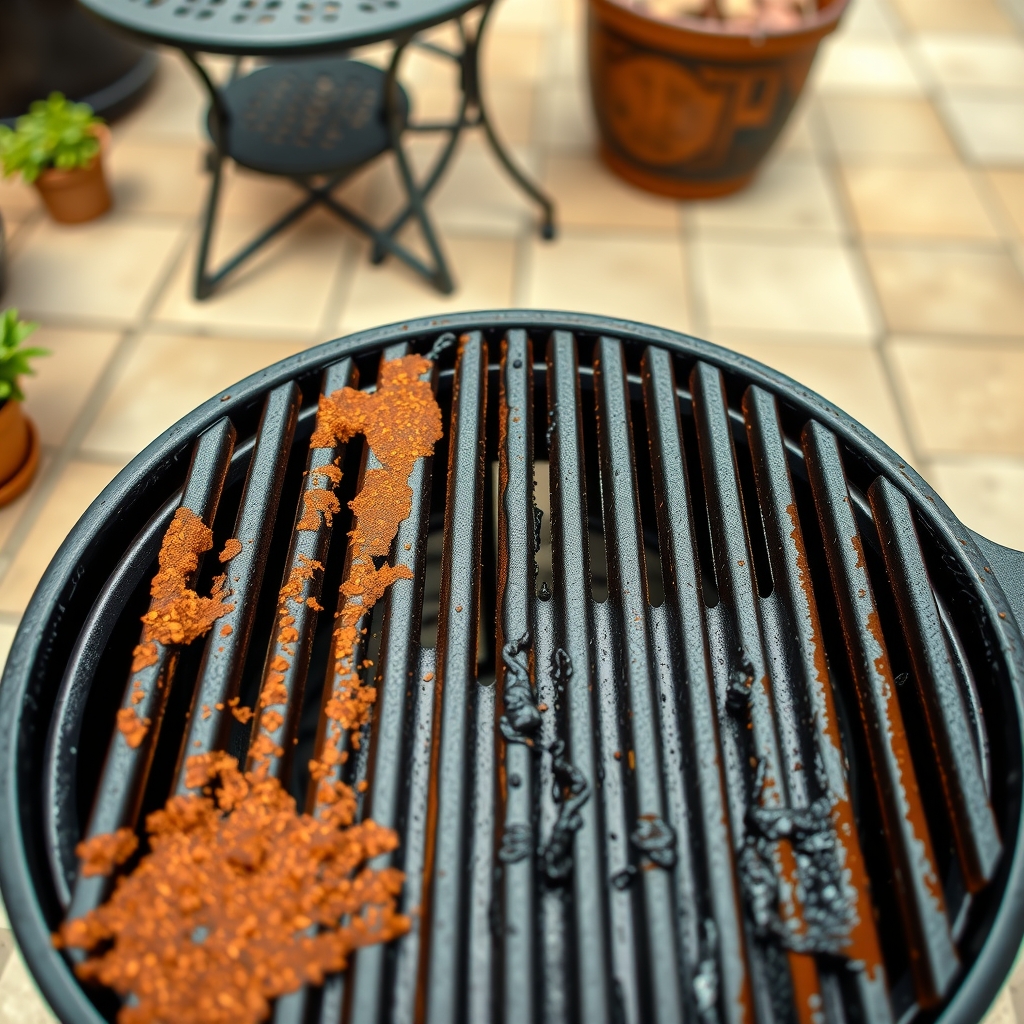 Free fix inside
Outdoor & Garage · Grill
Grill Grates Rusting? Season and Store Them the Right Way
Read the fixAs an Amazon Associate I earn from qualifying purchases. Affiliate disclosure