Grill Getting Too Hot? Lid Thermometer and Vent Fixes
A grill runs hot from burners set too high, wide-open vents or grease feeding the fire. Turn it down first, then check the heat with a thermometer.
By Jamilur Rahman Updated November 5, 2026 · 7 min read
- Time
- 20 min
- Cost
- Under $20
- Difficulty
- Easy
In this guide
Quick answer
If your grill keeps getting too hot, the usual causes are burners set too high with the lid shut, vents open too wide on a charcoal grill, and grease that flares up. Turn the heat down, close the vents partway and clean the grates and grease tray. A lid thermometer you can trust then shows the real temperature, so you stop guessing and burning dinner.
Free fix vs. permanent fix
Turn it down and clean it
- Preheat on high for 10 minutes, then drop to medium or low
- Leave one burner off, or bank charcoal to one side, for a cool zone
- Charcoal: close the bottom vent halfway to cut the air
- Scrape the grates and empty the grease tray
How long it lasts: Works as long as you keep the burners lower and the grease cleaned off. You are still guessing the heat if your dial is not accurate.
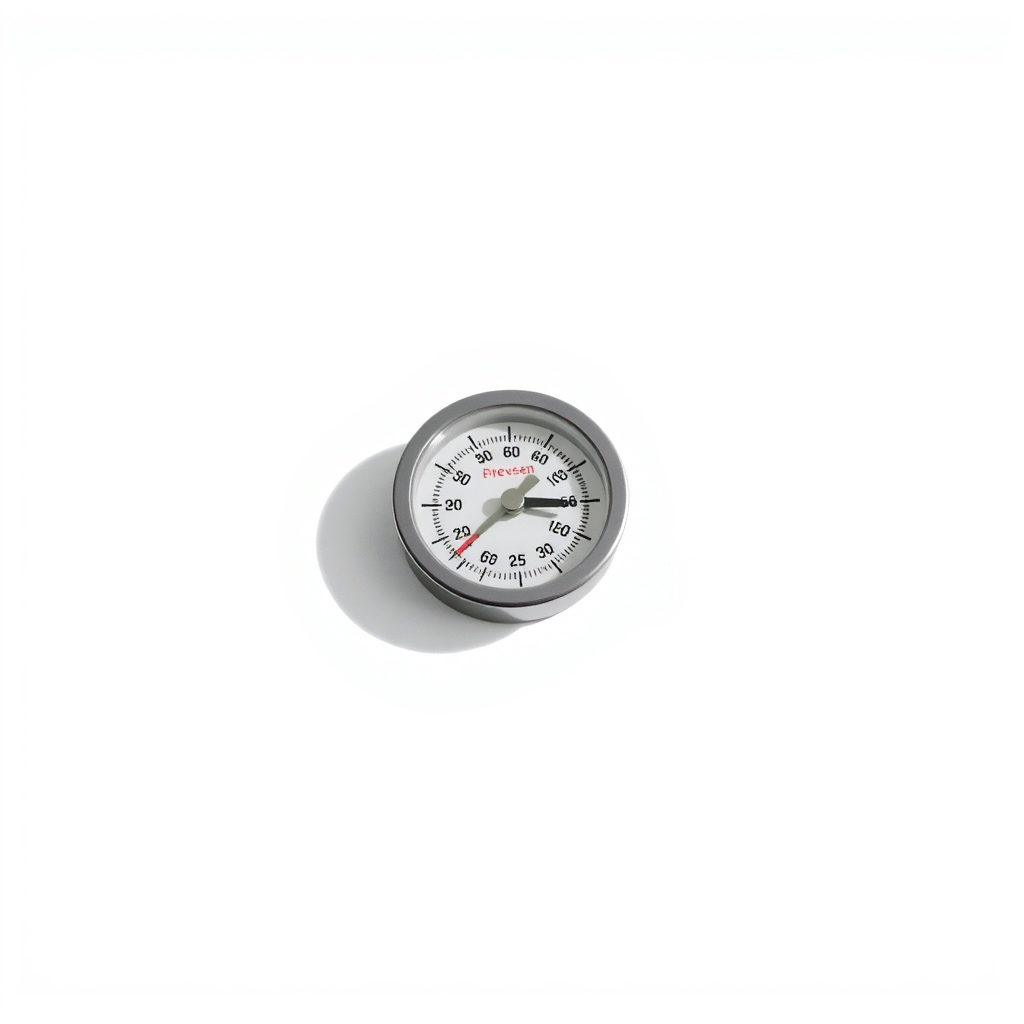
A stainless lid thermometer that reads true
Most overheating comes down to guessing. A good thermometer shows the heat climbing, so you can close a vent or turn a burner down before the food burns. Built-in dials are often off by a lot, and a replacement is a cheap fix.
What to get: Stainless steel grill lid thermometer
How long it lasts: Years. It reads the same on every cook, so you learn what medium really means on your grill.
As an Amazon Associate I earn from qualifying purchases.
What you'll need
-
Grill brush or scraper
A wire-free scraper avoids loose bristles in your food
You have it -
Heat-safe gloves
For handling hot grates and the grease tray
You have it - Our pick Illustration
Grill lid thermometer
Measure your lid hole and stem length before you buy
- Illustration
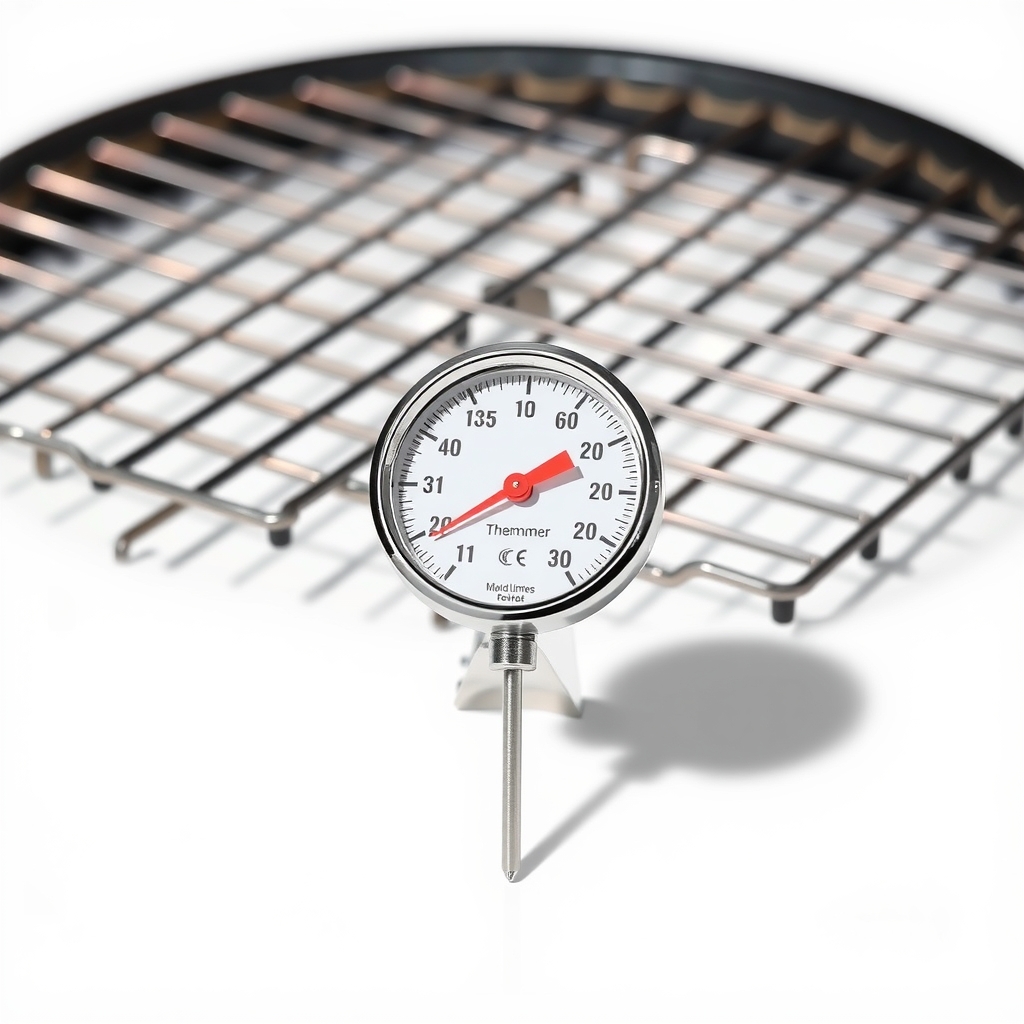
Clip-on grate thermometer
Reads at grate level, no drilling needed
- Illustration
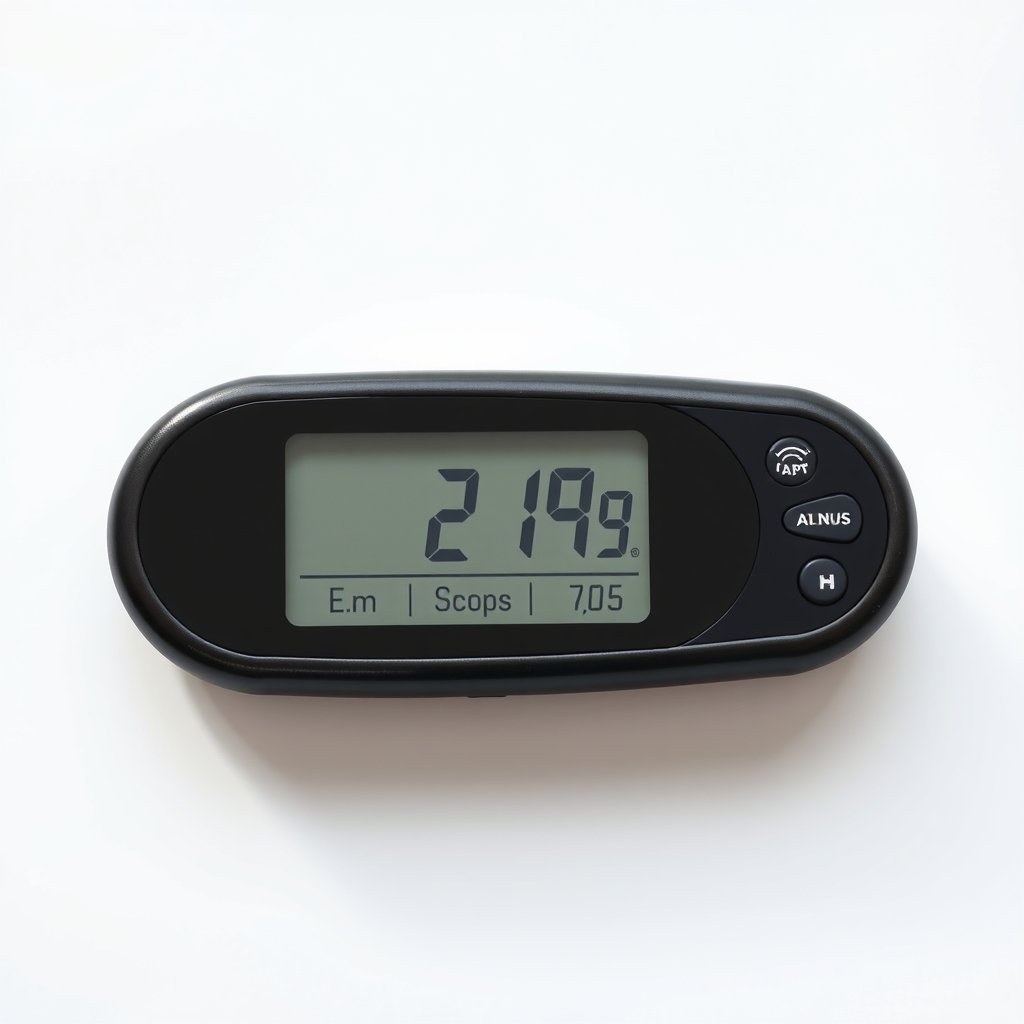
Wireless probe thermometer
Watches the grill and the food at once
Why it happens
Burners too high with the lid shut
A closed lid traps heat. Burners on high can push the dome well past 500 degrees, which is more than most foods need.
Too much air on a charcoal grill
Open vents feed the coals. Wide-open vents, a full chimney of charcoal, or lump charcoal piled high all make the fire hotter and harder to bring down.
Grease and flare-ups
Grease on the grates and in the tray catches fire and adds heat. A flare-up can spike the temperature in a minute.
A thermometer that misleads you
Built-in lid dials can be off by tens of degrees, and they read the air near the lid, not at the grate. The grill may be hotter, or cooler, than the dial says.
A gas flow problem
Flames that roar on low, a loud hiss from the regulator or a flame that is yellow instead of mostly blue point to a fault, not a hot day. That needs a professional.
Try this first (free)
Do these in order, starting with the simplest.
-
Check the thermometer in boiling water
Tool used: Grill lid thermometerPut a removable dial or probe in a pot of boiling water. A good one reads close to 212 degrees, slightly lower at altitude. If yours reads far off, you have been guessing.
IllustrationCheck price on AmazonTool for this step
Grill lid thermometer · Measure your lid hole and stem length before you buy
-
Preheat, then turn the burners down
Tool used: Grill lid thermometerPreheat with the lid closed for 10 to 15 minutes. Then lower to medium or low. Medium is about 350 to 450 degrees, which cooks most foods well.
IllustrationCheck price on AmazonTool for this step
Grill lid thermometer · Measure your lid hole and stem length before you buy
-
Build a cool zone
On gas, leave one burner off. On charcoal, bank the coals to one side. When food flares or browns too fast, move it to the cool side and close the lid.
-
Close the vents partway on charcoal
Close the bottom vent about halfway to slow the fire, and keep the top vent at least partly open so smoke can leave. Changes take several minutes to show, so move in small steps.
-
Scrape the grates and empty the tray
Tool used: Grill brush or scraperBrush the grates while they are warm, and clear the grease tray or catch pan once the grill is cool. Less grease means fewer flare-ups.
When free fixes aren't enough
If the dial says 600 degrees but the food cooks normally, the thermometer may be wrong and not the grill. The boiling water test settles that, and a new thermometer fixes it. If the grill still runs hot on its lowest setting, the flames are huge, or the regulator hisses or roars, turn off the burners and the tank, let it cool, and have a pro or the maker check it. If you smell gas, close the tank valve and keep sparks away until it has been checked.
Buy the fix
Still stuck after the free fixes? These are the products we would look at.
| Pick | Product | Fixes | Who it's for | Buy |
|---|---|---|---|---|
| Best pick | Stainless steel grill lid thermometer | guessing the heat with a built-in dial that is off | Anyone whose built-in dial is stuck, foggy or does not match how the food cooks. | Check price |
| Budget pick | Clip-on or stand-up grate thermometer | not knowing the heat where the food actually sits | Renters, or anyone who does not want to mount anything on the lid. | Check price |
| Upgrade pick | Dual-probe wireless grill thermometer | watching the grill and the food at the same time | People who grill often or cook large cuts. | Check price |
Stainless steel grill lid thermometer
Fixes: guessing the heat with a built-in dial that is off
Look for: Reads to at least 700 degrees F; Stainless face and stem that will not rust; Stem length and mounting nut that fit your lid hole.
- Who it's for
- Anyone whose built-in dial is stuck, foggy or does not match how the food cooks.
- Honest downside
- Your lid has no hole and you do not want to drill. Use a clip-on grate thermometer instead.
Clip-on or stand-up grate thermometer
Fixes: not knowing the heat where the food actually sits
Look for: Reads at grate level; Stainless dial that survives the heat; Large, easy-to-read numbers.
- Who it's for
- Renters, or anyone who does not want to mount anything on the lid.
- Honest downside
- You want a thermometer that stays on the lid. Pick the lid model.
Dual-probe wireless grill thermometer
Fixes: watching the grill and the food at the same time
Look for: One probe for the grate, one for the food; App or receiver with temperature alerts; Probes rated for grill heat.
- Who it's for
- People who grill often or cook large cuts.
- Honest downside
- You only want to avoid burnt burgers. A simple dial is enough.
As an Amazon Associate I earn from qualifying purchases. We don't show prices because they change, so use the button to see today's price.
How we picked: How we picked: this page is based on grill owner manuals, gas and charcoal grilling guides, and the problems and fixes owners report in reviews. We do not test products by hand.
Gas or charcoal: the quickest way to cool each one
- Gas: turn the burners down, switch one off, and leave the lid closed for a few minutes. Open the lid only if you must, since that dumps heat fast but it comes back just as fast.
- Charcoal: close the bottom vent halfway, keep the top vent partly open, and spread coals thin or to one side.
Choosing a thermometer that fits your grill
Measure the hole in your lid and the thickness of the lid before you buy a replacement dial. The stem needs to reach into the dome without touching the grates. If your lid has no hole, a clip-on grate thermometer or a probe is the easier route.
What to skip
Spraying water on the fire
Water on a grease flare spreads the grease and can make the flame bigger, and the steam can burn you. Move the food to the cool side, close the lid to cut the oxygen and turn the burners down instead.
Frequently asked questions
Why does my grill get so hot?
How hot should my grill be?
How do I know if my grill thermometer is accurate?
My charcoal grill is too hot. How do I cool it down?
Is it safe if my gas grill flames are huge?
Related problems
 Free fix inside
Outdoor & Garage · Grill
Grill Not Getting Hot Enough? Try the Regulator Reset First
Read the fix Free fix inside
Outdoor & Garage · Grill
Grill Flare-Ups? Clean the Grease, Then Check the Bars
Read the fix Free fix inside
Outdoor & Garage · Grill
Grill Smoking So Much? Blame Built-Up Grease, Then Clean It
Read the fix Free fix inside
Outdoor & Garage · Grill
Grill Not Lighting? The Igniter Swap That Takes 10 Minutes
Read the fixAs an Amazon Associate I earn from qualifying purchases. Affiliate disclosure