Grill Not Getting Hot Enough? Try the Regulator Reset First
A tripped regulator, spider webs in the burner tubes or a low tank can hold the heat down. Reset first, clear the tubes, then replace a worn regulator.
By Jamilur Rahman Updated November 5, 2026 · 6 min read
- Time
- 30 min
- Cost
- $20-$50
- Difficulty
- Easy
In this guide
Quick answer
Grill not getting hot enough? On a propane grill the usual cause is the regulator's safety flow limiter, which trips if the tank valve is opened too fast and holds the gas flow low. Reset it by shutting everything off, reconnecting the tank and opening the valve slowly. If the grill still stalls near 300°F or goes out, a worn regulator or blocked burner tubes are next.
Free fix vs. permanent fix
Reset the regulator
- Turn off all knobs and close the tank valve
- Disconnect the hose, then reconnect it firmly
- Open the tank valve slowly and wait 30 seconds
- Light the grill with the lid open
How long it lasts: Often permanent if the flow limiter was the cause. If it keeps tripping, the regulator is wearing out.
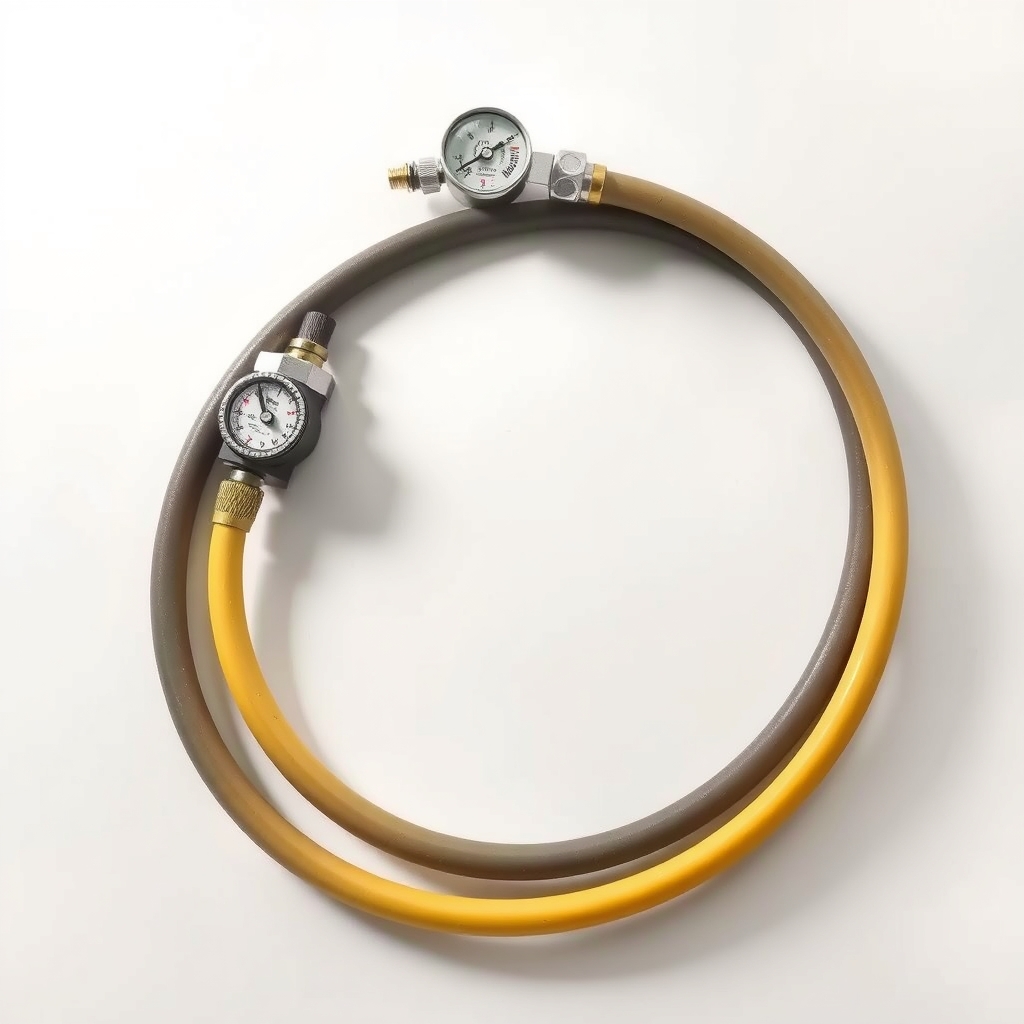
A new propane regulator and hose
A regulator that is weak, worn or sticky gives low pressure. Flames stay small, the grill stalls near 300°F or it goes out. A reset clears a one-time trip. If the problem keeps coming back, the part is failing, and a new one fixes it.
What to get: Replacement propane grill regulator and hose
How long it lasts: Years. A fresh regulator gives steady gas flow and removes a part that wears, rusts and cracks.
As an Amazon Associate I earn from qualifying purchases.
What you'll need
-
Propane tank
A nearly empty tank is the easiest cause to rule out
You have it -
Soapy water and a brush
For the leak test. Never use a flame
You have it - Illustration
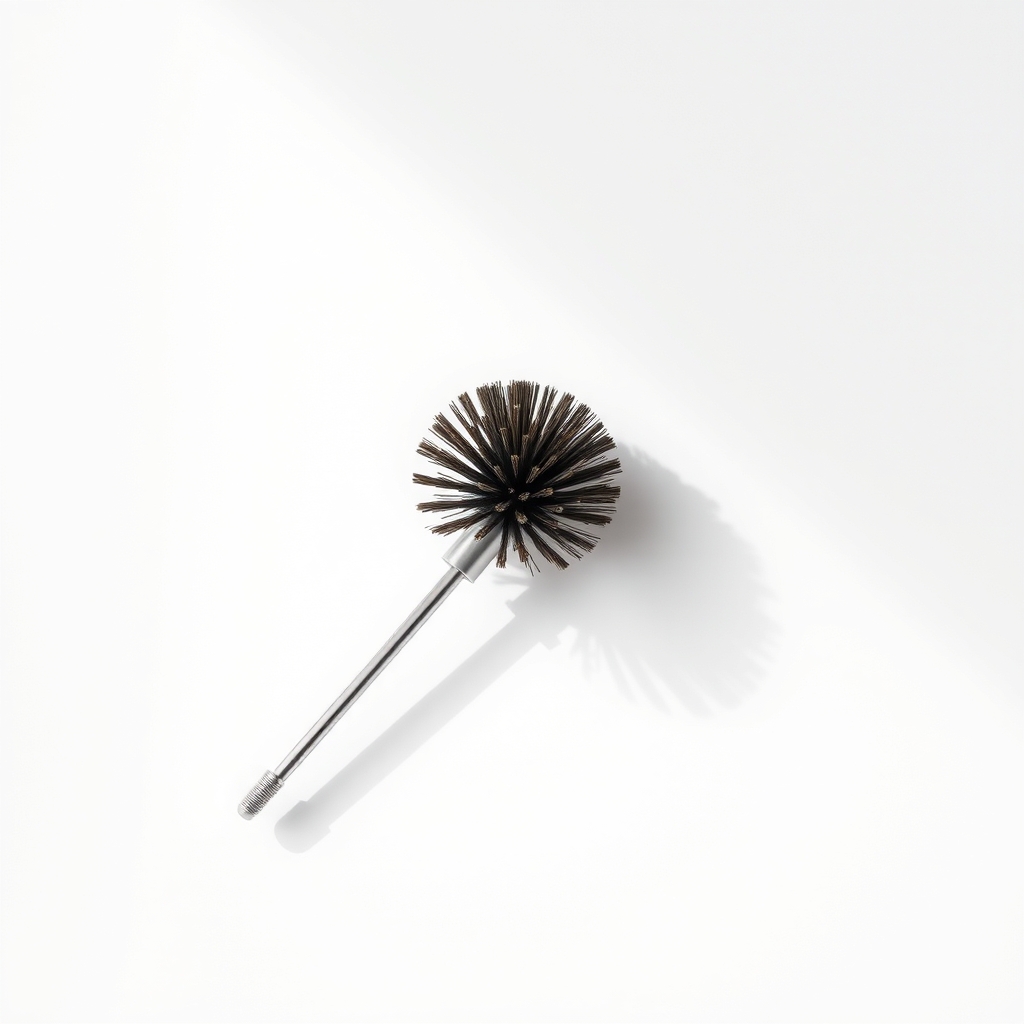
Burner tube cleaning brush
Clears spider webs and debris from the tubes
- Our pick Illustration
Replacement propane regulator and hose
Match the fuel type and tank connection to your grill
Why it happens
A tripped regulator
Modern regulators have a safety flow limiter. Opening the tank valve fast, or a leak, can trip it. Gas then flows at a low rate. Flames look small and the grill struggles to pass about 300°F.
A low or cold tank
An almost empty tank cannot hold pressure up. In cold weather, the pressure inside the tank also drops.
Spiders and debris in the burner tubes
Spiders like the tubes that feed the burners. Webs block the mix of gas and air. Flames turn yellow and weak, and one burner may not light.
Clogged burner ports
Grease and rust block the small holes along the burner. Gas flows unevenly, and flames are short or missing in spots.
A worn regulator or a damaged hose
Regulators age, valves stick, and hoses crack or rust. Any of these can cut gas flow.
Try this first (free)
Do these in order, starting with the simplest.
-
Check the tank
Tool used: Propane tankLift it. A nearly empty tank feels light. Swap in a full tank to rule this out.
-
Reset the regulator
Turn every burner knob off and close the tank valve. Disconnect the regulator from the tank, wait a minute and reconnect it. Open the tank valve slowly, all the way, wait about 30 seconds, then light the grill with the lid open. Check your manual for your brand's exact steps.
-
Leak test the connections
Tool used: Soapy water and a brushWith the gas on, brush soapy water over the hose, regulator and fittings. Bubbles mean a leak. Turn the gas off at the tank and replace that part. Never test with a flame.
-
Clear the burner tubes
Tool used: Burner tube cleaning brushWith the grill cold and the gas off, lift out the burners. Run a burner tube brush through the tubes to clear webs, and use a straightened paper clip on clogged ports.
IllustrationCheck price on AmazonTool for this step
Burner tube cleaning brush · Clears spider webs and debris from the tubes
-
Preheat with the lid closed
Close the lid and run the burners on high for 10 to 15 minutes. A healthy grill climbs well past 400°F. If it stalls near 300°F again, the regulator is next.
-
Replace a regulator that keeps stalling
Tool used: Replacement propane regulator and hoseIf the grill still stalls or goes out after the reset and the cleaning, replace the regulator and hose. Match propane or natural gas, and the tank connection style, to your grill.
IllustrationCheck price on AmazonTool for this step
Replacement propane regulator and hose · Match the fuel type and tank connection to your grill
When free fixes aren't enough
A grill that works after a reset and then stalls again next time points to a regulator that is wearing out. If the hose is cracked or brittle, or the soapy water test shows bubbles, replace the part before you cook on it. If you smell gas, turn off the tank, step away, keep sparks and flames away and call the fire department or your propane supplier. Do not light the grill again until it is fixed. Natural gas grills use a different regulator and fittings, so have a gas fitter handle those.
Buy the fix
Still stuck after the free fixes? These are the products we would look at.
| Pick | Product | Fixes | Who it's for | Buy |
|---|---|---|---|---|
| Best pick | Replacement propane grill regulator and hose | low heat, stalling near 300°F and flames that go out | Anyone whose grill still stalls after the reset and the cleaning. | Check price |
| Budget pick | Burner tube cleaning brush | webs and debris blocking the burner tubes | Anyone with yellow, weak flames or a burner that will not light. | Check price |
Replacement propane grill regulator and hose
Fixes: low heat, stalling near 300°F and flames that go out
Look for: Propane (LP), not natural gas, unless your grill is plumbed for natural gas; The same tank connection as your old part; A hose length that reaches your tank without kinking; A listed fit for your grill brand or model.
- Who it's for
- Anyone whose grill still stalls after the reset and the cleaning.
- Honest downside
- Your grill runs normally after a reset, or it burns natural gas. Natural gas fittings differ, and a gas fitter should check them.
Burner tube cleaning brush
Fixes: webs and debris blocking the burner tubes
Look for: Flexible and long enough to run through the tube; Stiff bristles that are not sharp; A diameter that fits your burner tube.
- Who it's for
- Anyone with yellow, weak flames or a burner that will not light.
- Honest downside
- Your flames are blue and even and the grill is simply low on gas. Check the tank first.
As an Amazon Associate I earn from qualifying purchases. We don't show prices because they change, so use the button to see today's price.
How we picked: How we picked: this page is based on grill owner's manuals, propane safety guidance, and what owners report in reviews of regulators and burner brushes. We do not test products by hand.
Why is my grill not heating up? Read the flame
- Even blue flames with small yellow tips: normal. Look at the tank and the weather.
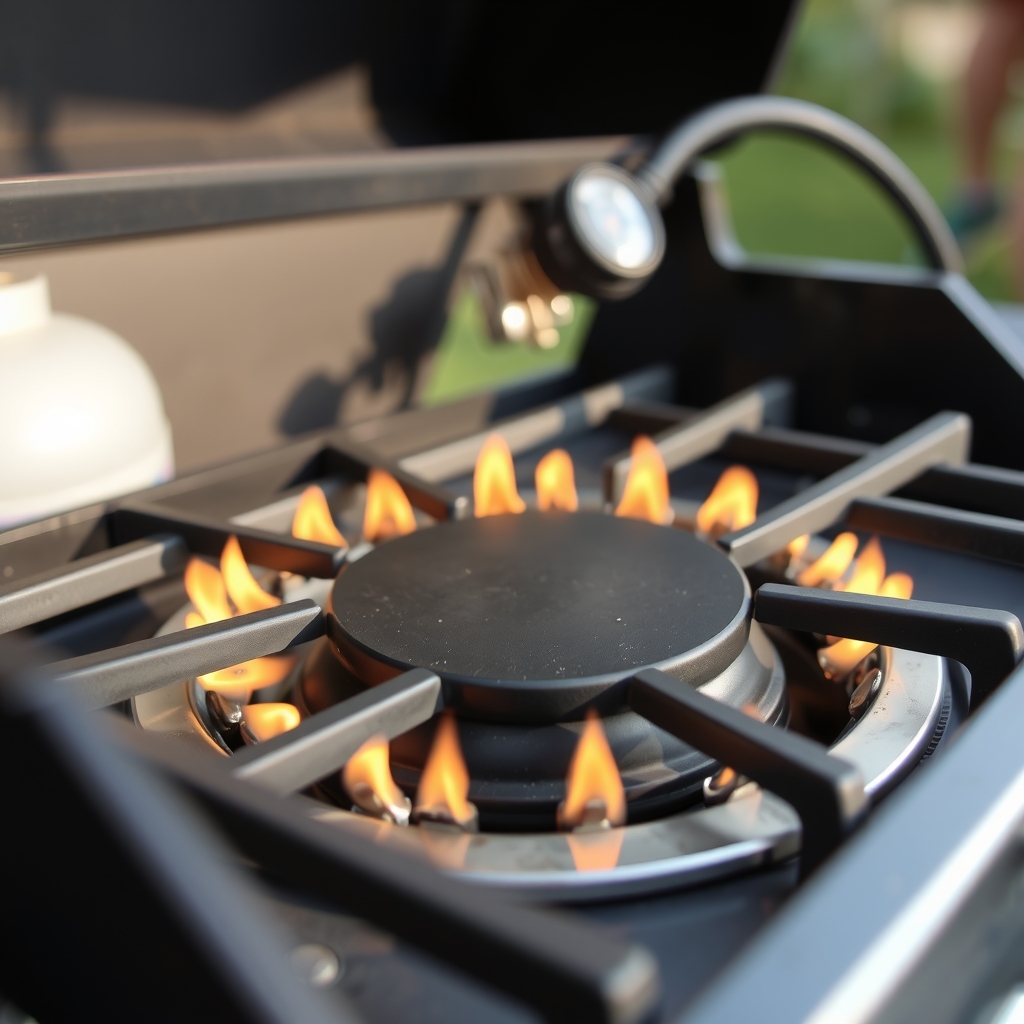
- Small, low flames: low gas flow, often a tripped regulator or a nearly empty tank.
- Yellow, lazy flames: air is blocked, often webs in the burner tubes.
- Flames missing on part of a burner: clogged ports.
What to skip
Hunting for a gas leak with a flame
A flame near a leak starts a fire. Use soapy water instead. And do not keep cooking on a cracked hose just because the grill still lights.
Frequently asked questions
Why is my grill not getting hot even though the burners are lit?
Grill not heating past 300 or grill not getting above 300: what does that mean?
How to fix grill regulator trouble: reset or replace?
Grill keeps going out. Why does my grill keep going out, and why is my grill not staying lit?
Related problems
 Free fix inside
Outdoor & Garage · Grill
Grill Not Lighting? The Igniter Swap That Takes 10 Minutes
Read the fix Free fix inside
Outdoor & Garage · Grill
Grill Flare-Ups? Clean the Grease, Then Check the Bars
Read the fix Free fix inside
Outdoor & Garage · Grill
Grill Smoking So Much? Blame Built-Up Grease, Then Clean It
Read the fix Free fix inside
Outdoor & Garage · Grill Wind And Heat
Grill Getting Too Hot? Lid Thermometer and Vent Fixes
Read the fixAs an Amazon Associate I earn from qualifying purchases. Affiliate disclosure