Garden Tool Sharpener: Bring Dull Pruners Back in Minutes
Dull pruners crush stems and tire your hand. A handheld diamond sharpener restores the edge in minutes, and a few habits keep it there.
By Jamilur Rahman Updated November 5, 2026 · 6 min read
- Time
- 10 min
- Cost
- Under $20
- Difficulty
- Easy
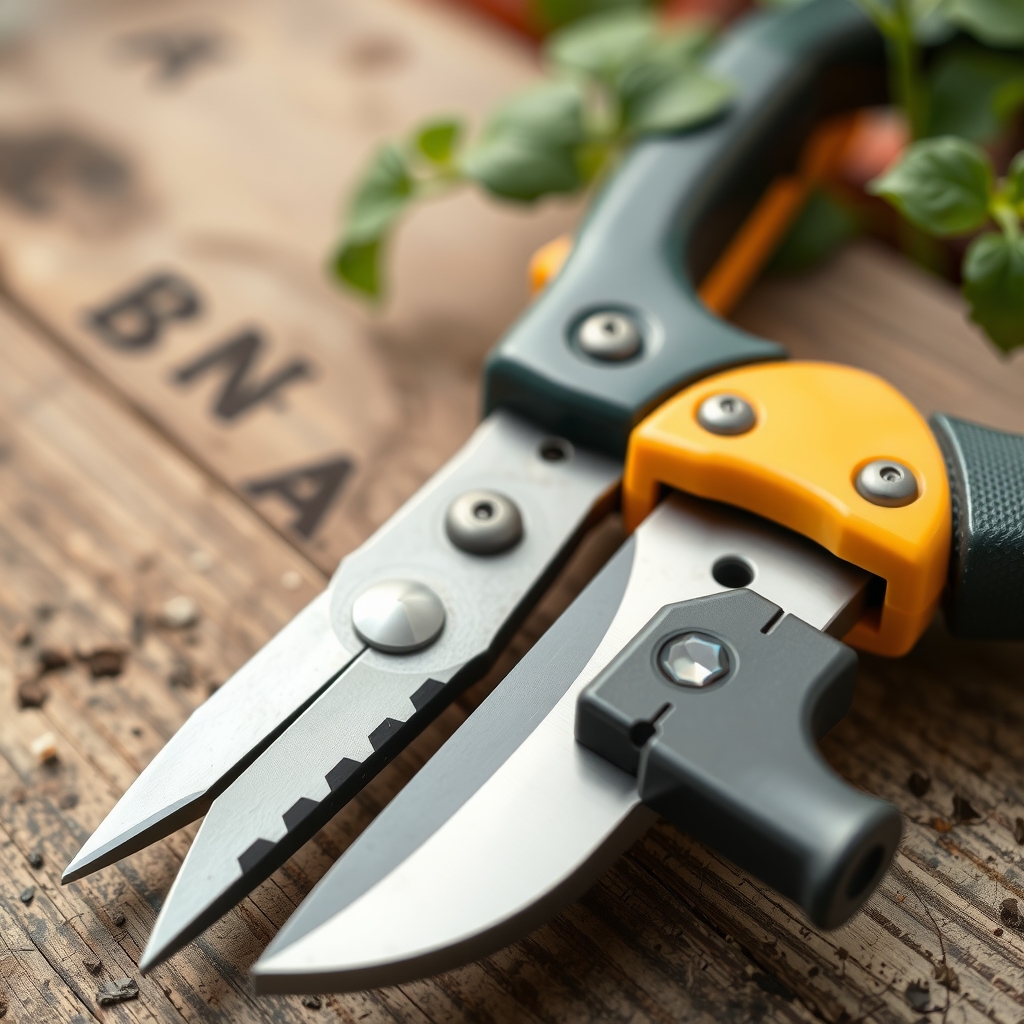
In this guide
Quick answer
A garden tool sharpener brings dull pruners back in minutes. Clean the blade, then draw a handheld diamond sharpener along the beveled edge, following the original angle, and finish with a drop of oil. Clean, oil and tighten the pivot before you sharpen, because sap and rust make blades feel duller than they are. One small diamond sharpener handles pruners, loppers and knives for years.
Free fix vs. permanent fix
Clean, oil and tighten the pivot
- Wipe sap off with a rag and a little rubbing alcohol
- Scrub light rust with steel wool or a stiff brush
- Add a drop of oil to the blade and the pivot
- Tighten the pivot bolt so the blades meet closely
How long it lasts: A few uses. It fixes gummed-up, rusty blades, but a truly dull edge stays dull.
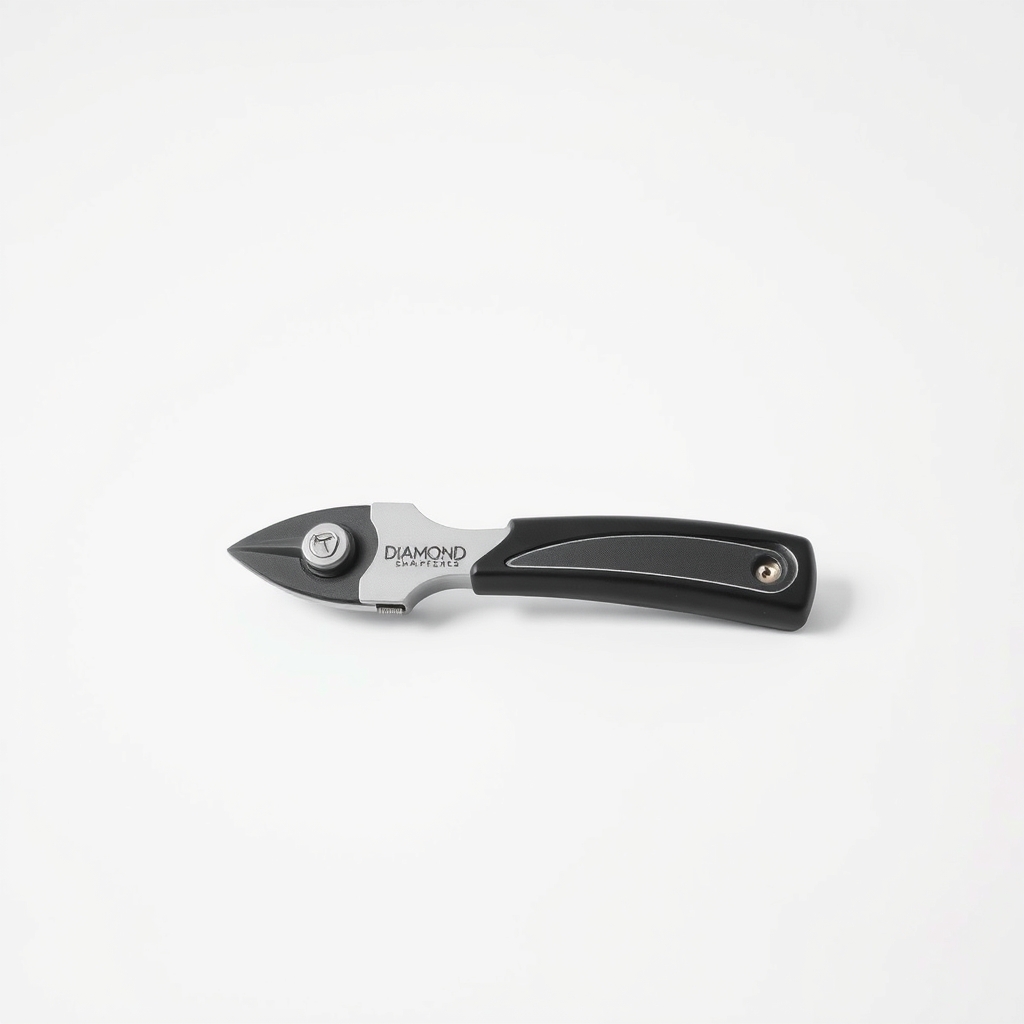
A handheld diamond sharpener
Pruner edges roll and nick with use. A sharpener removes a thin layer of metal to restore the bevel. Diamond abrasive cuts steel and lasts longer than a plain stone, so one small tool covers all your hand tools.
What to get: Handheld diamond sharpener for garden tools
How long it lasts: Years. A few minutes at the start of the season and a touch-up midseason keep edges working.
As an Amazon Associate I earn from qualifying purchases.
What you'll need
-
Rag and rubbing alcohol
Cuts sap and wipes the blades between plants
You have it -
Steel wool or wire brush
Removes light rust
You have it -
Light machine oil
Protects the edge after cleaning and sharpening
You have it - Our pick Illustration
Handheld diamond sharpener
Choose a medium or fine grit that fits the blade curve
- Illustration
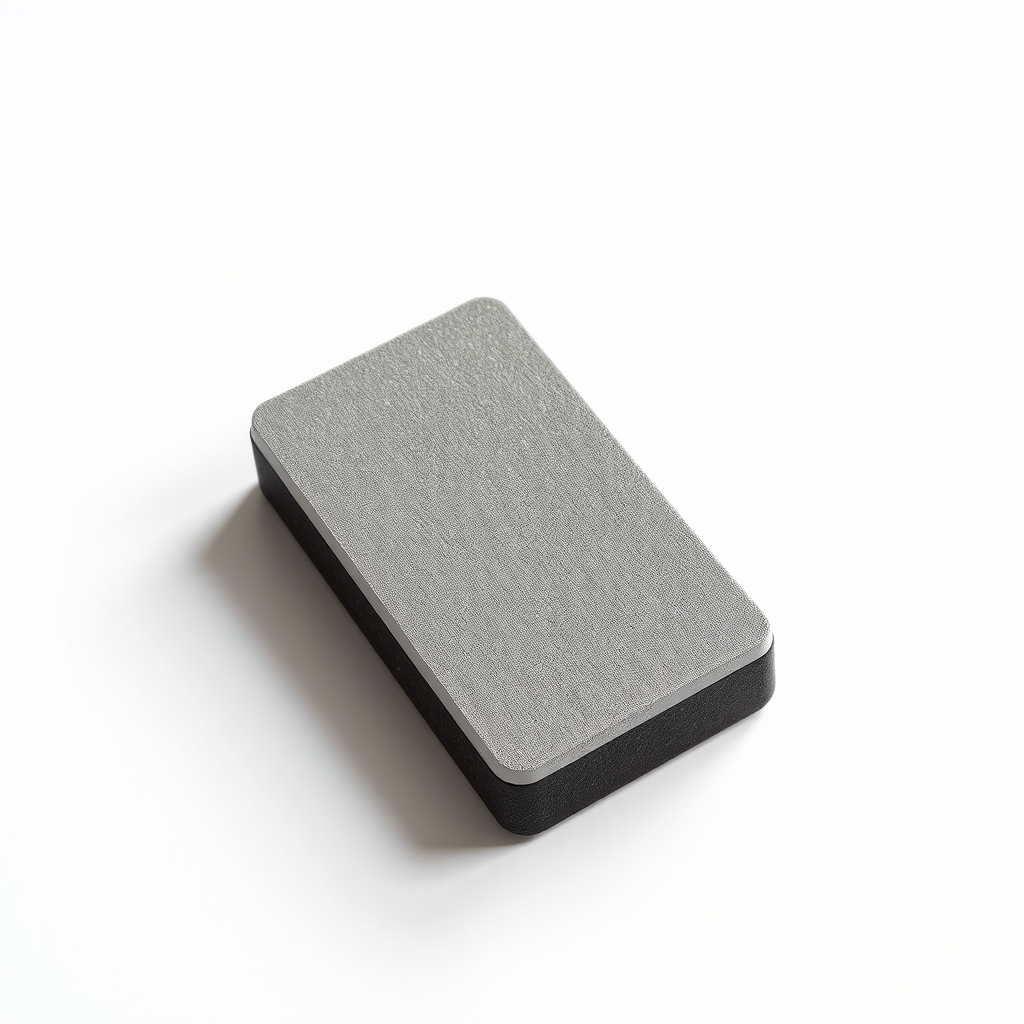
Dual-grit sharpening stone
The cheap option, but it takes more practice
- Illustration
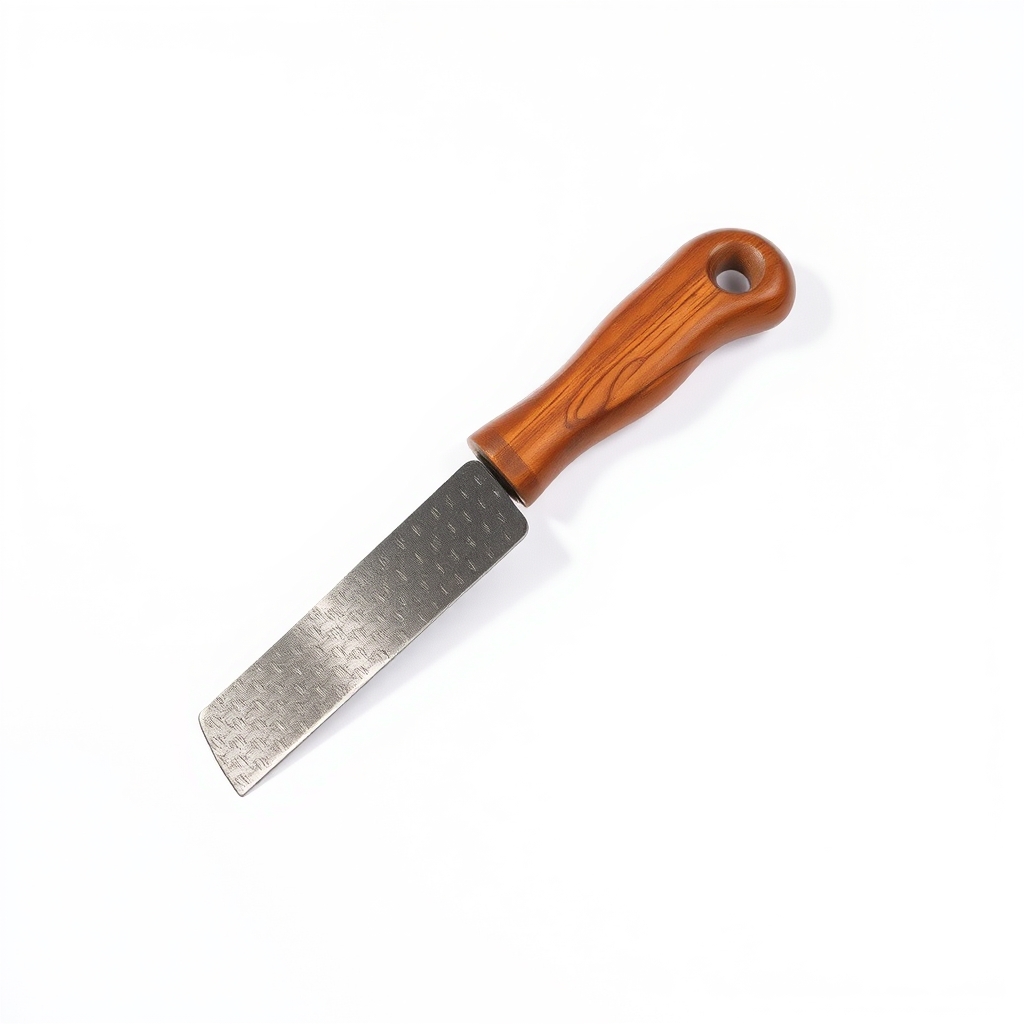
Garden tool sharpening kit
Adds a file for hoes, shovels and spades
Why it happens
Sap and grime on the blade
Resin gums up the cut so the pruner drags and feels dull when it is only dirty.
A rolled or nicked edge
Cutting wire, thick wood or hard stems rolls the thin edge, and the blade crushes instead of slicing.
A loose or too-tight pivot
A loose pivot lets the blades flex apart and chew stems. One that is too tight binds and wears the blade.
Rust from damp storage
Rust pits the edge and the flat of the blade, and it roughens the cut.
Try this first (free)
Do these in order, starting with the simplest.
-
Wipe the blade clean
Tool used: Rag and rubbing alcoholWipe both sides with a rag and a little rubbing alcohol to cut through sap. Wear gloves.
-
Scrub off the rust
Tool used: Steel wool or wire brushRub light rust with steel wool or a stiff brush. For heavier rust, soak the blades in white vinegar for about an hour, then scrub, rinse and dry.
-
Check the pivot
Tighten the pivot bolt until the blades meet without wobble and still open and close freely.
-
Sharpen the bevel only
Tool used: Handheld diamond sharpenerOn bypass pruners, sharpen only the beveled outside edge of the cutting blade, matching the factory angle. Push the sharpener along the edge in one direction, 10 to 15 strokes. Touch the flat inside face once, lightly, to remove the burr. Wear gloves.
IllustrationCheck price on AmazonTool for this step
Handheld diamond sharpener · Choose a medium or fine grit that fits the blade curve
-
Oil and test
Tool used: Light machine oilWipe a drop of oil on both blades and the pivot. Cut a green twig. You want a clean slice with no crushing.
-
Wipe between plants
Tool used: Rag and rubbing alcoholWipe the blades with rubbing alcohol between plants, especially after cutting any that look diseased, so you do not spread problems around.
When free fixes aren't enough
Cleaning and oiling fix sticky blades, not a dull edge. If a clean pruner still crushes or tears, the bevel is worn or rolled, and only sharpening fixes that. If the blade has deep nicks, a bent edge or a cracked body, no sharpener will bring it back, and a replacement blade or a new pruner costs less. For shovels and hoes, use a file, since a fine diamond sharpener is slow on a thick blade.
Buy the fix
Still stuck after the free fixes? These are the products we would look at.
| Pick | Product | Fixes | Who it's for | Buy |
|---|---|---|---|---|
| Best pick | Handheld diamond sharpener for garden tools | dull pruners, loppers, shears and knives | Gardeners who want the quickest way to touch up hand tools. | Check price |
| Budget pick | Dual-grit sharpening stone | dull edges at the lowest cost | Handy people who already sharpen knives and do not mind learning the angle. | Check price |
| Upgrade pick | Garden tool sharpening kit with a file | dull blades across the whole tool shed | Gardeners with a mix of pruners, hoes, shovels and loppers. | Check price |
Handheld diamond sharpener for garden tools
Fixes: dull pruners, loppers, shears and knives
Look for: Diamond-coated surface in a medium or fine grit; A shape or groove that fits curved pruner blades; A comfortable grip that keeps your hand away from the blade; Small enough to keep in a pocket or tool bag.
- Who it's for
- Gardeners who want the quickest way to touch up hand tools.
- Honest downside
- You mostly sharpen big tools like shovels and mower blades. Use a file or a proper sharpener for those.
Dual-grit sharpening stone
Fixes: dull edges at the lowest cost
Look for: A coarse side and a fine side; A non-slip base or holder; Large enough to hold steady.
- Who it's for
- Handy people who already sharpen knives and do not mind learning the angle.
- Honest downside
- You want the quick, foolproof version. A handheld diamond tool is easier to angle.
Garden tool sharpening kit with a file
Fixes: dull blades across the whole tool shed
Look for: A diamond sharpener or stone for pruners; A file for hoes, shovels and spades; Instructions or an angle guide; A pouch or case.
- Who it's for
- Gardeners with a mix of pruners, hoes, shovels and loppers.
- Honest downside
- You only own a pair of pruners.
As an Amazon Associate I earn from qualifying purchases. We don't show prices because they change, so use the button to see today's price.
How we picked: How we picked: this page is based on pruner-care and sharpening guides, sharpener makers' instructions and what gardeners report in reviews. We do not test products by hand.
Which sharpener for which tool
- Pruners and shears: a handheld diamond sharpener.
- Loppers: the same diamond tool, with a few extra strokes.
- Hoes, shovels and spades: a flat file.
- Knives: a stone or a diamond sharpener.
Sharpening safely
Wear gloves, keep your fingers behind the blade, and push the sharpener away from the edge, not toward your hand. Clamp loppers or hold them steady on a bench.
What to skip
Bench grinders and aggressive pull-through sharpeners
A bench grinder can overheat a thin blade and ruin its temper. Pull-through carbide sharpeners remove a lot of metal in one pass and can leave a rough edge. For good pruners, a hand sharpener gives you control.
Frequently asked questions
How often should I sharpen garden pruners?
Do I sharpen both sides of bypass pruners?
What angle do I use for pruners?
Can I use the same sharpener on a shovel or hoe?
Related problems
 Free fix inside
Outdoor & Garage · Garden Tools
Garden Tools Rusting? A 2-Minute Oil Routine Stops It
Read the fix Free fix inside
Outdoor & Garage · Garden Tools
Garden Tool Storage: Wall Racks That Free the Shed Floor
Read the fix Free fix inside
Outdoor & Garage · Lawn Mower
Lawn Mower Cutting Uneven? Dull or Unbalanced Blades Are Likely
Read the fixAs an Amazon Associate I earn from qualifying purchases. Affiliate disclosure