Garage Tool Storage: Get Everything Off the Floor and Bench
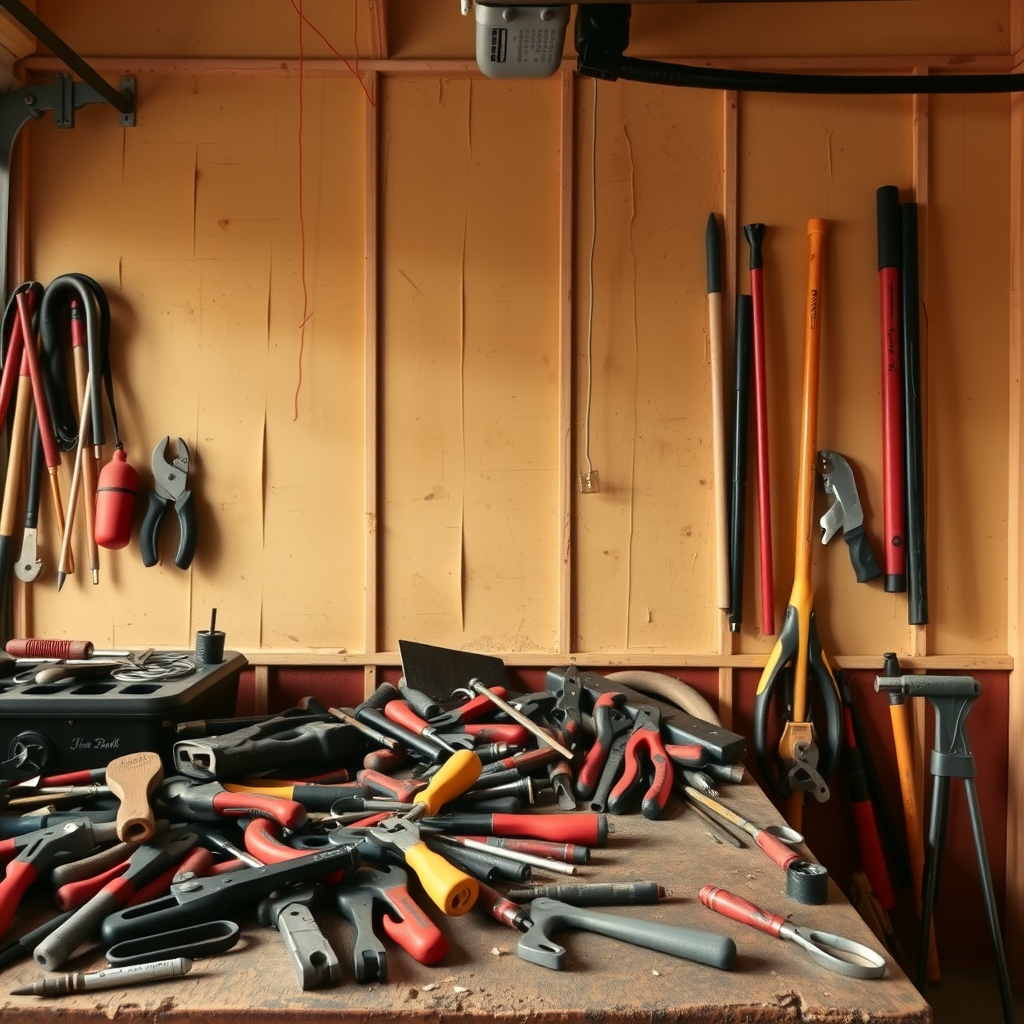
Tools pile up because nothing has a home. Sort what you own, zone the wall, then add a wall-mounted rail system so every tool hangs in sight.
By Jamilur Rahman Updated November 5, 2026 · 7 min read
- Time
- A weekend afternoon
- Cost
- $50-$150
- Difficulty
- Medium
In this guide
Quick answer
Garage tools end up on the floor and bench because there is no wall space that is set up for them. Sort everything into daily, seasonal and rarely-used piles, pick a stretch of wall, find the studs and mount into them. For the lasting fix, add a wall-mounted organizer, a steel rail with movable hooks and bins, so each tool has a place you can see. It works the same in a basement.
Free fix vs. permanent fix
Sort, zone, and screw simple hooks into the studs
- Sort every tool into daily, seasonal and one-off piles, and donate or toss the rest
- Pick one stretch of wall and mark the studs with a stud finder
- Screw heavy-duty hooks or a scrap 2x4 rack straight into the studs
- Keep the daily tools between waist and shoulder height
How long it lasts: A clear-out buys you a few months. Without a system built for the tools, hooks and nails get crowded, and clutter drifts back to the bench.
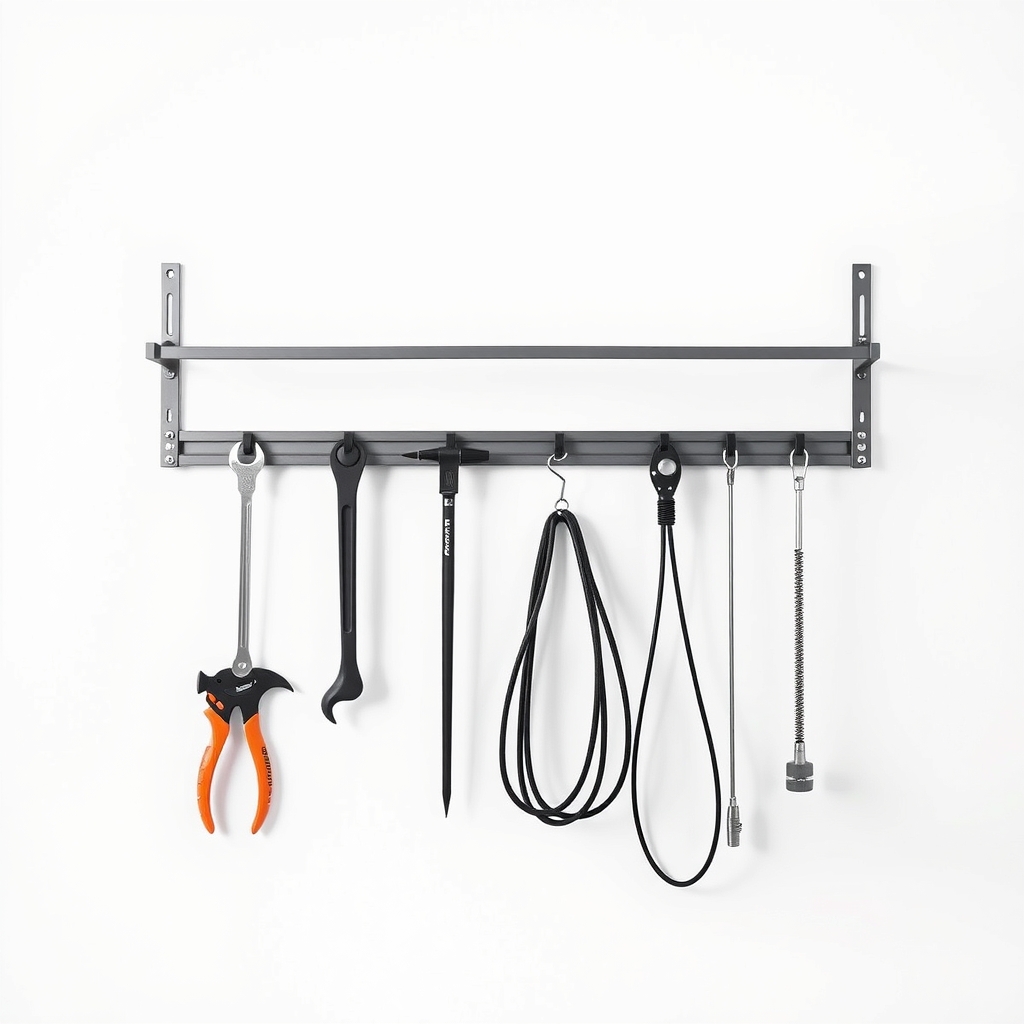
A wall-mounted tool organizer rail system
A rail system turns a stretch of wall into a flexible rack. Hooks, shelves and bins slide along it, so long-handled tools, hand tools and power tools all fit without new holes each time. The sort clears today's pile. The rails give every tool a place so the pile does not return.
What to get: Wall-mounted garage tool organizer rail system
How long it lasts: Years. Steel rails and slide-on hooks hold up in a garage, and you can rearrange them as your tools change.
As an Amazon Associate I earn from qualifying purchases.
What you'll need
-
Cordless drill and bits
For pilot holes and driving screws into studs
You have it -
Level and pencil
Keeps rails and hooks straight
You have it - Illustration
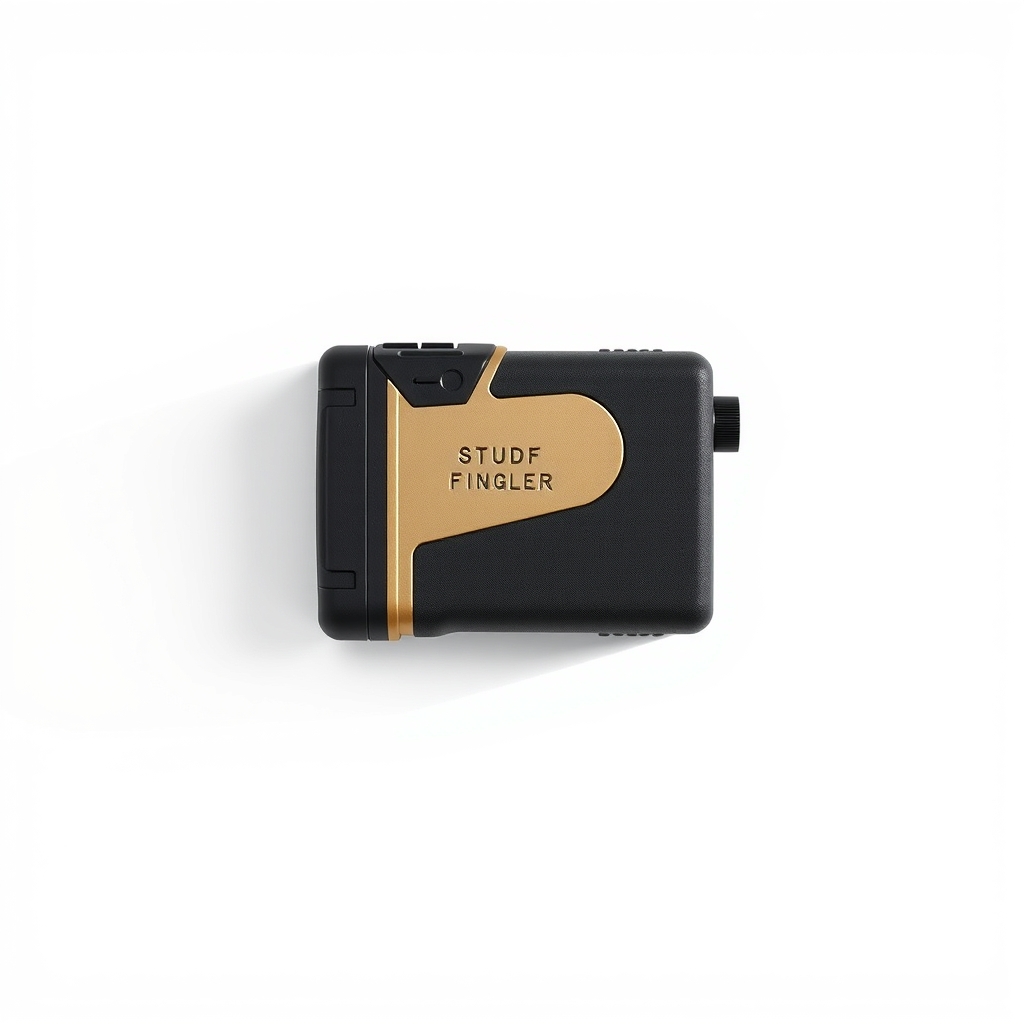
Stud finder
Finds the wood studs behind drywall so heavy things stay up
- Our pick Illustration
Wall-mounted tool rail system
Slide-on hooks and bins on a steel rail; the lasting fix
- Illustration
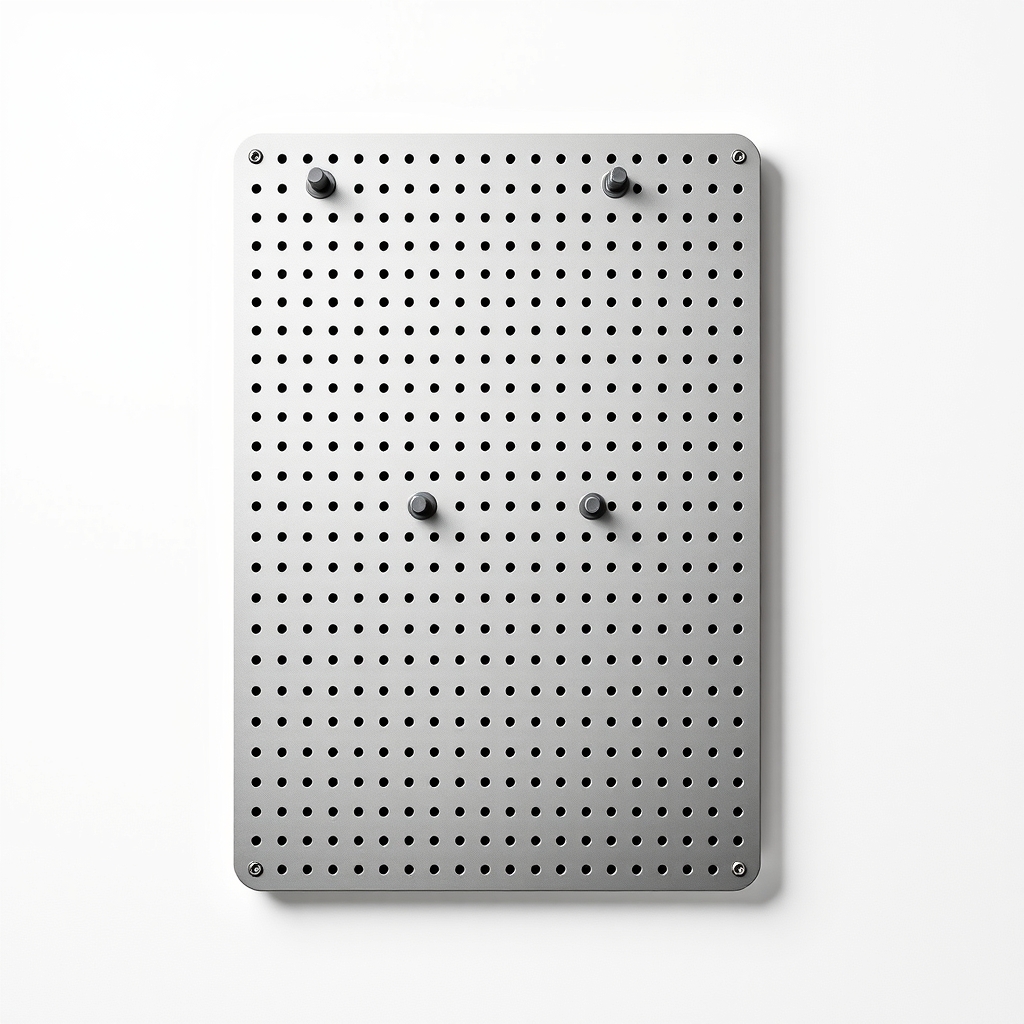
Pegboard panel with hooks
A lower-cost way to hang light hand tools
- Illustration
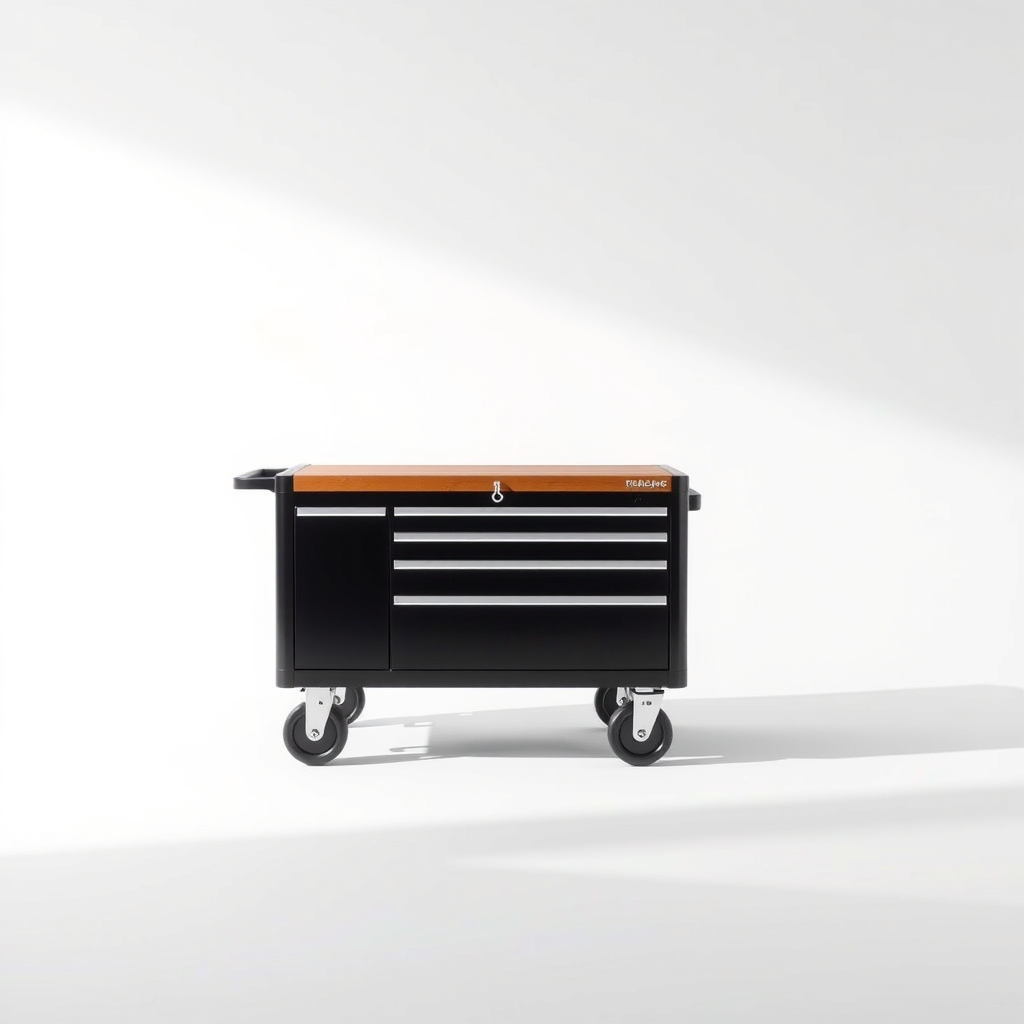
Rolling tool chest
For small tools you want locked away and wheeled to the job
Why it happens
No wall system, so tools land on flat surfaces
A bench and a floor are the only places that take any tool. Without hooks or a rack, every tool ends up on a flat surface and piles up.
Storing by habit, not by how you use them
Seasonal tools sit in front of the daily ones, and the things you reach for most are buried. You then leave things out because putting them away is a hassle.
Too many tools, and doubles
Garages hold years of duplicates, broken tools and half-used supplies. Until you cut the pile, no shelf has enough room.
Mounting that fails
Hooks set into drywall alone pull out under weight. People stop using the wall after the first fall, and the tools go back to the floor.
Try this first (free)
Do these in order, starting with the simplest.
-
1. Empty the bench and sort into piles
Lay everything out and sort into daily, seasonal and once-in-a-while piles. Set aside broken, doubled and never-used items to donate or toss. Group like tools together, such as hand tools, power tools and garden tools.
-
2. Zone the garage by use
Give each group a zone near where you use it, with garden tools by the door and power tools near the bench. Keep the daily tools between waist and shoulder height, and heavy ones low.
-
3. Find the studs and mark them
Tool used: Stud finderRun the stud finder along the wall where the rack will go. Studs are usually 16 inches apart, center to center. Mark each one with a pencil line, and check with a small pilot hole if you are unsure.
IllustrationCheck price on AmazonTool for this step
Stud finder · Finds the wood studs behind drywall so heavy things stay up
-
4. Mount into the studs, not the drywall
Tool used: Cordless drill and bitsDrill pilot holes, then drive long screws through the rail or hook backing into the studs. Check it with a level before you tighten fully. On a concrete or block wall, use masonry screws and the matching drill bit.
-
5. Hang the daily tools first, and test the load
Tool used: Level and pencilLoad the heaviest tools low, and tug each hook firmly before you trust it. Outline the shape of each tool with a marker, so it is clear where it goes back.
When free fixes aren't enough
If you have more than a handful of tool types, a few screw-in hooks run out of room fast and leave gaps you cannot change. A rail system lets you move hooks and bins as you buy new tools, and it spreads the weight across several studs. If you also have lots of small parts, a rolling chest keeps them closed and off the bench. If the wall is damp in a basement, use steel, not hardboard.
Buy the fix
Still stuck after the free fixes? These are the products we would look at.
| Pick | Product | Fixes | Who it's for | Buy |
|---|---|---|---|---|
| Best pick | Wall-mounted garage tool organizer rail system | tools piled on the bench and floor with no place to hang | Anyone with a mixed set of hand, power and garden tools and one wall to spare. | Check price |
| Budget pick | Metal or hardboard pegboard panel with hooks | light hand tools with nowhere to hang | Anyone who mostly has screwdrivers, pliers and wrenches and wants a low-cost option. | Check price |
| Upgrade pick | Rolling tool chest with locking drawers | small tools and parts that spread across the bench | People with lots of small tools, or kids in the house, who want everything locked and wheeled to the job. | Check price |
Wall-mounted garage tool organizer rail system
Fixes: tools piled on the bench and floor with no place to hang
Look for: Steel rails with a stated load rating per hook and per rail; Slide-on hooks and bins that you can reposition; Mounting hardware included, with screws that reach studs; Holders for long-handled tools, as well as small hand tools.
- Who it's for
- Anyone with a mixed set of hand, power and garden tools and one wall to spare.
- Honest downside
- The wall is crumbling block or has no studs you can reach. Use masonry anchors, or a freestanding rack, instead.
Metal or hardboard pegboard panel with hooks
Fixes: light hand tools with nowhere to hang
Look for: Screw-in mounting to studs, with spacers behind the panel; A metal panel if the garage is damp; A hook assortment for light hand tools.
- Who it's for
- Anyone who mostly has screwdrivers, pliers and wrenches and wants a low-cost option.
- Honest downside
- You want to hang heavy power tools. Pegboard hooks can pop out, and hardboard swells in damp air.
Rolling tool chest with locking drawers
Fixes: small tools and parts that spread across the bench
Look for: Ball-bearing drawer slides with a stated load rating; A lock for the whole chest; Locking wheels so it stays put on the floor.
- Who it's for
- People with lots of small tools, or kids in the house, who want everything locked and wheeled to the job.
- Honest downside
- The floor space is tight. A chest needs room around it, and a rail on the wall may do the job.
As an Amazon Associate I earn from qualifying purchases. We don't show prices because they change, so use the button to see today's price.
How we picked: How we picked: this page is based on garage organizing guides, stud and wall-mounting basics, maker load ratings for rails and cabinets, and the problems owners report in reviews. We do not test products by hand.
A simple zone plan for the wall
- Eye level: the tools you use every week, such as a hammer, tape and drill.
- Low: heavy items, such as a shop vacuum and a sander.
- High: light seasonal gear, such as holiday items, and ladders on hooks.
- By the door: garden tools and the hose.
Basements and damp garages
Moisture is the enemy of tools. Hang them off the floor and a little away from the wall. Prefer steel rails to hardboard, and add a dehumidifier if the air feels damp. A thin film of oil on bare steel, and a small silica gel pack in a closed drawer, help too. Keep fuel, paint and solvents away from heat and pilot lights.
What to skip
Plastic stacking bins as the whole plan
Bins keep things dry, but you have to open each one to find anything. Tools you cannot see end up unused. Hang what you use often, and keep bins for the rare stuff.
Frequently asked questions
How do I organize garage tools on the wall?
Do I need to hit studs for a tool rack?
How can I keep tools from rusting in a basement?
Is a tool cabinet better than a wall rack?
Related problems
 Free fix inside
Outdoor & Garage · Garden Tools
Garden Tool Storage: Wall Racks That Free the Shed Floor
Read the fix Free fix inside
Outdoor & Garage · Garage Floor
Garage Floor Cracks: A Filler That Bonds to Concrete
Read the fix Free fix inside
Small Spaces & Storage · Small Apartment
Small Apartment Tool Kit: What to Buy and What to Skip
Read the fixAs an Amazon Associate I earn from qualifying purchases. Affiliate disclosure