Moles Tearing Up Your Yard? Traps and Repellents Compared
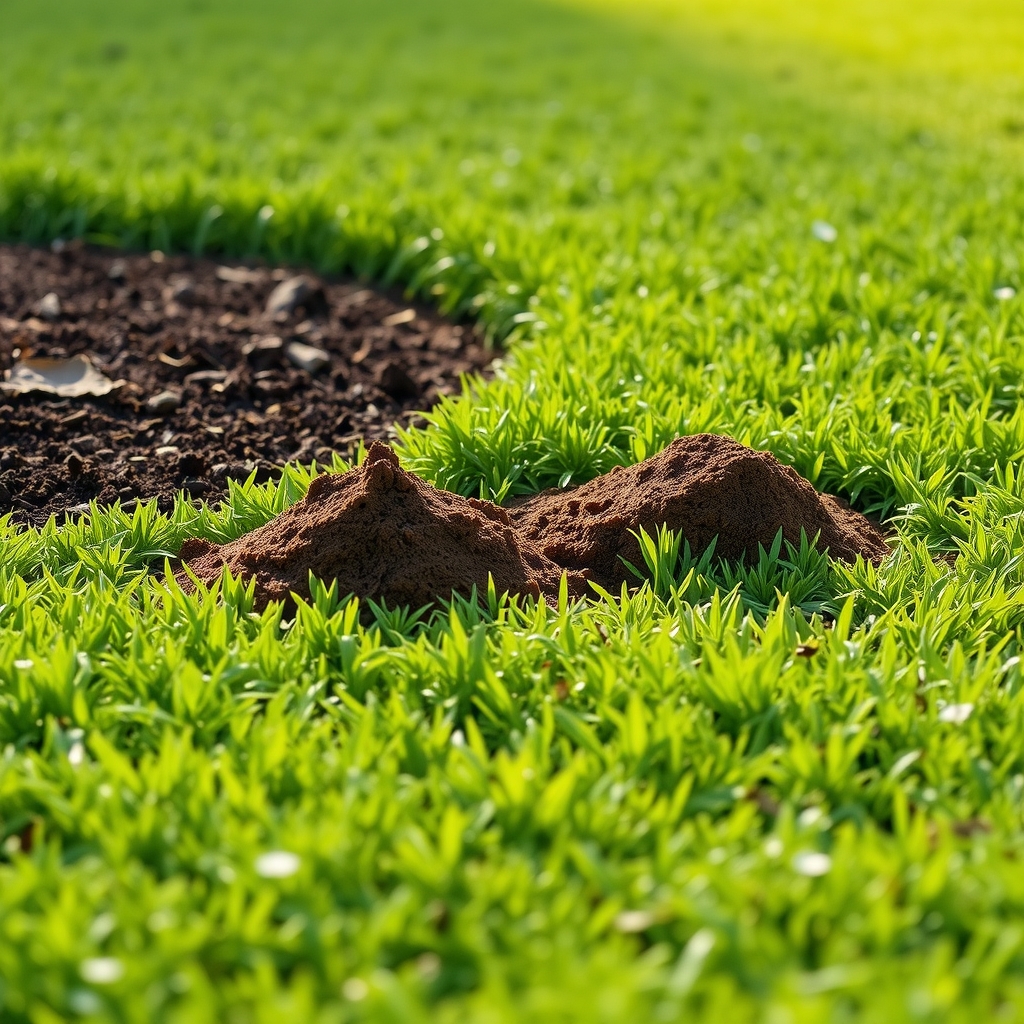
Raised ridges and dirt mounds mean a mole is hunting worms under your lawn. Find the live tunnels, then trap it. Repellents rarely finish the job.
By Jamilur Rahman Updated November 5, 2026 · 7 min read
- Time
- 30 min to set up, then daily checks
- Cost
- $20-$50
- Difficulty
- Medium
In this guide
Quick answer
The reliable way to get rid of moles in your yard is to find a live tunnel and set a trap over it. Moles eat earthworms and grubs, so bait and most repellents do little. The free steps below show you where the mole is working, and a scissor-jaw or harpoon trap is what removes it.
Free fix vs. permanent fix
Find the live tunnels and flatten the ridges
- Press down a short stretch of each raised ridge
- Mark the spots with flags or sticks
- Check after a day or two: ridges that pop back up are live
- Fill old molehills so new ones stand out
How long it lasts: It does not remove the mole. It only shows you where the mole is working. Some moles move on, but many stay while worms are plentiful.
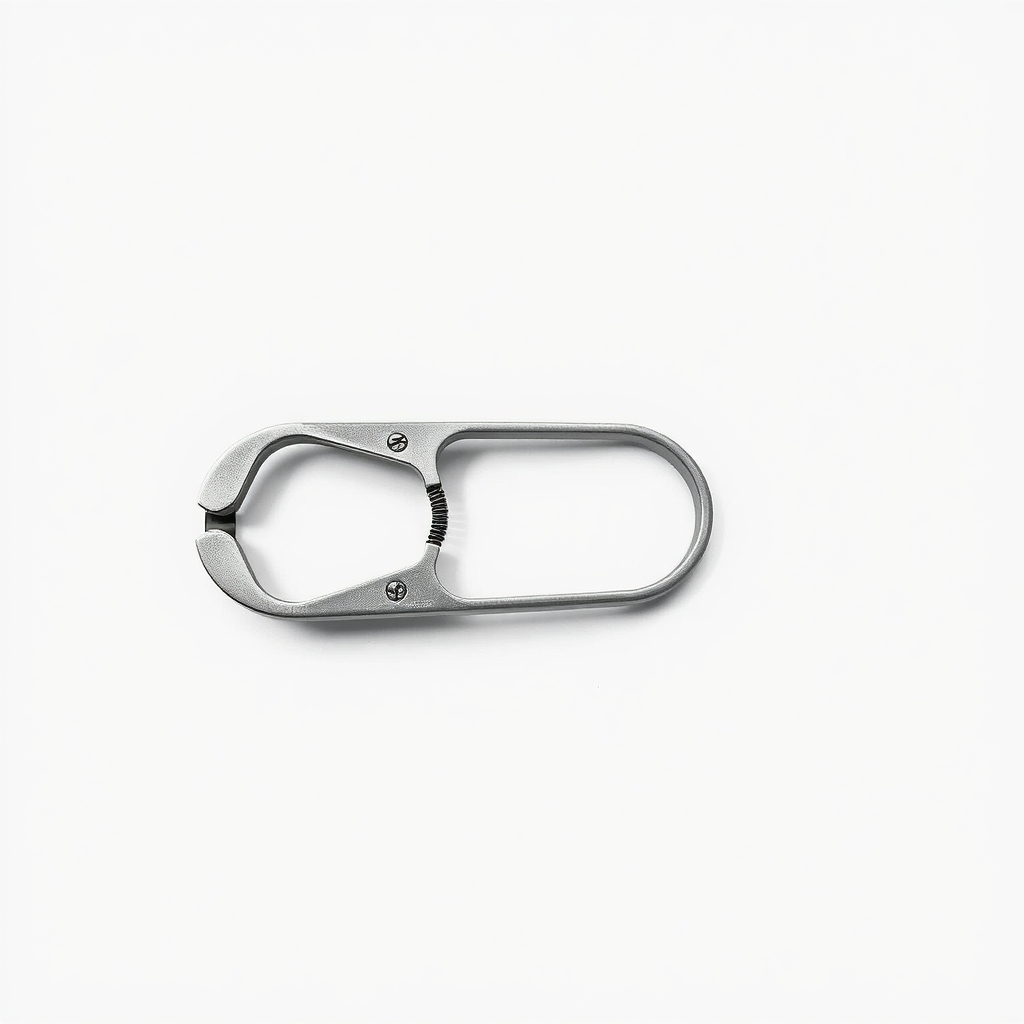
A scissor-jaw mole trap set over a live tunnel
A mole lives underground and eats live worms and grubs, so bait does not tempt it and repellents often just push it sideways. A trap set across the tunnel it uses every day removes the animal itself.
What to get: Scissor-jaw mole trap
How long it lasts: Once the mole is caught, that tunnel network stays quiet until a new mole moves in.
As an Amazon Associate I earn from qualifying purchases.
What you'll need
-
Work gloves
Keep fingers safe and cut down on human scent near the trap
You have it -
Flat shovel or garden trowel
Opens a small window in the tunnel for the trap
You have it -
Marking flags or sticks
Plastic forks or kitchen skewers work fine
Free - Our pick Illustration
Scissor-jaw mole trap
Straddles the tunnel and closes on the mole as it passes
- Illustration
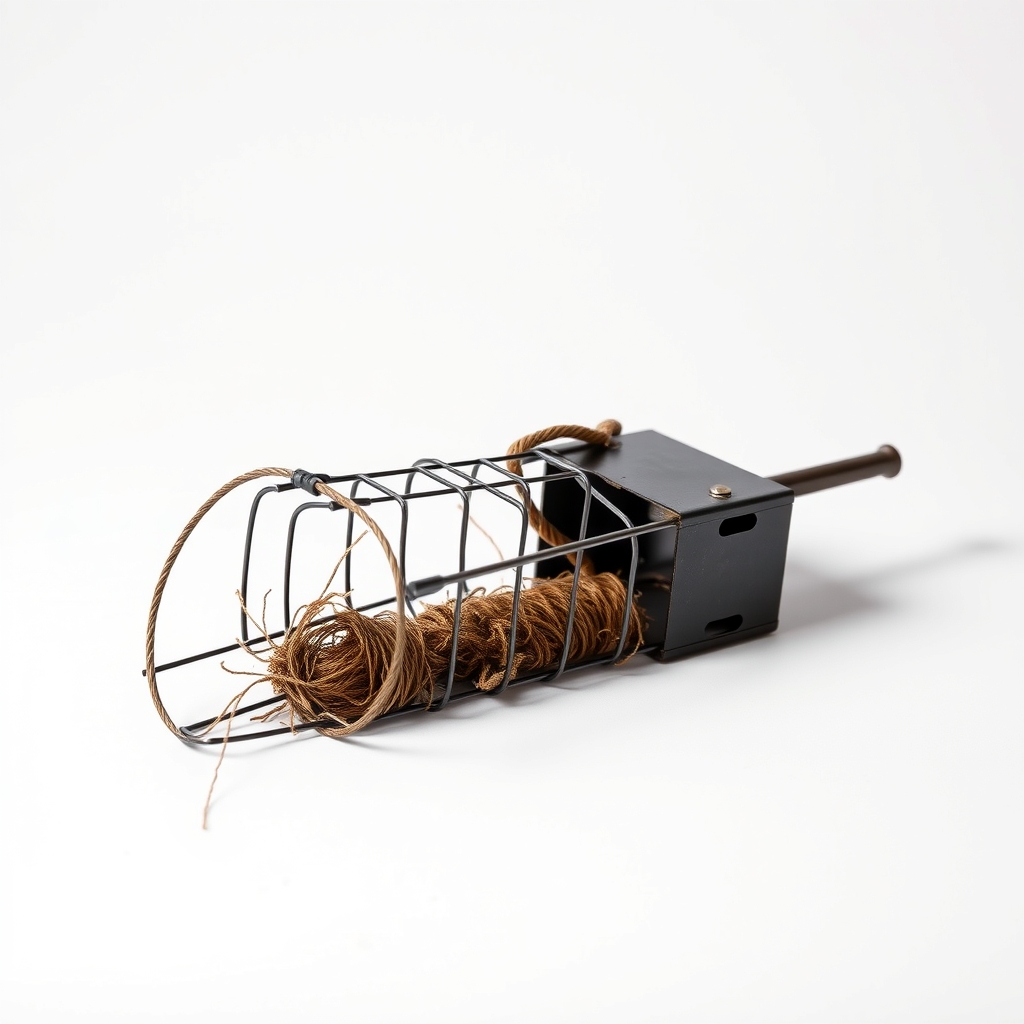
Harpoon-style mole trap
A simpler spike trap that sits on top of a pressed-down ridge
- Illustration

Castor oil mole repellent granules
Optional extra. Owners report mixed results
Why it happens
Plenty of food under the lawn
Moles eat earthworms, grubs and other soil insects. A lawn with moist, loose soil and lots of worms is a good place to hunt.
Two kinds of tunnels
Shallow feeding tunnels show up as raised ridges across the grass. Deeper tunnels act as highways, and the soil pushed out of them forms the dirt mounds called molehills.
Soft, wet soil
Moles dig fastest in soil softened by rain or watering, so fresh ridges often appear a day or two after a downpour.
Try this first (free)
Do these in order, starting with the simplest.
-
Walk the yard and mark fresh signs
Tool used: Marking flags or sticksLook for raised ridges and loose mounds of soil. Push a flag or stick in next to each one so you can find it again.
-
Press the ridges down and wait two days
Step on a two-foot stretch of each ridge so it lies flat. Check a day or two later. A ridge that has risen again is a live feeding tunnel. One that stays flat is abandoned.
-
Open the live tunnel
Tool used: Flat shovel or garden trowelFor a scissor-jaw trap, cut out a small window of soil over the live tunnel with a trowel so the trap can sit with its jaws on either side of the open runway. For a harpoon trap, press the ridge flat and set the trap on top.
-
Set the trap and check it daily
Tool used: Scissor-jaw mole trapWear gloves and follow the maker's setting instructions. Cover the hole with a bucket or board so no daylight gets in, because moles plug gaps. Check once a day. If nothing has moved in three days, shift the trap to another live ridge.
IllustrationCheck price on AmazonTool for this step
Scissor-jaw mole trap · Straddles the tunnel and closes on the mole as it passes
-
Repair the lawn
Once the mole is caught, flatten the ridges, rake out the mounds and reseed bare patches so the lawn grows back.
When free fixes aren't enough
Flagging and flattening does not remove anything, so ridges keep coming back until you trap. Repellents such as castor oil granules make soil less appealing, but owners report mixed results, and a mole can simply dig around the treated patch. Spring-loaded traps need care, so keep kids and pets away and never put your fingers between the jaws. If the damage covers a large property, or you are not comfortable setting a trap, call a pest control or wildlife professional. Check your local rules first, because a few areas limit how moles may be trapped.
Buy the fix
Still stuck after the free fixes? These are the products we would look at.
| Pick | Product | Fixes | Who it's for | Buy |
|---|---|---|---|---|
| Best pick | Scissor-jaw mole trap | a live mole working the tunnels under your lawn | Most yards with one or two live tunnels, where you want the most direct fix. | Check price |
| Budget pick | Harpoon-style mole trap | a mole in a clearly marked live tunnel, with a simpler trap | People who want a simple trap that sits on top of a pressed-down ridge instead of digging a window. | Check price |
Scissor-jaw mole trap
Fixes: a live mole working the tunnels under your lawn
Look for: Strong spring and jaws that close fully across the tunnel; Rust-resistant metal and a safety latch you can set before you place it; A trigger pan that responds to soil pressure in a tunnel; Clear setting instructions.
- Who it's for
- Most yards with one or two live tunnels, where you want the most direct fix.
- Honest downside
- Small children or pets roam the yard unsupervised, or you are not comfortable with a spring trap. Call a professional instead.
Harpoon-style mole trap
Fixes: a mole in a clearly marked live tunnel, with a simpler trap
Look for: Solid steel spikes and a firm spring; A rust-resistant finish; An adjustable trigger that works in loose or firm soil.
- Who it's for
- People who want a simple trap that sits on top of a pressed-down ridge instead of digging a window.
- Honest downside
- Your soil is rocky or baked hard. The spikes may not drive in, and a scissor-jaw trap works better there.
As an Amazon Associate I earn from qualifying purchases. We don't show prices because they change, so use the button to see today's price.
How we picked: How we picked: this page is based on university extension guides on moles and voles, trap makers' setting instructions, and what owners report in trap reviews. We do not test products by hand.
How to get rid of moles and voles: tell them apart first
The two animals leave different signs, and they need different traps.
- Moles: raised ridges across the lawn and cone-shaped mounds of soil with no open hole. They eat worms and grubs, not plants.
- Voles: mouse-sized animals that leave open holes about an inch wide and narrow runways in the grass. They eat roots, bulbs and bark, and often use old mole tunnels.
A mole trap will not catch a vole. For voles, extension guides suggest snap traps set under a box or bucket along a runway.
Trap safely and keep the lawn healthy
Wear gloves when you handle a trap or a caught animal, and wash your hands after. Keep pets and children away from open traps. Water the lawn a little less often once the mole is gone, because wet soil draws worms and the next mole.
What to skip
Poison worm baits, smoke bombs and sonic stakes
Worm-shaped baits are often ignored, since moles prefer live worms and grubs, and poison can harm pets and wildlife. Smoke and gas cartridges only push the mole to dig somewhere else. Sonic stakes rarely do much. University extension guides generally list trapping as the most dependable method, so put your money there.
Frequently asked questions
How to get rid of moles in my lawn without poison?
How to get rid of moles in a garden bed?
Will killing grubs get rid of moles?
How long does it take to catch a mole?
Related problems
 Free fix inside
Outdoor & Garage · Lawn
Why Your Lawn Has Brown Patches: Match the Fix to the Pattern
Read the fix Free fix inside
Outdoor & Garage · Lawn
Mushrooms in the Lawn? Why They Pop Up and What Clears Them
Read the fix Free fix inside
Outdoor & Garage · Lawn
Lawn Not Absorbing Water? Aerating Opens Up Compacted Soil
Read the fix Free fix inside
Outdoor & Garage · Garden Soil
Garden Soil Getting Hard? What to Mix In to Loosen It
Read the fixAs an Amazon Associate I earn from qualifying purchases. Affiliate disclosure