Flooded Laundry Room? Stop a Repeat With a Pan and Leak Sensor
Stop the water, make the room safe and dry it fast. Then add a drain pan and a leak sensor, so the next leak is caught in minutes, not hours.
By Jamilur Rahman Updated November 5, 2026 · 7 min read
- Time
- 2 hours
- Cost
- $20-$50
- Difficulty
- Medium
In this guide
Quick answer
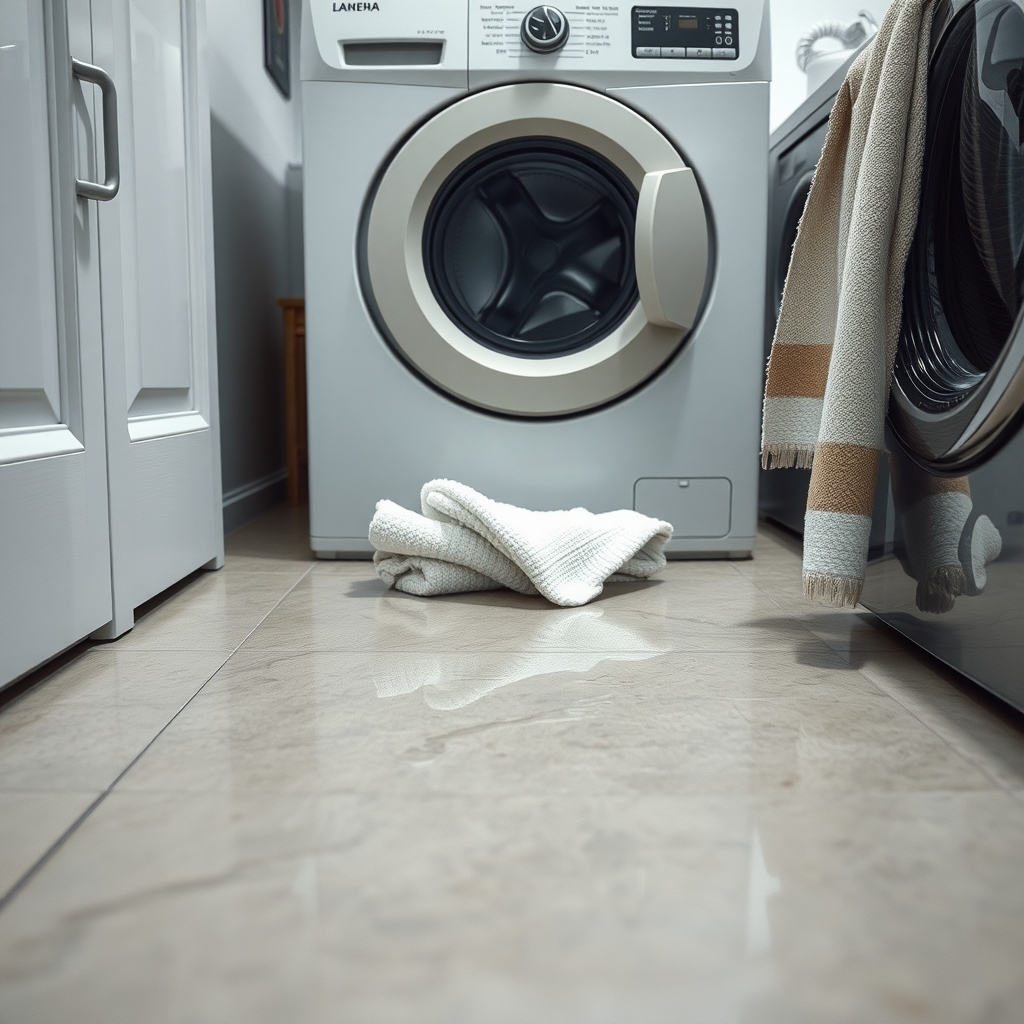
To fix a flooded laundry room, stop the water first: shut off the washer's hot and cold supply valves and stop the cycle. Stay clear of standing water near outlets or cords. Then pull out the water, dry everything within a day or two and find the cause. To stop a repeat, put a drain pan under the washer and a leak sensor on the floor.
Free fix vs. permanent fix
Stop the water, remove it and dry it out
- Close the washer's hot and cold supply valves
- Stay out of standing water near outlets and cords
- Remove water with a wet-dry vacuum, mop and towels
- Run fans and a dehumidifier for a day or two
How long it lasts: Cleans up this flood. It does nothing to warn you about the next one.
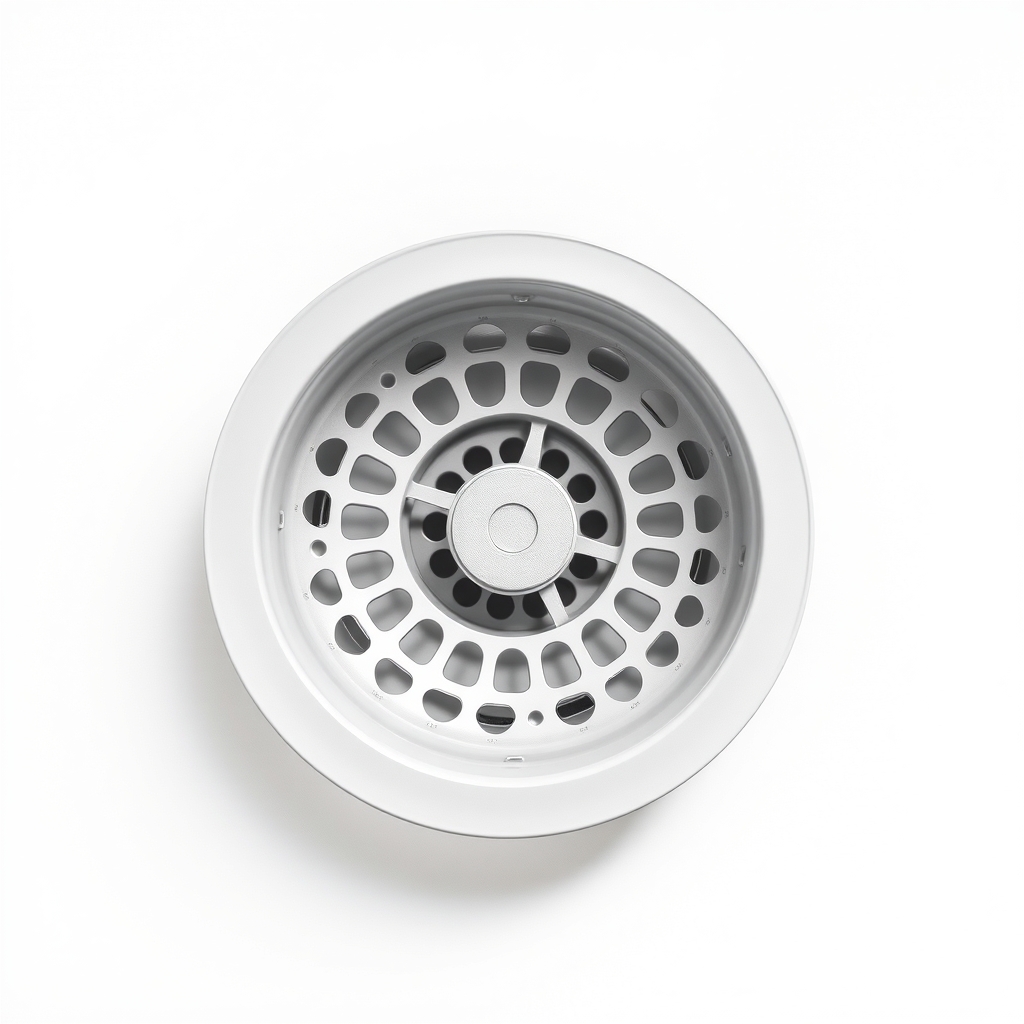
A washing machine drain pan with a leak sensor
Most laundry floods start as a slow drip from a hose, a valve or a drain line that nobody sees for hours. A pan holds the first few cups, and a sensor on the floor or in the pan sounds an alarm or texts your phone, so you shut things off early.
What to get: Washing machine drain pan
How long it lasts: Years. The pan catches small leaks, and the sensor tells you before the floor floods.
As an Amazon Associate I earn from qualifying purchases.
What you'll need
-
Wet-dry vacuum
The fastest way to lift standing water. Rent one if you do not own it
You have it -
Old towels and a mop
For the last of the water
You have it -
Box fan or two
To dry the floor and lower walls
You have it - Our pick Illustration
Washing machine drain pan
Sits under the washer to catch drips and small overflows
- Illustration

Battery water leak alarm
A cheap, loud alarm that sits on the floor
- Illustration
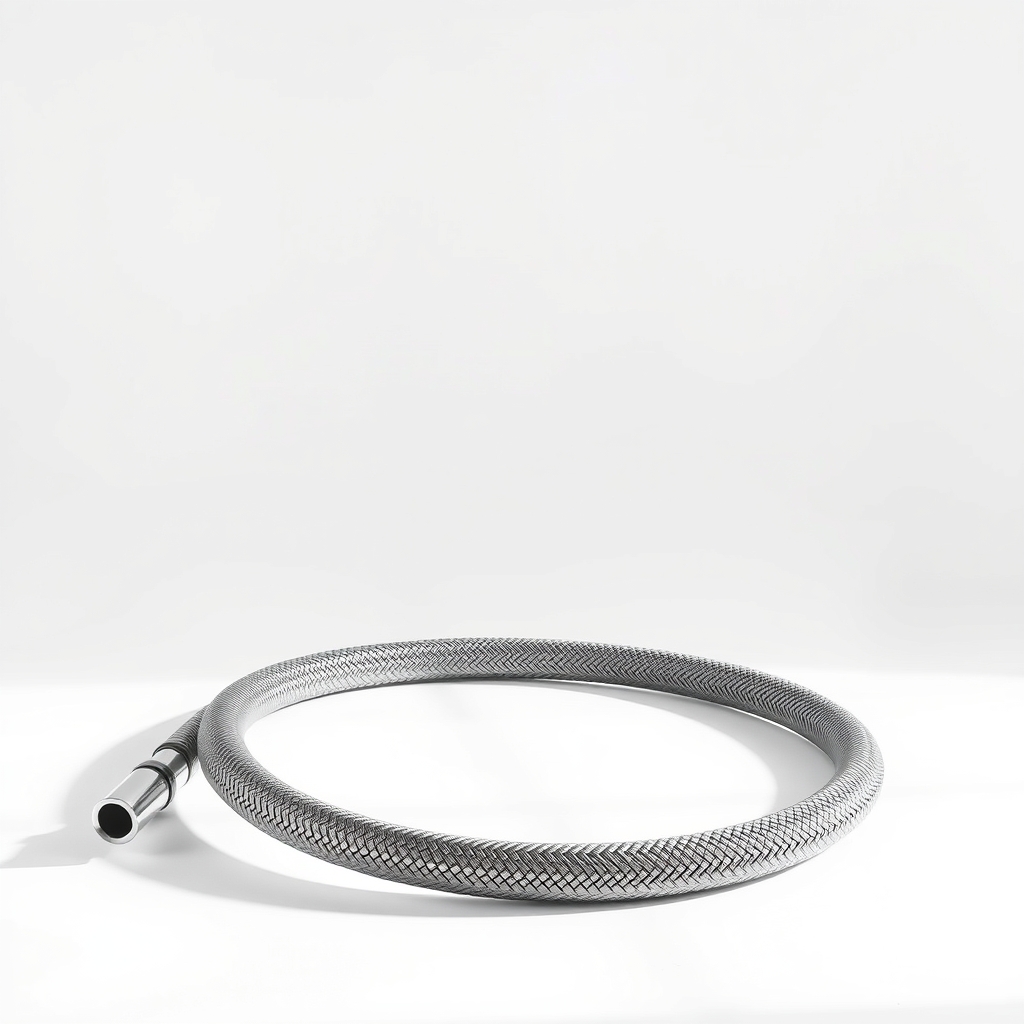
Braided stainless steel washer hoses
Replace old rubber hoses, a common cause of floods
Why it happens
An old or loose supply hose
Rubber hoses crack and bulge with age. Many manufacturers and insurers suggest replacing them about every five years. A hose that fails under pressure can flood a room quickly.
A drain hose that slipped out
If the drain hose pops out of the standpipe during a spin, the washer dumps its water on the floor. A hose that is not secured, or a standpipe that is too narrow, is the usual culprit.
A clogged standpipe or drain line
When the drain backs up, water rises in the standpipe and spills over the top. Lint and soap build up over time.
A leaking washer or door seal
A cracked tub seal, a worn pump or a front-load door gasket can leak during a cycle. It can drip for weeks before anyone sees it.
Try this first (free)
Do these in order, starting with the simplest.
-
Stop the water first
Turn off the hot and cold supply valves behind the washer and stop the cycle. If water is spreading toward outlets, cords or the electrical panel, do not step in it. Call an electrician or your utility if you cannot reach the breaker safely.
-
Take out the water
Tool used: Wet-dry vacuumUse a wet-dry vacuum for standing water, then mop and towel the rest. Move anything wet, like boxes and laundry, to a dry place.
-
Start drying right away
Tool used: Box fan or twoRun fans across the floor and open a window if you can. Aim to get everything dry within 24 to 48 hours, since mold can start to grow after that.
-
Find the cause
Tool used: Braided stainless steel washer hosesCheck the supply hoses, drain hose and standpipe, and look under the washer for drips. Replace any hose that is cracked, bulging or older than about five years.
IllustrationCheck price on AmazonTool for this step
Braided stainless steel washer hoses · Replace old rubber hoses, a common cause of floods
-
Add a pan and a sensor
Tool used: Washing machine drain panSlide a drain pan under the washer, and place a leak sensor inside it or on the floor beside it. Test the alarm once a month.
IllustrationCheck price on AmazonTool for this step
Washing machine drain pan · Sits under the washer to catch drips and small overflows
When free fixes aren't enough
Cleanup only fixes this flood. If water reached walls, baseboards or flooring, it can seep out of sight, so lift the baseboard or check for soft drywall. If the flood was large, the water was dirty or it came from a sewer backup, call a water-damage pro and your insurer, and take photos first. A pan and a sensor will not stop a burst hose, but they will give you warning on the slow leaks that cause most damage. Turning the supply valves off when you are away is the cheapest habit.
Buy the fix
Still stuck after the free fixes? These are the products we would look at.
| Pick | Product | Fixes | Who it's for | Buy |
|---|---|---|---|---|
| Best pick | Washing machine drain pan | slow drips and small overflows that soak the floor before you notice | Anyone with a washer on a finished floor, an upper floor or a spot with a sensitive subfloor. | Check price |
| Budget pick | Battery-powered water leak alarm | the lack of warning when a leak starts | Anyone home most of the time who wants the cheapest early warning. | Check price |
| Upgrade pick | 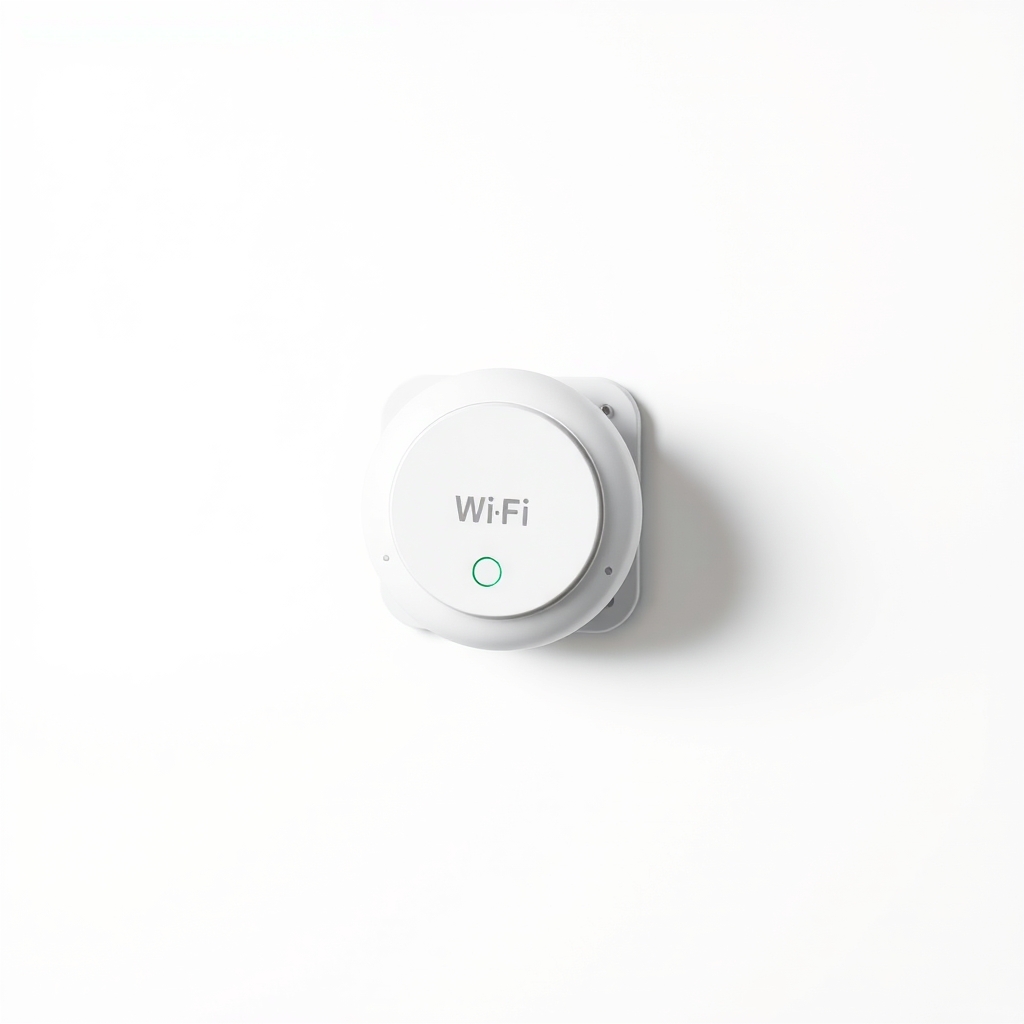 Wi-Fi water leak sensor with phone alerts | leaks that start while you are out or asleep | People who travel, sleep far from the laundry room or have a washer on an upper floor. | Check price |
Washing machine drain pan
Fixes: slow drips and small overflows that soak the floor before you notice
Look for: A size that fits under your washer with an inch or two to spare; A raised lip tall enough to hold a decent amount of water; A drain outlet if you have a nearby floor drain; Sturdy plastic that will not crack under the washer's weight.
- Who it's for
- Anyone with a washer on a finished floor, an upper floor or a spot with a sensitive subfloor.
- Honest downside
- Your washer sits in a basement with a working floor drain and bare concrete. A sensor may be enough. Measure before you buy.
Battery-powered water leak alarm
Fixes: the lack of warning when a leak starts
Look for: A loud alarm, at least heard from the next room; A low-profile body that sits flat on the floor; Replaceable batteries and a test button.
- Who it's for
- Anyone home most of the time who wants the cheapest early warning.
- Honest downside
- You are often away from home. An alarm nobody hears will not help. Choose a phone-alert sensor.
Wi-Fi water leak sensor with phone alerts
Fixes: leaks that start while you are out or asleep
Look for: Phone alerts through an app; A battery that lasts and sends a low-battery warning; A probe or pad that senses water on contact; Reliable Wi-Fi at the washer location.
- Who it's for
- People who travel, sleep far from the laundry room or have a washer on an upper floor.
- Honest downside
- Your Wi-Fi does not reach the laundry room. A weak signal means no alerts.
As an Amazon Associate I earn from qualifying purchases. We don't show prices because they change, so use the button to see today's price.
How we picked: How we picked: this page is based on public water-damage and flood-cleanup guidance, washer-hose advice from manufacturers and insurers and what owners report in reviews. We do not test products by hand.
Habits that prevent the next flood
- Swap hoses: replace rubber supply hoses with braided stainless steel ones, and replace them about every five years.
- Shut the valves: turn off the supply valves when you go away, or after each wash if you can.
- Secure the drain hose: make sure it is fixed into the standpipe and not just resting in it.
- Look behind it: check for drips and damp once a month.
What to skip
Ignoring a damp floor and relying on towels
Do not leave towels around the washer and hope. A towel soaks up a little and hides a growing leak. Also skip running a heater or hair dryer over wet drywall, which can trap damp inside the wall. Use fans and ventilation.
Frequently asked questions
What should I do first if my laundry room is flooding?
How long does it take to dry out a flooded laundry room?
Do washing machine drain pans work?
When should I call a professional?
Related problems
 Free fix inside
Laundry · Front Load Washer
Front Load Washer Leaking From the Door? Gasket, Soap, or Overload
Read the fix Free fix inside
Laundry · Laundry Room
Laundry Room Smells Musty? Fix the Damp First, Then the Smell
Read the fix Free fix inside
Laundry · Laundry Room
Laundry Room Too Humid? Dehumidifier vs Vent Fan: What Works
Read the fix Free fix inside
Laundry · Washer Problems
Washing Machine Keeps Filling With Water? The Inlet Valve Check
Read the fixAs an Amazon Associate I earn from qualifying purchases. Affiliate disclosure