Laundry Room Smells Musty? Fix the Damp First, Then the Smell
A musty laundry room means moisture is hiding somewhere. Find the damp source, dry it out, then keep the air dry with a rechargeable absorber.
By Jamilur Rahman Updated November 5, 2026 · 7 min read
- Time
- 30 min
- Cost
- $20-$50
- Difficulty
- Easy
In this guide
Quick answer
If your laundry room smells musty, you have a moisture problem, not a scent problem. Check for slow leaks, forgotten wet laundry and a mildewed washer gasket, and dry them out. Then a rechargeable moisture absorber keeps the air dry in a small, closed room, so the musty smell does not come back.
Free fix vs. permanent fix
Hunt the damp and air the room out
- Check hoses, floor and wall behind the washer for wet spots
- Wash and dry any damp or forgotten laundry
- Wipe mildew spots with detergent and water
- Leave the washer door open and run a fan or open a window
How long it lasts: Weeks, if you found and fixed the real source. If not, the smell returns within days.
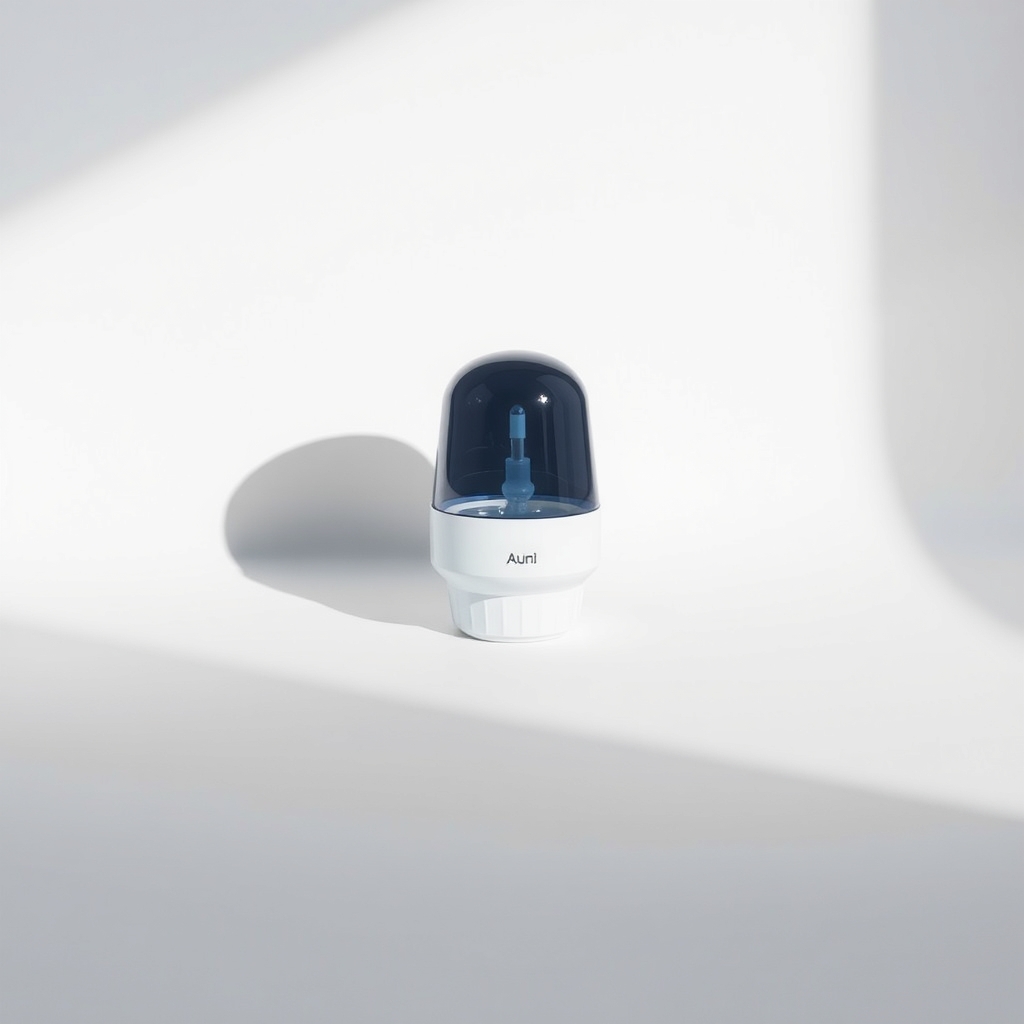
A rechargeable moisture absorber
A musty smell is mildew growing in damp air. Once the leaks and wet laundry are gone, a closed room still holds moisture from every load. An absorber pulls that moisture out of the air, and you recharge it by heating or plugging it in, so there is no refill to keep buying.
What to get: Rechargeable moisture absorber
How long it lasts: Weeks to months per charge, and you reuse it. It keeps humidity down between laundry days.
As an Amazon Associate I earn from qualifying purchases.
What you'll need
-
Flashlight
For looking behind and under the washer
You have it -
Paper towels and detergent
To test for damp and to wipe off mildew spots
You have it - Our pick Illustration
Rechargeable moisture absorber
Keeps a small, closed room dry between loads
- Illustration
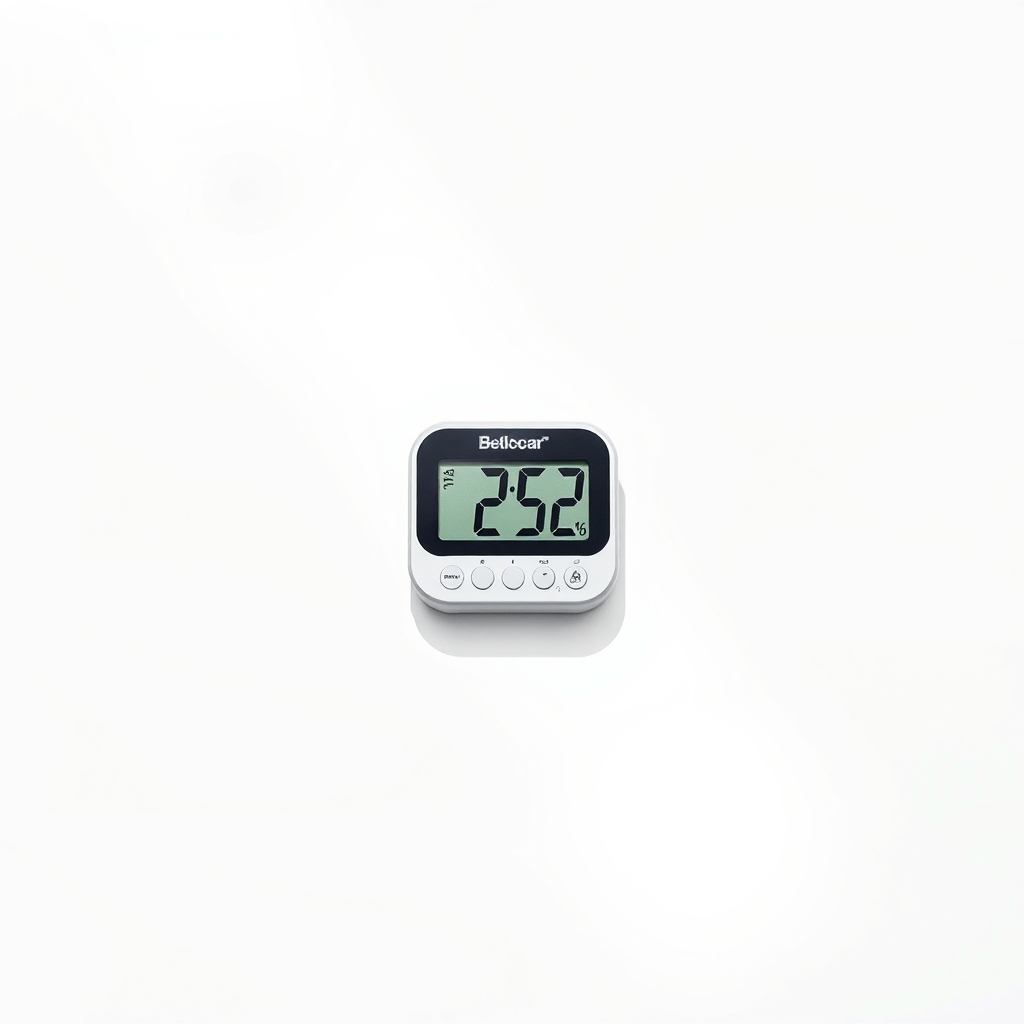
Digital hygrometer
Shows whether humidity is really the problem
- Illustration
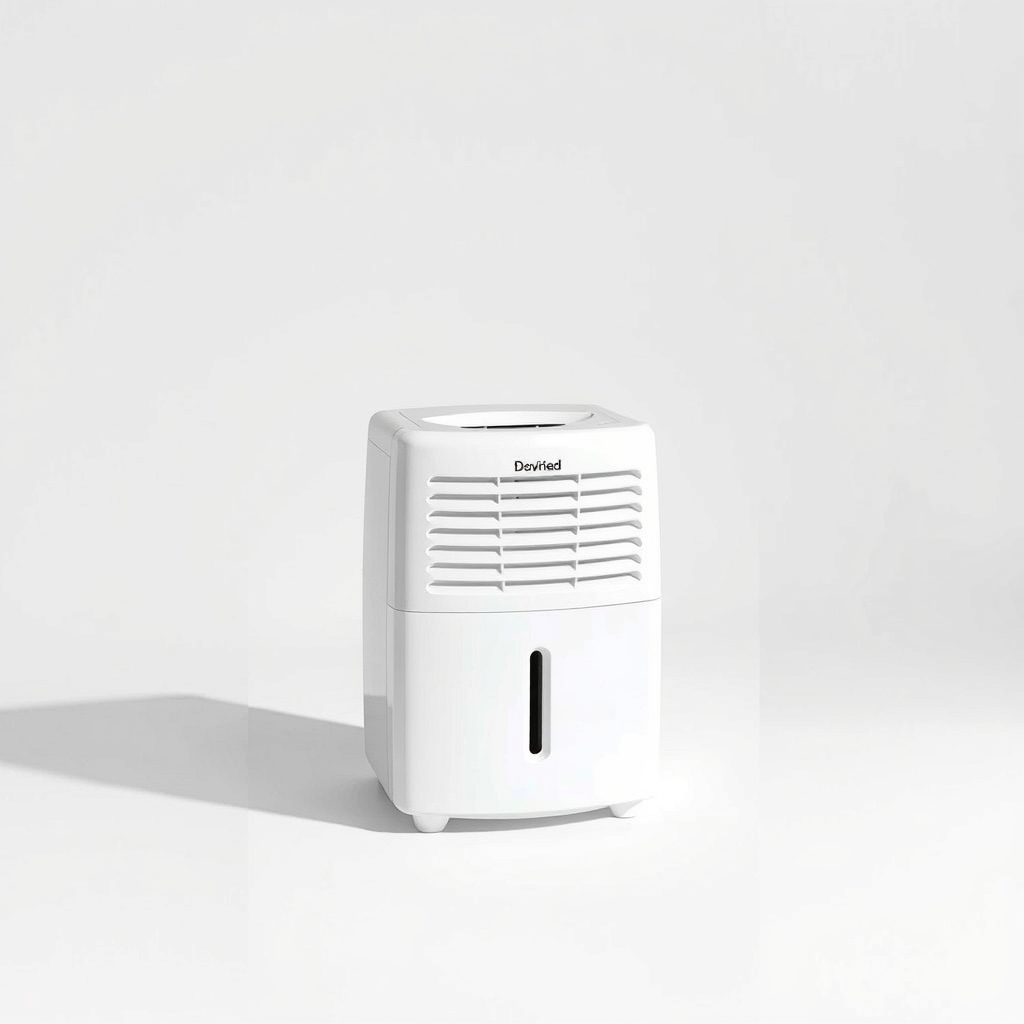
Compact dehumidifier
For a laundry room that stays damp
Why it happens
A slow leak
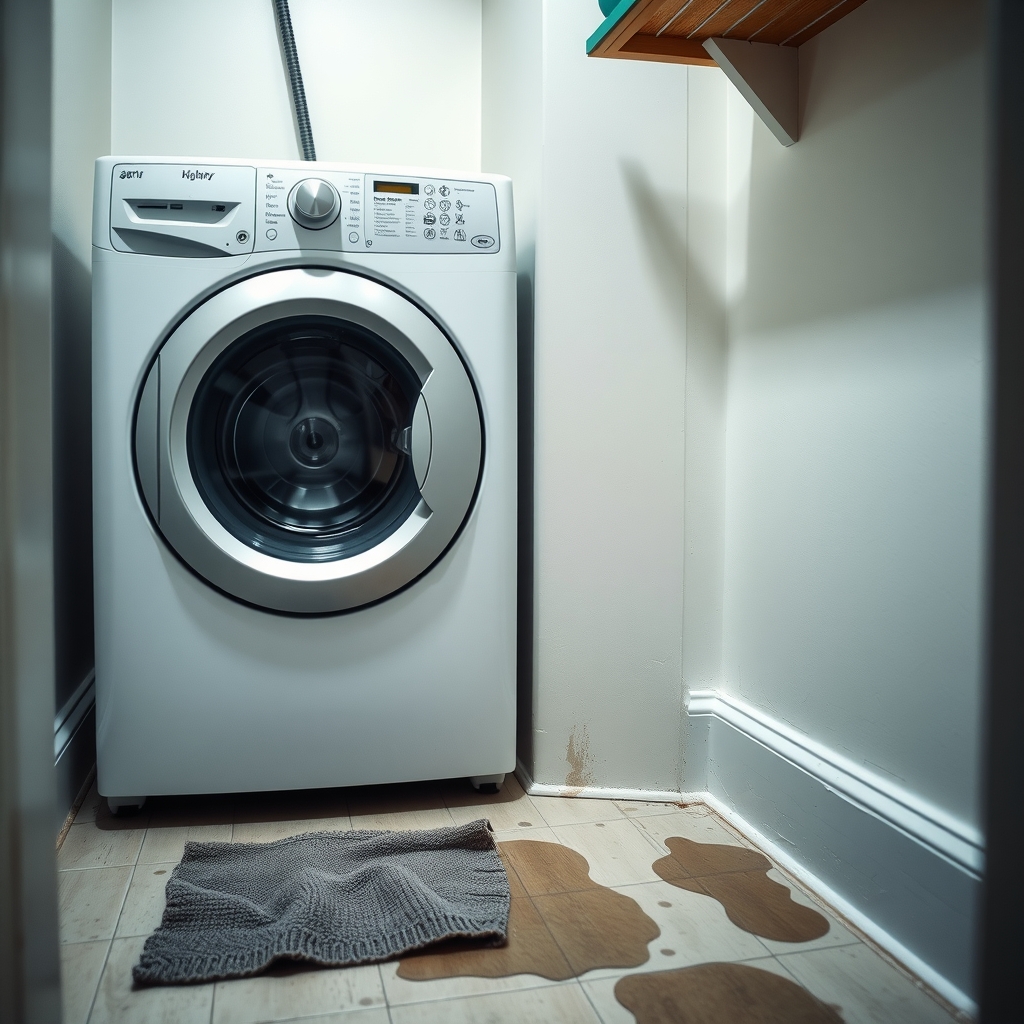
A weeping hose, drain connection or valve wets the floor and wall behind the washer. You rarely see it, but you smell it.
A mildewed washer or damp laundry
A front-load gasket, a forgotten wet load or a damp hamper grows mildew fast. Towels left wet for a day smell musty.
Humidity from the washer and dryer
Steam and damp air from the machines stay in a closed room. Humidity that sits above about 50% encourages mildew.
A dry floor drain trap
A floor drain or standpipe that has dried out lets sewer gas in. That smells more like sewage than damp towels.
No airflow
A closed door and shelves pushed against the walls trap air, so damp spots never dry.
Try this first (free)
Do these in order, starting with the simplest.
-
Check for leaks
Tool used: FlashlightPull the washer out if you can. Shine a flashlight behind it and under the hoses. Press a dry paper towel on the floor and the wall. A wet towel means a leak.
-
Clear out damp laundry
Remove any wet or forgotten items and wash them again. Empty the hamper and let it dry before you refill it.
-
Wipe mildew and clean the washer
Tool used: Paper towels and detergentWipe mildew spots on the gasket, the detergent drawer and nearby walls with detergent and warm water, then dry them. Run a cleaning cycle as the washer's manual says. Do not mix bleach with vinegar or ammonia.
-
Refill the drain trap
If you have a floor drain or standpipe, pour a quart or two of water down it every month to refill the trap and block sewer gas.
-
Move the air
Leave the washer door open after each load, keep the room door open and run a fan or a vent for an hour after the dryer finishes.
-
Keep the air dry with an absorber
Tool used: Rechargeable moisture absorberSet the absorber on a shelf away from splashes. When its indicator shows it is full, recharge it as the instructions say. Check that humidity stays below about 50%.
IllustrationCheck price on AmazonTool for this step
Rechargeable moisture absorber · Keeps a small, closed room dry between loads
When free fixes aren't enough
Dry the source first, because an absorber cannot beat a wet wall. If the smell returns within a day or two, or a hygrometer reads above 60%, the room is making moisture faster than a small absorber can hold it. A large or windowless laundry room needs a dehumidifier. Call a plumber or mold specialist when you find wet drywall, soft or stained wood, a leak you cannot trace, or mold covering more than about 10 square feet.
Buy the fix
Still stuck after the free fixes? These are the products we would look at.
| Pick | Product | Fixes | Who it's for | Buy |
|---|---|---|---|---|
| Best pick | Rechargeable moisture absorber | lingering damp air in a small, closed laundry room | Small laundry closets and rooms with no window, where the source is fixed but the air stays damp. | Check price |
| Budget pick | Digital hygrometer | guessing, since it shows whether humidity is the problem | Anyone not sure if the air, rather than a leak, causes the smell. | Check price |
| Upgrade pick | Compact dehumidifier | a laundry room that stays above 50% humidity | A basement or windowless laundry room where the machines run most days. | Check price |
Rechargeable moisture absorber
Fixes: lingering damp air in a small, closed laundry room
Look for: Renewable media you recharge, not a one-time refill; A color indicator or clear sign that it is full; Sized for a small closed space such as a laundry closet; A drip-free design with no loose liquid.
- Who it's for
- Small laundry closets and rooms with no window, where the source is fixed but the air stays damp.
- Honest downside
- The room is large, you can see a leak or humidity stays high. An absorber cannot keep up, so use a dehumidifier.
Digital hygrometer
Fixes: guessing, since it shows whether humidity is the problem
Look for: Reads relative humidity in percent; Shows high and low readings; Small enough to sit on a shelf.
- Who it's for
- Anyone not sure if the air, rather than a leak, causes the smell.
- Honest downside
- You already see a leak or mold. Fix that first, because a meter does not dry anything.
Compact dehumidifier
Fixes: a laundry room that stays above 50% humidity
Look for: Capacity matched to the size of the room; A continuous drain hose option, so you do not empty a tank; Auto shut-off when the tank is full; An adjustable humidity setting.
- Who it's for
- A basement or windowless laundry room where the machines run most days.
- Honest downside
- Your laundry room is a tiny closet. An absorber is enough and quieter.
As an Amazon Associate I earn from qualifying purchases. We don't show prices because they change, so use the button to see today's price.
How we picked: How we picked: this page is based on mold and moisture guidance from home care guides, washer and absorber instructions, and the problems and fixes people report in owner reviews. We do not test products by hand.
Which smell do you have?
- Musty or earthy: mildew in damp air or on the gasket. Dry the room and clean the washer.
- Sour or sweaty: forgotten wet laundry or a damp hamper.
- Sewage or rotten egg: a dry drain trap. Pour water down the drain. If it persists, call a plumber.
- Burnt or hot: unplug the dryer and see the dryer pages. Do not run it.
What to skip
Air fresheners, scented candles and bleach sprays
Fragrance covers the smell for an hour while the damp keeps growing. Bleach does not soak into wood or drywall, and its fumes are harsh in a small room. Dry the source and the smell goes.
Frequently asked questions
Why does my laundry room smell musty or like mildew?
Why does my laundry room smell bad, even when it looks clean?
Why is my laundry room stinky after the dryer runs?
How to fix a smelly laundry room?
How to keep a laundry room smelling fresh?
Related problems
 Free fix inside
Laundry · Laundry Room
Laundry Room Too Humid? Dehumidifier vs Vent Fan: What Works
Read the fix Free fix inside
Laundry · Washer Odor
Washing Machine Smells Like Mildew? The Cleaning Cycle That Works
Read the fix Free fix inside
Laundry · Washer Odor
Washing Machine Smells Like Sewage? It's Usually a Dry Drain Trap
Read the fix Free fix inside
Laundry · Laundry Odor
Laundry Smells Musty After Washing? The Real Cause and a Lasting Fix
Read the fixAs an Amazon Associate I earn from qualifying purchases. Affiliate disclosure