Laundry Smells Musty After Washing? The Real Cause and a Lasting Fix
A washer that never dries out, too much soap and damp clothes left sitting make laundry smell. Rewash, clean the machine, then keep bacteria down.
By Jamilur Rahman Updated November 5, 2026 · 6 min read
- Time
- 1 hr plus cycles
- Cost
- Under $20
- Difficulty
- Easy
In this guide
Quick answer
Why does laundry smell after washing? Usually bacteria and mildew are growing in the washer, in the door gasket, the detergent drawer or the drum, or in clothes that stayed damp, and too much detergent feeds them. Rewash the load on the hottest setting the tags allow, clean the machine and dry everything fully. A laundry sanitizer additive keeps odor bacteria down when you wash cold.
Free fix vs. permanent fix
Rewash hot, then clean the washer
- Rewash the load hot with half the usual detergent
- Wipe the door gasket and the detergent drawer
- Run an empty hot cycle with 2 cups of white vinegar
- Leave the door and drawer open after each load
How long it lasts: Weeks to months. The smell returns if the washer stays damp, the drum is overloaded or wet clothes sit.
A laundry sanitizer additive
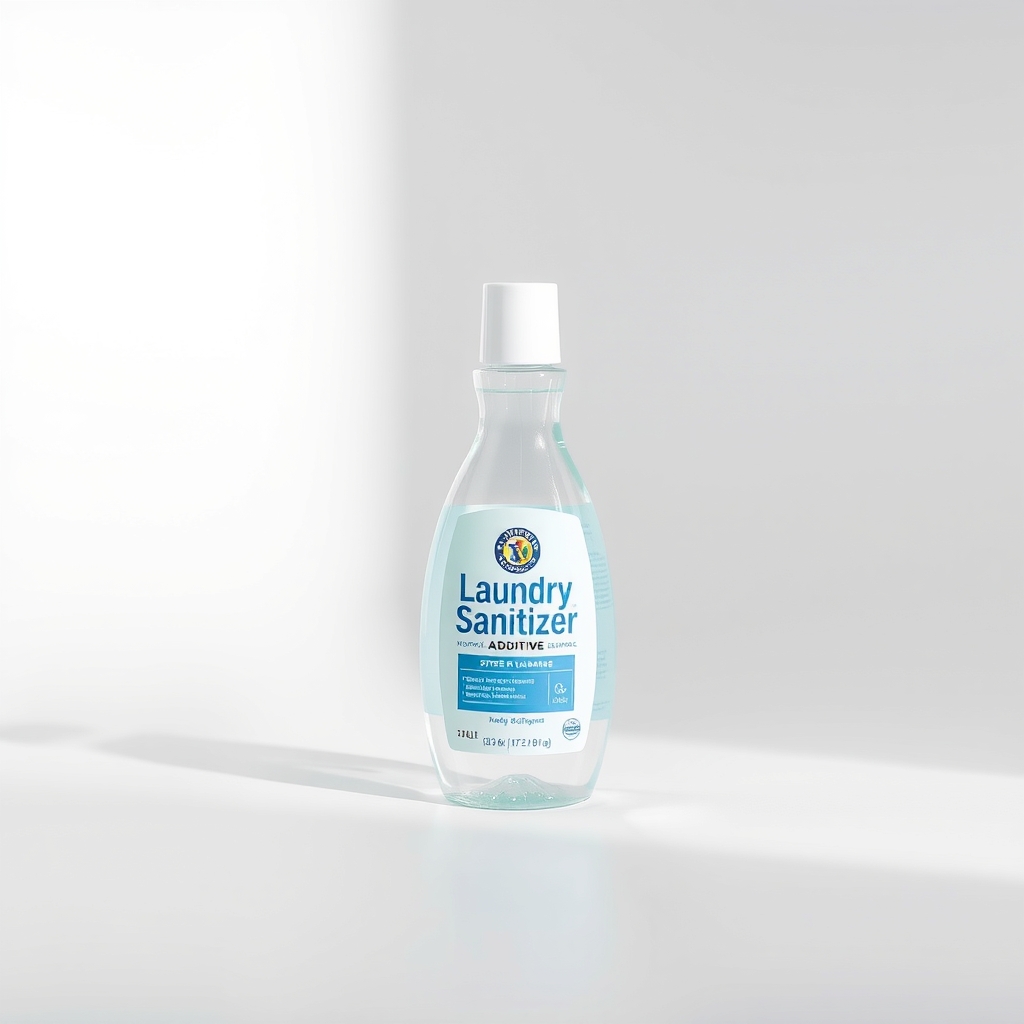
Most people wash cold or warm, and those temperatures do not kill odor bacteria. A sanitizer additive goes in with the detergent and is made to cut the bacteria behind the smell, so you do not depend on hot water for every load.
What to get: Laundry sanitizer additive
How long it lasts: It keeps working every load, as long as you use it and dry clothes promptly.
As an Amazon Associate I earn from qualifying purchases.
What you'll need
-
White vinegar
For the empty-drum cleaning cycle
You have it -
Microfiber cloth or old toothbrush
For the gasket folds and the drawer
You have it - Our pick Illustration
Laundry sanitizer additive
For loads that cannot go in hot water
- Illustration
Washing machine cleaner tablets
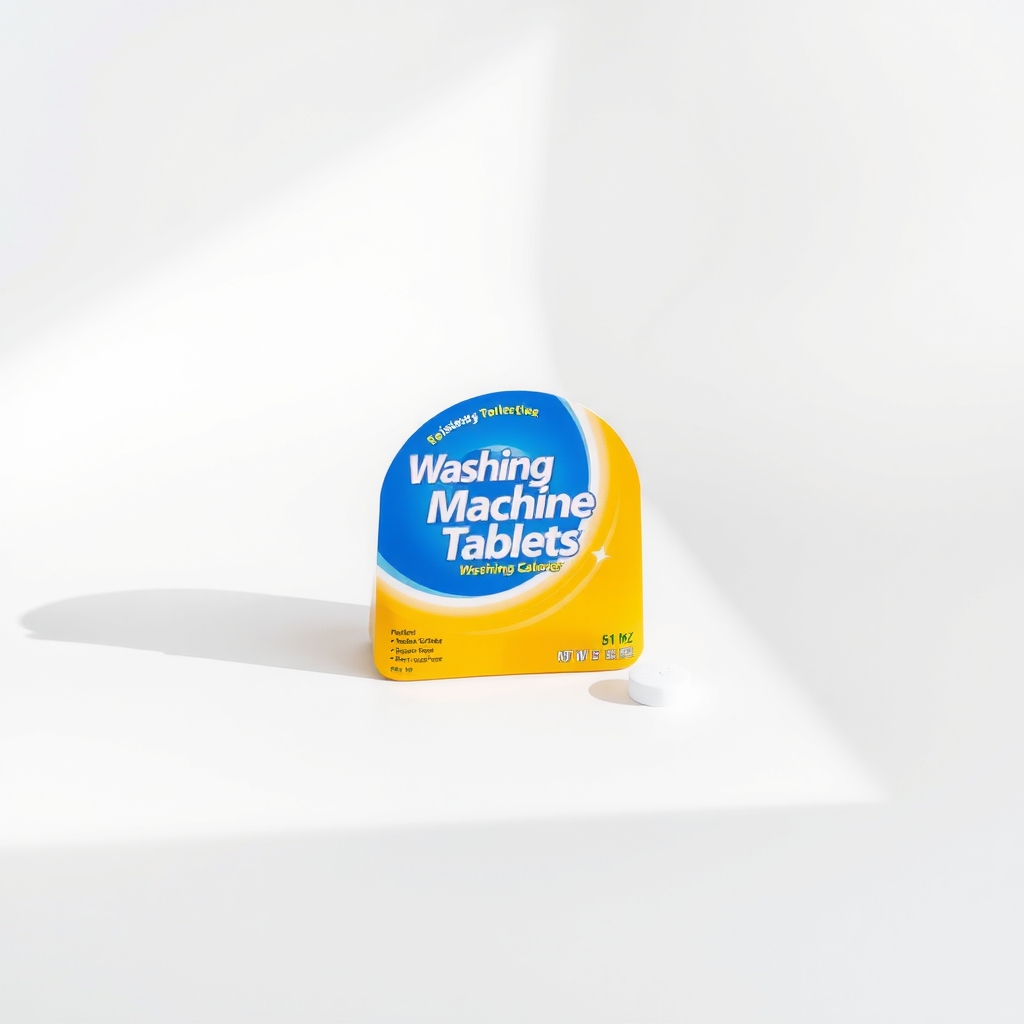
A monthly drum cleaner for the source of the smell
Why it happens
A damp washer
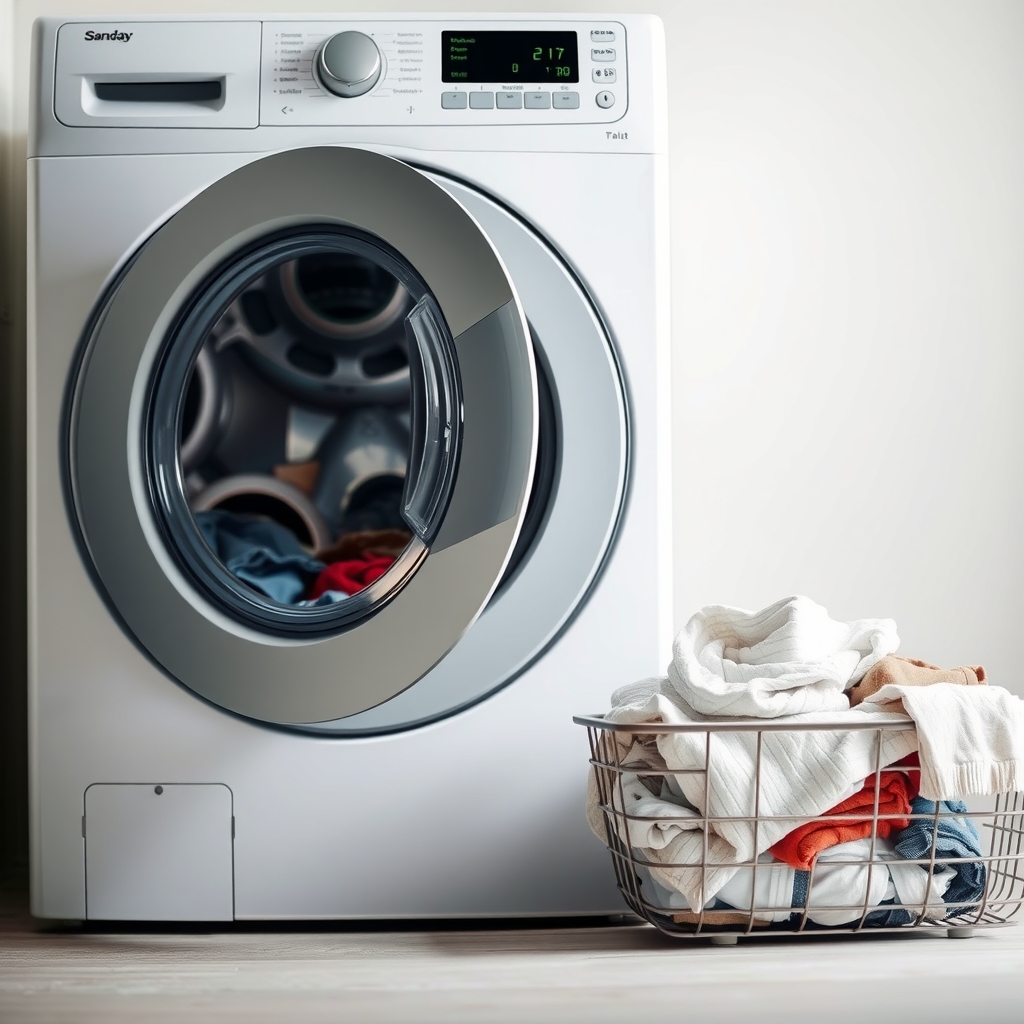
Front loaders and many high-efficiency machines hold water in the door gasket and drawer. With the door shut, that dark, damp spot grows mildew and slimy film that rubs off on every load.
Too much detergent
Extra soap does not fully rinse out, especially in high-efficiency machines that use little water. The leftover film feeds bacteria and holds body oils.
Cold washes and an overloaded drum
Cold water does not dissolve body oils well, and a packed drum cannot rinse. Both leave behind what odor bacteria live on.
Wet clothes left sitting
A load left in the washer or a damp pile in a hamper starts to sour within hours. Once the smell sets in, a normal wash does not always remove it.
Clothes that are not fully dry
Clothes put away slightly damp turn sour after a few days. A clogged dryer vent makes this worse, because the load never really dries.
Try this first (free)
Do these in order, starting with the simplest.
-
Rewash the load hot with less soap
Use the hottest setting the care tags allow and about half the usual detergent. Skip softener. Keep the drum to about three-quarters full at most.
-
Add a sanitizer for items that cannot go hot
Tool used: Laundry sanitizer additiveFor clothes that need cold or warm water, add a laundry sanitizer additive with the detergent, following the pack directions.
IllustrationCheck price on AmazonTool for this step
Laundry sanitizer additive · For loads that cannot go in hot water
-
Wipe the gasket and the drawer
Tool used: Microfiber cloth or old toothbrushPull back the rubber door seal and wipe every fold with a cloth and a little dish soap. Remove the detergent drawer, rinse it and scrub black spots with an old toothbrush.
-
Run an empty hot cycle with vinegar
Tool used: White vinegarPour 2 cups of white vinegar into the drum and run the hottest cycle, or your machine's clean cycle. Never mix vinegar with bleach. For a monthly clean, a washer cleaner tablet does the same job.
-
Leave the door and drawer open
After the last load of the day, prop the door open and slide the drawer out slightly so everything dries. A shut door traps moisture.
-
Dry everything fully
Dry until no damp spots remain, and never fold warm, slightly damp laundry. If a load takes more than one cycle, check the dryer vent, since a clogged one is the usual cause.
When free fixes aren't enough
If the smell returns within a week of the reset, the source is the washer or the way you wash. A drum that never dries needs a monthly clean and an open door. If you wash mostly in cold water, an additive does a job that hot water cannot. If the whole laundry room smells musty, there may be a leak or damp wall behind the machine. A sewage smell from the drain, or water pooling under the washer, is a plumbing job, so call a plumber.
Buy the fix
Still stuck after the free fixes? These are the products we would look at.
| Pick | Product | Fixes | Who it's for | Buy |
|---|---|---|---|---|
| Best pick | Laundry sanitizer additive | bacteria that survive cold and warm washes | People who wash mostly in cold water, families with sports clothes and anyone whose loads smell after every wash. | Check price |
| Upgrade pick | Washing machine cleaner tablets | the musty washer that passes odor to every load | Front-load and high-efficiency washer owners whose drum or gasket looks slimy. | Check price |
Laundry sanitizer additive
Fixes: bacteria that survive cold and warm washes
Look for: A label that says it kills odor-causing bacteria; Safe for colors and usable in cold water; Dosing for high-efficiency machines; A fragrance-free option.
- Who it's for
- People who wash mostly in cold water, families with sports clothes and anyone whose loads smell after every wash.
- Honest downside
- Your washer manual forbids added products, or the pack says not to use it on a fabric in the load.
Washing machine cleaner tablets
Fixes: the musty washer that passes odor to every load
Look for: Safe for front-load and top-load machines; A tablet you drop in the drum with no mixing; Monthly use directions on the pack.
- Who it's for
- Front-load and high-efficiency washer owners whose drum or gasket looks slimy.
- Honest downside
- Your machine has its own clean cycle and the manual says to use only that. A vinegar cycle is also free.
As an Amazon Associate I earn from qualifying purchases. We don't show prices because they change, so use the button to see today's price.
How we picked: How we picked: this page is based on washer care guides from appliance makers, product instructions for laundry sanitizers and washer cleaners, and the problems and fixes people report in reviews. We do not test products by hand.
Bed sheets, jeans and other thick items
Thick or large items stay damp longest. Wash bed sheets hot, in a half-full drum, with less detergent, and dry them completely before they go on a shelf. Jeans keep moisture in the waistband and seams, so use a warm wash, a long dry and hang them by the waistband to finish. A sheet that smells sour or musty after washing usually has the same cause as the rest of the load.
What to skip
Scent boosters, extra softener and bleach-with-vinegar
Scent beads and heavy softener cover a musty smell for a day and add residue that bacteria feed on. Never combine bleach and vinegar in a wash or a cleaning cycle, since the mix releases toxic gas.
Frequently asked questions
Why does my laundry smell sour after drying?
Why do my clothes smell like mildew after washing?
How do I fix clothes left in the washer?
Why is my laundry coming out smelly every time?
Related problems
 Free fix inside
Laundry · Washer Odor
Washing Machine Smells Like Mildew? The Cleaning Cycle That Works
Read the fix Free fix inside
Laundry · Towels
Towels Smell Musty After Washing? The 2-Wash Reset That Works
Read the fix Free fix inside
Laundry · Activewear
Workout Clothes Still Smell After Washing? Why Sweat Funk Sticks
Read the fix Free fix inside
Laundry · Laundry Room
Laundry Room Smells Musty? Fix the Damp First, Then the Smell
Read the fixAs an Amazon Associate I earn from qualifying purchases. Affiliate disclosure