Laundry Room Too Humid? Dehumidifier vs Vent Fan: What Works
Washers and dryers pump a lot of moisture into a small room. Fix the dryer vent first, then pick a dehumidifier or a vent fan to keep the room dry.
By Jamilur Rahman Updated November 5, 2026 · 7 min read
- Time
- 45 min
- Cost
- $50-$150
- Difficulty
- Medium
In this guide
Quick answer
Why is my laundry room so humid? Washers, dryers and hot water put a lot of moisture into a small space, and a leaking dryer vent or a closed door traps it. Check the dryer vent, open the door and a window, and run a hygrometer. If the humidity stays high, a small dehumidifier is the easy fix, and an exhaust fan is the lasting one if the room has an outside wall.
Free fix vs. permanent fix
Fix the dryer vent and let air move
- Check that the dryer vent goes outside and the joints are sealed
- Clean the lint trap and the vent hose
- Open the door and a window during and after each load
- Do not air-dry wet clothes in the room
How long it lasts: As long as the vent stays tight and you keep air moving. In a damp basement laundry room it may not be enough.
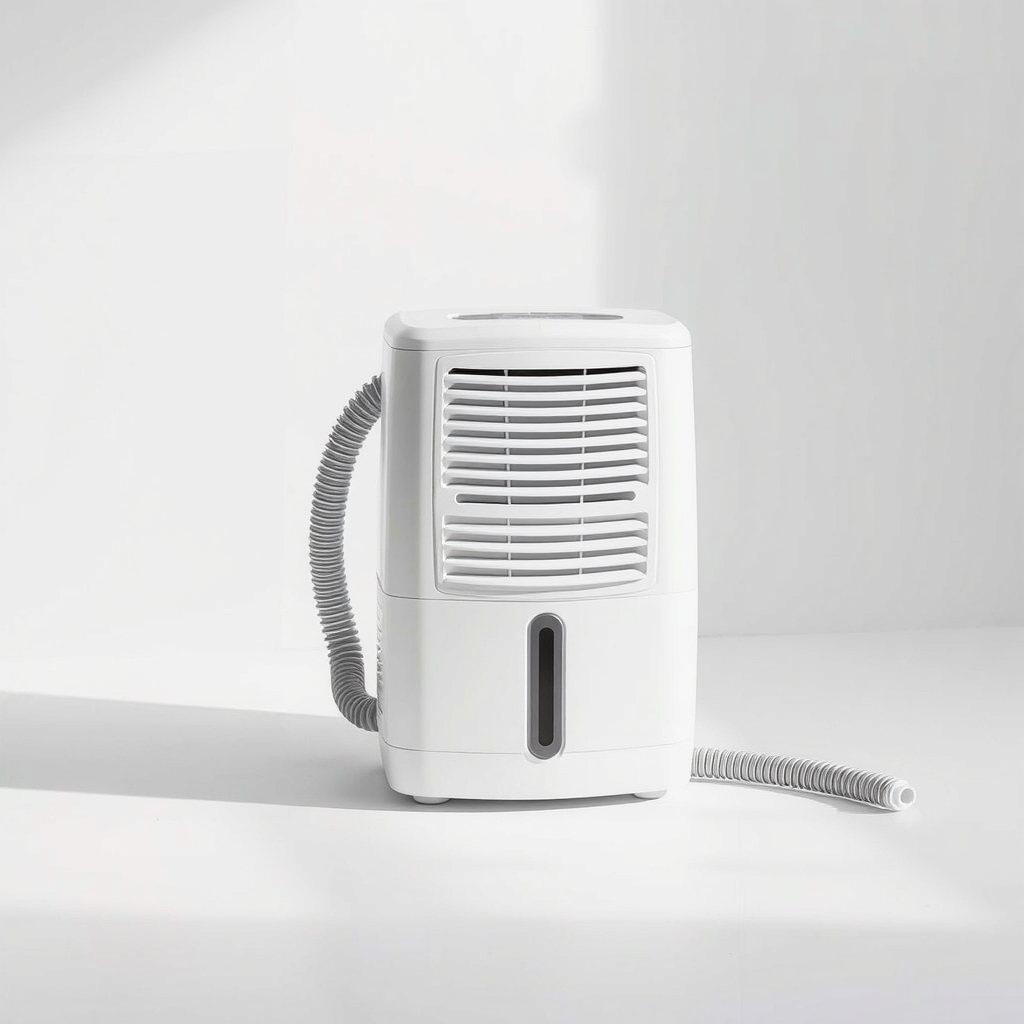
A small dehumidifier with a drain hose
A dehumidifier works in any room, with no install, and it pulls out the moisture a washer and dryer add. With a drain hose it empties itself into a floor drain or sink, so there is no bucket to carry. If your room has an outside wall, an exhaust fan is the other lasting answer.
What to get: Small compressor dehumidifier with a drain hose
How long it lasts: Years. It runs on its own and keeps humidity in the safe range all year.
As an Amazon Associate I earn from qualifying purchases.
What you'll need
-
Screwdriver
For loosening and re-seating the vent clamp
You have it - Illustration
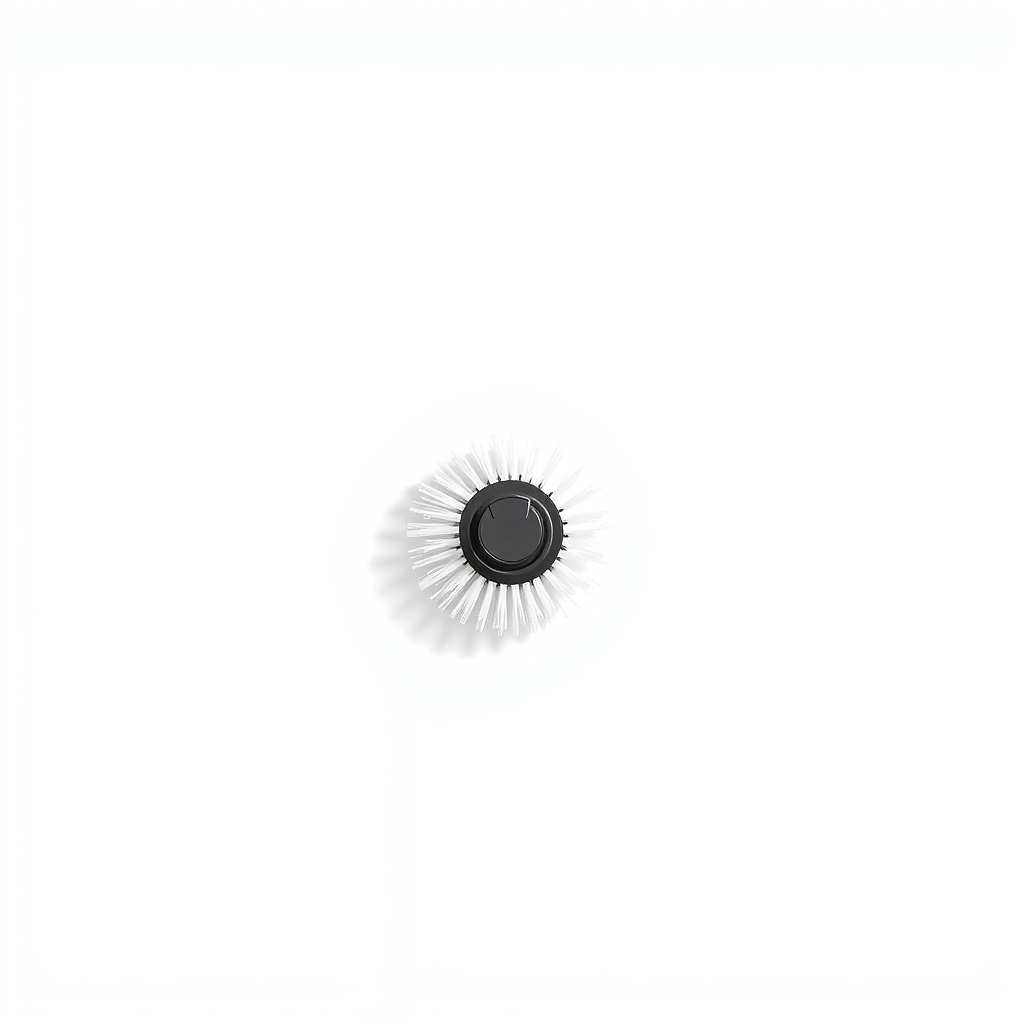
Dryer vent brush kit
Clears lint from the vent hose that traps hot, damp air
- Illustration
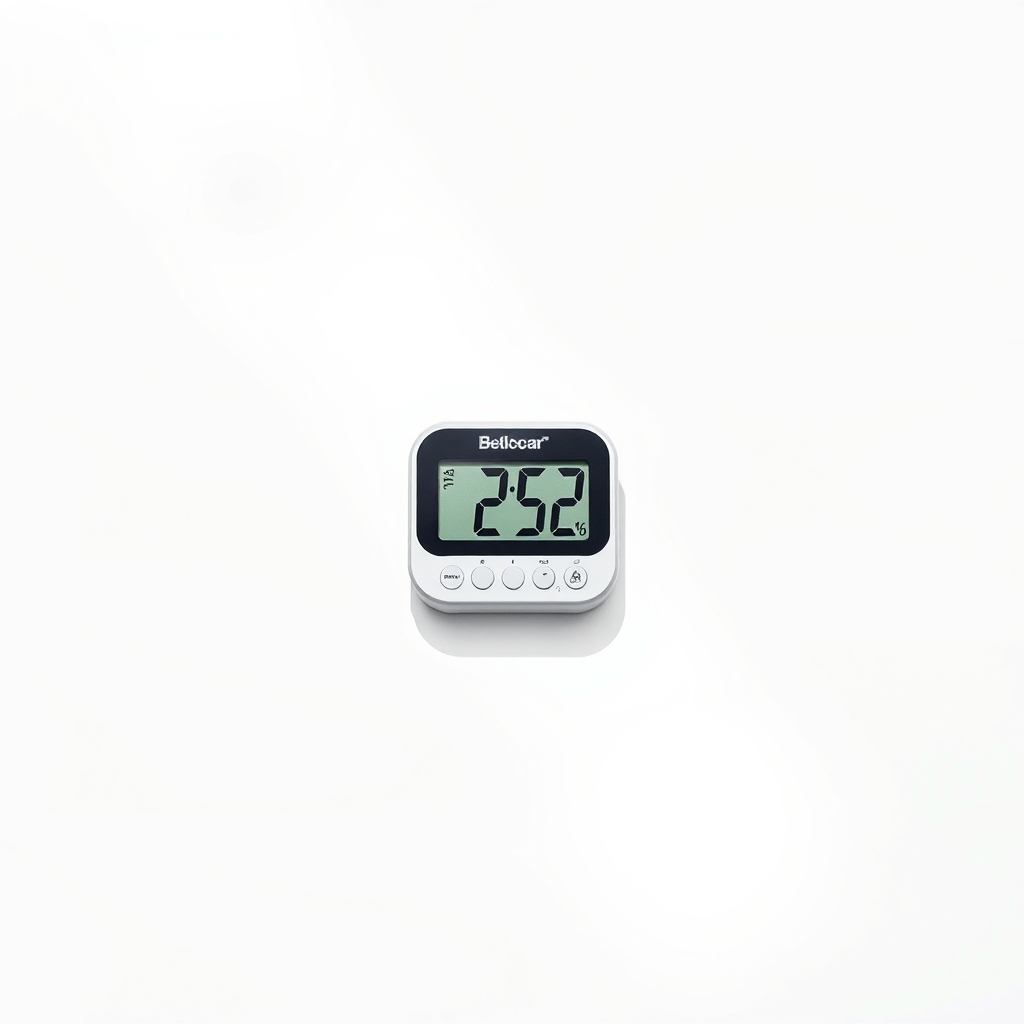
Digital hygrometer
Shows the real humidity. Aim for 30 to 50 percent
- Our pick Illustration
Small dehumidifier with a drain hose
Works in any room, including a basement laundry
- Illustration
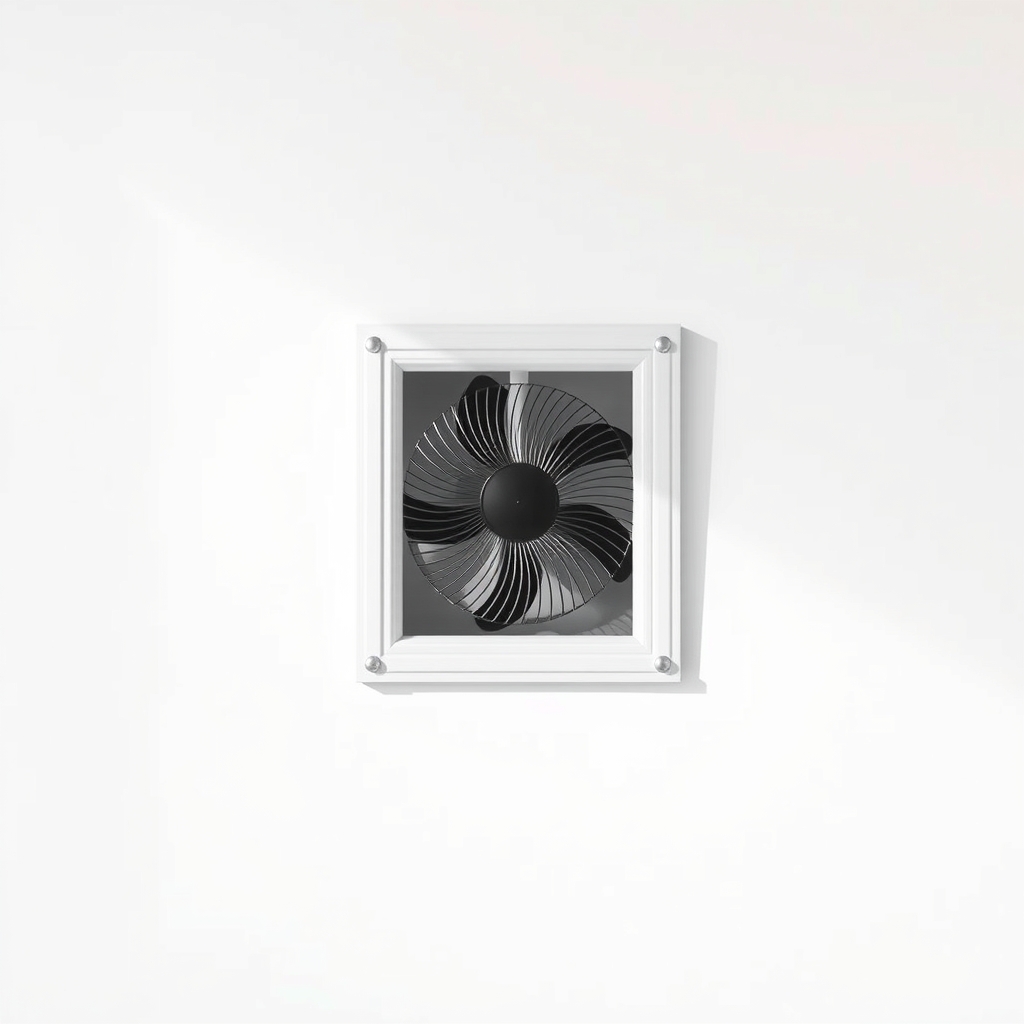
Window exhaust fan
Pushes damp air out if the room has a window
- Illustration
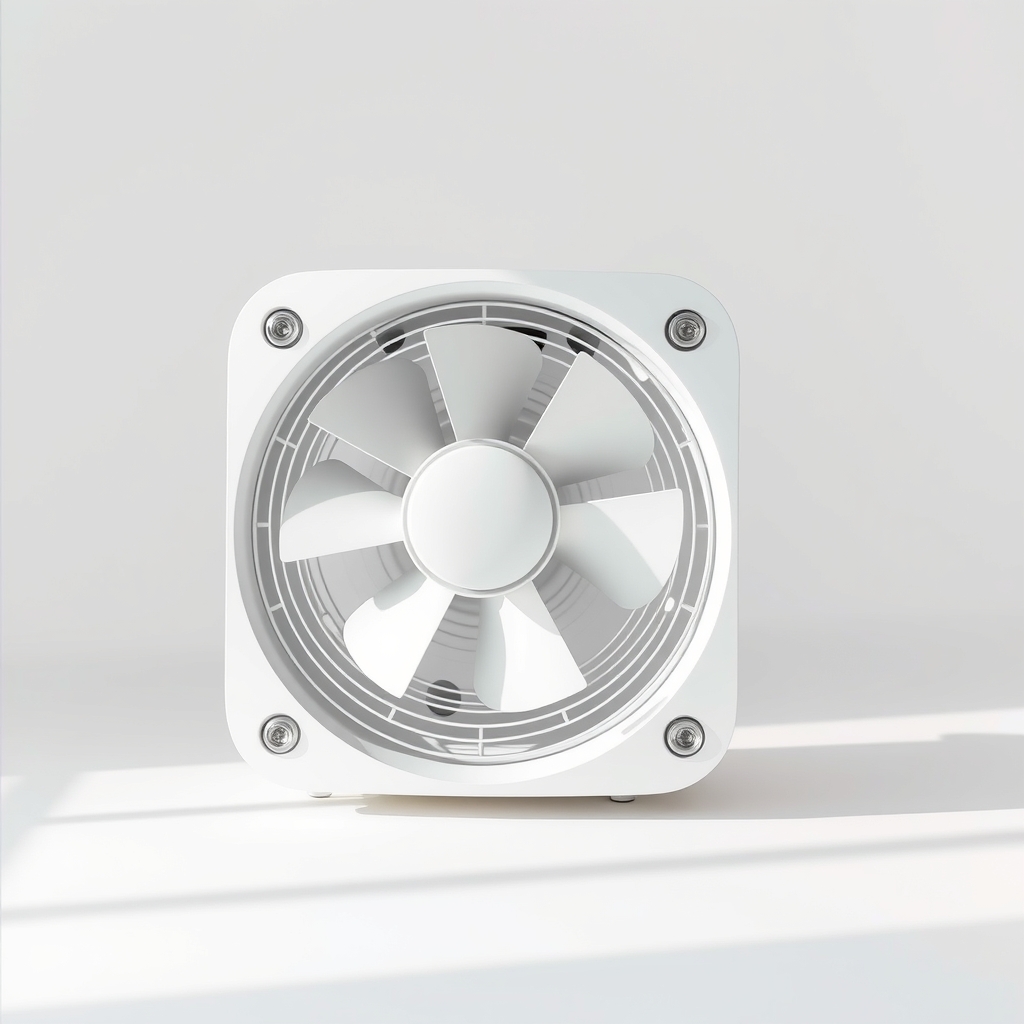
Humidity-sensing exhaust fan
A hardwired fan that turns on by itself. An electrician may need to fit it
Why it happens
A dryer vent that leaks or is not vented outside
A loose joint, a crushed hose or a vent that ends in the room or attic dumps a whole load's worth of moisture back into the space. This is the most common cause.
A closed room with no airflow
Laundry rooms are often small, with a door that stays shut and no window or fan. Steam from the washer and dryer has nowhere to go.
Hot water and damp clothes
Hot wash water, wet loads left in the drum and clothes hung to dry inside all add moisture. A front-loader door seal can stay wet for hours.
A below-ground or already damp space
In a basement, the air is already humid. Add laundry and it climbs fast, especially in summer.
Heat from the dryer and water heater
These warm the room, which is why a laundry room feels steamy and hot. Warm air also holds more moisture, so it feels worse.
Try this first (free)
Do these in order, starting with the simplest.
-
Follow the dryer vent from the back of the machine to the outside
Tool used: ScrewdriverIt should end at an outside wall, not in the attic, crawl space or room. Look for gaps, a crushed hose or a clamp that has slipped. Re-seat the clamp and seal joints with metal foil tape, not cloth duct tape.
-
Clean the lint trap and the vent
Tool used: Dryer vent brush kitClean the lint screen after every load. Use a brush kit to clear the vent hose and the duct once or twice a year. A clogged vent holds in hot, wet air.
IllustrationCheck price on AmazonTool for this step
Dryer vent brush kit · Clears lint from the vent hose that traps hot, damp air
-
Measure the humidity
Tool used: Digital hygrometerPut a hygrometer in the room and watch it over a few days. Humidity above 60 percent for days means mold and mildew risk. Aim for 30 to 50 percent.
IllustrationCheck price on AmazonTool for this step
Digital hygrometer · Shows the real humidity. Aim for 30 to 50 percent
-
Open the door and a window during and after each load
Leave the door open so the damp air spreads out, and crack a window if there is one. Run the washer on cold and finish the load promptly so wet clothes do not sit in the drum.
-
Run a dehumidifier if the reading stays high
Tool used: Small dehumidifier with a drain hoseClose the door, set it to 45 to 50 percent, and run the hose to a floor drain or sink so it empties itself. Wipe the washer door seal dry after each load.
IllustrationCheck price on AmazonTool for this step
Small dehumidifier with a drain hose · Works in any room, including a basement laundry
When free fixes aren't enough
If the hygrometer still shows over 60 percent after the vent is fixed and the door is open, the room needs help. A dehumidifier is the quickest answer, and a window or hardwired exhaust fan is better if you can vent outdoors. A gas dryer that vents into the room can release carbon monoxide, so never leave one unvented, and make sure you have a working CO alarm. If you smell burning, see scorched lint or the dryer takes more than one cycle to dry, stop and clear the vent before running it again.
Buy the fix
Still stuck after the free fixes? These are the products we would look at.
| Pick | Product | Fixes | Who it's for | Buy |
|---|---|---|---|---|
| Best pick | Small compressor dehumidifier with a drain hose | moisture that stays in the room after laundry, with no install | Anyone with a basement, an interior or closet laundry room, or a rented home where they cannot vent outside. | Check price |
| Budget pick | Window exhaust fan | damp air during and just after laundry, if you have a window | People with a laundry-room window who want a low-cost way to vent steam outside. | Check price |
| Upgrade pick | Humidity-sensing exhaust fan | moisture removal by itself, without remembering to turn anything on | Owners with an outside wall who want a lasting fix. | Check price |
Small compressor dehumidifier with a drain hose
Fixes: moisture that stays in the room after laundry, with no install
Look for: A capacity and room-size rating that matches the space, so check the listing; A drain hose connection so it empties itself; An adjustable humidity setting and auto shutoff; A cold-weather defrost feature if the room is a cool basement.
- Who it's for
- Anyone with a basement, an interior or closet laundry room, or a rented home where they cannot vent outside.
- Honest downside
- The room is already dry and the problem is a leak or a loose dryer vent. Fix that first.
Window exhaust fan
Fixes: damp air during and just after laundry, if you have a window
Look for: A size that fits your window frame, with sealed side panels; Reversible or exhaust-only airflow; A speed setting you can leave on during a load.
- Who it's for
- People with a laundry-room window who want a low-cost way to vent steam outside.
- Honest downside
- The room has no window, or the window leaks when open in rain.
Humidity-sensing exhaust fan
Fixes: moisture removal by itself, without remembering to turn anything on
Look for: A fan rating (CFM) suited to the room, per the maker's sizing chart; A humidity sensor that switches it on automatically; A low sound rating, since you will hear it.
- Who it's for
- Owners with an outside wall who want a lasting fix.
- Honest downside
- You rent or cannot cut a vent hole. Use a dehumidifier.
As an Amazon Associate I earn from qualifying purchases. We don't show prices because they change, so use the button to see today's price.
How we picked: How we picked: this page is based on public guidance on indoor humidity and mold, dryer venting safety advice, dehumidifier and fan manuals, and what owners report in reviews. We do not test products by hand.
Dehumidifier or vent fan? A quick way to choose
- Basement, windowless or rented: choose the dehumidifier. No install, works anywhere.
- Outside wall or a window: choose a fan. It removes damp air instead of just collecting it.
- Both problems: a fan during laundry and a dehumidifier running slowly between loads.
A dehumidifier adds some heat to the room, which can feel warm in summer. A fan pulls in outdoor air, so it works best when the outside air is drier than the room.
Laundry room not ventilated? How to tell
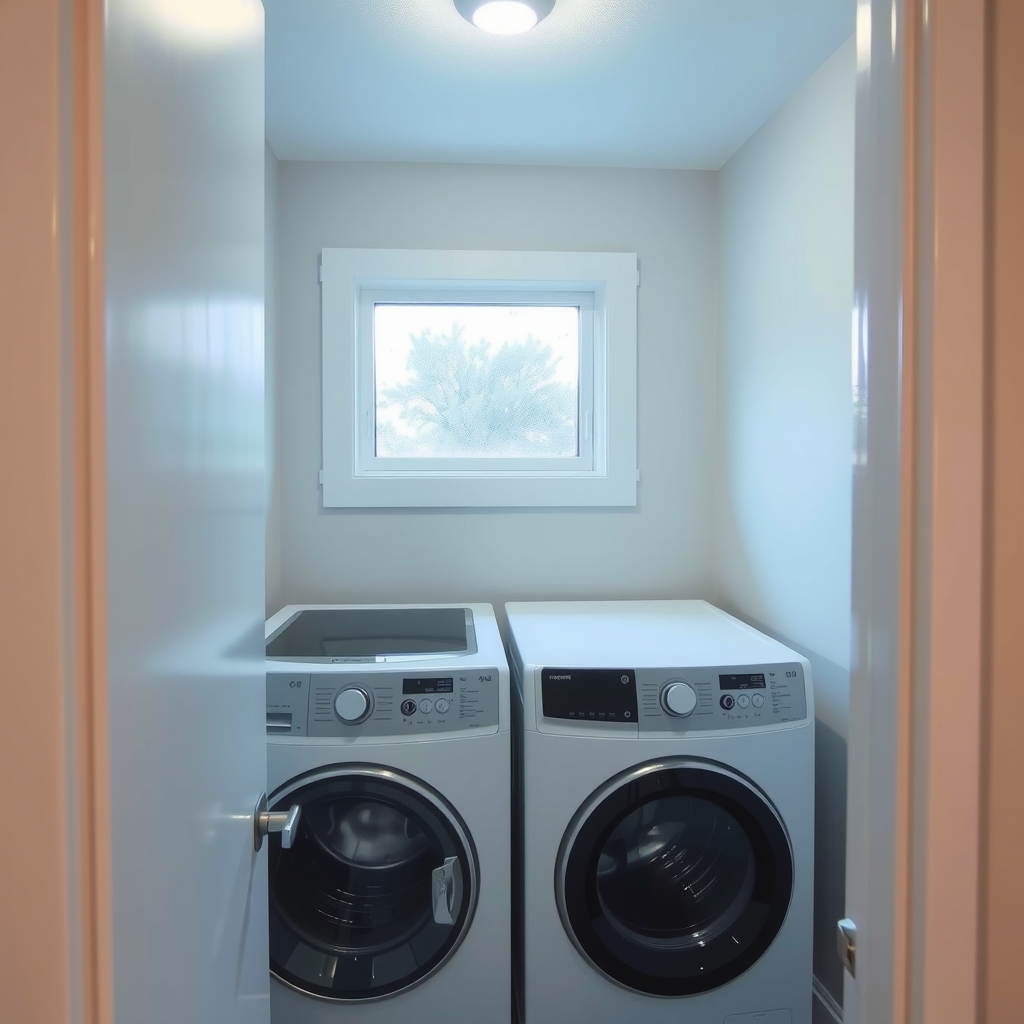
Check for condensation on the window or walls, a musty smell, peeling paint or mildew on the ceiling or around the washer. Any of those means moisture is lingering. A hygrometer that stays above 60 percent after you finish a load is another sign.
What to skip
Moisture absorber tubs and bags of desiccant
These collect a small amount of water in a small space, like a closet, and are far too weak for a laundry room. They do not stop the steam source, so the humidity stays high.
Frequently asked questions
Why is my laundry room so steamy?
Why is my laundry room so hot?
My laundry room is too humid. How do I keep it dry?
What if my laundry room is not ventilated?
Related problems
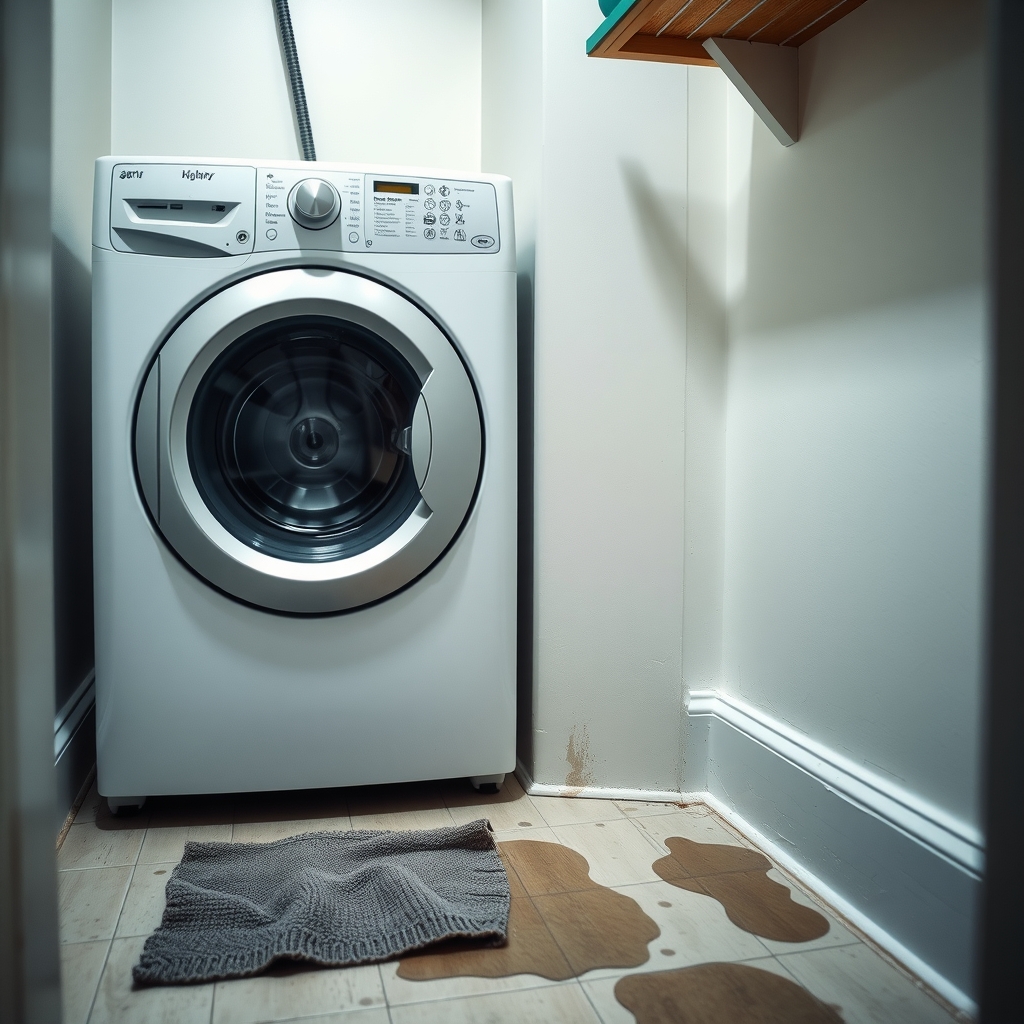 Free fix inside
Laundry · Laundry Room
Laundry Room Smells Musty? Fix the Damp First, Then the Smell
Read the fix Free fix inside
Laundry · Dryer Vent
Dryer Too Close to the Wall Vent? The Slim Vent Box That Fixes It
Read the fix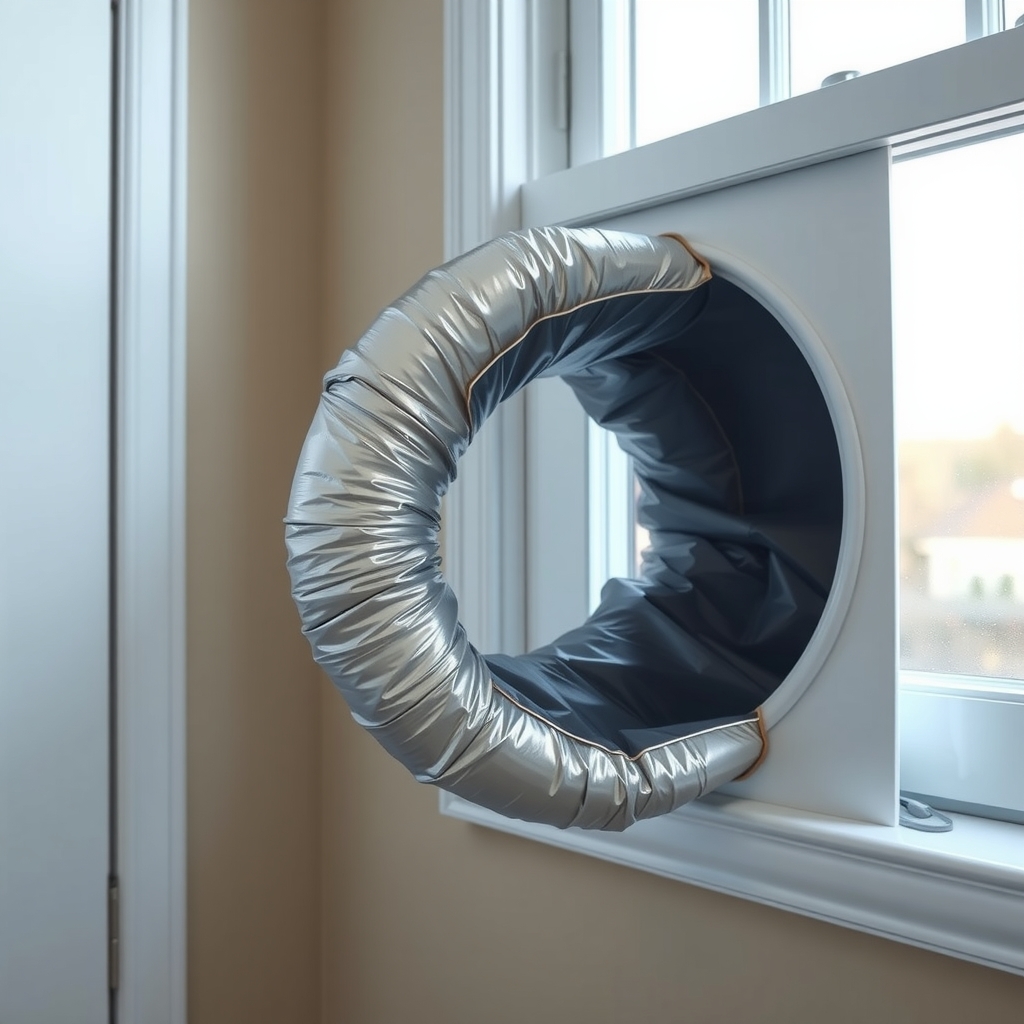 Free fix inside
Laundry · Dryer Vent
Why Does My Dryer Have Water in It? Vent Condensation Fixes
Read the fix Free fix inside
Air & Temperature · House Humidity
House Feeling Humid? Find the Cause Before You Buy a Dehumidifier
Read the fixAs an Amazon Associate I earn from qualifying purchases. Affiliate disclosure