Why Does My Dryer Have Water in It? Vent Condensation Fixes
Warm, wet air cools in a long or cold vent run, turns to water and drips back. Fix the duct and the water stops.
By Jamilur Rahman Updated November 5, 2026 · 6 min read
- Time
- 1 hour
- Cost
- $20-$50
- Difficulty
- Medium
In this guide
Quick answer
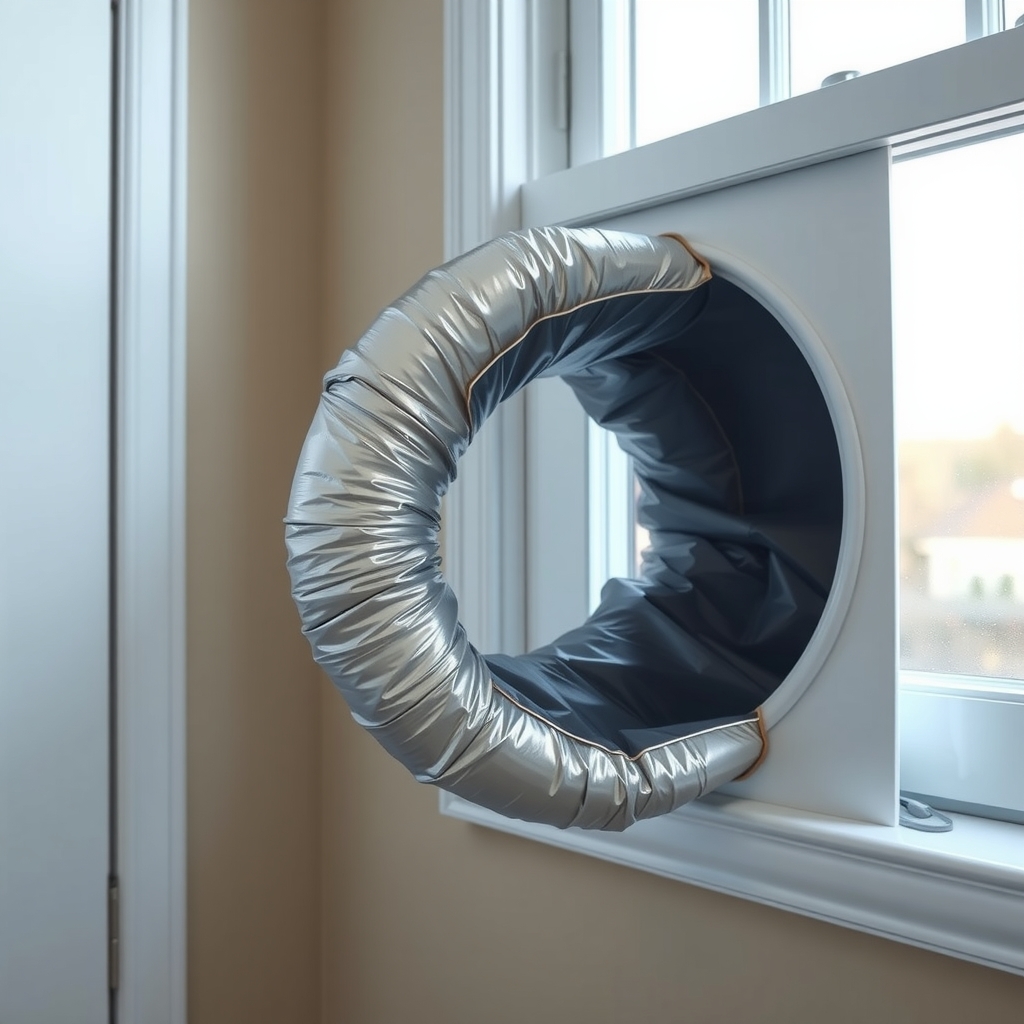
Why does my dryer have water in it? In a vented dryer, warm moist air cools in a long, cold or clogged vent and turns back into water that drips into the dryer or onto the floor. Clear the lint, shorten and straighten the duct, and slope it slightly down toward the outside. An insulated metal duct stops the condensation in runs that pass through cold space.
Free fix vs. permanent fix
Clean, straighten and shorten the vent
- Unplug the dryer and pull it out gently
- Clear lint from the duct, the trap and the outside hood
- Remove kinks, sags and extra bends
- Slope the duct slightly down toward the outside
How long it lasts: Often enough in mild weather. In a cold attic, garage or outside wall, the duct will still sweat.
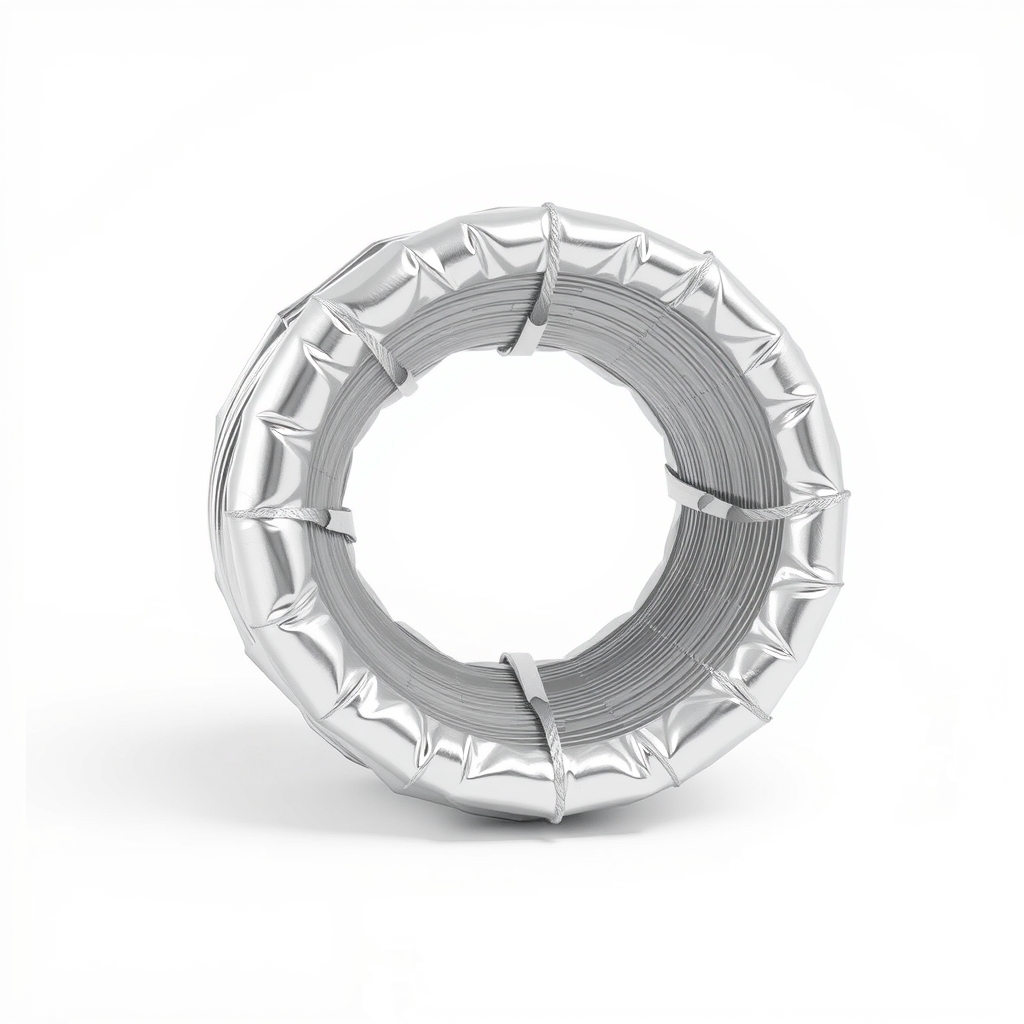
An insulated metal dryer duct
Condensation forms when warm, wet air meets a cold surface. Insulating the duct keeps the wall warm, so the moisture leaves as vapor instead of dripping back toward the dryer.
What to get: Insulated metal dryer vent duct, 4 inch
How long it lasts: Years. Insulation keeps the duct wall warm, so moist air cannot condense on it.
As an Amazon Associate I earn from qualifying purchases.
What you'll need
-
Nut driver or screwdriver
For the duct clamps
You have it - Illustration

Dryer vent brush kit
Clears lint from the full run
- Illustration
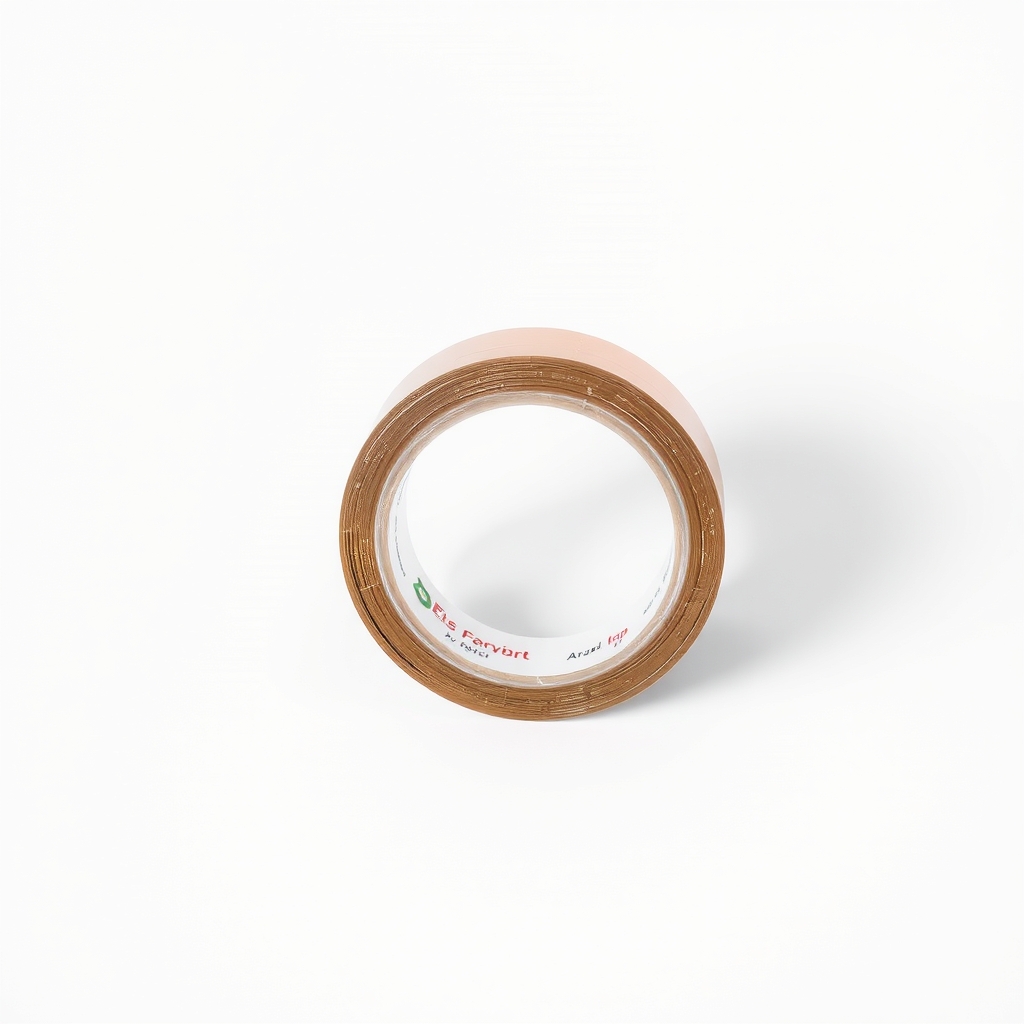
Foil tape
Seals joints; do not use cloth duct tape
- Our pick Illustration
Insulated metal dryer duct
For runs through a garage, attic or outside wall
- Illustration

Duct insulation wrap
Wraps an existing metal duct that is in good shape
Why it happens
A long or cold duct run
Ducts through an attic, garage, crawl space or outside wall get cold. Warm wet air cools on the metal and turns to drops.
Lint buildup
A clogged duct slows the airflow, so moist air lingers and cools inside it instead of leaving the house.
Kinks, sags and too many bends
Dips collect water that runs back toward the dryer. Each sharp turn also cuts airflow and holds moisture.
An outside hood that is stuck shut
A flap that will not open, or one blocked by snow, ice or a nest, traps moist air in the duct.
A ventless condenser dryer
Condenser and heat-pump dryers make water on purpose. It collects in a tank or drains through a hose. If it leaks, check the tank, the hose and the filters.
Try this first (free)
Do these in order, starting with the simplest.
-
Unplug the dryer and pull it out
Tool used: Nut driver or screwdriverUnplug it. On a gas dryer, do not kink or yank the gas line. Disconnect the duct at the back and look inside for water, rust and lint.
-
Clear the lint
Tool used: Dryer vent brush kitVacuum the lint trap housing and run a brush through the full duct. Make sure the flap on the outside hood opens freely.
IllustrationCheck price on AmazonTool for this step
Dryer vent brush kit · Clears lint from the full run
-
Shorten and straighten the run
Use the shortest, straightest path to the outside. Most manuals allow roughly 25 to 35 feet of duct, minus about 5 feet for each 90-degree elbow, so check yours. Remove sags and loops.
-
Slope the duct and seal the joints
Tool used: Foil tapeSupport the duct so it slopes slightly down toward the outside, so any water drains out. Seal joints with foil tape, never cloth duct tape. Avoid screws that poke into the duct, since they catch lint.
IllustrationCheck price on AmazonTool for this step
Foil tape · Seals joints; do not use cloth duct tape
-
Insulate the cold stretch
Tool used: Insulated metal dryer ductReplace any vinyl or thin plastic duct with insulated metal duct, or wrap the metal duct where it crosses cold space.
IllustrationCheck price on AmazonTool for this step
Insulated metal dryer duct · For runs through a garage, attic or outside wall
When free fixes aren't enough
If the water returns within a few loads, especially on cold days, the duct is losing heat through its walls. Cleaning will not change that, and insulation will. If the run is longer than your manual allows, a shorter route is needed, so ask a pro. If you smell gas, leave the house and call the gas company. A blocked vent on a gas dryer can let carbon monoxide into the home, and lint-clogged ducts are a fire risk. If the dryer smells like burning, unplug it and stop.
Buy the fix
Still stuck after the free fixes? These are the products we would look at.
| Pick | Product | Fixes | Who it's for | Buy |
|---|---|---|---|---|
| Best pick | Insulated metal dryer vent duct, 4 inch | condensation from moist exhaust cooling in a cold duct | Anyone whose duct runs through a garage, attic, crawl space or outside wall. | Check price |
| Budget pick | Duct insulation wrap for an existing metal dryer duct | condensation on a metal duct that is otherwise in good shape | Someone whose metal duct is clean and straight but crosses a cold space. | Check price |
Insulated metal dryer vent duct, 4 inch
Fixes: condensation from moist exhaust cooling in a cold duct
Look for: Metal, not vinyl or thin plastic; An insulation layer on the outside of the duct; 4-inch diameter to fit most dryer ports; Listed or described as suitable for dryer exhaust.
- Who it's for
- Anyone whose duct runs through a garage, attic, crawl space or outside wall.
- Honest downside
- Your duct is short, indoors and warm. Cleaning and re-routing should be enough.
Duct insulation wrap for an existing metal dryer duct
Fixes: condensation on a metal duct that is otherwise in good shape
Look for: Fits a 4-inch duct; A foil or reflective outer layer; Rated for the temperature of dryer exhaust.
- Who it's for
- Someone whose metal duct is clean and straight but crosses a cold space.
- Honest downside
- Your duct is vinyl, crushed or full of lint. Replace or clean it first.
As an Amazon Associate I earn from qualifying purchases. We don't show prices because they change, so use the button to see today's price.
How we picked: How we picked: this page is based on dryer vent guides, installation instructions from dryer makers, and the condensation problems owners report in reviews. We do not test products by hand.
Why is my clothes dryer leaking water? Check these four spots
- The vent duct: condensation drips from joints or runs back down the duct.
- A washer next to or above it: a leaking hose or drain can look like a dryer leak.
- A condenser or heat-pump tank: a full tank or loose drain hose overflows.
- A steam dryer's water inlet: a loose hose or valve drips onto the floor.
What to skip
Vinyl or thin plastic duct, and cloth duct tape
Vinyl and thin plastic duct sag, trap lint and can burn. Cloth duct tape dries out and lets joints leak. Use metal duct and foil tape instead.
Frequently asked questions
Why does my dryer have condensation in it?
Why is my dryer leaking water?
Is it normal to have water in a dryer?
Does a longer vent make it worse?
Related problems
 Free fix inside
Laundry · Dryer Lint
Why Is My Lint Trap Wet? The Dish-Soap Scrub That Fixes It
Read the fix Free fix inside
Laundry · Dryer Vent
Dryer Not Heating? Check the Vent Before You Buy a Part
Read the fix Free fix inside
Laundry · Dryer
Dryer Keeps Shutting Off? Overheating Is Usually the Vent
Read the fix Free fix inside
Laundry · Dryer Vent
How to Stop Dryer Lint From Blowing Outside (Without a Mess)
Read the fixAs an Amazon Associate I earn from qualifying purchases. Affiliate disclosure