Why Is My Lint Trap Wet? The Dish-Soap Scrub That Fixes It
A wet or sticky lint trap usually means a film from softener or dryer sheets is blocking the mesh. A dish-soap scrub clears it in minutes.
By Jamilur Rahman Updated November 5, 2026 · 7 min read
- Time
- 15 min
- Cost
- Under $20
- Difficulty
- Easy
In this guide
Quick answer
Why is my lint trap wet? Usually the mesh is coated with a film from fabric softener or dryer sheets, which blocks airflow and leaves the lint damp and sticky. Scrub the screen with dish soap and warm water, dry it fully, and check that the vent is clear. A lint screen cleaning brush reaches into the mesh better than a sponge and makes the monthly scrub quick.
Free fix vs. permanent fix
Scrub the screen with dish soap
- Run water over the screen. If it pools or beads instead of passing through, a film is blocking it
- Scrub both sides with warm water and dish soap
- Let it dry fully before putting it back
- Vacuum the slot where the screen sits
How long it lasts: A month or two. The film builds back if you use dryer sheets or liquid softener every load.
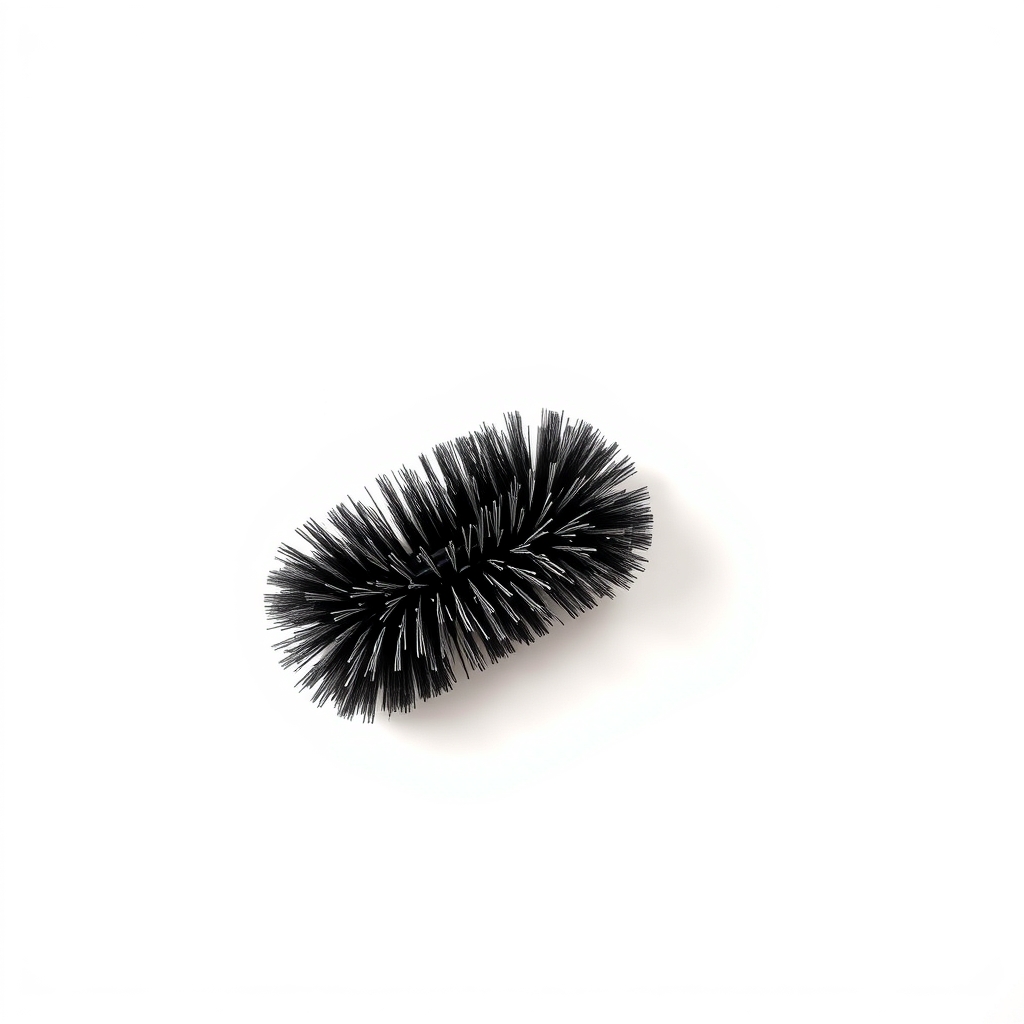
A dryer lint screen cleaning brush
Fingers and sponges miss the film pressed into the mesh. A soft nylon brush gets in, and a long thin one clears the slot. With a clean screen, air flows, lint stays dry, and the dryer works less hard.
What to get: Dryer lint screen cleaning brush
How long it lasts: Years. A brush gets into the mesh, so the monthly scrub is fast and the film never builds up.
As an Amazon Associate I earn from qualifying purchases.
What you'll need
-
Dish soap
A few drops cut the waxy film
You have it -
Vacuum with crevice tool
For the slot where the screen sits
You have it - Our pick Illustration
Dryer lint screen cleaning brush
Soft bristles that reach into the mesh and the slot
- Illustration
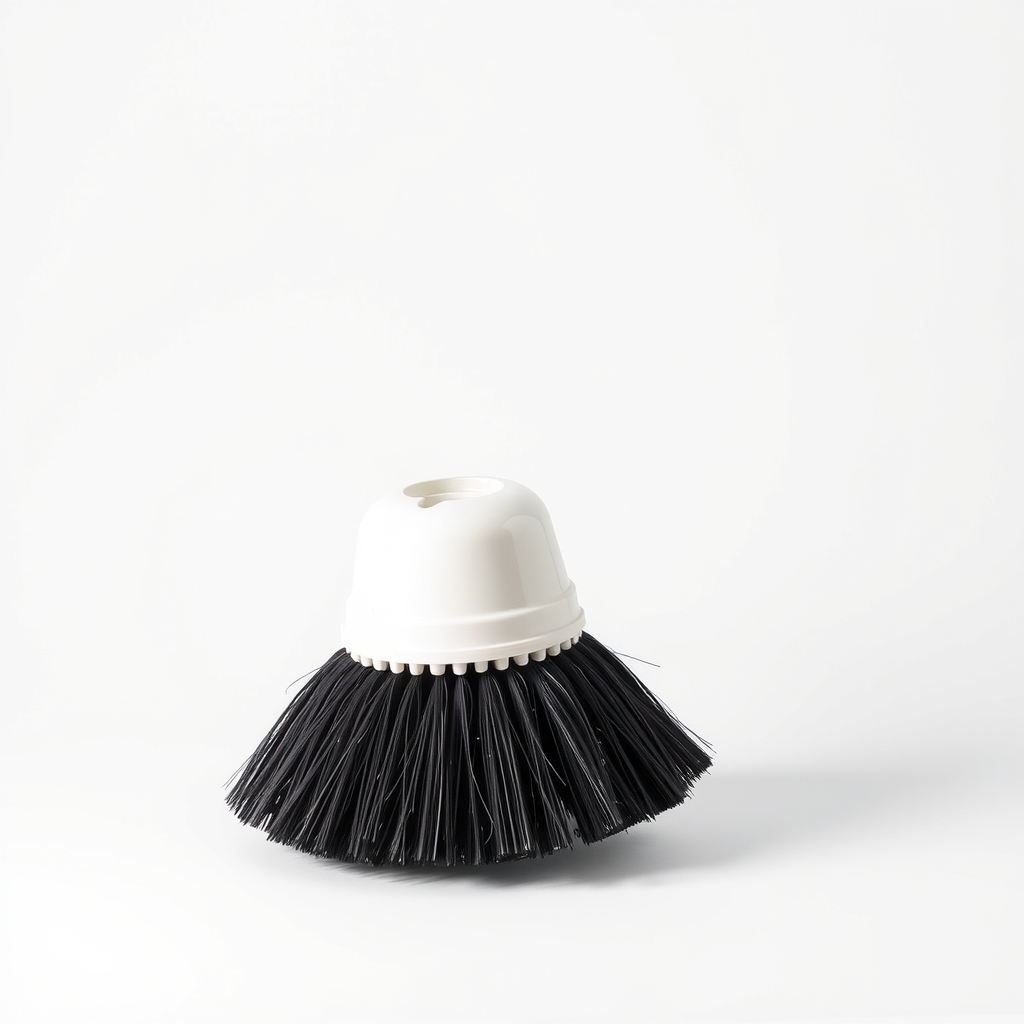
Dryer vent brush kit
Only if the vent is clogged and the clothes dry slowly
- Illustration
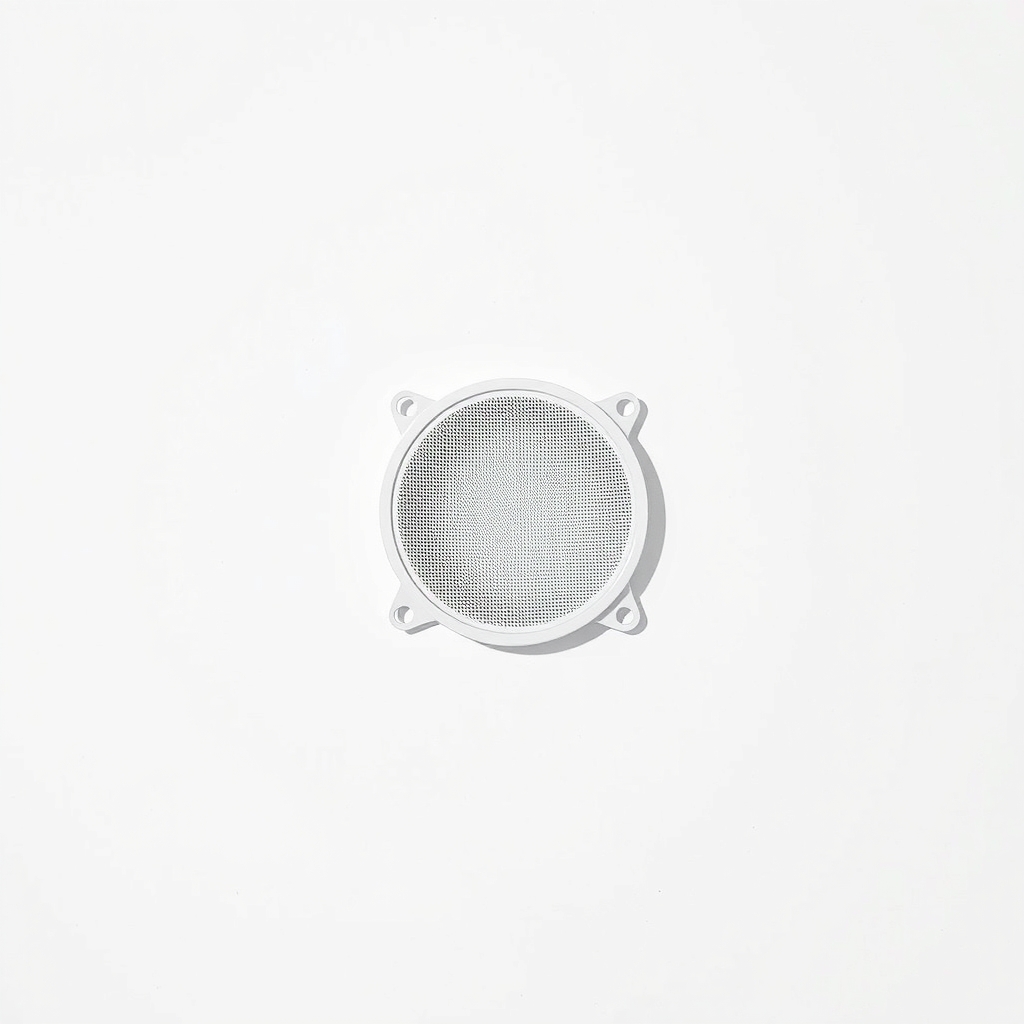
Replacement lint screen
Only if the mesh is torn. Match it to your dryer model number
Why it happens
Fabric softener and dryer sheet film
Liquid softener and dryer sheets leave a waxy coating that builds on the mesh. It blocks the tiny holes, so air and lint catch on it instead of passing through.
Very wet clothes going in
A washer that did not spin out well, from an overloaded or unbalanced drum, sends wetter clothes into the dryer, so more moisture hits the screen.
A weak or blocked vent
If the vent is clogged, kinked or very long, humid air does not leave. It lingers in the drum and settles on the screen.
A screen that was never cleared
Skipping the screen between loads lets it pack with lint. Air struggles through, and the lint stays damp.
Try this first (free)
Do these in order, starting with the simplest.
-
1. Do the water test
Pull the screen and remove the lint. Run water over the mesh. If the water beads up or pools instead of draining through, a film is blocking it.
-
2. Scrub with dish soap and warm water
Tool used: Dryer lint screen cleaning brushWet both sides, add a few drops of dish soap and scrub the mesh with a soft nylon brush until water runs straight through. Rinse well. Never use steel wool or a sharp tool, which tears the mesh.
IllustrationCheck price on AmazonTool for this step
Dryer lint screen cleaning brush · Soft bristles that reach into the mesh and the slot
-
3. Dry it completely
Stand the screen up and let it air-dry for an hour or two, or pat it dry. A damp screen traps lint right away.
-
4. Clear the screen slot
Tool used: Vacuum with crevice toolVacuum the slot with a crevice tool. Lint packed down there can slip past the screen and into the vent.
-
5. Check the vent
Tool used: Dryer vent brush kitRun a cycle and feel the air at the outside vent. It should be strong and warm. Weak air points to a clogged duct. Clean a short, straight duct with a vent brush kit, and call a pro for long runs.
IllustrationCheck price on AmazonTool for this step
Dryer vent brush kit · Only if the vent is clogged and the clothes dry slowly
-
6. Cut the buildup
Skip liquid softener and dryer sheets, or use half as much, and repeat the scrub monthly. Empty the screen after every load.
When free fixes aren't enough
If the screen is clean and dry but the lint is still damp, clothes need more than one cycle, or the laundry room feels hot and humid, the vent is the next suspect. Lint buildup in vents is a leading cause of dryer fires, so stop using the dryer and clear the duct if the outside vent barely moves air. Replace a torn or bent screen, since lint bypasses it. If you smell burning, unplug the dryer and call a technician.
Buy the fix
Still stuck after the free fixes? These are the products we would look at.
| Pick | Product | Fixes | Who it's for | Buy |
|---|---|---|---|---|
| Best pick | Dryer lint screen cleaning brush | a sticky film in the lint screen and lint packed in the slot | Anyone who uses dryer sheets or liquid softener and wants a quick monthly clean. | Check price |
| Upgrade pick | Dryer vent cleaning brush kit | a clogged vent that traps moist air in the drum | Anyone whose clothes need more than one cycle to dry, or whose vent has not been cleaned in a year. | Check price |
Dryer lint screen cleaning brush
Fixes: a sticky film in the lint screen and lint packed in the slot
Look for: Soft nylon bristles that will not tear the mesh; A handle that lets you scrub the whole screen; A long or flexible end for the slot, or a slot brush included.
- Who it's for
- Anyone who uses dryer sheets or liquid softener and wants a quick monthly clean.
- Honest downside
- Your screen is torn or bent. Replace the screen first, since a brush cannot fix holes.
Dryer vent cleaning brush kit
Fixes: a clogged vent that traps moist air in the drum
Look for: Flexible rods that connect to reach the full run; A brush head sized for a 4-inch duct; Works by hand or on a drill.
- Who it's for
- Anyone whose clothes need more than one cycle to dry, or whose vent has not been cleaned in a year.
- Honest downside
- Your vent run is very long, goes through the roof or is hard to reach. Have a pro with the right tools do it.
As an Amazon Associate I earn from qualifying purchases. We don't show prices because they change, so use the button to see today's price.
How we picked: How we picked: this page is based on dryer owner manuals, fire safety guidance on lint and vents, and the problems and fixes people report about wet and clogged lint screens. We do not test products by hand.
Lint trap keeps clogging? Why is my lint trap always full?
A lint trap is meant to fill with lint on every load. That is its job. If it clogs partway through a cycle or looks packed after a small load, new towels, fleece blankets or a film on the mesh are the usual reasons. Clean the screen, and expect new towels to shed for their first few washes.
Why does my lint trap not work? How to fix the lint trap in your dryer
If lint is not collecting in the dryer, or not going into the lint trap, or the trap is not catching lint, it is getting past the screen. To fix a lint filter on a dryer, check these in order:
- Torn or bent mesh: replace the screen. Lint passes through any hole.
- Screen not seated: push it all the way down so no gap is left.
- Packed slot: vacuum it out with a crevice tool.
- Film on the mesh: scrub it with dish soap, since a coated screen pushes lint around the sides.
If lint still ends up on the wall behind the dryer or in the vent, a gap or damaged seal around the lint trap housing is the likely cause.
What to skip
More softener and a metal brush
More dryer sheets or liquid softener adds to the film and will not dry the screen. A metal brush or steel wool tears the mesh. Never run the dryer with the screen out or put a wet screen back.
Frequently asked questions
Why is my lint filter wet?
Why is my lint trap sticky or damp?
Why is my lint trap in my dryer wet after every load?
How often should I scrub the lint screen?
Related problems
 Free fix inside
Laundry · Dryer Vent
Dryer Not Heating? Check the Vent Before You Buy a Part
Read the fix Free fix inside
Laundry · Dryer
Dryer Keeps Shutting Off? Overheating Is Usually the Vent
Read the fix Free fix inside
Laundry · Dryer Vent
How to Stop Dryer Lint From Blowing Outside (Without a Mess)
Read the fix Free fix inside
Laundry · Dryer Vent
Why Does My Dryer Have Water in It? Vent Condensation Fixes
Read the fixAs an Amazon Associate I earn from qualifying purchases. Affiliate disclosure