How to Stop Dryer Lint From Blowing Outside (Without a Mess)
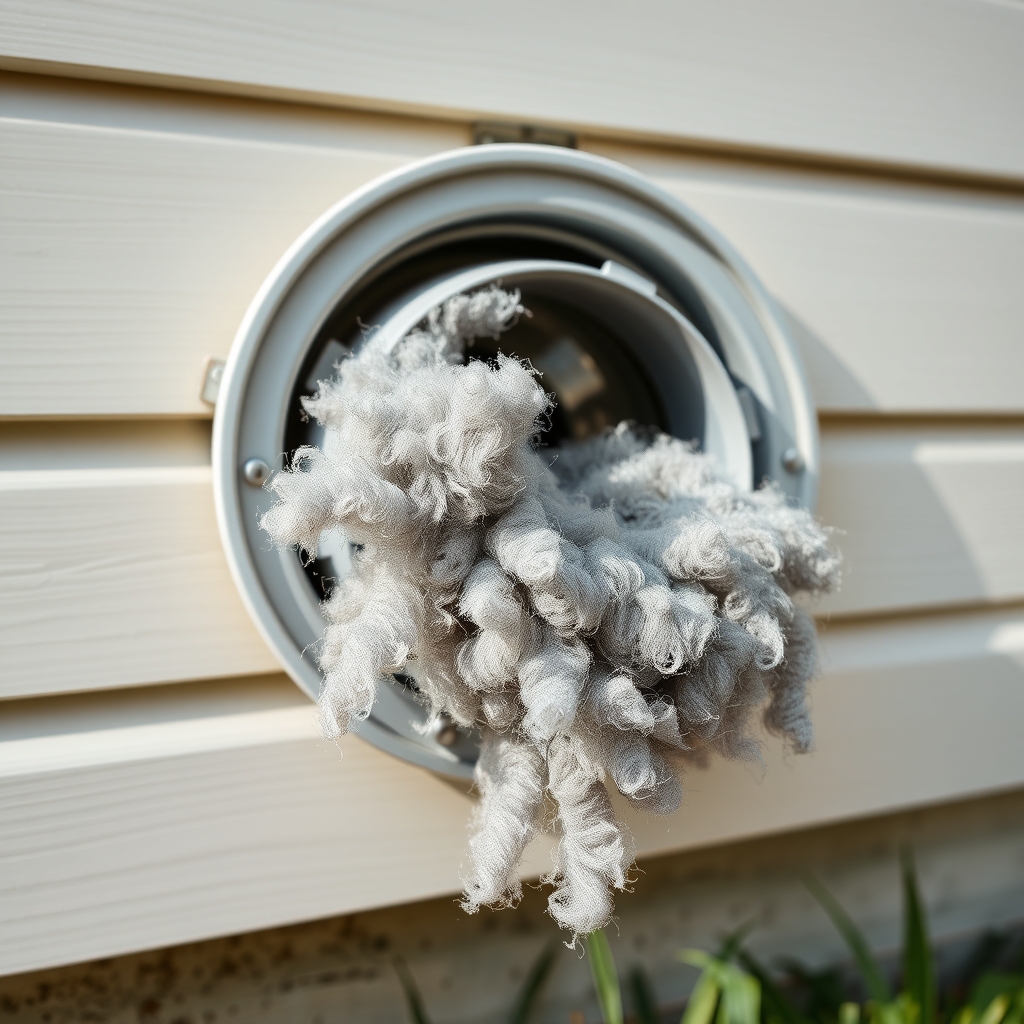
Lint puffing out of the outdoor vent coats your siding and yard. Fix the cause first, then add a catcher built to be emptied.
By Jamilur Rahman Updated November 5, 2026 · 7 min read
- Time
- 30 min
- Cost
- Under $20
- Difficulty
- Easy
In this guide
Quick answer
To stop dryer lint from blowing outside, first make sure the lint screen is whole and cleaned every load, and clear old lint from the duct, since a lot of what blows out is a backlog. Then fit an outdoor lint catcher with a pouch you can empty. A little lint is normal. Heavy puffs that coat the siding mean something needs fixing.
Free fix vs. permanent fix
Fix the screen and clear the backlog
- Check the lint screen for tears and gaps, and clean it every load
- Wash a film-coated screen with dish soap
- Pull the lint out of the outdoor flap by hand
- Wash towels and fleece on their own, since they shed the most
How long it lasts: Heavy blowing usually drops right away. A small amount of lint still gets through with every load, so the yard and siding still collect some.
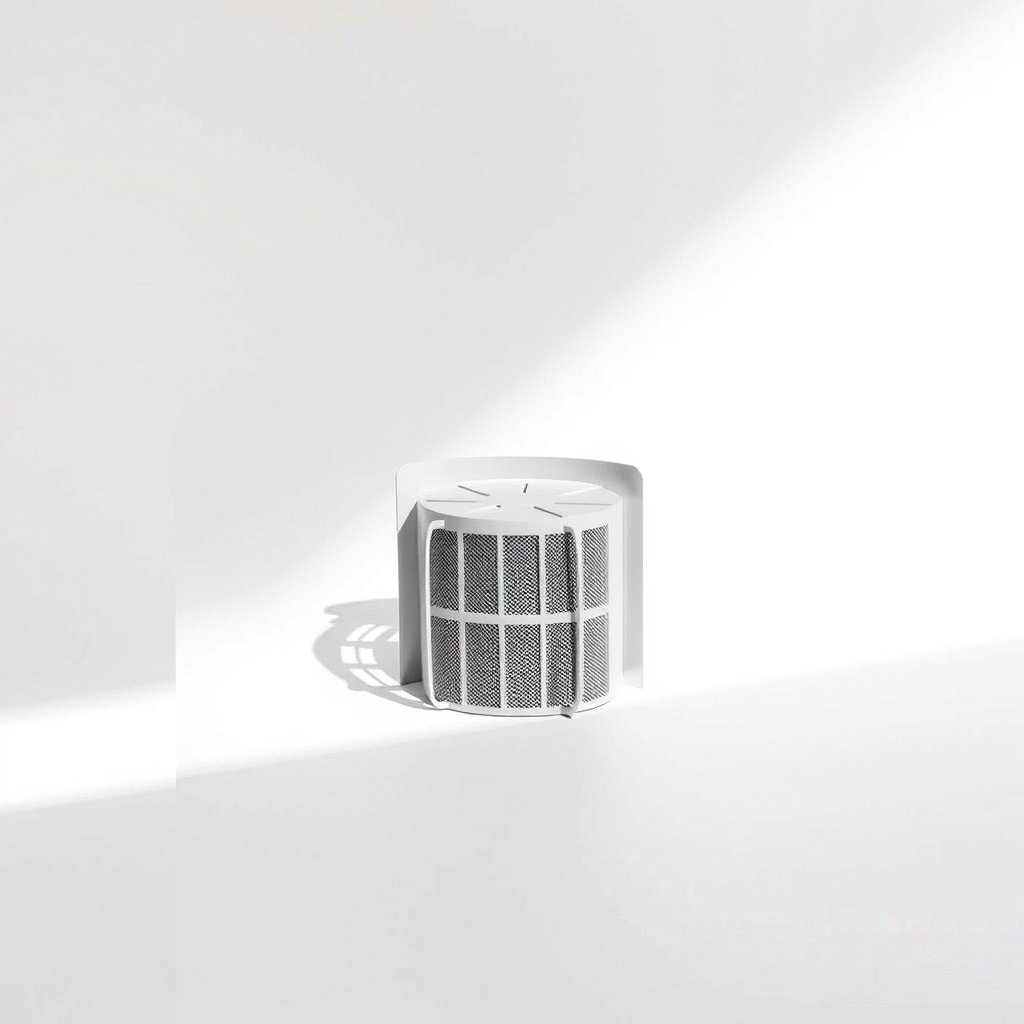
An outdoor dryer lint catcher
Even a clean dryer lets a little lint past the screen with every load. A catcher gives that lint somewhere to go besides your lawn, siding and shrubs. You empty it instead of sweeping up.
What to get: Outdoor dryer vent lint catcher
How long it lasts: Years, as long as you empty it every few loads and check it often.
As an Amazon Associate I earn from qualifying purchases.
What you'll need
-
Old toothbrush and dish soap
To scrub the film off the lint screen
You have it -
Work gloves
For pulling lint out of the outdoor flap
You have it - Illustration
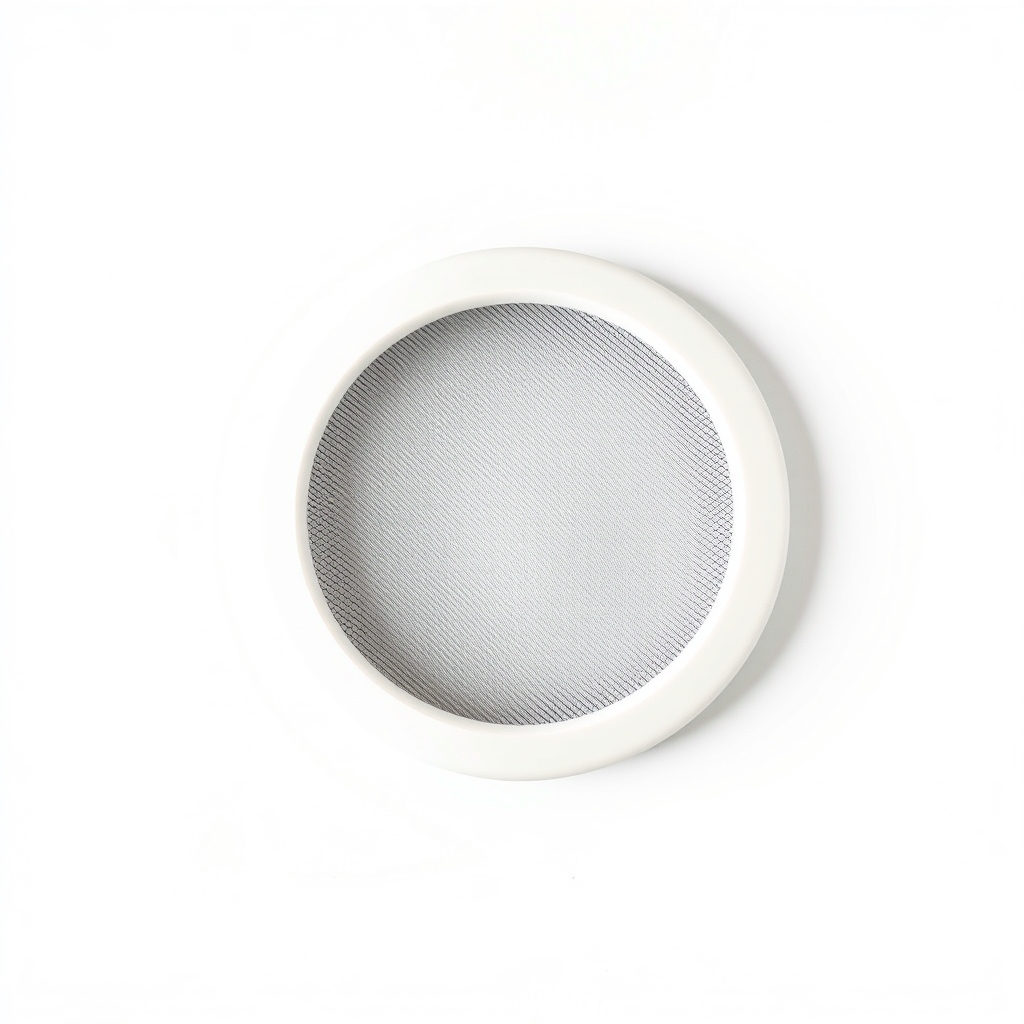
Replacement lint screen
Only if yours is torn; get one made for your dryer model
- Illustration
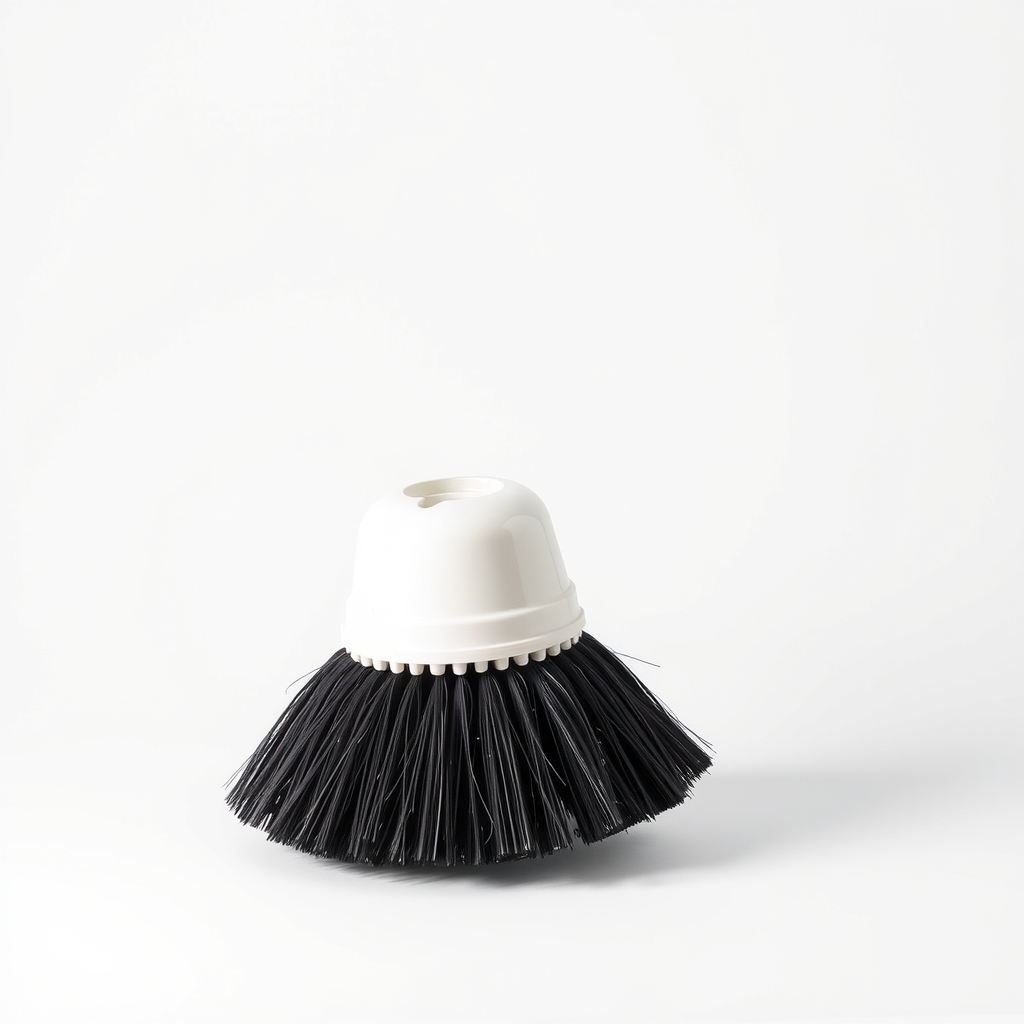
Dryer vent cleaning brush
Clears the backlog in the duct
- Our pick Illustration
Outdoor dryer lint catcher
Catches the lint that still escapes; see the safety section below
Why it happens
A torn or loose lint screen
A tear, a bent frame or a screen not pushed all the way in leaves a gap. Lint goes straight past it and into the duct.
A screen clogged with film
Dryer sheets and detergent leave a film that blocks the mesh. Air then pushes lint around the edges of the screen instead of through it.
Old lint in the duct
Years of lint sit on the walls of the duct. Strong airflow breaks off clumps and blows them outside, which is why the first loads after a dry spell can puff out a lot.
Shedding fabrics and overloaded drums
New towels, fleece and blankets shed heavily. A crowded drum gives lint nowhere to go but out.
Try this first (free)
Do these in order, starting with the simplest.
-
Check the lint screen
Hold it up to the light. Look for tears, holes and a bent frame. Push it all the way in when you put it back.
-
Clean the screen every load and wash it monthly
Tool used: Old toothbrush and dish soapPull the lint off after each load. Once a month, scrub it with warm water, dish soap and an old toothbrush. If water beads on the mesh instead of soaking in, it has a film.
-
Clear the outdoor end of the vent
Tool used: Work glovesUnplug the dryer. Wear gloves and pull the lint out of the outdoor flap by hand. For the duct itself, push a vent brush in from the outside as far as it goes, then pull it out.
-
Wash heavy shedders on their own
Run new towels, fleece and blankets as separate loads. Stop halfway through a big load and clear the screen.
-
Fit a catcher and check it often
Tool used: Outdoor dryer lint catcherFit it by the instructions on the pack. Check and empty it every few loads for the first month, so you learn how fast it fills.
IllustrationCheck price on AmazonTool for this step
Outdoor dryer lint catcher · Catches the lint that still escapes; see the safety section below
When free fixes aren't enough
If you still sweep up lint every week after a clean screen and duct, that is the normal trickle that gets through, and a catcher is the tidy way to deal with it. But if the dryer takes more than one cycle to dry, the outdoor flap barely opens, or the wall near the vent feels very hot, the duct is clogged or crushed. Clean it, or call a vent-cleaning pro, before you add anything to the end. If lint is also blowing out around duct joints or into the room, the duct is leaking. Seal the joints with foil tape, not cloth duct tape, or replace the duct.
Buy the fix
Still stuck after the free fixes? These are the products we would look at.
| Pick | Product | Fixes | Who it's for | Buy |
|---|---|---|---|---|
| Best pick | Outdoor dryer vent lint catcher | lint landing on your siding, yard and plants | Homes where the vent exits near a patio, garden or fence and lint is a weekly chore. | Check price |
| Budget pick | Replacement lint screen for your dryer model | lint passing straight through a torn or bent screen | Anyone whose screen has a tear or a bent frame. | Check price |
| Upgrade pick | Dryer vent cleaning brush kit | years of old lint sitting in the duct | Anyone who has never cleaned the duct, or does not know when it was last done. | Check price |
Outdoor dryer vent lint catcher
Fixes: lint landing on your siding, yard and plants
Look for: Fits your vent size; measure the round opening, as most are 4 inches; A pouch, cage or bucket that opens so you can empty it; Does not block the flap from opening; Weather-resistant materials.
- Who it's for
- Homes where the vent exits near a patio, garden or fence and lint is a weekly chore.
- Honest downside
- Your vent run is long, has many bends or already dries slowly. Clean the duct first, because a catcher adds some resistance. Also skip it if your dryer manual or local rules say not to.
Replacement lint screen for your dryer model
Fixes: lint passing straight through a torn or bent screen
Look for: Made for your dryer's model number; A tight frame with no gaps at the edges; Mesh with no tears.
- Who it's for
- Anyone whose screen has a tear or a bent frame.
- Honest downside
- Your screen is intact and just dirty. Wash it instead.
Dryer vent cleaning brush kit
Fixes: years of old lint sitting in the duct
Look for: A flexible shaft that follows the duct's bends; Enough rods to cover your full run; Soft bristles that will not tear a foil duct.
- Who it's for
- Anyone who has never cleaned the duct, or does not know when it was last done.
- Honest downside
- The duct runs through a wall or roof you cannot reach safely. Hire a pro.
As an Amazon Associate I earn from qualifying purchases. We don't show prices because they change, so use the button to see today's price.
How we picked: How we picked: this page is based on dryer manuals, fire-safety guidance on lint and venting, and what owners report in reviews of outdoor lint catchers and vent brushes. We do not test products by hand.
Before you fit any catcher: three checks
- Read your dryer manual and local building rules. Some say not to put anything over the vent outlet.
- Choose a catcher meant to be emptied. A fine screen stretched over the opening clogs fast. A pouch or cage with a wide opening does not.
- Check it every few loads. A clogged catcher is worse than no catcher. If drying slows down, empty it right away.
What to skip
Stockings, mesh bags or screens taped over the vent
A nylon stocking or screen taped over the outlet clogs within a few loads. It traps wet lint and heat in the duct and can start a fire. If you add something to the end of the vent, use a product made for dryer vents that you can open and empty.
Frequently asked questions
Is it normal for lint to come out of the dryer vent?
How often should I clean the dryer vent?
Can lint blowing outside cause a fire?
Will a lint catcher make my dryer take longer to dry?
Related problems
 Free fix inside
Laundry · Dryer Lint
Why Is My Lint Trap Wet? The Dish-Soap Scrub That Fixes It
Read the fix Free fix inside
Laundry · Dryer Vent
Dryer Not Heating? Check the Vent Before You Buy a Part
Read the fix Free fix inside
Laundry · Dryer
Dryer Keeps Shutting Off? Overheating Is Usually the Vent
Read the fix Free fix inside
Laundry · Dryer Vent
Why Does My Dryer Have Water in It? Vent Condensation Fixes
Read the fixAs an Amazon Associate I earn from qualifying purchases. Affiliate disclosure