Dryer Not Heating? Check the Vent Before You Buy a Part
A blocked vent trips the dryer's safety switches long before a part fails. Check the breaker and lint, then clear the vent with a drill-brush kit.
By Jamilur Rahman Updated November 5, 2026 · 8 min read
- Time
- 45 min
- Cost
- $20-$50
- Difficulty
- Medium
In this guide
Quick answer
A dryer not heating is most often a clogged vent, not a broken part. Restricted airflow makes the dryer overheat, and its safety thermostat or fuse cuts the heat while the drum keeps turning. Clean the lint screen, check the breaker, then clear the vent duct with a drill-brush kit. If the vent is clear and there is still no heat, a heating element, thermal fuse or igniter is next.
Free fix vs. permanent fix
Lint screen, breaker and vent hose
- Clean the lint screen and the slot it sits in
- Reset the dryer's breaker, both halves if it has two
- Pull the dryer out and straighten any kinked hose
- Run it and feel for strong, warm air at the outside flap
How long it lasts: Days or weeks. Any lint left deep in the duct keeps building, and the heat cuts out again.
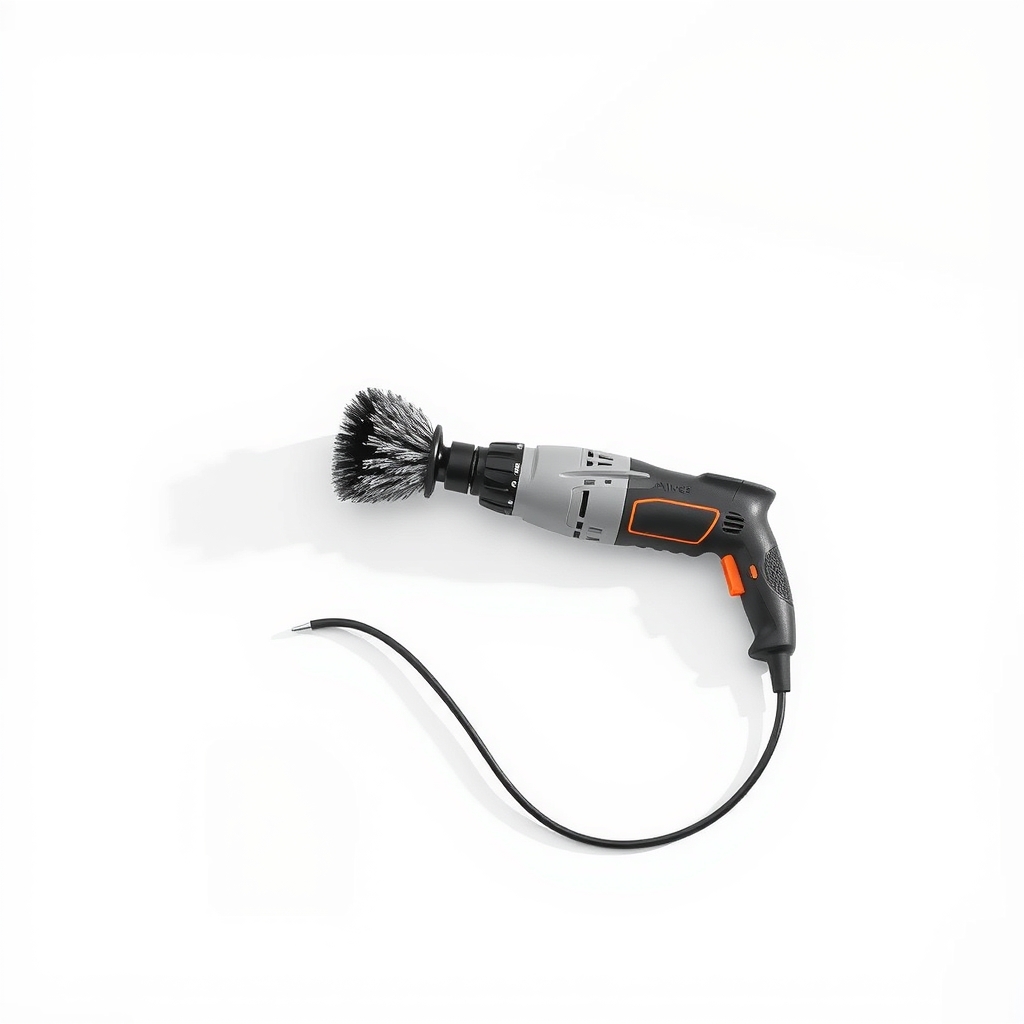
A dryer vent cleaning kit with a drill brush
Lint packs into the duct beyond the reach of your hand or a vacuum hose. A flexible brush on rods spins through the whole run and pulls out the packed lint. With airflow restored, the dryer stops overheating and the heat comes back without a service call.
What to get: Dryer vent cleaning kit with drill brush
How long it lasts: A year or more. Clear the duct once a year and the safety thermostat stops tripping.
As an Amazon Associate I earn from qualifying purchases.
What you'll need
-
Vacuum with hose attachment
For the lint slot and the loosened lint
You have it -
Cordless drill
Spins the brush through the duct
You have it - Our pick Illustration
Dryer vent cleaning kit with drill brush
Flexible rods and a round brush that fit a 4-inch duct
- Illustration

Lint trap cleaning brush
A long, thin brush for the lint-screen slot
- Illustration
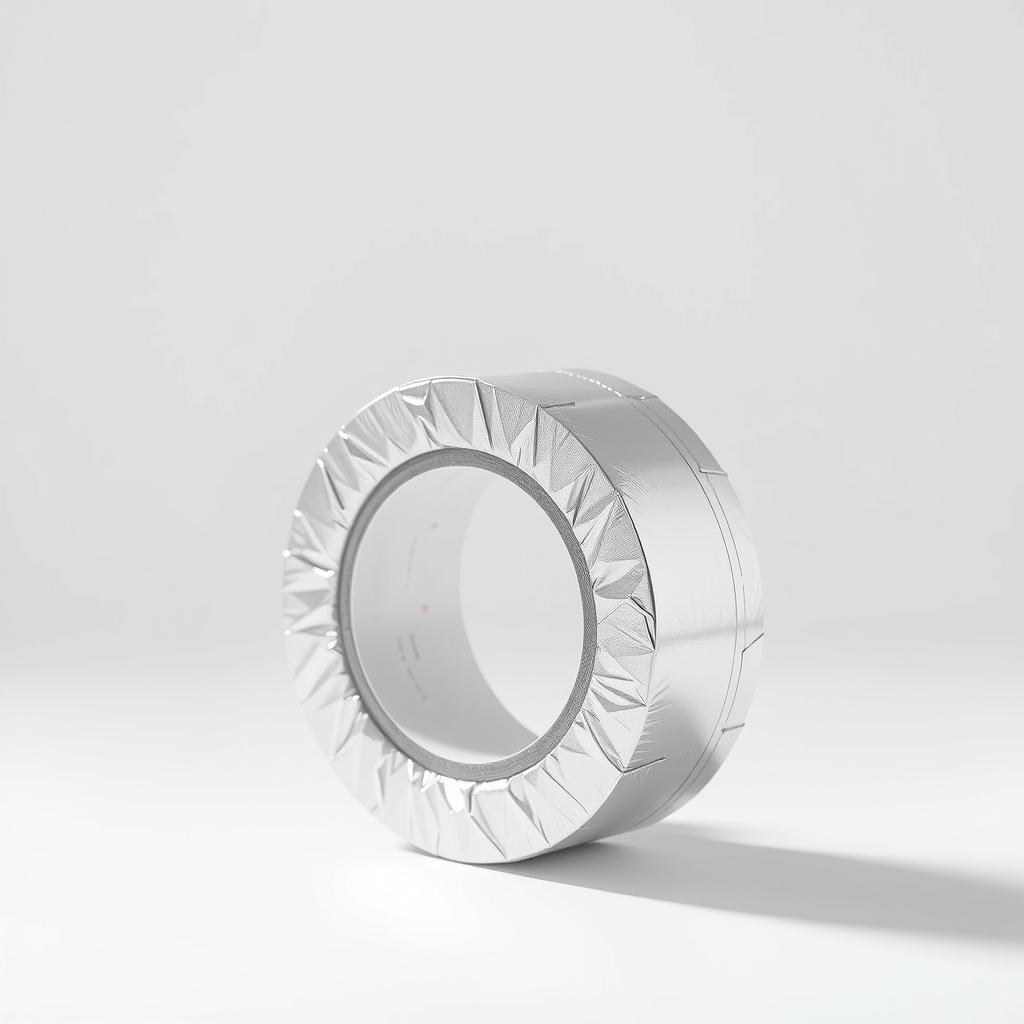
Foil tape for dryer duct
Seals duct joints without screws that snag lint
- Illustration
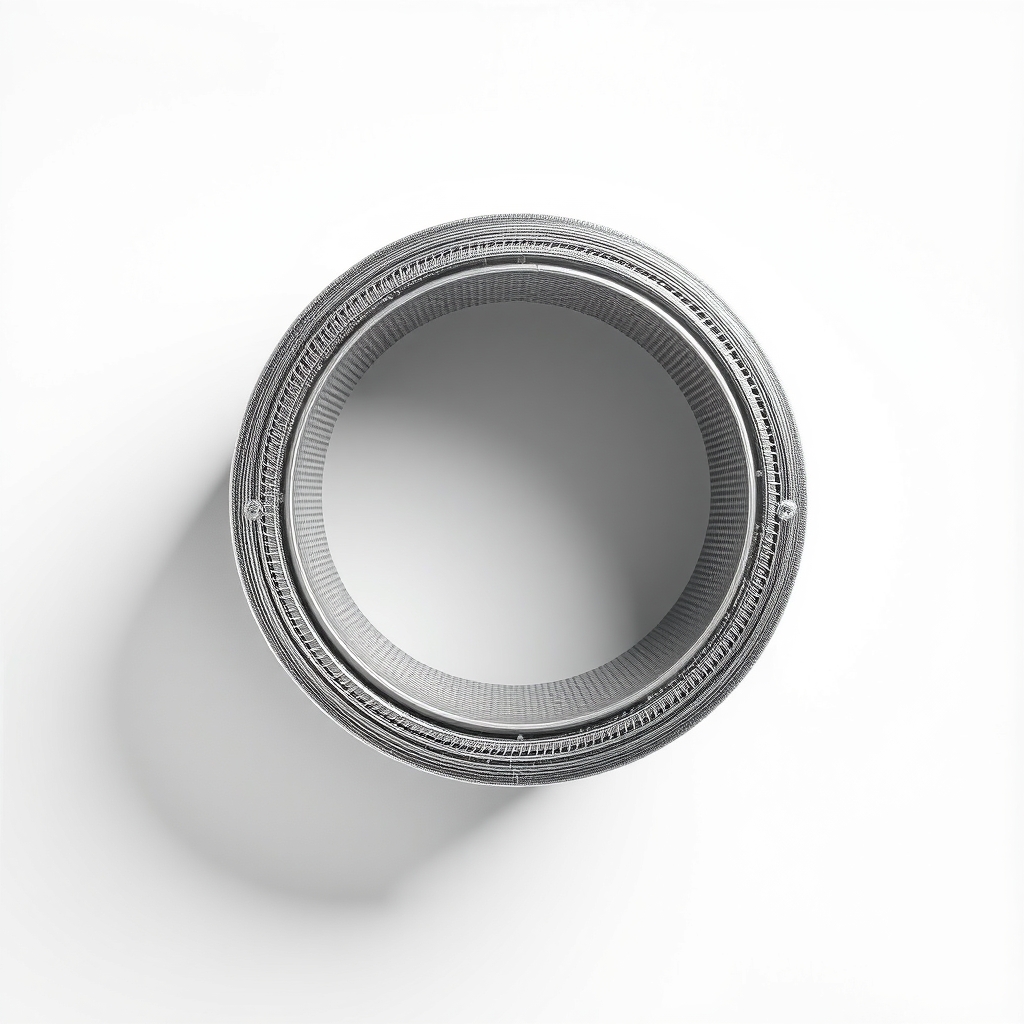
Semi-rigid metal dryer duct
Replaces a crushed or sagging plastic or foil hose
Why it happens
A clogged or crushed vent
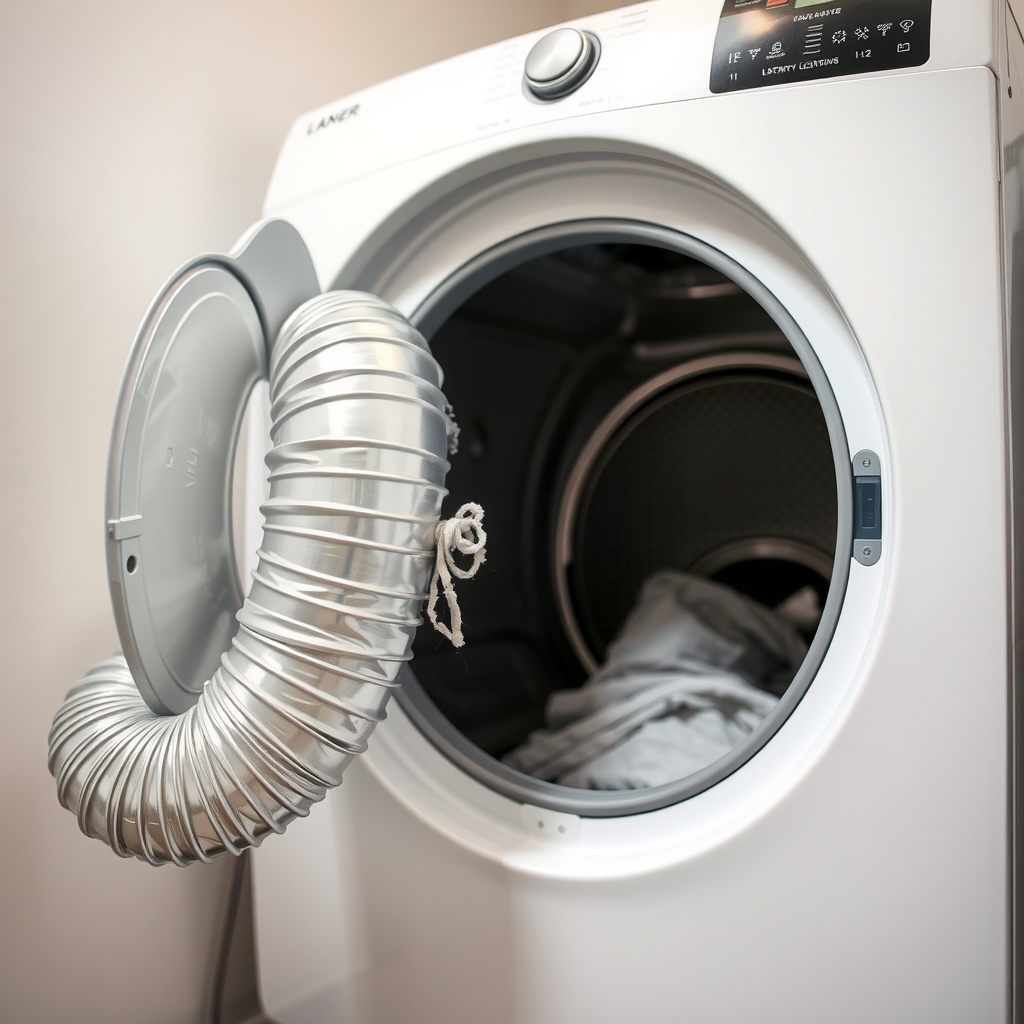
Lint builds up in the duct, or the hose behind the dryer is kinked. Hot, moist air cannot leave, so the dryer overheats. The thermal limits then cut the heat while the drum still turns.
A tripped breaker (electric dryers)
Electric dryers run on a 240-volt circuit. If a breaker or fuse on one side trips, the drum still turns but the heater gets no power.
A blown thermal fuse or worn heating part
After repeated overheating, the thermal fuse blows, or the heating element or thermostat wears out. Do not buy one until the vent is clear, because the same blockage will destroy the new part too.
A gas supply or igniter problem
On gas dryers, a closed gas valve or a failed igniter means the drum spins with no flame.
An overloaded or wet drum
A packed drum or a load of heavy towels can leave clothes damp even though the dryer is heating. Air needs room to move through the load.
Try this first (free)
Do these in order, starting with the simplest.
-
Clean the lint screen and the slot
Tool used: Vacuum with hose attachmentPull the screen, remove the lint and run water over it. If water beads on the mesh, a waxy film from dryer sheets coats it. Scrub it with warm water and dish soap and let it dry. Vacuum the slot too.
-
Check the breaker, the settings and the gas valve
For an electric dryer, switch the breaker off fully, then on again, and check both halves. Make sure the cycle is not Air Fluff or No Heat. On a gas dryer, confirm the gas valve is open.
-
Unplug it, then pull it out
Unplug the dryer, and close the gas valve on a gas model. Pull it forward and look at the duct behind it. Straighten kinks. Flexible plastic and foil hoses crush easily, and semi-rigid metal duct holds its shape.
-
Test the airflow outside
Reconnect, run the dryer on high for five minutes and watch the outside flap. It should push open with strong warm air. Weak air means a blockage.
-
Brush out the duct
Tool used: Dryer vent cleaning kit with drill brushDisconnect the duct at the dryer and the wall. Assemble the rods and brush, attach them to the drill and push in from one end. Run the drill forward (clockwise) only, so the rods do not unscrew inside the duct. Work from both ends, then vacuum up the lint.
IllustrationCheck price on AmazonTool for this step
Dryer vent cleaning kit with drill brush · Flexible rods and a round brush that fit a 4-inch duct
-
Seal and reconnect
Tool used: Foil tape for dryer ductReattach the duct with clamps and seal the joints with foil tape, not screws, which catch lint. Push the dryer back without crushing the duct, and run a test load.
IllustrationCheck price on AmazonTool for this step
Foil tape for dryer duct · Seals duct joints without screws that snag lint
When free fixes aren't enough
If the vent is clear, strong air blows at the outside flap and the dryer still does not heat, a part has failed. Typical suspects are the thermal fuse, the heating element, a thermostat or, on gas models, the igniter. Parts cost far less than a new dryer, but they need a multimeter. Stop and call a pro if you smell burning, see scorched lint or smoke, or find melted wires. If you smell gas, leave the house and call the gas company. The kit clears the blockage that kills these parts, which is why vent cleaning comes first.
Buy the fix
Still stuck after the free fixes? These are the products we would look at.
| Pick | Product | Fixes | Who it's for | Buy |
|---|---|---|---|---|
| Best pick | Dryer vent cleaning kit with drill brush | hidden lint that makes the dryer overheat and cut its heat | Anyone with a long or bendy duct run, or a dryer that has been shutting off early. | Check price |
| Budget pick | Lint trap cleaning brush | packed lint in the lint-screen slot that chokes airflow at the start of the vent path | Anyone who wants to start with the cheapest step, or whose lint slot is visibly packed. | Check price |
| Upgrade pick | Semi-rigid metal dryer duct | a crushed or sagging plastic or foil hose behind the dryer | Anyone whose hose behind the dryer is kinked, crushed or made of vinyl. | Check price |
Dryer vent cleaning kit with drill brush
Fixes: hidden lint that makes the dryer overheat and cut its heat
Look for: Rods long enough for your duct run, so measure from the dryer to the outside; A brush head sized for a standard 4-inch duct; A drill adapter that fits your drill chuck; Flexible rods that bend around turns.
- Who it's for
- Anyone with a long or bendy duct run, or a dryer that has been shutting off early.
- Honest downside
- Your duct is thin foil flex that tears easily, or runs up through a roof. Replace the duct with semi-rigid metal, or call a vent cleaning pro.
Lint trap cleaning brush
Fixes: packed lint in the lint-screen slot that chokes airflow at the start of the vent path
Look for: A long, thin brush that reaches the bottom of the lint slot; Bristles stiff enough to lift packed lint.
- Who it's for
- Anyone who wants to start with the cheapest step, or whose lint slot is visibly packed.
- Honest downside
- The duct itself is blocked. A lint trap brush cannot reach past the dryer.
Semi-rigid metal dryer duct
Fixes: a crushed or sagging plastic or foil hose behind the dryer
Look for: Metal duct, not vinyl or thin plastic; A 4-inch diameter that matches your dryer outlet.
- Who it's for
- Anyone whose hose behind the dryer is kinked, crushed or made of vinyl.
- Honest downside
- Your hose is metal and in good shape. Brushing it clean is enough.
As an Amazon Associate I earn from qualifying purchases. We don't show prices because they change, so use the button to see today's price.
How we picked: How we picked: this page is based on dryer owner manuals, fire-safety guidance on lint and vents, vent cleaning kit instructions, and the problems and fixes people report in reviews. We do not test products by hand.
How to fix dryer not heating: electric or gas?
- Electric: reset the breaker, clear the vent, then test the thermal fuse and heating element with a multimeter or have a pro do it.
- Gas: confirm the gas valve is open and the vent is clear. If there is still no flame, the igniter or valve is the usual suspect, and gas parts are a job for a pro.
- Either: unplug the dryer before you touch anything, and do not run it with the duct removed.
What to skip
Buying parts before clearing the vent
A new thermal fuse or heating element will fail the same way if the duct is still clogged. Skip vinyl or thin plastic duct, which sags and traps lint, and never join duct sections with screws that stick into the airflow.
Frequently asked questions
Why is my clothes dryer not heating, not heating up or not getting hot, but the drum still turns?
Why is my dryer not drying my clothes, or not drying well, when it gets warm?
Why is my clothes dryer taking longer to dry?
Why are my towels not drying in the dryer, or clothes not drying properly?
Is a lint fire a real risk if the dryer is not heating?
Related problems
 Free fix inside
Laundry · Dryer
Dryer Keeps Shutting Off? Overheating Is Usually the Vent
Read the fix Free fix inside
Laundry · Dryer
Dryer Keeps Blowing the Thermal Fuse? Find the Real Cause
Read the fix Free fix inside
Laundry · Dryer Vent
Dryer Smells Like Burning? Unplug It and Check These 4 Spots
Read the fix Free fix inside
Laundry · Dryer Vent
Dryer Too Close to the Wall Vent? The Slim Vent Box That Fixes It
Read the fixAs an Amazon Associate I earn from qualifying purchases. Affiliate disclosure