Front Load Washer Leaking From the Door? Gasket, Soap, or Overload
A leak at the door is usually soap, an overload or a torn gasket. Check the free causes first, then swap the rubber seal if it is damaged.
By Jamilur Rahman Updated November 5, 2026 · 7 min read
- Time
- 1 hour
- Cost
- $50-$150
- Difficulty
- Medium
In this guide
Quick answer
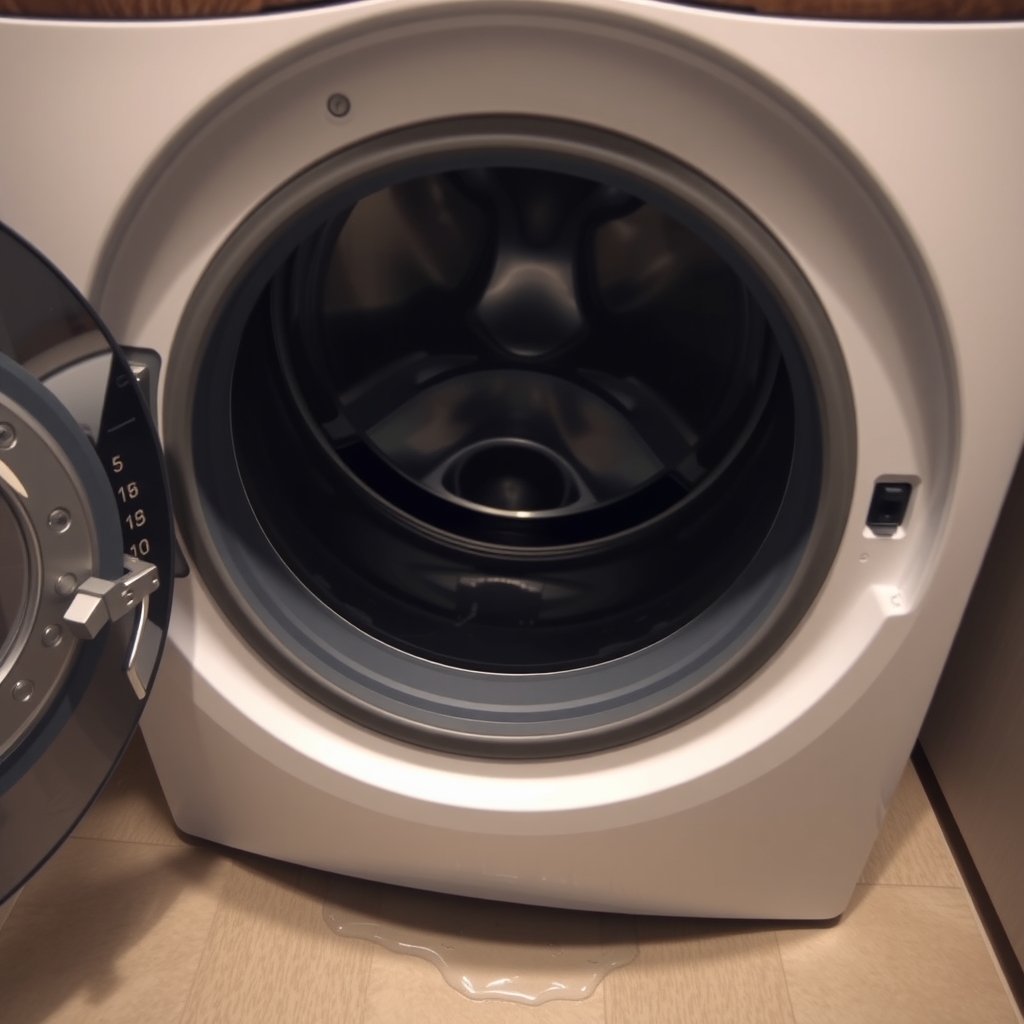
A front load washer leaks at the door for three reasons: too much detergent making suds, a load too big for the door to seal, or a gasket that is dirty, caught or torn. Clean the seal, use less HE detergent and load below the door line first. If you find a tear or crack in the rubber, a new gasket made for your model is the fix that lasts.
Free fix vs. permanent fix
Clean the seal, use less soap, load smaller
- Wipe every fold of the gasket and check for hidden items
- Use HE detergent, and less of it
- Keep the load below the door opening, and loose
- Look for tears, cracks and holes in the rubber
How long it lasts: Fixes leaks caused by suds, overloads or a trapped sock for good. It cannot close a tear in the rubber.
A door gasket made for your exact model
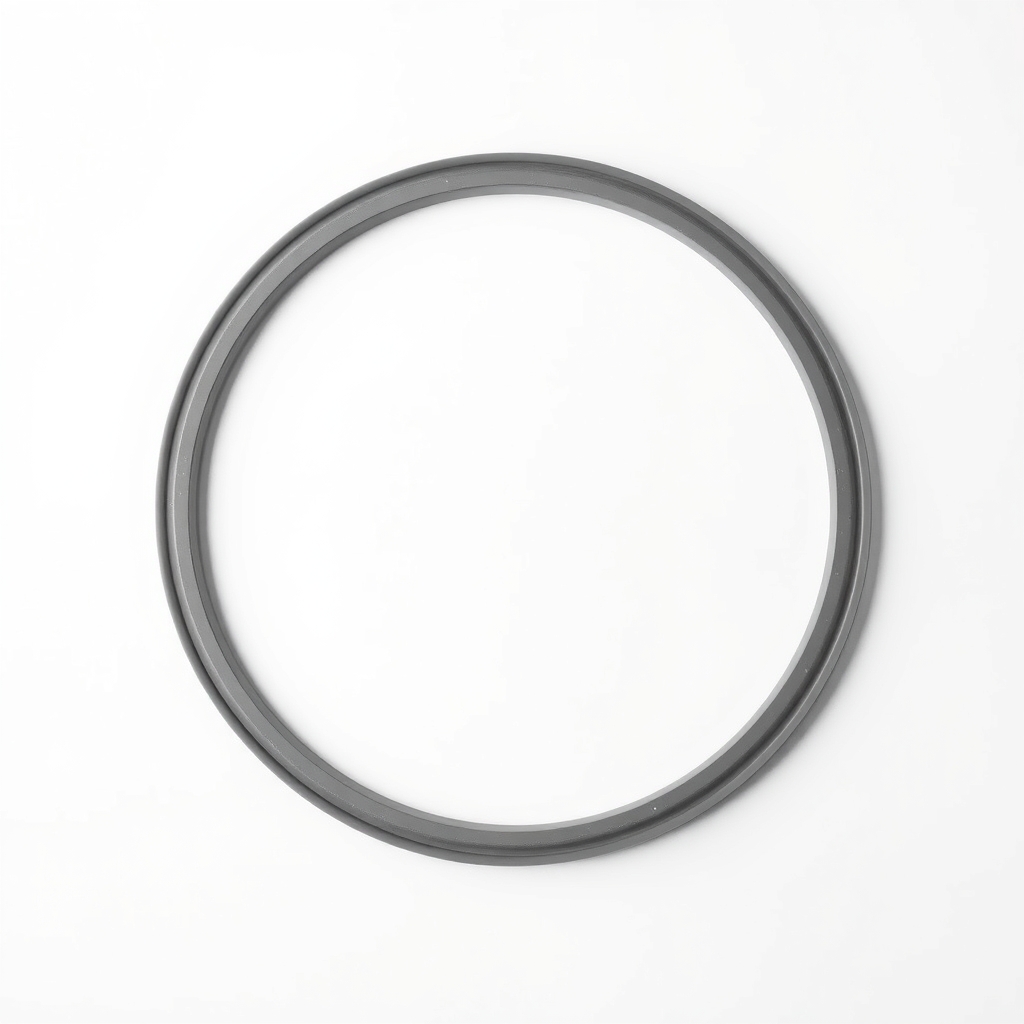
A torn or cracked gasket leaks every wash, and patches rarely hold on rubber that flexes every cycle. A replacement made for your model number fits the door and the tub edge, so the leak is gone for good.
What to get: Front load washer door gasket, genuine manufacturer part
How long it lasts: Years. A new seal flexes and sits the way the original did.
As an Amazon Associate I earn from qualifying purchases.
What you'll need
-
Microfiber cloth
For wiping the folds of the seal
You have it -
Flashlight
To see into the deep folds of the gasket
You have it -
HE detergent
Use the amount on the label, or less
You have it -
Flat-blade screwdriver
For the gasket clamps, if you replace the seal
You have it - Our pick Illustration
Door gasket for your model
Must match your washer's model number
Why it happens
Too much detergent
Regular detergent or a heavy pour makes suds. A front load washer fills to the door line, and suds push soapy water past the seal. Use HE detergent, follow the label and use less if your water is soft.
An overloaded drum
A drum packed to the door presses laundry against the glass and the gasket. A sleeve or sock can poke out and break the seal.
Something trapped in the gasket
A sock, a hair tie, a coin or a wad of lint in a fold lets water slip out. A door that did not close fully has the same effect.
A torn, cracked or moldy gasket
Rubber ages. Small tears and holes often form at the bottom of the seal, where water sits and mold grows. You may only see them when you spread the folds.
Try this first (free)
Do these in order, starting with the simplest.
-
Spread the gasket and look inside
Tool used: FlashlightOpen the door, pull the folds apart and shine a flashlight all the way around, especially along the bottom. Pull out socks, hair ties, coins and lint.
-
Wipe the seal clean and dry
Tool used: Microfiber clothWipe every fold with a cloth and warm water with a few drops of dish soap. For black mold spots, check your manual first, since many makers allow a diluted bleach wipe. Never mix bleach and vinegar.
-
Feel for cracks and holes
With the seal dry, run a finger along the whole ring, including the bottom fold. A split, hole or hardened spot means the gasket needs replacing.
-
Cut back the detergent
Tool used: HE detergentUse HE detergent only, in the amount on the label or less. If you see suds in the drum, run a hot empty cycle to clear the residue.
-
Load below the door and close it firmly
Leave about a hand's width of space at the top of the drum, and check that nothing hangs out before you shut the door. Leave the door open a crack after each load so the seal dries.
When free fixes aren't enough
If you cleaned the seal, cut the soap and loaded light but water still seeps at the door, the gasket is the leak. The signs are a visible tear or hole, a split along a fold, hardened or cracked rubber, or black stains that will not wipe off. A patch will not hold on a seal that flexes every wash. A new gasket made for your model fits right and ends the leak. If the water comes from the bottom of the machine and not the door, the cause is the hoses or the pump, so check the related page. Unplug the washer before you mop a wet floor near the cord.
Buy the fix
Still stuck after the free fixes? These are the products we would look at.
| Pick | Product | Fixes | Who it's for | Buy |
|---|---|---|---|---|
| Best pick | Front load washer door gasket, genuine manufacturer part | water leaking from a torn, cracked or worn door seal | Anyone whose gasket has a tear, hole or crack and wants the repair to last. | Check price |
| Budget pick | 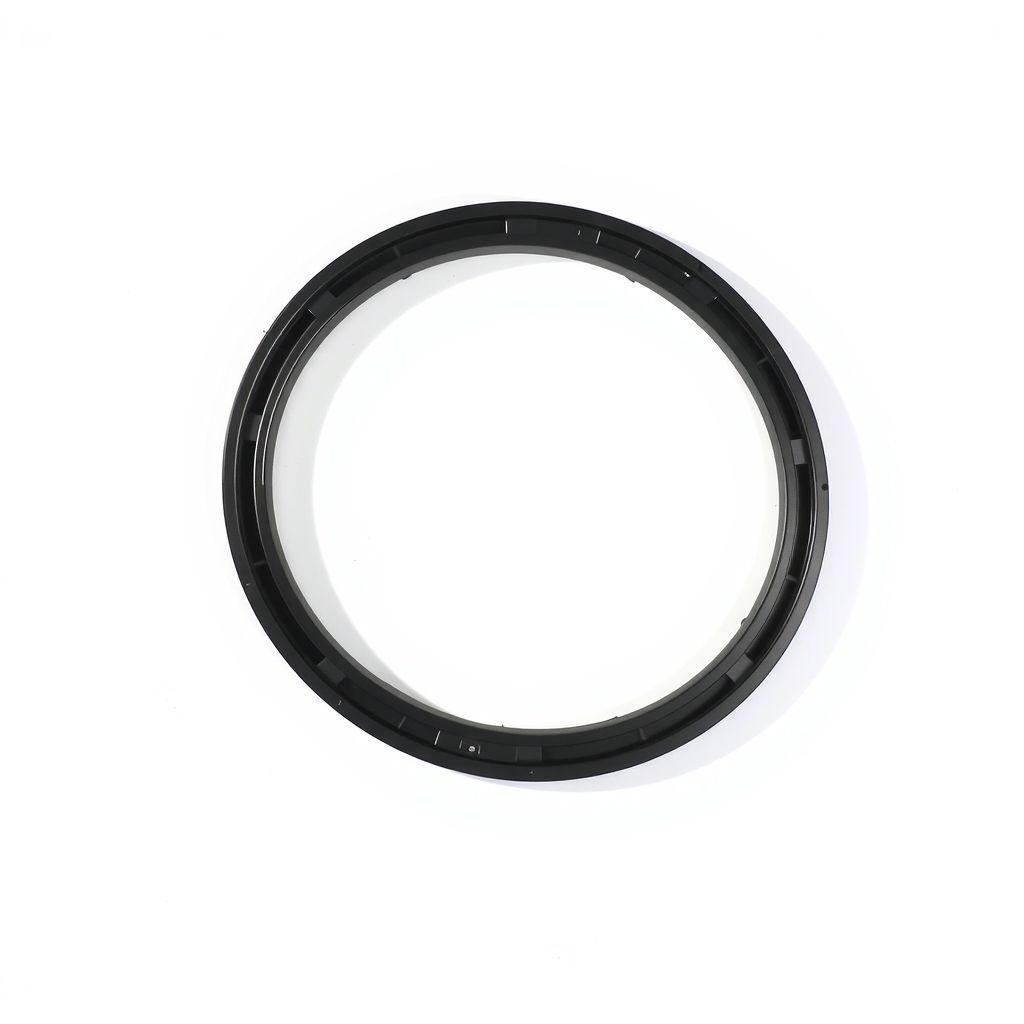 Compatible aftermarket door gasket | the same torn gasket at a lower price | Older washers where the factory part costs a lot, or machines out of warranty. | Check price |
Front load washer door gasket, genuine manufacturer part
Fixes: water leaking from a torn, cracked or worn door seal
Look for: Listed for your exact model number, found on the label inside the door frame or on the back; Made by your washer's maker, or an exact listed match; A listing that says whether a clamp is included or needed; Soft, flexible rubber, not stiff.
- Who it's for
- Anyone whose gasket has a tear, hole or crack and wants the repair to last.
- Honest downside
- The gasket is intact and the leak stops after cleaning and cutting the soap. Do not buy a part you do not need.
Compatible aftermarket door gasket
Fixes: the same torn gasket at a lower price
Look for: Listed for your exact model number; Thick rubber with the same shape and mounting lip as the original; Reviews from owners of the same brand saying it fits.
- Who it's for
- Older washers where the factory part costs a lot, or machines out of warranty.
- Honest downside
- The washer is under warranty, since a non-original part may affect it. Skip it too if reviews mention poor fit for your model.
As an Amazon Associate I earn from qualifying purchases. We don't show prices because they change, so use the button to see today's price.
How we picked: How we picked: this page is based on washer manuals, repair guides for front load door seals, and what owners report in gasket reviews. We do not test products by hand.
Find your model number first
Gaskets are model-specific. The model number is on a label inside the door frame, on the back or on the side of the cabinet. Copy it exactly, including the letters at the end. A near match may not fit the door or the tub edge.
How to replace the door gasket, in outline
- Unplug the washer and turn off the water.
- Open the door. Pry the spring clamp on the outer ring loose with a flat-blade screwdriver and lift it off.
- Peel the gasket off the door frame lip.
- Release the inner clamp where the gasket meets the drum. Some models need the front panel off to reach it.
- Pull out the old gasket and note where its marks and drain holes sit.
- Line up the marks and drain holes on the new gasket, fit it and reattach both clamps. Make sure each clamp is fully seated.
- Run an empty rinse and check for leaks.
If your model needs the front panel off and you are not comfortable with that, a repair tech can do it.
What to skip
Silicone sealant and tape on the gasket
Sealant and tape peel off moving rubber within a few washes, and the mess stops the seal from sitting right. They also hide a tear that keeps getting worse. Replace the gasket instead.
Frequently asked questions
Why is my front load washer leaking from the door?
How do I replace a front load washer gasket?
Can I fix a torn washer door seal with sealant?
Is it safe to keep using the washer while it leaks?
Related problems
As an Amazon Associate I earn from qualifying purchases. Affiliate disclosure