Washing Machine Leaking? Start at the Hoses, Not the Pump
Most washer leaks start at the water hoses and their connections. Check there first, tighten or replace them, and add a leak alarm for peace of mind.
By Jamilur Rahman Updated November 5, 2026 · 8 min read
- Time
- 30 min
- Cost
- $20-$50
- Difficulty
- Easy
In this guide
Quick answer
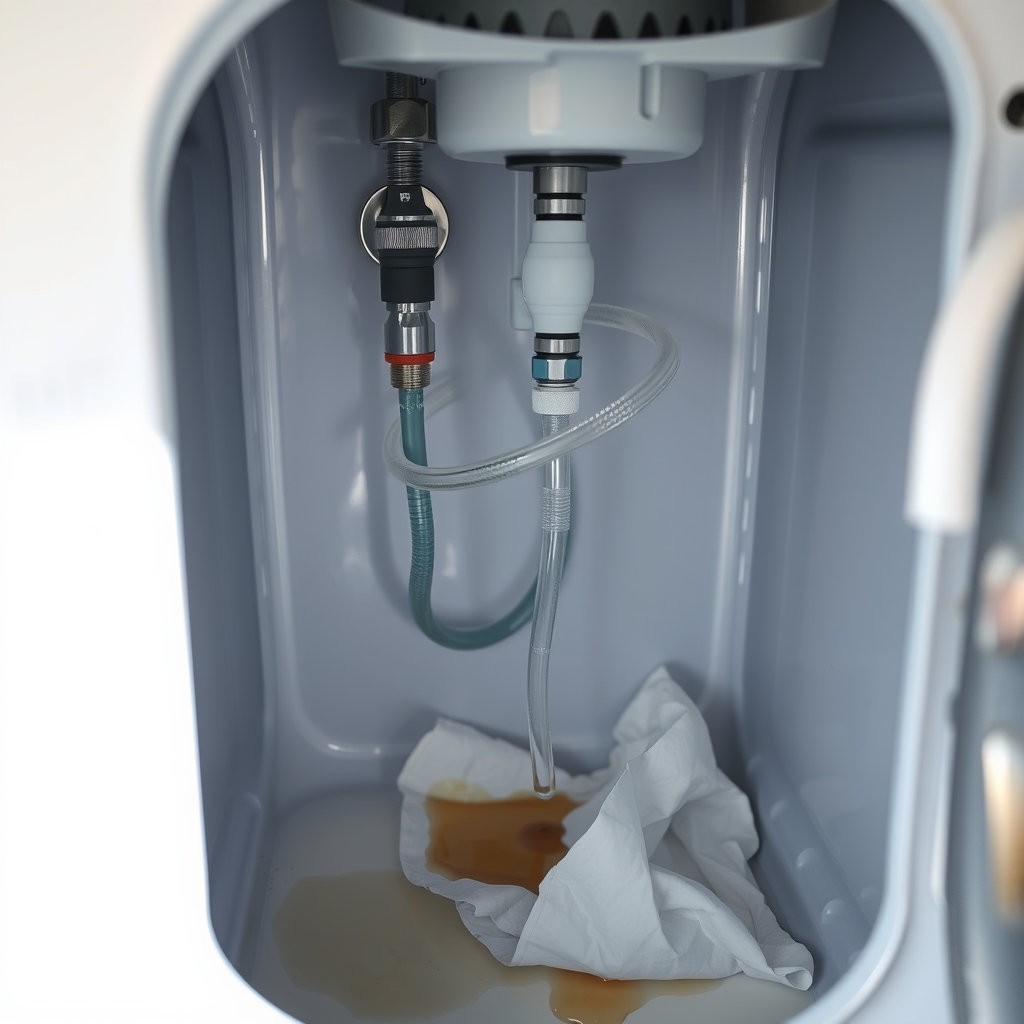
Most washing machine leaks come from the water supply hoses and their connections at the wall and the back of the machine, not from the pump. Unplug the washer, dry everything and find where the drip starts. Tighten loose fittings, replace worn washers, and swap old rubber hoses for braided stainless steel ones. If the hoses stay dry and water still pools underneath, the leak is inside the machine, so call a pro.
Free fix vs. permanent fix
Find the drip, tighten, and replace the washers
- Unplug the washer and dry the hoses, fittings and floor
- Open the valves and watch each fitting with a dry paper towel
- Tighten leaking fittings hand-tight, plus a quarter turn with pliers
- Replace flat or cracked rubber washers inside the fittings
How long it lasts: Months to years if it was only a loose fitting or a worn washer. An old hose that is cracking or bulging will fail again.
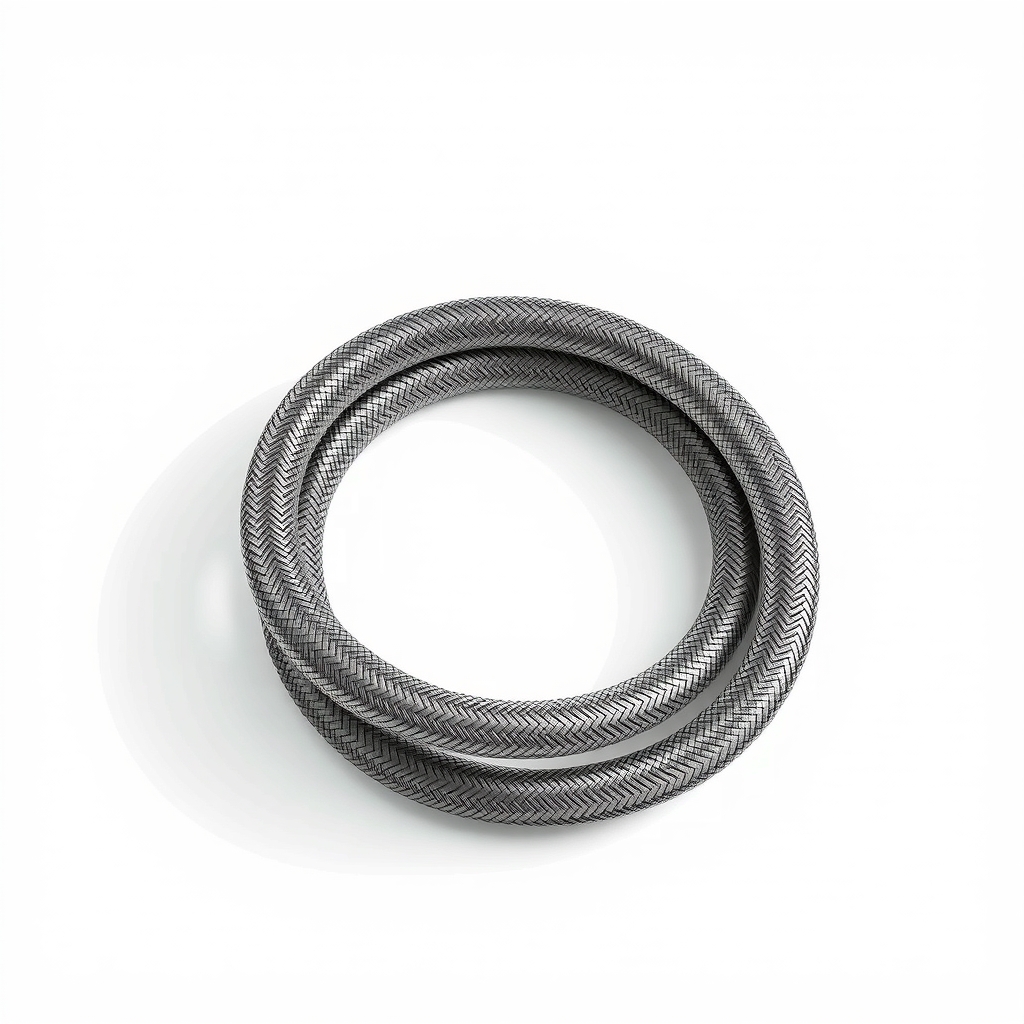
New braided stainless steel hoses
Hoses sit under water pressure all day. Old rubber ones crack, bulge and sometimes burst, and a burst hose can flood a house in minutes. Braided stainless steel hoses resist bursting better. Putting fresh ones on removes the most common leak and the most expensive one.
What to get: Braided stainless steel washing machine hoses
How long it lasts: Years. Check them each year and replace on the maker's schedule, commonly every five years or so.
As an Amazon Associate I earn from qualifying purchases.
What you'll need
-
Towels and flashlight
To dry the floor and see behind the machine
You have it -
Adjustable pliers
For the quarter turn on a fitting
You have it - Illustration
Rubber hose washers
Cheap, and often the whole fix for a drip at a fitting
- Our pick Illustration
Braided stainless steel washing machine hoses
Replace both hoses together
- Illustration
Water leak alarm
Sits on the floor and sounds when it gets wet
Why it happens
Loose or worn hose connections
Vibration loosens fittings over time, and the flat rubber washer inside each one hardens, cracks or goes missing. Water then seeps out at the screw-on end.
Aging rubber hoses
Rubber hoses crack, bulge or weep as they age. A bulge or a hairline crack is a warning, because the hose can burst without notice.
A loose drain hose or standpipe
If the drain hose slips out of the standpipe, or the standpipe backs up, water spills onto the floor during the drain cycle.
A door boot, drawer or filter on a front loader
On front loaders, a torn door boot, an overfilled detergent drawer or a loose drain pump filter cap can all leak, as can overloading the drum or using too much soap.
Worn parts inside
A cracked pump housing, a worn tub seal or a cracked tub leaks from inside the machine. These are less common and need a repair person.
Try this first (free)
Do these in order, starting with the simplest.
-
Unplug it and dry everything
Tool used: Towels and flashlightUnplug the washer and pull it out far enough to reach behind it. Dry the hoses, valves, the back of the machine and the floor, so the next drip stands out.
-
Check the supply hoses with the water on
Open both valves. Wrap a dry paper towel around each fitting, at the wall and at the machine, and watch for a minute. The wet one marks the leak. Look for cracks, bulges and rust on the hoses.
-
Tighten, or replace the washers
Tool used: Adjustable pliersClose the valves and unscrew the leaking fitting. If the rubber washer inside is cracked, flat or missing, replace it. Screw the fitting back on by hand, then give it a quarter turn with pliers. Do not overtighten.
-
Replace hoses that are old or damaged
Tool used: Braided stainless steel washing machine hosesIf a hose is cracked, bulging, kinked or about five years old or more, replace both. Mark the date on the new ones with a marker and keep hot and cold on the right valves.
IllustrationCheck price on AmazonTool for this step
Braided stainless steel washing machine hoses · Replace both hoses together
-
Check the drain hose and the filter
Make sure the drain hose is clipped into the standpipe and not pushed in loosely. On a front loader, check that the drain pump filter cap is screwed in tight and the door boot is not torn.
-
Run a test cycle and add an alarm
Tool used: Water leak alarmRun a rinse cycle with towels on the floor and look for new drips. Put a water alarm on the floor beside the machine.
IllustrationCheck price on AmazonTool for this step
Water leak alarm · Sits on the floor and sounds when it gets wet
When free fixes aren't enough
Tightening and new washers fix a loose connection. They do not fix a hose that is cracked, bulging or old, which can burst under pressure. If your hoses are rubber and more than a few years old, replacing them is the cheapest flood insurance there is. If the hoses and fittings stay dry and water still pools under the machine, the leak is inside: the pump, the tub seal or the tub. That is a repair job. On an older machine, ask for a quote first and compare it with the price of a new washer.
Buy the fix
Still stuck after the free fixes? These are the products we would look at.
| Pick | Product | Fixes | Who it's for | Buy |
|---|---|---|---|---|
| Best pick | Braided stainless steel washing machine hoses | leaks from old, cracked or bulging rubber hoses and worn fittings | Anyone whose hoses are more than a few years old or of unknown age, and anyone whose washer sits above living space. | Check price |
| Budget pick | Rubber washing machine hose washers | a drip at a screw-on connection | A leak at a fitting only, with hoses in good shape. | Check price |
| Upgrade pick | Water leak alarm for the laundry floor | finding a leak before it floods the room | Laundry rooms above living space, or homes where no one is around during a cycle. | Check price |
Braided stainless steel washing machine hoses
Fixes: leaks from old, cracked or bulging rubber hoses and worn fittings
Look for: A pair, one for hot and one for cold, with rubber washers included; A length that reaches with a gentle curve; 6 feet is common; Standard three-quarter inch threads on both ends, with a 90-degree elbow if the washer sits tight to the wall; A warranty or burst rating stated by the maker.
- Who it's for
- Anyone whose hoses are more than a few years old or of unknown age, and anyone whose washer sits above living space.
- Honest downside
- Your hoses are new and dry, and the leak is elsewhere. A fresh pair will not help.
Rubber washing machine hose washers
Fixes: a drip at a screw-on connection
Look for: Sized for three-quarter inch hose fittings; Thick, flat rubber that is not hardened; A pack with spares.
- Who it's for
- A leak at a fitting only, with hoses in good shape.
- Honest downside
- The hose itself is cracked or bulging. A washer will not help.
Water leak alarm for the laundry floor
Fixes: finding a leak before it floods the room
Look for: A loud alarm, or phone alerts if you want them; A flat or probe design that sits on the floor; Replaceable batteries.
- Who it's for
- Laundry rooms above living space, or homes where no one is around during a cycle.
- Honest downside
- You plan to rely on it alone. An alarm warns you, but does not stop the water.
As an Amazon Associate I earn from qualifying purchases. We don't show prices because they change, so use the button to see today's price.
How we picked: How we picked: this page is based on washing machine owner manuals, plumber guidance on supply hoses, and what owners report in reviews of braided hoses and leak alarms. We do not test products by hand.
Where is the water coming from? A quick key
- Wet at the wall valves or the back of the machine: supply hose, washer or fitting.
- Wet along the drain hose or at the standpipe: loose drain hose or a backed-up drain.
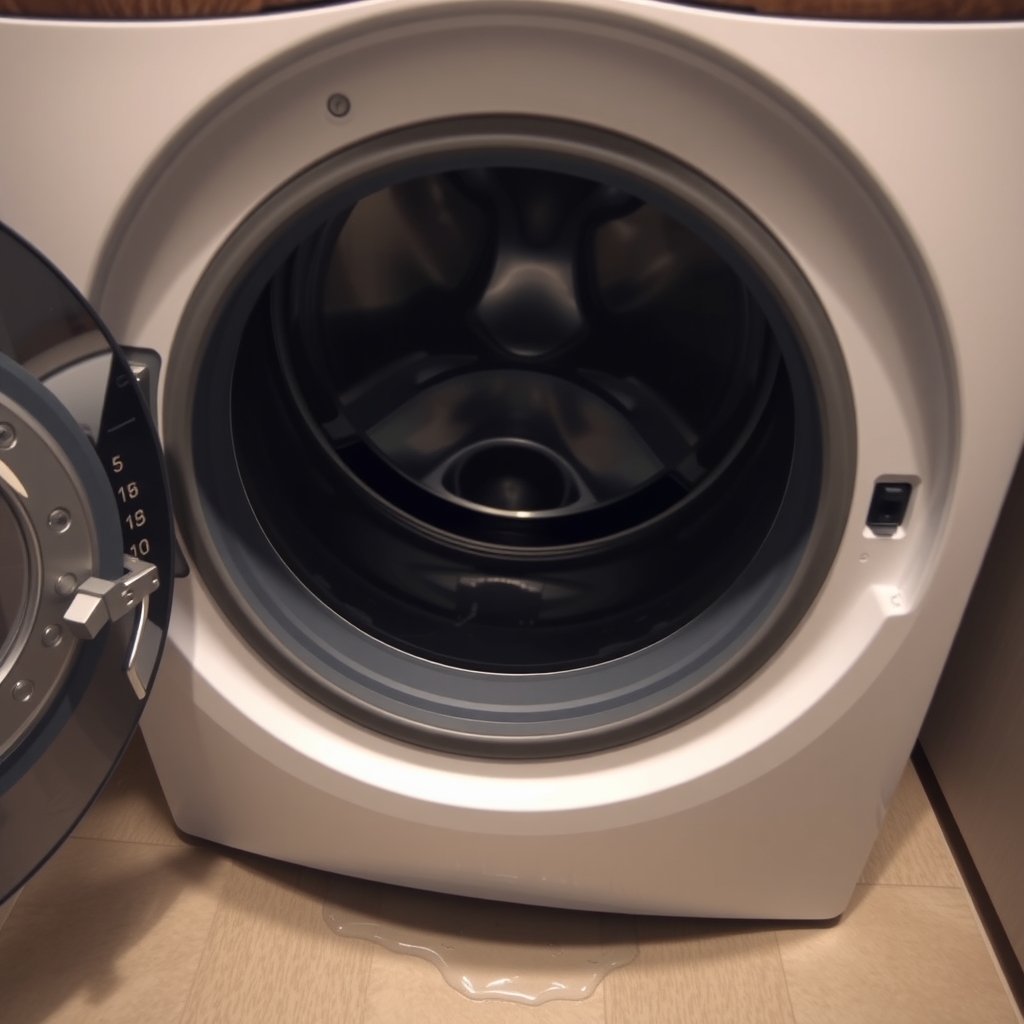
- Wet at the front of a front loader: door boot, detergent drawer or filter cap.
- Everything dry, but a puddle under the machine: a leak inside. Call a pro.
Close the valves when you leave
If you will be away for more than a couple of days, close both water valves behind the machine. It takes a few seconds and means a failed hose cannot flood the house while you are gone.
What to skip
Tape, sealant and hiding a bulging hose
Wrapping tape around a bulging hose or smearing silicone around a fitting hides the leak for a short time, but the hose can still burst. Replace the part.
Frequently asked questions
Why is my washing machine leaking from the bottom?
How do I fix a washing machine inlet hose that is leaking?
Why is my front load washer leaking?
How often should I replace washing machine hoses?
Is it safe to keep using a leaking washer?
Related problems
As an Amazon Associate I earn from qualifying purchases. Affiliate disclosure