Washing Machine Keeps Filling With Water? The Inlet Valve Check
Water that keeps running into the drum usually means an inlet valve that will not close. Run the 10-minute tap test, clean the screens, then swap the valve.
By Jamilur Rahman Updated November 5, 2026 · 8 min read
- Time
- 45 min
- Cost
- $20-$50
- Difficulty
- Medium
In this guide
Quick answer
When a washing machine keeps filling with water, the usual cause is a water inlet valve that will not shut, or a level sensor that tells the control the drum is still low. Do the tap test below to see which. If water creeps in even with the washer unplugged, the valve is worn, and a new inlet valve matched to your model number is the fix that lasts.
Free fix vs. permanent fix
Tap test, screen clean and drain hose check
- Unplug the washer and open the taps to see if water still creeps in
- Close the hot and cold taps one at a time to find the bad side
- Clean the mesh screens where the hoses meet the washer
- Make sure the drain hose is not siphoning the drum empty
How long it lasts: Works only if grit in the screens or a siphoning drain hose is the cause. A worn valve starts leaking through again within days.
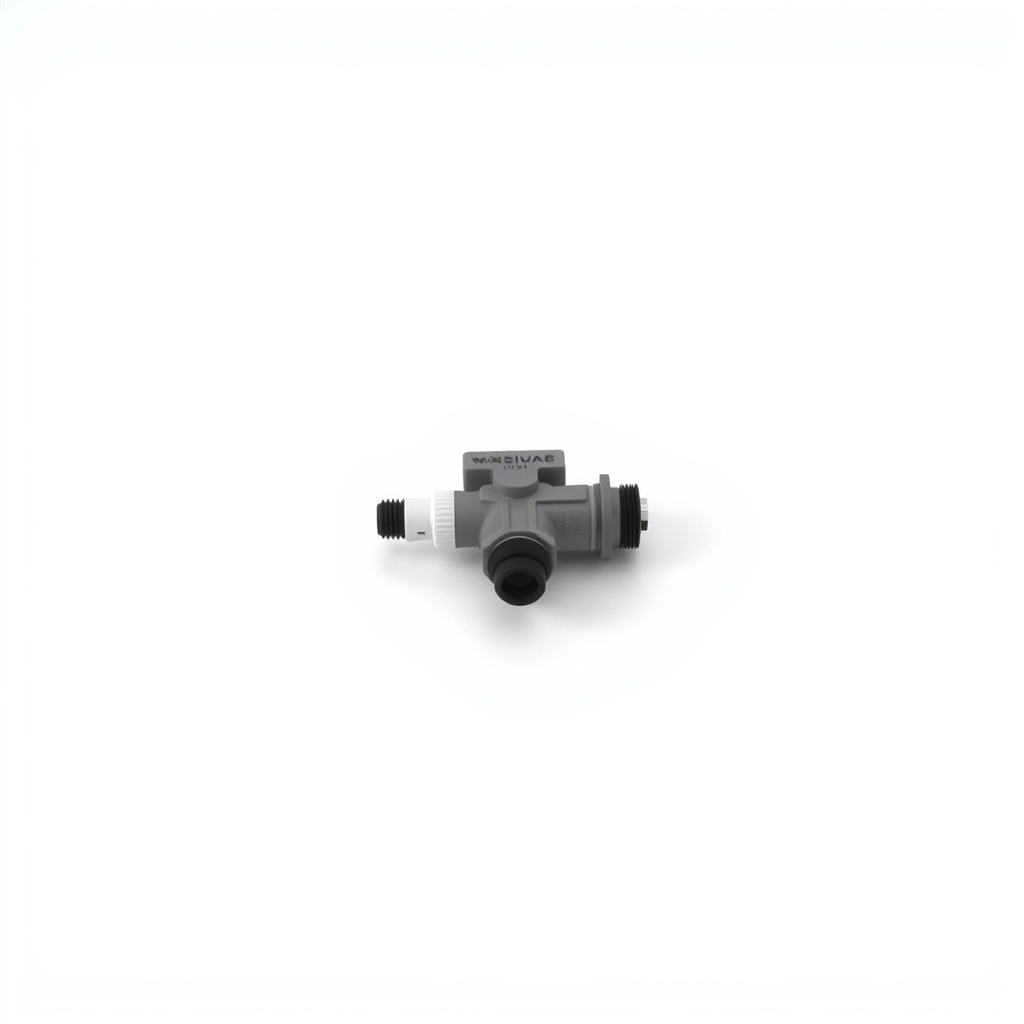
A new water inlet valve matched to your model
The valve has a rubber seat and a small electric coil. When the seat wears or scale holds it open, you cannot repair it in practice. Swapping the whole valve takes one part and a few screws, and it costs far less than a service visit.
What to get: Washing machine water inlet valve (match your model)
How long it lasts: Years. A new valve seals fully, so water enters only when the control asks for it.
As an Amazon Associate I earn from qualifying purchases.
What you'll need
-
Adjustable pliers
For the hose collars and the small hose screens
You have it -
Bucket and towels
Hoses hold water when you unscrew them
You have it -
Phone camera
Photograph the wires before you pull any connector
You have it - Illustration
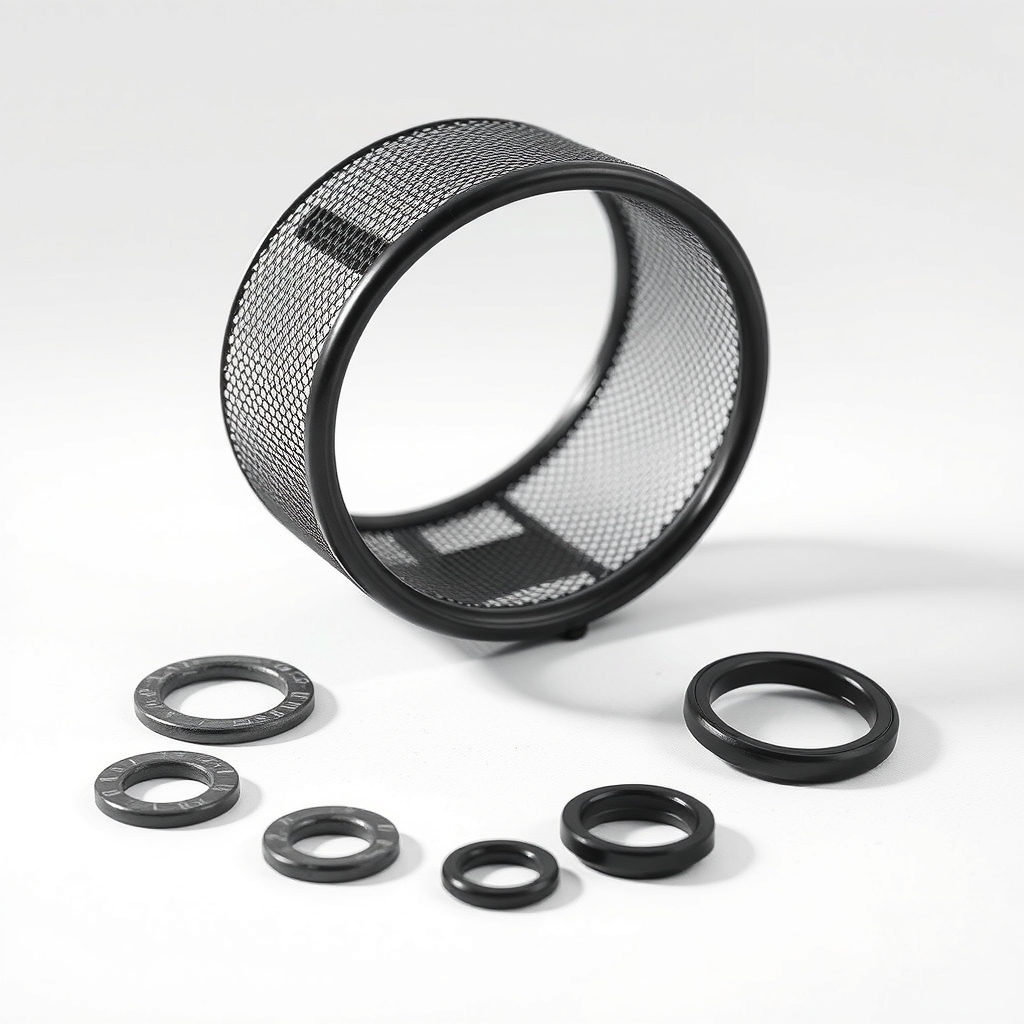
Washer hose screens and rubber washers
Cheap, and worth fitting if the old ones are clogged or torn
- Our pick Illustration
Water inlet valve
Match it to the model number on the washer tag, not to how the old one looks
Why it happens
A worn or stuck inlet valve
The valve opens with an electric coil and springs shut when the power stops. Grit, scale or a worn rubber seat can stop it sealing, so water keeps trickling in even when the washer is off.
A faulty water level sensor
The washer reads the water level through a small hose and a pressure switch. If the hose is blocked or the switch fails, the control thinks the drum is still low and keeps the valve open.
A drain hose that siphons
If the drain hose is pushed too far into the standpipe or sits too low, water drains out as fast as it comes in. The washer never reaches its level, so it never stops filling.
A control board that holds the valve on
Less common. A failing board can keep power on the valve after the cycle. If the unplugged washer stays dry but fills while running, suspect the board or the level switch, not the valve.
Try this first (free)
Do these in order, starting with the simplest.
-
1. Unplug the washer and run the tap test
Unplug the washer, open both taps and wait 10 minutes. A good valve stays closed with no power. If water still creeps into the drum, the valve leaks through. Close one tap at a time to see which side it is.
-
2. Check the drain hose
The hose end should sit only a few inches inside the standpipe, with room for air around it, and the top of the loop should be well above the water level in the drum. Many manuals ask for at least 30 inches above the floor. Check yours for exact numbers.
-
3. Clean the inlet screens
Tool used: Adjustable pliersTurn both taps off and unplug the washer. Put the bucket and a towel under the hoses, unscrew each one and lift out the small mesh screen at the washer end. Rinse off grit with a toothbrush and refit them, or fit new ones if they are torn.
-
4. Run a short cycle and watch
Plug in, open the taps and run a rinse. Watch the water rise. If it stops at the normal level and the drum drains, you are done. If it keeps rising or runs after the cycle ends, move to the valve.
-
5. Replace the inlet valve
Tool used: Water inlet valveUnplug and shut both taps. Open the cabinet, usually the back panel or the top. Photograph the wires, pull the connectors and the hoses, then remove the mounting screws. Fit the new valve, reconnect the wires from your photo and check for drips before you close the cabinet.
IllustrationCheck price on AmazonTool for this step
Water inlet valve · Match it to the model number on the washer tag, not to how the old one looks
When free fixes aren't enough
If water creeps in with the washer unplugged and the screens are clean, the valve seat is worn and no cleaning will close it. A new valve fixes that. If the unplugged washer stays dry but overfills while it runs, the level switch or control board is at fault, so call a technician. If you cannot shut the taps, see water near wiring, or smell burning, stop and call a pro.
Buy the fix
Still stuck after the free fixes? These are the products we would look at.
| Pick | Product | Fixes | Who it's for | Buy |
|---|---|---|---|---|
| Best pick | Washing machine water inlet valve (match your model) | water that keeps entering the drum after the cycle or when the washer is off | Anyone whose unplugged washer still lets water in during the tap test. | Check price |
| Budget pick | Washer hose screens and rubber washers | grit and scale that hold the valve seat open and clog the fill | Anyone who found debris in the screens, or whose hoses are old. | Check price |
Washing machine water inlet valve (match your model)
Fixes: water that keeps entering the drum after the cycle or when the washer is off
Look for: Listed as compatible with your exact washer model number; The same coil count and hot and cold layout as the old valve; The same plug type and mounting holes.
- Who it's for
- Anyone whose unplugged washer still lets water in during the tap test.
- Honest downside
- The washer stays dry when unplugged and only overfills while running. That points to the level switch or control board, so check those first.
Washer hose screens and rubber washers
Fixes: grit and scale that hold the valve seat open and clog the fill
Look for: A fine mesh screen on each washer; Rubber washers that fit standard washer hose ends; Sold in a set for both hoses.
- Who it's for
- Anyone who found debris in the screens, or whose hoses are old.
- Honest downside
- The screens were already clean and water still creeps in with the washer unplugged. The valve itself is worn.
As an Amazon Associate I earn from qualifying purchases. We don't show prices because they change, so use the button to see today's price.
How we picked: How we picked: this page is based on washer owner manuals, appliance repair guides for the inlet valve and level switch, and the problems and fixes people report in owner reviews. We do not test products by hand.
Rising water or sitting water? They are different problems
- Water keeps rising, or is there after the washer sits unplugged: the inlet valve or the level switch. This page.
- Water just sits at the same level and will not leave: the drain pump, drain filter or drain hose is blocked. See the related page on a washer that will not drain.
How to find the right valve
Find the model number tag, usually inside the door frame, on the back, or under the lid. Search that number with the words water inlet valve. Count the coils on your old valve and match them: a dual valve for hot and cold has two, and some models have three or more. A valve that fits the hoses but has the wrong coil count will not work.
What to skip
Resetting it again and leaving the taps on
Power cycling the washer does not close a leaking valve. It only hides the problem until the next overfill. Do not run a washer that keeps filling while you are out, and do not buy a valve that does not list your model number.
Frequently asked questions
Why does my washing machine keep filling with water on the spin cycle?
Why does my front load washer keep filling with water?
Why does my top load washer keep filling with water?
Why does my front load washer fill with water when it is off or not in use?
Can I replace the inlet valve myself?
Related problems
 Free fix inside
Laundry · Washer Problems
Washing Machine Not Filling With Water? 4 Checks, Cheapest First
Read the fix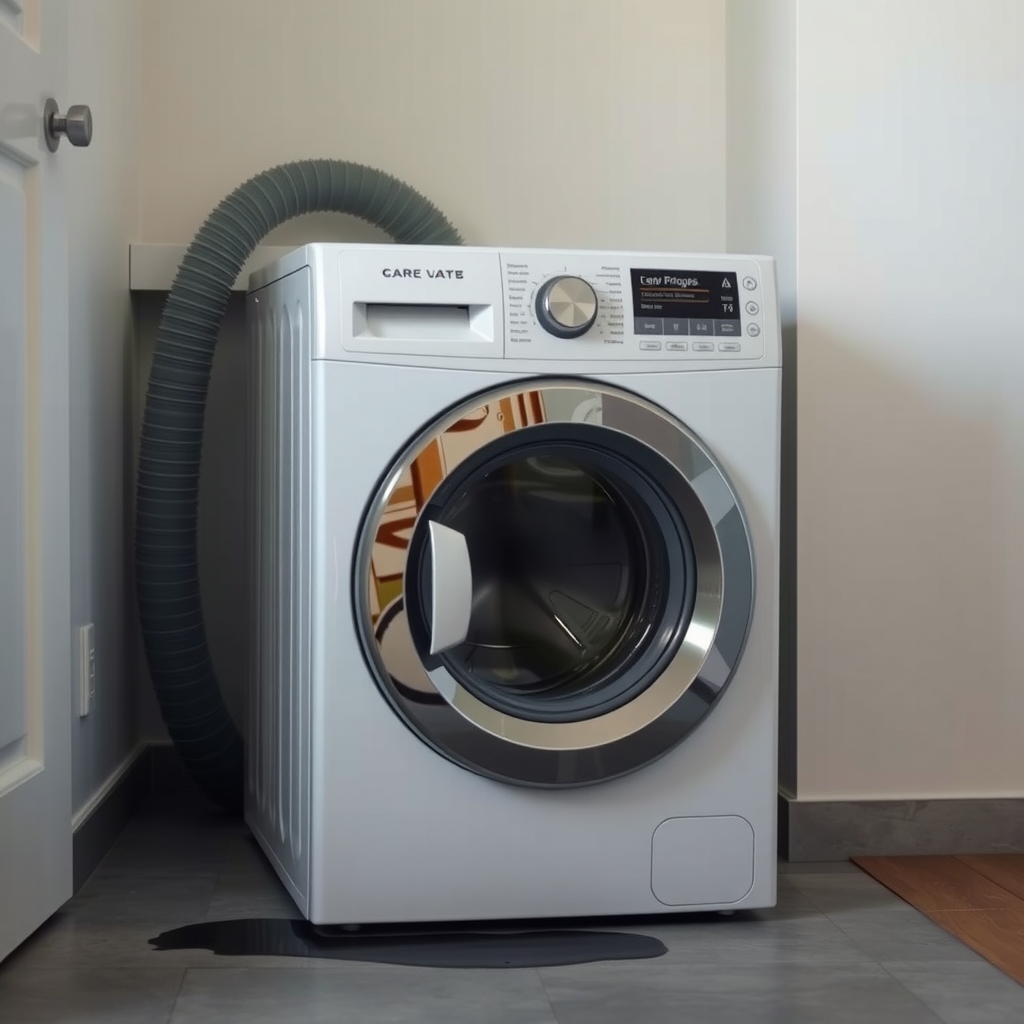 Free fix inside
Laundry · Washing Machine
Washing Machine Not Draining? 5 Free Checks, in the Right Order
Read the fix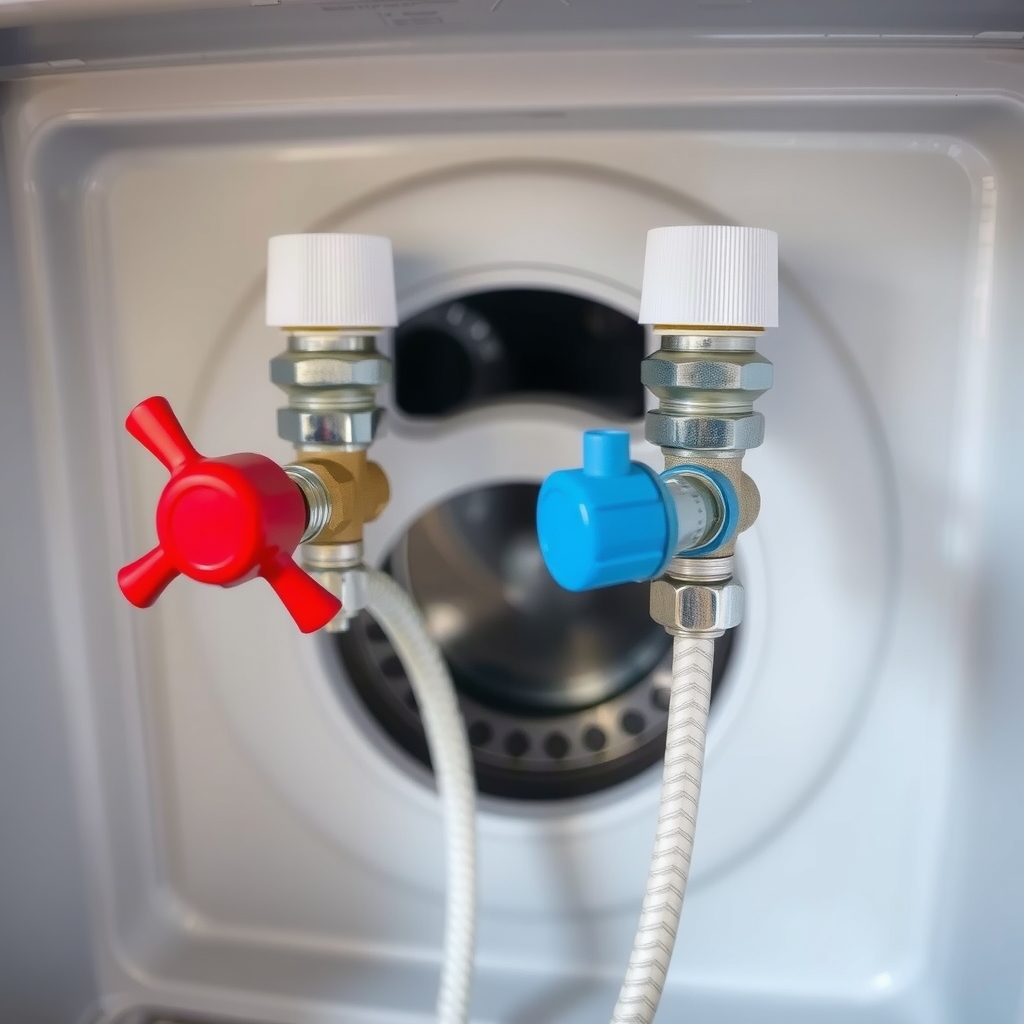 Free fix inside
Laundry · Laundry Plumbing
How to Turn Off Laundry Room Water: Add a Quarter-Turn Valve
Read the fix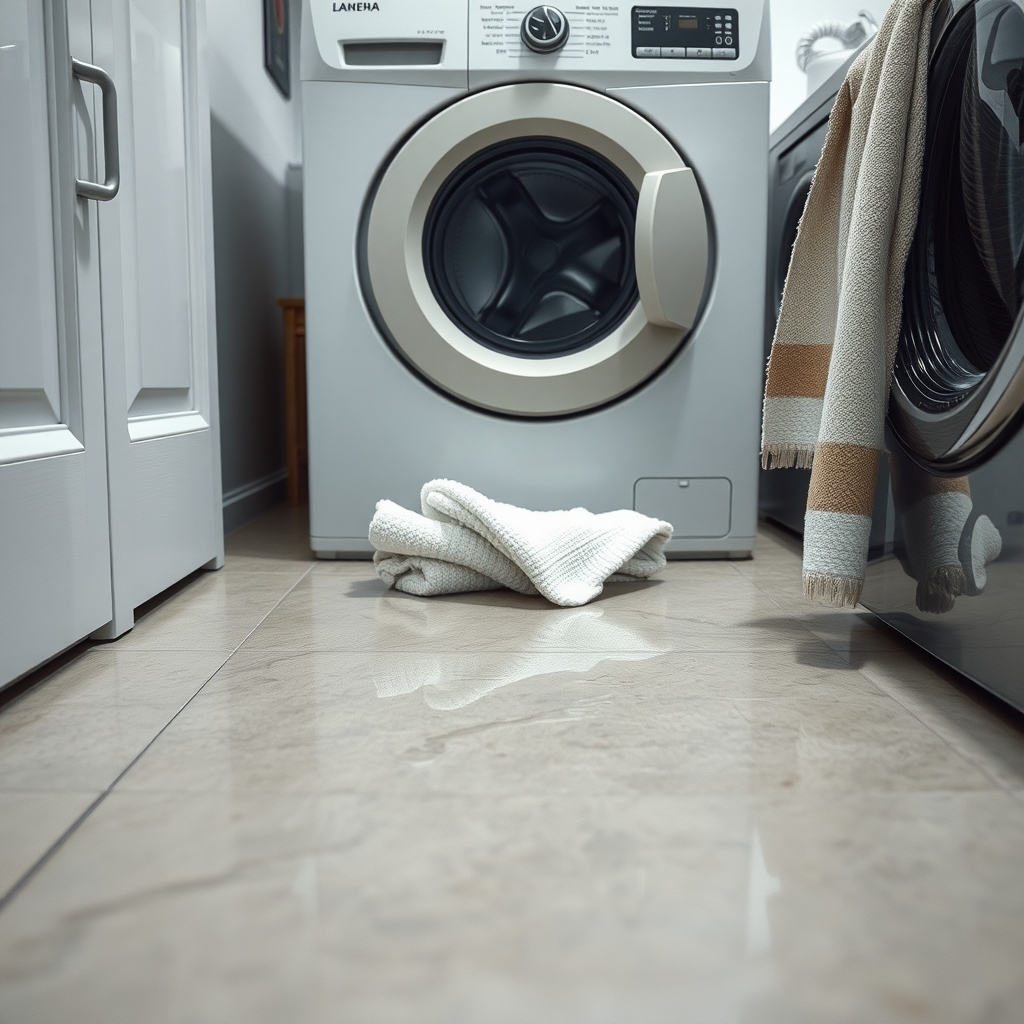 Free fix inside
Laundry · Laundry Room
Flooded Laundry Room? Stop a Repeat With a Pan and Leak Sensor
Read the fixAs an Amazon Associate I earn from qualifying purchases. Affiliate disclosure