Washing Machine Not Filling With Water? 4 Checks, Cheapest First
Most no-fill problems are a closed valve, a kinked hose, a door that is not latched or clogged inlet screens. Check these before you call a repair tech.
By Jamilur Rahman Updated November 5, 2026 · 7 min read
- Time
- 30 min
- Cost
- Under $20
- Difficulty
- Easy
In this guide
Quick answer
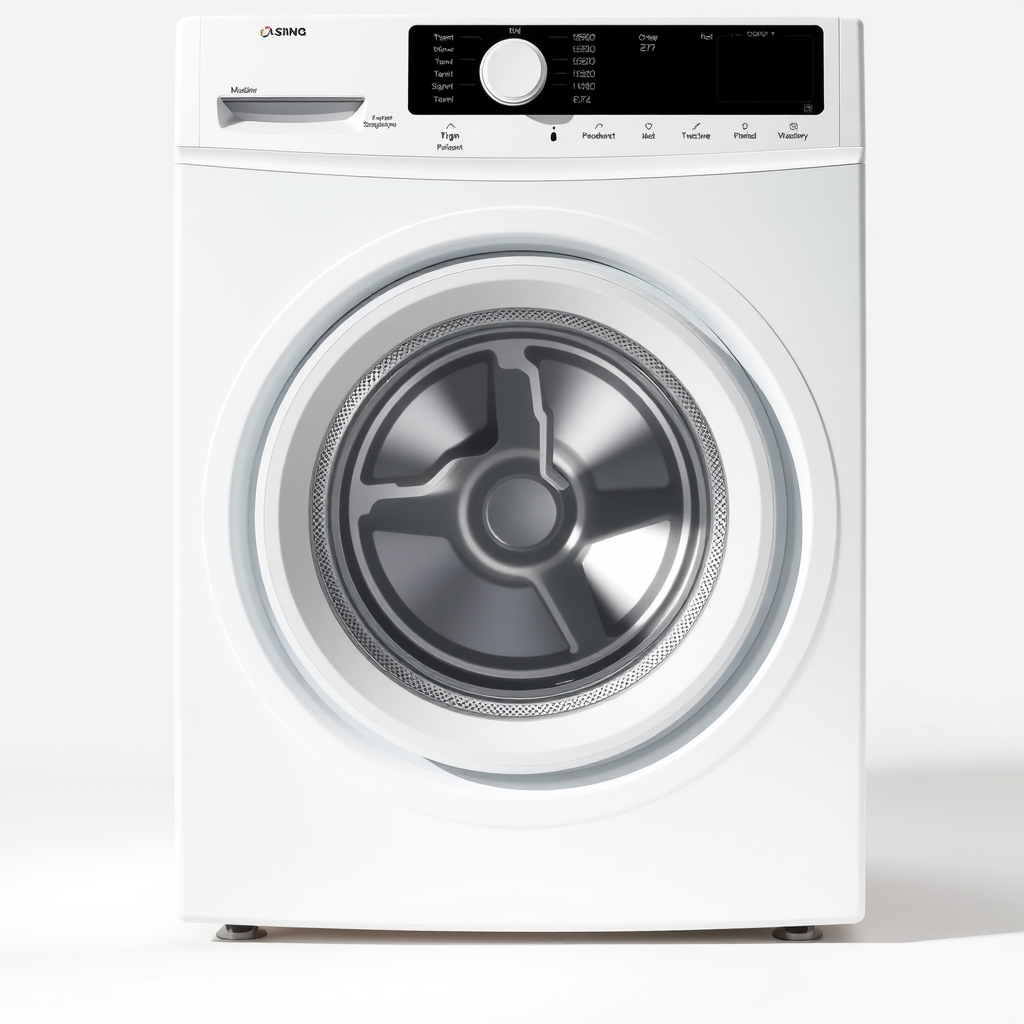
A washing machine not filling with water is usually short of supply, not broken. The water valves are closed, a hose is kinked, the door or lid is not latched, or the small mesh screens where the hoses connect are clogged with sediment. Check those four things, cheapest first. Clogged screens are the most common fix and cost almost nothing, and fresh screens and washers are cheap if yours are torn or hard.
Free fix vs. permanent fix
Clear the screens and test the flow
- Open both valves fully and straighten the hoses
- Close the door or lid until it clicks
- Unscrew the hoses and pull out the mesh screens
- Rinse and scrub the screens, then reconnect
How long it lasts: As long as the water stays clean. In sandy or rusty water the screens can clog again in a year or two.
Fresh inlet hose screen filters
Screens that are torn, bent or packed with grit restrict flow or let debris reach the inlet valve, which costs more to replace. Fresh screens restore full flow and keep sediment out of the valve.
What to get: Washing machine inlet hose screen filters
How long it lasts: Years of normal use. Swap them whenever you replace the hoses.
As an Amazon Associate I earn from qualifying purchases.
What you'll need
-
Bucket and towels
Hoses drip when you unscrew them
You have it -
Needle-nose pliers
Pulls the screens out of the inlet ports
You have it -
Old toothbrush
Scrubs grit out of the mesh
Free - Our pick Illustration
Washing machine inlet hose screen filters
Replace any screen that is torn or bent
- Illustration
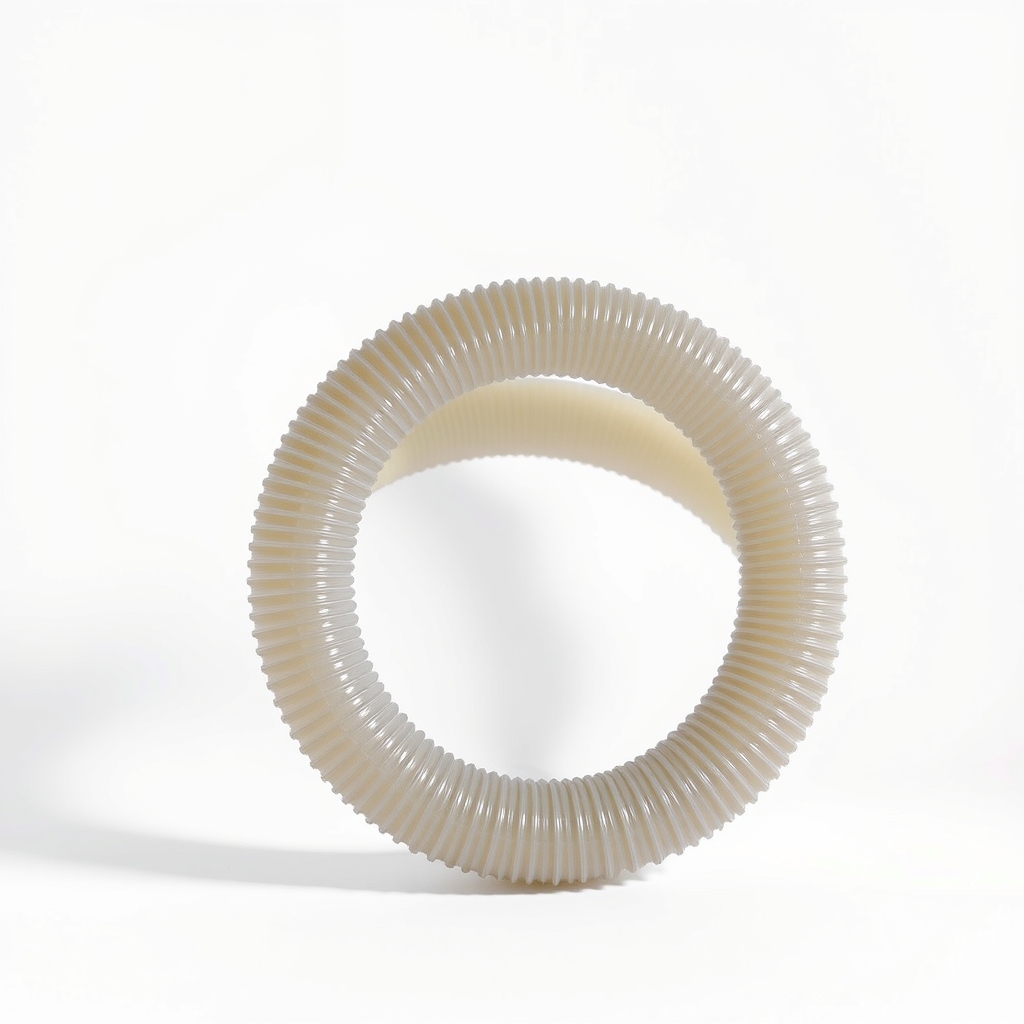
Rubber hose washers
Fit new ones whenever you reconnect the hoses
- Illustration
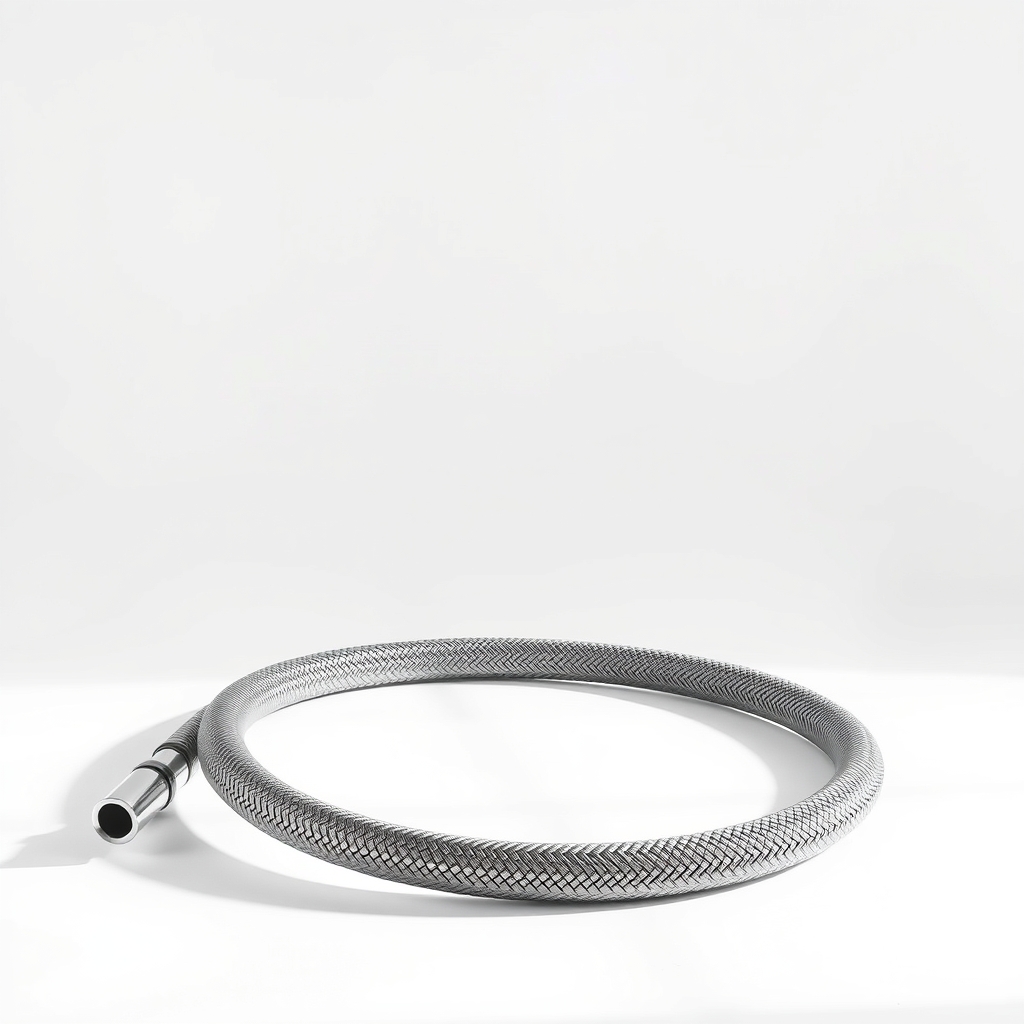
Braided stainless steel washer hoses
For rubber hoses that are old or bulging
Why it happens
Closed or partly closed valves
A valve handle turned even a little can cut the flow. It often happens after the machine is moved or someone works on the plumbing.
Kinked or crushed hoses
Pushing the washer back against the wall can fold a hose. A pinched hose looks fine from the front and starves the machine.
Screens clogged with sediment
Each inlet port has a small mesh screen. Sand, rust and mineral flakes collect on it, especially after water main work or on well water. The screen gets blocked and the machine thinks it has no water.
A door, lid switch or inlet valve that fails
Most washers will not fill until the door or lid is shut and the switch registers. If the supply is fine and the screens are clean, the electric inlet valve may be failing.
Try this first (free)
Do these in order, starting with the simplest.
-
Open the valves and straighten the hoses
Turn both valve handles so they run in line with the pipe, which is fully open. Pull the washer forward a few inches and straighten any kinked hose.
-
Latch the door or lid and check the settings
Close the door or lid until it clicks. On a top loader, make sure the water level is not set to a low fill. Start the cycle again and listen for the hum of water coming in.
-
Unplug, shut off the water and open the hoses
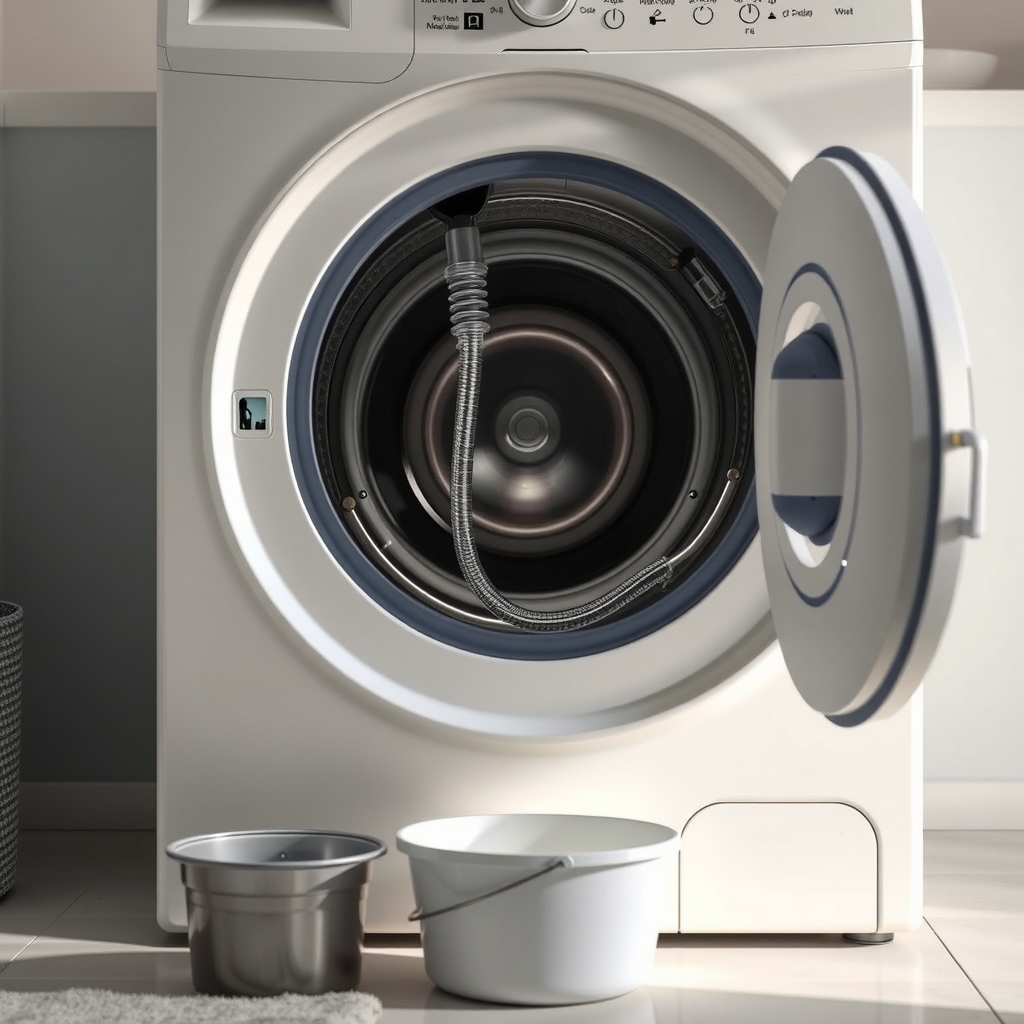
Tool used: Bucket and towelsUnplug the washer and close both valves. Set the bucket and towels under the connections, then unscrew each hose from the machine. Point each hose into the bucket and open its valve briefly to confirm strong flow.
-
Pull and clean the screens
Tool used: Needle-nose pliersLook into each inlet port on the machine for a small mesh screen. Pull it out with the pliers, rinse it, and scrub it with the toothbrush. Replace any screen that is torn, bent or caked in grit.
-
Reconnect with fresh washers and test
Tool used: Rubber hose washersFit a new rubber washer in each hose end if the old ones are hard or flat. Hand-tighten each hose, then add a quarter turn with pliers. Open the valves, check for drips and run a short cycle.
IllustrationCheck price on AmazonTool for this step
Rubber hose washers · Fit new ones whenever you reconnect the hoses
When free fixes aren't enough
If water flows strongly from both hoses into the bucket, the screens are clean and the door is latched but the washer still will not fill, the inlet valve or the control board is the likely fault. The inlet valve is a replaceable part on most machines, but it means opening the cabinet around electricity, so call a tech if you are unsure. If other taps in the house run weak, the problem is the house supply, not the washer. If a hose is bulging, cracked or more than about five years old, replace it before it bursts.
Buy the fix
Still stuck after the free fixes? These are the products we would look at.
| Pick | Product | Fixes | Who it's for | Buy |
|---|---|---|---|---|
| Best pick | Washing machine inlet hose screen filters | low or no water flow from clogged or torn screens | Anyone whose screens are torn, bent or packed with grit. | Check price |
| Budget pick | Rubber washing machine hose washers | drips at the hose ends and flat, hard washers | Anyone reconnecting hoses who wants a tight seal. | Check price |
| Upgrade pick | Braided stainless steel washer hoses | old, kinked or bulging rubber hoses | Anyone with rubber hoses more than about five years old. | Check price |
Washing machine inlet hose screen filters
Fixes: low or no water flow from clogged or torn screens
Look for: The right size for your washer inlet ports, so check the manual or measure; Fine mesh that holds its shape; A pack that covers both hot and cold hoses.
- Who it's for
- Anyone whose screens are torn, bent or packed with grit.
- Honest downside
- Your screens clean up fully with a rinse. Reinstall them and save the money.
Rubber washing machine hose washers
Fixes: drips at the hose ends and flat, hard washers
Look for: Standard 3/4 inch garden-hose size; Thick, flexible rubber; A pack with spares.
- Who it's for
- Anyone reconnecting hoses who wants a tight seal.
- Honest downside
- The connections do not leak and your washers are still soft.
Braided stainless steel washer hoses
Fixes: old, kinked or bulging rubber hoses
Look for: A braided stainless steel outer sleeve; Couplings with built-in rubber washers; A length that reaches without a sharp bend.
- Who it's for
- Anyone with rubber hoses more than about five years old.
- Honest downside
- Your hoses are new and in good shape.
As an Amazon Associate I earn from qualifying purchases. We don't show prices because they change, so use the button to see today's price.
How we picked: How we picked: this page is based on washer owner manuals, appliance repair guides, directions from hose and screen makers, and the problems and fixes owners report in reviews. We do not test products by hand.
Front load washer not filling with enough water? Check this first
A front loader fills only a few inches by design, and the sensors adjust the water to the load. You may see little water in the door glass and still get a good wash. It is a problem when the drum stays dry, clothes stay dry, or a cycle shows a water error. Then check the valves, hoses and screens, and do not stuff the drum, because an overloaded drum soaks up the water.
What to skip
Replacing parts before checking the screens
Do not order a new inlet valve or control board until you have checked the valves, hoses and screens. The screens are the most common cause and cost very little. And never open the cabinet with the washer plugged in.
Frequently asked questions
Why is my washing machine not filling up with water?
Front load washer not filling with enough water: is that normal?
Can a clogged screen stop a washer from filling?
Does low water pressure cause this?
Related problems
 Free fix inside
Laundry · Washer Problems
Washing Machine Keeps Filling With Water? The Inlet Valve Check
Read the fix Free fix inside
Laundry · Washer Problems
Washing Machine Not Agitating? The Worn Agitator Dogs Fix
Read the fix Free fix inside
Laundry · Laundry Room
Flooded Laundry Room? Stop a Repeat With a Pan and Leak Sensor
Read the fix Free fix inside
Laundry · Washer Problems
Front Load Washer Not Dispensing Fabric Softener? Try This Ball
Read the fixAs an Amazon Associate I earn from qualifying purchases. Affiliate disclosure