Rust Spots on Kitchen Knives? Remove Them Safely and Stop the Return
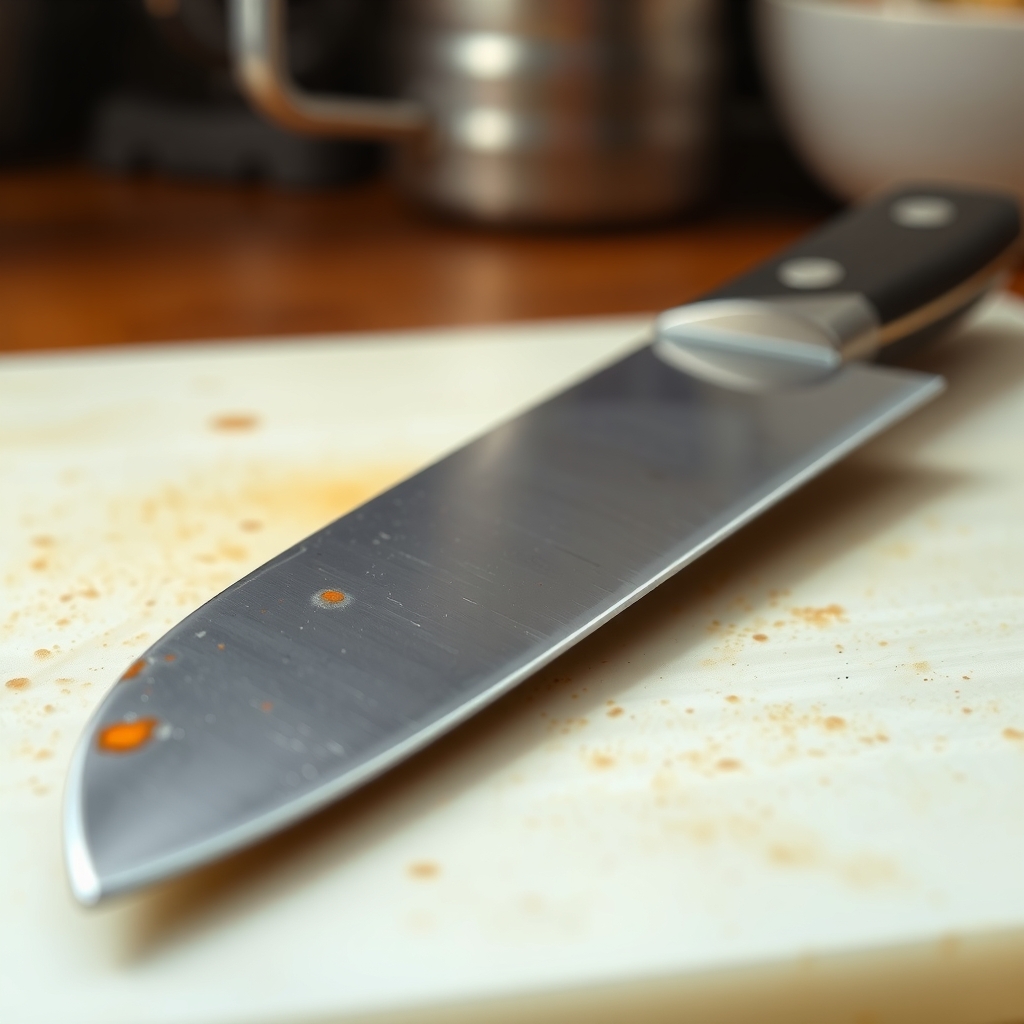
Even stainless steel knives spot when left wet or run through the dishwasher. Rub the rust off gently, then dry the blade the moment you wash it.
By Jamilur Rahman Updated November 5, 2026 · 5 min read
- Time
- 15 min
- Cost
- Under $20
- Difficulty
- Easy
In this guide
Quick answer
Why do my kitchen knives have rust spots? Knife steel rusts when it stays wet, sits in salt or acid or goes through the dishwasher, and even stainless steel is not rust-proof. Rub light spots off with baking soda paste, then dry the blade at once and store it dry. A rust eraser block removes spots in a minute and is gentler on the blade than steel wool.
Free fix vs. permanent fix
Baking soda paste and a dry blade
- Make a thick paste of baking soda and water
- Rub along the blade, away from the edge
- Rinse, then dry right away
- Hand-wash and dry after every use
How long it lasts: Spots stay gone as long as you hand-dry the knife after every use. Wet storage brings them back.
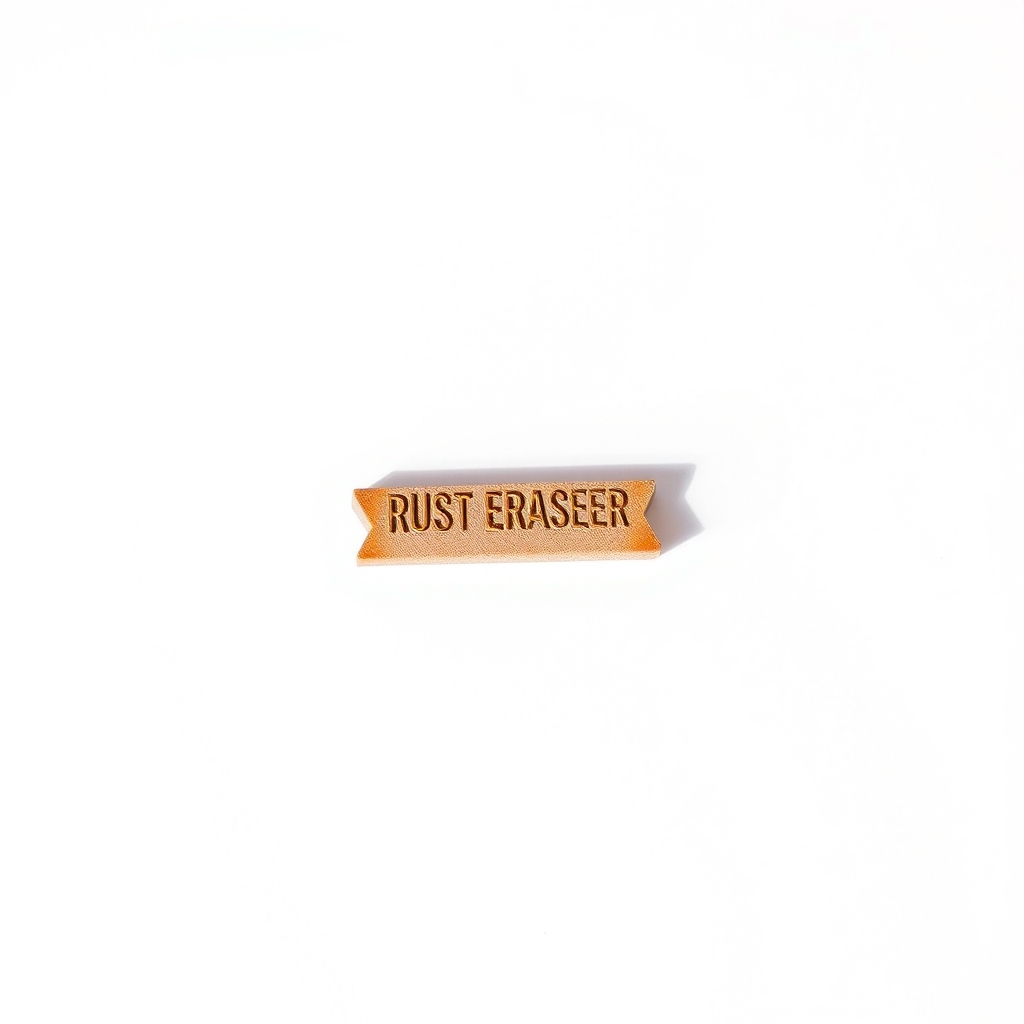
A rust eraser for knives
A rust eraser is a fine abrasive block that lifts surface rust without gouging the steel. It is quicker than a paste for stubborn spots and handy beyond the kitchen. Baking soda handles light rust, so the eraser is a convenience for deeper spots.
What to get: Rust eraser for knives
How long it lasts: For many cleanings. It wears down slowly with use, so one block covers knives, tools and pans.
As an Amazon Associate I earn from qualifying purchases.
What you'll need
-
Baking soda
Makes a gentle scrub paste
You have it -
White vinegar
For a short soak on heavier spots
You have it -
Soft cloth
For rubbing and for drying the blade
You have it - Our pick Illustration
Rust eraser for knives
Lifts surface rust without deep scratches
- Illustration
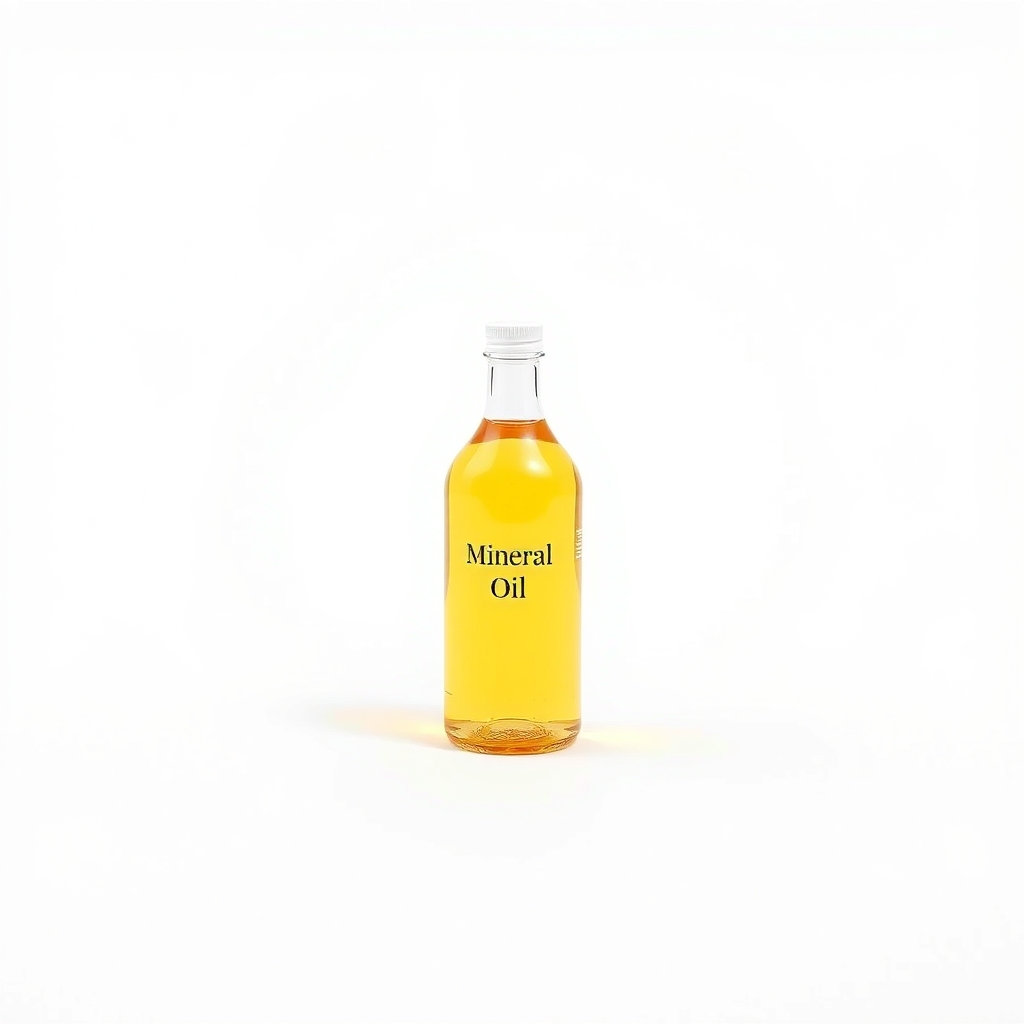
Food-grade mineral oil
A thin coat protects carbon-steel blades
Why it happens
Left wet
Water sitting on a blade for an hour or two can start rust, especially along the spine and near the handle. A dish rack is not the same as drying.
The dishwasher
Detergent, long wet cycles and contact with other metals can pit and spot even stainless steel. Many knife makers say to hand-wash.
Acid and salt
Tomato, citrus, onion and salty foods attack the blade. Wipe the knife after each cut and the damage stops.
High-carbon steel
Some knives rust fast because the steel is made for sharpness and has little protective chromium. Rust is normal if you do not dry and oil them.
Damp storage
A damp knife block, a drawer or a leather sheath holds moisture against the blade.
Try this first (free)
Do these in order, starting with the simplest.
-
Wash and dry the knife
Tool used: Soft clothWash with warm water and a drop of dish soap, then dry. Rust is easier to see and scrub on a clean blade.
-
Rub on baking soda paste
Tool used: Baking sodaMix baking soda with a little water into a thick paste. Rub it along the blade with a damp cloth, always away from the edge. Hold the knife by the handle and keep fingers off the sharp side.
-
Soak heavier spots briefly in vinegar
Tool used: White vinegarStand the blade in white vinegar for 5 minutes at most, then scrub the spot and rinse. Vinegar is acidic and can etch steel if you leave it longer.
-
Use a rust eraser on what is left
Tool used: Rust eraser for knivesWet the block and rub the spot along the flat of the blade, away from the edge. Rinse and dry at once.
IllustrationCheck price on AmazonTool for this step
Rust eraser for knives · Lifts surface rust without deep scratches
-
Dry, then oil carbon steel
Tool used: Food-grade mineral oilDry the blade completely. On a carbon-steel knife, wipe on a thin coat of food-grade mineral oil and wipe off the extra.
IllustrationCheck price on AmazonTool for this step
Food-grade mineral oil · A thin coat protects carbon-steel blades
-
Store the knife dry
Use a dry knife block, a drawer tray or a magnetic strip, not a damp sheath. Never leave knives soaking in the sink.
When free fixes aren't enough
If rust has left deep pits near the edge, scrubbing will not remove them. Hone the edge, or have the knife professionally sharpened to grind the pitted steel away. If pits run along the cutting edge or are deep, replace the knife, since pits trap food and moisture. A rust eraser removes surface rust quickly, but it cannot undo pitting. Do not use a knife that has flaking rust on the blade until it is clean.
Buy the fix
Still stuck after the free fixes? These are the products we would look at.
Rust eraser for knives
Fixes: light surface rust on blades
Look for: A fine, rubber-like abrasive block, not a coarse stone; Described as safe for stainless steel blades; Small enough to grip safely with a damp hand.
- Who it's for
- Anyone with a few rust spots who wants a fast fix that also works on tools and pans.
- Honest downside
- You own a prized carbon-steel or patterned blade with a patina you want to keep. Ask the maker first.
As an Amazon Associate I earn from qualifying purchases. We don't show prices because they change, so use the button to see today's price.
How we picked: How we picked: this page is based on knife care guides from cutlery makers, general rust-removal advice for steel, and what owners report in reviews of rust erasers. We do not test products by hand.
How to fix a rusty kitchen knife: light spots, deep pits, and a rusty edge
- Light spots: baking soda paste and a cloth, then dry. This clears most surface rust.
- Heavier spots: a 5-minute vinegar soak, a scrub and a rust eraser.
- Pits: hone the edge, or have it sharpened. Replace the knife if the pits are deep.
- Rust on the cutting edge: clean it, then hone or sharpen the edge before using it again.
What to skip
Overnight soaks, the dishwasher, steel wool and bleach
Soaking and dishwasher cycles are the top causes of repeat rust. Steel wool scratches the blade, and bleach can pit steel. Skip all four.
Frequently asked questions
Why is my kitchen knife rusting if it is stainless steel?
How to stop kitchen knife from rusting?
Is it safe to use a knife after I remove the rust?
Do lemon juice or a potato remove rust from a knife?
Why do my knives rust in the dishwasher?
Related problems
 Free fix inside
Kitchen · Kitchen Knife
Kitchen Knives Dull So Fast? Blame the Board, Then Hone and Sharpen
Read the fix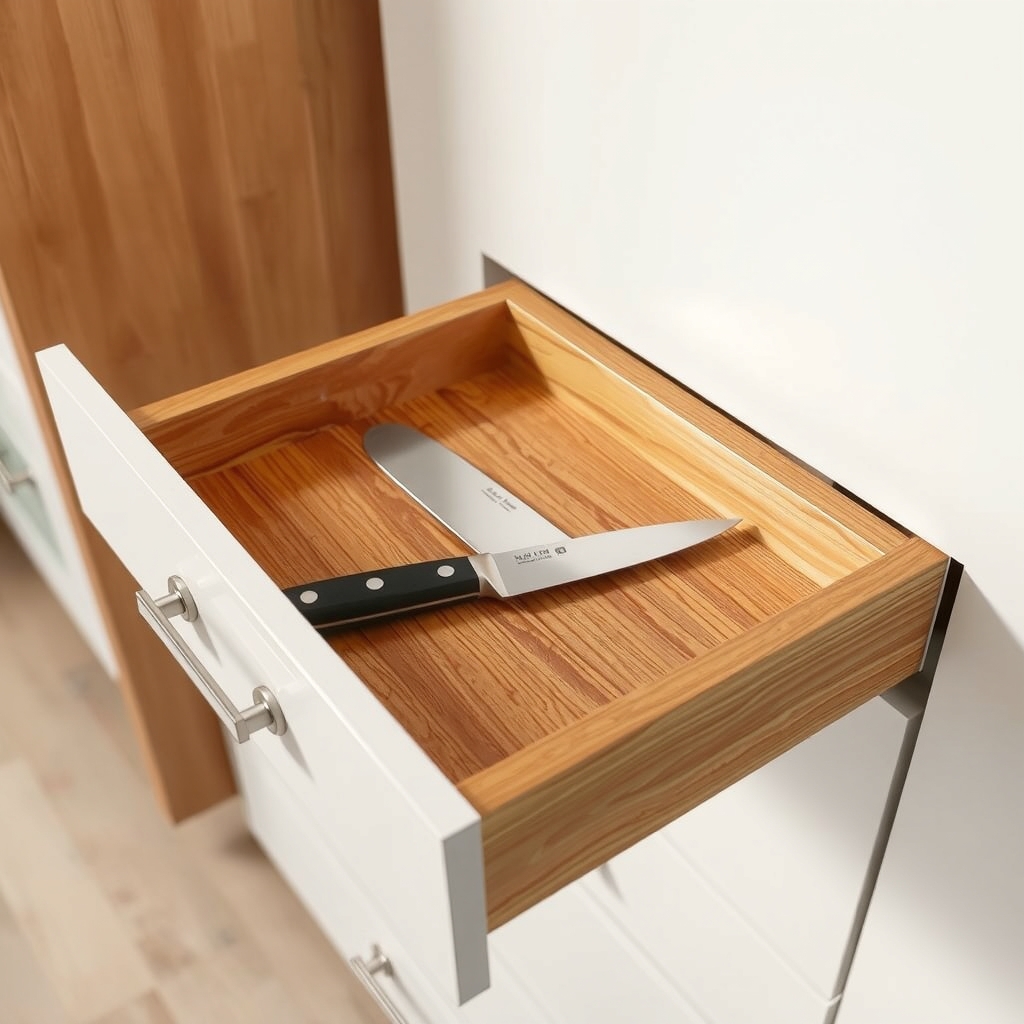 Free fix inside
Kitchen · Kitchen Knife
How to Store Knives in the Kitchen: Drawer Tray vs Magnetic Strip
Read the fix Free fix inside
Kitchen · Kitchen Knife
Fix a Loose Kitchen Knife Handle: The Epoxy Method That Holds
Read the fix Free fix inside
Kitchen · Kitchen Knife
Chipped Kitchen Knife? What You Can Grind Out and What to Replace
Read the fixAs an Amazon Associate I earn from qualifying purchases. Affiliate disclosure