How to Store Knives in the Kitchen: Drawer Tray vs Magnetic Strip
Loose knives in a drawer chip their edges and cut fingers. Guard them with cardboard today, then pick the drawer tray or magnetic strip that fits your kitchen.
By Jamilur Rahman Updated November 5, 2026 · 7 min read
- Time
- 15 min
- Cost
- $20-$50
- Difficulty
- Easy
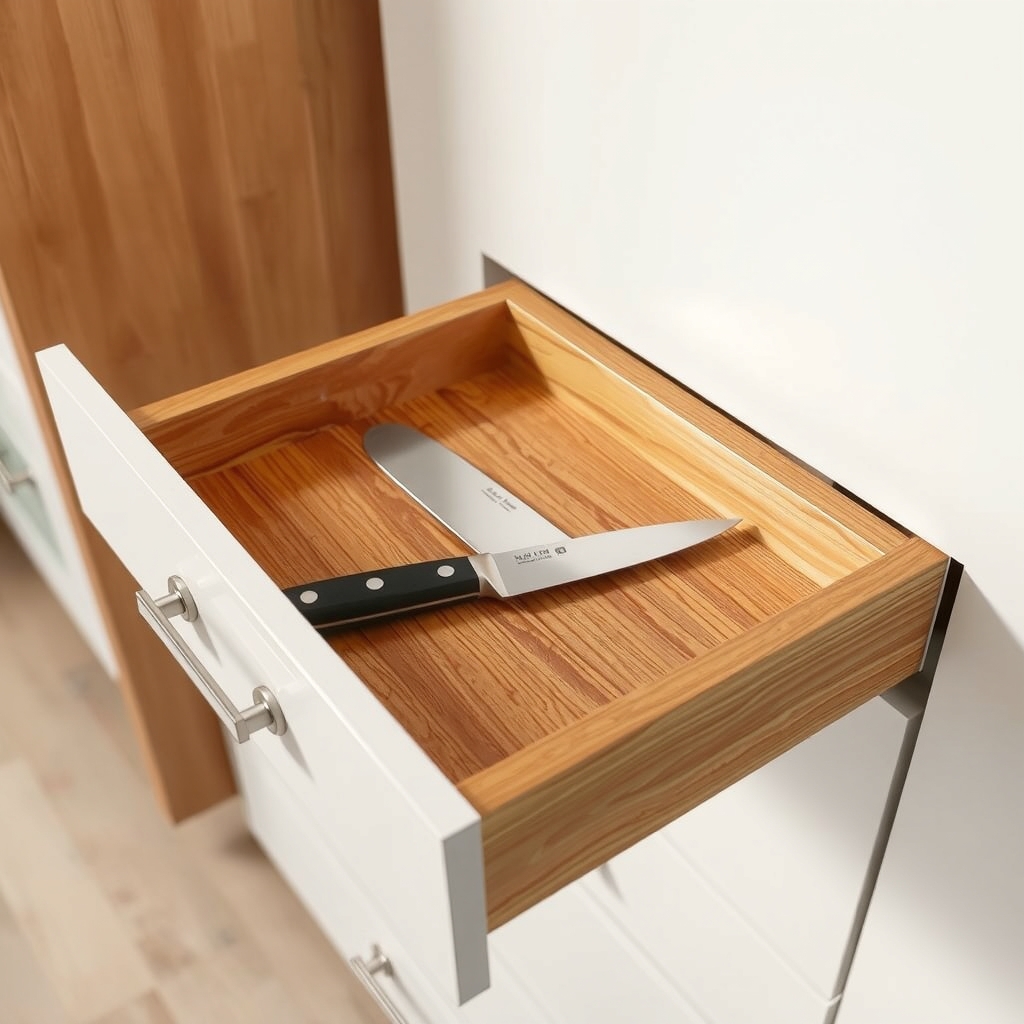
In this guide
Quick answer
Knives tossed loose into a drawer bang together, dull fast and cut the hand that reaches in. Today, slide each blade into a folded cardboard sleeve and dry it before you put it away. For good, an in-drawer knife tray is the best pick for most kitchens: it protects edges and keeps blades out of reach. Choose a magnetic strip only if you have no drawer space and can mount it securely.
Free fix vs. permanent fix
Cardboard blade sleeves and dry knives
- Hand-wash and dry each knife before it goes away
- Fold stiff cardboard around each blade and tape the long edge
- Keep the sleeved knives together in one drawer, handles facing you
- Measure the drawer before choosing a tray
How long it lasts: Protects the edge while you sort things out, but the sleeves wear and slip, and the drawer stays crowded.
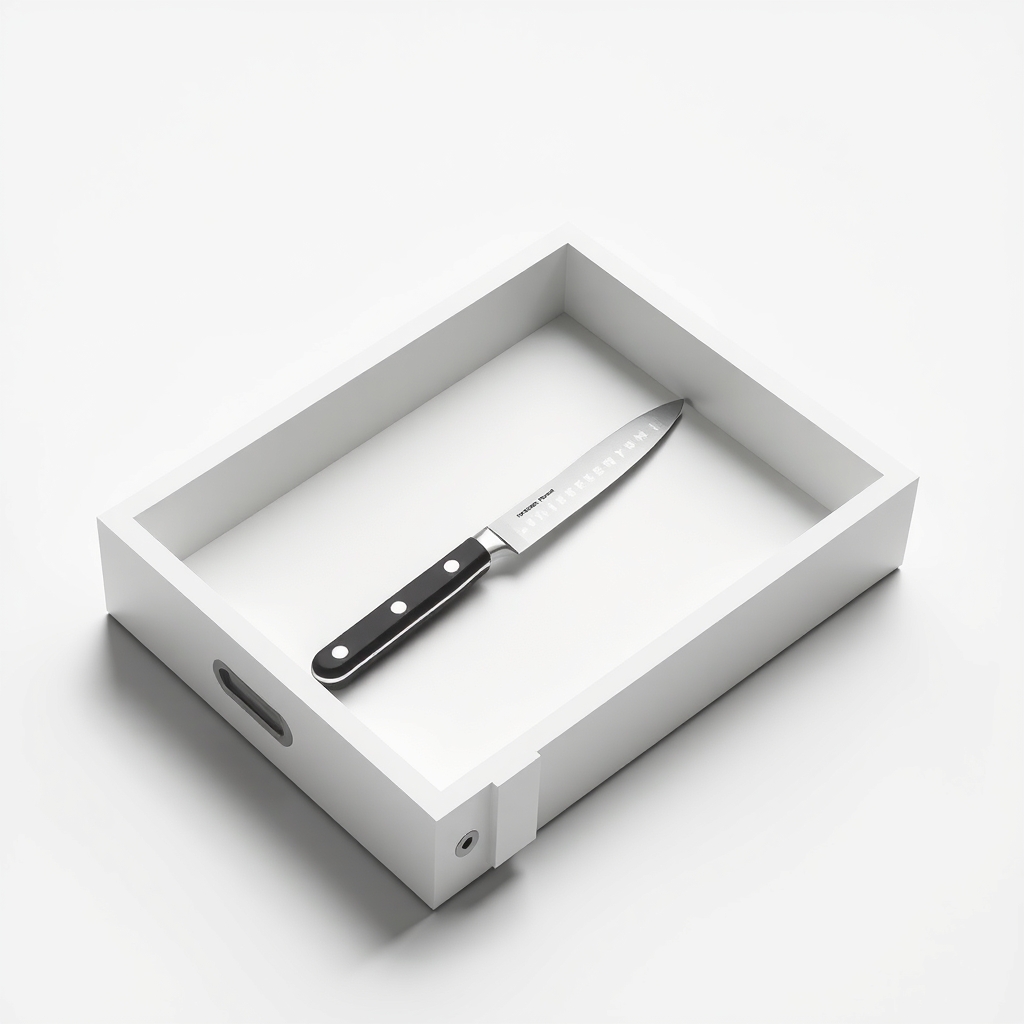
An in-drawer knife tray
A tray holds every blade in its own slot, so edges stay sharp longer and nobody reaches into a pile of steel. It works in a rental, takes no wall space and keeps knives out of children's sight.
What to get: In-drawer knife tray
How long it lasts: Years. The knives have one fixed home, and the edges stop touching each other.
As an Amazon Associate I earn from qualifying purchases.
What you'll need
-
Stiff cardboard and tape
Makes a blade sleeve in a minute from a cereal box
Free -
Tape measure
To check the drawer and your longest knife
You have it - Our pick Illustration
In-drawer knife tray
Match it to the inside size of the drawer
- Illustration
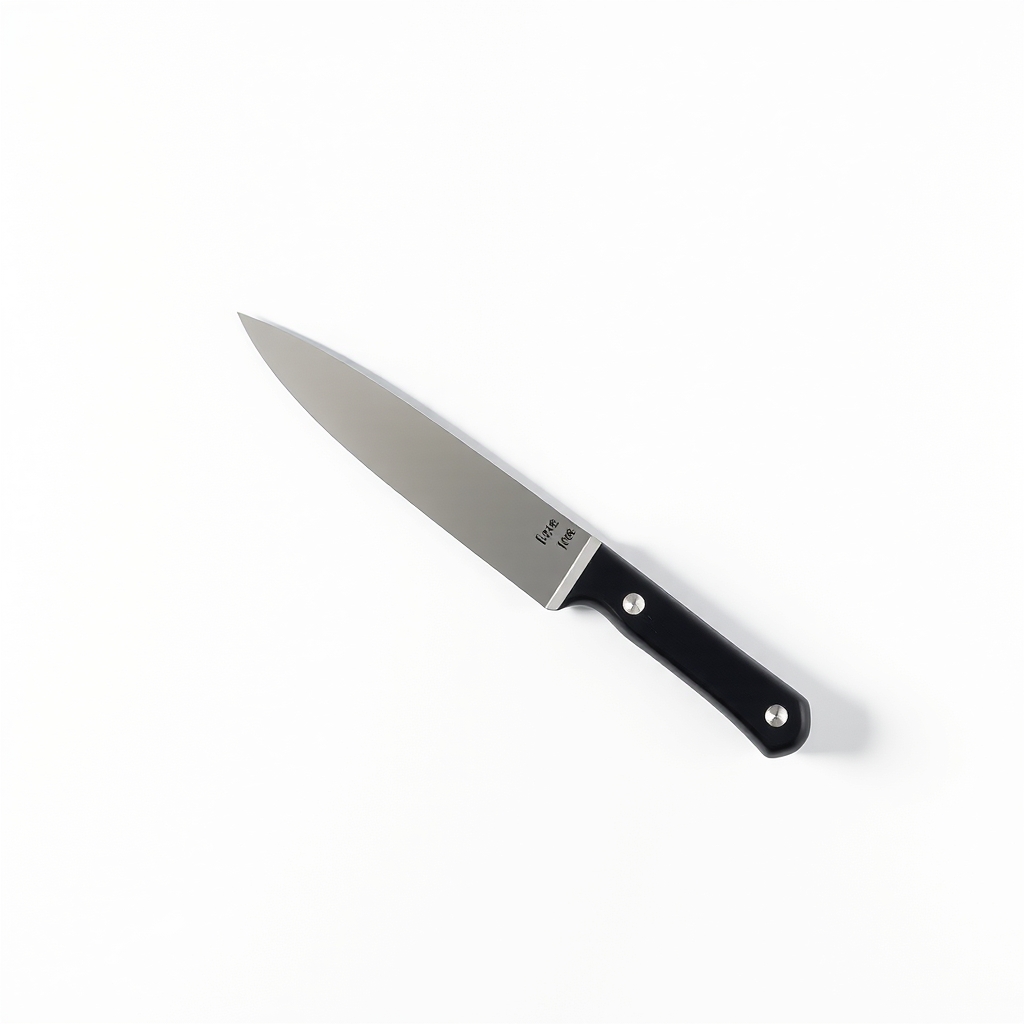
Blade edge guards
A cheap stop-gap if you cannot get a tray yet
- Illustration
Magnetic knife strip
For a free stretch of wall and daily cooks
Why it happens
Blades knocking together
Knives loose in a drawer slide and clatter against each other and against whisks and spatulas. The fine edge rolls and chips long before it wears out from cutting.
Damp knives in a closed space
A knife that goes away wet can spot or rust, especially a carbon-steel one. Damp wood slots or a drawer with no airflow make it worse.
Knife blocks that drag the edge
Slots in a block trap moisture and crumbs. Sliding a blade in and out can scrape its edge on the wood, and a block eats counter space in a small kitchen.
No dedicated place
When knives share a drawer with everything else, you reach in blind. That is how people get cut, and how children can reach sharp blades.
Try this first (free)
Do these in order, starting with the simplest.
-
Dry every knife by hand before storing
Wash by hand with warm soapy water and dry with a towel right away. The dishwasher dulls edges and can loosen handles.
-
Make a cardboard sleeve for each blade
Tool used: Stiff cardboard and tapeFold stiff cardboard around the blade, tape the long edge and slide the sleeve on with the sharp edge facing away from your hand. A cereal box works.
-
Give the knives one drawer
Pick a shallow drawer near the cutting board. Lay the sleeved knives flat with the handles toward you so you grab by the handle.
-
Measure the drawer and your longest knife
Tool used: Tape measureMeasure the inside length, width and depth of the drawer. An 8-inch chef's knife is roughly 13 inches long with the handle, so check it fits.
-
Choose the tray or strip that fits
Tool used: In-drawer knife trayIf you have a shallow drawer to spare, buy a tray that fits it. If every drawer is full and you have a safe stretch of wall, choose a strip. Skip both if you have fewer than three knives.
IllustrationCheck price on AmazonTool for this step
In-drawer knife tray · Match it to the inside size of the drawer
When free fixes aren't enough
Cardboard sleeves are a good bridge, but they slip off, wear through at the tip and leave you digging through a drawer of separate pieces. If you own more than three knives, if you cook daily, or if children live in the house, a tray or strip is the fix that lasts. Replace a sleeve at once if it tears and exposes the edge. If a knife has already chipped or rusted, deal with that on its own before you store it.
Buy the fix
Still stuck after the free fixes? These are the products we would look at.
| Pick | Product | Fixes | Who it's for | Buy |
|---|---|---|---|---|
| Best pick | In-drawer knife tray | loose knives dulling and cutting hands in a drawer | Households with kids, or anyone who wants knives hidden and protected and has a shallow drawer to spare. | Check price |
| Budget pick | Blade edge guards (knife sleeves) | blades knocking together in a drawer | Anyone who needs real protection today for a few dollars, or who keeps knives in a shared drawer. | Check price |
| Upgrade pick | Magnetic knife strip | no drawer space and slow access to everyday knives | Cooks who use their knives daily and have a free stretch of wall near the prep area. | Check price |
In-drawer knife tray
Fixes: loose knives dulling and cutting hands in a drawer
Look for: Slots or a slanted insert that keep blades from touching each other; Fits your drawer width and depth, and holds your longest knife; Smooth wood or soft material that will not scrape the edge; A non-slip base so it stays put when the drawer opens.
- Who it's for
- Households with kids, or anyone who wants knives hidden and protected and has a shallow drawer to spare.
- Honest downside
- Your drawers are too shallow or crowded, or you cook with several knives at once and want them in sight on the wall.
Blade edge guards (knife sleeves)
Fixes: blades knocking together in a drawer
Look for: Sizes that match your paring, utility and chef's knives; A snug fit that does not slip off; Easy to rinse and dry.
- Who it's for
- Anyone who needs real protection today for a few dollars, or who keeps knives in a shared drawer.
- Honest downside
- You want one tidy home for all your knives. Guards still leave you with a drawer of separate pieces.
Magnetic knife strip
Fixes: no drawer space and slow access to everyday knives
Look for: Strong magnets along the full length; A wood or covered face that is gentler on edges than bare metal; Mounting hardware for studs or heavy-duty wall anchors; Long enough for your longest knife.
- Who it's for
- Cooks who use their knives daily and have a free stretch of wall near the prep area.
- Honest downside
- You have young children and cannot mount it out of reach, you rent and cannot drill, or your best knives are ceramic, which will not stick to a magnet.
As an Amazon Associate I earn from qualifying purchases. We don't show prices because they change, so use the button to see today's price.
How we picked: How we picked: this page is based on knife care guidance from cutlery makers, basic kitchen safety advice, and what owners report in reviews of drawer trays and magnetic strips. We do not test products by hand.
Drawer tray vs magnetic strip: how they compare
- Edge protection: a tray keeps each blade in its own slot. A strip holds the spine to the magnet, which is gentle if you set the knives on it correctly.
- Access: a strip is fastest, because everything hangs in view. A tray means opening a drawer.
- Safety around children: a tray in a drawer is better. A strip can sit out of reach, but only if mounted high.
- Space: a strip frees drawer space. A tray needs a shallow drawer of its own.
- Rental-friendly: a tray needs no drilling. A strip does.
Hang knives on a strip without damaging them
Mount the strip into studs or use heavy-duty anchors rated for the weight, and follow the product directions. Place the knife's spine against the strip first, then roll the blade flat. Keep the strip away from the stove, where grease and steam collect, and out of reach of children.
What to skip
Loose in the drawer, and the dishwasher
Loose blades chip each other and your fingers. The dishwasher's heat and harsh detergent dull edges and can loosen handles. Hand-wash, dry and give each knife a place.
Frequently asked questions
Is a magnetic knife strip bad for knives?
What is the safest knife storage with young children?
Is a knife block a good choice?
How do I pick the right tray size?
Related problems
 Free fix inside
Kitchen · Kitchen Knife
Kitchen Knives Dull So Fast? Blame the Board, Then Hone and Sharpen
Read the fix Free fix inside
Small Spaces & Storage · Drawer Organizing
Kitchen Drawer Tool Organizer: Trays That End the Utensil Jumble
Read the fix Free fix inside
Small Spaces & Storage · Drawer Organizing
Kitchen Drawer Too Deep? Stackable Trays That Use the Space
Read the fixAs an Amazon Associate I earn from qualifying purchases. Affiliate disclosure