Kitchen Knives Dull So Fast? Blame the Board, Then Hone and Sharpen
Hard boards, the dishwasher and a bent edge dull knives fast. Switch boards, hone before you cook, and sharpen on a stone when honing stops working.
By Jamilur Rahman Updated November 5, 2026 · 7 min read
- Time
- 10 min
- Cost
- $20-$50
- Difficulty
- Medium
In this guide
Quick answer
Knives dull fast because hard boards made of glass, stone or ceramic wear the thin edge, the dishwasher beats it up, and everyday cutting bends it sideways. Switch to a wood or soft plastic board, hand wash, and hone with a rod before you cook. When honing no longer brings back the bite, the edge needs sharpening on a whetstone, which can last for months.
Free fix vs. permanent fix
Change the board and hone with what you have
- Move to a wood or soft plastic cutting board
- Hand wash and dry knives right after use
- Use the unglazed ring on a ceramic mug base as a stopgap
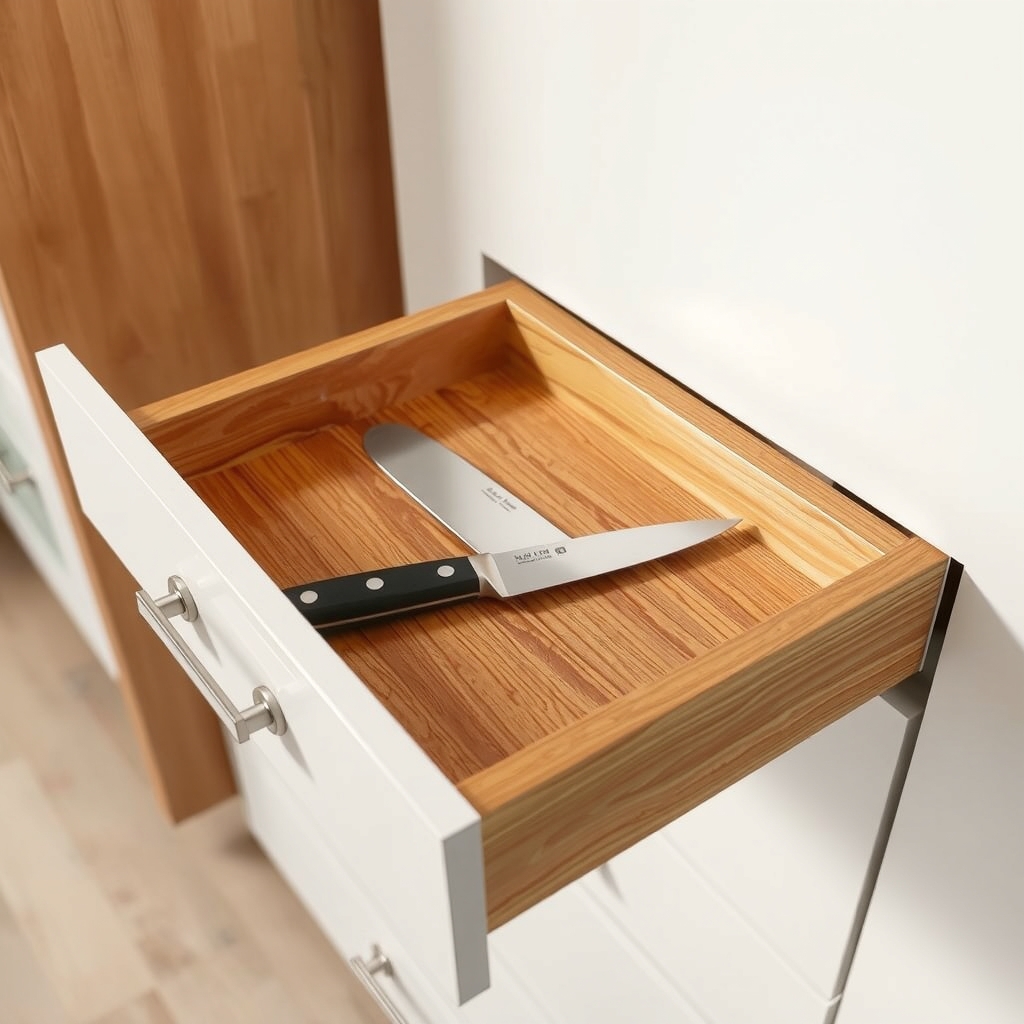
- Keep knives in a block, sheath or magnetic strip, not loose in a drawer
How long it lasts: Stops new damage right away. A quick pass on a mug base freshens a bent edge for a few days, but it will not rebuild a worn one.
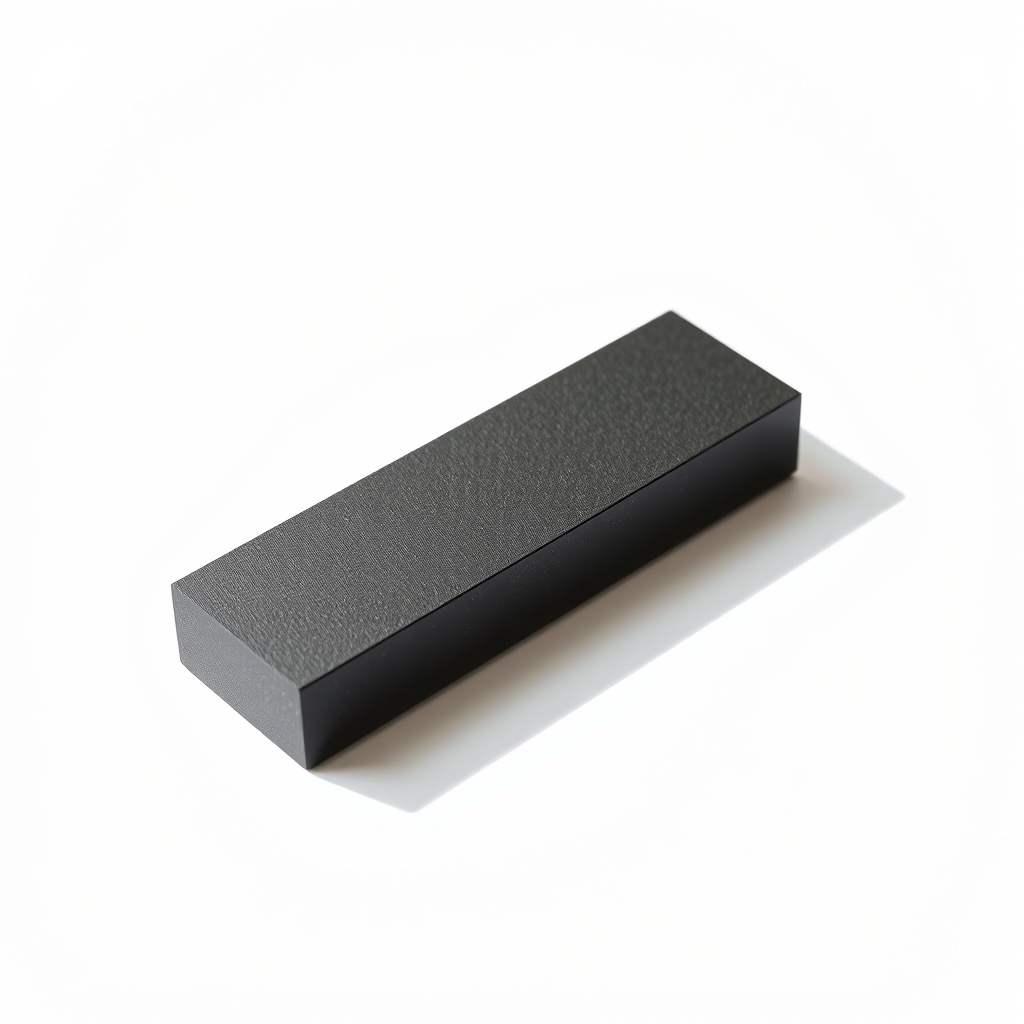
A combination whetstone, plus a honing rod for upkeep
Honing straightens a bent edge but removes almost no metal. Once the edge is worn, only sharpening works, and a whetstone gives you more control than a pull-through gadget. A stone for resets and a rod for upkeep covers every knife you own.
What to get: Combination whetstone, coarse and fine sides
How long it lasts: The stone lasts for years. A sharpened knife stays sharp for months of home cooking if you hone it weekly.
As an Amazon Associate I earn from qualifying purchases.
What you'll need
-
Wood or soft plastic cutting board
Hard boards chip the edge; these give a little
You have it -
Ceramic mug with an unglazed base ring
A rough but free stopgap for a bent edge
Free - Illustration
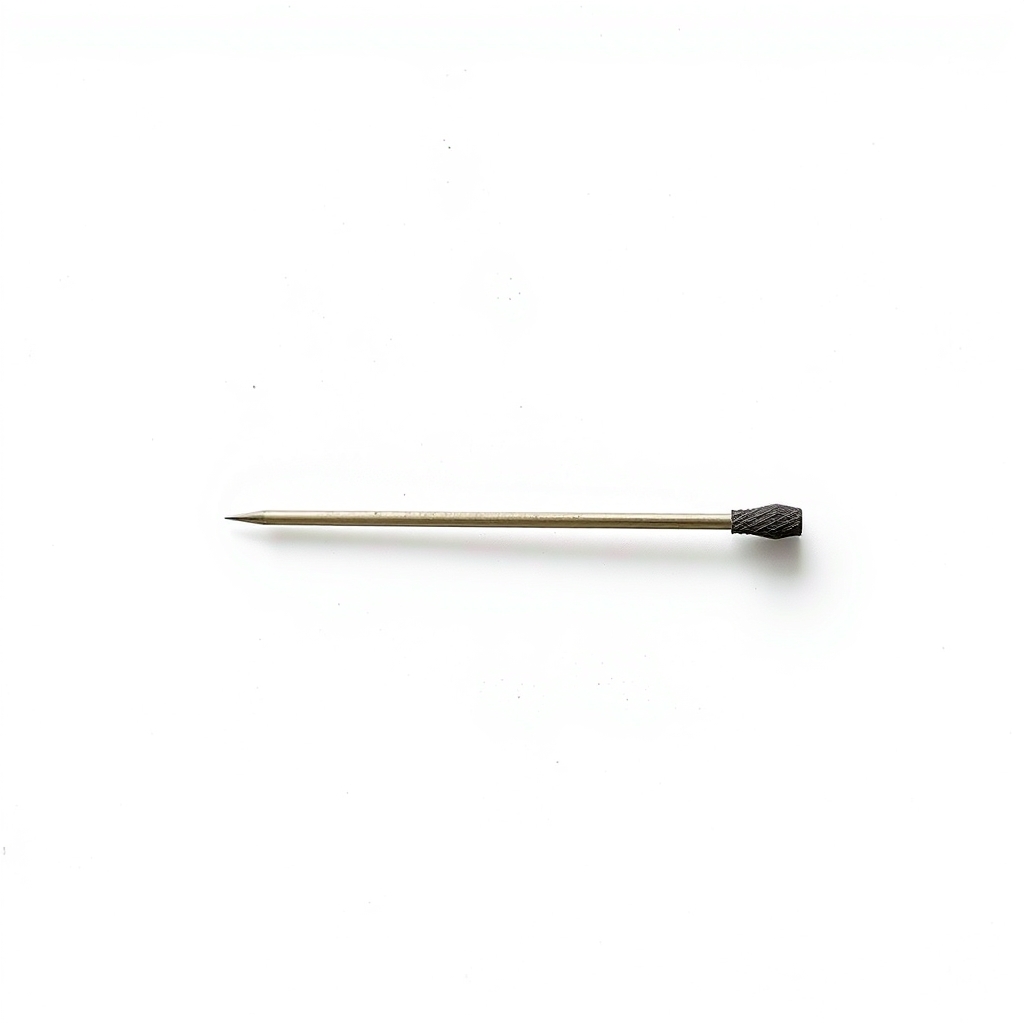
Honing rod
Straightens the edge before each use
- Our pick Illustration
Combination whetstone
One coarse side and one fine side
- Illustration
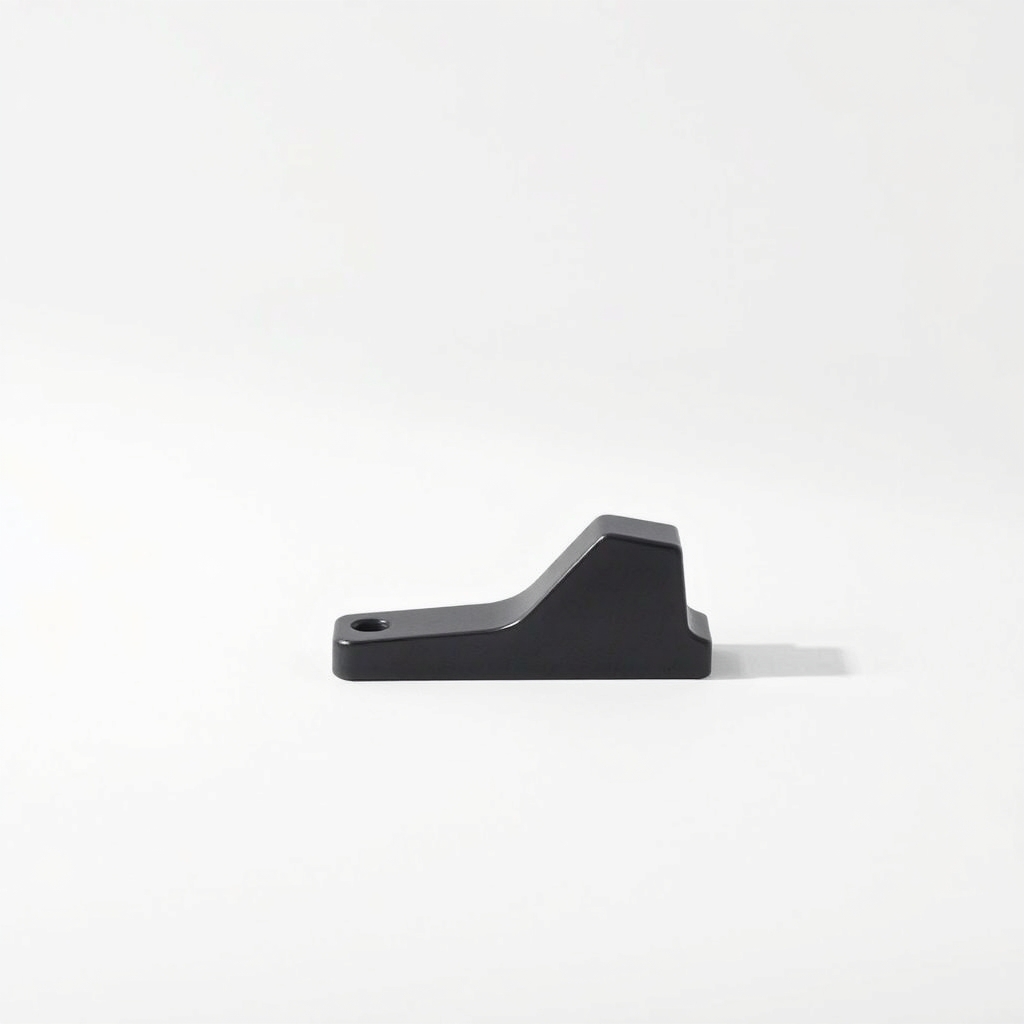
Whetstone angle guide
A clip that holds a steady angle while you learn
Why it happens
A cutting board harder than your knife
Glass, marble, stone, ceramic and some very hard bamboo boards are tougher than the steel edge. Every cut chips or rolls it, so a sharp knife is dull in weeks.
An edge that is bent, not worn
A thin edge folds sideways with use. It feels dull, but the steel is still there. Honing can straighten it.
The dishwasher
Hot water, strong detergent and clanking against other dishes dull blades, chip edges and can loosen handles.
Soft or cheap steel
Softer steel holds an edge for less time. A better routine helps, but you will hone and sharpen more often.
Rough jobs
Cutting through bones, frozen food or cans, scraping the board with the edge and tossing knives in a drawer all chip and bend the edge.
Try this first (free)
Do these in order, starting with the simplest.
-
Test the edge
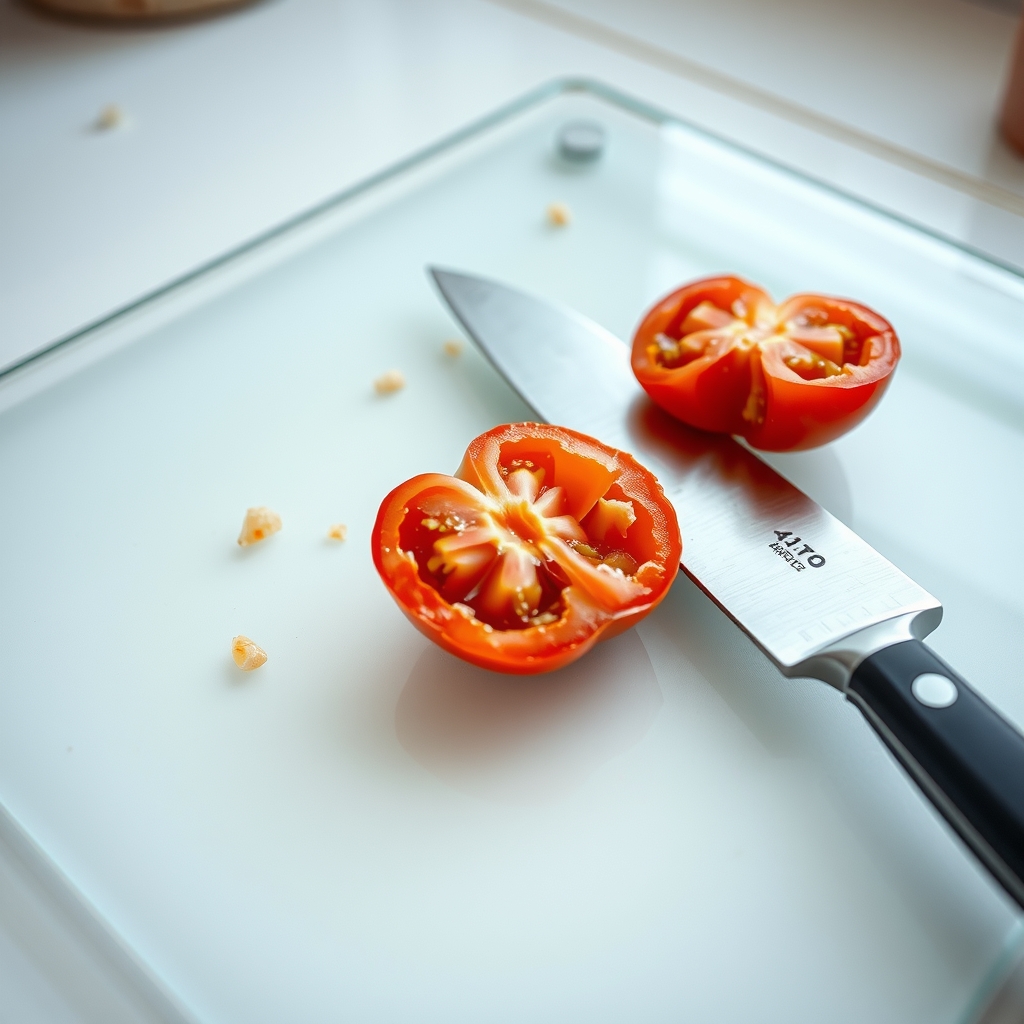
Hold a sheet of printer paper by one end and slice down through it. A sharp knife cuts cleanly. A dull one snags or tears. A ripe tomato is another test: dull blades squash it.
-
Change the board
Tool used: Wood or soft plastic cutting boardSwitch to wood or a soft plastic board. These give a little under the blade, so the edge lasts much longer.
-
Hone before you cook
Tool used: Honing rodDraw the blade down the rod from heel to tip at about 15 to 20 degrees with light pressure. Five to eight strokes per side is enough. Wipe the blade afterward.
IllustrationCheck price on AmazonTool for this step
Honing rod · Straightens the edge before each use
-
Sharpen when honing stops working
Tool used: Combination whetstoneSoak the stone if the maker says to, usually 10 to 15 minutes. Start on the coarse side at a steady angle, about 15 degrees for Japanese-style knives and 20 for most Western ones. Work one side until a thin burr forms along the whole edge, then flip it.
IllustrationCheck price on AmazonTool for this step
Combination whetstone · One coarse side and one fine side
-
Finish on the fine side
Tool used: Combination whetstoneSwitch to the fine side with lighter strokes, then rinse and dry the blade. Repeat the paper test. It should cut cleanly.
IllustrationCheck price on AmazonTool for this step
Combination whetstone · One coarse side and one fine side
When free fixes aren't enough
The board change and mug trick help a bent edge, but they do not remove metal. If the knife still tears a tomato, or you see a bright, shiny line along the edge, the edge is worn and honing alone will not fix it. That needs a stone. A stone takes about 10 minutes per knife and some practice. If the blade is chipped, or the knife is an expensive one you are nervous about, have a local sharpening service do the first reset, then keep it up with the rod.
Buy the fix
Still stuck after the free fixes? These are the products we would look at.
| Pick | Product | Fixes | Who it's for | Buy |
|---|---|---|---|---|
| Best pick | Combination whetstone, coarse and fine sides | a worn edge that honing cannot bring back | Anyone with decent knives who is willing to spend 10 minutes learning a new habit. | Check price |
| Budget pick | Honing rod, steel or ceramic | a bent edge that makes a sharp knife feel dull | Anyone who wants to keep an already sharp knife sharp between sharpenings. | Check price |
| Upgrade pick | 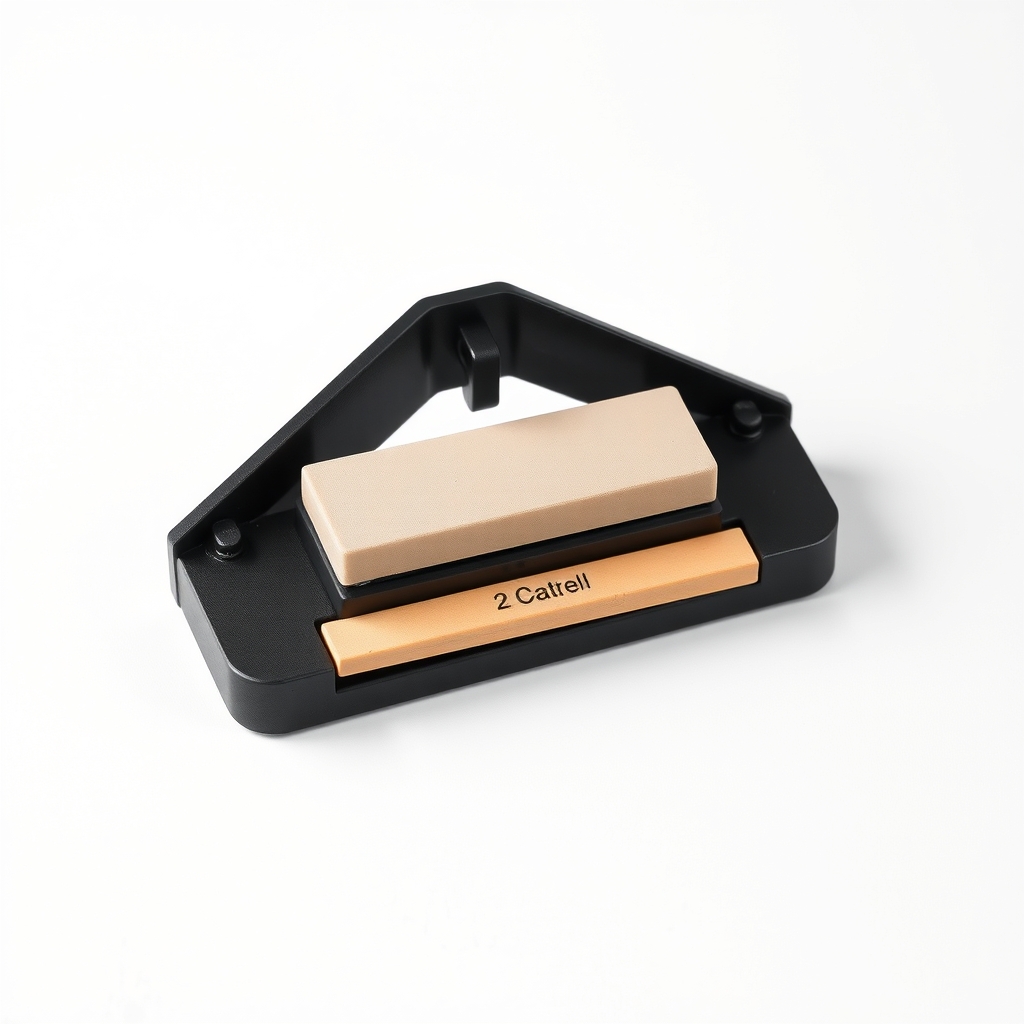 Sharpening stone kit with angle guide and flattening stone | an uneven angle, the main reason beginners fail | Beginners who worry about holding the angle by hand. | Check price |
Combination whetstone, coarse and fine sides
Fixes: a worn edge that honing cannot bring back
Look for: Two grits on one stone, roughly 1000 for sharpening and 3000 to 6000 for finishing; A non-slip base or holder so the stone stays still; Clear soak-or-splash instructions from the maker; Long enough for your longest blade to move across with room.
- Who it's for
- Anyone with decent knives who is willing to spend 10 minutes learning a new habit.
- Honest downside
- Your knives are mostly serrated, or you want a one-pass tool with no learning.
Honing rod, steel or ceramic
Fixes: a bent edge that makes a sharp knife feel dull
Look for: A rod at least as long as your longest blade; A comfortable handle with a hand guard; A loop or hook to hang it near the board.
- Who it's for
- Anyone who wants to keep an already sharp knife sharp between sharpenings.
- Honest downside
- The knife is truly dull. A rod only straightens the edge, and cannot rebuild a worn one.
Sharpening stone kit with angle guide and flattening stone
Fixes: an uneven angle, the main reason beginners fail
Look for: An angle guide to hold a steady angle; A flattening stone, because stones dish out with use; A non-slip base; Two or three grits.
- Who it's for
- Beginners who worry about holding the angle by hand.
- Honest downside
- You can already hold a steady angle without help.
As an Amazon Associate I earn from qualifying purchases. We don't show prices because they change, so use the button to see today's price.
How we picked: How we picked: this page is based on knife-care guides from knife makers, sharpening instructions for stones and honing rods, and what owners report in reviews. We do not test products by hand.
Which cutting board is kind to your knives
Wood boards and soft plastic boards give slightly under the blade, so the edge survives. Glass, marble, stone and ceramic do not give at all. If you love your board, keep it for serving cheese and use a softer one for chopping.
How to know you raised a burr
A burr is a thin ridge of metal that forms on the opposite side of the edge when you have ground far enough. Feel for it by drawing a fingertip lightly across the blade, from the spine toward the edge and away from it, never along the edge. Be careful. When you feel the ridge along the whole length, flip the knife.
What to skip
Glass boards and pull-through sharpeners
A glass board is the fastest way to ruin an edge. Cheap pull-through sharpeners grind away metal with crude carbide slots, leave a rough edge that dulls quickly and wear down good knives. They are fine for a throwaway knife and a poor choice for ones you care about.
Frequently asked questions
How often should I sharpen kitchen knives?
What is the difference between honing and sharpening?
Why will my knife not get sharp on a stone?
Is it OK to put knives in the dishwasher?
Related problems
As an Amazon Associate I earn from qualifying purchases. Affiliate disclosure