Kitchen Drawer Tool Organizer: Trays That End the Utensil Jumble
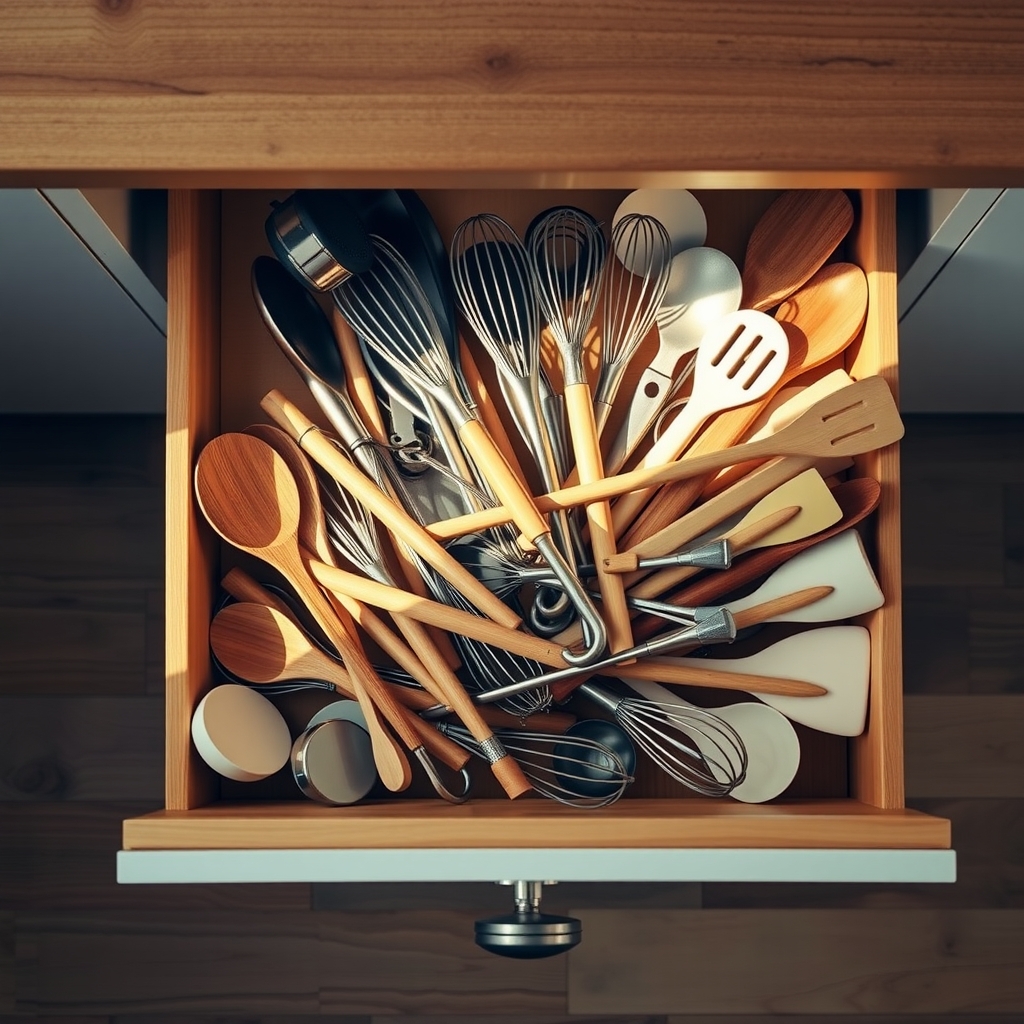
Loose spatulas and whisks tangle, jam the drawer and hide the tool you need. Sort first, then fit a tray that gives every tool its own slot.
By Jamilur Rahman Updated November 5, 2026 · 7 min read
- Time
- 30 min
- Cost
- $20-$50
- Difficulty
- Easy
In this guide
Quick answer
A utensil drawer turns into a jumble because nothing in it has its own spot, so tools slide, tangle and wedge against each other. Empty it, keep only what you use, and group tools by job. Then fit an expandable utensil tray that stretches to your drawer width, so every tool stays in its own slot and the drawer opens without a fight.
Free fix vs. permanent fix
Empty, edit and sort the drawer
- Empty the drawer and wipe it out
- Donate duplicates and tools you have not used in a year
- Stand the daily tools in a crock by the stove
- Test your groups with shoebox lids before you buy anything
How long it lasts: A few weeks at best. Loose tools slide every time you open the drawer, so the jumble creeps back.
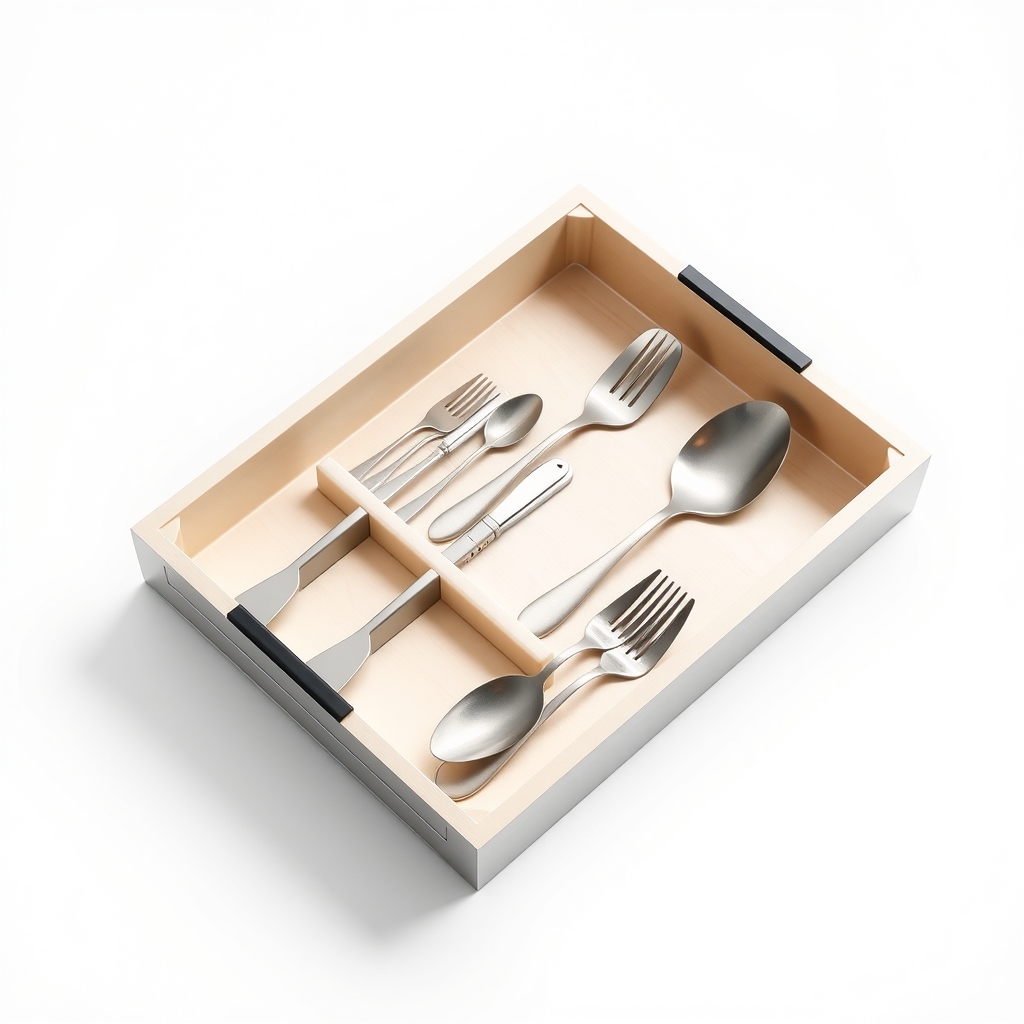
An expandable utensil drawer tray
Sorting shrinks the pile but gives nothing a place to sit. A tray with fixed compartments stops tools sliding, tangling and standing on end. An expandable one stretches to fill the drawer edge to edge, so nothing rolls into a gap.
What to get: Expandable utensil drawer tray
How long it lasts: Years. A tray does not wear out, and the slots keep every tool where you put it.
As an Amazon Associate I earn from qualifying purchases.
What you'll need
-
Tape measure
Measure inside the drawer, not the front panel
You have it -
Shoebox lids or small boxes
Stand-in dividers while you work out which groups you need
Free - Our pick Illustration
Expandable utensil drawer tray
Check the width range against your measurement
- Illustration
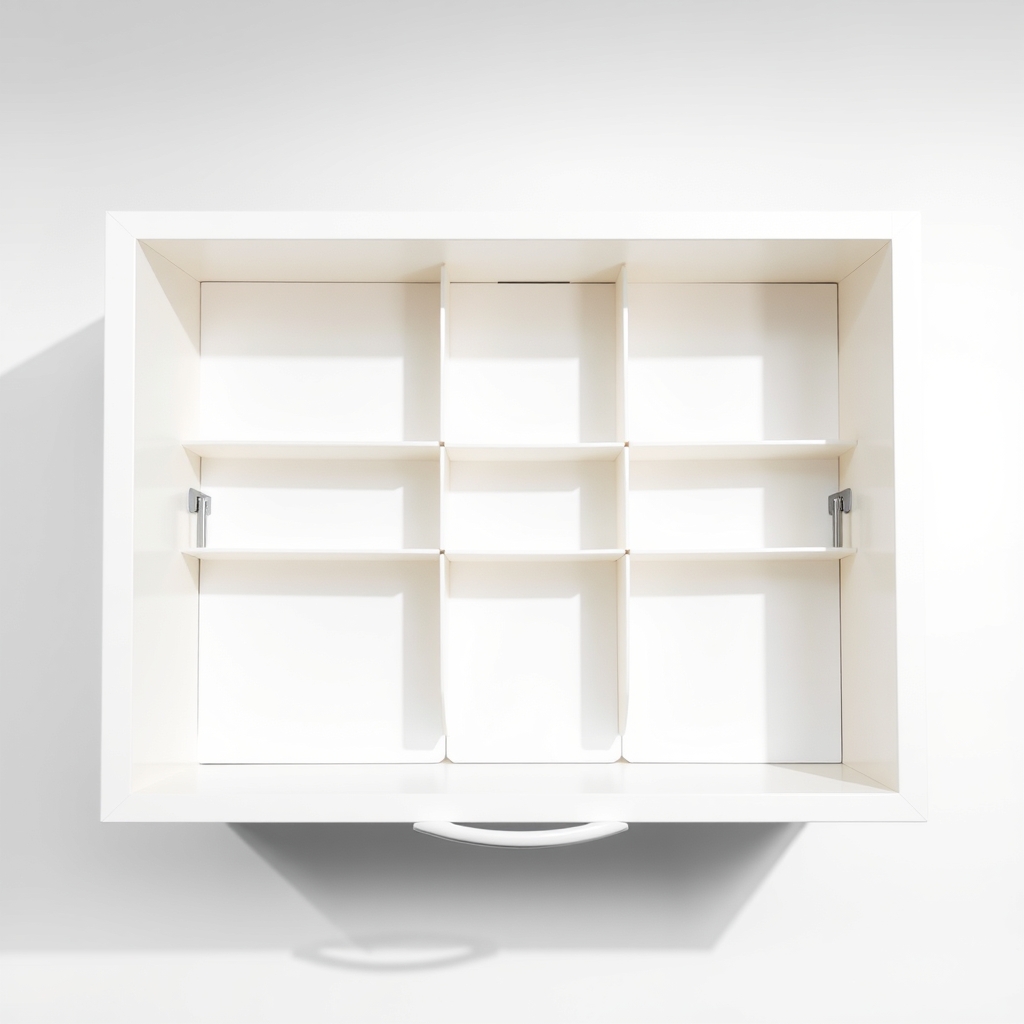
Adjustable drawer dividers
A cheaper way to split a deep drawer into zones
- Illustration
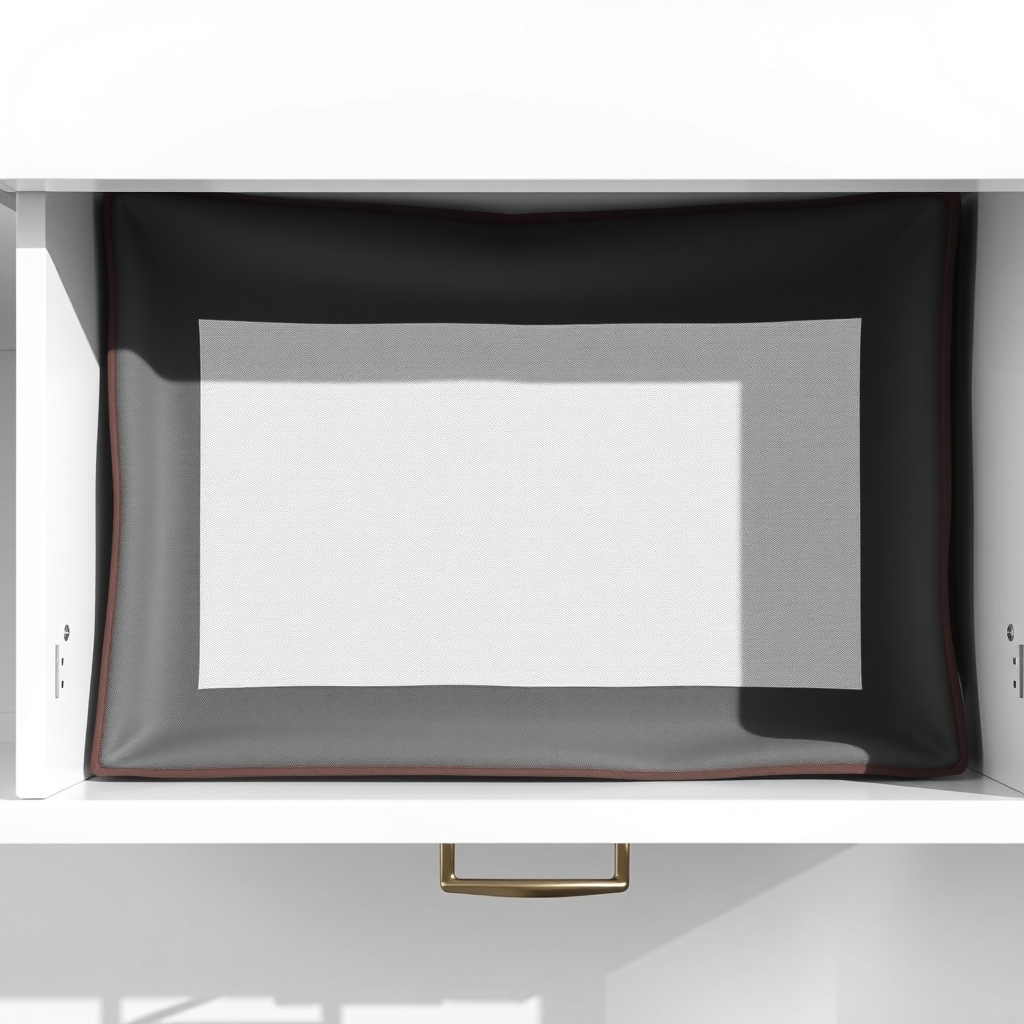
Non-slip drawer liner
Stops the tray sliding when you pull the drawer open hard
Why it happens
No assigned spot for anything
When every tool lands wherever it fits, the drawer reshuffles itself on every open and close. The tool you need always ends up at the bottom.
Too many tools
Most kitchens hold duplicates and one-job gadgets. A drawer with a dozen spatulas and four peelers will jam however neatly you arrange it.
Mixed shapes in one space
Long handles, wide flat heads and spiky whisks catch on each other. A ladle or whisk that stands up stops the drawer closing.
Gaps that let tools roll
A drawer is usually wider than the tools in it. Without dividers, tools slide to one side, pile up and leave dead space behind them.
Try this first (free)
Do these in order, starting with the simplest.
-
Empty the drawer and wipe it out
Take everything out onto the counter and wipe away crumbs. Sort the pile by job: stirring, flipping, lifting, measuring, cutting.
-
Cut the pile down
Keep one of each tool you use every week. Donate duplicates and any gadget you have not touched in a year. Most cooks reach for the same handful of tools every day.
-
Move the tall tools out
Whisks, ladles and the wooden spoons you grab daily can live in a crock by the stove. The drawer then holds only flat and short tools, which sit more neatly.
-
Mock up the layout with boxes
Tool used: Shoebox lids or small boxesLay shoebox lids or small boxes in the drawer, one per group. Open and close the drawer a few times. If a group keeps jamming, it needs more room or fewer tools.
-
Measure the drawer
Tool used: Tape measureMeasure inside width, depth and height, and write the numbers down. Your tallest flat tool must lie under the top edge so the drawer still closes.
When free fixes aren't enough
Boxes slide, crush and drift, so the layout you tested rarely survives a month of use. If the drawer is a jumble again within weeks, or you have gaps where tools roll, you need something that holds its shape. A tray does that, and an expandable one fits drawers that are not a standard size. If you only own a handful of tools and they lie in a single row, the free steps may be all you ever need.
Buy the fix
Still stuck after the free fixes? These are the products we would look at.
| Pick | Product | Fixes | Who it's for | Buy |
|---|---|---|---|---|
| Best pick | Expandable utensil drawer tray | tools sliding, tangling and jamming the drawer | Anyone with a standard kitchen drawer full of loose cooking tools. | Check price |
| Budget pick | Adjustable drawer dividers | mixed-up zones in a deep drawer, at a lower price | People who want to split a deep drawer into zones and are happy to place tools by hand. | Check price |
| Upgrade pick | 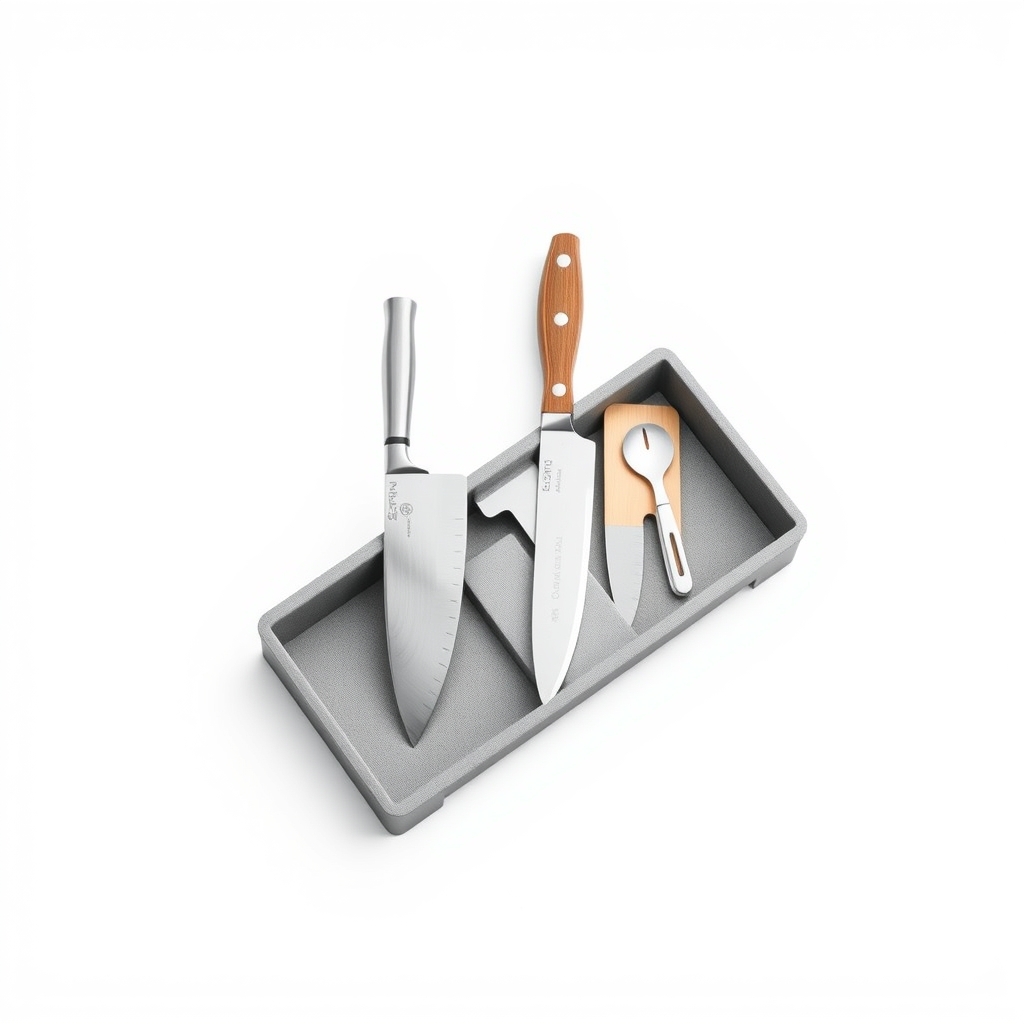 In-drawer knife organizer | loose knives that dull and cut fingers in a crowded drawer | People who keep knives loose in the same drawer as the rest of the tools. | Check price |
Expandable utensil drawer tray
Fixes: tools sliding, tangling and jamming the drawer
Look for: A width range that covers your measurement; Five or more compartments, including a long one for spatulas and a wide one for tongs; A low rim that clears the drawer top when it closes; A grippy base or non-slip feet.
- Who it's for
- Anyone with a standard kitchen drawer full of loose cooking tools.
- Honest downside
- Your drawer is very narrow, or it already has a built-in organizer. Check the tray's smallest width against your measurement.
Adjustable drawer dividers
Fixes: mixed-up zones in a deep drawer, at a lower price
Look for: Adjusts to the width of your drawer; Rubber or foam ends that grip the drawer sides; Tall enough that tools cannot hop over the top.
- Who it's for
- People who want to split a deep drawer into zones and are happy to place tools by hand.
- Honest downside
- Your drawer sides are slick or textured, or you pull the drawer open hard. Pressure dividers can slip.
In-drawer knife organizer
Fixes: loose knives that dull and cut fingers in a crowded drawer
Look for: Slots sized for the blade lengths you own; Blade edges fully covered, not exposed; Low enough that the drawer closes with the handles in place.
- Who it's for
- People who keep knives loose in the same drawer as the rest of the tools.
- Honest downside
- You already use a counter block or a magnetic strip.
As an Amazon Associate I earn from qualifying purchases. We don't show prices because they change, so use the button to see today's price.
How we picked: How we picked: this page is based on drawer-organizing guides, sizing instructions from drawer tray makers, and the problems and fixes owners report in reviews. We do not test products by hand.
How to measure for a tray
Drawers are not always square, so measure three times.
- Width: inside wall to inside wall, at the front, middle and back. Use the smallest number.
- Depth: front to back inside the drawer, not counting the panel.
- Height: from the drawer floor to the underside of the cabinet above. Your tray plus the tallest flat tool must fit under it.
A layout that works
Put the tools you grab daily in the front, and spread them by shape: long slots for spatulas and spoons, a wide slot for tongs and whisks, and small slots for peelers and measuring spoons. Leave one empty slot. A drawer that is exactly full is the first to jam.
What to skip
A fixed tray bought without measuring
A tray that is half an inch too wide will not let the drawer close. One that is too narrow leaves a gap where tools roll and tangle. Measure first, or pick an expandable tray with a range that includes your number.
Frequently asked questions
What is the best kitchen tool drawer organiser for a small drawer?
How do I organize utensils in a drawer with no dividers?
Should knives go in the utensil drawer?
Why will my drawer not close after I added a tray?
Related problems
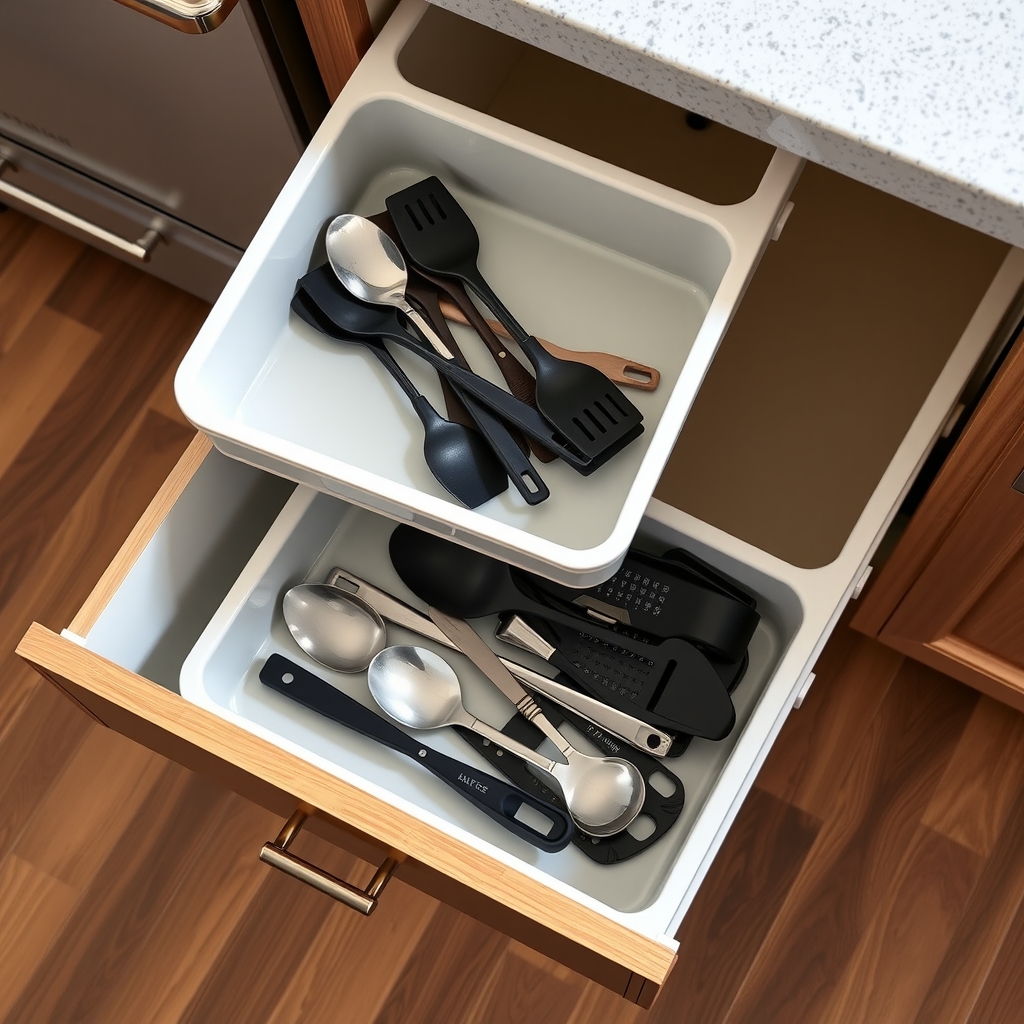 Free fix inside
Small Spaces & Storage · Drawer Organizing
Kitchen Drawer Too Deep? Stackable Trays That Use the Space
Read the fix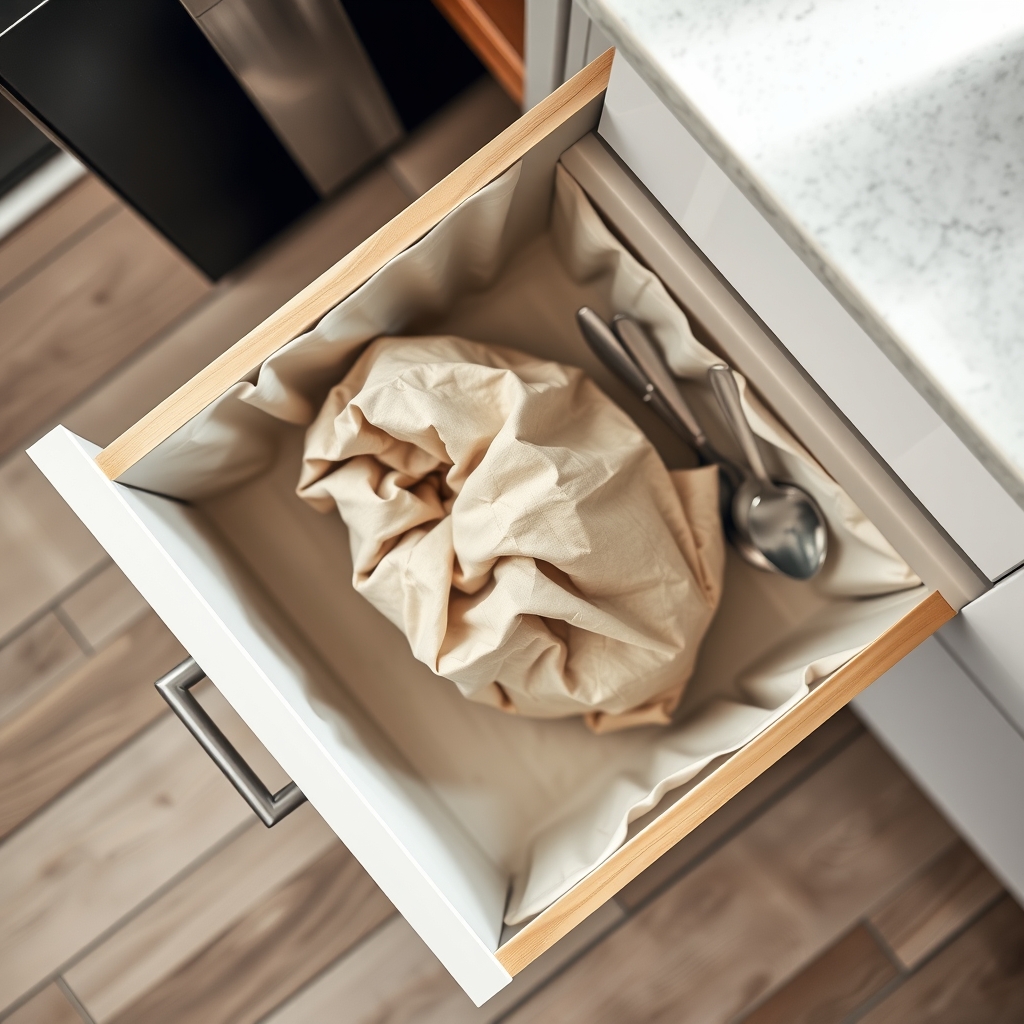 Free fix inside
Small Spaces & Storage · Drawer Organizing
How to Keep Kitchen Drawer Liners From Sliding: Grip Liners That Stay
Read the fix Free fix inside
Small Spaces & Storage · Small Kitchen
Small Kitchen, No Island? A Rolling Cart That Earns Its Floor Space
Read the fixAs an Amazon Associate I earn from qualifying purchases. Affiliate disclosure