Small Kitchen, No Island? A Rolling Cart That Earns Its Floor Space
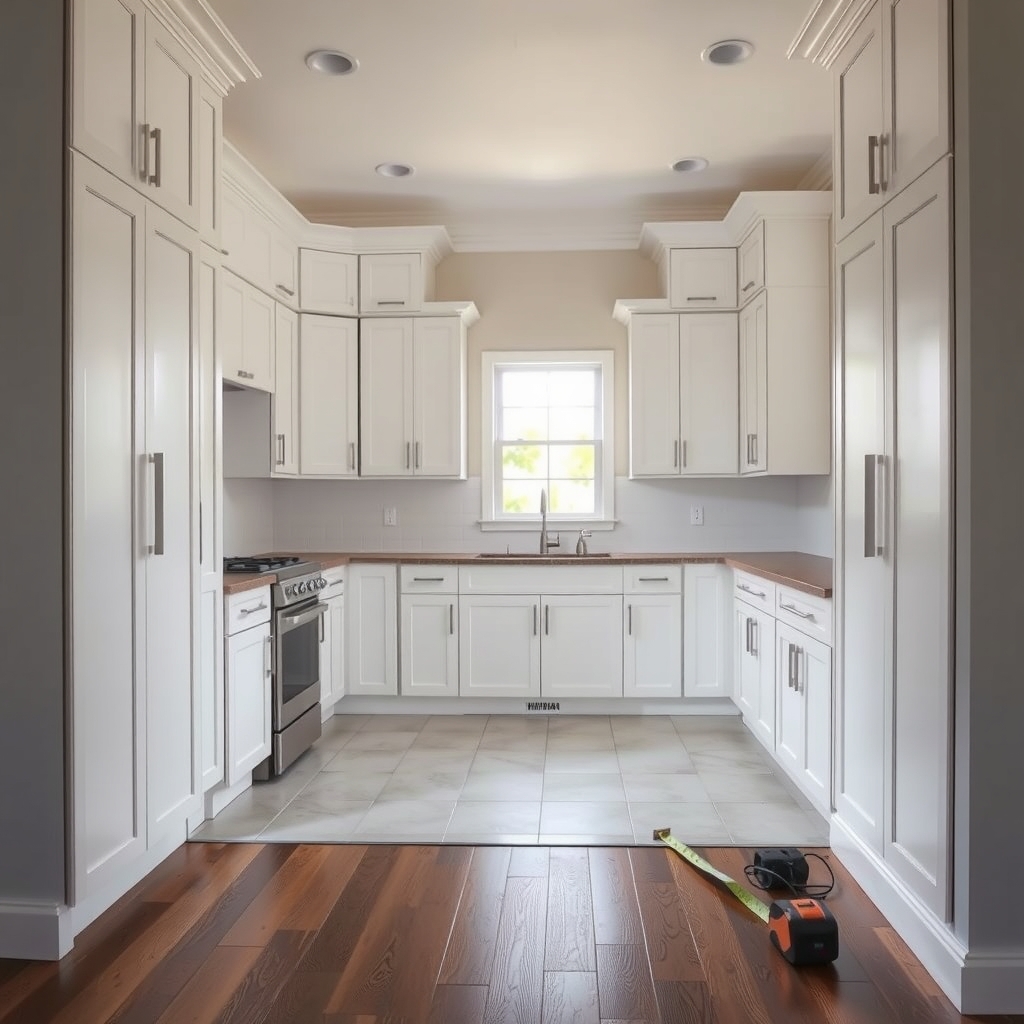
No island means little prep room or storage. Test the floor space first, then add a narrow cart with locking wheels that parks against the wall when done.
By Jamilur Rahman Updated November 5, 2026 · 7 min read
- Time
- 1 hour
- Cost
- $50-$150
- Difficulty
- Easy
In this guide
Quick answer
A small kitchen has no island because there is no floor to spare, so the fix is to borrow floor only while you cook. Test the footprint with tape and a stand-in table first. If you keep reaching for the extra surface, a narrow rolling cart with a solid top and locking wheels works like an island and parks against the wall when you are done.
Free fix vs. permanent fix
Test the footprint with a stand-in
- Tape the cart-sized rectangle on the floor and cook around it for a day
- Put a sturdy folding table in the box as a stand-in
- Measure the walkway you would have left
- Move the toaster, kettle and canisters off the counter to free prep space
How long it lasts: Good for a few days of testing. A folding table or stool is too wobbly for chopping and has no storage.
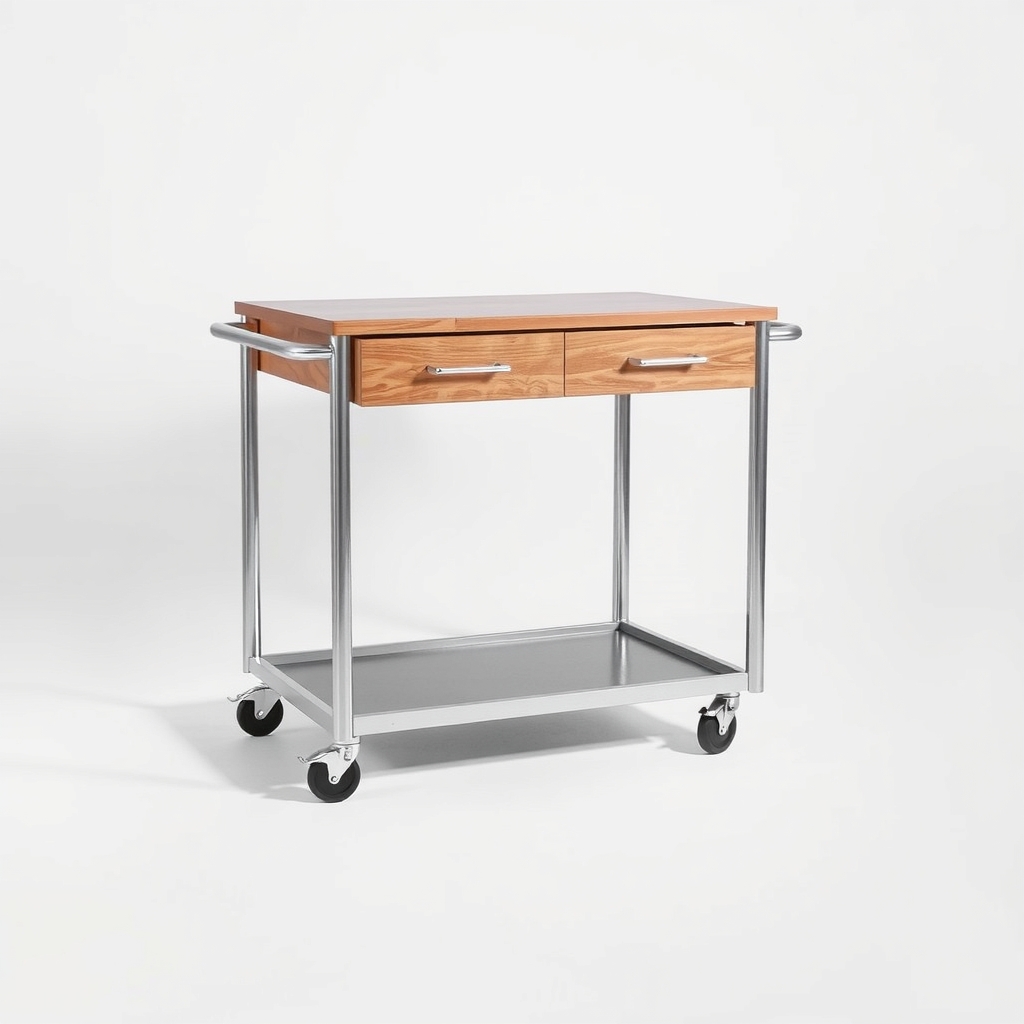
A narrow rolling kitchen cart with locking wheels
An island gives you a flat surface at counter height with storage below. A cart gives you both in a smaller footprint, and the wheels let you park it flush to the wall for walking room. Locking wheels keep the top still while you chop.
What to get: Rolling kitchen cart with a solid top and locking wheels
How long it lasts: Years. It is furniture that moves, so it earns its floor space daily.
As an Amazon Associate I earn from qualifying purchases.
What you'll need
-
Painter's tape
Marks the cart's footprint on the floor
You have it -
Tape measure
For floor depth, walkway and door swings
You have it -
Folding table or sturdy stool
A stand-in for the cart while you test
You have it - Our pick Illustration
Rolling kitchen cart
Solid top, locking wheels, at least one shelf or drawer
- Illustration
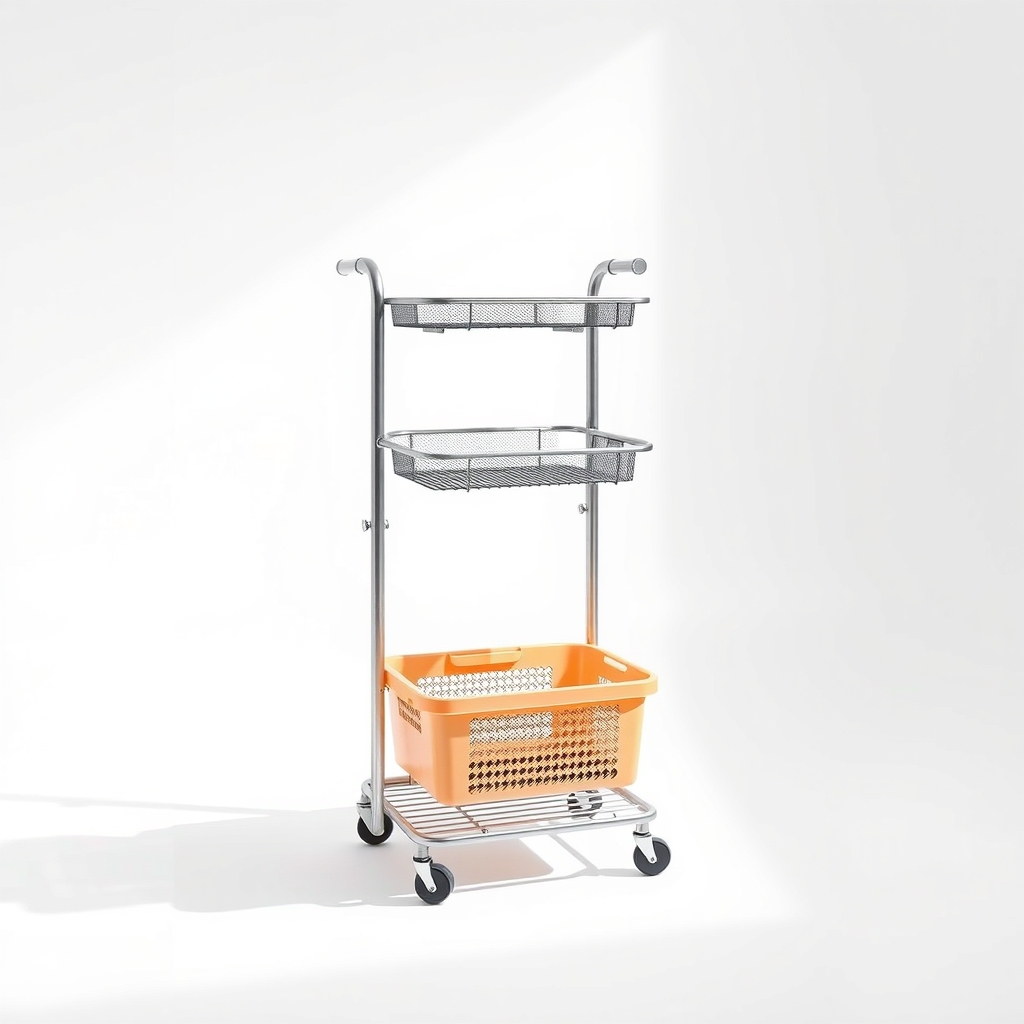
Three-tier rolling utility cart
For storage and small appliances rather than chopping
Why it happens
Too little floor for a fixed island
Kitchen design guides often suggest about 36 inches of clear walkway, and more where two people cook. A fixed island needs that room on every side, which most small kitchens do not have.
Counter space used up by appliances
Many "no island" complaints are really "no prep space". A toaster, kettle and canisters can take most of a short counter.
Appliance doors that need room to swing
The fridge, oven and dishwasher all open into the floor. A fixed piece in the wrong spot blocks them, which is why a movable one fits better.
No low storage nearby
When the cabinets are full, pans and appliances end up on the counter. Open shelves near the cooking zone take that pressure off.
Try this first (free)
Do these in order, starting with the simplest.
-
Measure the floor that is really free
Tool used: Tape measureMeasure from the counter edge to the opposite wall or appliance, then subtract about 36 inches for walking. What is left is the deepest cart you can use. Note how far the fridge, oven and dishwasher doors swing.
-
Tape the footprint on the floor
Tool used: Painter's tapeMark the cart's width and depth with tape. Cook for a day or two and notice whether you step around the box or through it.
-
Try a stand-in
Tool used: Folding table or sturdy stoolPut a sturdy folding table or stool inside the tape. If you use it for chopping, mixing or setting down hot pans, you need a real cart. If it sits unused, save your money.
-
Clear the counter first
Move the toaster, kettle and canisters to a shelf. Often the missing island is really about 24 inches of clear counter.
-
Choose the parking spot
Pick a wall spot where the cart can sit without blocking a door, drawer or the walkway. Check that every appliance door still opens fully with the cart parked.
When free fixes aren't enough
A stool or folding table shows you whether you need a surface, but it wobbles, has no storage and is usually the wrong height. If you test for a day and keep reaching for it, a cart is the lasting fix. A solid top at about counter height and locking wheels are what make it behave like an island. It will not seat guests like a real island, and a cart that wobbles will not carry a heavy mixer.
Buy the fix
Still stuck after the free fixes? These are the products we would look at.
| Pick | Product | Fixes | Who it's for | Buy |
|---|---|---|---|---|
| Best pick | Rolling kitchen cart with a solid top and locking wheels | no prep space and no storage where an island would go | People with a clear strip of floor at least about 18 inches deep who cook most days. | Check price |
| Budget pick | Three-tier rolling utility cart | storage and a parking spot for small appliances, at the lowest cost | Renters and anyone who needs storage more than a chopping surface. | Check price |
| Upgrade pick | 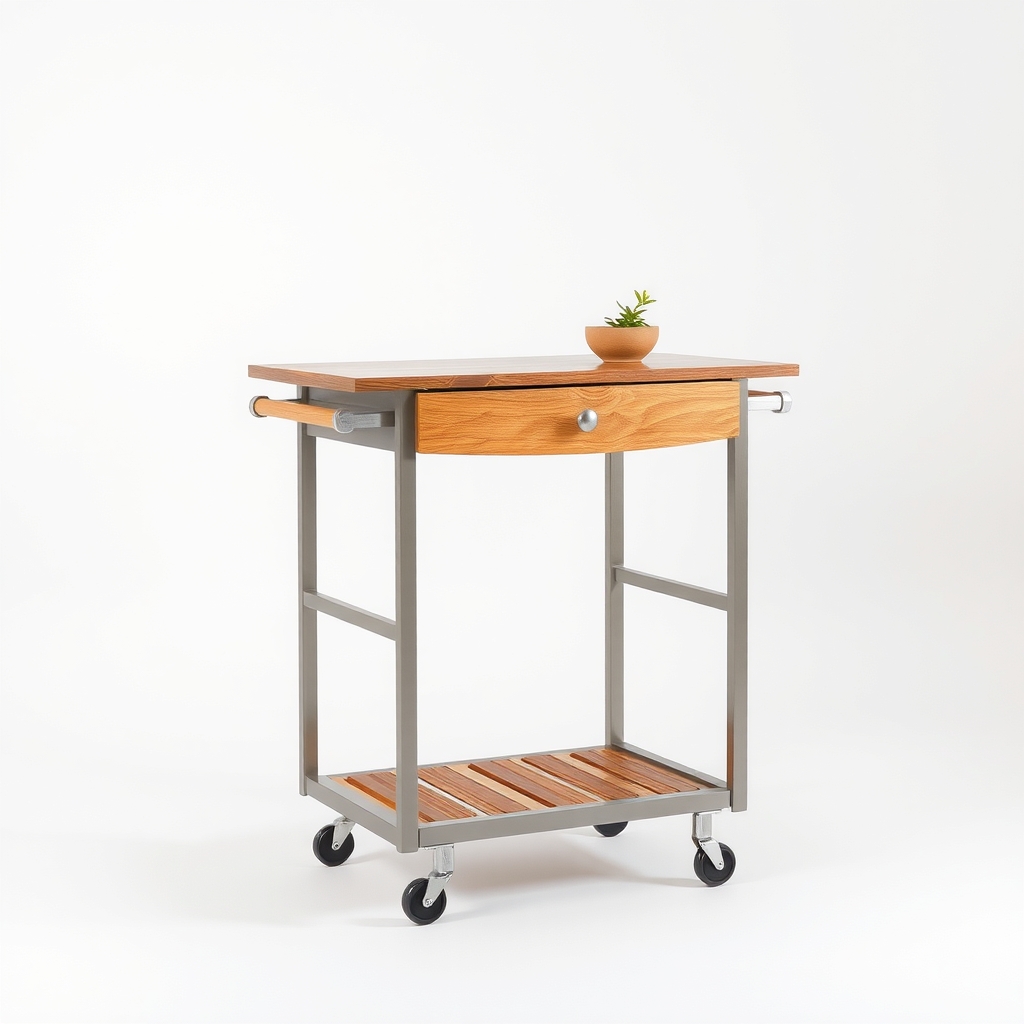 Kitchen cart with a drop-leaf top | needing a bigger surface only while you cook | People with a bit more floor or two cooks who want the island feel. | Check price |
Rolling kitchen cart with a solid top and locking wheels
Fixes: no prep space and no storage where an island would go
Look for: Locking wheels on all four casters, not just two; A solid top at about counter height that wipes clean; A footprint that fits your tape box and leaves about 36 inches to walk; At least one shelf or drawer, so it adds storage as well as a surface.
- Who it's for
- People with a clear strip of floor at least about 18 inches deep who cook most days.
- Honest downside
- The floor is badly uneven, you want seating at an island, or parking the cart would leave under about 30 inches to walk.
Three-tier rolling utility cart
Fixes: storage and a parking spot for small appliances, at the lowest cost
Look for: A metal or sturdy plastic frame with shelves that sit level; Locking casters; A lip around the shelves so things do not slide off.
- Who it's for
- Renters and anyone who needs storage more than a chopping surface.
- Honest downside
- You want to chop or knead on it. The top shelf is usually too thin and too light.
Kitchen cart with a drop-leaf top
Fixes: needing a bigger surface only while you cook
Look for: A leaf that folds down to save floor; Firm supports under the leaf when it is up; A thick solid top that will take chopping.
- Who it's for
- People with a bit more floor or two cooks who want the island feel.
- Honest downside
- There is no room for the leaf when it is open. Check it against your tape box.
As an Amazon Associate I earn from qualifying purchases. We don't show prices because they change, so use the button to see today's price.
How we picked: How we picked: this page is based on kitchen layout and walkway guidance from design guides, product listings and the things owners report most in cart reviews, such as wobble and wheel locks. We do not test products by hand.
Cart or island? A quick way to decide
- Cart: you have under about 4 feet of clear floor, or you want the space back when you are not cooking.
- Fixed island or peninsula: you have a big, clear floor, want seating, or plan a remodel.
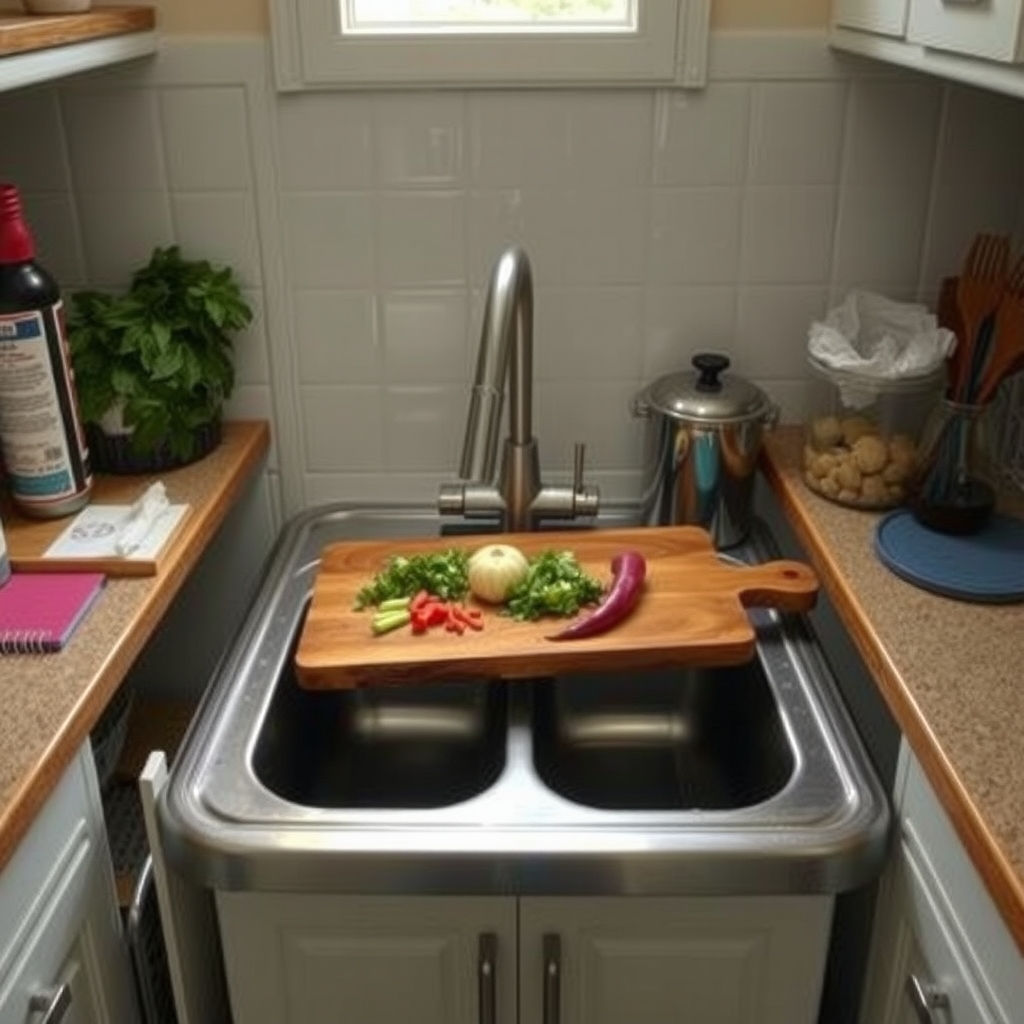
- Neither: clear the counter first. If prep room is the only problem, a cutting board over a sink or a wall shelf might be enough.
Set it up so it works
Put heavy items on the bottom shelf so the cart stays steady. Lock the wheels every time you stop. Add a rubber mat on the top if you chop, and keep the cart on the side farthest from the stove.
What to skip
Carts without locks and carts that are too deep
A cart that rolls when you press on it is a hazard with a knife in your hand. A cart that is too deep for your walkway ends up parked in the middle of the room. Measure first, then buy.
Frequently asked questions
How much floor space do I need for a kitchen cart?
Can I chop on a rolling kitchen cart?
Will a cart hold a stand mixer or a microwave?
Is it safe to park a cart next to the stove?
Related problems
As an Amazon Associate I earn from qualifying purchases. Affiliate disclosure