Small Kitchen With No Pantry? Freestanding Options That Fit
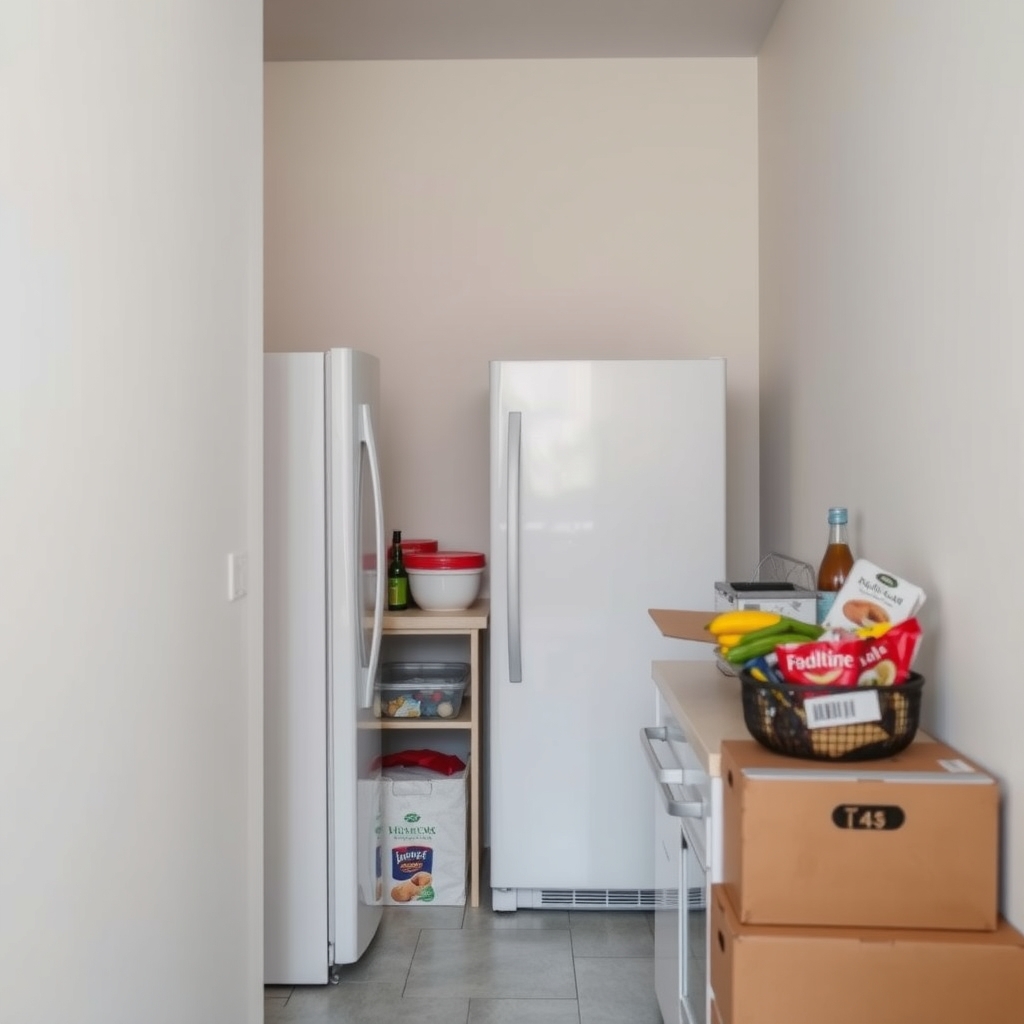
Without a pantry, food ends up in every cabinet and on the counter. Use the hidden spots first, then add a slim freestanding cabinet that fits.
By Jamilur Rahman Updated November 5, 2026 · 6 min read
- Time
- 30 min
- Cost
- $50-$150
- Difficulty
- Medium
In this guide
Quick answer
Without a pantry, food spreads across every cabinet and the counter. Clear space first by using the top of the fridge, a spare shelf and the back of a door. Then measure a spot for a slim freestanding pantry cabinet, often 12 to 16 inches deep in a tight kitchen, and anchor it to the wall.
Free fix vs. permanent fix
Find hidden space and group food by type
- Group food by type and keep heavy items low
- Use the top of the fridge for light boxes
- Use a bookshelf or closet shelf nearby
- Check dates and toss expired food
How long it lasts: Works if you are only a dozen items over. It cannot create shelf space for a full week of groceries.
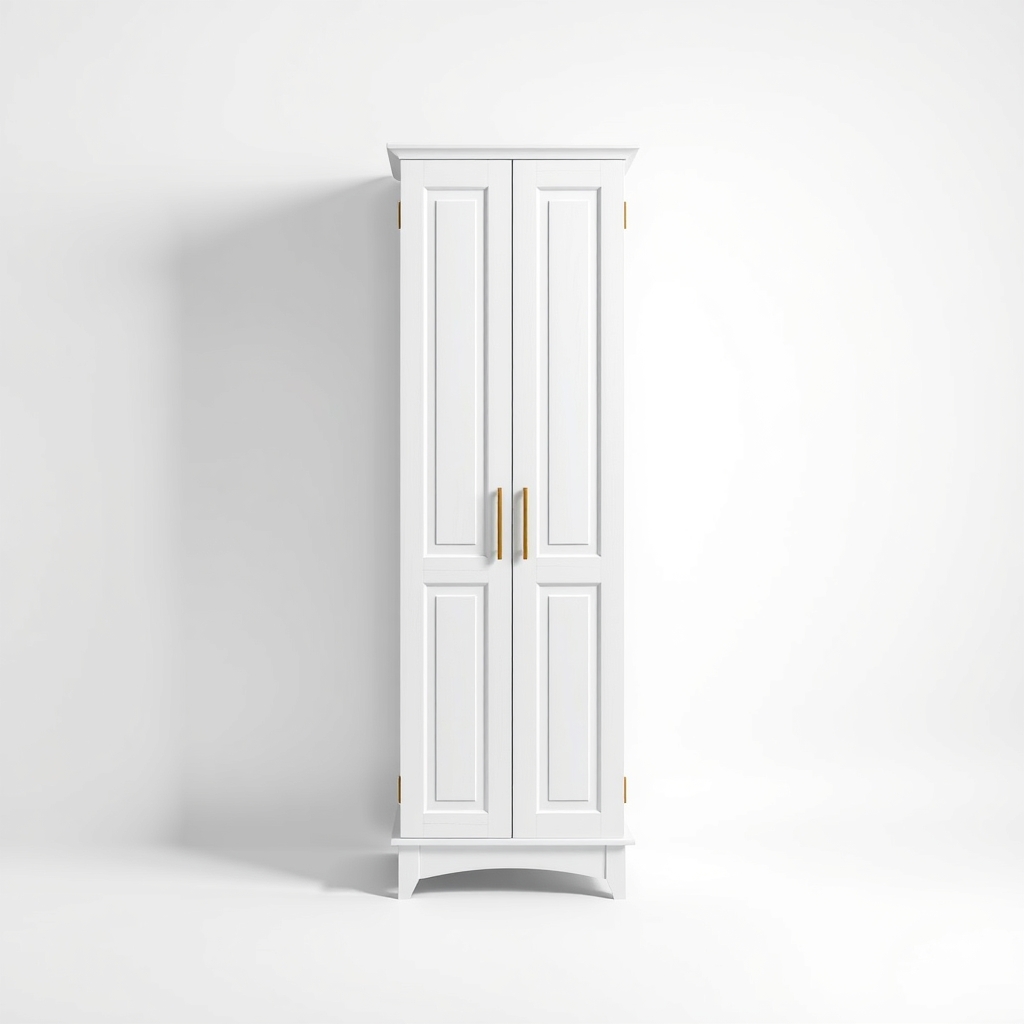
A slim freestanding pantry cabinet
It gives you several shelves of enclosed storage without cutting into a wall or a lease. Doors hide the clutter, and adjustable shelves fit cereal boxes and tall bottles. Anchored to the wall, it is safe to load.
What to get: Slim freestanding pantry cabinet with doors
How long it lasts: Years. It adds permanent shelves where there were none.
As an Amazon Associate I earn from qualifying purchases.
What you'll need
-
Tape measure
For the width, depth and height of the free spot
You have it -
Painter's tape
Marks the cabinet outline on the floor so you can test the fit
You have it - Our pick Illustration
Freestanding pantry cabinet
Real shelf space for dry goods and cans
- Illustration
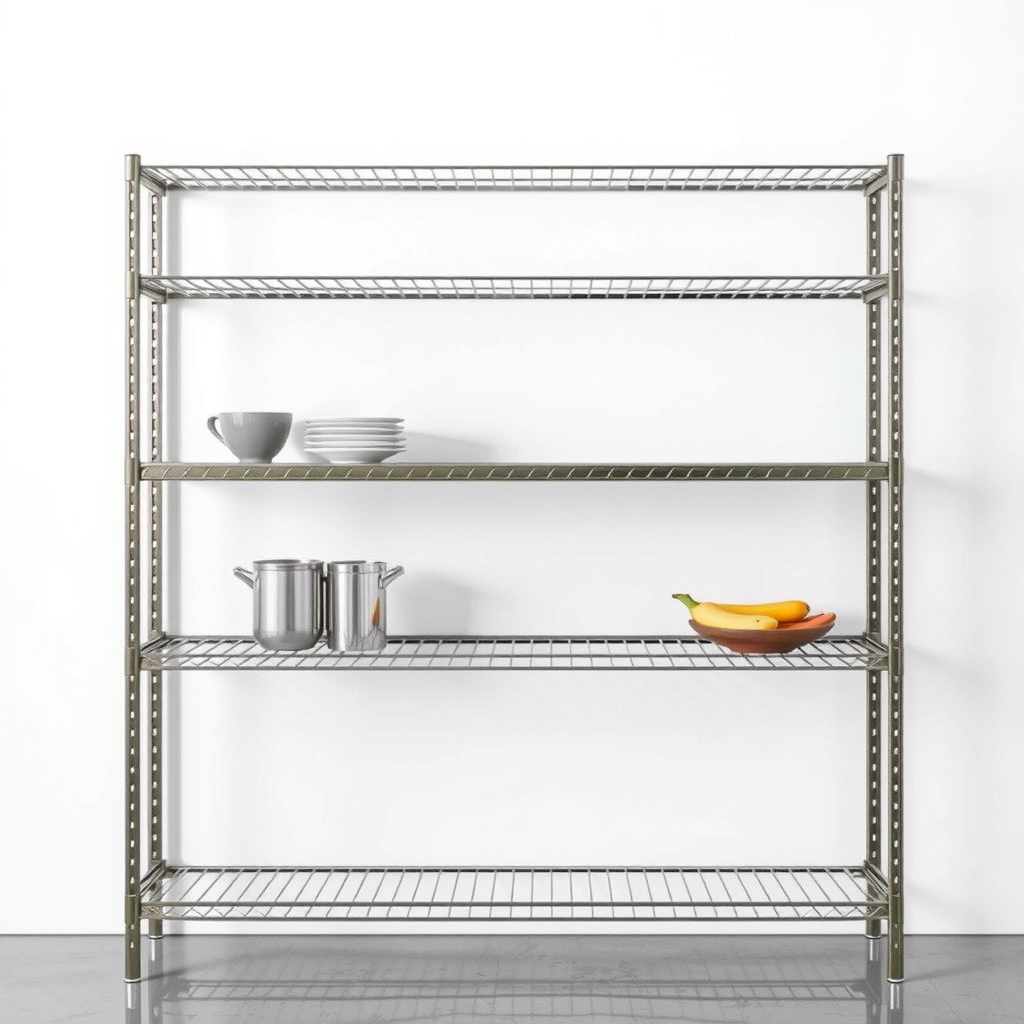
Metal shelving unit
A cheaper, open option you can move
- Illustration
Furniture anti-tip strap
Keeps a tall cabinet from tipping, if one is not in the box
Why it happens
No cabinet made for food
Without a pantry, food shares cabinets with dishes and pots. Nothing has a home, so items get doubled up and lost at the back.
Packaging that does not suit cabinets
Cereal boxes, bags of rice and cases of cans need wide, tall shelves. Cabinets with fixed shelves waste height, and deep base cabinets hide things at the back.
Unused vertical space
Most small kitchens leave the wall space and the area above the cabinets empty. Food stays low and crowded.
Counter overflow
When food has no spot, it ends up on the counter. That covers your prep area and makes the whole kitchen feel cramped.
Try this first (free)
Do these in order, starting with the simplest.
-
1. Clear out and group
Check dates and toss expired items. Group what is left by type, such as baking, breakfast, canned and snacks. Put heavy items on lower shelves.
-
2. Use space you already have
Use the top of the fridge for light boxes, the inside of cabinet doors for spices, and a bookshelf or closet shelf nearby for overflow. Do not stack heavy items above head height.
-
3. Measure where a cabinet could go
Tool used: Tape measureMeasure the width, depth and height of any free wall or corner, such as the spot beside the fridge. Check the ceiling height and any outlets.
-
4. Tape out the footprint
Tool used: Painter's tapeMark the outline on the floor with painter's tape. Open the fridge, oven and cabinet doors and walk past. You should still move through without turning sideways.
-
5. Anchor it
Tool used: Furniture anti-tip strapTall cabinets can tip when loaded or when kids climb them. Use the anti-tip kit in the box, and put the screw into a wall stud if you can.
IllustrationCheck price on AmazonTool for this step
Furniture anti-tip strap · Keeps a tall cabinet from tipping, if one is not in the box
When free fixes aren't enough
If you have regrouped and food still takes over the counter, you do not need a better system, you need shelf space that does not exist yet. A freestanding pantry cabinet adds it with one anchor screw and no remodel. It will not work if you have no strip of floor about 12 to 16 inches deep to spare. In that case a narrow rolling cart or wall shelves add capacity. Keep the fridge and oven doors able to open fully and leave a clear walkway.
Buy the fix
Still stuck after the free fixes? These are the products we would look at.
| Pick | Product | Fixes | Who it's for | Buy |
|---|---|---|---|---|
| Best pick | Slim freestanding pantry cabinet with doors | no enclosed shelf space for dry food and cans | Most small kitchens that have a free wall or corner at least 16 inches wide. | Check price |
| Budget pick | Narrow metal shelving unit for the kitchen | no shelves at all, on a tight budget | Renters and students who want cheap, movable storage. | Check price |
| Upgrade pick | 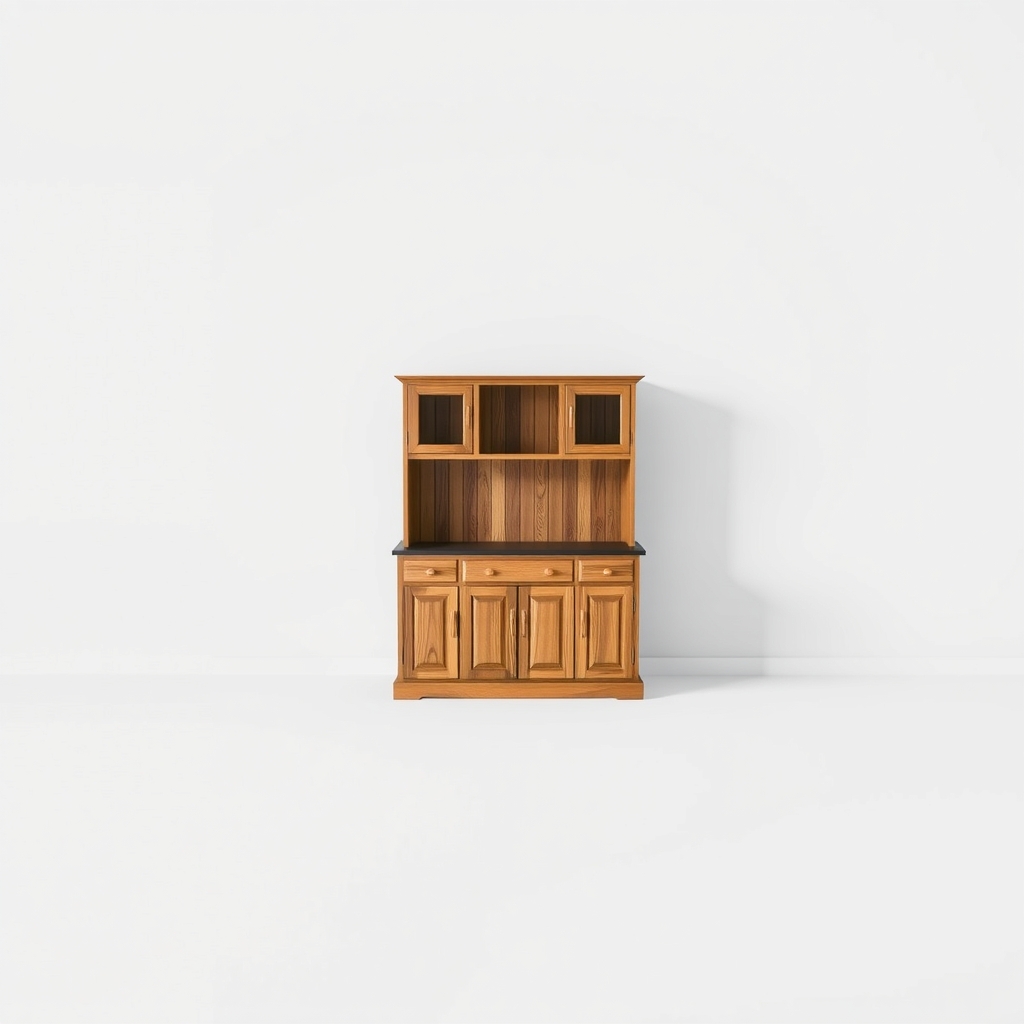 Kitchen hutch or buffet cabinet with a countertop | no pantry and no counter space at the same time | Small kitchens that also need a spot for prep or the coffee maker. | Check price |
Slim freestanding pantry cabinet with doors
Fixes: no enclosed shelf space for dry food and cans
Look for: A depth that fits your space, often about 12 to 16 inches for slim units; Adjustable shelves and a stated weight limit per shelf; A wall anchor or anti-tip kit in the box; A sturdy back panel, with owner reviews that do not mention wobble.
- Who it's for
- Most small kitchens that have a free wall or corner at least 16 inches wide.
- Honest downside
- A doorway, radiator or fridge door would swing into it, or you cannot attach anything to the wall.
Narrow metal shelving unit for the kitchen
Fixes: no shelves at all, on a tight budget
Look for: Adjustable shelves; A narrow depth that suits a tight kitchen; A stated weight rating per shelf; Leveling feet for uneven floors.
- Who it's for
- Renters and students who want cheap, movable storage.
- Honest downside
- You want to hide the food. Open shelves show everything.
Kitchen hutch or buffet cabinet with a countertop
Fixes: no pantry and no counter space at the same time
Look for: A counter-height top for prep or an appliance; Closed lower cabinets with doors; Open or glass upper shelves; An anti-tip anchor in the box.
- Who it's for
- Small kitchens that also need a spot for prep or the coffee maker.
- Honest downside
- You cannot spare a deeper footprint. These units take more floor than a slim cabinet.
As an Amazon Associate I earn from qualifying purchases. We don't show prices because they change, so use the button to see today's price.
How we picked: How we picked: this page is based on small-kitchen storage and furniture safety guidance, how makers list cabinet dimensions and weight limits, and what owners report in reviews. We do not test products by hand.
How to measure for a pantry cabinet
- Measure width, depth and height of the free spot at the widest and tallest points.
- Check for outlets, vents, baseboard and window sills that stick out.
- Open every door and drawer nearby and make sure they clear.
- Leave about 36 inches for walking if the kitchen is a galley.
Where a cabinet can go
- The wall beside or at the end of the fridge.
- A corner that is not used for anything.
- The end of a counter run.
- A hall or doorway alcove close to the kitchen.
What to skip
What to skip: heavy loads on over-the-door racks
Over-the-door racks work for spices and light snacks. Heavy cans and jars strain thin doors and hinges, and the door may stop closing. Use them for light items only, and keep the weight in a cabinet.
Frequently asked questions
How deep should a pantry cabinet be?
Do I need to anchor a freestanding pantry cabinet?
What else works for a small kitchen without a pantry?
Can I put a pantry cabinet next to the fridge?
Related problems
 Free fix inside
Small Spaces & Storage · Small Kitchen
Small Kitchen, No Counter Space? 5 Ways to Add Prep Room
Read the fix Free fix inside
Small Spaces & Storage · Small Kitchen
Small Kitchen, No Island? A Rolling Cart That Earns Its Floor Space
Read the fix Free fix inside
Small Spaces & Storage · Pantry
Pantry Shelves Too Deep? Pull-Out Organizers That End the Black Hole
Read the fix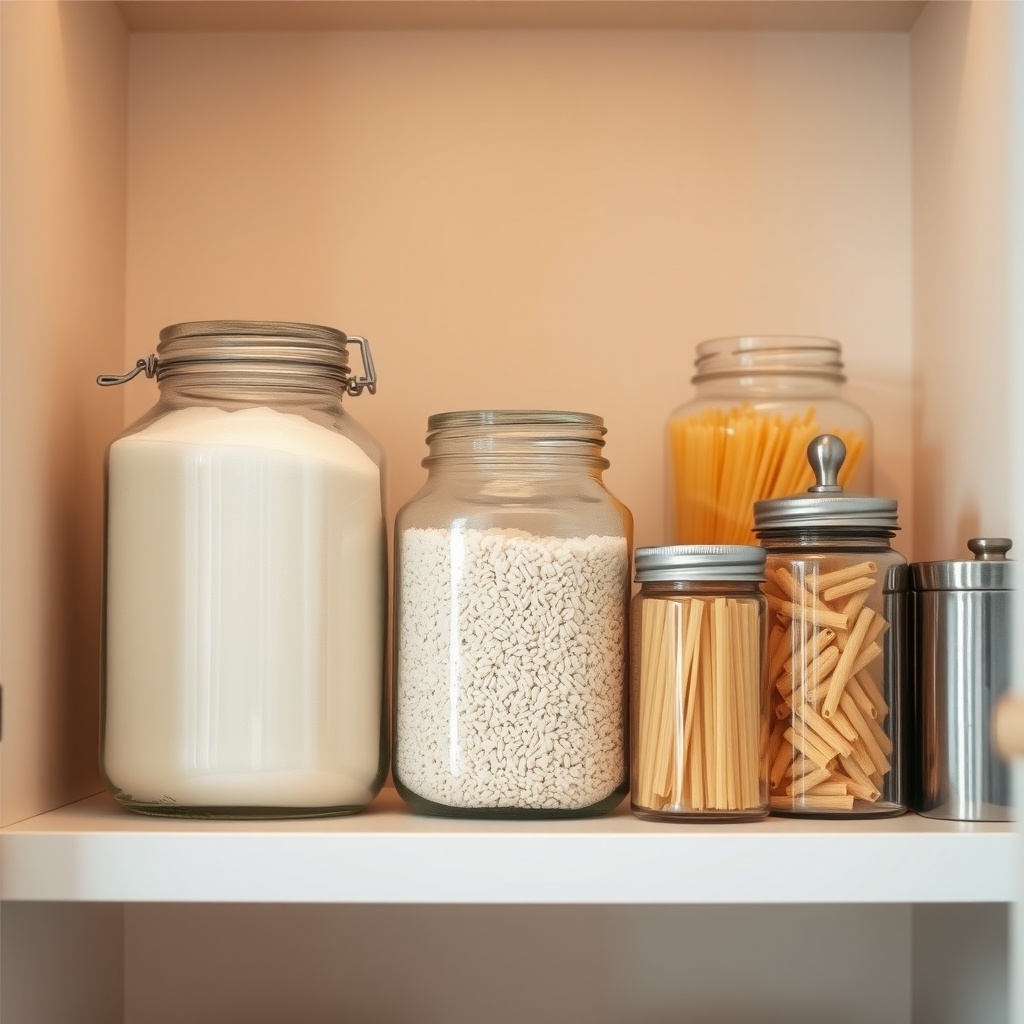 Free fix inside
Small Spaces & Storage · Pantry
Pantry Storage Not Plastic: Glass and Steel Containers Worth Buying
Read the fixAs an Amazon Associate I earn from qualifying purchases. Affiliate disclosure