Fix a Loose Kitchen Knife Handle: The Epoxy Method That Holds
A loose handle is a safety risk. Clean the joint, fill it with two-part epoxy, clamp it and let it cure fully, and it should hold for years.
By Jamilur Rahman Updated November 5, 2026 · 7 min read
- Time
- 30 min, plus 24 hours to cure
- Cost
- Under $20
- Difficulty
- Medium
In this guide
Quick answer
To fix a loose kitchen knife handle, take the knife out of use, clean and dry the joint, fill the gap with two-part epoxy, clamp it tight and let it cure for the time on the label. This holds far better than super glue or tape. If the handle is cracked or the rivets are gone, replace the handle scales.
Free fix vs. permanent fix
Clean it, dry it, and stop the dishwasher
- Take the knife out of use right away
- Pull out any crumbling old glue
- Let the handle dry for a full day
- Wash by hand from now on
How long it lasts: It does not re-bond anything. It only stops the handle getting worse. Water and heat are the usual reasons a joint goes loose.
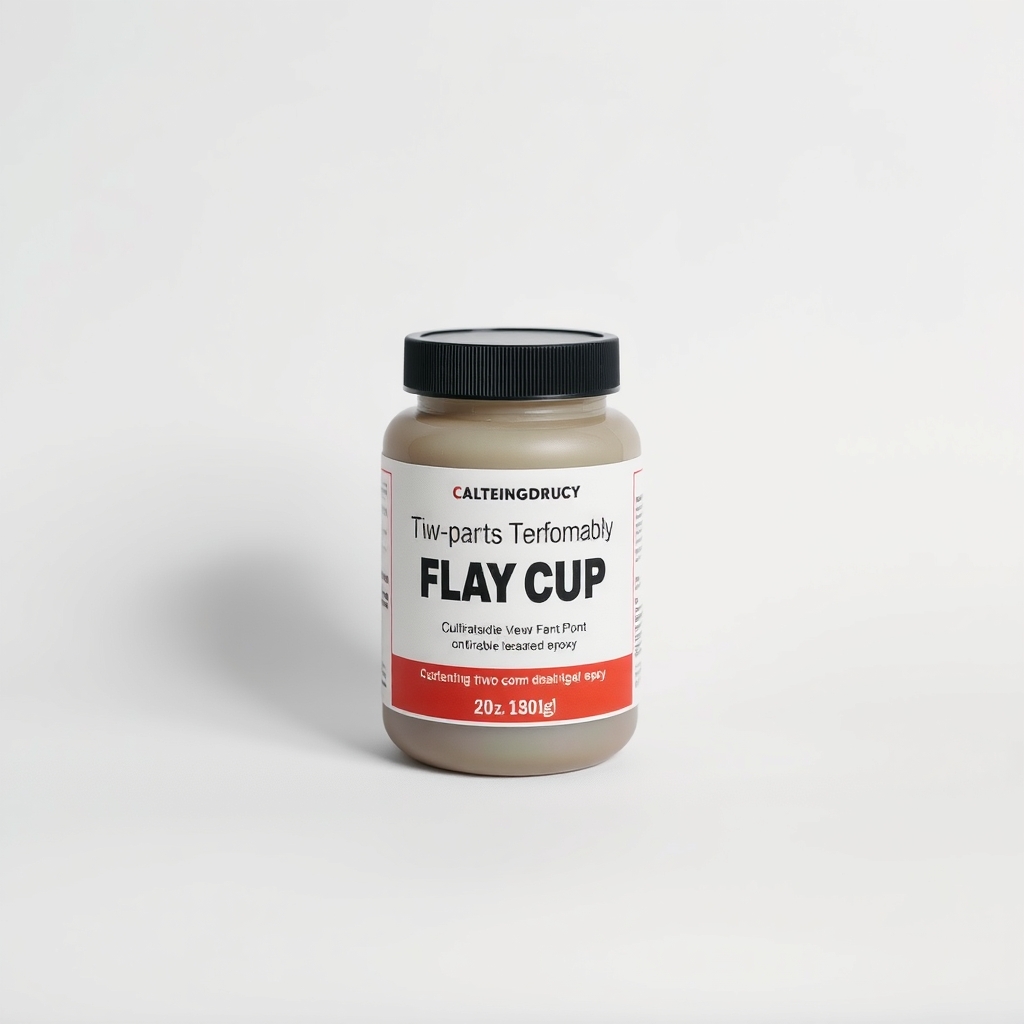
Slow-cure two-part epoxy
A loose handle means the glue between the metal tang and the handle has failed. Epoxy fills the gap, grips both surfaces and holds up to water. Super glue is brittle, and tape only hides the movement.
How long it lasts: Years. Cured epoxy fills the gap and bonds metal to wood or plastic, and it resists water.
As an Amazon Associate I earn from qualifying purchases.
What you'll need
-
Disposable gloves
Epoxy is sticky and can irritate skin
You have it -
Rubbing alcohol and cotton swabs
Clean oil and old glue off the joint
You have it -
Sandpaper or a small file
Roughs up the metal so the epoxy grips
You have it -
Rubber bands or a small clamp
Hold the handle tight while it cures
You have it - Our pick Illustration
Slow-cure two-part epoxy
The strongest and most water-resistant choice
- Illustration
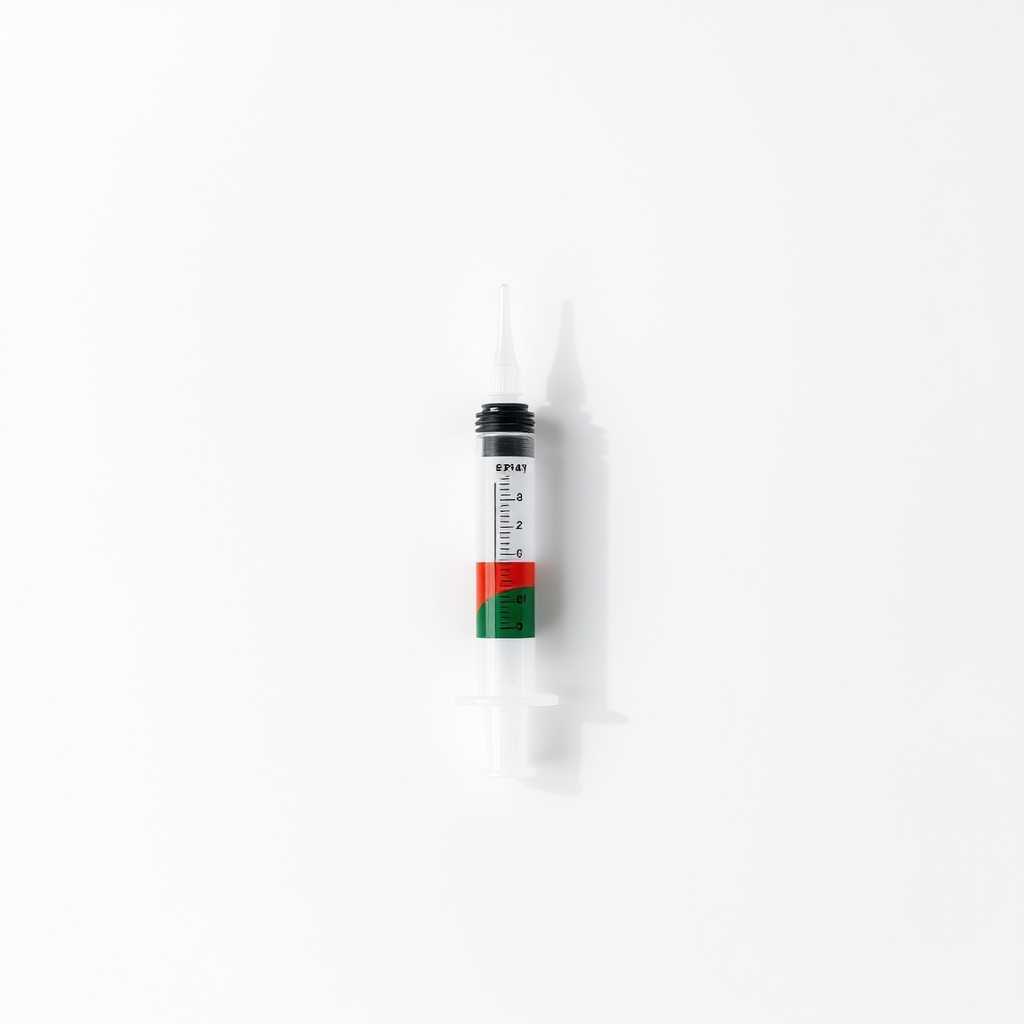
5-minute epoxy syringe
A faster option for a light-use knife
Why it happens
Dishwasher heat and soaking
Hot water and detergent swell wood, soften glue and loosen the joint. Leaving a knife soaking in the sink does the same.
Old glue that has dried and cracked
Many handles are held with an adhesive that turns brittle with age and with the shock of chopping.
Rivets or pins that have worked loose
On a full-tang knife, a few rivets hold two handle scales on a metal tang. When the pins loosen, the scales rock and gaps open.
A cracked or shrunken handle
Dry wood shrinks and splits, and cheap plastic cracks. The tang then has nothing to grip.
Try this first (free)
Do these in order, starting with the simplest.
-
Stop using the knife and check the type
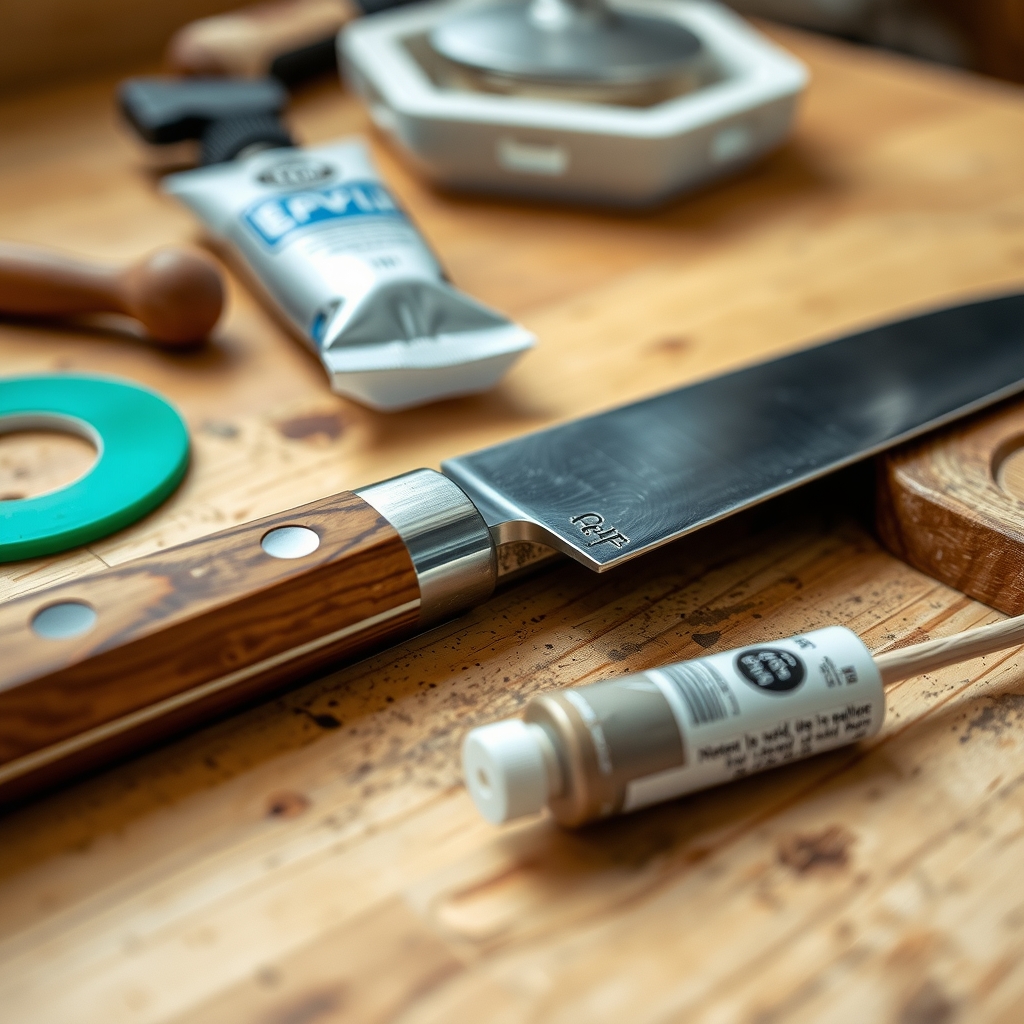
A handle that twists can let the blade slip in your hand. Work out the type. A full tang shows metal between two handle scales with rivets. A hidden tang is a solid handle with no rivets.
-
Clean out old glue and dirt
Tool used: Rubbing alcohol and cotton swabsPull crumbly adhesive out with a toothpick. Wipe both surfaces with alcohol, then let them dry fully.
-
Rough up the metal
Tool used: Sandpaper or a small fileA few passes of coarse sandpaper on the exposed tang gives the epoxy something to grip. Keep the sandpaper away from the blade and the edge.
-
Mix and apply the epoxy
Tool used: Slow-cure two-part epoxyWear gloves. Mix equal parts on a scrap of cardboard with a toothpick, following the pack. Work it into the gap. For a hidden tang, put epoxy in the handle cavity and on the tang, then push the handle fully home.
IllustrationCheck price on AmazonTool for this step
Slow-cure two-part epoxy · The strongest and most water-resistant choice
-
Clamp it and wipe off the squeeze-out
Tool used: Rubber bands or a small clampWipe squeezed-out epoxy off with an alcohol swab before it sets. Clamp the handle or wrap it with rubber bands, and leave the knife where nothing can shift it.
-
Let it cure fully before use
Leave it for the time on the label, often 24 hours for a slow-cure type. Then wash by hand and dry at once.
When free fixes aren't enough
Cleaning and drying will not re-bond a loose handle, so epoxy is the real fix. If the handle is cracked, split or missing chunks, or the rivets are gone and the scales come apart, epoxy cannot rebuild it. You will need new handle scales and pins, or a new knife if yours was inexpensive. If the blade wobbles inside a handle that feels solid, or the tang has rusted through, stop using the knife. For an expensive knife, a knife maker or sharpening service can re-handle it for you.
Buy the fix
Still stuck after the free fixes? These are the products we would look at.
| Pick | Product | Fixes | Who it's for | Buy |
|---|---|---|---|---|
| Best pick | Slow-cure two-part epoxy | a handle that has come away from the tang | Anyone with a loose handle on a knife they want to keep. | Check price |
| Budget pick | 5-minute two-part epoxy syringe | a slightly loose handle on a knife you use lightly | People who want a fast, low-cost repair on an inexpensive knife. | Check price |
| Upgrade pick | 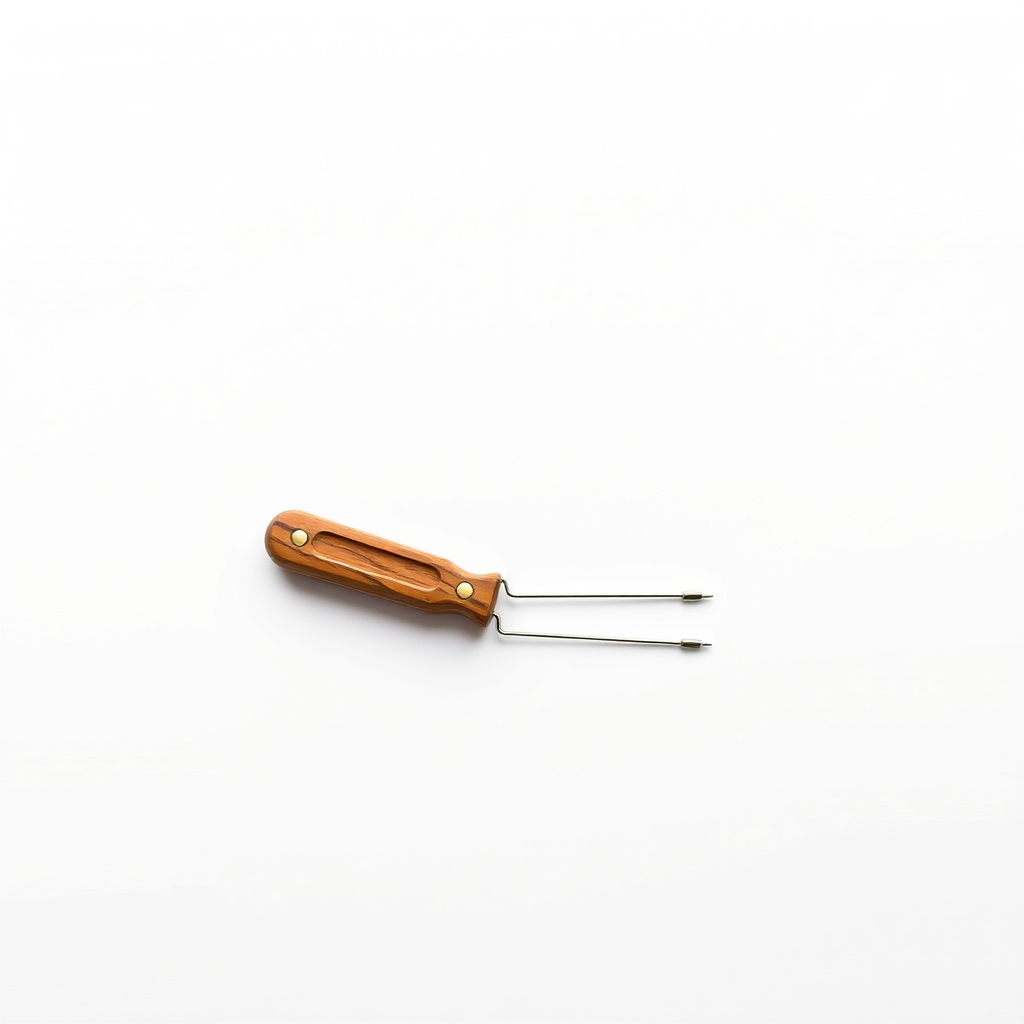 Knife handle scales and pin kit | cracked or missing handle scales on a full-tang knife | People who want to re-handle a knife they love. | Check price |
Slow-cure two-part epoxy
Fixes: a handle that has come away from the tang
Look for: A cure time of around 12 to 24 hours for full strength; Labeled waterproof and made for bonding metal to wood or plastic; A thick, gap-filling mix that does not run.
- Who it's for
- Anyone with a loose handle on a knife they want to keep.
- Honest downside
- The handle is cracked in two or the rivets are missing. Epoxy cannot rebuild that.
5-minute two-part epoxy syringe
Fixes: a slightly loose handle on a knife you use lightly
Look for: A set time of about five minutes so you can clamp and move on; Labeled for metal and wood; A twin syringe that dispenses equal parts.
- Who it's for
- People who want a fast, low-cost repair on an inexpensive knife.
- Honest downside
- The knife is used daily or washed hard. Fast-set epoxy is usually less strong and less water-resistant than a slow cure.
Knife handle scales and pin kit
Fixes: cracked or missing handle scales on a full-tang knife
Look for: Scales that match the length and shape of your tang; Brass or stainless pins or rivets; Stable wood or composite that resists water.
- Who it's for
- People who want to re-handle a knife they love.
- Honest downside
- Your knife has a hidden tang with no rivets. Scales will not fit it.
As an Amazon Associate I earn from qualifying purchases. We don't show prices because they change, so use the button to see today's price.
How we picked: How we picked: this page is based on knife makers' care guides, epoxy makers' instructions, and what owners report in reviews of handle repairs. We do not test products by hand.
How to fix a kitchen knife handle: which type do you have?
- Full tang with rivets: the metal runs the full length of the handle and shows between two scales. Epoxy any gaps, or replace the scales.
- Hidden tang: a solid handle with no rivets, and the metal is inside. Epoxy the tang into the handle cavity.
- One-piece plastic or molded handle: if it is cracked or loose, replacing the knife is often easier than repairing it.
What to skip
Super glue, hot glue and tape
Super glue is brittle and snaps under the shock of cutting. Hot glue softens in hot water. Tape hides movement and traps water against the handle. A handle that still moves can twist in your hand, and the blade can slip.
Frequently asked questions
Can I use super glue to fix a loose knife handle?
How do I fix a knife handle with rivets?
How do I replace a kitchen knife handle?
How long does epoxy take to cure on a knife handle?
Is epoxy safe on a kitchen knife handle?
Related problems
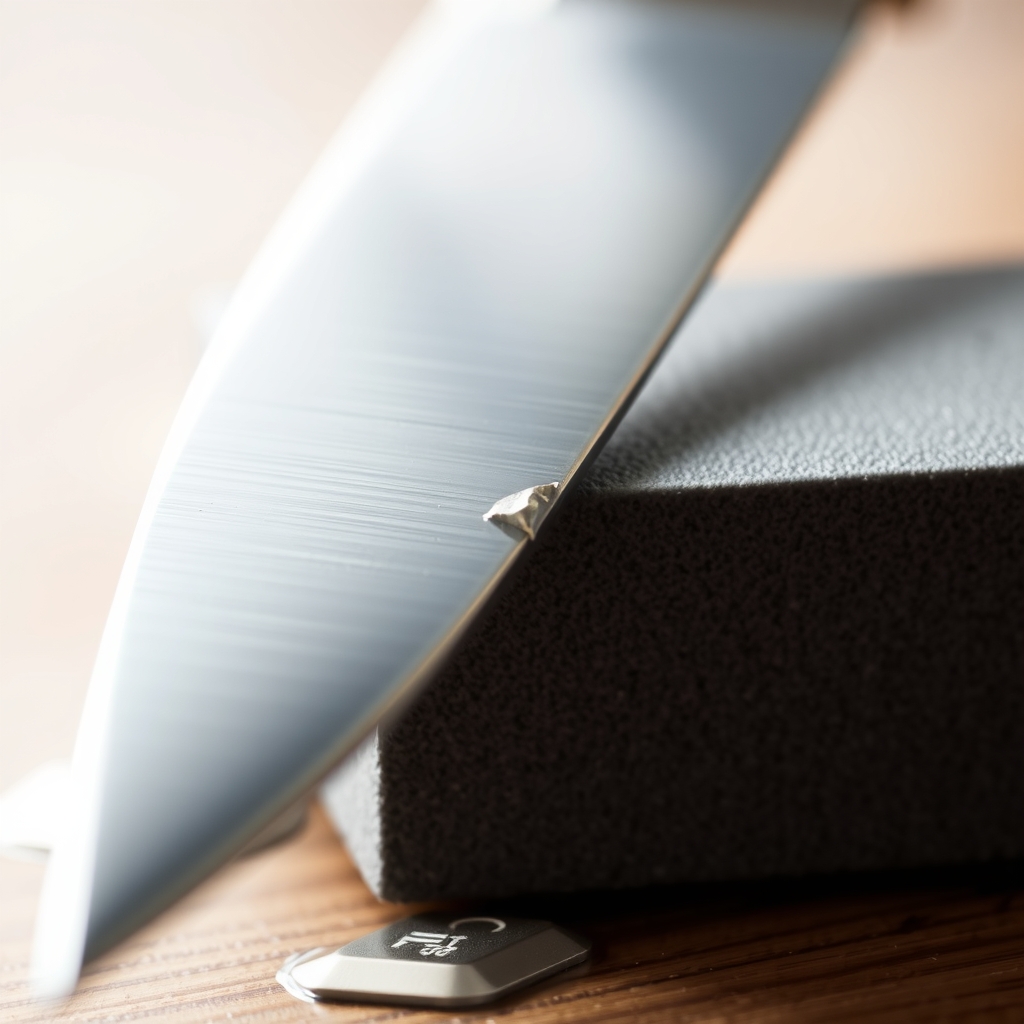 Free fix inside
Kitchen · Kitchen Knife
Chipped Kitchen Knife? What You Can Grind Out and What to Replace
Read the fix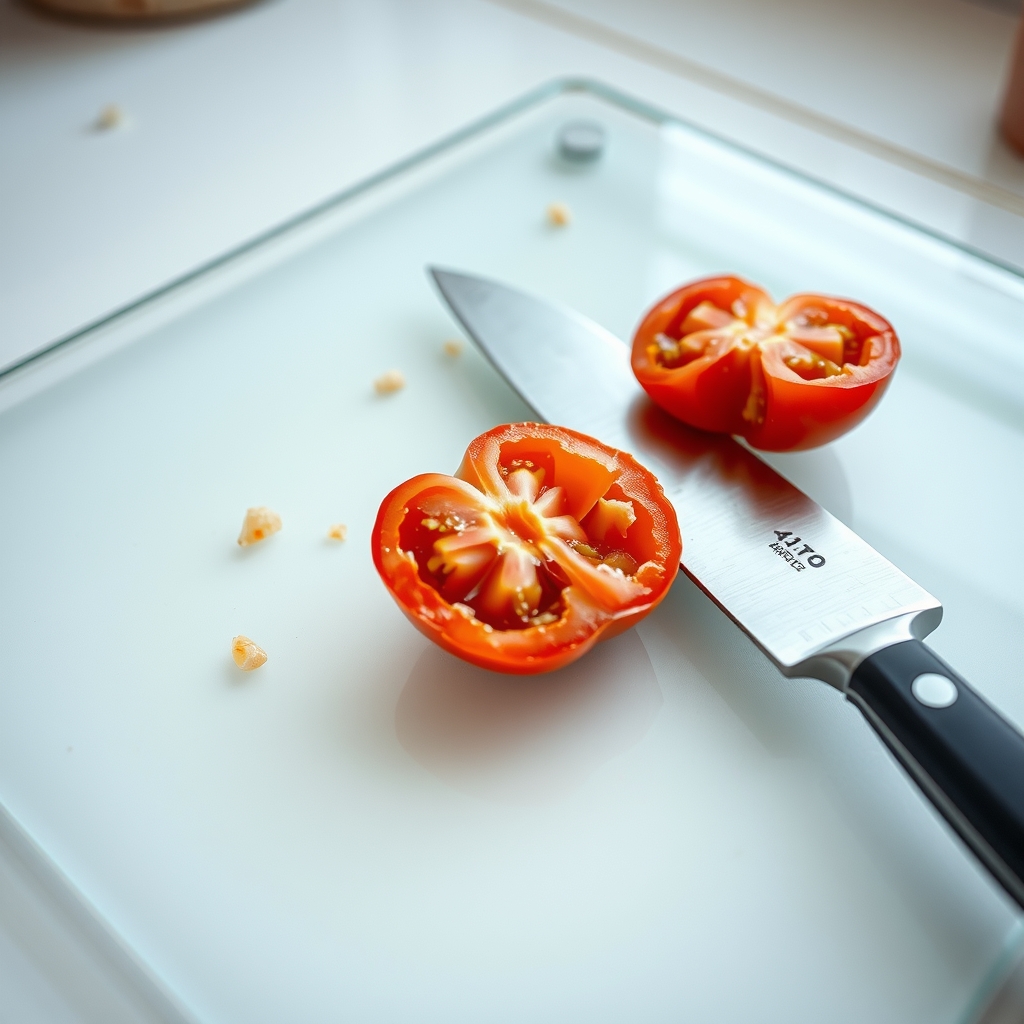 Free fix inside
Kitchen · Kitchen Knife
Kitchen Knives Dull So Fast? Blame the Board, Then Hone and Sharpen
Read the fix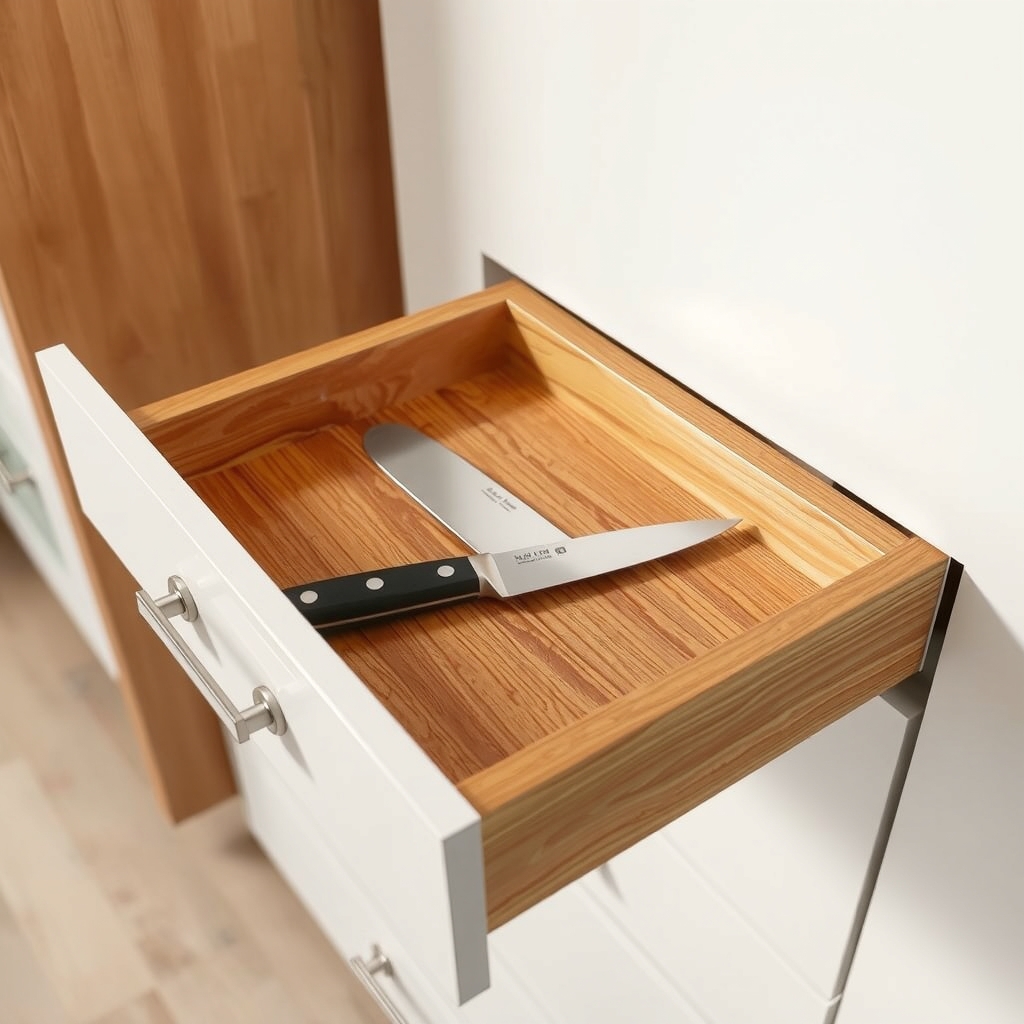 Free fix inside
Kitchen · Kitchen Knife
How to Store Knives in the Kitchen: Drawer Tray vs Magnetic Strip
Read the fix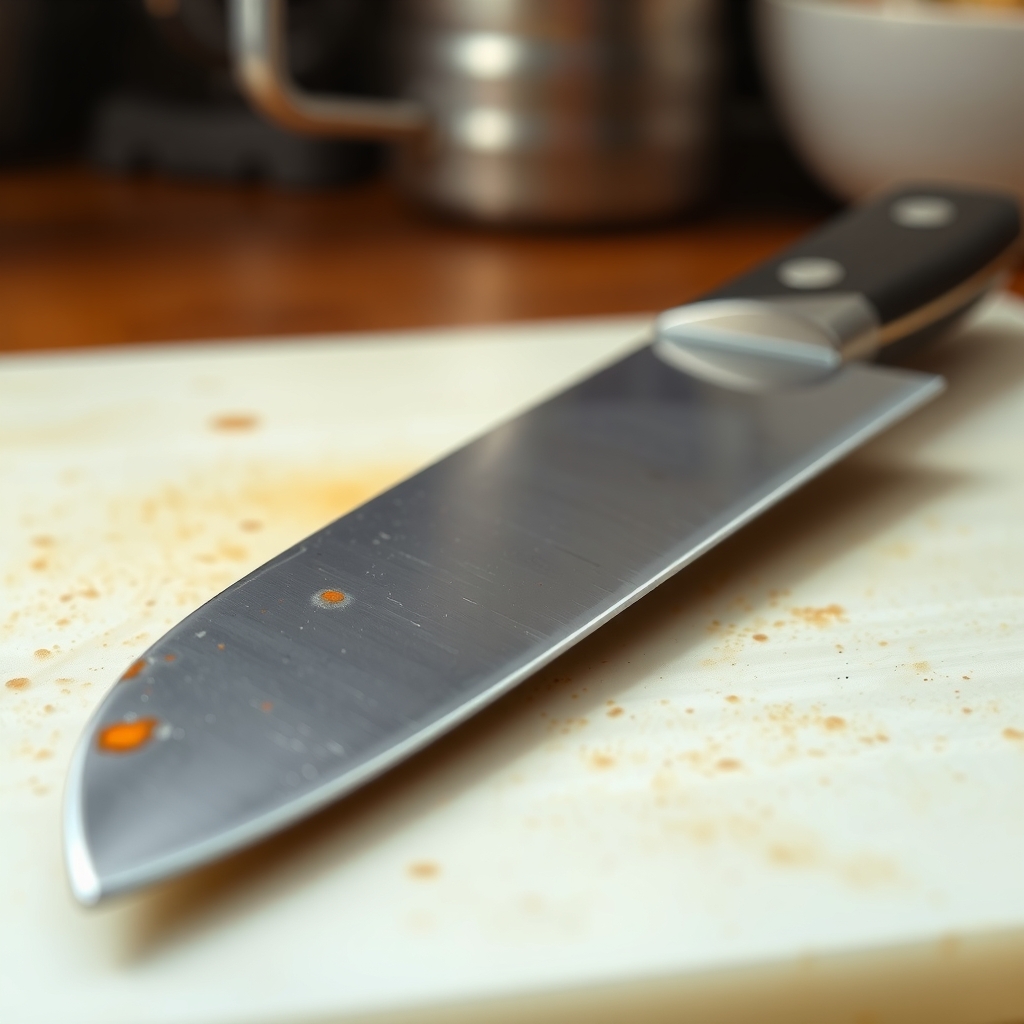 Free fix inside
Kitchen · Kitchen Knife
Rust Spots on Kitchen Knives? Remove Them Safely and Stop the Return
Read the fixAs an Amazon Associate I earn from qualifying purchases. Affiliate disclosure