Chipped Kitchen Knife? What You Can Grind Out and What to Replace
A small chip in the edge can be ground out on a coarse stone. A deep chip, a crack or a bent blade means it is time for a new knife.
By Jamilur Rahman Updated November 5, 2026 · 7 min read
- Time
- 30 min
- Cost
- $20-$50
- Difficulty
- Medium
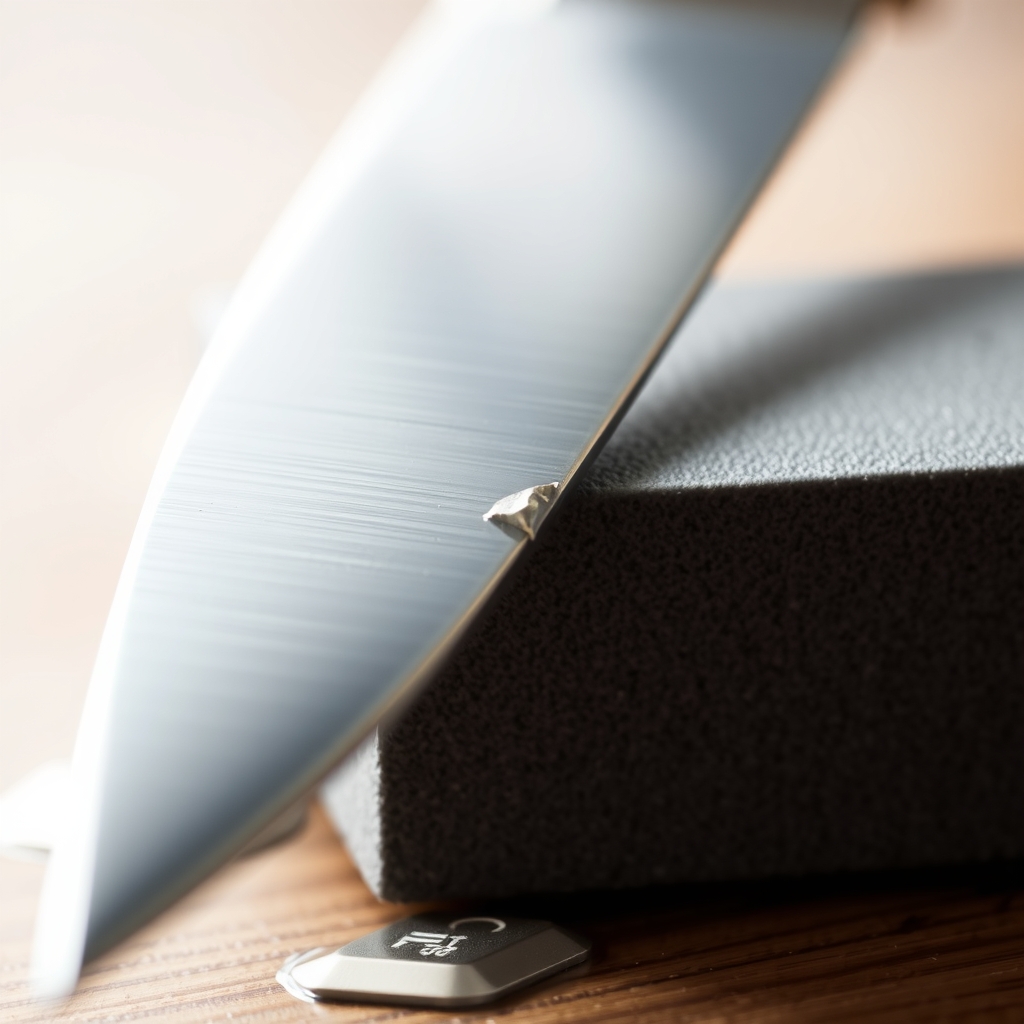
In this guide
Quick answer
To fix a chipped kitchen knife, grind the edge back past the deepest point of the chip on a coarse 400-grit whetstone, then finish on a finer grit. That works for small chips, shallower than about 1/16 inch. A deep chip, a crack or a bent blade is not worth grinding, so replace the knife.
Free fix vs. permanent fix
Check the damage and retire the knife from hard jobs
- Hold the blade under a bright light and look along the edge for a shiny notch
- Judge the depth: under 1/16 inch is a home job
- Stop using the knife on bones, frozen food and hard squash
- Check recent food and the board for tiny steel flakes
How long it lasts: It tells you whether the knife is fixable. It does not remove the chip, and honing or a quick pass on a pull-through sharpener will not either.
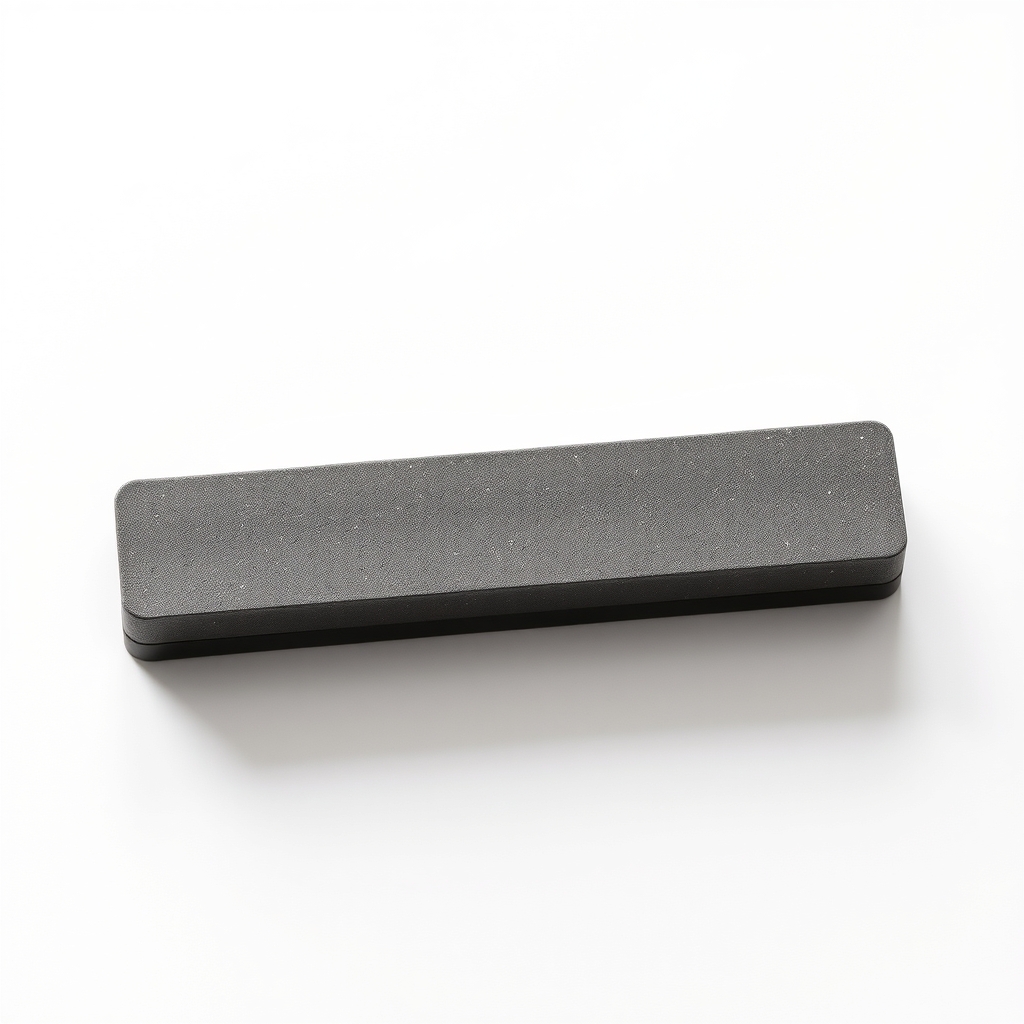
A 400/1000 combination whetstone
A chip is missing steel, and the only way to remove it is to grind the whole edge back until it is behind the notch. A coarse 400-grit stone removes steel fast enough to do that in minutes. A honing rod or a pull-through sharpener cannot reach that far, and the 1000-grit side finishes a clean edge.
What to get: Combination whetstone, 400/1000 grit
How long it lasts: The chip is gone for good, and the same stone sharpens this knife and the rest of your set for years.
As an Amazon Associate I earn from qualifying purchases.
What you'll need
-
Permanent marker
Colors the edge so you can see where steel is coming off
You have it -
Damp towel or non-slip mat
Keeps the stone from sliding
You have it -
Phone flashlight or bright lamp
To see whether the chip is gone
Free - Our pick Illustration
Combination whetstone, 400/1000 grit
Coarse side removes the chip, fine side restores the edge
- Illustration
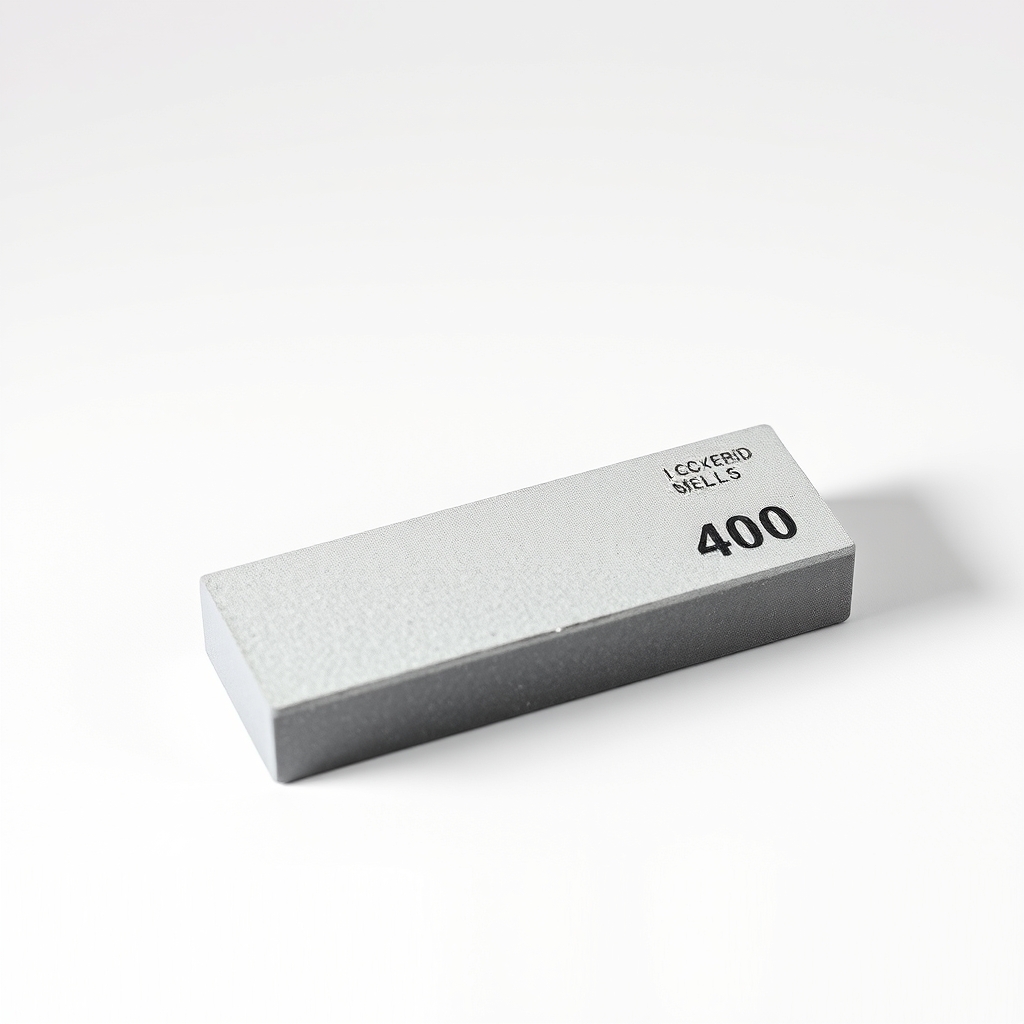
Single 400-grit whetstone
Just for removing the chip, if you already own a finer stone
- Illustration
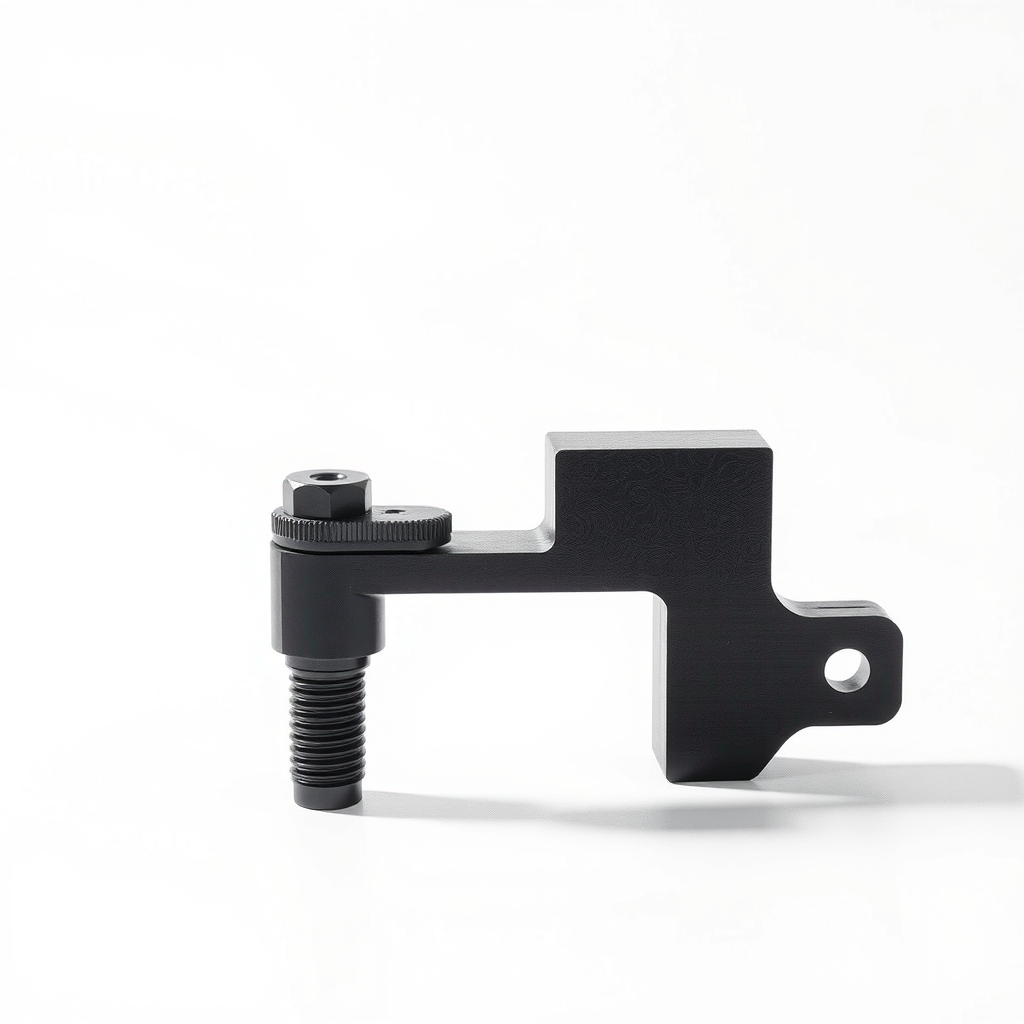
Sharpening angle guide
Helps a beginner hold a steady angle
Why it happens
Hard cutting surfaces
Glass, marble, ceramic and the bottom of a plate chip a thin, hard edge fast. Wood and soft plastic boards are gentler on steel.
Cutting things that are too hard
Bones, frozen food and hard squash can snap off a bit of edge. Many Japanese-style knives are very hard steel, so they chip where softer steel would only bend.
Twisting and prying
Levering a blade sideways to split, scoop or open a package puts a side load on a thin edge. Cut straight down and use the flat of the blade for scooping.
Rough storage and the dishwasher
Knives knocked together in a drawer or rattled around in a dishwasher get nicked. A knife block, a magnetic strip or blade guards prevent most of it.
Try this first (free)
Do these in order, starting with the simplest.
-
Find the chip and judge how deep it is
Tool used: Phone flashlight or bright lampHold the blade under a bright light and look along the edge. A chip shows as a shiny notch. If it is shallower than about 1/16 inch (1.5 mm), you can grind it out. If it is deeper than 1/8 inch (3 mm), the blade is cracked or the tip is snapped, stop here and read the next section.
-
Color the edge with a marker
Tool used: Permanent markerDraw over the angled edge, called the bevel, on both sides. Where the ink wears off, steel is coming off, so you can see whether you are holding the right angle.
-
Set up the stone so it cannot move
Tool used: Damp towel or non-slip matSoak the stone if its instructions say to; many need 10 to 15 minutes and some only a splash. Set it on a damp towel and keep it wet while you work.
-
Grind the edge back on the coarse side
Tool used: Combination whetstone, 400/1000 gritHold the blade at about 15 degrees for Japanese-style knives or 20 degrees for German and American styles. Push the edge across the stone from heel to tip with light, even pressure. Work one side, then the other, and check every 20 strokes. Small chips often take 10 to 30 minutes. Stop when no bright notch is left.
IllustrationCheck price on AmazonTool for this step
Combination whetstone, 400/1000 grit · Coarse side removes the chip, fine side restores the edge
-
Refine on the fine side
Tool used: Combination whetstone, 400/1000 gritFlip to the 1000-grit side and do 10 to 15 strokes per side to smooth the scratches and raise a thin burr. Then use a few light, alternating passes to remove the burr.
IllustrationCheck price on AmazonTool for this step
Combination whetstone, 400/1000 grit · Coarse side removes the chip, fine side restores the edge
-
Test, rinse and dry
Slice a sheet of paper or a ripe tomato. A clean cut means the edge is back. Rinse the knife, dry it right away and keep your fingers well behind the edge the whole time.
When free fixes aren't enough
The free steps can tell you what is wrong, but they cannot put steel back. A honing rod realigns an edge without removing a notch, and a pull-through sharpener shaves off too little to reach a deep chip. If the chip is deeper than about 1/8 inch, the blade has a crack or the tip has broken off, fixing it means removing so much steel that the knife changes shape. A professional with a belt grinder can sometimes save a valuable knife. For an inexpensive one, a new knife costs less than the repair. For anything smaller, a 400-grit stone is the tool that works.
Buy the fix
Still stuck after the free fixes? These are the products we would look at.
| Pick | Product | Fixes | Who it's for | Buy |
|---|---|---|---|---|
| Best pick | Combination whetstone, 400/1000 grit | a small chip, plus the dull edge it leaves behind | Anyone with a small chip who wants to fix it once and keep the knives sharp afterward. | Check price |
| Budget pick | Single 400-grit whetstone | the chip itself, on a tighter budget | People who already own a finer stone or will take the knife to a pro for finishing. | Check price |
Combination whetstone, 400/1000 grit
Fixes: a small chip, plus the dull edge it leaves behind
Look for: 400 grit on one side for removing chips and 1000 grit on the other for finishing; A non-slip base or holder; Long enough for your longest knife, about 7 inches or more; Clear soak-or-splash instructions.
- Who it's for
- Anyone with a small chip who wants to fix it once and keep the knives sharp afterward.
- Honest downside
- Your knife is ceramic, serrated or has a deep chip. A stone does not suit those.
Single 400-grit whetstone
Fixes: the chip itself, on a tighter budget
Look for: A coarse 400 grit rating; A flat, even surface; A size long enough for the blade.
- Who it's for
- People who already own a finer stone or will take the knife to a pro for finishing.
- Honest downside
- You have no finer stone. A 400-grit edge is rough and needs a finer grit to feel sharp.
As an Amazon Associate I earn from qualifying purchases. We don't show prices because they change, so use the button to see today's price.
How we picked: How we picked: this page is based on knife care and sharpening guides from cutlery makers, whetstone grit charts, and the chip repairs people describe in owner reviews. We do not test products by hand.
Fix it or replace it? A quick guide
- Chip shallower than 1/16 inch: grind it out at home on a 400-grit stone.
- Chip 1/16 to 1/8 inch: possible with patience, or take it to a professional sharpener.
- Deeper than 1/8 inch, a crack, a bent blade or a snapped tip: replace the knife.
- Ceramic knife: not a stone job.
Keep it from chipping again
Use a wood or soft plastic board. Keep bones and frozen food away from your good knife. Wash it by hand and dry it right away. Store it in a block, on a magnetic strip or in a blade guard so it does not knock against other metal.
What to skip
Pull-through sharpeners, honing rods and bench grinders
A honing rod straightens an edge and does not remove metal. A cheap pull-through sharpener scrapes off a little steel at a fixed, often harsh angle, and it cannot reach a chip. A bench grinder overheats thin steel, which can ruin the temper and soften the edge.
Frequently asked questions
Can you sharpen a chipped knife?
What grit whetstone do I need to fix a chip?
Is a chipped knife dangerous to use?
Can I fix a chipped ceramic knife?
Why does my knife keep chipping?
Related problems
 Free fix inside
Kitchen · Kitchen Knife
Kitchen Knives Dull So Fast? Blame the Board, Then Hone and Sharpen
Read the fix Free fix inside
Kitchen · Kitchen Knife
How to Store Knives in the Kitchen: Drawer Tray vs Magnetic Strip
Read the fix Free fix inside
Kitchen · Kitchen Knife
Rust Spots on Kitchen Knives? Remove Them Safely and Stop the Return
Read the fix Free fix inside
Kitchen · Kitchen Knife
Fix a Loose Kitchen Knife Handle: The Epoxy Method That Holds
Read the fixAs an Amazon Associate I earn from qualifying purchases. Affiliate disclosure