Kitchen Cabinet Hinge Keeps Coming Loose? The Toothpick Trick and Kits
A hinge screw that will not stay tight means the hole is stripped. Fix it with toothpicks and glue today, or fit a repair plate so it holds for good.
By Jamilur Rahman Updated November 5, 2026 · 7 min read
- Time
- 15 min plus glue drying
- Cost
- Under $20
- Difficulty
- Easy
In this guide
Quick answer
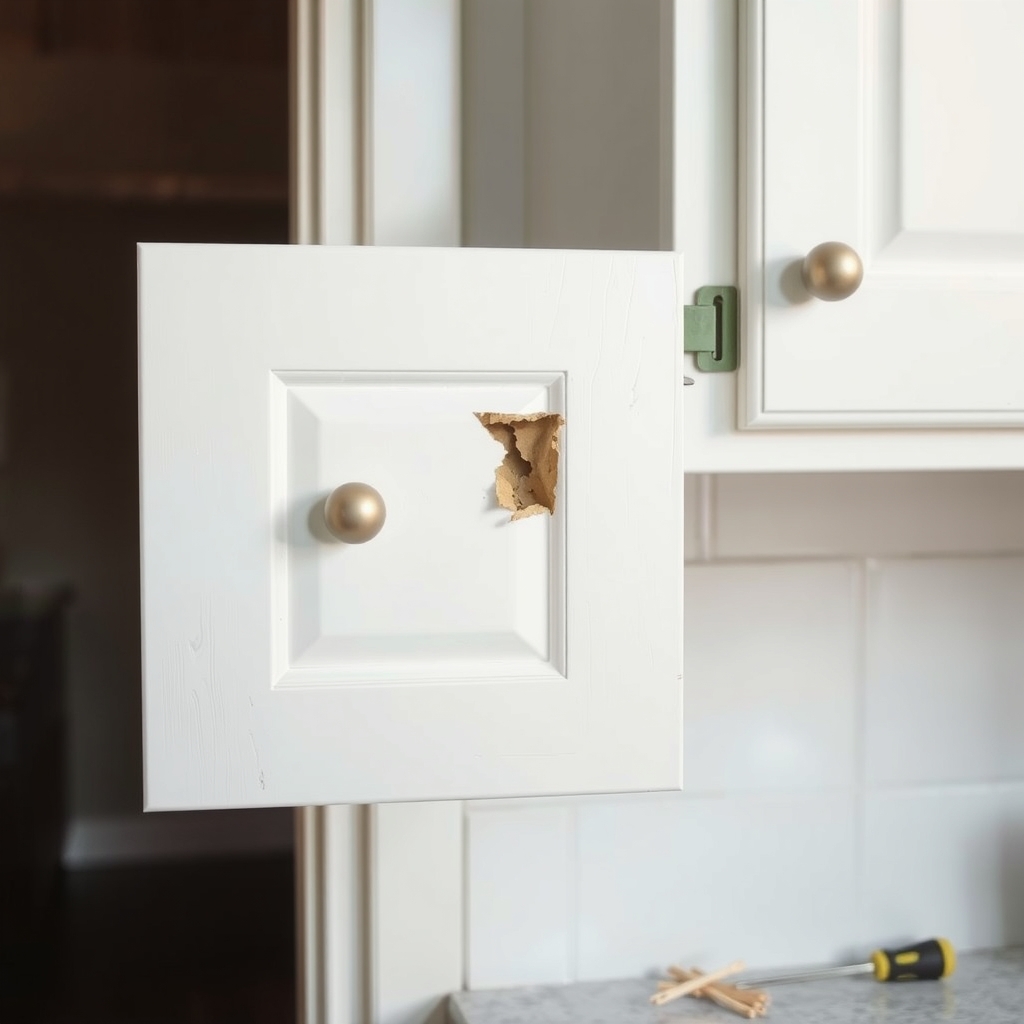
If your kitchen cabinet hinge keeps coming loose, the screw hole is almost always stripped, so the screw has nothing left to grip. Pack the hole with wood glue and toothpicks, let it dry, and drive the screw back in. If the wood is crumbly or the screw keeps spinning, a metal hinge repair plate gives the screws fresh material and a fix that outlasts the toothpicks.
Free fix vs. permanent fix
Toothpicks and wood glue
- Dip 3 or 4 toothpicks in wood glue and push them into the hole
- Snap them off flush and let the glue set
- Drive the screw back in by hand, snug but not forced
- Repeat for every loose screw on that hinge
How long it lasts: Often years on a light door. On a heavy door or crumbly particleboard it may loosen again within weeks.
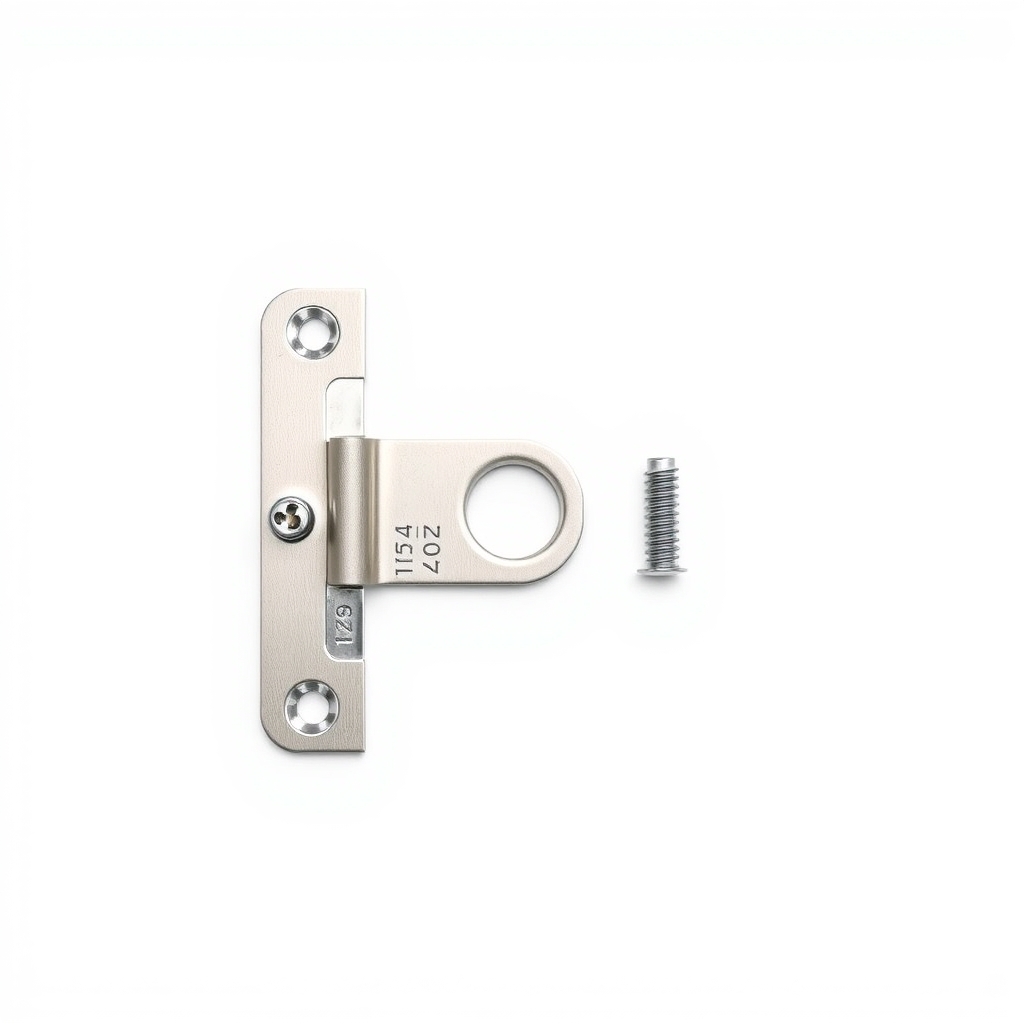
A hinge repair plate kit
Toothpicks fill a hole, but they still rely on the same chewed-up wood around it. A repair plate covers the damaged spot and gives the screws new places to grip. It costs a few dollars and is the better bet for heavy doors and soft particleboard.
What to get: Hinge repair plate and screw hole filler kit
How long it lasts: Years. The plate spreads the load over fresh material, so the screws bite where the wood is not worn out.
As an Amazon Associate I earn from qualifying purchases.
What you'll need
-
Hand screwdriver
Use this instead of a drill so you do not strip the hole again
You have it -
Toothpicks or wooden matchsticks
Plain wood, not plastic
You have it -
Wood glue
Regular white or yellow wood glue is fine
You have it -
A helper or a few books
Holds the door level while you drive the screws
Free - Our pick Illustration
Hinge repair plate and screw hole filler kit
For holes that keep stripping, or doors that are heavy
- Illustration
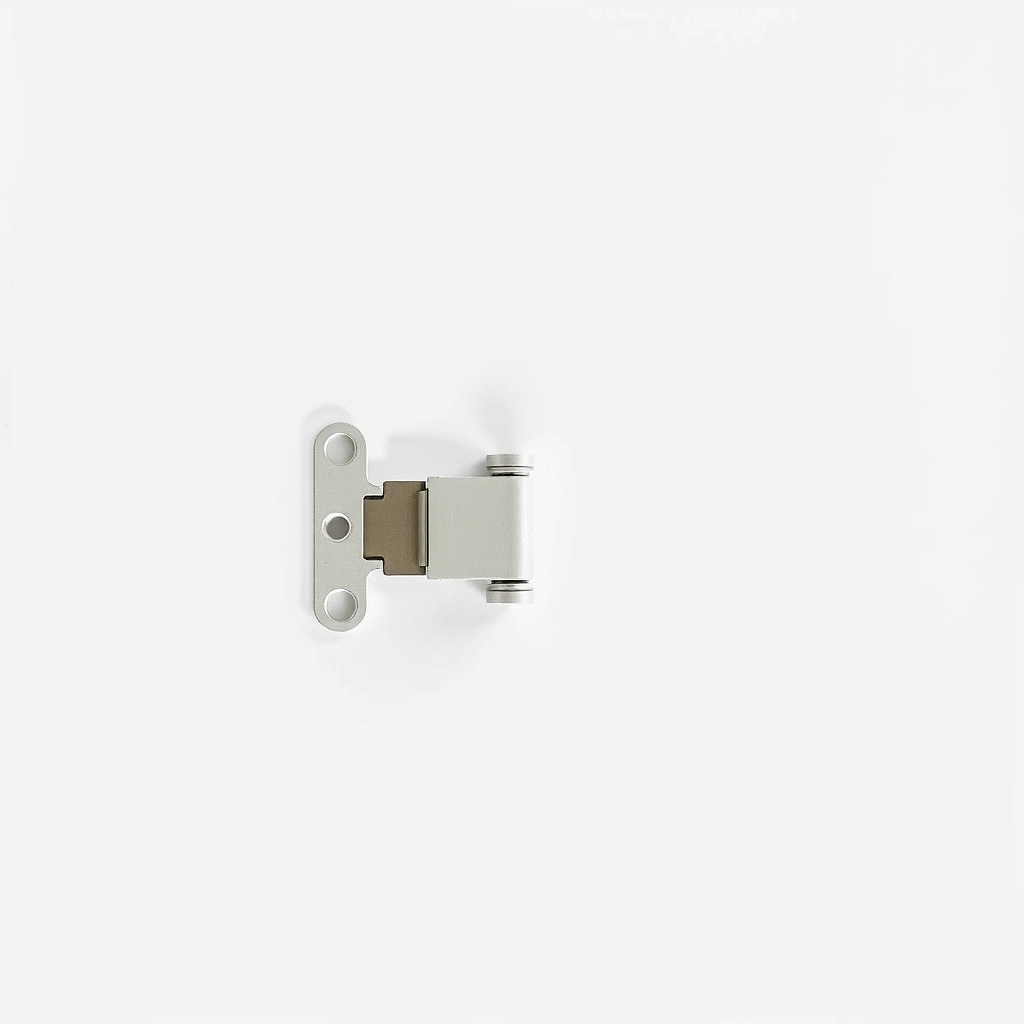
Replacement concealed hinges
Only if the hinge itself is bent, cracked or rusty
Why it happens
A stripped screw hole
Most cabinets are particleboard or soft wood. Each time the door swings, the screw works its hole a little wider, until it spins without gripping.
A heavy door on small screws
Tall pantry doors, solid wood fronts and doors loaded with spice racks pull much harder on a hinge than a light door does.
Over-tightening with a drill
A power drill can strip a hole on the very first install. Tightening by hand stops at snug, which is what the wood can take.
A worn or bent hinge
Concealed hinges have arms and cups that bend or crack if a door is slammed or pulled down. If a re-seated hinge still sags, the hinge may be the problem.
Try this first (free)
Do these in order, starting with the simplest.
-
Prop the door level and remove the loose screws
Tool used: A helper or a few booksHave a helper hold the door, or stack a few books under its lower corner. Take out the loose screws and look at the holes. Chewed wood can be fixed. Crumbling or split wood needs a repair plate.
-
Glue and pack the hole
Tool used: Toothpicks or wooden matchsticksDip toothpicks in wood glue and push in as many as fit snugly, usually 3 to 5. Break them off flush with the surface.
-
Let the glue set
Give it at least 30 minutes, or overnight on a heavy door. Check the glue label for its clamp time.
-
Drive the screw in by hand
Tool used: Hand screwdriverTurn it with a hand screwdriver and stop when it is snug. Do not swap in a longer screw unless you are sure it will not poke through the front of the frame or door.
-
Adjust the door
Tool used: Hand screwdriverClose the door and look at the gaps. Use the adjustment screws on the hinge arm to even out the gaps and square the door.
When free fixes aren't enough
Toothpicks stop working when there is not enough solid wood left to hold them: the hole is badly chewed, the edge crumbles, or the door is heavy and keeps pulling free. A metal repair plate covers the damage and gives you new screw holes in fresh material. It also helps when the old hole is oval and the screw goes in at an angle. If the hinge itself is bent, cracked or rusty, replace it. If the door or panel is split around the hinge, a cabinet shop can repair it.
Buy the fix
Still stuck after the free fixes? These are the products we would look at.
| Pick | Product | Fixes | Who it's for | Buy |
|---|---|---|---|---|
| Best pick | Hinge repair plate and screw hole filler kit | a hinge screw hole too worn for toothpicks to hold | Anyone whose hinge came loose again after the toothpick fix, or whose door is heavy. | Check price |
| Upgrade pick | Replacement concealed soft-close hinges | a hinge that is bent, cracked or worn out, plus slamming doors | Someone with old, rusty or sagging hinges who is replacing them anyway. | Check price |
Hinge repair plate and screw hole filler kit
Fixes: a hinge screw hole too worn for toothpicks to hold
Look for: Plates that fit your hinge's screw spacing, so measure first; Steel plates with pre-drilled holes and screws included; Hole filler or plugs to rebuild the old holes; Clear fit notes for your cabinet style, frameless or face-frame.
- Who it's for
- Anyone whose hinge came loose again after the toothpick fix, or whose door is heavy.
- Honest downside
- The hinge itself is bent or broken, or the cabinet panel is split. Replace the hinge or repair the panel first.
Replacement concealed soft-close hinges
Fixes: a hinge that is bent, cracked or worn out, plus slamming doors
Look for: The same overlay as your current hinges: full, half or inset; A cup that fits the hole already drilled in your door, often 35 mm; A mounting plate that matches your cabinet style; Soft-close built in, so the door stops slamming.
- Who it's for
- Someone with old, rusty or sagging hinges who is replacing them anyway.
- Honest downside
- Your hinges are fine and only the screws are loose. A repair plate costs less. Photograph your hinge before you buy if you are unsure of the overlay.
As an Amazon Associate I earn from qualifying purchases. We don't show prices because they change, so use the button to see today's price.
How we picked: How we picked: this page is based on cabinet hardware and woodworking repair guides, hinge maker instructions, and what owners report about repair plates and replacement hinges. We do not test products by hand.
Kitchen cabinet hinge keeps falling: door side or frame side?
Check which side lets go. If the hinge cup pulls out of the door, the hole in the door is worn. If the mounting plate pulls off the cabinet side, the screws in the frame are the problem. Fix the side that fails, since a repaired hinge on a weak door will keep dropping.
How to fix kitchen cabinets hinges: match the fix to the problem
- Screws spin but the hinge is straight: toothpicks and glue, or a repair plate.
- Wood is crumbly or the hole is oval: a repair plate.
- Door sags or gaps are uneven: adjust the hinge arm screws.
- Hinge arm is bent, cracked or rusty: replace the hinge.
What to skip
Longer screws, power drills and filler putty
A longer screw can poke through the front of a face frame or the door, and a drill makes it easy to strip the hole again. Caulk or putty in the hole hides the problem for a day and then crumbles. Fill with wood and glue, or add a plate.
Frequently asked questions
Kitchen cabinet door keeps falling off: what is going wrong?
Can I use wood filler instead of toothpicks?
How long should I wait before rehanging the door?
Do I need to replace the whole hinge?
Related problems
 Free fix inside
Kitchen · Cabinet Hardware
Kitchen Cabinet Door Hitting the Wall? Bumpers That Stop the Dents
Read the fix Free fix inside
Kitchen · Cabinet Hardware
How to Stop Kitchen Cabinets From Squeaking in 2 Minutes
Read the fix Free fix inside
Kitchen · Kitchen Cabinets
Kitchen Cabinet Doors Slamming? Soft-Close Bumpers Quiet Them Fast
Read the fix Free fix inside
Kitchen · Kitchen Cabinets
Kitchen Cabinet Door Keeps Opening? Magnetic Catches Do the Job
Read the fixAs an Amazon Associate I earn from qualifying purchases. Affiliate disclosure