Kitchen Cabinet Door Keeps Opening? Magnetic Catches Do the Job
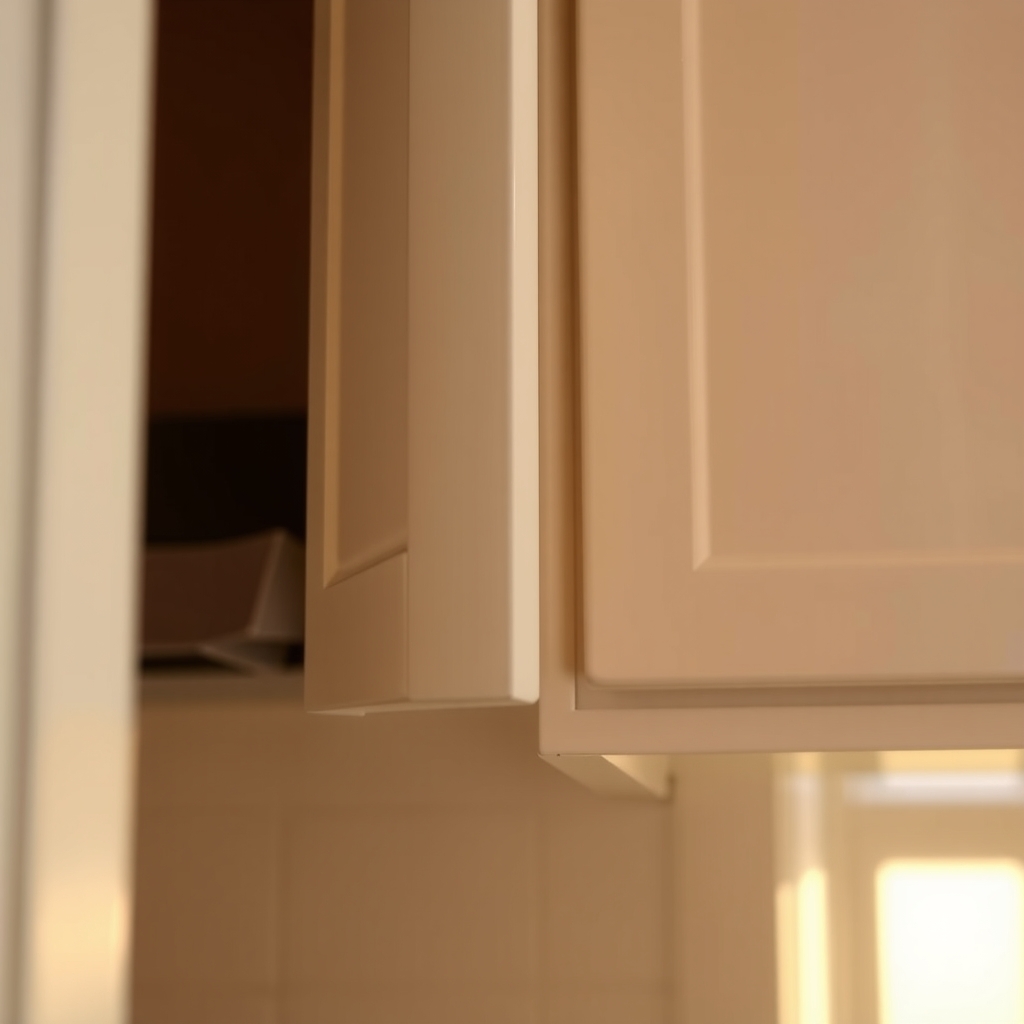
A door that drifts open usually has no catch, a worn catch or a slightly leaning hinge. Straighten it first, then add a magnetic catch to hold it shut.
By Jamilur Rahman Updated November 5, 2026 · 6 min read
- Time
- 15 min
- Cost
- Under $20
- Difficulty
- Easy
In this guide
Quick answer
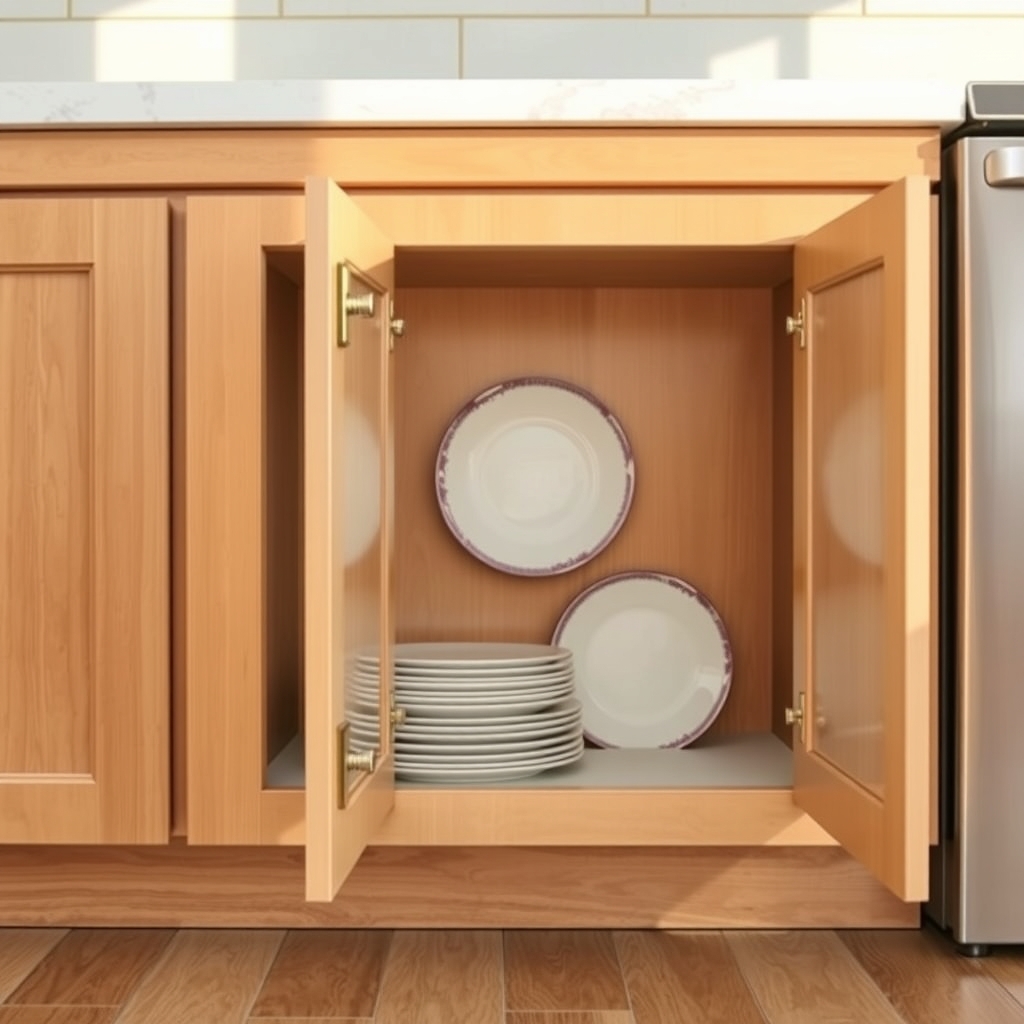
A cabinet door keeps opening because nothing holds it shut, or the catch it has is worn or out of line. Tighten the hinge screws and straighten the door first. If it still drifts open, screw a magnetic catch inside the cabinet. The magnet pulls the door in the last half inch and holds it with a soft click.
Free fix vs. permanent fix
Tighten, straighten and re-aim the catch
- Tighten every hinge screw
- Turn the hinge's depth screw so the door sits snug
- Slide a roller catch closer to its plate, or straighten a bent strike plate
- Empty an overstuffed shelf that is pushing the door
How long it lasts: Weeks to years, depending on why it opened. A warped door or a worn catch will let go again.
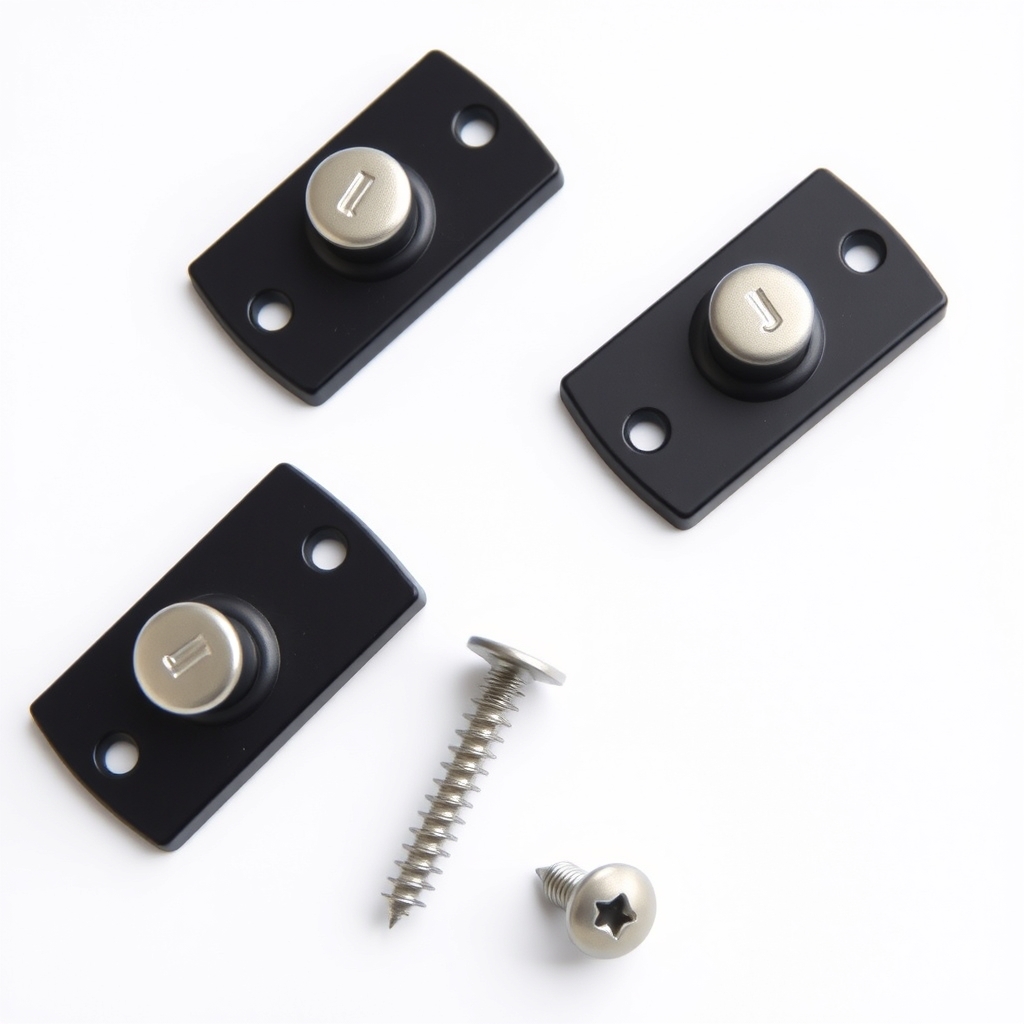
A magnetic cabinet catch
A magnet pulls the door in the last half inch and holds it flat against the frame. It does not depend on a tight hinge or a spring, so a door that leans a little still stays shut. The free steps straighten the door, and the catch keeps it shut.
What to get: Screw-mount magnetic cabinet catches
How long it lasts: Years. A magnet has no spring or roller to wear out.
As an Amazon Associate I earn from qualifying purchases.
What you'll need
-
Screwdriver
For hinge screws and the catch
You have it -
Pencil and tape measure
To mark where the magnet and plate meet
You have it - Our pick Illustration
Screw-mount magnetic cabinet catch
The magnet goes on the cabinet, the plate on the door
- Illustration
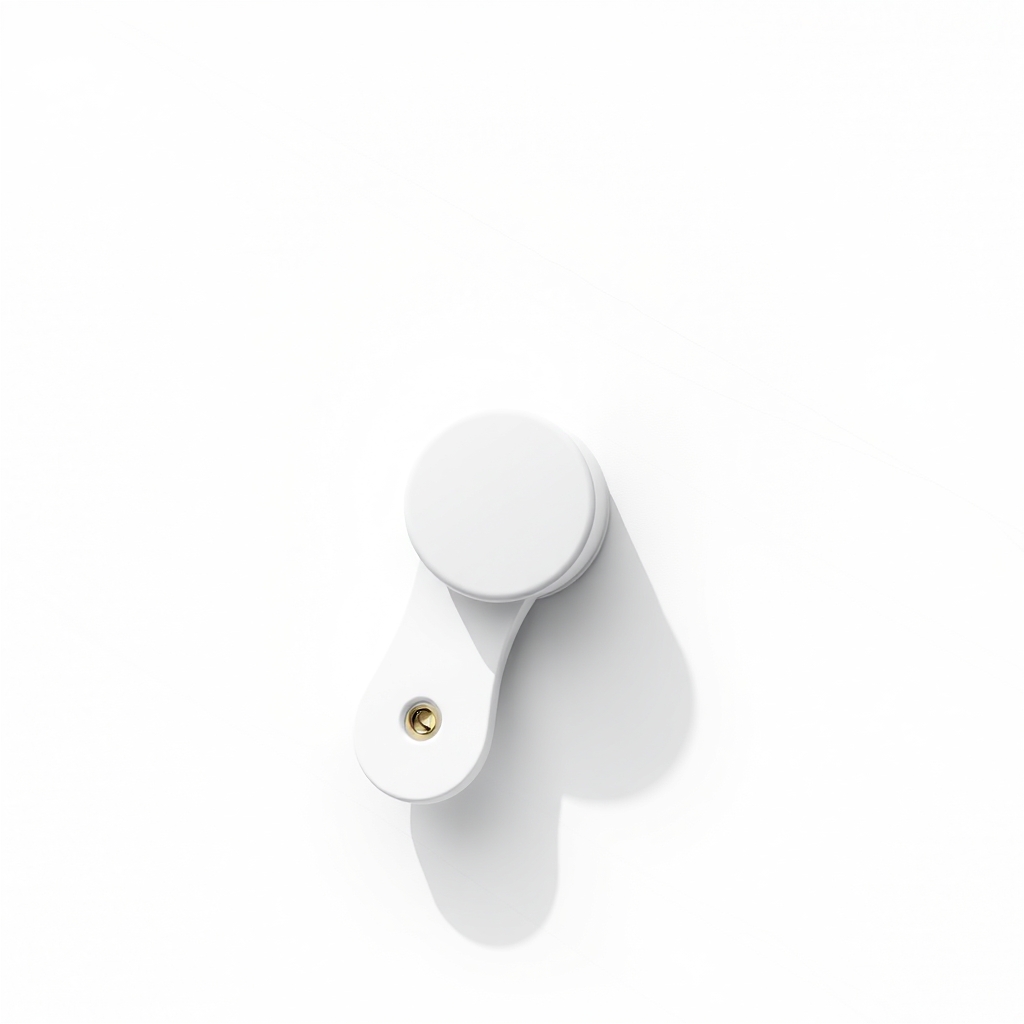
Stick-on magnetic cabinet catch
For renters or light doors; no screws
Why it happens
No catch at all
Many cabinets rely on the hinge spring alone, and some have no catch. When the spring weakens or the cabinet leans, nothing holds the door shut.
A worn or out-of-line catch
Roller and ball catches wear out. A bent strike plate no longer meets the roller, so the door stops gripping.
Loose hinges or a sagging door
Loose hinge screws let the door sag, so the catch and the plate no longer line up. A door that closes but pops back open is a common sign.
A warped door or a leaning cabinet
Solid wood doors cup with humidity. A cabinet on an uneven floor leans, and gravity pulls the door open. A catch has to beat that lean.
Try this first (free)
Do these in order, starting with the simplest.
-
Tighten every hinge screw
Tool used: ScrewdriverOpen the door and snug each hinge screw. If one spins without biting, the hole is stripped. See the related page on loose hinges.
-
Adjust the hinge so the door sits flat
Tool used: ScrewdriverConcealed hinges have three small screws for side-to-side, depth and height. Turn the depth screw a quarter turn so the door sits snug against the frame. Change one screw at a time and test.
-
Check the old catch and plate
If you have a roller or ball catch, loosen its screws and slide it closer to the strike plate. Tap a bent plate straight. Replace a cracked catch.
-
Take weight off the door
Check that nothing on the shelf or hanging from the door is pushing it open. Close the door and rap the front. If it pops open, the hold is too weak and you need a catch.
-
Mark where the magnet and plate meet
Tool used: Pencil and tape measureClose the door and mark the spot on the frame near the top or middle, where the door edge lines up. Measure the same position on the door.
-
Fit the catch and test it
Tool used: Screw-mount magnetic cabinet catchScrew the magnet to the cabinet and the metal plate to the door so they meet when the door shuts. Open and close it 20 times. Move the plate if it does not meet flat.
IllustrationCheck price on AmazonTool for this step
Screw-mount magnetic cabinet catch · The magnet goes on the cabinet, the plate on the door
When free fixes aren't enough
If you have tightened everything and the door still drifts open, no hinge adjustment will fix a missing or worn latch. The usual signs are a door that closes but pops back open, one that swings wide when you walk by, and one that never clicked at all. A magnet adds the hold the hinges cannot. If the door is badly warped or the frame is cracked, fix that first, because a magnet will not pull a bent door flat.
Buy the fix
Still stuck after the free fixes? These are the products we would look at.
| Pick | Product | Fixes | Who it's for | Buy |
|---|---|---|---|---|
| Best pick | Screw-mount magnetic cabinet catches | a door that drifts or pops open | Anyone with a door that has lost its latch, or never had one. | Check price |
| Budget pick | Stick-on magnetic cabinet catches | light doors that drift open | Renters who cannot drill, or anyone who wants a no-tool fix. | Check price |
Screw-mount magnetic cabinet catches
Fixes: a door that drifts or pops open
Look for: A magnet and a metal strike plate in the set; Screws included, sized for cabinet wood; A listed pull strength that suits your door size; A slim profile so the door still closes flush.
- Who it's for
- Anyone with a door that has lost its latch, or never had one.
- Honest downside
- The door is badly warped or the frame is cracked. Fix the door first.
Stick-on magnetic cabinet catches
Fixes: light doors that drift open
Look for: A strong adhesive pad with a cleaning wipe or instructions; A magnet and plate sold as a pair; Rated for light doors.
- Who it's for
- Renters who cannot drill, or anyone who wants a no-tool fix.
- Honest downside
- The door is heavy or tall, the surface is greasy or textured, or the cabinet is damp. Screw a catch on instead.
As an Amazon Associate I earn from qualifying purchases. We don't show prices because they change, so use the button to see today's price.
How we picked: How we picked: this page draws on cabinet hardware guides, product instructions from catch and hinge makers, and the problems and fixes owners describe in reviews. We do not test products by hand.
Which kind of catch fits your door
- Magnetic: quiet, no moving parts, easy to adjust. The best default.
- Roller or ball catch: works, but wears out and needs the strike plate aligned.
- Touch latch: opens with a press, which suits handleless doors, and needs a handleless design.
Drawers, closet doors and swinging doors
The same idea works elsewhere. A magnetic catch at the top corner of a hinged closet door holds it shut. A drawer that rolls open usually needs the cabinet leveled first, then a small latch on the front.
What to skip
Rubber bands, string and tape
A rubber band around two knobs holds for a day, then stretches and snaps. Tape leaves sticky marks on the finish. Do not keep over-tightening hinge screws either, since that can warp the door or split the frame.
Frequently asked questions
Why does my kitchen cabinet door keep popping open?
How do I fix cabinets that will not stay closed?
Why does my kitchen cabinet drawer keep opening?
Is a magnetic catch strong enough for a heavy pantry door?
Related problems
As an Amazon Associate I earn from qualifying purchases. Affiliate disclosure