Kitchen Cabinet Doors Slamming? Soft-Close Bumpers Quiet Them Fast
Slamming doors wake the house and wear out hinges. Pad them tonight for free, then add soft-close dampers so every door eases shut by itself.
By Jamilur Rahman Updated November 5, 2026 · 6 min read
- Time
- 15 min
- Cost
- Under $20
- Difficulty
- Easy
In this guide
Quick answer
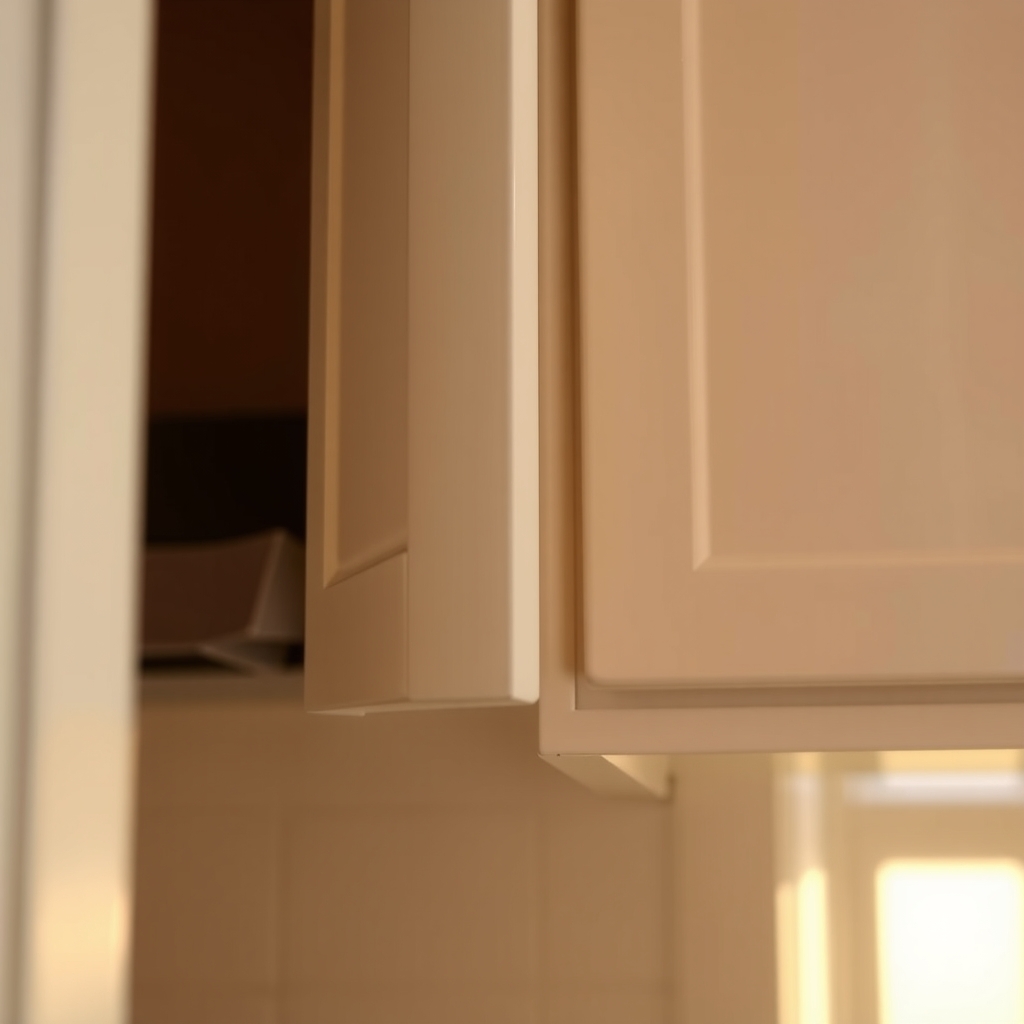
Cabinet doors slam because nothing slows them and nothing cushions the last inch. Stick felt or rubber pads on the corners to cut the noise tonight. For a door that actually closes slowly and softly, fit soft-close dampers: small pistons that catch the door just before it hits and ease it shut.
Free fix vs. permanent fix
Quiet the knock with felt or foam pads
- Close doors gently and hold the edge for the last inch
- Cut scrap felt or foam and stick a piece on each door corner
- Tighten loose hinge screws so the door lands square
- Wipe each spot with rubbing alcohol first, so the pad sticks
How long it lasts: Weeks to a few months. Pads cut the noise but do not slow the door, and self-stick ones compress and fall off.
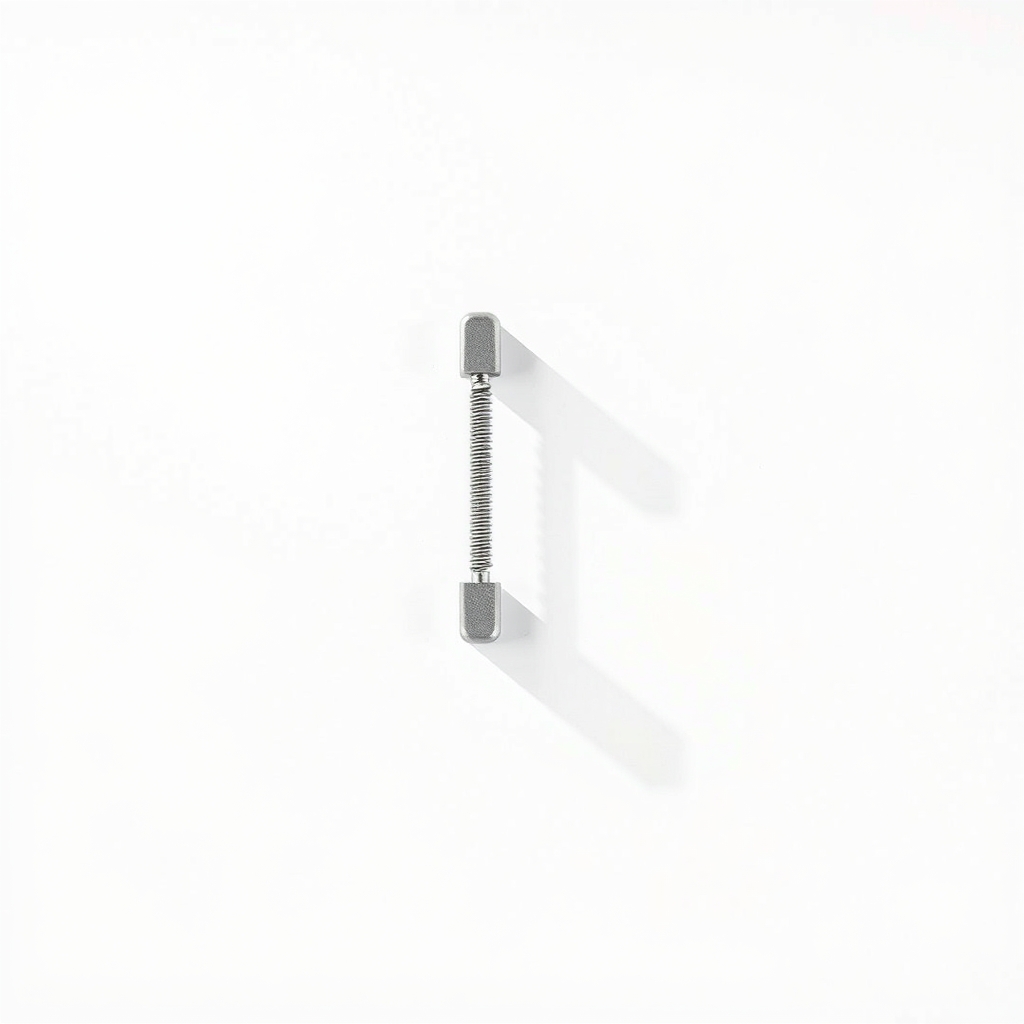
Soft-close cabinet door dampers
A damper is a small piston that catches the door about half an inch before it closes and slows it to a whisper. A pad only softens the hit. A damper changes how fast the door arrives, which is why the slam does not come back.
How long it lasts: Years. The piston does the slowing, so nobody has to remember to close gently.
As an Amazon Associate I earn from qualifying purchases.
What you'll need
-
Screwdriver
To tighten loose hinge screws
You have it -
Rubbing alcohol and a rag
Removes cabinet grease so adhesive sticks
You have it -
Felt or foam scraps
Cut from an old mouse pad or craft felt as a stopgap
Free - Our pick Illustration
Soft-close cabinet door dampers
Slow the last half inch; check the mount type below
- Illustration
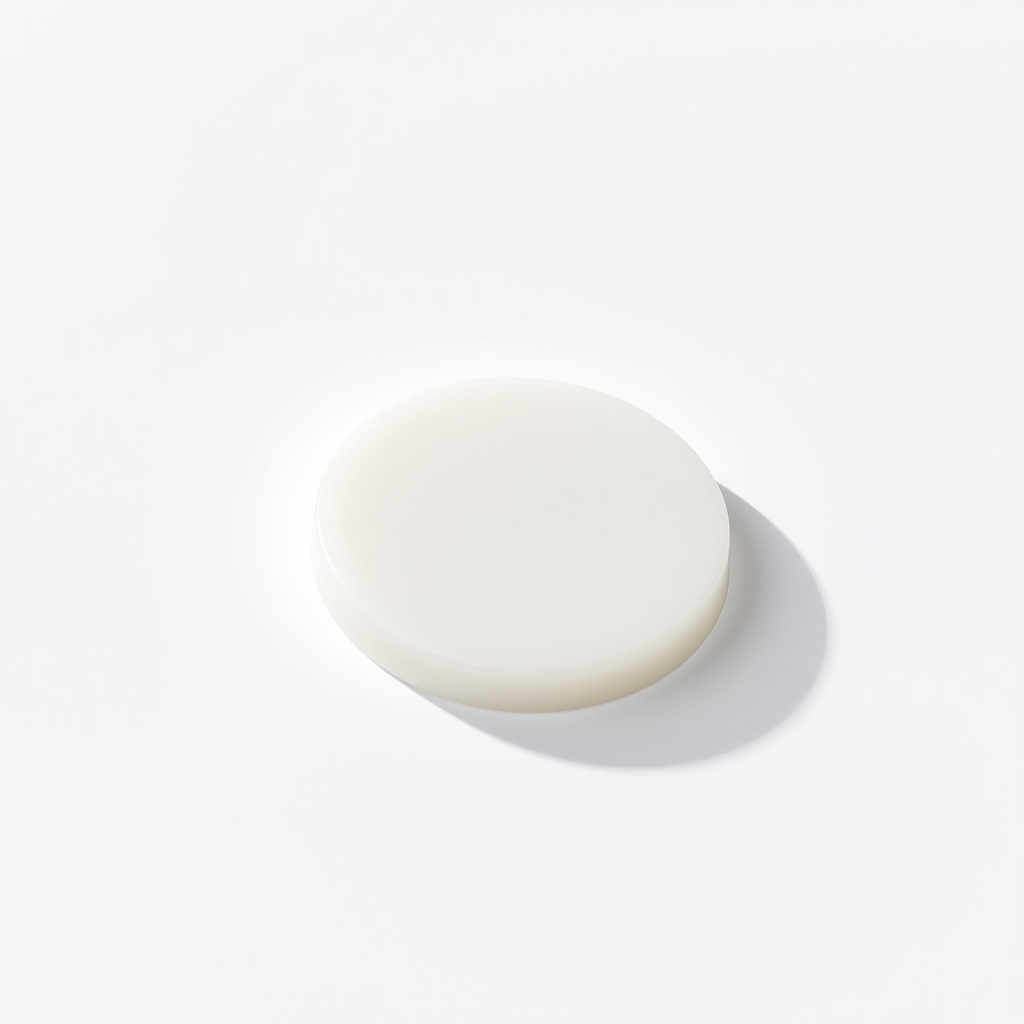
Self-stick silicone bumper pads
Cheap noise cut with no slow-down
- Illustration
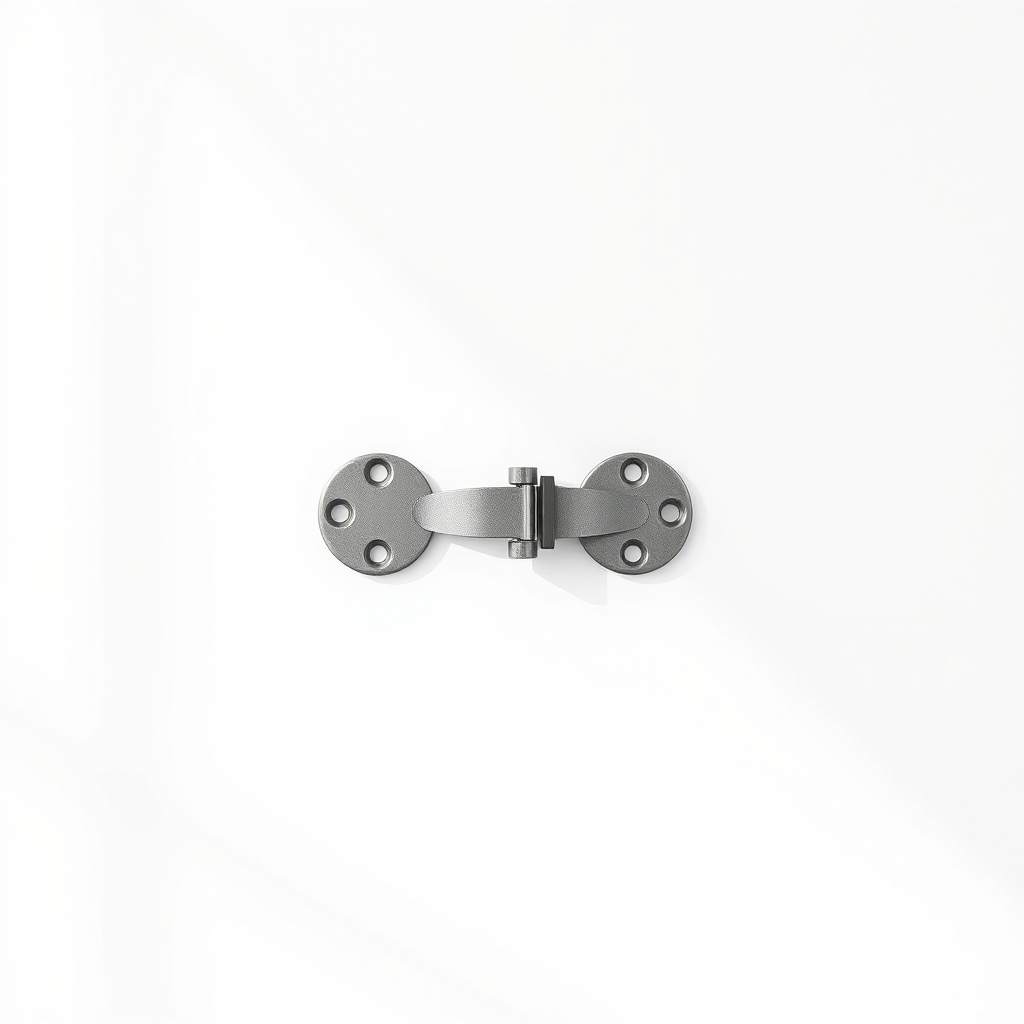
Soft-close hinges
For worn hinges or very heavy doors
Why it happens
Nothing slows the last inch
Basic hinges and a magnet or roller catch let the door swing at full speed. Spring-loaded hinges even push it. The wood meets the frame with the full weight of the door.
Worn or missing bumpers
Most doors start life with small clear or felt bumpers. They wear flat or fall off, and then hard wood hits hard wood. A door that used to be quiet often just lost its pads.
Loose hinges or a crooked door
Loose screws let a door sag, so it lands on one corner with a bang. Concealed hinges have adjustment screws that set how flat the door sits.
Big or heavy doors
A tall pantry door has far more weight to stop than a small upper door. The heavier the door, the harder the thud.
Try this first (free)
Do these in order, starting with the simplest.
-
Check and tighten every hinge screw
Tool used: ScrewdriverOpen the door and snug each hinge screw. If one spins without biting, the hole is stripped. See the related page on loose hinges before you carry on.
-
Clean the contact spots
Tool used: Rubbing alcohol and a ragWipe the corner of the door and the spot on the frame where it lands with a rag and rubbing alcohol. Let it dry for a minute. Grease is the main reason pads fall off.
-
Pad the corners
Tool used: Felt or foam scrapsCut small squares of felt or foam and stick one near each corner, where the door meets the frame. Close the door to check it still shuts flush.
-
Fit a damper where the door meets the frame
Tool used: Soft-close cabinet door dampersClose the door and mark where the door edge touches the frame. Stick or screw the damper on the frame side so its piston faces the door. Check that the door still shuts fully and the catch still catches.
IllustrationCheck price on AmazonTool for this step
Soft-close cabinet door dampers · Slow the last half inch; check the mount type below
-
Open and close 20 times
If the door stops short of closing, move the damper out by a quarter inch. If it still slams, try a thicker damper or move it closer to the door's edge.
When free fixes aren't enough
Felt and rubber pads deaden the knock. They do not slow the door, and the adhesive often lets go within weeks or months. If you still hear a thud, or a door swings shut hard enough to catch fingers, what is missing is the slow-down. Dampers add it. If a door is very heavy, or the hinges are worn out, soft-close hinges take over the whole job. Fix warped doors and stripped screw holes first, or no bumper will help.
Buy the fix
Still stuck after the free fixes? These are the products we would look at.
| Pick | Product | Fixes | Who it's for | Buy |
|---|---|---|---|---|
| Best pick | Soft-close cabinet door dampers | doors that slam shut at full speed | Anyone with several slamming doors who wants one fix for all of them. | Check price |
| Budget pick | Self-stick silicone bumper pads | the knock of the door against the frame | Renters, or anyone who needs a few-dollar fix tonight. | Check price |
| Upgrade pick | Soft-close hinges | worn hinges and heavy or tall doors | Anyone refitting a whole kitchen, or whose hinges are tired anyway. | Check price |
Soft-close cabinet door dampers
Fixes: doors that slam shut at full speed
Look for: A mount that fits your cabinets: adhesive for slim frames, screw-in for thick ones; Small enough to fit the gap between door and frame; A piston that slows the door in the last half inch; Easy to peel off or unscrew if you move it.
- Who it's for
- Anyone with several slamming doors who wants one fix for all of them.
- Honest downside
- There is no gap for a damper to sit in, or your doors already have soft-close hinges that stopped working. Replace those hinges instead.
Self-stick silicone bumper pads
Fixes: the knock of the door against the frame
Look for: Clear or matching color; A strong adhesive backing; Thin enough that the door still closes flush.
- Who it's for
- Renters, or anyone who needs a few-dollar fix tonight.
- Honest downside
- You want the door to close slowly, not just quietly. Pads do not slow it.
Soft-close hinges
Fixes: worn hinges and heavy or tall doors
Look for: Matches your overlay type: full, half or inset; Matches your hinge style: concealed or surface mount; A built-in damper that works on heavy doors.
- Who it's for
- Anyone refitting a whole kitchen, or whose hinges are tired anyway.
- Honest downside
- You are not sure of your overlay type. Wrong hinges leave doors crooked, so measure first.
As an Amazon Associate I earn from qualifying purchases. We don't show prices because they change, so use the button to see today's price.
How we picked: How we picked: this page draws on cabinet hardware guides, product instructions from hinge and damper makers, and the slamming-door problems and fixes owners describe in reviews. We do not test products by hand.
Match the damper to your door
- Adhesive dampers: the easiest. They need a flat, clean spot on the frame.
- Screw-in dampers: sturdier. They suit heavy doors and thicker frames.
- Hinge clip-ons: they attach to concealed hinges and need no frame space.
- Measure first: the damper has to fit the gap, but the door must still close fully.
What to skip
Foam tape strips and double-sided tape
Thick household foam tape and wide double-sided tape often leave a sticky residue on cabinet finishes and drift out of place after a few weeks. Use bumpers made for cabinets instead.
Frequently asked questions
Can I make cabinet doors soft close without replacing the hinges?
Why do my kitchen cabinet doors slam shut by themselves?
Are soft-close dampers hard to install?
How do I stop kitchen cupboards banging when kids close them?
Related problems
As an Amazon Associate I earn from qualifying purchases. Affiliate disclosure