Kitchen Cabinet Shelf Keeps Falling? Shelf Pegs Fix It for Good
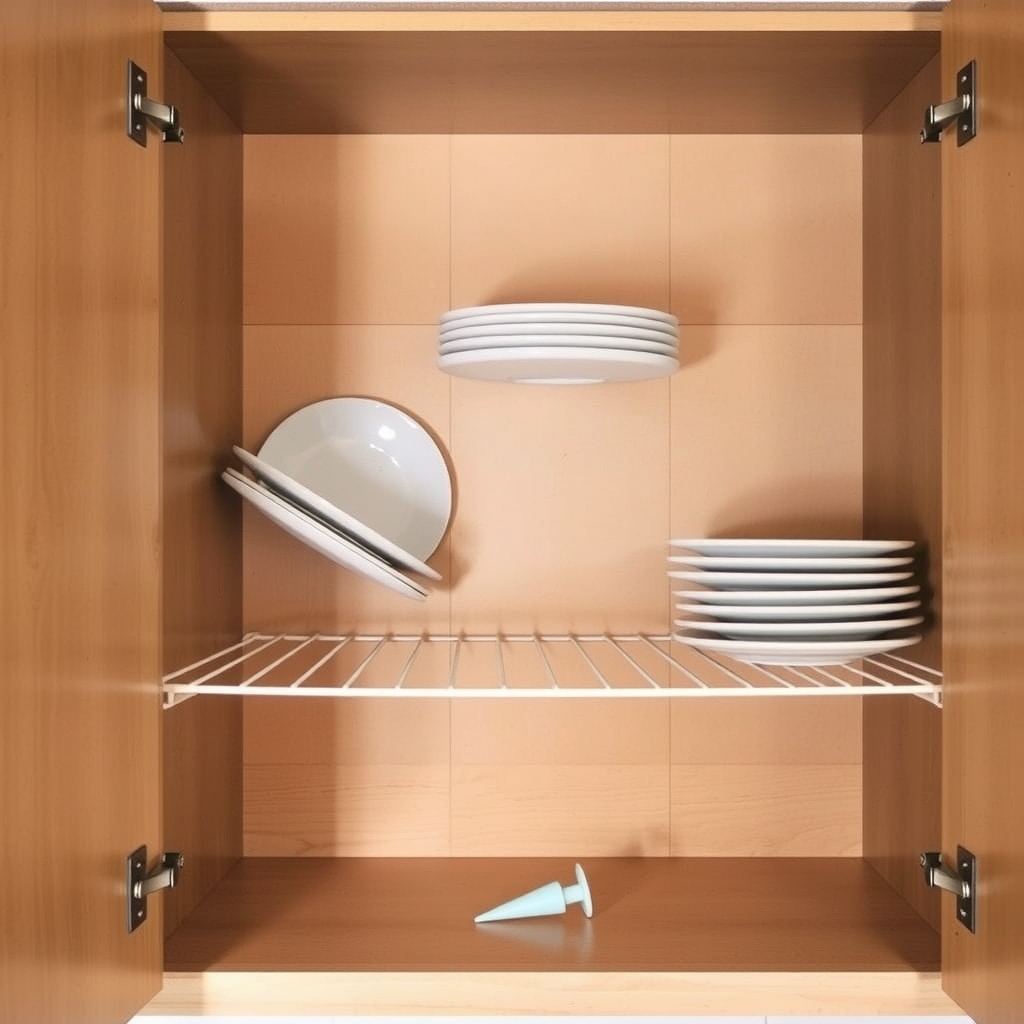
Shelves drop when the pegs are the wrong size, worn or loose in their holes. Tighten the holes, then lock the shelf in with better pegs.
By Jamilur Rahman Updated November 5, 2026 · 6 min read
- Time
- 15 min
- Cost
- Under $20
- Difficulty
- Easy
In this guide
Quick answer
A cabinet shelf falls when its pegs are the wrong size, worn smooth, bent, or loose in holes that have worn out. Measure the holes (most are 5 mm or 1/4 inch), tighten any loose hole with a toothpick and wood glue, then fit locking shelf pegs that grip the shelf so it cannot lift or slide off.
Free fix vs. permanent fix
Reseat, tighten the holes and lighten the load
- Set all four pegs in holes at the same height
- Glue toothpicks into loose holes
- Put heavy items on the bottom shelf
- Replace any cracked or bent peg
How long it lasts: Weeks to months. Cheap plastic pegs keep flexing, and a worn hole can open up again.
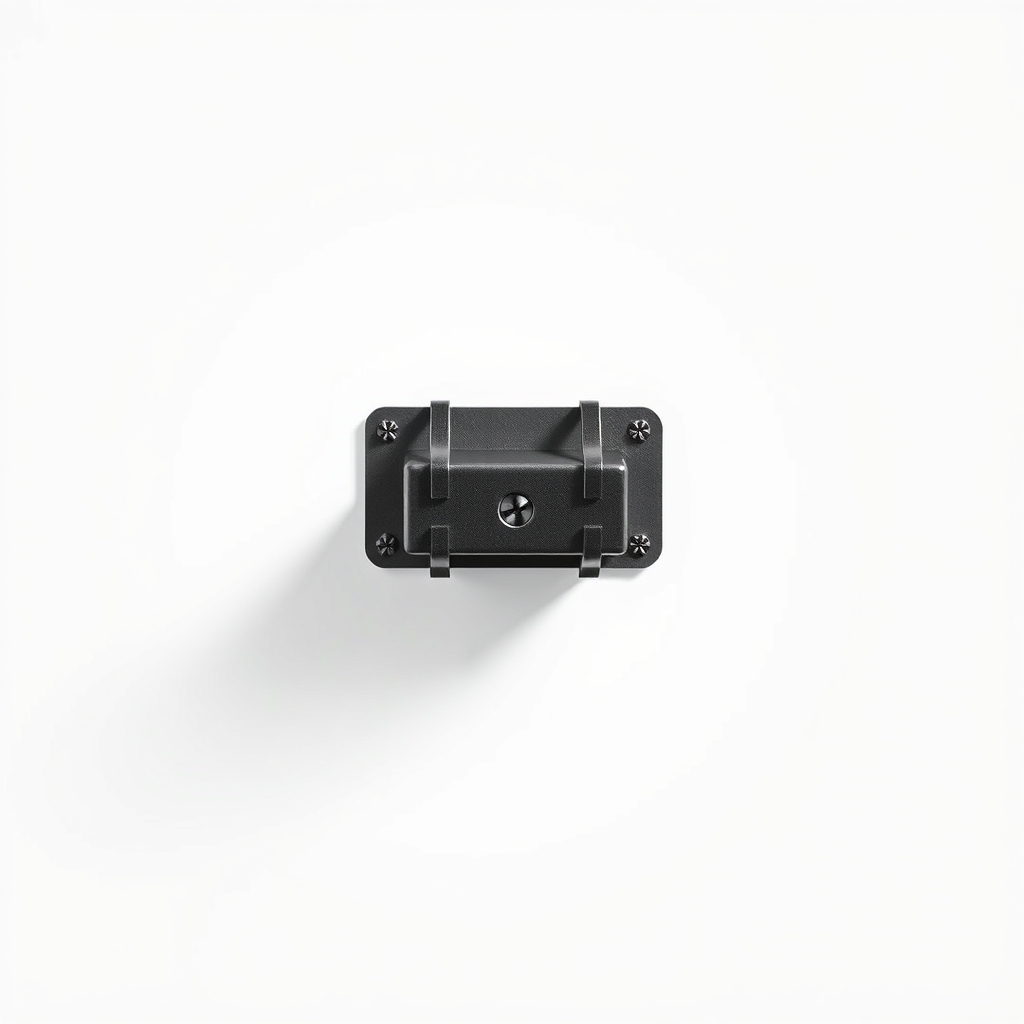
Locking shelf pegs in the right size
A plain peg only holds the shelf up from below. Anything that lifts or shifts one end drops the shelf. A locking peg grips the shelf or holds tight in the hole, so the shelf stays where you set it.
What to get: Locking cabinet shelf support pegs
How long it lasts: Years. The locking tab or sleeve keeps the shelf from lifting or sliding off.
As an Amazon Associate I earn from qualifying purchases.
What you'll need
-
Ruler or drill bit set
To measure the width of the peg hole
You have it -
Toothpicks and wood glue
To tighten a worn hole
You have it - Our pick Illustration
Locking shelf support pegs
Match the hole size and shelf thickness
- Illustration
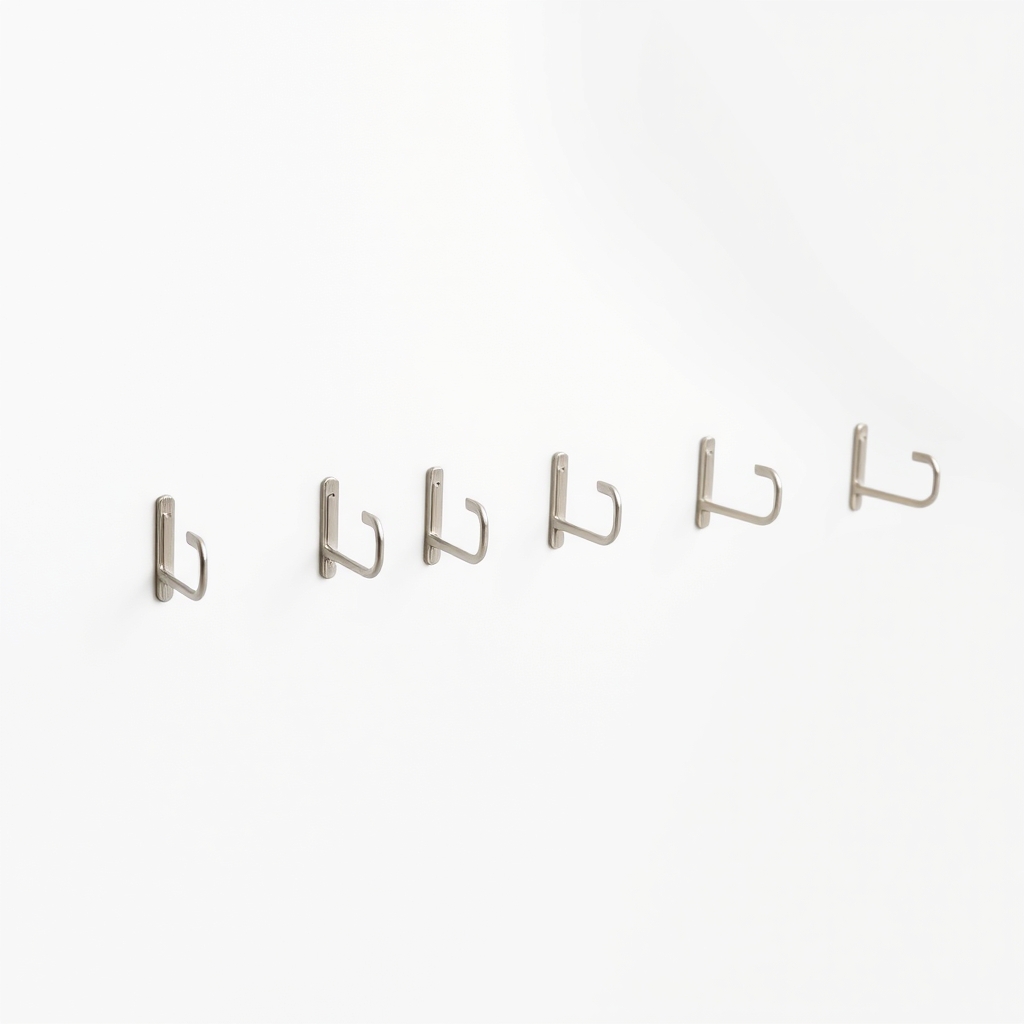
Metal shelf pegs
A plain steel replacement for cracked plastic
Why it happens
The wrong peg size
Cabinet holes are usually 5 mm or 1/4 inch. A peg that is a little too small wobbles, then slips out of the hole under weight.
Worn or stripped holes
Particleboard crumbles around a peg that has been moved or bumped many times. The hole widens and the peg no longer grips.
Weak or cracked pegs
Thin plastic fatigues and bends over the years. One cracked peg drops one corner of the shelf, and the rest follow.
An overloaded or long shelf
Cans, glass jars and small appliances are heavy. A shelf with a long span can bow in the middle and slide off its pegs.
Pegs at uneven heights
If one peg sits a row higher or lower than the others, the shelf tilts and slides toward the low side.
Try this first (free)
Do these in order, starting with the simplest.
-
Empty the shelf and lift it out
Take everything off first, then lift the shelf out and look at every peg and hole.
-
Measure the holes
Tool used: Ruler or drill bit setSlide a drill bit into a hole, or measure it with a ruler. The usual sizes are 5 mm, a little under 1/4 inch, and 1/4 inch. Buy pegs for the size you find.
-
Tighten any worn hole
Tool used: Toothpicks and wood gluePress a peg in. If it wiggles, the hole is worn. Dip a toothpick in wood glue, push it into the hole, break it off flush and let the glue dry. Test the peg again.
-
Set the pegs at the same height
Count the holes up from the bottom on each side. Put all four pegs in matching holes so the shelf sits level.
-
Fit locking pegs
Tool used: Locking shelf support pegsSwap in locking pegs that match your hole size and your shelf thickness. Press them in fully, set the shelf on them and engage any clip or tab.
IllustrationCheck price on AmazonTool for this step
Locking shelf support pegs · Match the hole size and shelf thickness
-
Load it smart
Put heavy cans and jars on the lowest shelf. Spread weight across the width of the shelf instead of stacking one end.
When free fixes aren't enough
Toothpicks and glue help a worn hole, but plain plastic pegs fail again as they flex over time. Locking pegs address the real cause: a shelf that lifts, slides or tips off a peg. If a shelf still sags, it may be too long or too thin for what you store, and the cabinet side panel may have crumbled or swelled from water. Then it needs a repair, or a center support. For water-damaged cabinet sides, call a carpenter.
Buy the fix
Still stuck after the free fixes? These are the products we would look at.
| Pick | Product | Fixes | Who it's for | Buy |
|---|---|---|---|---|
| Best pick | Locking cabinet shelf support pegs | shelves that lift, slide or tip off the pegs | Anyone with a shelf that keeps falling, or who stores heavy items. | Check price |
| Budget pick | Plain metal shelf pegs | bent or cracked plastic pegs that gave way | Lighter loads on shelves you rarely move. | Check price |
Locking cabinet shelf support pegs
Fixes: shelves that lift, slide or tip off the pegs
Look for: The right size for your holes: 5 mm or 1/4 inch; A tab, clip or sleeve that holds the shelf in place; Metal or strong plastic that does not flex under jars and cans.
- Who it's for
- Anyone with a shelf that keeps falling, or who stores heavy items.
- Honest downside
- The holes are damaged or not round. Repair them first.
Plain metal shelf pegs
Fixes: bent or cracked plastic pegs that gave way
Look for: Steel, not thin plastic; The right pin diameter for your holes; A flat support area wide enough for your shelf.
- Who it's for
- Lighter loads on shelves you rarely move.
- Honest downside
- The shelf slides sideways or lifts. A plain peg does not hold it.
As an Amazon Associate I earn from qualifying purchases. We don't show prices because they change, so use the button to see today's price.
How we picked: How we picked: this page is based on cabinet hardware guides, instructions from shelf peg makers, and the fixes owners report in reviews. We do not test products by hand.
Is the shelf itself the problem?
Particleboard shelves wider than about 30 inches tend to bow under heavy loads, and thin shelves bow sooner. If your shelf is sagging in the middle, shorten the span with a center support or move the heavy items down. New pegs will not fix a bent shelf.
What to skip
Gluing the shelf in and stuffing the hole with paper
Gluing a shelf to its pegs locks it in for good, makes cleaning hard and can split the board. Paper, tape and matchsticks wear out fast. For a worn hole, use toothpicks and glue, then a locking peg.
Frequently asked questions
How do I know what size shelf pegs I need?
Why does my shelf keep falling even with new pegs?
Can I move a shelf to different holes?
How much weight can a cabinet shelf hold?
Related problems
As an Amazon Associate I earn from qualifying purchases. Affiliate disclosure