Kitchen Cabinet Door Hitting the Wall? Bumpers That Stop the Dents
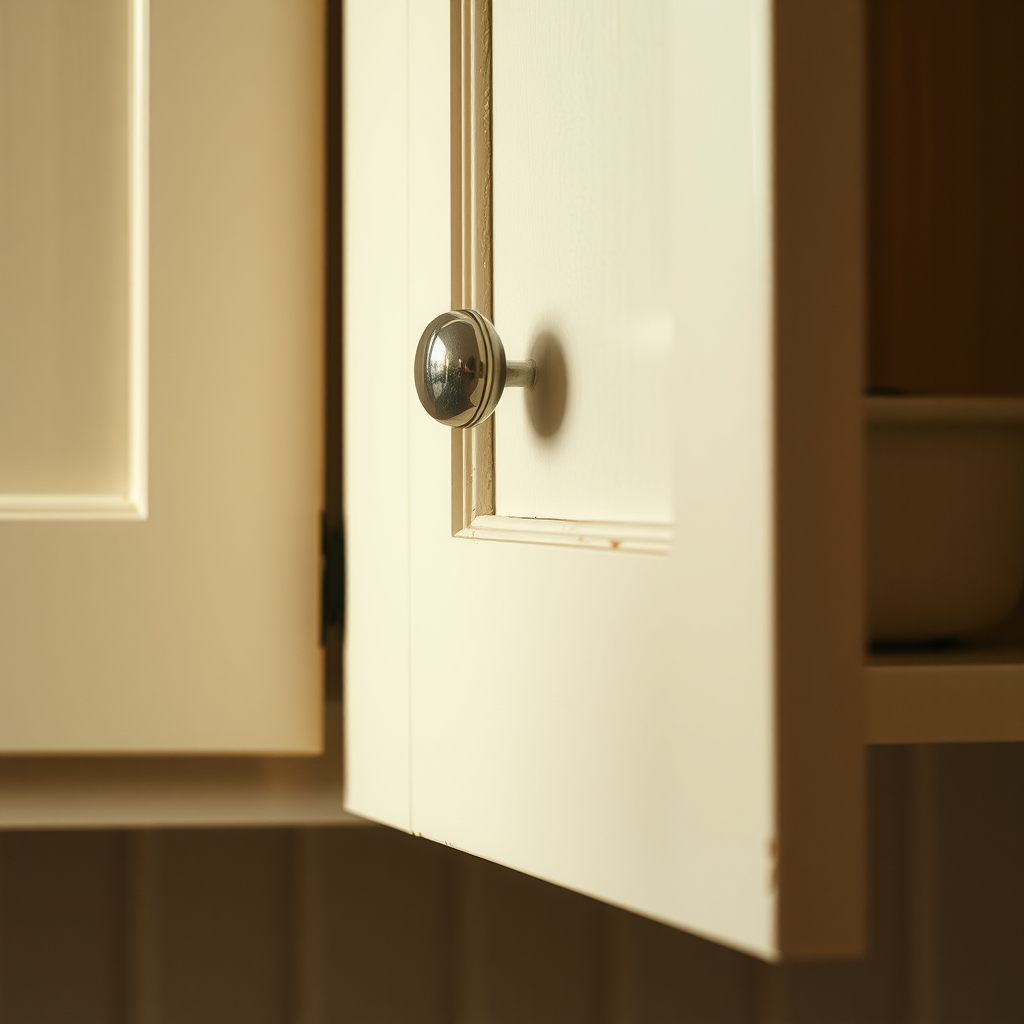
A cabinet door that swings wide hits the wall with its edge or handle. Mark the strike spot, then cushion it with a bumper or add a hinge stop.
By Jamilur Rahman Updated November 5, 2026 · 6 min read
- Time
- 10 min
- Cost
- Under $20
- Difficulty
- Easy
In this guide
Quick answer
To stop a kitchen cabinet door from hitting the wall, find the exact spot where the handle or door edge strikes, then cushion it with a clear adhesive bumper or a wall stop. If the door swings past 90 degrees, a hinge stopper limits how far it opens. The whole fix takes about 10 minutes and needs no drilling.
Free fix vs. permanent fix
Cushion the strike spot with a scrap pad
- Open the door fully and see where it hits
- Mark the spot with painter's tape
- Clean the area, then stick on a cut piece of cork or felt
- Open the door less far until the pad is in place
How long it lasts: A few weeks. A cut piece of cork or felt wears out, curls and falls off on a greasy kitchen wall.
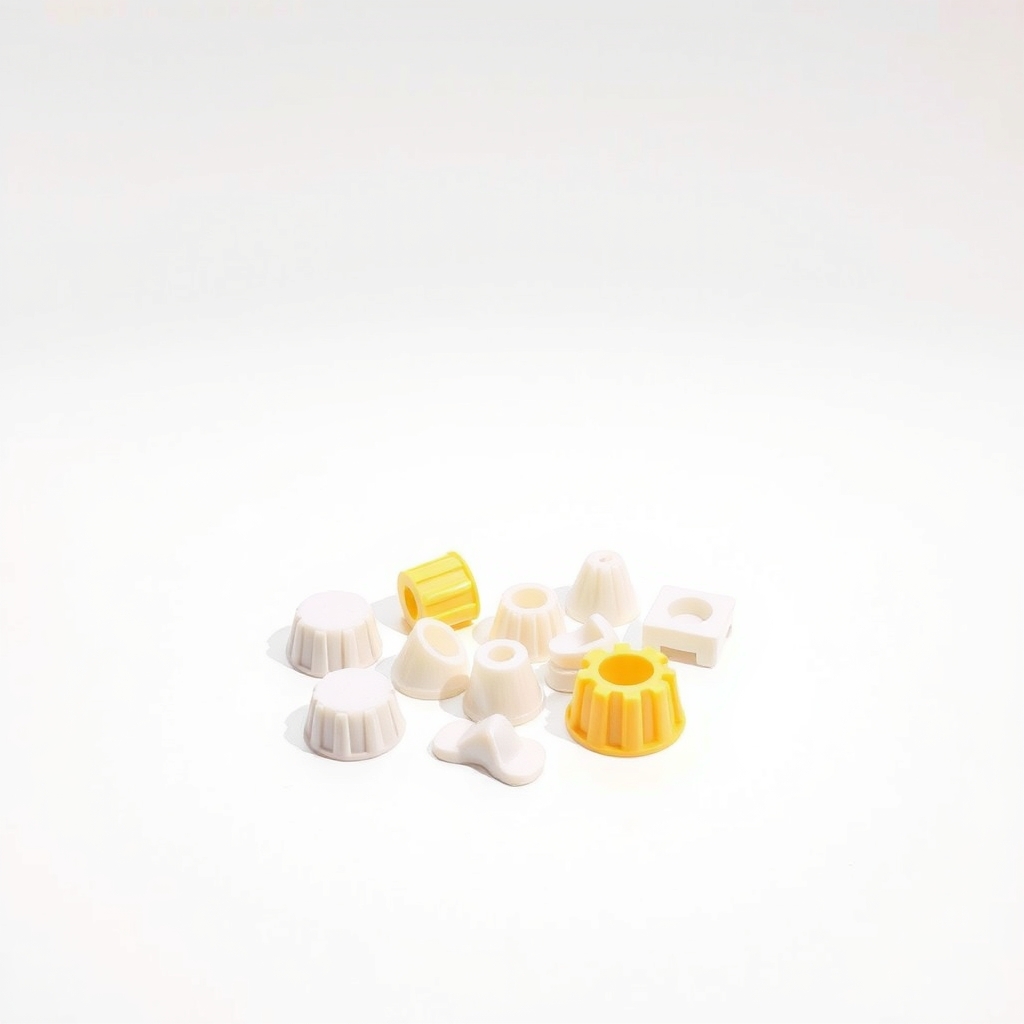
Adhesive bumpers and wall stops
A purpose-made bumper is thick enough to hold the handle off the wall and soft enough to soak up the hit. It sticks to painted and varnished surfaces, so you do not need to drill into the wall.
What to get: Assorted adhesive cabinet door bumpers and wall stops
How long it lasts: Years. Rubber or silicone absorbs the knock for as long as the adhesive holds.
As an Amazon Associate I earn from qualifying purchases.
What you'll need
-
Painter's tape
Marks the strike spot without hurting the paint
You have it -
Rubbing alcohol and a cloth
Cleans off grease so the adhesive sticks
You have it -
Scrap of cork or felt
A short-term cushion
Free - Our pick Illustration
Adhesive bumper and wall stop pack
Small dots for door edges and larger domes for walls
- Illustration
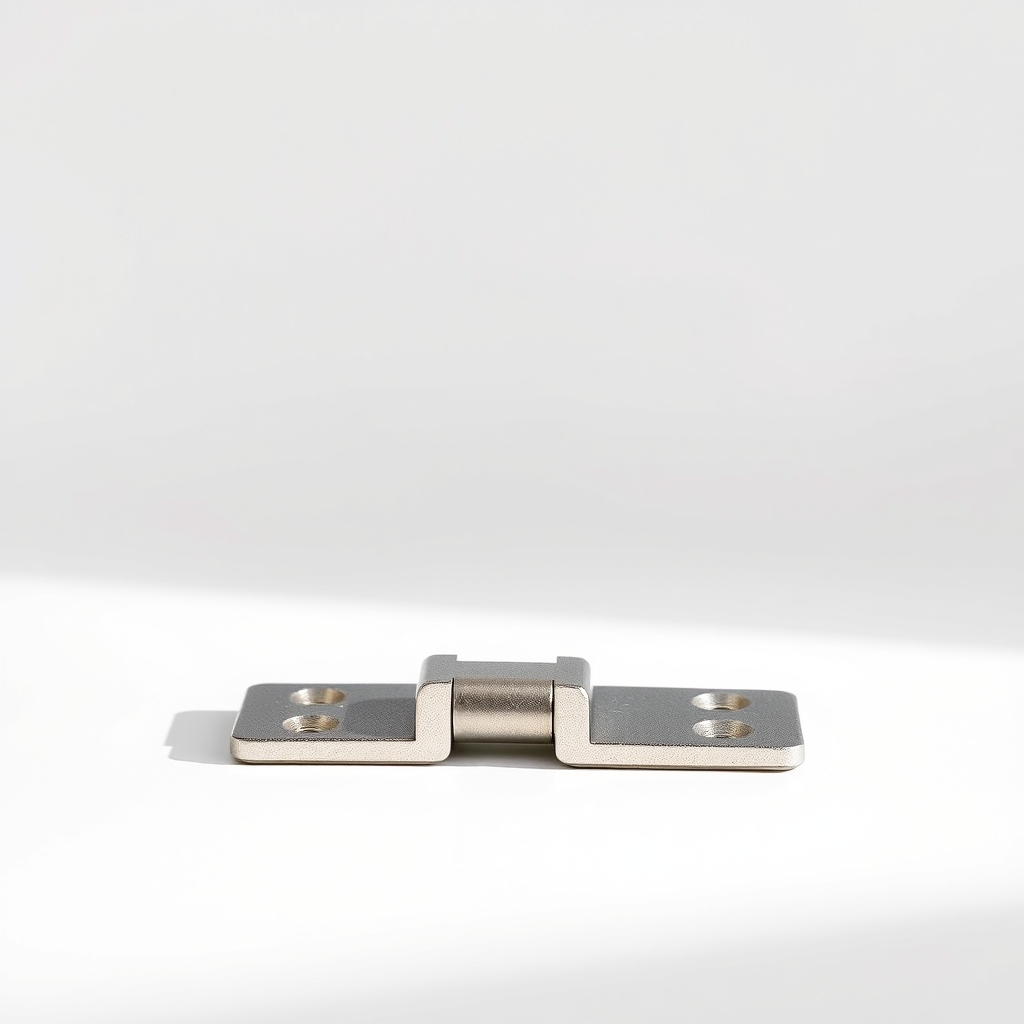
Hinge door stopper
Limits how far the door opens
Why it happens
The door opens past where the wall allows
Many cabinet hinges let a door swing 100 degrees or more. If a wall, fridge side or neighboring cabinet sits close by, the handle hits it.
A handle or knob that sticks out
Pulls that stand an inch or more off the door reach the wall first and take the paint.
Nothing in place to absorb the hit
Cabinets often have small pads at the door edge, but nothing on the wall side. Those pads also fall off over time.
A door that has sagged
Loose hinge screws let the door drop and sit crooked, so one corner meets the wall first.
Try this first (free)
Do these in order, starting with the simplest.
-
Find the exact strike spot
Tool used: Painter's tapeSwing the door to its full open point and look for a mark on the wall or the handle. Put a small piece of painter's tape on the contact spot so you can find it again.
-
Check the hinge screws
Tighten any loose hinge screws with a screwdriver. A sagging door often swings wide and hits harder.
-
Clean the sticking surface
Tool used: Rubbing alcohol and a clothWipe the spot with alcohol and let it dry. Kitchen grease is the main reason stick-on pads fall off, so do not skip this.
-
Add a short-term cushion
Tool used: Scrap of cork or feltCut a small piece of cork or felt and stick it on with double-sided tape. It will do for a few weeks.
-
Fit a bumper or wall stop
Tool used: Adhesive bumper and wall stop packPeel and press the bumper on the wall at the taped spot, or on the door edge or back of the handle. Hold it for 30 seconds, then leave it for 24 hours before using the door hard.
IllustrationCheck price on AmazonTool for this step
Adhesive bumper and wall stop pack · Small dots for door edges and larger domes for walls
-
Repair the dent
Once the bumper is on, fill a small dent or chipped paint with spackle, sand it smooth and touch up the paint. Do this last so the dent does not come back.
When free fixes aren't enough
Scrap pads do not last, and a cut pad is rarely the right thickness. If the handle still taps the wall, the bumper is too thin or the door opens farther than the space allows. A hinge stopper, a clip that limits how far the door opens, keeps the handle from ever reaching the wall. If the door is warped, or the hinge screws spin without gripping, fix the hinge first. The related page on loose hinges shows how.
Buy the fix
Still stuck after the free fixes? These are the products we would look at.
| Pick | Product | Fixes | Who it's for | Buy |
|---|---|---|---|---|
| Best pick | Assorted adhesive cabinet door bumpers and wall stops | a cabinet door or handle that hits the wall | Most kitchens where a door edge or handle taps a wall, a fridge or a neighboring door. | Check price |
| Upgrade pick | Hinge door stoppers | a door that opens too far, so it never reaches the wall | Cabinets beside a wall or a fridge where a bumper alone is not enough. | Check price |
Assorted adhesive cabinet door bumpers and wall stops
Fixes: a cabinet door or handle that hits the wall
Look for: Thick enough to hold the handle off the wall; Self-adhesive backing made for painted or finished surfaces; An assorted pack with small dots and larger domes.
- Who it's for
- Most kitchens where a door edge or handle taps a wall, a fridge or a neighboring door.
- Honest downside
- The wall is textured, damp or freshly painted, because the adhesive will not hold. Wait a week after painting.
Hinge door stoppers
Fixes: a door that opens too far, so it never reaches the wall
Look for: Fits your hinge style, usually concealed hinges; A hard clip that does not slip; At least one stopper for each hinge you want to limit.
- Who it's for
- Cabinets beside a wall or a fridge where a bumper alone is not enough.
- Honest downside
- Your hinges are old exposed butt hinges. They need a different stop.
As an Amazon Associate I earn from qualifying purchases. We don't show prices because they change, so use the button to see today's price.
How we picked: How we picked: this page is based on cabinet hardware guides, the instructions from bumper and hinge-stop makers, and what owners report in reviews. We do not test products by hand.
Match the bumper to where the door hits
- Handle hits the wall: put a dome bumper on the wall at the contact spot.
- Door edge hits a neighboring door: a small clear dot on the inside edge works.
- Door hits the side of a fridge: a larger pad on the cabinet side, or a hinge stopper.
What to skip
Furniture-leg felt dots and thin foam tape
Felt dots and thin foam squash flat and let go on greasy kitchen surfaces within weeks. They are made to protect floors, not to take a swinging door.
Frequently asked questions
How do I stop a kitchen cabinet from hitting the wall?
Should the bumper go on the door or on the wall?
Will adhesive bumpers damage my paint?
How do I fix a dent in the wall from a cabinet door?
Related problems
 Free fix inside
Kitchen · Kitchen Cabinets
Kitchen Cabinet Doors Slamming? Soft-Close Bumpers Quiet Them Fast
Read the fix Free fix inside
Kitchen · Kitchen Cabinets
Kitchen Cabinet Door Keeps Opening? Magnetic Catches Do the Job
Read the fix Free fix inside
Kitchen · Kitchen Cabinets
Kitchen Cabinet Hinge Keeps Coming Loose? The Toothpick Trick and Kits
Read the fix Free fix inside
Kitchen · Cabinet Hardware
How to Stop Kitchen Cabinets From Squeaking in 2 Minutes
Read the fixAs an Amazon Associate I earn from qualifying purchases. Affiliate disclosure