How to Stop Kitchen Cabinets From Squeaking in 2 Minutes
A squeak means metal is rubbing dry or a screw has loosened. Wipe it, tighten it, then add a thin film of silicone lubricant.
By Jamilur Rahman Updated November 5, 2026 · 6 min read
- Time
- 2 min per door
- Cost
- Under $20
- Difficulty
- Easy
In this guide
Quick answer
To stop kitchen cabinets from squeaking, find the hinge that makes the noise, wipe the grime off it, tighten its screws, and add one short burst of silicone lubricant to the pivot. Bar soap or candle wax works in a pinch, but a thin silicone film lasts longer and does not turn into a dust magnet the way oily sprays can. Most doors take about two minutes.
Free fix vs. permanent fix
Clean, tighten, and rub on wax
- Wipe the hinge with a damp cloth and a drop of dish soap
- Tighten loose hinge screws until snug
- Rub dry bar soap or a candle on the pivot and rubbing edges
- Open and close the door ten times to work it in
How long it lasts: A few weeks to a few months. Wax and soap wear off with every swing of the door, so the squeak returns.
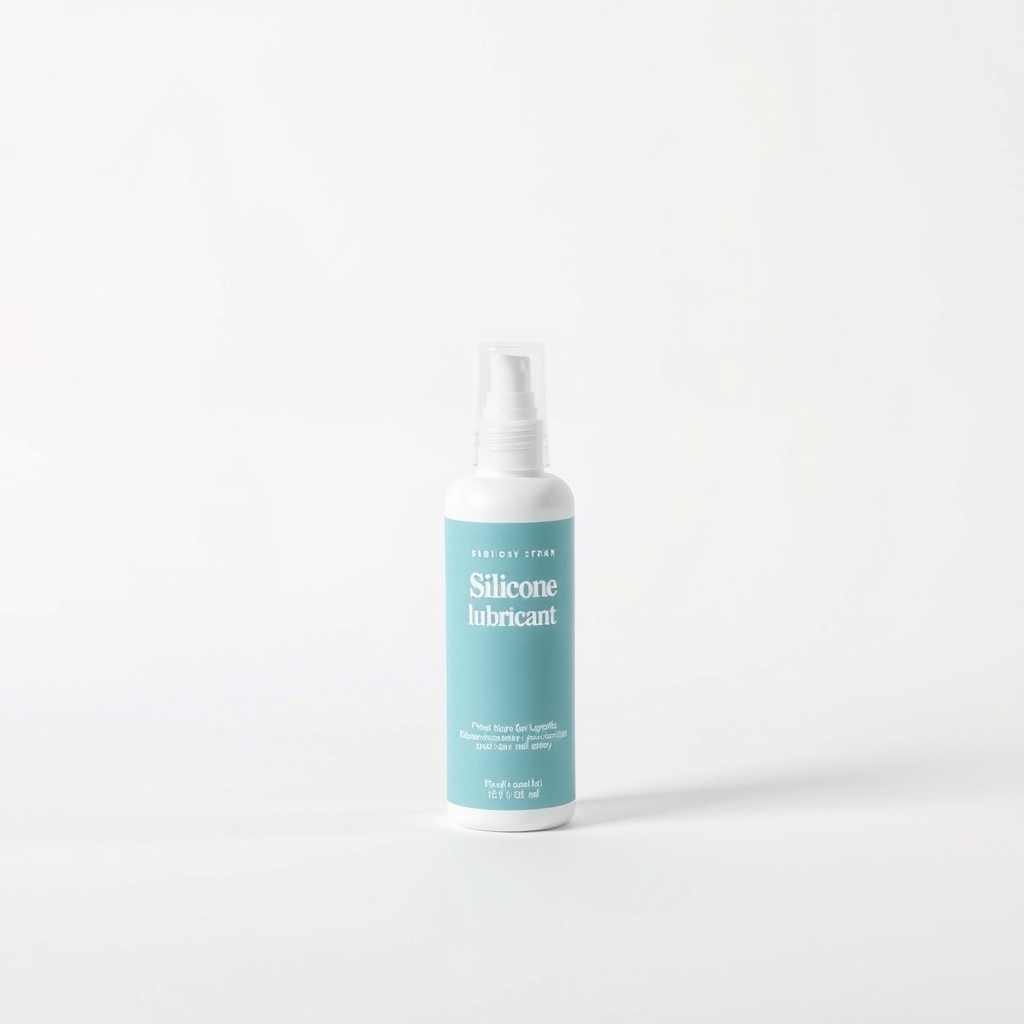
A silicone lubricant spray with a precision straw
Silicone leaves a thin, dry film that keeps metal parts sliding without a greasy residue. Oily sprays tend to collect dust and gum up, and wax wears off fast. A straw nozzle puts a small drop exactly where the squeak is.
What to get: Silicone lubricant spray with a precision straw
How long it lasts: Much longer than wax. Reapply only when the noise returns, and one can covers the whole kitchen.
As an Amazon Associate I earn from qualifying purchases.
What you'll need
-
Screwdriver
Match the head on your hinge screws
You have it -
Rag or paper towels
Wipe the hinge first and catch overspray
You have it -
Bar soap or candle stub
Dry soap or plain wax is a quick fix
Free -
Piece of cardboard
Hold it behind the hinge to protect the finish
Free - Our pick Illustration
Silicone lubricant spray
Choose one with a thin straw so you can aim
- Illustration
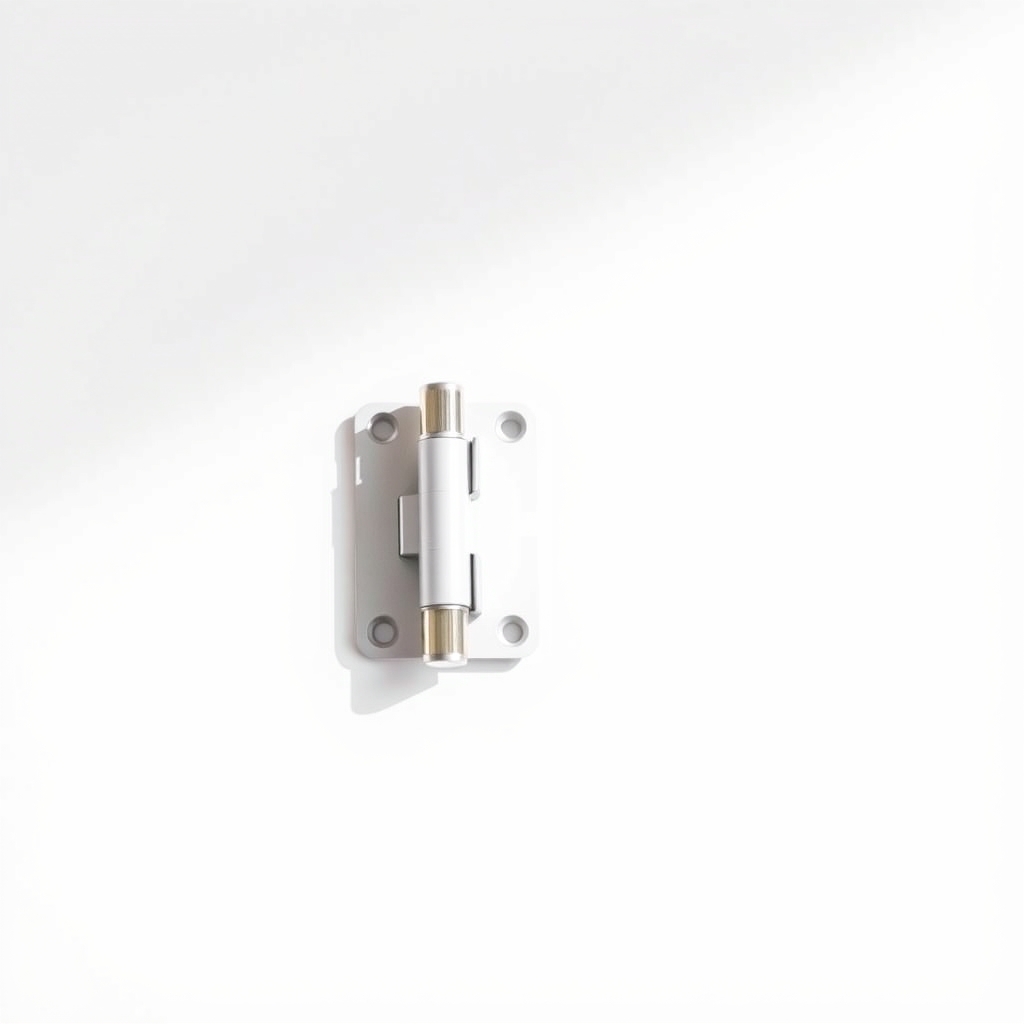
Replacement cabinet hinges
Only if the hinge is worn or bent
Why it happens
Dry, dirty hinge pins
Cooking grease and dust turn into a gritty paste inside the hinge. Metal rubs on metal, and every swing of the door squeals.
Loose hinge screws
Screws back out a little over years of use. A loose hinge shifts on each swing and creaks.
A door rubbing the frame or its neighbor
If the door catches the frame, you hear a squeak that is not coming from the hinge at all. Wood swells in humid weather and makes this worse.
Worn hinge parts
A hinge that has been slammed thousands of times can wear its pin or spring. Lube quiets it for a while, but replacing the hinge is the real fix.
Try this first (free)
Do these in order, starting with the simplest.
-
Find the noisy part
Open and close the door slowly and listen. A squeal near the hinge is metal on metal. A scrape at the edge means the door is rubbing the frame or a neighbor.
-
Clean the hinge
Tool used: Rag or paper towelsWipe the hinge, pivot, and screw heads with a rag and a drop of dish soap in warm water, then dry them. Gritty grease is often the whole problem.
-
Tighten the screws
Tool used: ScrewdriverTurn each hinge screw until snug, and no further. If a screw spins freely, the hole is stripped and needs filling, which our hinge page covers.
-
Rub on a quick fix
Tool used: Bar soap or candle stubRub dry bar soap or a candle stub on the pivot and any edge that rubs. It quiets many doors for a few weeks and costs nothing.
-
Add a burst of silicone lubricant
Tool used: Silicone lubricant sprayHold cardboard behind the hinge, give the pivot one short spray, then open and close the door ten times. Wipe off the extra. One burst per hinge is enough.
IllustrationCheck price on AmazonTool for this step
Silicone lubricant spray · Choose one with a thin straw so you can aim
When free fixes aren't enough
If the squeak comes back within a week or two after soap or wax, the metal surfaces need a film that lasts, and that is what silicone gives. If the sound is the door rubbing the frame, lube will not help. Adjust the hinge screws so the door sits square. A hinge that is bent, rusty, or loose in a stripped hole needs replacing. If you plan to repaint or refinish the cabinets soon, skip silicone on the doors and use dry soap, since silicone can leave spots that paint will not stick to.
Buy the fix
Still stuck after the free fixes? These are the products we would look at.
| Pick | Product | Fixes | Who it's for | Buy |
|---|---|---|---|---|
| Best pick | Silicone lubricant spray with a precision straw | squeaking hinges and sticky door pivots | Anyone with several noisy doors who wants one can to do the whole kitchen. | Check price |
| Upgrade pick | Replacement cabinet hinges | worn or bent hinges that squeak no matter how often you lube them | Doors that squeaked before and after lubing, and older cabinets with rusty hinges. | Check price |
Silicone lubricant spray with a precision straw
Fixes: squeaking hinges and sticky door pivots
Look for: Silicone-based with a dry film, not a thick grease; A thin straw nozzle for aiming; Labeled safe for wood, metal, and plastic.
- Who it's for
- Anyone with several noisy doors who wants one can to do the whole kitchen.
- Honest downside
- You will repaint or refinish the cabinets in the next few months. Silicone can ruin paint adhesion, so use dry soap instead.
Replacement cabinet hinges
Fixes: worn or bent hinges that squeak no matter how often you lube them
Look for: The same hinge type and overlay as your current ones; Matching screw spacing, so you can reuse the holes; Soft-close built in if you want a quieter door.
- Who it's for
- Doors that squeaked before and after lubing, and older cabinets with rusty hinges.
- Honest downside
- You do not know the hinge type. Measure it and take photos before you buy.
As an Amazon Associate I earn from qualifying purchases. We don't show prices because they change, so use the button to see today's price.
How we picked: How we picked: this page is based on cabinet hardware care guides, lubricant makers' use instructions, and the problems and fixes people report in reviews. We do not test products by hand.
What the sound tells you
- A high squeal on each swing: a dry or gritty hinge pin. Clean it and lube it.
- A creak as the door opens: a loose screw or worn hinge. Tighten it first.
- A scrape at the edge: the door is rubbing the frame. Adjust the hinge instead of lubing.
Adjusting a door that rubs
Most concealed hinges have two or three small screws that move the door side to side, in and out, and up and down. Turn one a quarter turn at a time and check the gap. A door that sits square with an even gap on all sides rarely squeaks.
What to skip
Heavy grease and oily penetrating sprays
Thick grease and general-purpose oil sprays work for a day, then tend to pull dust and kitchen grease into a gummy paste. They also run and can stain the wood. Use a dry film lubricant and wipe up any extra.
Frequently asked questions
What can I use on cabinet hinges if I do not have lubricant?
Will silicone spray stain my cabinets?
Why do my cabinet doors squeak only when it is humid?
How do I stop kitchen drawers from squeaking too?
Related problems
 Free fix inside
Kitchen · Kitchen Cabinets
Kitchen Cabinet Hinge Keeps Coming Loose? The Toothpick Trick and Kits
Read the fix Free fix inside
Kitchen · Kitchen Cabinets
Kitchen Cabinet Doors Slamming? Soft-Close Bumpers Quiet Them Fast
Read the fix Free fix inside
Kitchen · Cabinet Hardware
Kitchen Cabinet Door Hitting the Wall? Bumpers That Stop the Dents
Read the fix Free fix inside
Kitchen · Oven
How to Stop an Oven Door From Squeaking (5-Minute Hinge Fix)
Read the fixAs an Amazon Associate I earn from qualifying purchases. Affiliate disclosure