Cutting Board Splitting or Cracking? What Oil and Wax Can Save
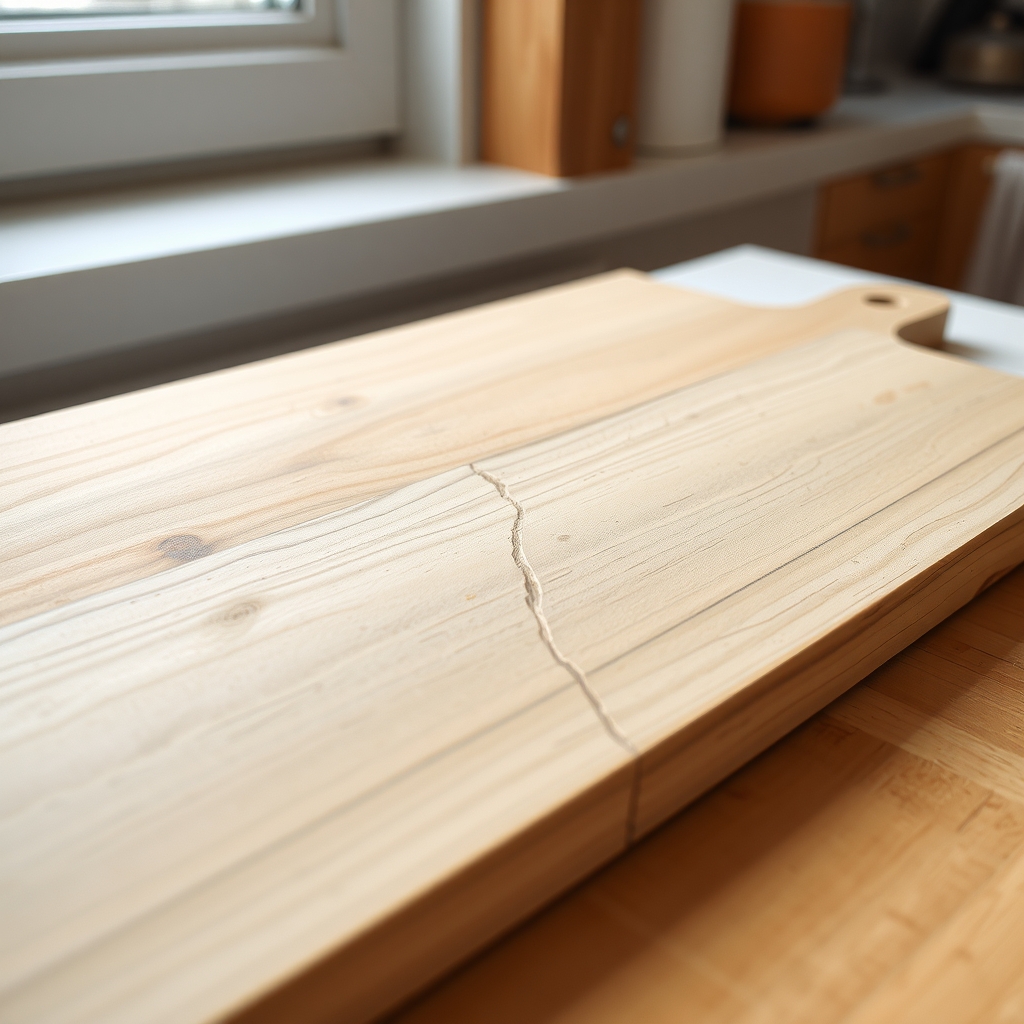
Wood splits when it dries out and swells unevenly. Oil and wax can save a hairline crack and stop new ones. A deep crack means it is time to replace the board.
By Jamilur Rahman Updated November 5, 2026 · 6 min read
- Time
- 30 min, plus soak time
- Cost
- Under $20
- Difficulty
- Easy
In this guide
Quick answer
To fix a cutting board that is splitting, sand and oil it if the cracks are hairline, and glue a seam split with food-safe wood glue. Splits happen when wood dries out, then swells in water, so a food-grade oil and wax conditioner is what stops new ones. A crack that runs deep or all the way through cannot be fixed safely, so retire the board.
Free fix vs. permanent fix
Hand wash, dry on edge and stop soaking
- Wash by hand with mild soap, never in the dishwasher
- Dry right away and stand the board on its edge
- Never soak it or leave it wet on the counter
- Sand a rough, dry board lightly with fine sandpaper
How long it lasts: It stops new damage from soaking and dishwashers. It will not put moisture back into a board that is already dry.
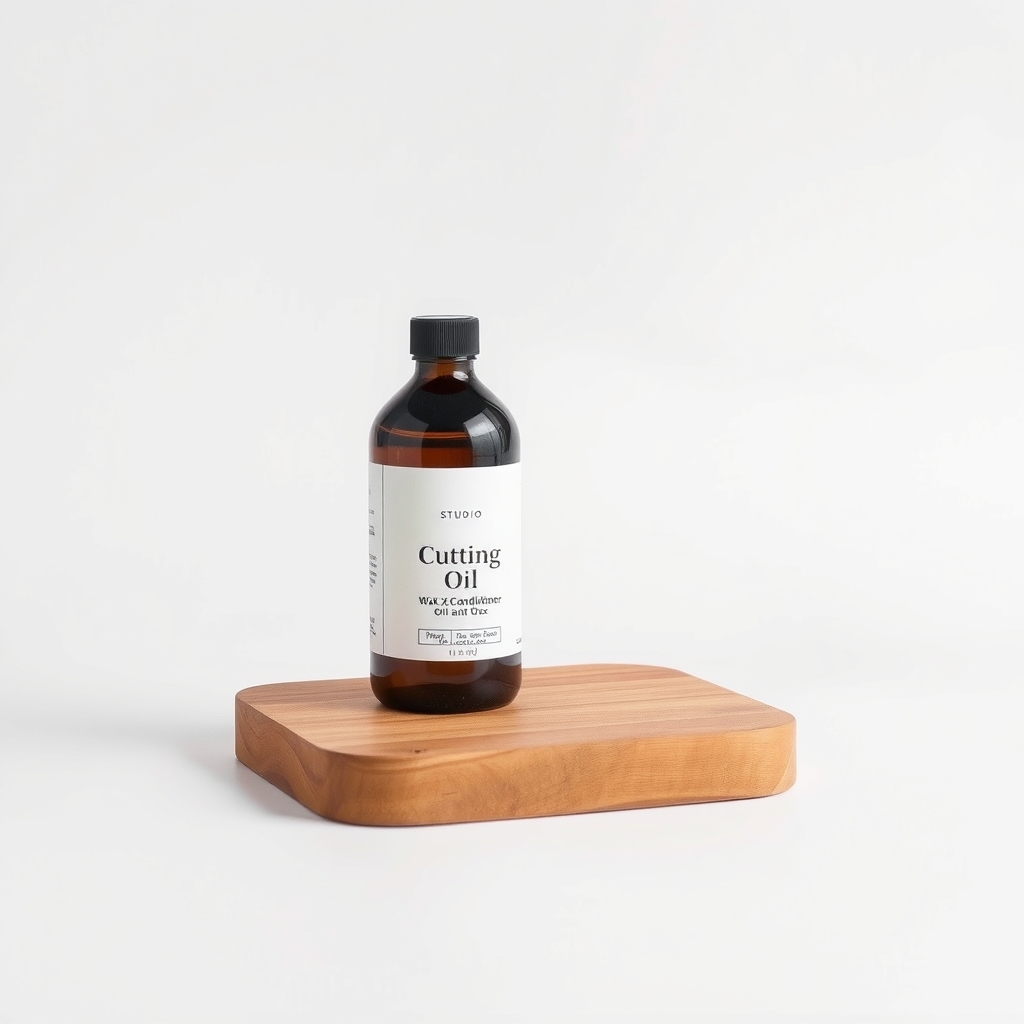
A food-safe oil and wax conditioner
Wood cracks when it loses moisture. Mineral oil soaks in, and the wax on top seals the surface so water and air move in and out slowly. Regular coats keep the fibers supple. Conditioner cannot mend a crack that has formed, but it stops the next one.
What to get: Cutting board oil and wax conditioner
How long it lasts: About a month of protection per coat on a board in regular use. Oil again when water stops beading on the surface.
As an Amazon Associate I earn from qualifying purchases.
What you'll need
-
Fine sandpaper
220 grit smooths a dry, rough surface
You have it -
Lint-free cloth
For spreading oil and wiping dust
You have it -
Clamps or heavy books
To hold a glued seam while it cures
You have it - Our pick Illustration
Cutting board oil and wax conditioner
Oils the wood and seals the surface
- Illustration
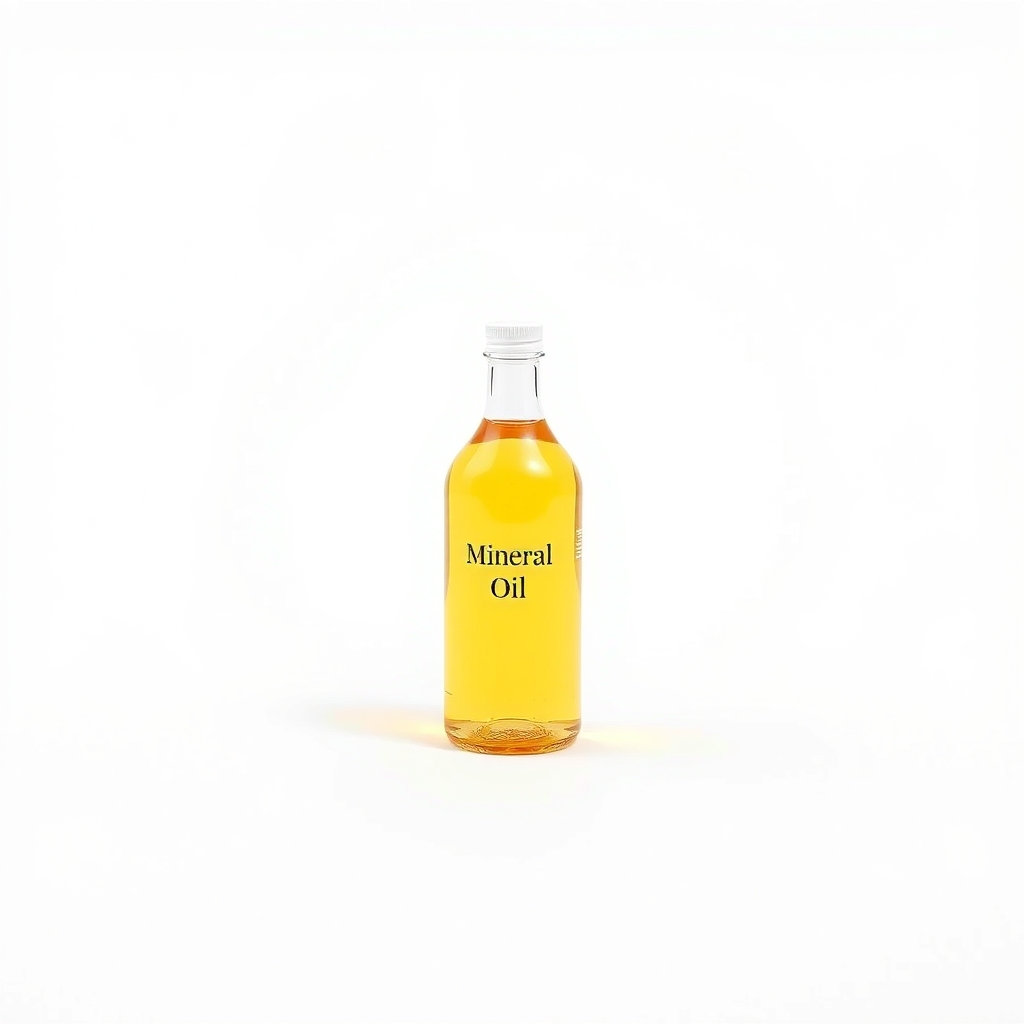
Food-grade mineral oil
The simplest, cheapest way to oil a board
- Illustration
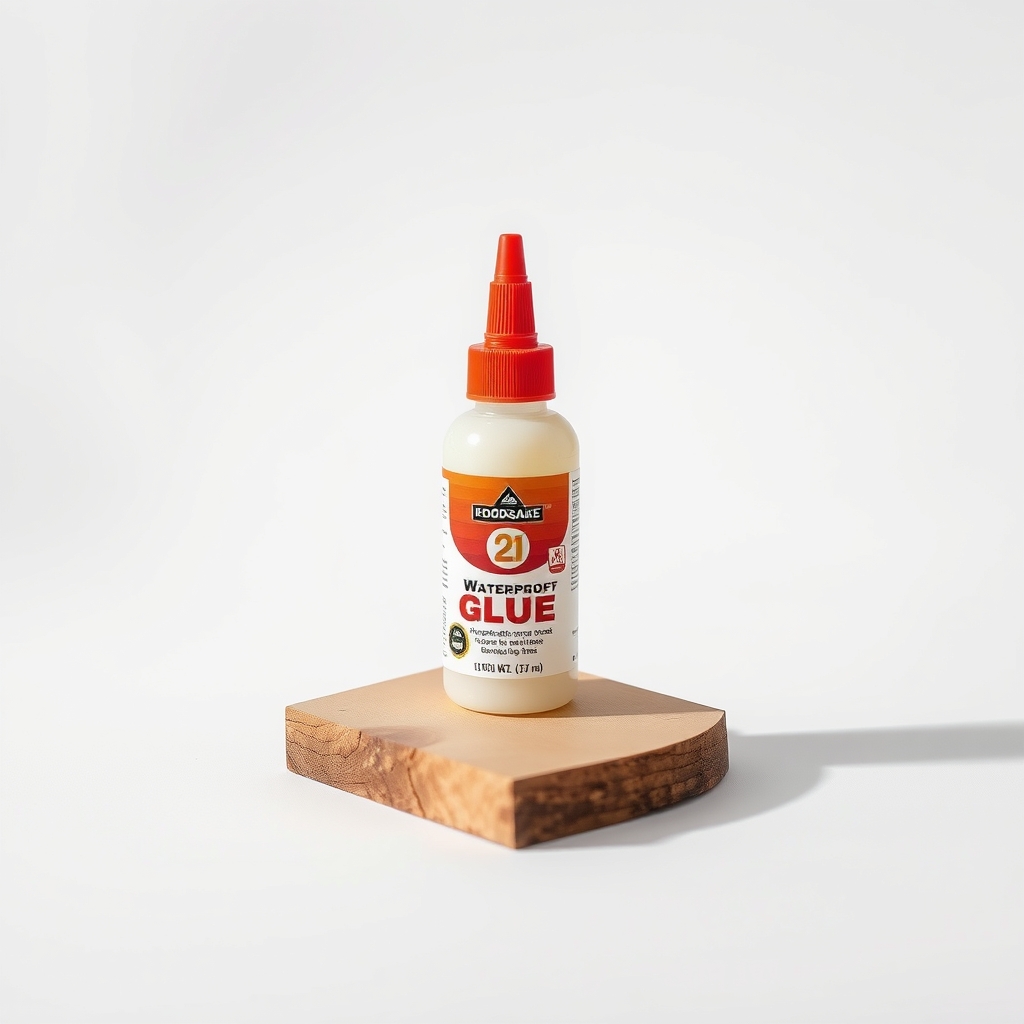
Food-safe waterproof wood glue
Only for a seam that has opened on a glued board
Why it happens
Wood that has dried out
Dry air, heat and hot water pull moisture out of wood. Dry fibers shrink and pull apart, often at the ends first.
Soaking and uneven drying
Water swells one side more than the other. As it dries, the board warps and splits along the grain.
The dishwasher
Heat and long soaks strip the oil and loosen the glue lines on glued boards.
A weak glue seam
On a board made of glued strips, a seam can open if the glue was not water-resistant or the board stayed wet.
Try this first (free)
Do these in order, starting with the simplest.
-
Check how deep the crack goes
Hairline cracks on the surface can be saved. A seam where glued strips have come apart can often be reglued. A crack that runs deep or all the way through, or one that traps food, means it is time to replace the board.
-
Sand the surface
Tool used: Fine sandpaperSand with the grain using 220 grit until it is smooth, wipe off the dust with a damp cloth and let the board dry.
-
Reglue an open seam
Tool used: Food-safe waterproof wood glueWork food-safe waterproof glue into the seam, clamp or weight it for the time on the label, often 24 hours, and wipe off the squeeze-out. Let it cure fully before use.
IllustrationCheck price on AmazonTool for this step
Food-safe waterproof wood glue · Only for a seam that has opened on a glued board
-
Oil it, then seal it with wax
Tool used: Cutting board oil and wax conditionerPour on food-grade mineral oil, spread it with a lint-free cloth and let it soak for several hours or overnight. Repeat until the wood stops absorbing, then rub on a layer of board wax. A conditioner combines both.
IllustrationCheck price on AmazonTool for this step
Cutting board oil and wax conditioner · Oils the wood and seals the surface
-
Set a routine
Tool used: Lint-free clothOil about once a month, or sooner when the board looks pale or water stops beading. Wash by hand and stand it on its edge to dry.
When free fixes aren't enough
Oil and wax stop new splits and can close hairline checks. They cannot close a crack that runs deep or all the way through, and they cannot fix a split that opens every time you wash the board. Deep cracks trap food and moisture, which is a food-safety problem, so retire the board for serving. If your boards crack every year, the washing routine or the board itself is the cause. A thicker, well-made board and regular oiling go together.
Buy the fix
Still stuck after the free fixes? These are the products we would look at.
| Pick | Product | Fixes | Who it's for | Buy |
|---|---|---|---|---|
| Best pick | Cutting board oil and wax conditioner | dry wood that splits and cracks | Owners of wood boards, butcher blocks and wooden utensils. | Check price |
| Budget pick | Food-grade mineral oil | dry wood, at the lowest cost | Anyone who wants the simplest, cheapest way to oil a board. | Check price |
Cutting board oil and wax conditioner
Fixes: dry wood that splits and cracks
Look for: Labeled food-safe and made for cutting boards; Mineral oil with beeswax or carnauba wax; No olive or vegetable oil, which can go rancid.
- Who it's for
- Owners of wood boards, butcher blocks and wooden utensils.
- Honest downside
- You have a nut allergy and the product lists nut oils. Check the ingredients. Plastic and composite boards do not need it.
Food-grade mineral oil
Fixes: dry wood, at the lowest cost
Look for: Labeled food-grade; Colorless and odorless; A bottle that pours easily.
- Who it's for
- Anyone who wants the simplest, cheapest way to oil a board.
- Honest downside
- You also want a wax layer that seals the surface. Add a board wax or buy a conditioner.
As an Amazon Associate I earn from qualifying purchases. We don't show prices because they change, so use the button to see today's price.
How we picked: How we picked: this page is based on wood care guides from board makers, food-safety guidance on cracked boards, product labels for board oils and waxes, and what owners report in reviews. We do not test products by hand.
Which cracks can you save?
- Hairline surface checks: sand lightly, oil and wax.
- An opened glue seam: reglue with food-safe waterproof glue and clamp.
- Deep or through cracks: retire the board. Use it as a serving tray, not a cutting surface.
What to skip
Cooking oils, wood filler and varnish
Olive and vegetable oils can turn rancid and smell. Do not fill cracks with wood filler, epoxy or varnish unless the label says food-safe once cured. They can chip or trap food.
Frequently asked questions
Why is my wood cutting board splitting or cracking?
How to stop a cutting board from splitting, and why does it keep splitting?
How to fix cutting board cracks?
Cutting board keeps drying out: how often should I oil it?
Is a cracked cutting board safe to use?
Related problems
 Free fix inside
Kitchen · Cutting Board
Cutting Board Warping? Why It Happens and Boards That Stay Flat
Read the fix Free fix inside
Kitchen · Cutting Board
Cutting Board Smells? Salt and Lemon, and When Plastic Beats Wood
Read the fix Free fix inside
Kitchen · Cutting Board
Cutting Board Not Plastic? Wood Boards That Hold Up Over Time
Read the fix Free fix inside
Kitchen · Kitchen Knife
Kitchen Knives Dull So Fast? Blame the Board, Then Hone and Sharpen
Read the fixAs an Amazon Associate I earn from qualifying purchases. Affiliate disclosure