Cutting Board Warping? Why It Happens and Boards That Stay Flat
Wood swells where it gets wet and shrinks where it stays dry. Flatten a mild warp with a damp towel or an iron, then dry it evenly or switch to a flat board.
By Jamilur Rahman Updated November 5, 2026 · 7 min read
- Time
- Overnight
- Cost
- $20-$50
- Difficulty
- Easy
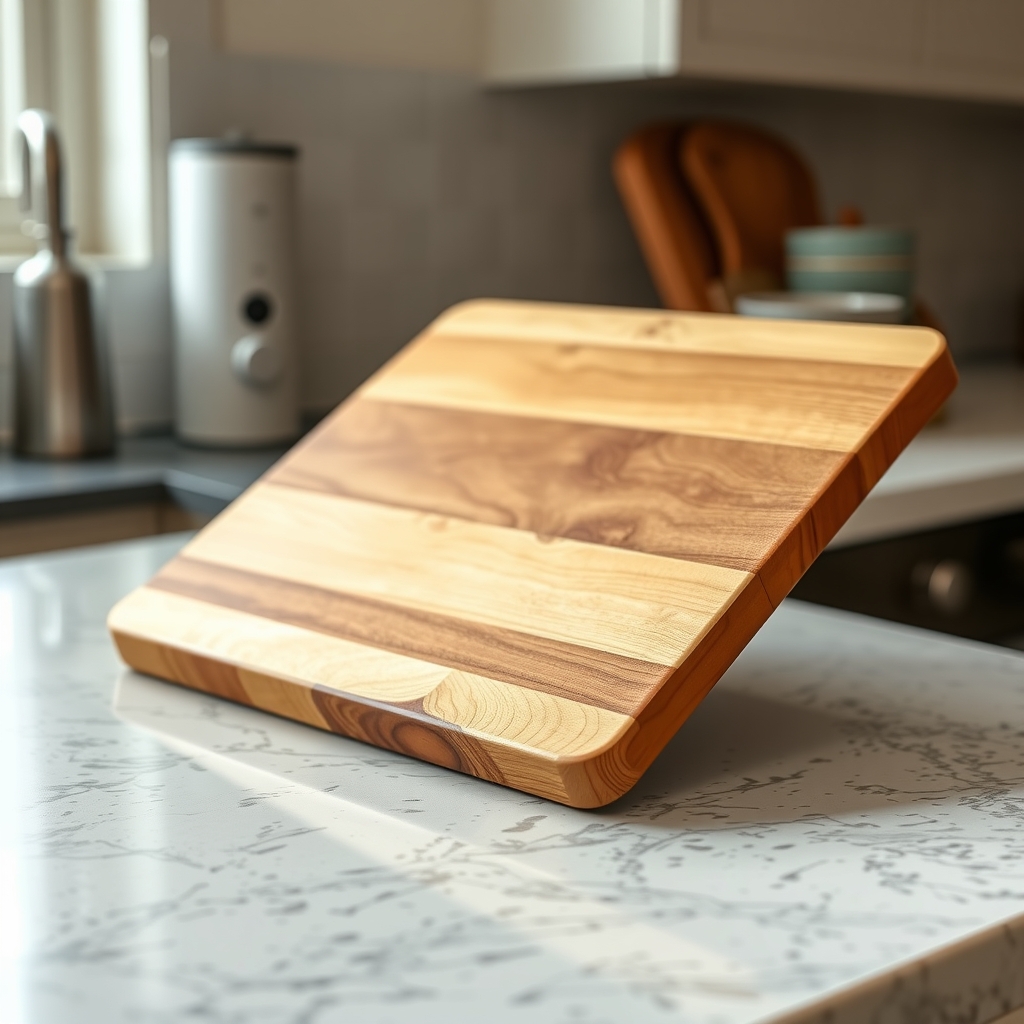
In this guide
Quick answer
Why is my cutting board warping? Wood, and some plastics, swell on the wet side and shrink on the dry side, which bends the board. You can flatten a mild warp with a damp towel or a medium-heat iron, then dry both sides evenly after every wash. If a board keeps warping, a thick composite board that barely absorbs water is the fix that lasts.
Free fix vs. permanent fix
Dampen, press and dry flat
- Dampen the hollow side with a wrung-out towel
- Weigh it flat under heavy books, or press it through a cloth with an iron
- Let it dry flat for a day, then oil it
- Stand it on its edge to dry after every wash
How long it lasts: A mild cup often stays out for good if you dry the board evenly from now on. A badly bent board or one with split glue seams usually bends back.
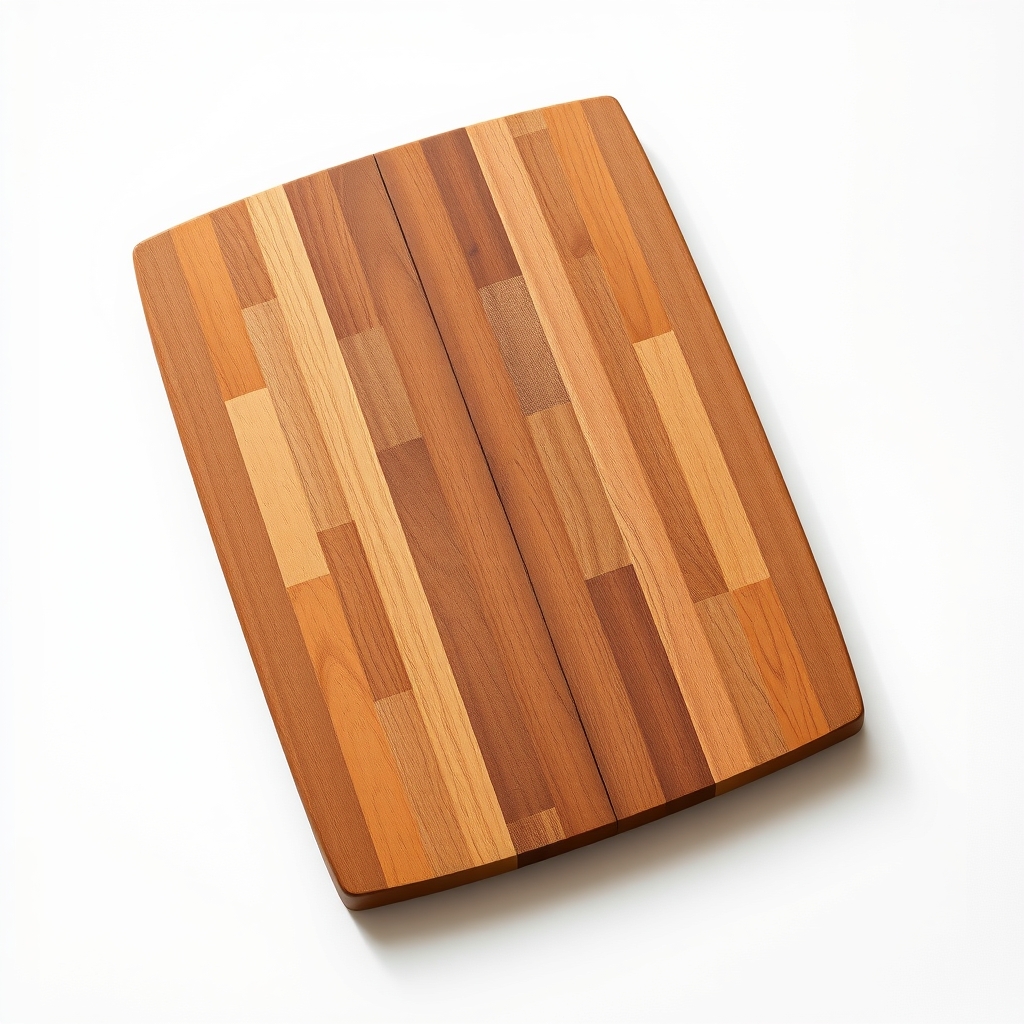
A thick composite cutting board
Warping comes from uneven moisture. A dense composite board, made of wood fiber and resin or a solid-core material, soaks up very little water, so there is nothing to swell. With no glue lines, it has no seams to pull apart either.
What to get: Thick composite cutting board
How long it lasts: Years. It takes in very little water and has no glued strips that can open.
As an Amazon Associate I earn from qualifying purchases.
What you'll need
-
Damp towel
Wrung out so it is damp, not dripping
You have it -
Heavy books
Hold the board flat while it dries
You have it -
Clothes iron
Medium heat, steam off, always through a cloth
You have it - Illustration
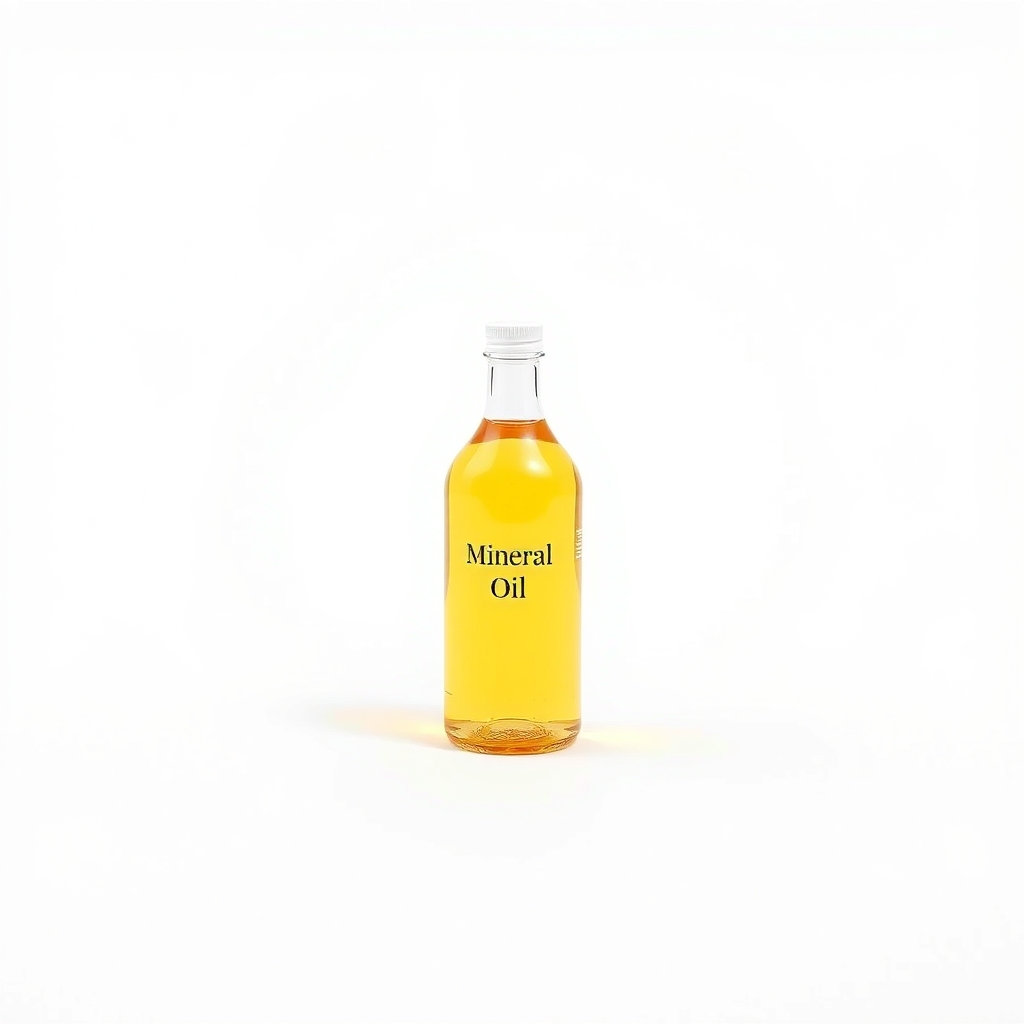
Food-grade mineral oil
Slows moisture swings in a wood board
- Our pick Illustration
Composite cutting board
Stays flat because it barely absorbs water
- Illustration
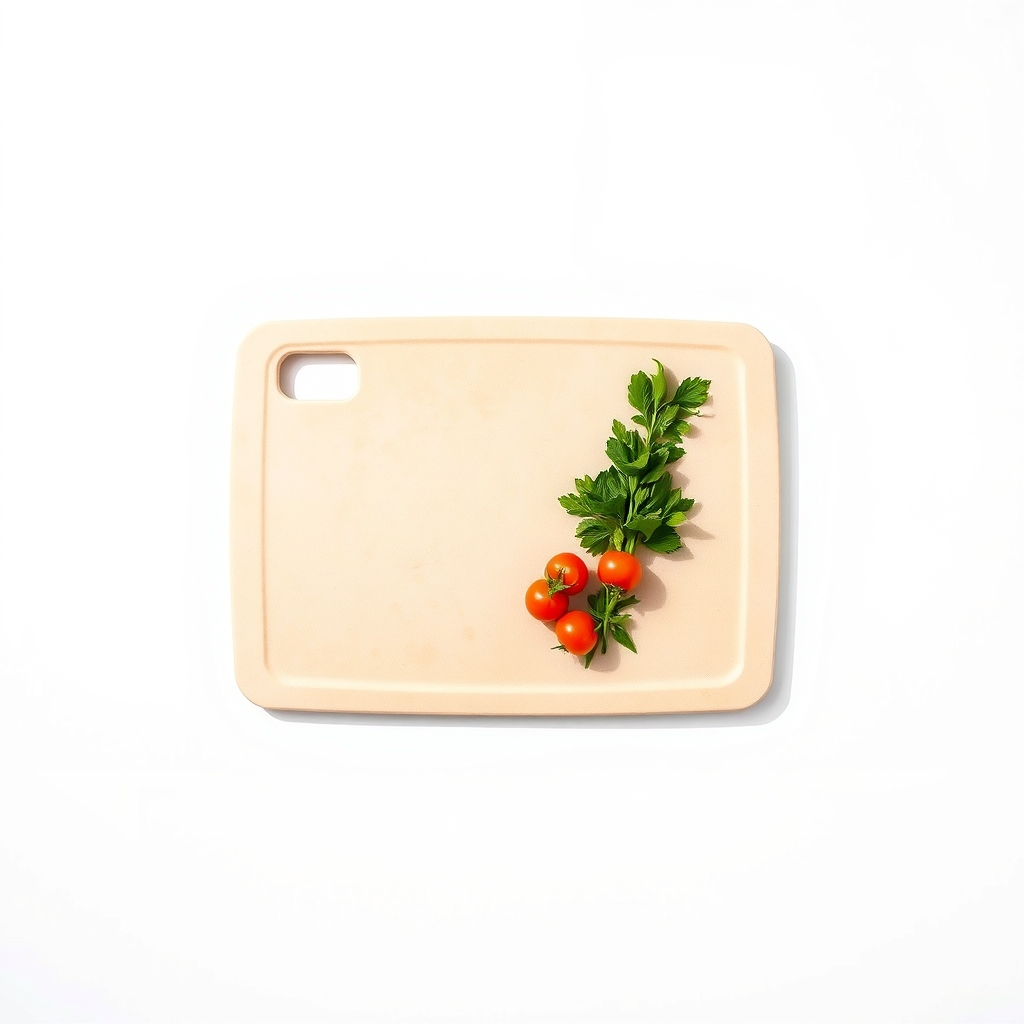
HDPE plastic cutting board
A thick, non-porous plastic alternative
- Illustration
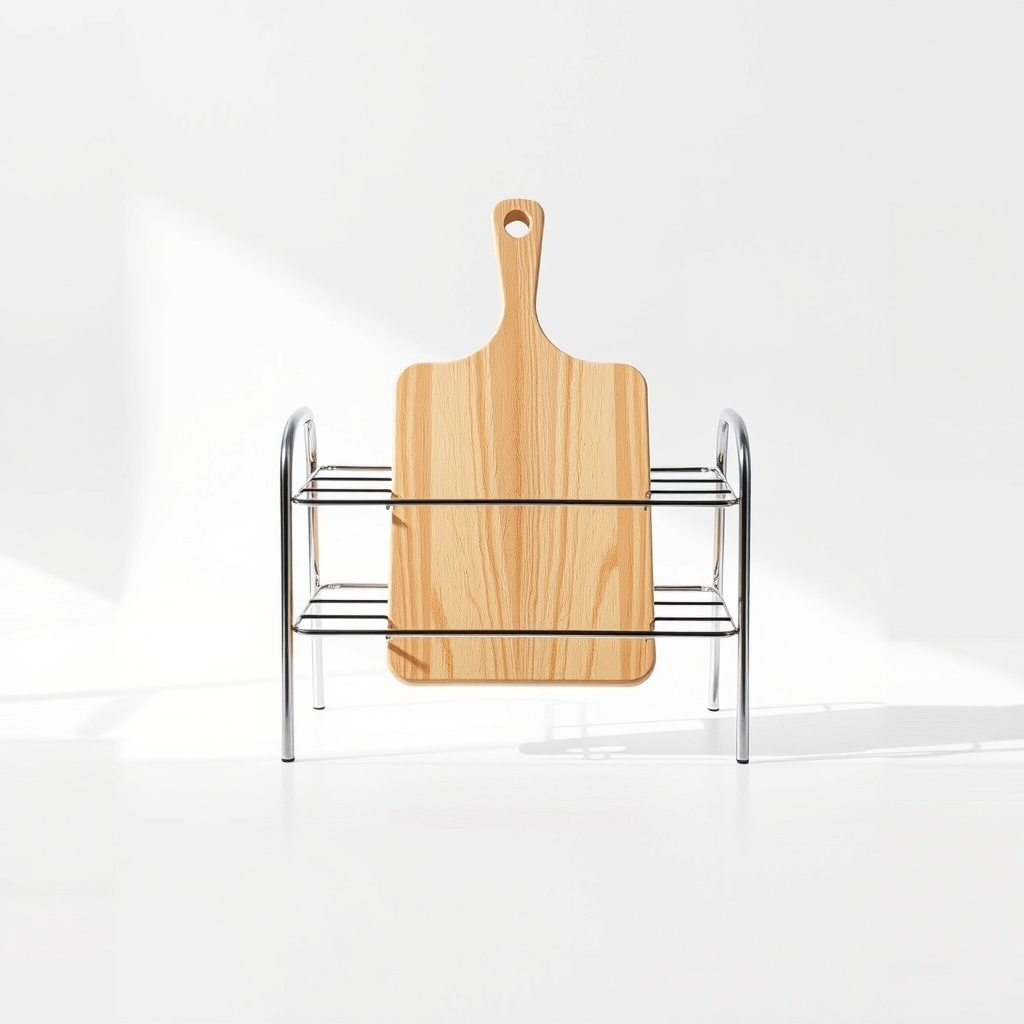
Cutting board stand
Dries both faces evenly
Why it happens
One side wetter than the other
Washing one face, or leaving a wet board flat on the counter, soaks one side. That side swells and the board curls toward the dry side. This is the most common cause.
Soaking or dishwasher heat
Standing water and hot dishwasher cycles push water deep into the wood and can open the glue lines. Many plastic boards also bow under dishwasher heat.
A dry, never-oiled board
Wood that has never been oiled drinks water fast, then dries fast. Those big swings bend it.
Thin boards and glued strips
Thin boards have less mass to resist bending. A board made of glued strips can warp when the glue fails.
Heat and sun
Leaning a board beside the stove, on a sunny windowsill or on a warm dishwasher door dries one face too fast.
Try this first (free)
Do these in order, starting with the simplest.
-
Find the hollow side
Lay the board on a flat counter. The side that curves up like a bowl is the hollow, or concave, side. That is the dry, shrunken side, so that is where the moisture goes.
-
Dampen the hollow side
Tool used: Damp towelWring a towel out until it is damp, not dripping. Lay it over the hollow side and leave it for 30 to 60 minutes.
-
Weigh it flat
Tool used: Heavy booksKeep the damp towel on the hollow side and set heavy books on top of the board. Leave it overnight, then check how flat it is.
-
Use an iron on a stubborn bend
Tool used: Clothes ironSet the iron to medium with the steam off. Press it through the damp towel for 10 to 15 seconds at a time, moving around the hollow side. Never put the iron on bare wood. Weigh the board flat again afterward.
-
Oil it and dry it on its edge
Tool used: Food-grade mineral oilOnce it is flat and dry, rub in a thin coat of food-grade mineral oil. From now on, wipe both sides after washing and stand the board on its edge so air reaches both faces.
IllustrationCheck price on AmazonTool for this step
Food-grade mineral oil · Slows moisture swings in a wood board
When free fixes aren't enough
If the board is cracked, split along the glue lines, or bends back within a day or two, moisture has done too much damage. A board that has warped several times will keep doing it, because the fibers are stressed. A plastic board that bowed in the dishwasher will not respond to water. A warped board also rocks while you cut, which is a safety problem. A thick composite board stays flat because there is no water to swell it.
Buy the fix
Still stuck after the free fixes? These are the products we would look at.
| Pick | Product | Fixes | Who it's for | Buy |
|---|---|---|---|---|
| Best pick | Thick composite cutting board | boards that warp from water and heat | Anyone who washes boards in a hurry or is tired of replacing warped wood. | Check price |
| Budget pick | Thick HDPE plastic cutting board | warping from water, since the plastic absorbs none | People who want a flat board for raw meat and do not mind the plastic look. | Check price |
| Upgrade pick | Cutting board stand or drying rack | one-sided drying, the main cause of warping in wood | Wood-board owners who want to keep the board they have. | Check price |
Thick composite cutting board
Fixes: boards that warp from water and heat
Look for: Solid, non-glued construction with no strips that can split; At least about half an inch thick so it resists bending; A care label that says dishwasher safe, if you want that; Non-slip feet or a grippy edge.
- Who it's for
- Anyone who washes boards in a hurry or is tired of replacing warped wood.
- Honest downside
- You love the look and feel of wood and do not mind oiling it and drying it on edge.
Thick HDPE plastic cutting board
Fixes: warping from water, since the plastic absorbs none
Look for: At least about half an inch thick; A flat, non-porous surface; Feet or a non-slip edge; A label that says dishwasher safe.
- Who it's for
- People who want a flat board for raw meat and do not mind the plastic look.
- Honest downside
- Your dishwasher runs very hot and the label does not say dishwasher safe. Hand wash it instead.
Cutting board stand or drying rack
Fixes: one-sided drying, the main cause of warping in wood
Look for: Holds the board on its edge; Open slots so air reaches both faces; Fits the thickness of your board.
- Who it's for
- Wood-board owners who want to keep the board they have.
- Honest downside
- Your board is already warped. Flatten it first, then use the stand.
As an Amazon Associate I earn from qualifying purchases. We don't show prices because they change, so use the button to see today's price.
How we picked: How we picked: this page is based on cutting board care guides, woodworking advice on moisture and cupping, and the problems and fixes owners report in reviews. We do not test products by hand.
Warped wood vs warped plastic
Wood responds to the damp-towel method because the cause is moisture. Mild cups often come out in a night or two.
Plastic and composite do not. They bow from heat, not water, so a bowed one is usually best replaced. Hand wash plastic boards or follow the label if it says dishwasher safe.
What to skip
What to skip
Skip soaking a warped board in the sink and skip the dishwasher, even for a quick fix. Both swell the wood and open glue lines. And if the board still rocks after flattening, stop cutting on it, since it is a risk to your hands.
Frequently asked questions
Why is my wooden cutting board warping?
Why does my cutting board keep warping?
How to stop a cutting board from warping?
How to fix a warped cutting board with an iron?
How to fix a warped cutting board without an iron?
Related problems
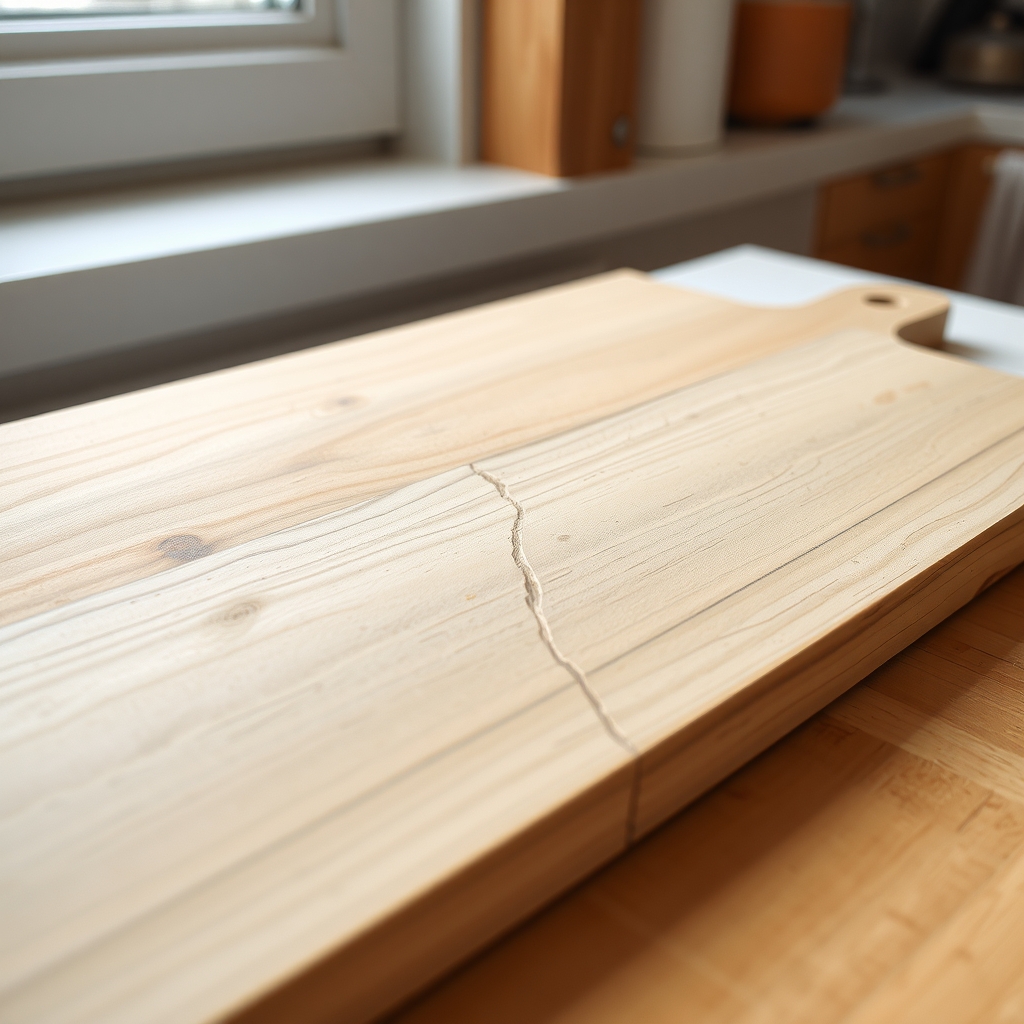 Free fix inside
Kitchen · Cutting Board
Cutting Board Splitting or Cracking? What Oil and Wax Can Save
Read the fix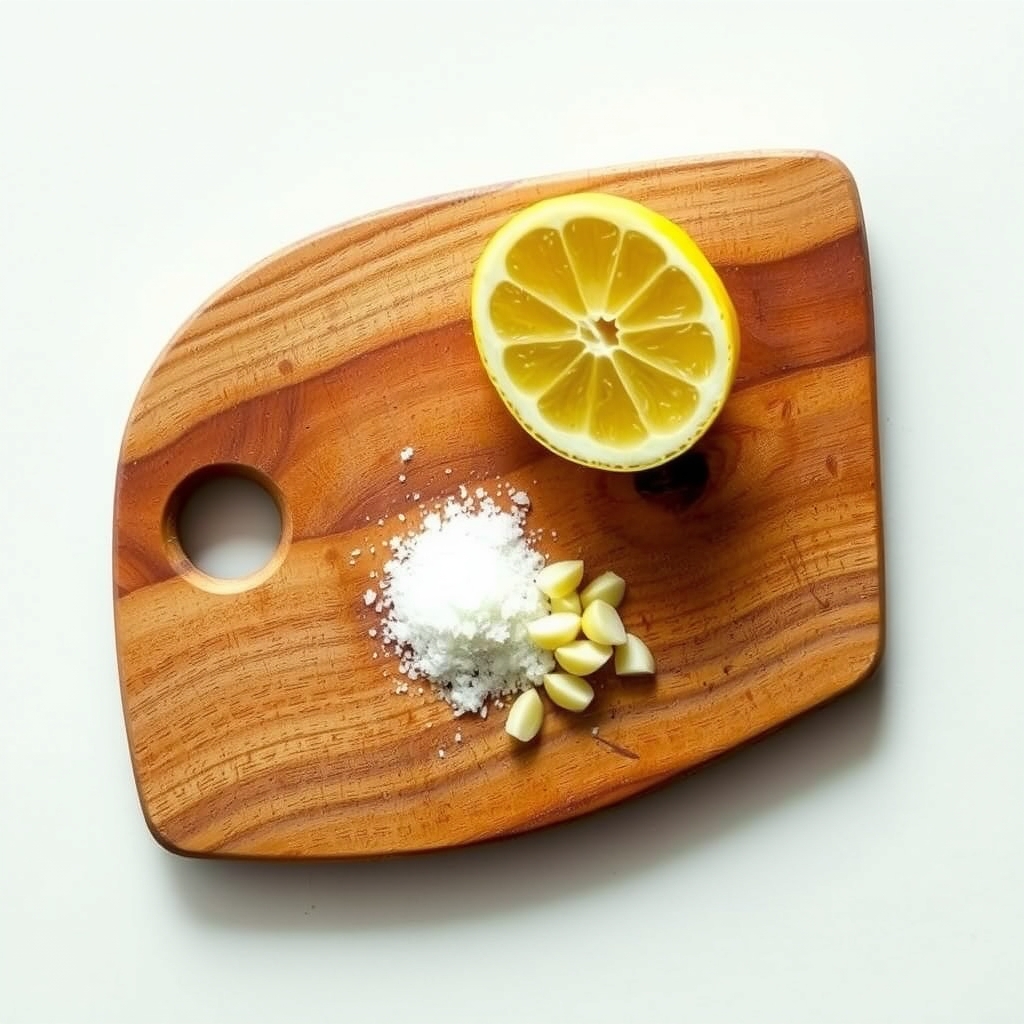 Free fix inside
Kitchen · Cutting Board
Cutting Board Smells? Salt and Lemon, and When Plastic Beats Wood
Read the fix Free fix inside
Kitchen · Cutting Board
Cutting Board Sliding Around? A Damp-Towel Trick and Grippy Boards
Read the fix Free fix inside
Kitchen · Cutting Board
Cutting Board Not Plastic? Wood Boards That Hold Up Over Time
Read the fixAs an Amazon Associate I earn from qualifying purchases. Affiliate disclosure