Cutting Board Not Plastic? Wood Boards That Hold Up Over Time
Plastic boards scar and stain, and some cooks want less plastic in the kitchen. A thick hardwood board, cared for well, can last for years.
By Jamilur Rahman Updated November 5, 2026 · 7 min read
- Time
- 15 min to set up
- Cost
- $50-$150
- Difficulty
- Easy
In this guide
Quick answer
If you want a cutting board not plastic, a thick hardwood board, ideally end-grain maple, walnut or cherry, is the usual choice. It is gentle on knives, and its cuts close up instead of scarring. It needs hand washing and a coat of food-grade mineral oil every month or so, and it costs more than plastic.
Free fix vs. permanent fix
Cut on a board you own, and retire scored plastic
- Use any solid wood board you own if it is flat and crack-free
- Retire a plastic board with deep, dark knife grooves
- Keep one board for raw meat and one for produce and bread
- Wash by hand in hot soapy water
How long it lasts: A short-term fix. A wood board you already own may do, but a board that is badly scored or warped does not get better.
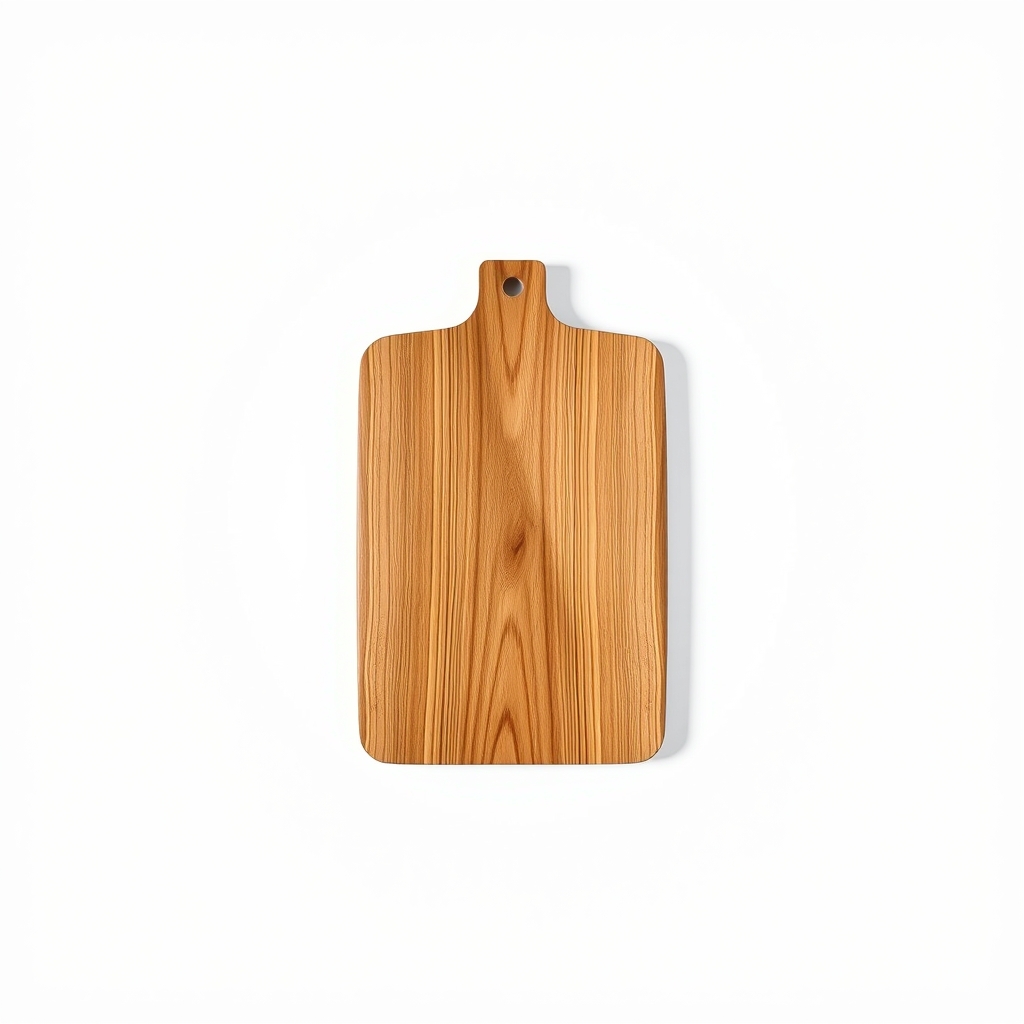
A thick end-grain hardwood board
In an end-grain board the wood fibers stand on end, so knife edges slip between them instead of slicing across. That is gentler on your knives, and the surface keeps its look. A thick board also resists warping.
What to get: End-grain wood cutting board
How long it lasts: Many years with regular oiling. Owners report that knife cuts close up instead of building into grooves.
As an Amazon Associate I earn from qualifying purchases.
What you'll need
-
Mild dish soap and a soft sponge
For hand washing the board
You have it -
Damp towel
Stops the board sliding on the counter
You have it - Illustration
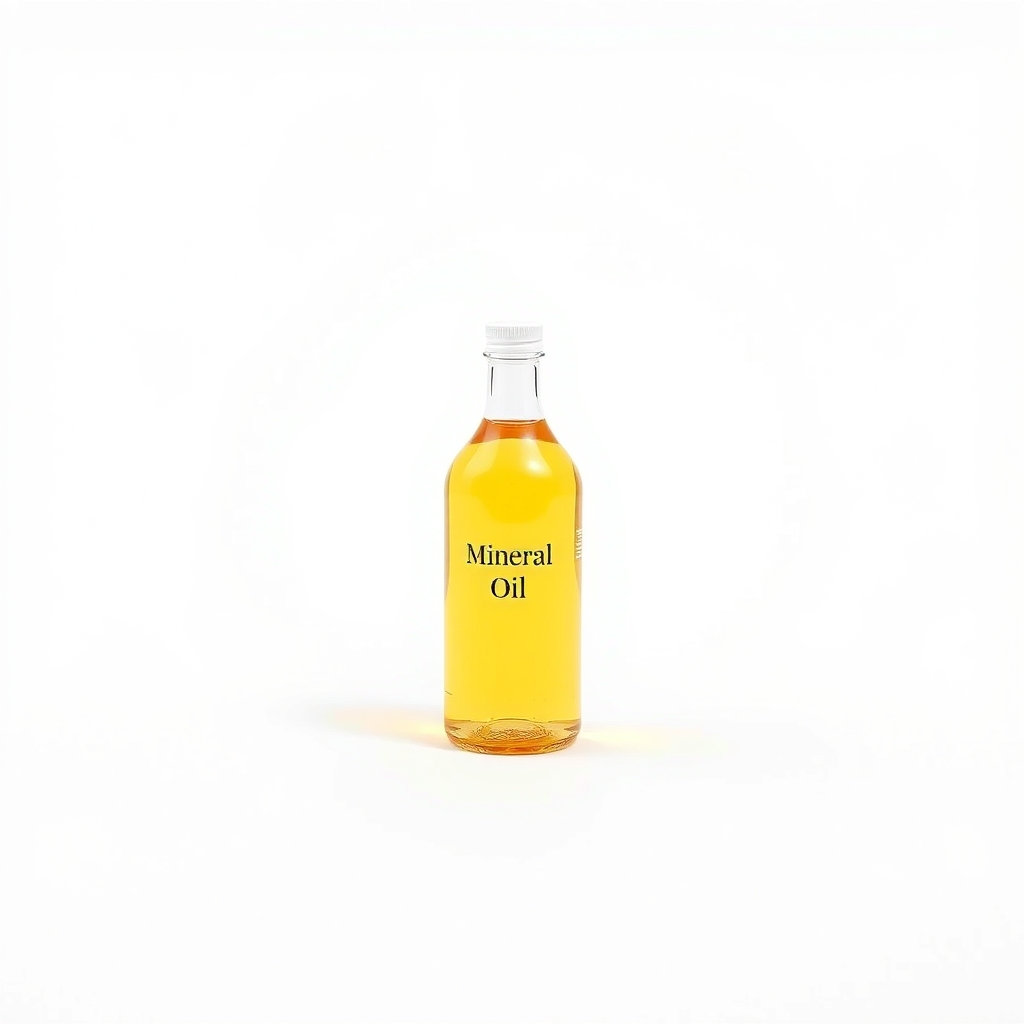
Food-grade mineral oil
Keeps the wood from drying out and cracking
- Our pick Illustration
End-grain wood cutting board
The one that lasts the longest
- Illustration
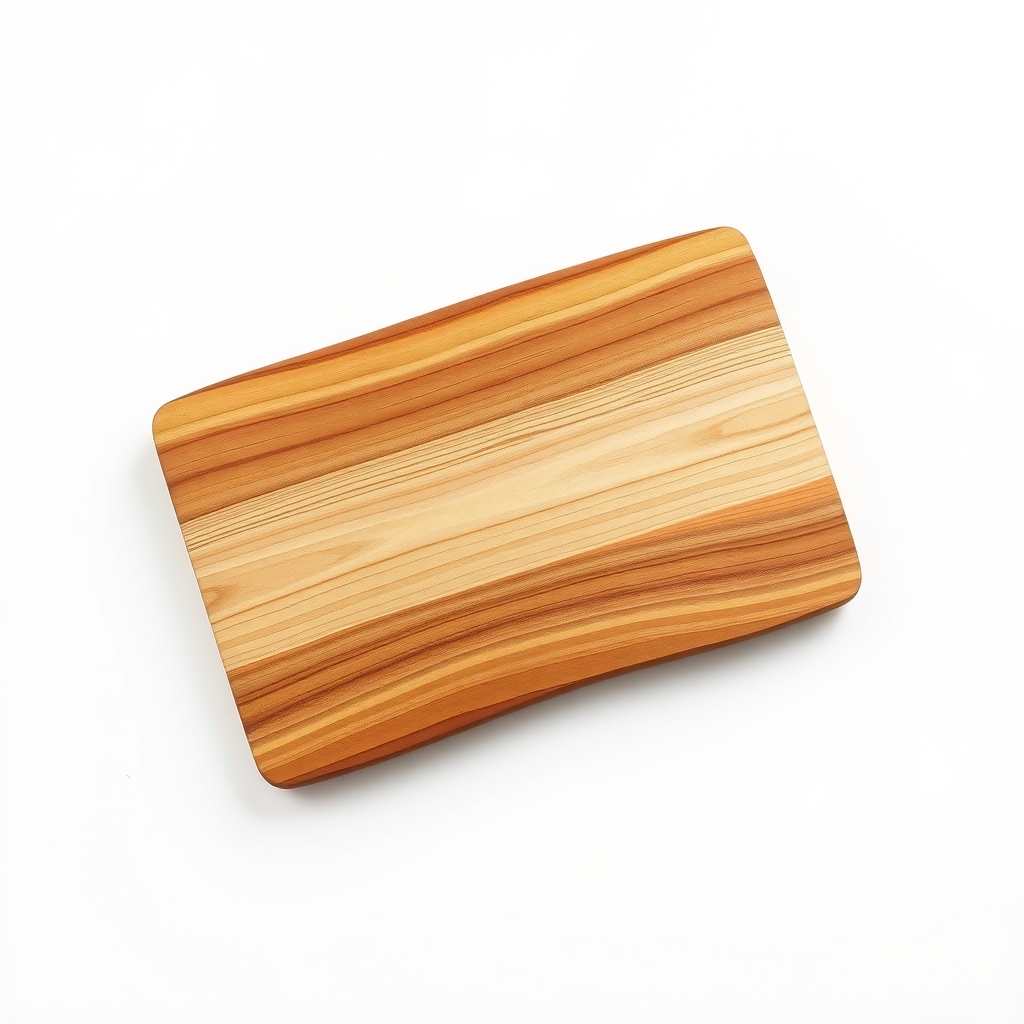
Edge-grain wood cutting board
Lighter and cheaper
- Illustration
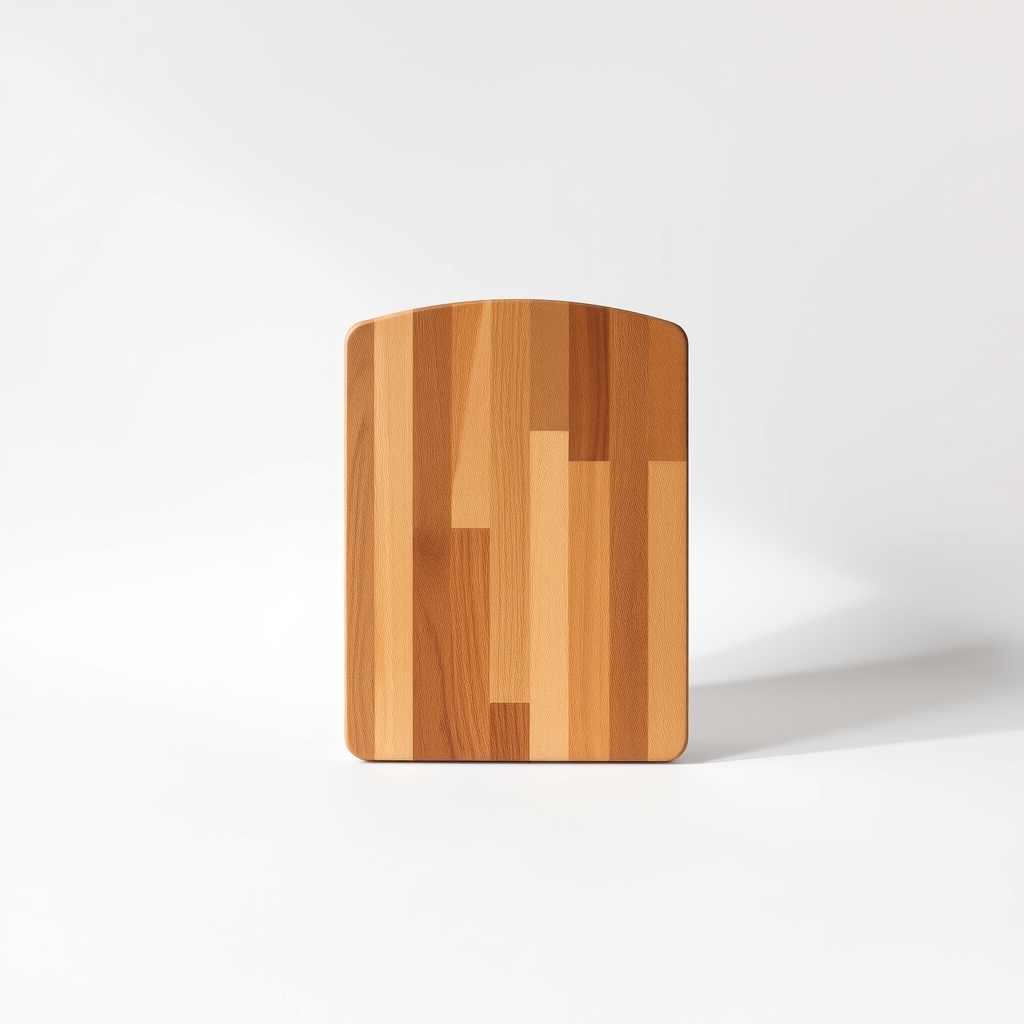
Large thick butcher block board
For carving and big prep jobs
Why it happens
Deep knife grooves
Plastic scars with use. Deep, stained grooves are hard to scrub clean, and many cooks replace a board once it looks like that.
Plastic bits in the food
Some people would rather not have tiny plastic pieces from a scored board end up in a meal. Wood avoids that, though it brings care needs of its own.
Water damage
Wood boards crack and warp when they are soaked or run through a dishwasher, or left dry for months. That is a care problem, not a flaw in wood.
Thin or poorly built boards
A thin board bows as it takes on moisture, and one with weak glue joints can split along the seams. Thickness and good construction matter most.
Try this first (free)
Do these in order, starting with the simplest.
-
Check the grain before you buy
Look at the cut edge. End-grain shows a checkerboard of wood ends. Edge-grain shows long parallel strips. End-grain costs more and is easier on knives; edge-grain is lighter and cheaper.
-
Pick a size and thickness
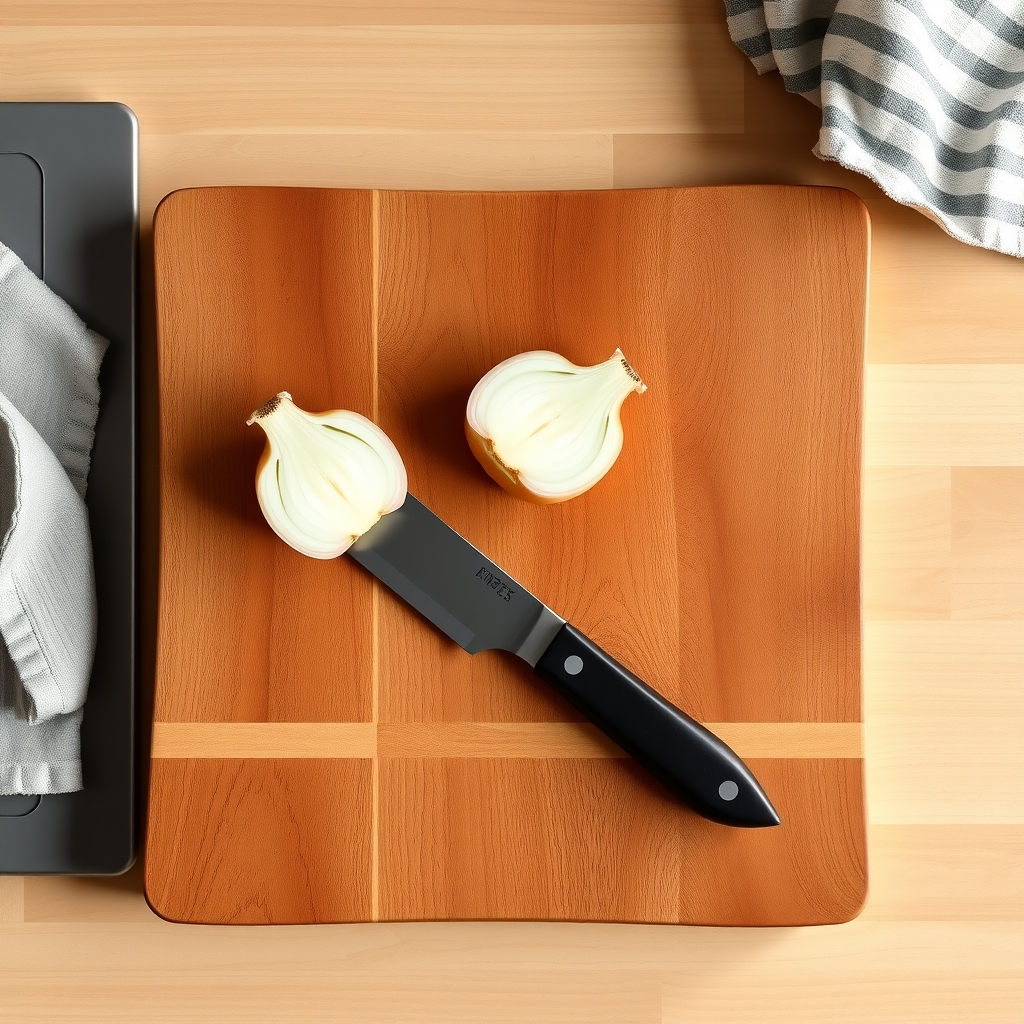
Choose a board big enough to hold a whole chopped onion with room to spare, usually 12 by 18 inches or more. Go for about 1.5 inches thick for end-grain, and 1 inch or more for edge-grain.
-
Season a new board
Tool used: Food-grade mineral oilWipe on food-grade mineral oil with a cloth until the wood stops soaking it up, let it sit for a few hours, then wipe off the extra. Do the sides and the underside too. Repeat the next day if the wood still looks dry.
IllustrationCheck price on AmazonTool for this step
Food-grade mineral oil · Keeps the wood from drying out and cracking
-
Wash by hand and dry on its edge
Tool used: Mild dish soap and a soft spongeUse hot water and mild soap, wipe dry and stand the board on its edge so air reaches both faces. Never soak it or put it in the dishwasher.
-
Stop it sliding
Tool used: Damp towelLay a damp towel under the board while you chop, so it grips the counter and stays put.
-
Oil monthly and keep raw meat separate
Tool used: Food-grade mineral oilOil again when the wood looks pale or dry, about once a month at first. Use a separate board for raw meat and for ready-to-eat foods like bread and salad.
IllustrationCheck price on AmazonTool for this step
Food-grade mineral oil · Keeps the wood from drying out and cracking
When free fixes aren't enough
If your old board is plastic, free care will not remove deep grooves. If it is wood, cracks that run all the way through, or a board that rocks on the counter, mean it is past saving, and oil will not fix that. A new thick board does. Wood also needs a few minutes of care each month, so if you will not do that, a plastic board may still suit you better.
Buy the fix
Still stuck after the free fixes? These are the products we would look at.
| Pick | Product | Fixes | Who it's for | Buy |
|---|---|---|---|---|
| Best pick | End-grain wood cutting board | a plastic board that scars, and a thin wood board that warps | Anyone who cooks most days and wants a board that lasts. | Check price |
| Budget pick | Edge-grain wood cutting board | scarred plastic boards, at a lower price | People who cook a few times a week and want wood without the end-grain price. | Check price |
| Upgrade pick | Large thick butcher block cutting board | no room to carve a roast or prep a big meal | Cooks who carve roasts or do a lot of prep. | Check price |
End-grain wood cutting board
Fixes: a plastic board that scars, and a thin wood board that warps
Look for: Hardwood such as maple, walnut or cherry; At least about 1.5 inches thick; Food-safe glue and tight joints with no gaps; Rubber feet, or an underside that sits flat.
- Who it's for
- Anyone who cooks most days and wants a board that lasts.
- Honest downside
- You will run it through the dishwasher, or you want a board light enough to carry with one hand. End-grain boards are heavy.
Edge-grain wood cutting board
Fixes: scarred plastic boards, at a lower price
Look for: Solid maple, walnut or beech; About 1 inch thick or more; A flat underside that does not rock; A food-safe finish listed.
- Who it's for
- People who cook a few times a week and want wood without the end-grain price.
- Honest downside
- You chop with a heavy cleaver. Edge-grain scars faster than end-grain.
Large thick butcher block cutting board
Fixes: no room to carve a roast or prep a big meal
Look for: About 2 inches thick or more; A juice groove or well; Handles or finger grips so you can lift it.
- Who it's for
- Cooks who carve roasts or do a lot of prep.
- Honest downside
- You have little counter or storage space. These boards are big and heavy.
As an Amazon Associate I earn from qualifying purchases. We don't show prices because they change, so use the button to see today's price.
How we picked: How we picked: this page is based on cutting board care guides, food safety advice from public health groups, and what owners report about wood boards in reviews. We do not test products by hand.
End-grain or edge-grain? The plain difference
- End-grain: the cut ends of the wood face up. Gentler on knives, heavier, costs more.
- Edge-grain: long strips of wood run side by side. Lighter and cheaper, but it scars faster.
- Either way: thickness and good joints matter more than the wood species.
What to skip
Glass, stone and bamboo boards
Glass and stone boards dull knives quickly, and the hard surface can chip an edge. Bamboo is a grass, and it is hard enough to dull knives faster than maple or walnut. If you want to avoid plastic, a solid hardwood board is the better pick.
Frequently asked questions
Is a wood cutting board safe for raw meat?
How often should I oil a wood cutting board?
Is an end-grain cutting board worth the extra money?
What kind of wood is best for a cutting board?
Can I put a wood cutting board in the dishwasher?
Related problems
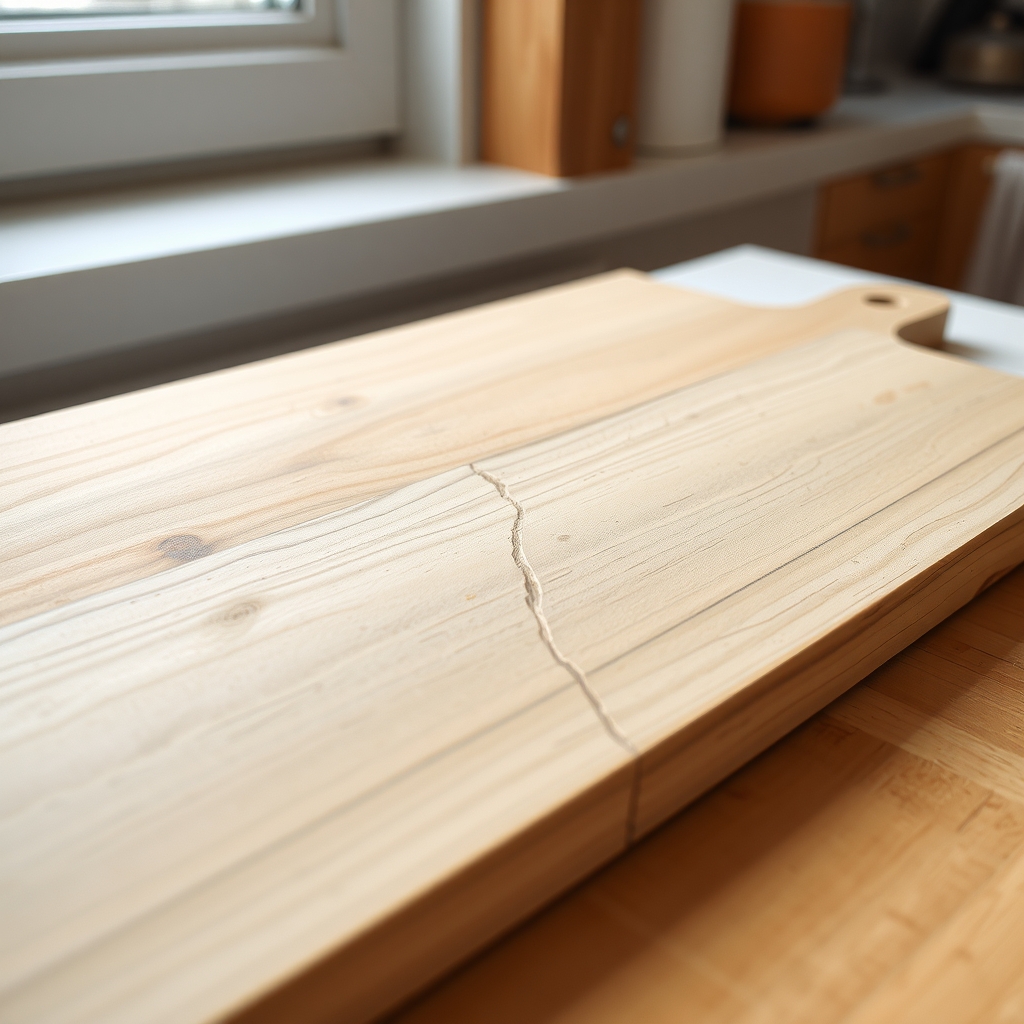 Free fix inside
Kitchen · Cutting Board
Cutting Board Splitting or Cracking? What Oil and Wax Can Save
Read the fix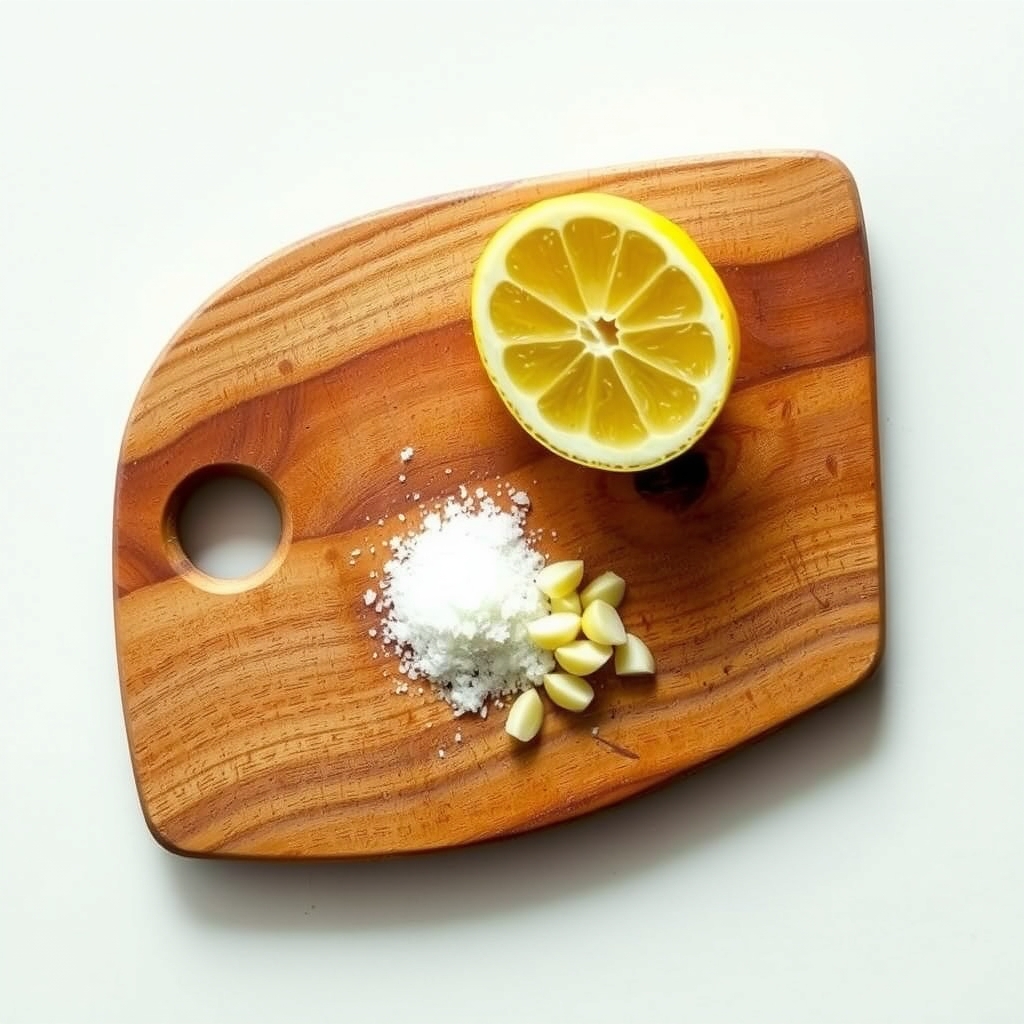 Free fix inside
Kitchen · Cutting Board
Cutting Board Smells? Salt and Lemon, and When Plastic Beats Wood
Read the fix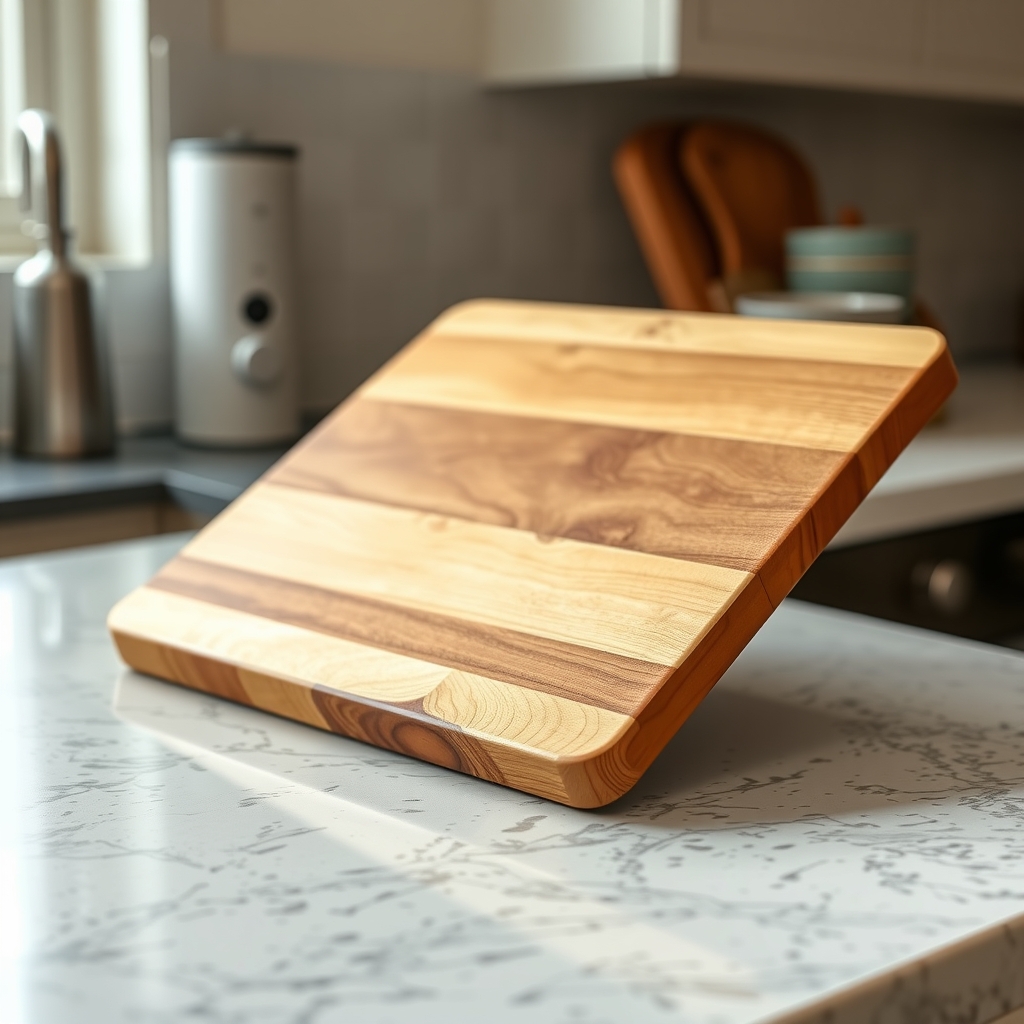 Free fix inside
Kitchen · Cutting Board
Cutting Board Warping? Why It Happens and Boards That Stay Flat
Read the fix Free fix inside
Kitchen · Cutting Board
Cutting Board Sliding Around? A Damp-Towel Trick and Grippy Boards
Read the fixAs an Amazon Associate I earn from qualifying purchases. Affiliate disclosure