How to Avoid Scratching a Non Stick Pan: Utensils and Pan Protectors
Metal tools and stacked pans cause nearly every scratch. Switch utensils, pad the stack and know what to do with a pan that is already marked.
By Jamilur Rahman Updated November 5, 2026 · 6 min read
- Time
- 10 min
- Cost
- Under $20
- Difficulty
- Easy
In this guide
Quick answer
To avoid scratching a non stick pan, stop using metal on it and stop stacking pans without anything between them. Those two habits cause nearly every scratch. Switch to wood or silicone tools, put a soft round pad between stacked pans and wash by hand with a soft sponge. Silicone utensils and felt pan protectors make it easy to keep the habit.
Free fix vs. permanent fix
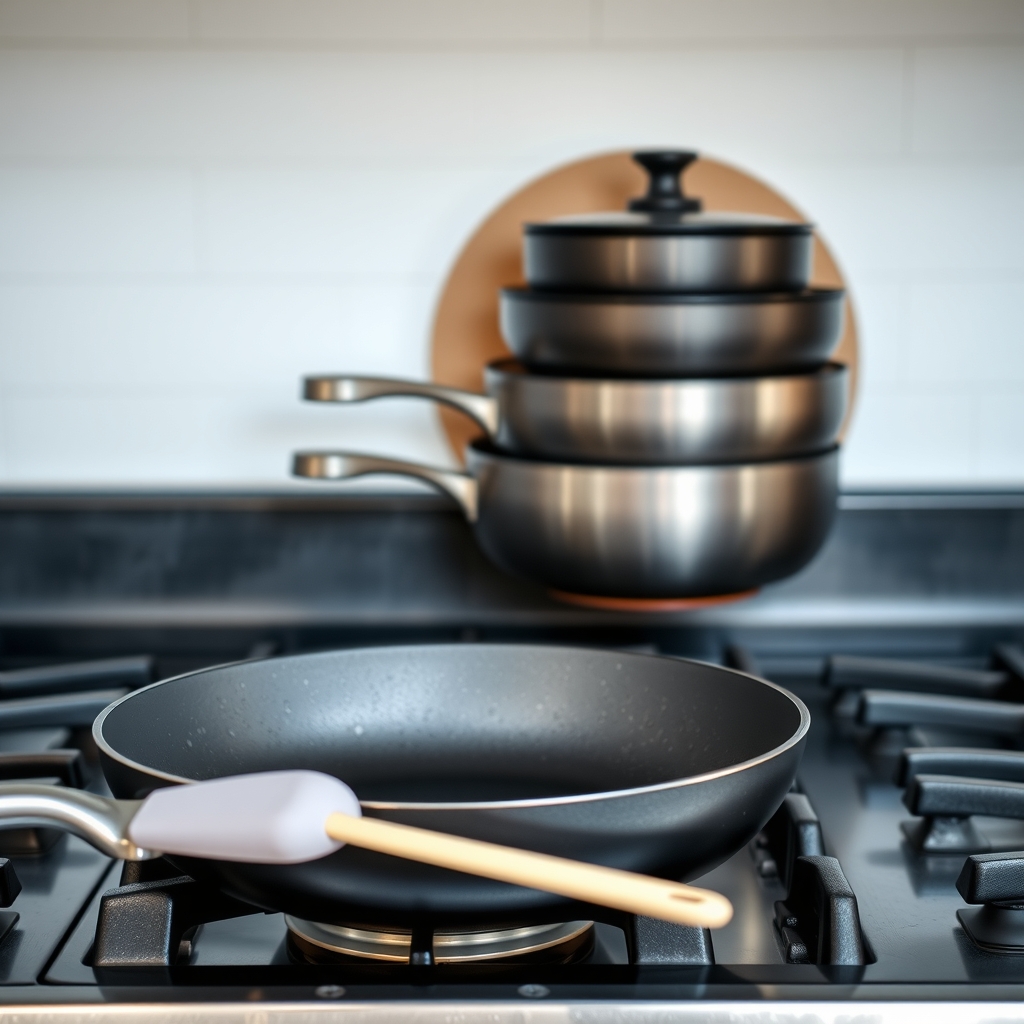
Wooden spoons and a towel between pans
- Use wooden or plastic spoons, never metal
- Wash by hand with a soft sponge
- Put a paper towel or dish towel between stacked pans
- Keep the heat at medium or lower
How long it lasts: Works as long as everyone who cooks in the house follows it. One metal spatula or one rough scrub can undo it.
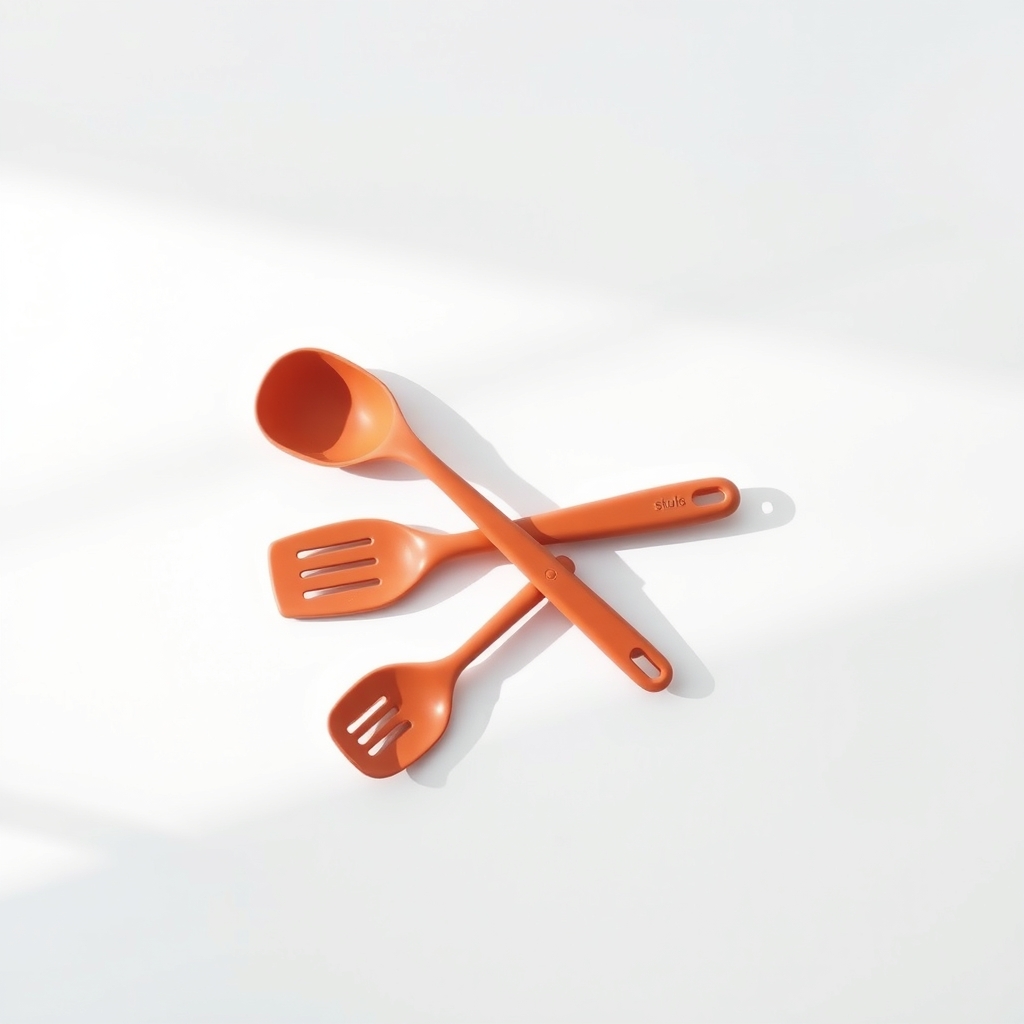
Silicone utensils plus felt pan protectors
Silicone is soft on the coating and handles higher heat than wood or nylon, and it will not absorb smells or splinter. A thin turner or spatula edge still flips food. Felt pads keep the stack from grinding the coating.
What to get: Silicone cooking utensil set
How long it lasts: Years. The tools sit in the crock and the pads stay in the stack, so the habit sticks.
As an Amazon Associate I earn from qualifying purchases.
What you'll need
-
Wooden spoon
Safe on non-stick and good for stirring
You have it -
Soft sponge
For hand washing, not a scouring pad
You have it -
Paper towel or dish towel
A quick pad between stacked pans until you get protectors
Free - Our pick Illustration
Silicone cooking utensil set
Turner, spoon, spatula and ladle in one set
- Illustration
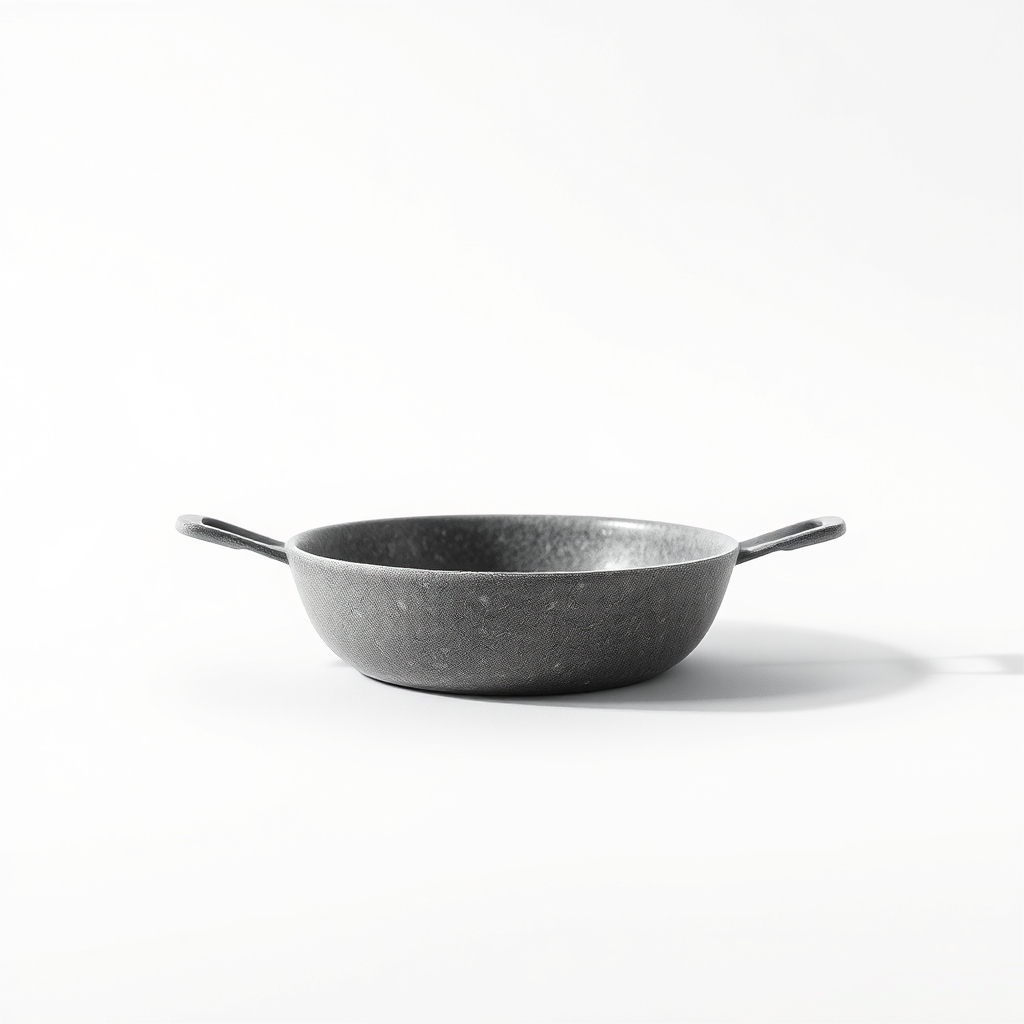
Felt pan protectors
Round pads that sit between stacked pans
Why it happens
Metal spatulas, forks and whisks
A metal edge cuts into the coating the moment you scrape the pan. Even a gentle flip leaves fine marks that grow with use. Some pans are sold as metal-utensil safe, but a soft tool still keeps the coating longer.
Stacking pans bare
When pans are nested, the base of one rubs the cooking surface of the next each time you take them out. That grinding is a quiet source of scratches.
Scouring pads, steel wool and dishwashers
Rough scrubbers and abrasive cleaners sand the surface. Many makers also advise against the dishwasher, since the strong detergent can dull and wear the coating.
Overheating the pan
Heat above medium makes the coating brittle over time. Never preheat an empty pan on high. Overheated non-stick can give off fumes that are dangerous to pet birds.
Try this first (free)
Do these in order, starting with the simplest.
-
1. Swap metal for wood or silicone
Tool used: Wooden spoonPut the metal spatulas and whisks in a drawer you do not use for non-stick. Keep a wooden spoon by the stove for stirring and turning.
-
2. Wash by hand with a soft sponge
Tool used: Soft spongeLet the pan cool first, then wash with warm water and mild dish soap. For stuck bits, soak for 10 minutes and wipe. Avoid steel wool and powders.
-
3. Pad the stack
Tool used: Paper towel or dish towelSlip a paper towel, a dish towel or a felt pad between pans. Or hang them on hooks so they never touch.
-
4. Keep the heat at medium or lower
Non-stick does not need high heat. Add oil or food as the pan warms rather than preheating it empty.
-
5. Use silicone tools for turning and serving
Tool used: Silicone cooking utensil setA thin silicone turner slides under eggs and fish without cutting the coating. Check that the set is rated for at least 400°F.
IllustrationCheck price on AmazonTool for this step
Silicone cooking utensil set · Turner, spoon, spatula and ladle in one set
-
6. Cut food on a board, not in the pan
Never slice pizza, brownies or lasagna with a knife in the pan. Lift food out first.
When free fixes aren't enough
Wooden spoons and towels work, but they rely on habit. A wooden spoon is awkward for flipping a fish fillet or lifting a pancake, so someone reaches for a metal turner. A towel between pans slips and gets lost. If you keep reaching for metal or find marks on the pan every few months, dedicated silicone tools and pads fix the habit by making the safe choice the easy one. If the coating is already flaking or the pan food-sticks even with oil, no tool will bring it back. That pan is at the end of its life.
Buy the fix
Still stuck after the free fixes? These are the products we would look at.
| Pick | Product | Fixes | Who it's for | Buy |
|---|---|---|---|---|
| Best pick | Silicone cooking utensil set | scratches from metal tools, with enough heat tolerance for daily cooking | Anyone who cooks on non-stick every day and wants one set that handles stirring, flipping and serving. | Check price |
| Budget pick | Felt pan protectors | scratches from stacked pans rubbing in the cabinet | Anyone who stores non-stick pans in a stack and who already uses wood or plastic tools. | Check price |
Silicone cooking utensil set
Fixes: scratches from metal tools, with enough heat tolerance for daily cooking
Look for: Rated heat-safe to at least 400°F; A thin, flexible turner edge for flipping; Sealed or one-piece construction with no gaps where food gets trapped; A turner, spoon, spatula and ladle in the set.
- Who it's for
- Anyone who cooks on non-stick every day and wants one set that handles stirring, flipping and serving.
- Honest downside
- You mostly cook on stainless steel or cast iron, where metal tools are fine.
Felt pan protectors
Fixes: scratches from stacked pans rubbing in the cabinet
Look for: Sized to fit your pan diameters; Soft felt or fabric, not rough or stiff; A set with several pads so each pan gets one; Washable.
- Who it's for
- Anyone who stores non-stick pans in a stack and who already uses wood or plastic tools.
- Honest downside
- You hang your pans or store them on separate racks. They never touch, so you do not need pads.
As an Amazon Associate I earn from qualifying purchases. We don't show prices because they change, so use the button to see today's price.
How we picked: How we picked: this page is based on cookware care guides from makers, coating and heat-safety guidance, and what owners report in reviews of silicone utensils and pan protectors. We do not test products by hand.
Scratched already? A quick way to decide
- Fine, hair-thin marks, nothing flaking: keep using the pan on medium heat with soft tools.
- Deeper scratches with the coating still intact: keep using it for gentle cooking, but expect it to wear out faster.
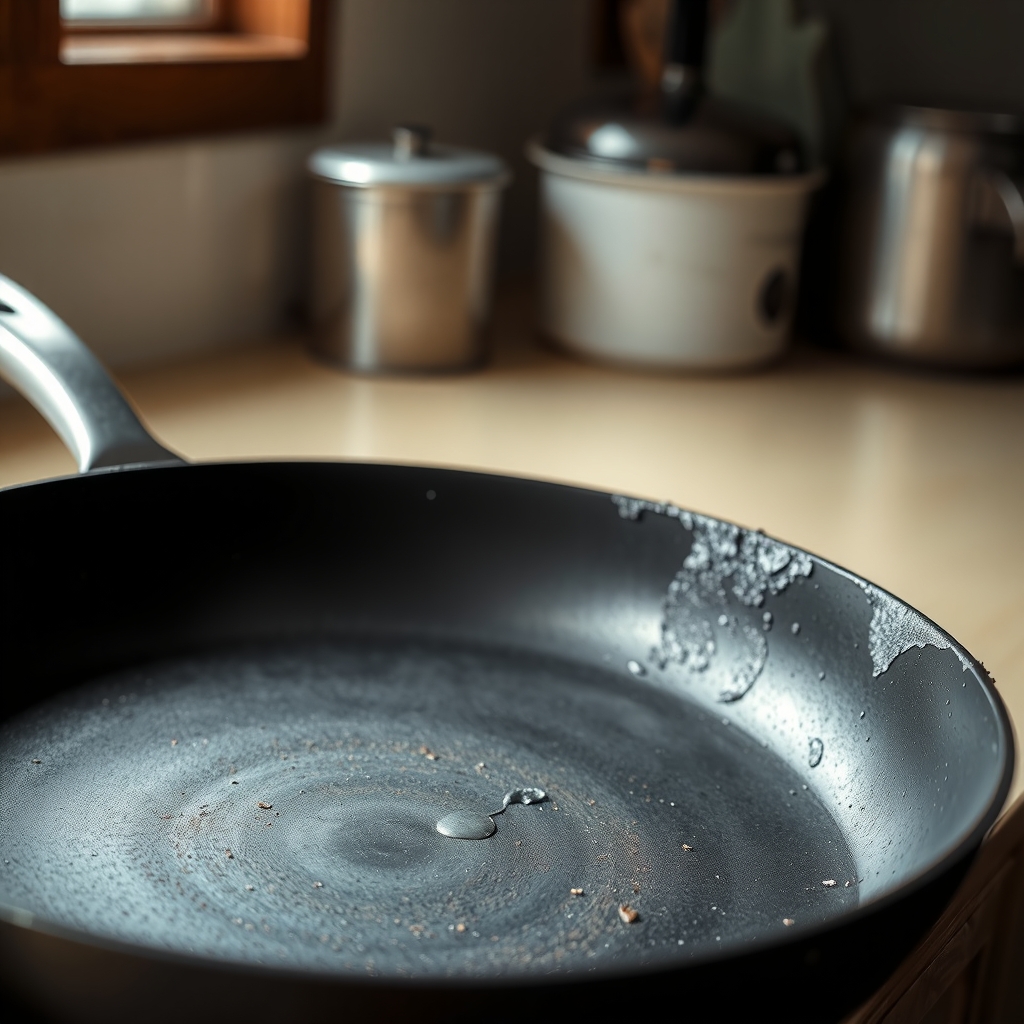
- Peeling, flaking or bare metal in patches: time to replace it. See the related page on peeling non-stick.
What to skip
Spray-on repair coatings and scouring pads
No spray or paint can match a factory-bonded coating, and a repair patch will not hold up to heat and washing. Do not scrub a scratched pan with steel wool either, since that adds more scratches.
Frequently asked questions
Why is my non stick pan scratched?
How do I fix non stick pan scratches?
Is a scratched non-stick pan safe to use?
Can I use nylon utensils on non-stick?
Related problems
 Free fix inside
Kitchen · Non Stick Pan
Non Stick Pan Peeling? Don't Patch It: Safer Pans to Buy Instead
Read the fix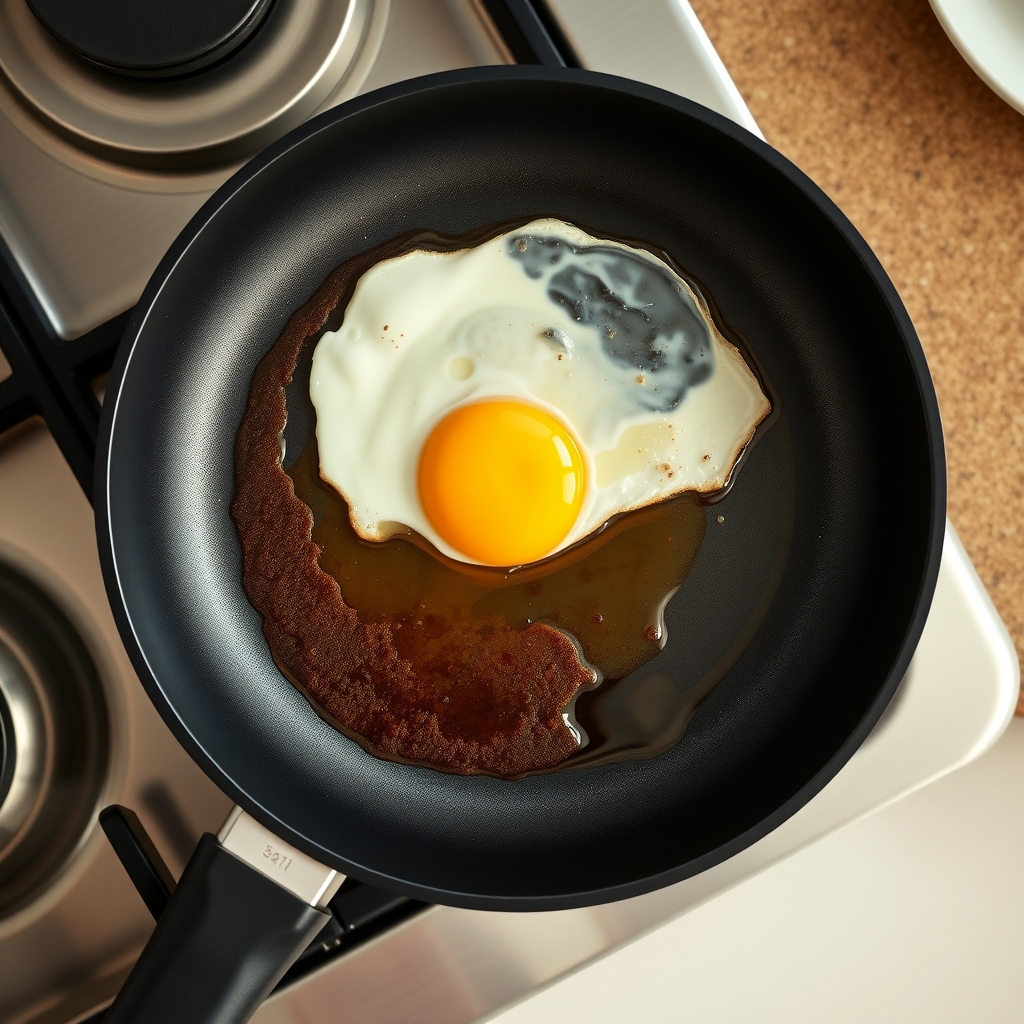 Free fix inside
Kitchen · Non Stick Pan
Non Stick Pan Sticking? Strip the Cooking-Spray Film, Then Re-Test
Read the fix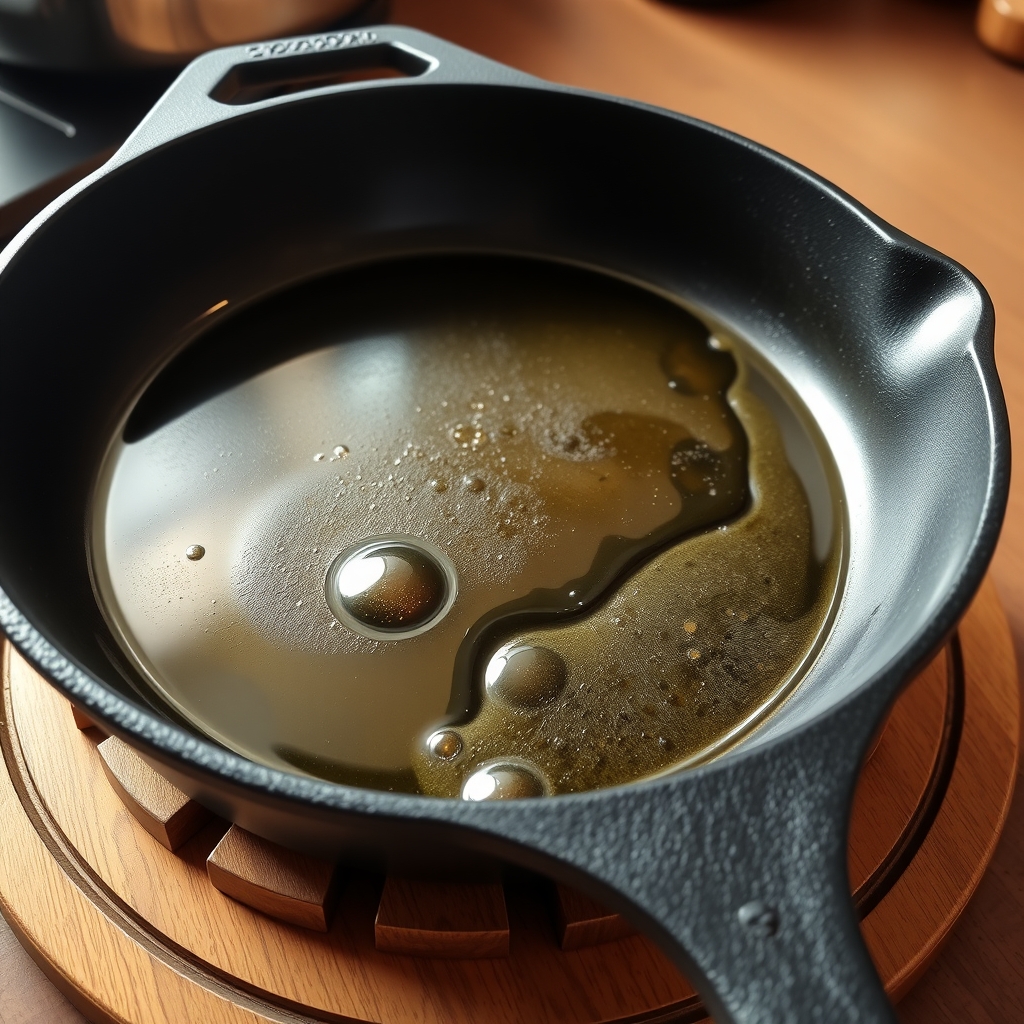 Free fix inside
Kitchen · Cast Iron Pan
Cast Iron Sticky After Seasoning? Too Much Oil: Strip and Redo It
Read the fix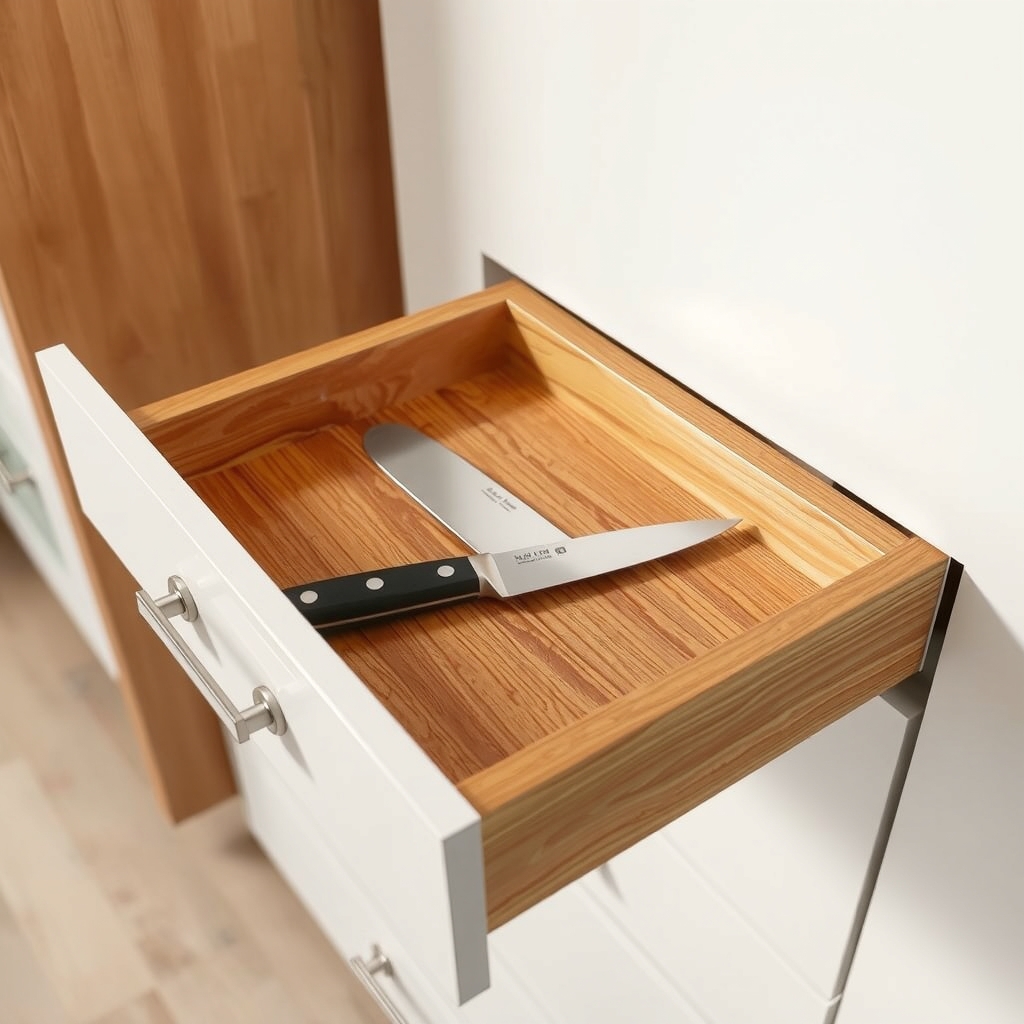 Free fix inside
Kitchen · Kitchen Knife
How to Store Knives in the Kitchen: Drawer Tray vs Magnetic Strip
Read the fixAs an Amazon Associate I earn from qualifying purchases. Affiliate disclosure