Non Stick Pan Sticking? Strip the Cooking-Spray Film, Then Re-Test
A sticky pan is often a baked-on film from cooking spray, not a dead coating. Strip it with baking soda, then fry an egg to see if the pan is worth keeping.
By Jamilur Rahman Updated November 5, 2026 · 6 min read
- Time
- 20 min
- Cost
- Under $20
- Difficulty
- Easy
In this guide
Quick answer
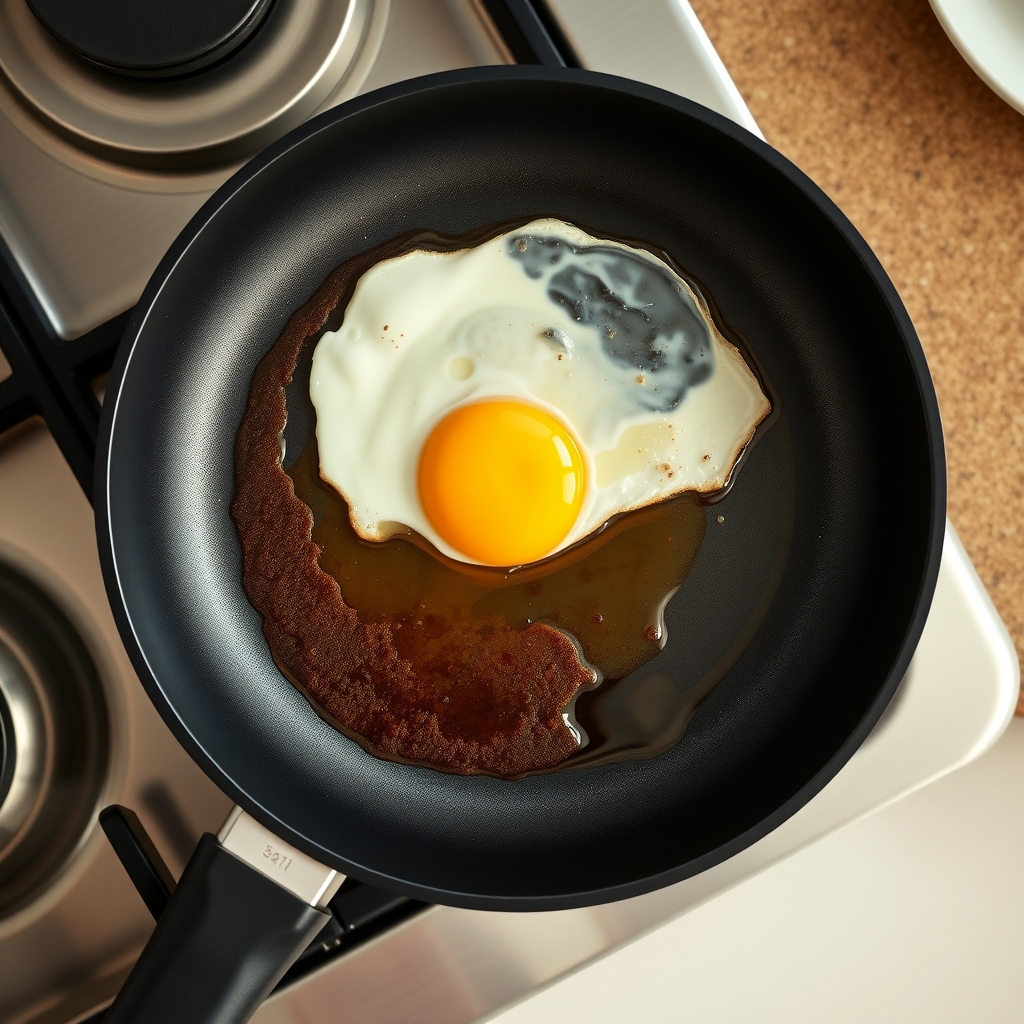
Why is my non stick pan sticking? Most often it is a thin, tacky film of cooking spray and baked-on oil, not a worn-out coating. Scrub it off with baking soda paste and a soft sponge, then fry an egg to test the pan. A non-abrasive cookware cleaner powder makes the scrub easier, but baking soda does the same job for free.
Free fix vs. permanent fix
Baking soda scrub, then an egg test
- Rub the cooking surface with baking soda paste
- Focus on the brown ring near the edge
- Rinse, dry and fry an egg in a little butter
- Stop using aerosol cooking spray
How long it lasts: As long as you skip aerosol spray and high heat. The film comes back within weeks if you keep spraying.
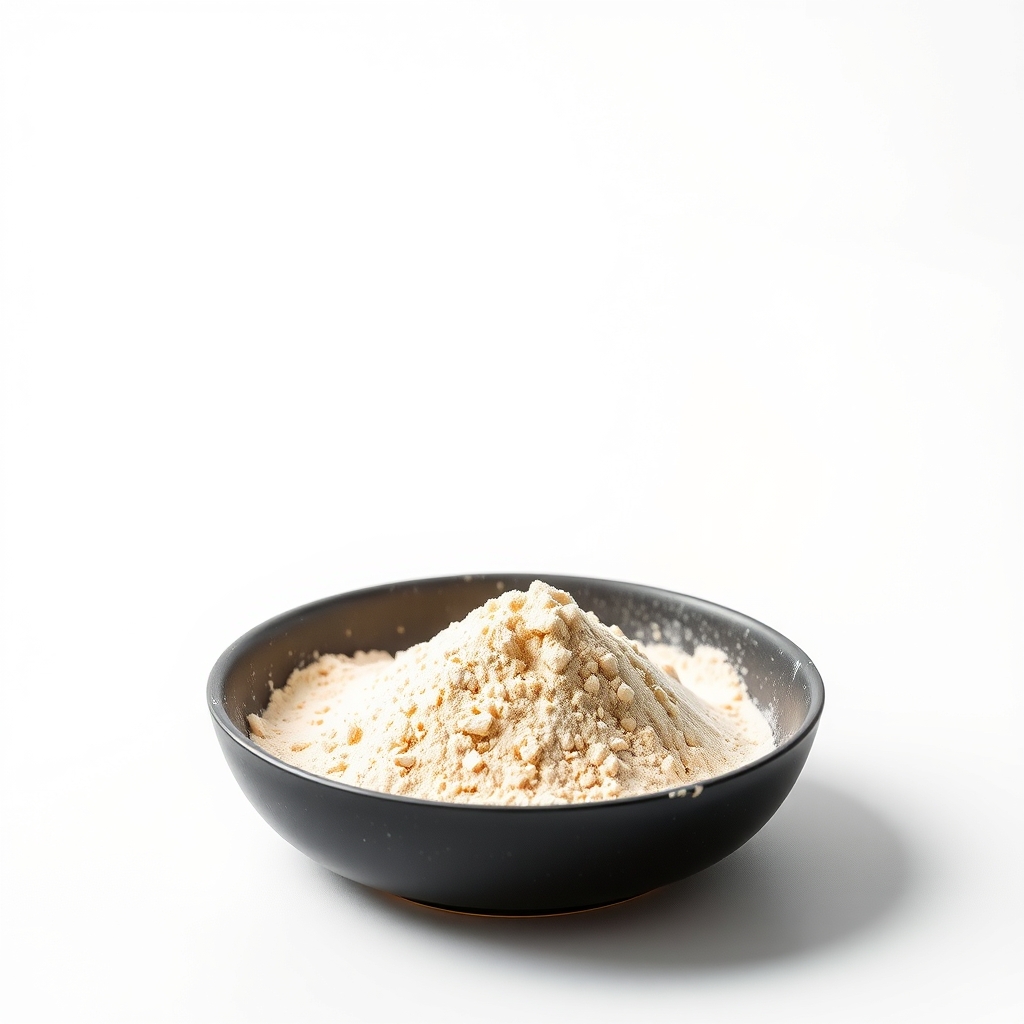
A non-abrasive cookware cleaner powder
A cleaner powder is a ready-made, gentle scrub for the film that dish soap leaves behind. It speeds up the job but it is optional, because baking soda works for most pans. It cannot revive a coating that is scratched through.
What to get: Non-abrasive cookware cleaner powder
How long it lasts: Use it every few weeks. It lifts the film before it builds up, so the pan stays slick for its normal life.
As an Amazon Associate I earn from qualifying purchases.
What you'll need
-
Baking soda
Makes a gentle scrub paste
You have it -
Soft nylon sponge
Will not scratch the coating
You have it -
An egg and a little butter
For the re-test after cleaning
You have it - Our pick Illustration
Non-abrasive cookware cleaner powder
Check that the label says it is safe for non-stick pans
- Illustration
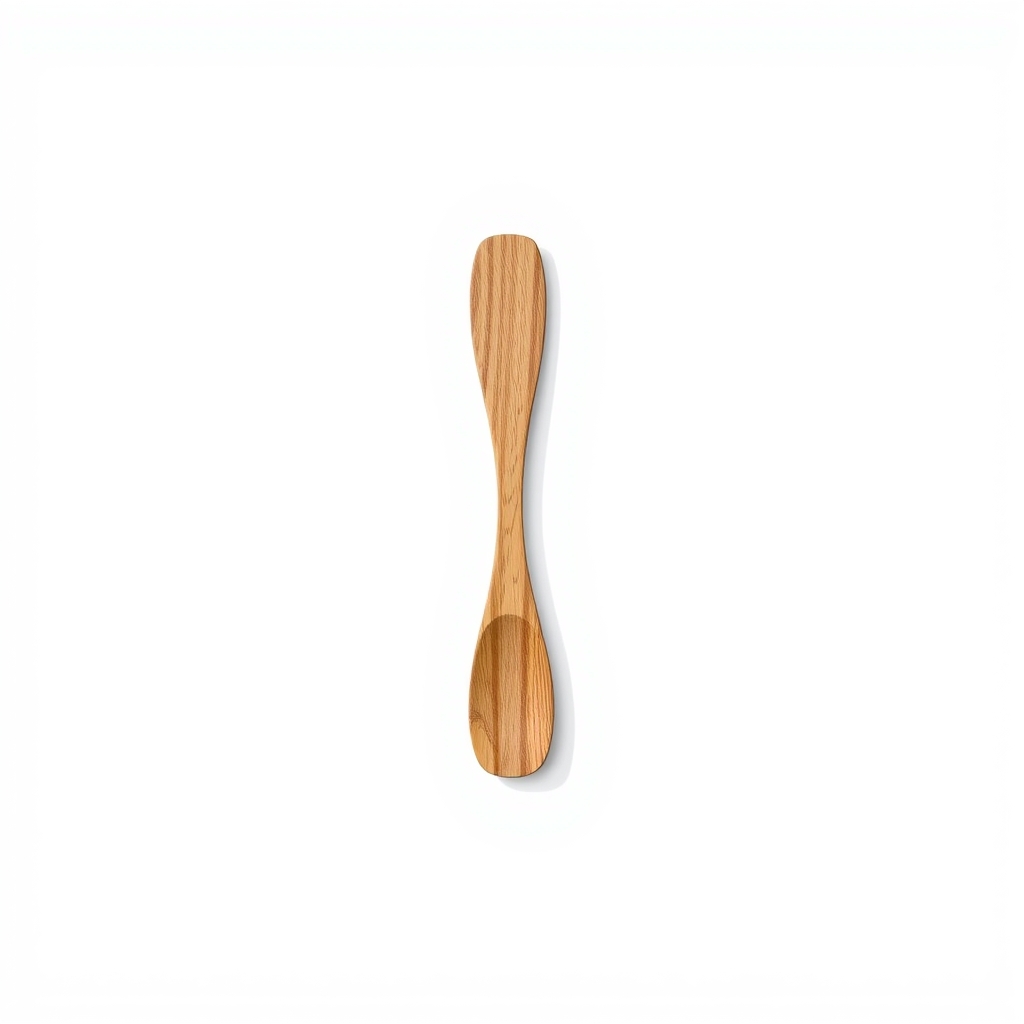
Wood or silicone spatula
Metal tools scratch the surface
Why it happens
A cooking-spray film
Aerosol sprays leave a tacky layer of oil that bakes on with every use. Dish soap does not lift it, so the pan feels slick one day and sticky the next.
High heat
Preheating an empty pan on high, or searing on high, breaks down the coating and bakes oil into a brown film. Most non-stick pans do best on low to medium heat.
Harsh washing
Dishwasher detergent and scouring pads wear the coating thin. A worn patch is where food starts to grab.
Scratches
Metal spatulas, forks and knives cut tiny grooves in the surface. Food grips the grooves and sticks.
Age
Even well-cared-for coatings wear out. Many pans lose their slickness after a few years of regular use.
Try this first (free)
Do these in order, starting with the simplest.
-
Wash it and look closely
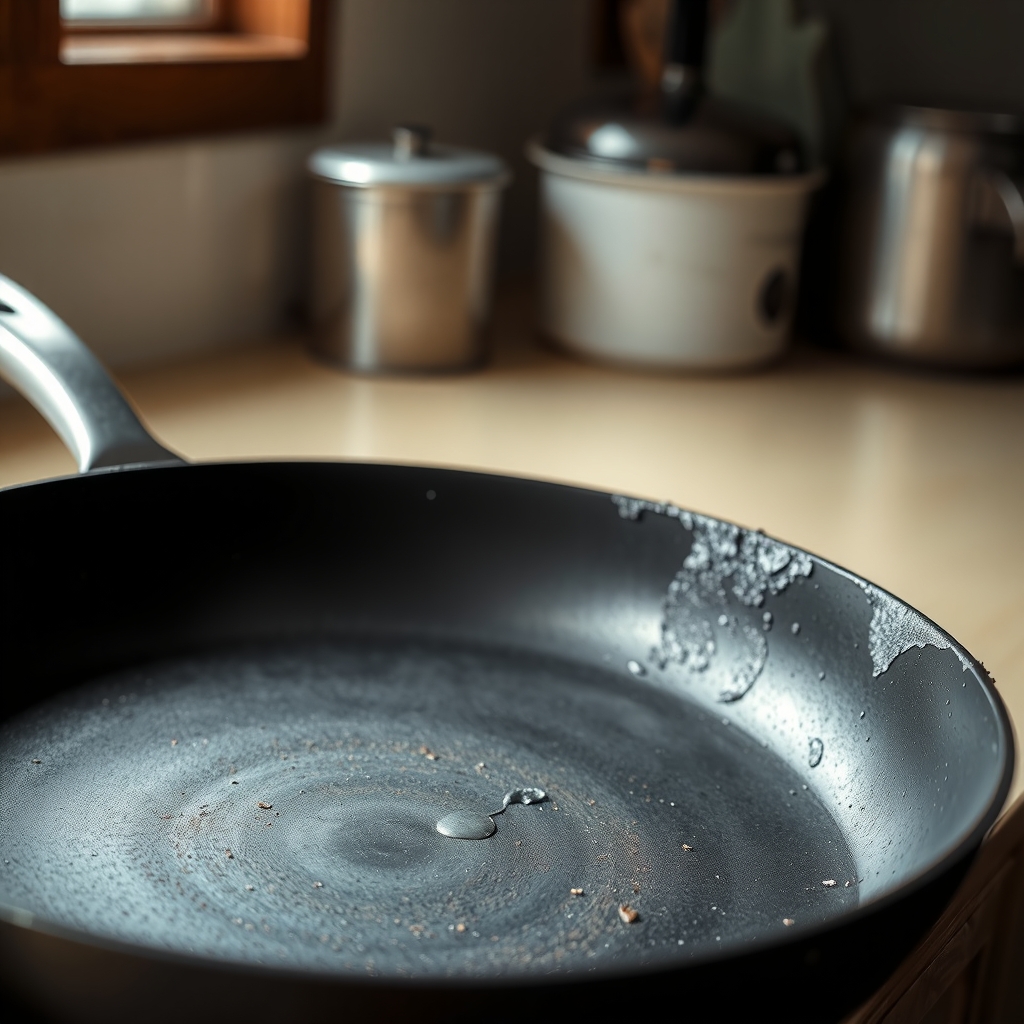
Tool used: Soft nylon spongeWash with warm water, dish soap and a soft sponge. Then check the surface: a brown or tacky ring points to film, while bare gray metal or flakes point to a worn coating.
-
Scrub with baking soda paste
Tool used: Baking sodaMix 2 tablespoons of baking soda with a little water. Rub it over the cooking surface in circles, especially near the edge. Let it sit for 10 minutes, then rinse.
-
Simmer off stubborn film
If it is still sticky, simmer 1 cup of water with 2 tablespoons of baking soda in the pan for 10 minutes. Let it cool, wash again and dry well.
-
Re-test with an egg
Tool used: An egg and a little butterHeat the dry pan on medium for a minute, add a teaspoon of butter or oil and fry an egg. If it slides, the coating is fine. If it still sticks, the coating is worn.
-
Change how you cook
Tool used: Wood or silicone spatulaUse a little butter or oil instead of aerosol spray, stay at low to medium heat and use wood or silicone tools. Wash by hand.
IllustrationCheck price on AmazonTool for this step
Wood or silicone spatula · Metal tools scratch the surface
-
Scrub the film off every few weeks
Tool used: Non-abrasive cookware cleaner powderA cleaner powder labeled safe for non-stick pans works like baking soda. Follow the pan maker's care guide.
IllustrationCheck price on AmazonTool for this step
Non-abrasive cookware cleaner powder · Check that the label says it is safe for non-stick pans
When free fixes aren't enough
If the egg still sticks after a deep clean, the coating is worn out and no cleaner can bring it back. Replace the pan if you see flaking, peeling or deep scratches that reach bare metal. Never heat an empty non-stick pan on high, because overheated coatings can give off fumes that are especially dangerous to pet birds. A cleaner powder only helps when the problem is film on top of an intact coating.
Buy the fix
Still stuck after the free fixes? These are the products we would look at.
Non-abrasive cookware cleaner powder
Fixes: the tacky film that dish soap does not lift
Look for: A label that says it is safe for non-stick cookware; A fine powder, not a gritty scouring cleanser; Rinses off clean with no leftover film.
- Who it's for
- Anyone who uses oil or spray often and wants a quick, gentle scrub that is ready to go.
- Honest downside
- Your pan's care guide says to use only soap and water, or you already have baking soda. Free works just as well for most pans.
As an Amazon Associate I earn from qualifying purchases. We don't show prices because they change, so use the button to see today's price.
How we picked: How we picked: this page is based on non-stick cookware care guides, pan makers' use and care instructions, and what owners report in reviews of cookware cleaners. We do not test products by hand.
Why does my non stick pan stick? Why does my non stick pan start sticking after a few months?
A new pan is smooth and slick. Each use adds a little baked-on oil and takes away a little coating. After a few months of spray, high heat and dishwasher cycles, those two effects meet and eggs begin to stick. Film is fixable. Wear is not. That is why the egg test after cleaning matters: it tells you which one you have.
What to skip
Aerosol spray, steel wool and the dishwasher
Aerosol spray is the top cause of the film, so skip it or use a pump bottle. Steel wool and scouring powders scratch the coating. Hand-washing keeps the coating longer, even on pans marked dishwasher-safe.
Frequently asked questions
Why is my non stick pan suddenly sticking?
Why is my non stick pan sticky after washing?
Why is my non stick pan not non stick anymore?
Non stick pan keeps sticking even after a deep clean. What now?
How to stop non stick pans from sticking?
Related problems
 Free fix inside
Kitchen · Non Stick Pan
Non Stick Pan Peeling? Don't Patch It: Safer Pans to Buy Instead
Read the fix Free fix inside
Kitchen · Non Stick Pan
How to Avoid Scratching a Non Stick Pan: Utensils and Pan Protectors
Read the fix Free fix inside
Kitchen · Cast Iron Pan
Cast Iron Pan Keeps Sticking? Preheat Rules and a Better Spatula
Read the fix Free fix inside
Kitchen · Cast Iron Pan
Cast Iron Sticky After Seasoning? Too Much Oil: Strip and Redo It
Read the fixAs an Amazon Associate I earn from qualifying purchases. Affiliate disclosure