Cast Iron Sticky After Seasoning? Too Much Oil: Strip and Redo It
A tacky finish means the oil layer was too thick or not baked hot enough. Re-bake it first; if it stays gummy, strip it and season in thin coats.
By Jamilur Rahman Updated November 5, 2026 · 6 min read
- Time
- 1-2 hours, mostly oven time
- Cost
- Under $20
- Difficulty
- Easy
In this guide
Quick answer
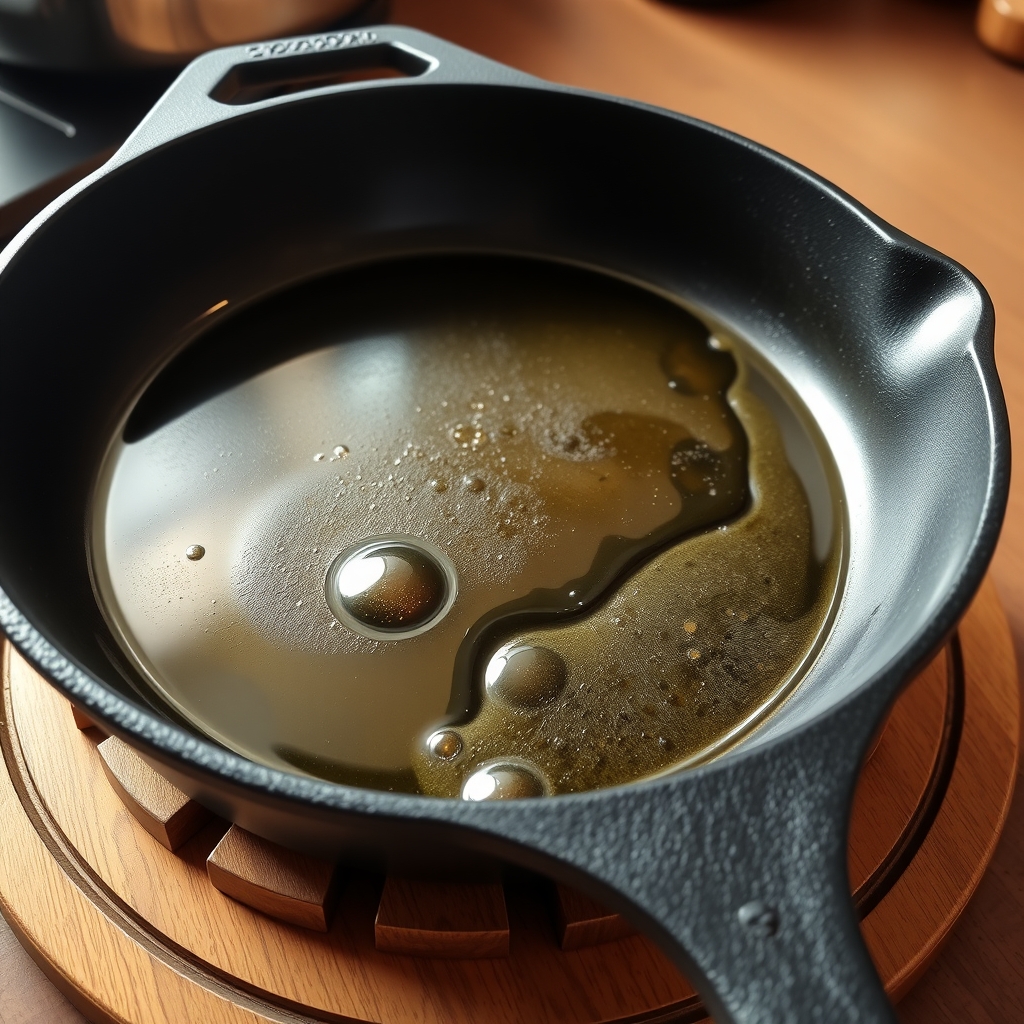
Why is my cast iron pan sticky after seasoning? You almost certainly used too much oil, or the oven was not hot enough to bake it hard. Re-bake the pan upside down at 450°F for an hour. If it is still gummy, scrub it back and redo it with thin coats. A seasoning oil made for cast iron helps you get a thin, even coat, though ordinary cooking oil works too.
Free fix vs. permanent fix
Re-bake it, or strip and redo
- Slightly tacky: bake again at 450°F for an hour
- Gummy or wet-looking: scrub it back and re-season
- Wipe on oil, then wipe it off until the pan looks dry
- Bake upside down on the middle rack
How long it lasts: For good, if the new layer is thin and fully baked. Stickiness only returns if you put on thick coats again.
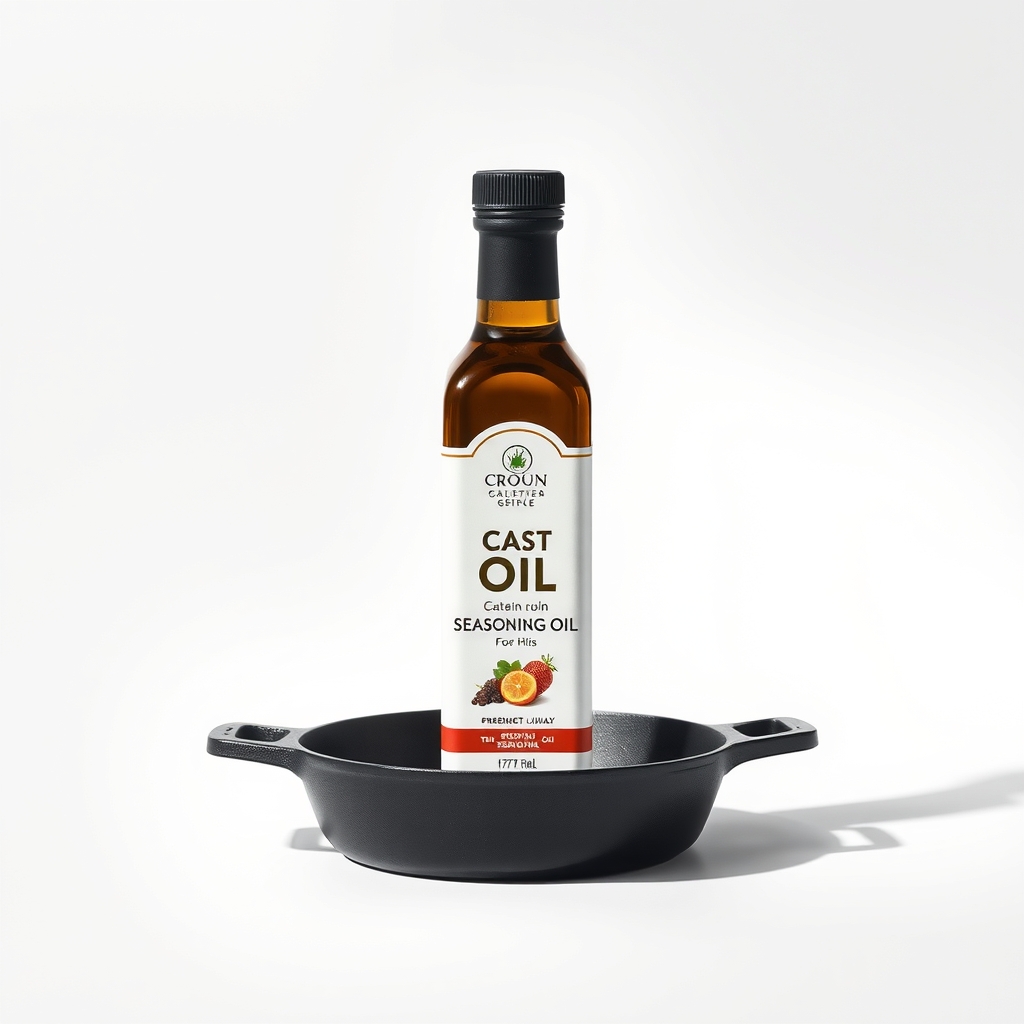
A seasoning oil made for cast iron
Sticky seasoning is a thickness problem. A cast iron seasoning oil or balm spreads thin and is made to bake hard, which makes the wipe-it-all-off step easier. Plain vegetable oil works too, so this is a convenience, not a must.
What to get: Cast iron seasoning oil
How long it lasts: For every future coat. A thin, even layer is the habit that prevents stickiness, and a dedicated oil makes it easier.
As an Amazon Associate I earn from qualifying purchases.
What you'll need
-
Stiff brush or scrubber
For scrubbing back a gummy layer
You have it -
Lint-free cloth or paper towels
For wiping oil on and then off
You have it -
Aluminum foil
On a lower rack to catch drips
You have it - Our pick Illustration
Cast iron seasoning oil
Spreads thin and bakes hard
- Illustration
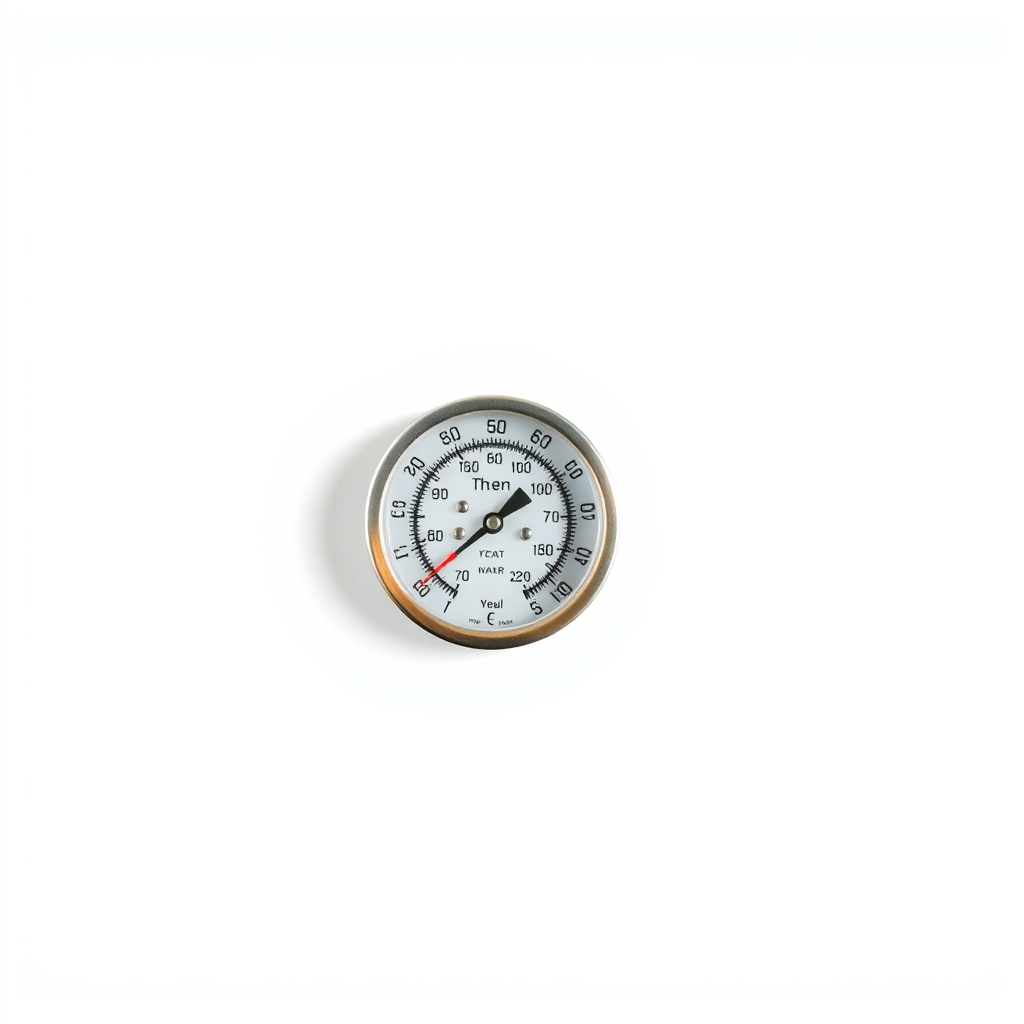
Oven thermometer
Many ovens run cooler than the dial says
Why it happens
Too much oil
Seasoning is oil baked into a hard, thin layer. A thick coat does not harden all the way and stays tacky or gummy instead.
An oven that is too cool or a bake that is too short
The oil only bonds when the oven is hotter than the oil's smoke point. Many ovens run cooler than the dial reads, so the layer never fully cures.
Oil pooling in corners
Oil that collects around the handle and at the rim bakes into thick sticky spots. Pans baked right side up are the usual victims.
Leftover cooking oil
If the pan turns sticky after cooking rather than after seasoning, fat that was never wiped off has gone tacky. A wash and a thin wipe fix it.
Try this first (free)
Do these in order, starting with the simplest.
-
Test where the stickiness is
Tool used: Lint-free cloth or paper towelsRub a clean paper towel over the cool surface. A slight tack that does not come off means a thin, under-baked layer. Greasy or gummy transfer means too much oil.
-
Re-bake if it is only tacky
Tool used: Aluminum foilPut foil on a lower rack, set the pan upside down on the middle rack and bake at 450°F for 1 hour. Turn the oven off and let the pan cool inside.
-
Scrub it back if it is gummy
Tool used: Stiff brush or scrubberWash with hot water and a stiff brush, adding a little soap if needed. Scrub until the surface feels smooth and dry, then dry the pan on a burner for a minute.
-
Apply the thinnest coat you can
Tool used: Cast iron seasoning oilUse about a teaspoon of oil. Rub it over the whole pan, inside and out, then wipe it off with a clean cloth as if you made a mistake. It should look dry, not wet.
IllustrationCheck price on AmazonTool for this step
Cast iron seasoning oil · Spreads thin and bakes hard
-
Bake upside down and repeat
Tool used: Oven thermometerBake at 450°F for an hour, cool in the oven and repeat 2 or 3 times. If the finish stays tacky, check your oven with a thermometer.
IllustrationCheck price on AmazonTool for this step
Oven thermometer · Many ovens run cooler than the dial says
When free fixes aren't enough
If the pan stays sticky after two strip-and-reseason rounds, check your oven temperature with a thermometer, since a cool oven never cures the oil. Use even less oil. A pan with flaking, chipped or rusty patches needs a full strip down to bare metal. Seasoning in an oven makes smoke, so open a window and run the vent, and turn the oven off if smoke fills the room. A seasoning oil makes the thin-coat step easier, but the real fix is less oil and enough heat.
Buy the fix
Still stuck after the free fixes? These are the products we would look at.
Cast iron seasoning oil
Fixes: thick coats that stay sticky
Look for: Made to bake on, with a stated smoke point or bake temperature; Spreads thin: a liquid oil or a soft balm; Food-safe, with a clear ingredient list.
- Who it's for
- Anyone re-seasoning a pan who wants an easy, even coat.
- Honest downside
- You already have a thin cooking oil at home. Use that, applied very lightly.
As an Amazon Associate I earn from qualifying purchases. We don't show prices because they change, so use the button to see today's price.
How we picked: How we picked: this page is based on cast iron care guides from cookware makers, oil smoke-point references, and the seasoning problems and fixes people report in reviews. We do not test products by hand.
How to fix cast iron pan sticky after seasoning: re-bake or strip?
- Re-bake: the pan is only tacky and nothing gummy comes off on a towel.
- Strip and redo: the surface is gummy or wet-looking, or sticky in the corners. Scrub it back to smooth metal, then season in 2 or 3 thin coats.
- Full strip: there is flaking or rust. Scrub to bare metal, dry it and start fresh.
What to skip
Thick coats and the flaxseed hype
More oil does not make better seasoning. Thick coats are the main reason pans turn sticky. Some owners report that flaxseed seasoning flakes off, so a plain high-smoke-point oil is a safer bet.
Frequently asked questions
Why does my cast iron pan feel sticky?
Why is my cast iron pan sticky when I have only been cooking with it?
Cast iron pan too sticky to cook in. Is it safe to use?
Which oil is best for seasoning cast iron?
Related problems
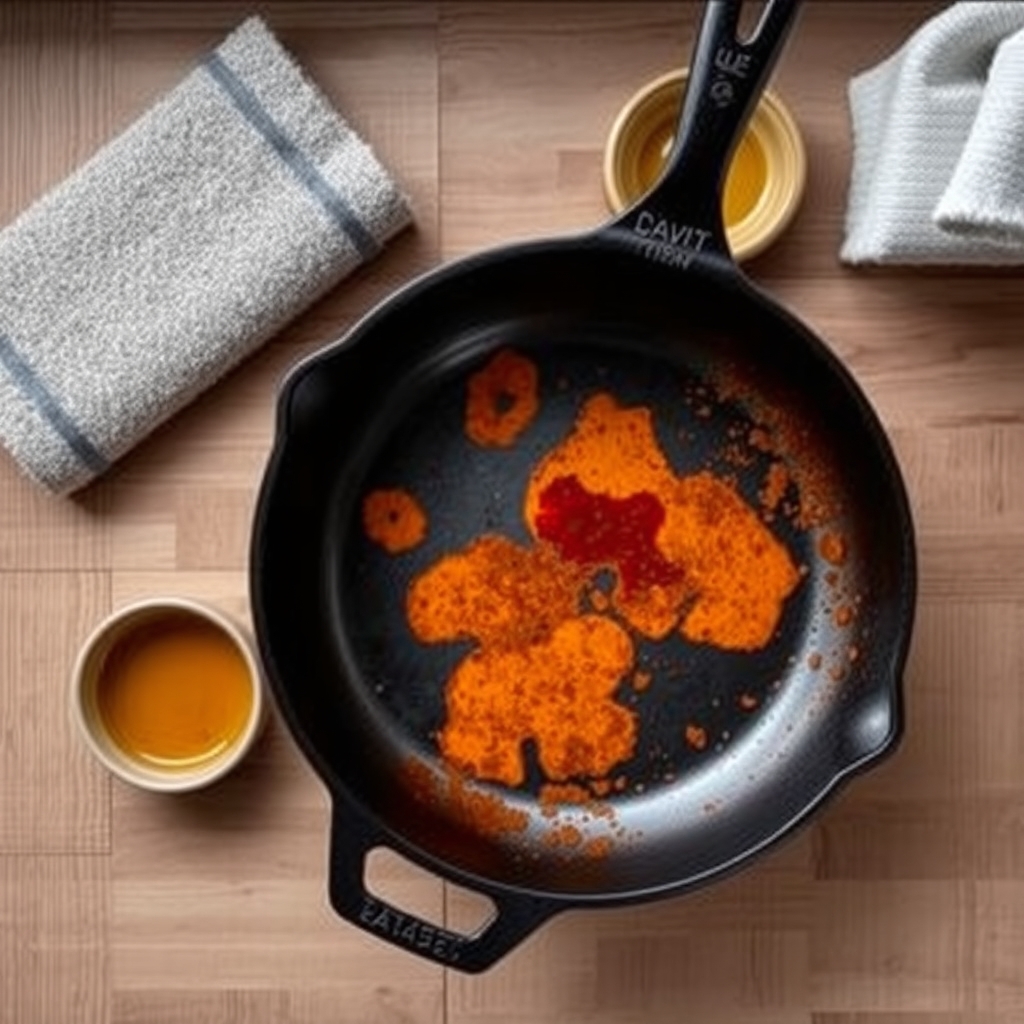 Free fix inside
Kitchen · Cast Iron Pan
Cast Iron Pan Rusting? Restore It in 3 Steps and Keep It Rust-Free
Read the fix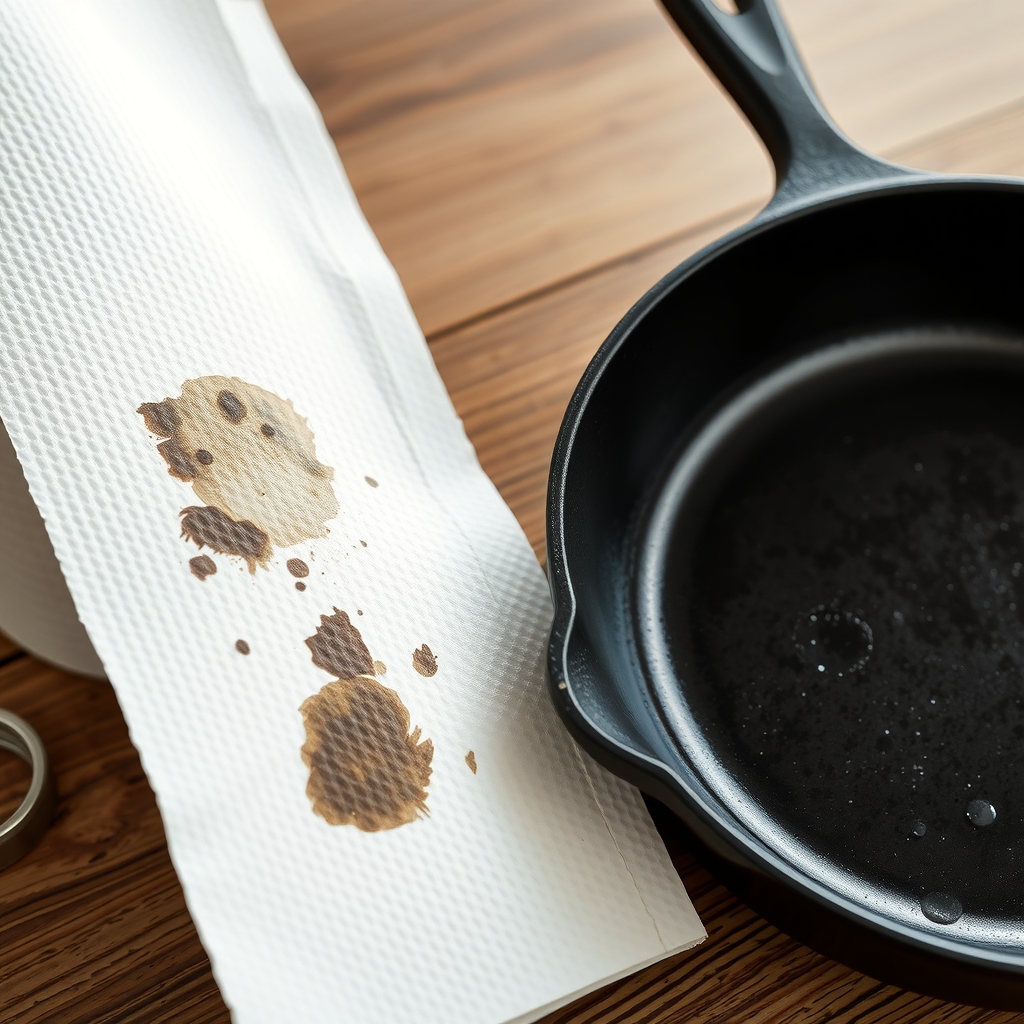 Free fix inside
Kitchen · Cast Iron Pan
Cast Iron Pan Black When Wiped? Seasoning or Flaking: How to Tell
Read the fix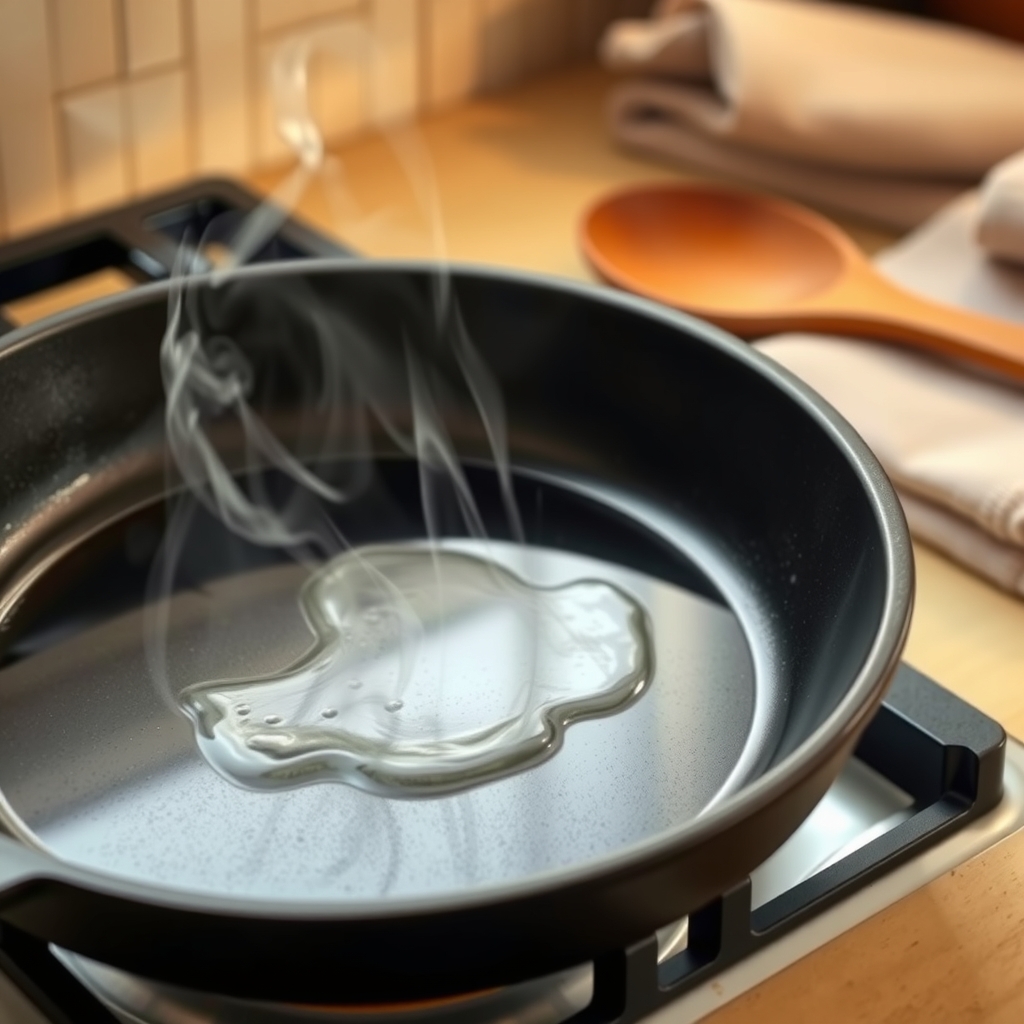 Free fix inside
Kitchen · Cast Iron Pan
Cast Iron Pan Smoking So Much? The Oil and Heat Mistakes Behind It
Read the fix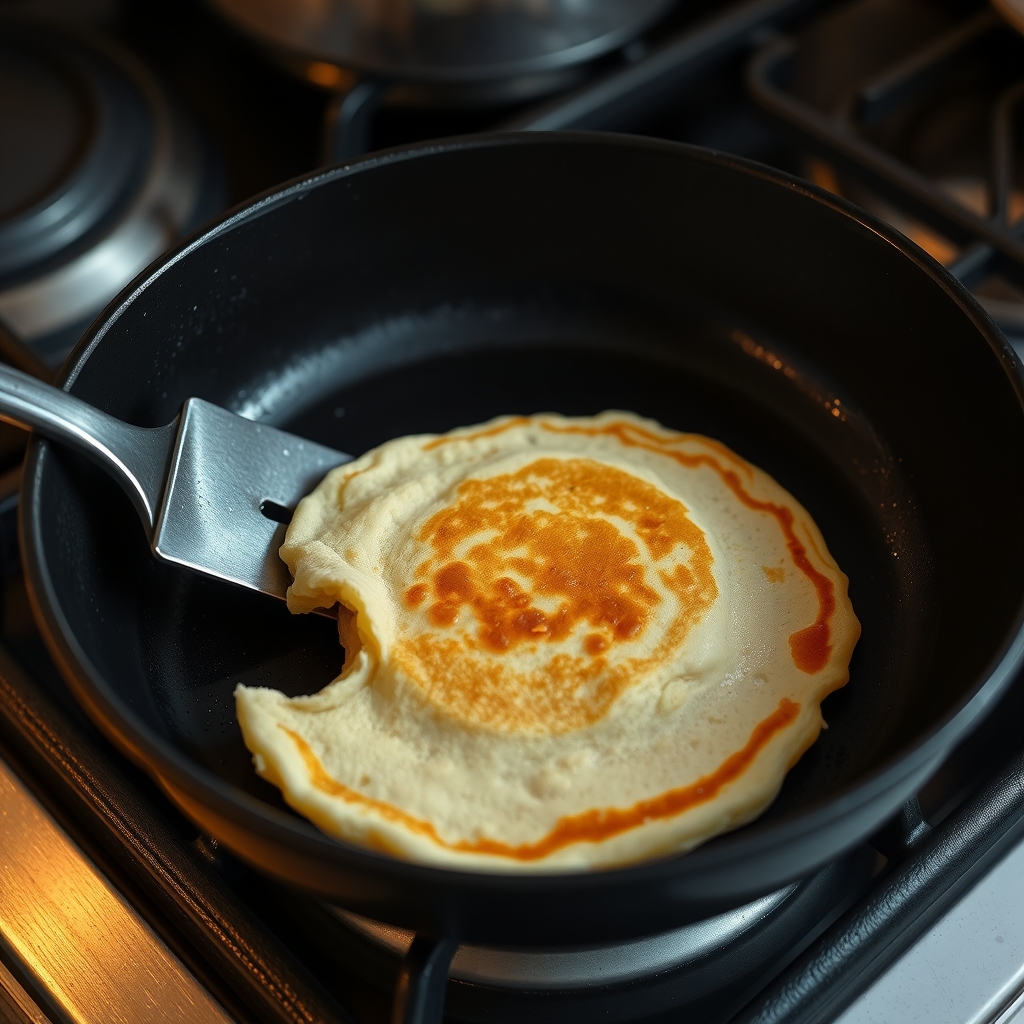 Free fix inside
Kitchen · Cast Iron Pan
Cast Iron Pan Keeps Sticking? Preheat Rules and a Better Spatula
Read the fixAs an Amazon Associate I earn from qualifying purchases. Affiliate disclosure