Cast Iron Pan Rusting? Restore It in 3 Steps and Keep It Rust-Free
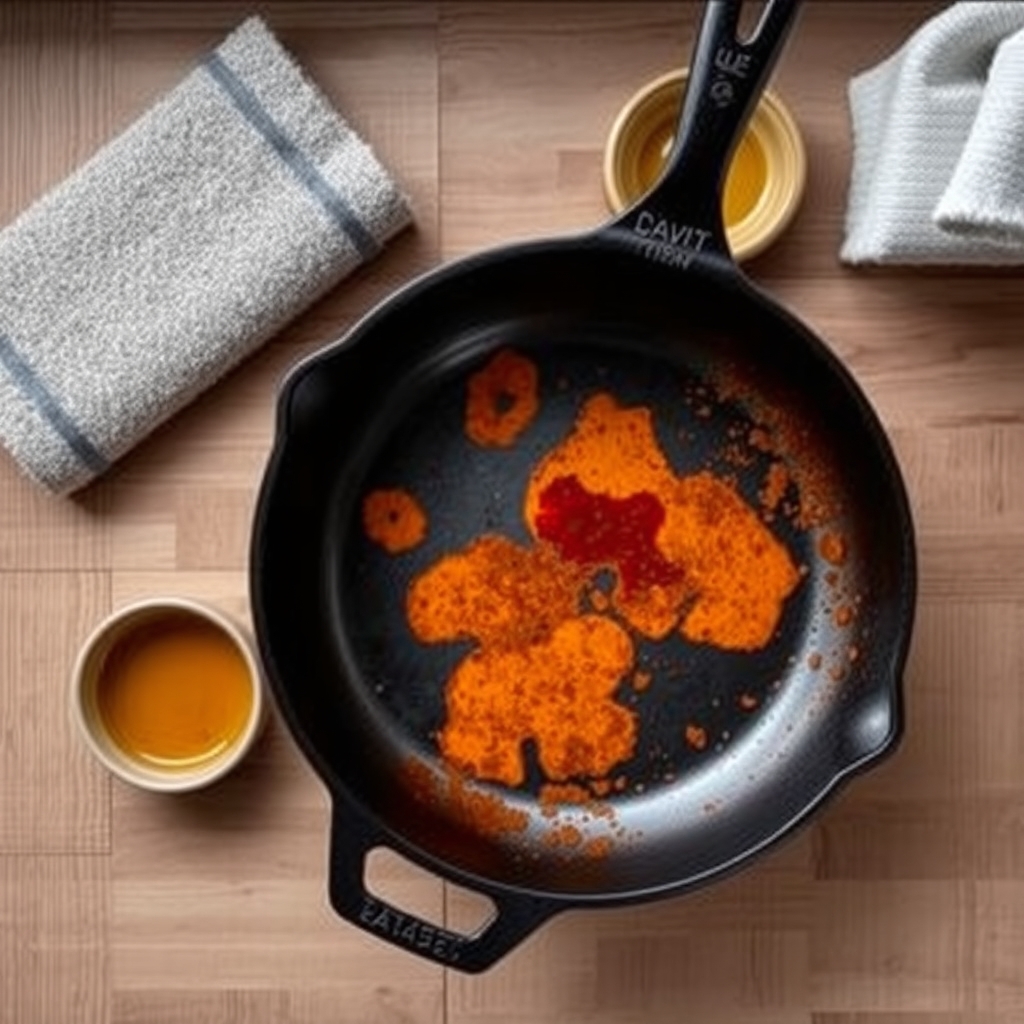
Rust means the seasoning wore thin or the pan stayed damp. Scrub it off, season it again and dry it right, and the pan is as good as new.
By Jamilur Rahman Updated November 5, 2026 · 6 min read
- Time
- 1 hr 30 min
- Cost
- Under $20
- Difficulty
- Easy
In this guide
Quick answer
Why does a cast iron pan rust? Its seasoning wore thin and the bare iron met water or damp air. Scrub the rust off with steel wool, wash and dry the pan fully, then bake on a thin coat of oil. That is three steps and costs almost nothing. A chainmail scrubber and a seasoning oil made for cast iron make the routine easier to repeat.
Free fix vs. permanent fix
Steel wool, a dry-out and a coat of oil
- Scrub off the rust with steel wool and warm water
- Dry it right away, then on the stove
- Bake on a very thin coat of oil
- Store it dry and uncovered
How long it lasts: Months or years, if you dry the pan on the stove after every wash and oil it lightly.
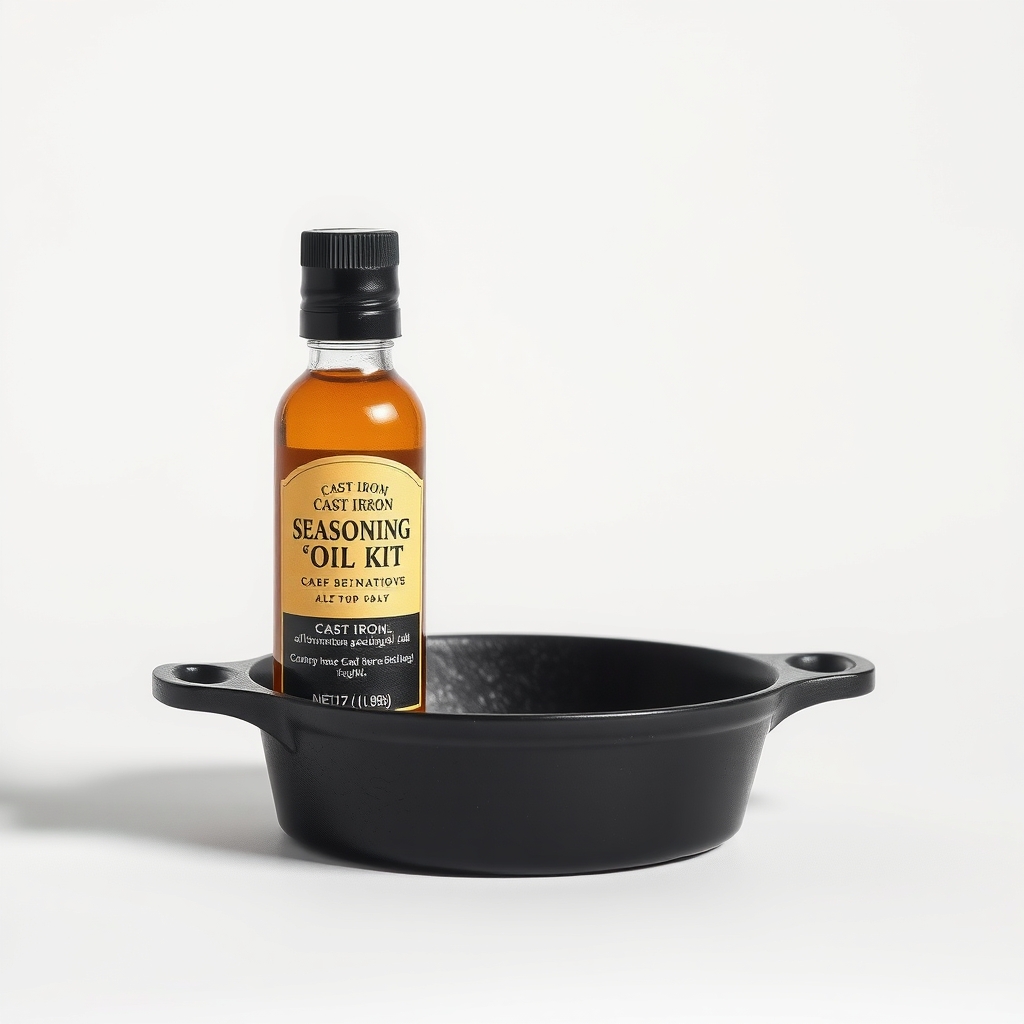
A cast iron care kit with a scrubber and seasoning oil
Steel wool and kitchen oil do the restore for free. A kit swaps in a chainmail scrubber that clears stuck food without stripping seasoning, plus an oil made for the job, so the daily upkeep that prevents rust is quick.
What to get: Cast iron seasoning oil or care kit
How long it lasts: Years. The tools make the dry-and-oil habit take seconds.
As an Amazon Associate I earn from qualifying purchases.
What you'll need
-
Steel wool or a scouring pad
To scrub off the rust
You have it -
Cooking oil
Vegetable, canola or grapeseed oil works for seasoning
You have it -
Lint-free cloth or paper towels
For drying and for wiping on oil
You have it - Illustration
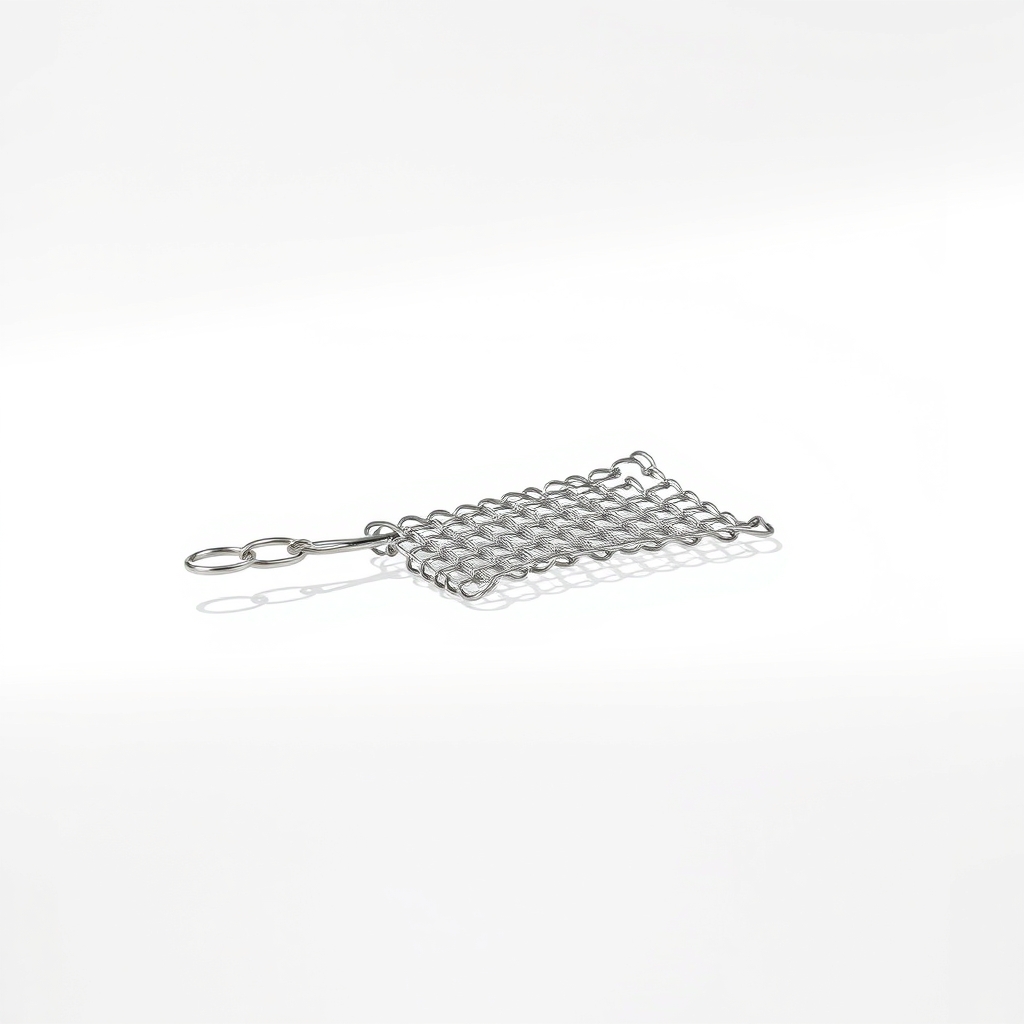
Chainmail scrubber
Clears stuck food without wearing away seasoning
- Our pick Illustration
Cast iron seasoning oil or conditioner
Made for cast iron and easy to wipe on in a thin coat
Why it happens
Air-drying or soaking the pan
Bare iron rusts within hours when it stays wet. Leaving a pan to air-dry in the rack, or soaking it in the sink, is the most common cause.
Seasoning that has worn thin
Seasoning is a layer of baked-on oil that blocks water. Scrubbing hard, long simmers of acidic food like tomato sauce and the dishwasher all strip it, leaving iron exposed.
Storing it damp or covered
A pan put away with a lid on, or in a humid cabinet, collects moisture. A thin patch of rust can show up in a week.
Pan left unused
A pan that sits for months in a damp kitchen or garage can rust even when it was clean. A light oil film is the shield.
Try this first (free)
Do these in order, starting with the simplest.
-
Scrub off all the rust
Tool used: Steel wool or a scouring padRub the rusty areas with steel wool and warm water until you reach bare, dull grey iron. It is fine to use a little dish soap. Rinse the pan.
-
Dry it completely, then heat it
Tool used: Lint-free cloth or paper towelsWipe the pan with a towel. Put it on a burner over low heat for 2 to 3 minutes until every drop of water is gone.
-
Wipe on a very thin coat of oil
Tool used: Cast iron seasoning oil or conditionerPut a few drops of oil on a cloth, rub it over the whole pan, inside and out and on the handle, then wipe it off as if you were removing it. Too much oil bakes into a sticky film.
IllustrationCheck price on AmazonTool for this step
Cast iron seasoning oil or conditioner · Made for cast iron and easy to wipe on in a thin coat
-
Bake it upside down
Set the oven to 450°F. Put foil on the rack below to catch drips. Bake the pan upside down for 1 hour, then turn the oven off and let it cool inside. Some makers suggest 350 to 400°F, so check your pan's care guide.
-
Clean it gently from now on
Tool used: Chainmail scrubberWash with a soft brush or a chainmail scrubber, dry on the stove, and wipe on a drop of oil. Cook fatty foods in it for the first few weeks to build seasoning.
IllustrationCheck price on AmazonTool for this step
Chainmail scrubber · Clears stuck food without wearing away seasoning
When free fixes aren't enough
The free method works on surface rust. If the pan keeps rusting right after you season it, the oil layer is too thin or the pan is not fully dry when it goes away. Switch to a scrubber that does not strip it and an oil made for cast iron, and add the on-stove dry-out. Deep pitting, flaking that will not scrub off or a crack that runs through the pan is not a restore job. Replace the pan. Rust that is deep enough to roughen the surface will hold food and bacteria in the pits.
Buy the fix
Still stuck after the free fixes? These are the products we would look at.
| Pick | Product | Fixes | Who it's for | Buy |
|---|---|---|---|---|
| Best pick | Cast iron seasoning oil or care kit | rust returning because the oil coat is uneven or skipped | Anyone who just restored a pan and wants an easy upkeep routine. | Check price |
| Budget pick | Stainless chainmail scrubber for cast iron | stuck-on food that tempts you to soak or scrub the seasoning off | People who wash the pan hard because food keeps sticking. | Check price |
Cast iron seasoning oil or care kit
Fixes: rust returning because the oil coat is uneven or skipped
Look for: An oil or wax made for cast iron seasoning; A scrubber included or a care kit with one; Food-safe ingredients listed on the label.
- Who it's for
- Anyone who just restored a pan and wants an easy upkeep routine.
- Honest downside
- You already own a bottle of cooking oil and are happy with it. A kit adds convenience, not a better seasoning.
Stainless chainmail scrubber for cast iron
Fixes: stuck-on food that tempts you to soak or scrub the seasoning off
Look for: Stainless steel rings; A size that fits your hand; Rinses clean and dries fast.
- Who it's for
- People who wash the pan hard because food keeps sticking.
- Honest downside
- Your pan is enameled. A metal scrubber can chip the coating.
As an Amazon Associate I earn from qualifying purchases. We don't show prices because they change, so use the button to see today's price.
How we picked: How we picked: this page is based on cast iron care guides from pan makers, food-safety guidance on seasoning oils and what owners report about scrubbers and oils in reviews. We do not test products by hand.
Which oil to use for seasoning
Pick a plain, neutral oil such as vegetable, canola or grapeseed. Flaxseed oil makes a hard finish but can flake if the coat is too thick. Olive oil and butter smoke at low temperatures and can turn sticky. Whatever you pick, wipe it on thin, then wipe it off.
Smoke is normal, flames are not
The pan will smoke while baking. Open a window and turn on the vent fan. If oil drips onto the oven floor and smokes heavily, lay foil on the rack below. Never leave the oven unattended during the first few minutes.
What to skip
Soaking, the dishwasher and acidic simmers
Soaking a cast iron pan or running it through the dishwasher invites rust within hours. Long simmers of tomato sauce or wine can strip the seasoning too. Brief acidic cooking is fine in a well-seasoned pan, but wash it right away.
Frequently asked questions
Why does my cast iron pan keep rusting?
Why does my cast iron pan look rusty even though I season it?
Is it safe to cook on a rusty cast iron pan?
How do I restore a rusty cast iron pan and stop it rusting again?
Related problems
 Free fix inside
Kitchen · Cast Iron Pan
Cast Iron Sticky After Seasoning? Too Much Oil: Strip and Redo It
Read the fix Free fix inside
Kitchen · Cast Iron Pan
Cast Iron Pan Black When Wiped? Seasoning or Flaking: How to Tell
Read the fix Free fix inside
Kitchen · Cast Iron Pan
Cast Iron Pan Smoking So Much? The Oil and Heat Mistakes Behind It
Read the fix Free fix inside
Kitchen · Cast Iron Pan
Cast Iron Pan Keeps Sticking? Preheat Rules and a Better Spatula
Read the fixAs an Amazon Associate I earn from qualifying purchases. Affiliate disclosure