Cast Iron Pan Black When Wiped? Seasoning or Flaking: How to Tell
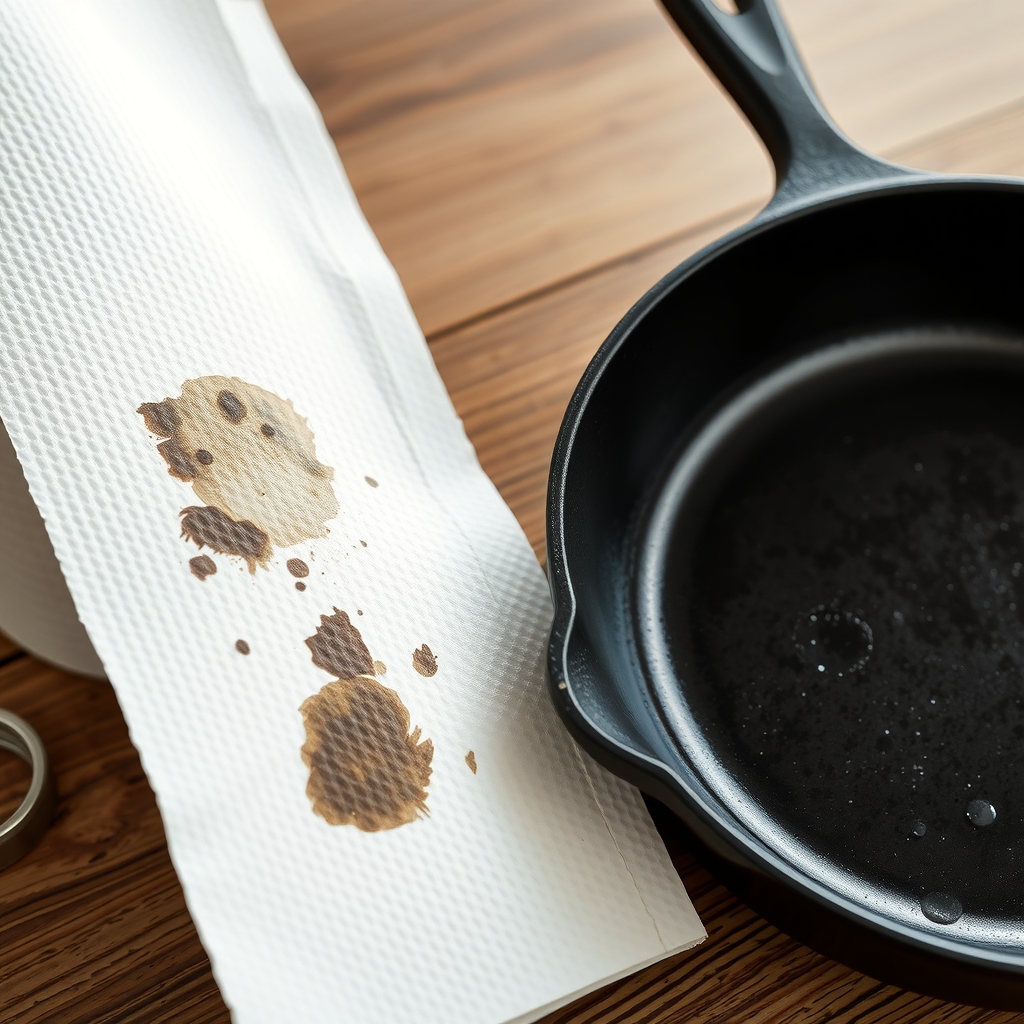
Black on the towel is usually loose carbon, not rust or poison. Scrub it off, then tell worn-in seasoning from flaking so you know whether to re-season.
By Jamilur Rahman Updated November 5, 2026 · 6 min read
- Time
- 20 min
- Cost
- Under $20
- Difficulty
- Easy
In this guide
Quick answer
Why is my cast iron pan black when I wipe it? The black is usually loose carbon and bits of seasoning, which are harmless but show the surface needs a good scrub. Scrub the pan with hot water and a chainmail scrubber or coarse salt, dry it on the burner and wipe on a very thin layer of oil. A stainless chainmail scrubber makes this quick, but salt and a brush work too.
Free fix vs. permanent fix
Scrub, dry and oil lightly
- Wipe with a damp paper towel to see what comes off
- Scrub with hot water and coarse salt or a chainmail scrubber
- Dry on a burner for a minute
- Rub in a thin film of oil and wipe it off
How long it lasts: Black residue comes back slowly if you keep using too much oil or too much heat. Scrub every few uses.
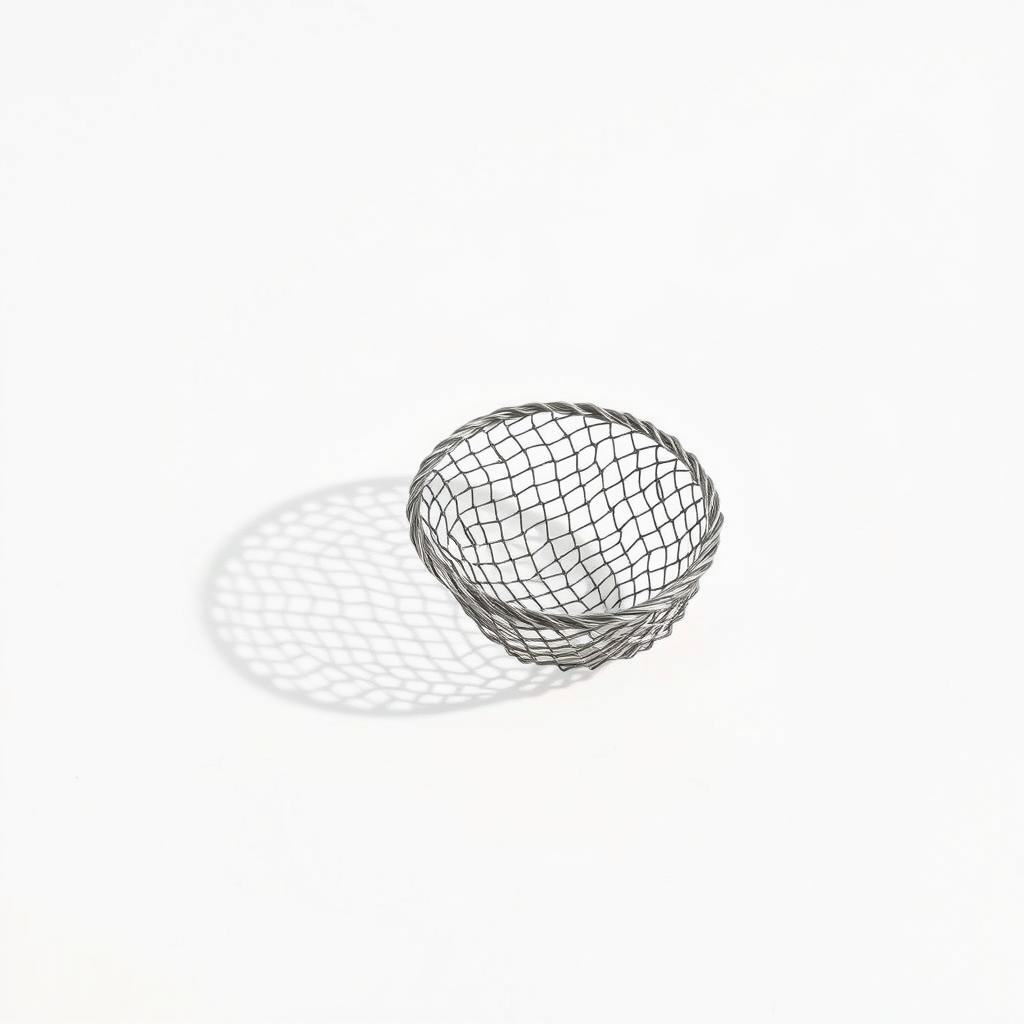
A stainless chainmail cast iron scrubber
Black residue is loose buildup sitting on top of the seasoning. Owners report that a chainmail scrubber breaks it up without removing seasoning that is well bonded. Coarse salt and a stiff brush do a similar job, so this is a convenience more than a must.
What to get: Stainless chainmail cast iron scrubber
How long it lasts: Years. It is stainless steel, so it does not wear out like a sponge, and it rinses clean.
As an Amazon Associate I earn from qualifying purchases.
What you'll need
-
Paper towels
For the wipe test and for drying
You have it -
Coarse salt
A gentle abrasive for stuck-on bits
You have it -
Cooking oil
Any thin oil, used very lightly
You have it - Our pick Illustration
Stainless chainmail scrubber
Lifts loose carbon without gouging the pan
- Illustration
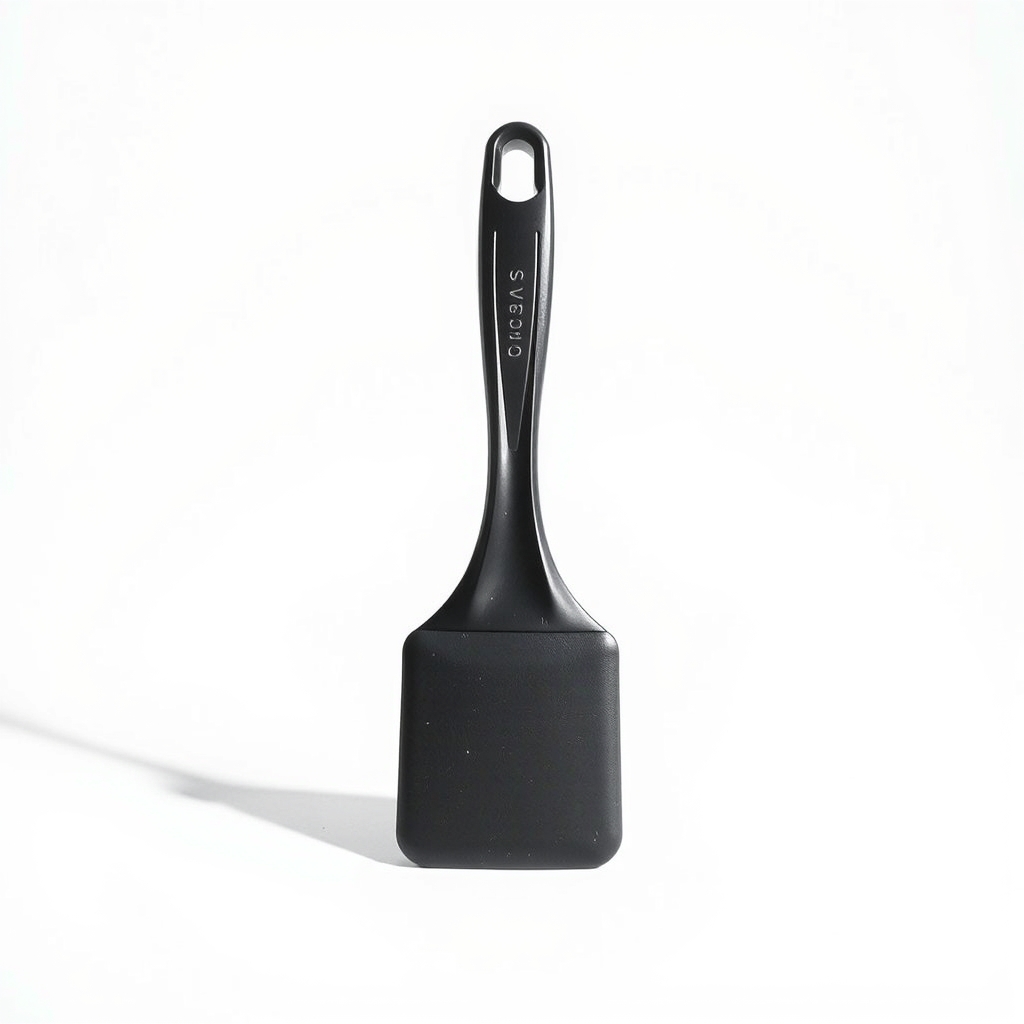
Polycarbonate pan scraper
For crusty bits that will not scrub off
Why it happens
Loose carbon
Cooking at high heat or with a lot of oil turns fat into soot-like carbon. It sits on top of the seasoning and comes off black on a cloth.
A thick, uneven seasoning layer
A layer built up too thickly can wear away in some spots and shed fine black flakes.
Seasoning that is still settling
A new or freshly re-seasoned pan can shed a little black dust at first as the layer beds in.
Food and oil left between uses
Fat and food left on the pan darken and rub off the next time you wipe it.
Try this first (free)
Do these in order, starting with the simplest.
-
Do the wipe test
Tool used: Paper towelsWipe the cool pan with a damp paper towel. Fine black smudges mean loose carbon. Rough chips, gray patches or an orange tint mean flaking or rust.
-
Scrub with hot water
Tool used: Stainless chainmail scrubberRinse with hot water and scrub in circles with a chainmail scrubber. Use a drop of dish soap if the pan is greasy. Soap is fine on seasoned cast iron.
IllustrationCheck price on AmazonTool for this step
Stainless chainmail scrubber · Lifts loose carbon without gouging the pan
-
Use salt on stubborn spots
Tool used: Coarse saltPour a tablespoon of coarse salt into the pan and rub it with a paper towel. The salt lifts burnt bits without scratching.
-
Dry it on the burner
Heat on low for a minute or two until all the water is gone. Rust starts in damp pans.
-
Add a very thin coat of oil
Tool used: Cooking oilRub in about half a teaspoon of oil, then wipe it off with a clean towel until the surface looks dry. Heat the pan for a few minutes to set it.
-
Repeat the wipe test
Wipe again with a damp towel. Little or no black means the surface is stable. If black keeps coming off after two scrubs, the layer is too thick and needs re-seasoning.
When free fixes aren't enough
If chips, rough patches or bare gray metal show up, the seasoning is flaking and the pan needs a re-season. Scrub off the loose layer, dry the pan, then bake on two or three thin coats of oil. Orange rust needs a firm scrub and a fresh seasoning. A pan that keeps shedding black after two scrubs is carrying a thick layer that should be stripped. A chainmail scrubber makes each job faster, but it does not replace re-seasoning when the surface is worn.
Buy the fix
Still stuck after the free fixes? These are the products we would look at.
| Pick | Product | Fixes | Who it's for | Buy |
|---|---|---|---|---|
| Best pick | Stainless chainmail cast iron scrubber | loose carbon and stuck-on bits that make the pan wipe black | Anyone who cooks in cast iron weekly and wants a quick, reusable scrub. | Check price |
| Budget pick | Polycarbonate pan scraper | crusty burnt bits that a cloth will not lift | Anyone who wants a cheap tool for stuck-on food, not for the whole pan. | Check price |
Stainless chainmail cast iron scrubber
Fixes: loose carbon and stuck-on bits that make the pan wipe black
Look for: Fine stainless links that do not rust; Big enough to hold and rinse easily; Works on both round skillets and flat griddles.
- Who it's for
- Anyone who cooks in cast iron weekly and wants a quick, reusable scrub.
- Honest downside
- You have a pan with a smooth, polished interior or an enamel coating. A chainmail scrubber can scratch those.
Polycarbonate pan scraper
Fixes: crusty burnt bits that a cloth will not lift
Look for: A firm, flat edge that matches a pan's curve; Plastic that will not scratch the surface; Comfortable to hold when you press.
- Who it's for
- Anyone who wants a cheap tool for stuck-on food, not for the whole pan.
- Honest downside
- The residue is a fine black film. That needs a scrub, not a scraper.
As an Amazon Associate I earn from qualifying purchases. We don't show prices because they change, so use the button to see today's price.
How we picked: How we picked: this page is based on cast iron care guides from cookware makers, general seasoning and rust guidance, and what owners report in reviews of chainmail scrubbers. We do not test products by hand.
Seasoning, carbon, flaking or rust: how to tell
- Loose carbon: fine black smudges on a damp towel, with a smooth pan underneath. Scrub and re-oil.
- Stable seasoning: a hard, smooth, dark surface that barely marks a towel.
- Flaking: chips, rough patches and gray metal showing through. Scrub it back and re-season.
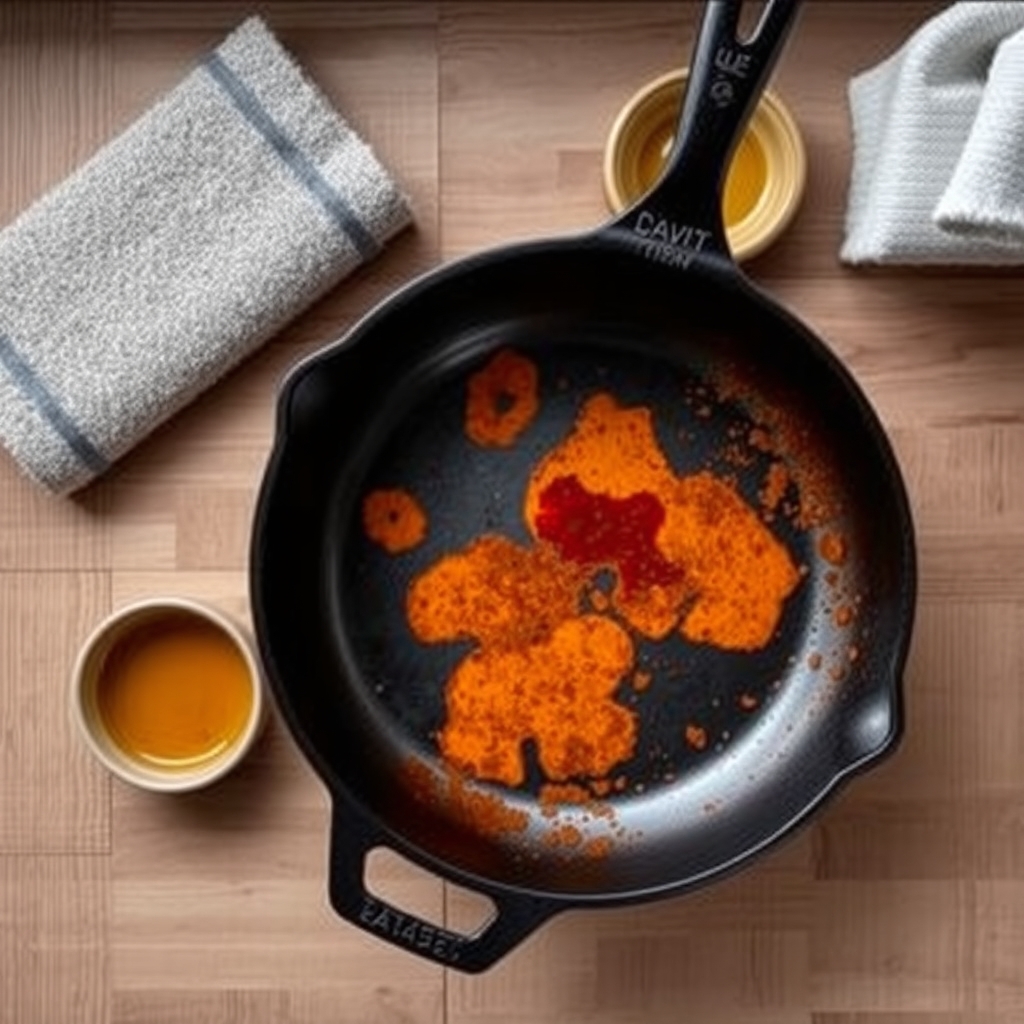
- Rust: orange or brown, gritty spots. Scrub them off and season the pan again.
What to skip
Soaking and steel wool
Do not soak cast iron or leave it in the sink; that is what starts rust. Skip steel wool unless you mean to strip the pan, since it takes off good seasoning along with the gunk.
Frequently asked questions
Why is my cast iron pan leaving black residue on my food?
Cast iron pan keeps wiping black. Am I ruining it?
Is the black stuff on my cast iron rust?
Can I use soap and a metal scrubber on cast iron?
Related problems
 Free fix inside
Kitchen · Cast Iron Pan
Cast Iron Pan Rusting? Restore It in 3 Steps and Keep It Rust-Free
Read the fix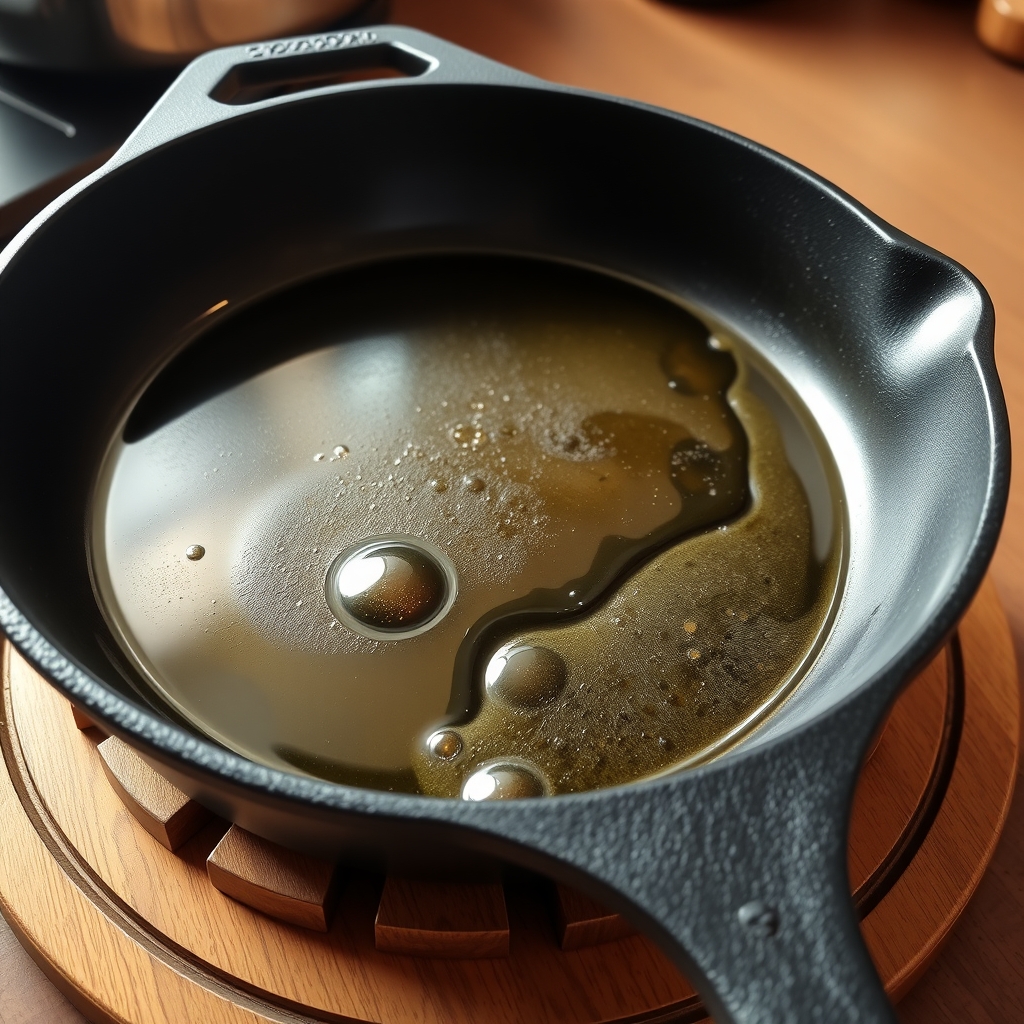 Free fix inside
Kitchen · Cast Iron Pan
Cast Iron Sticky After Seasoning? Too Much Oil: Strip and Redo It
Read the fix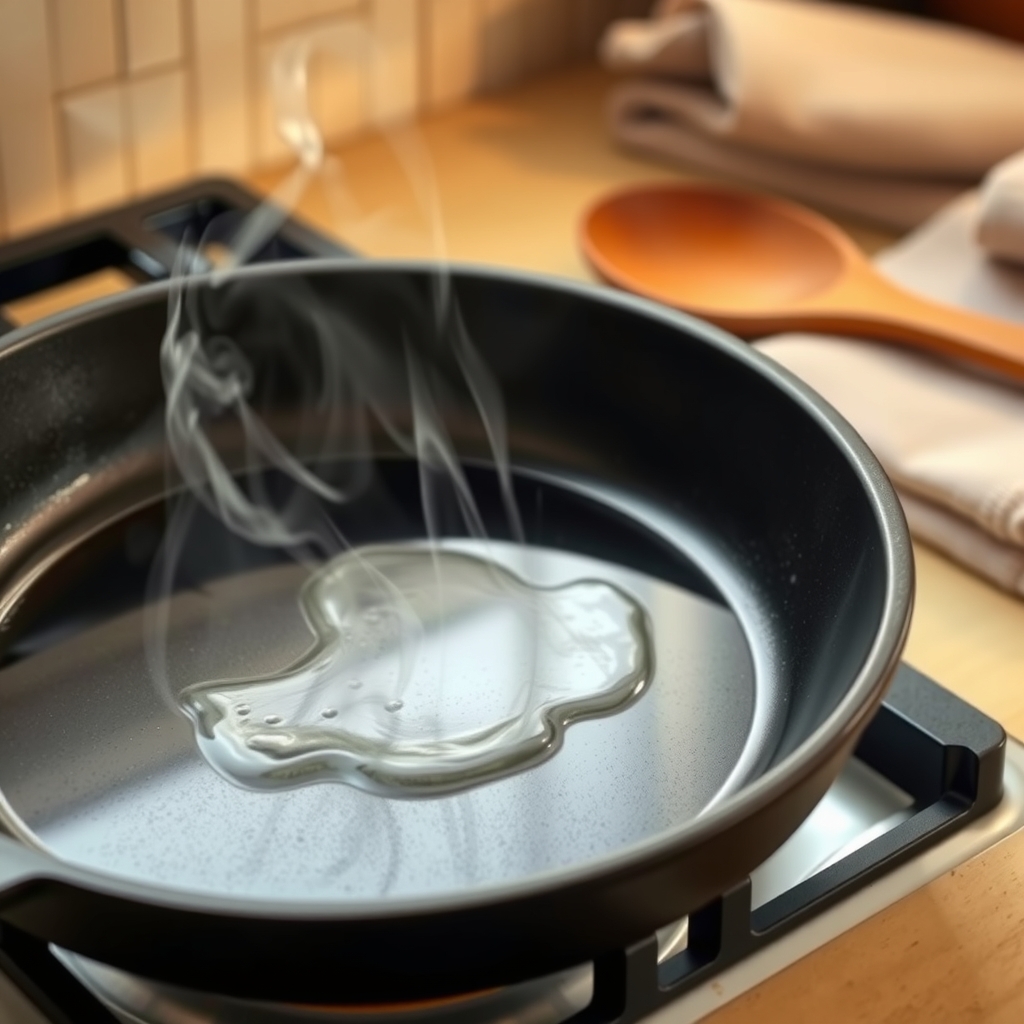 Free fix inside
Kitchen · Cast Iron Pan
Cast Iron Pan Smoking So Much? The Oil and Heat Mistakes Behind It
Read the fix Free fix inside
Kitchen · Cast Iron Pan
Cast Iron Pan Keeps Sticking? Preheat Rules and a Better Spatula
Read the fixAs an Amazon Associate I earn from qualifying purchases. Affiliate disclosure